Utrecht before Christ
Delve into the fascinating history of Utrecht, which dates back far before our era. In 2015, archaeologists made a remarkable discovery on the Uithof, on the east side of the city. Their find led to the question of whether these could be the oldest inhabitants of Utrecht. Using C14 dating, a method that measures the amount of carbon in organic material to determine the age of archaeological finds, it was revealed that this site was already inhabited 13,000 years ago, in the Old Stone Age. This era is characterised by hunter-gatherers who lived by hunting and collecting nuts and fruits.
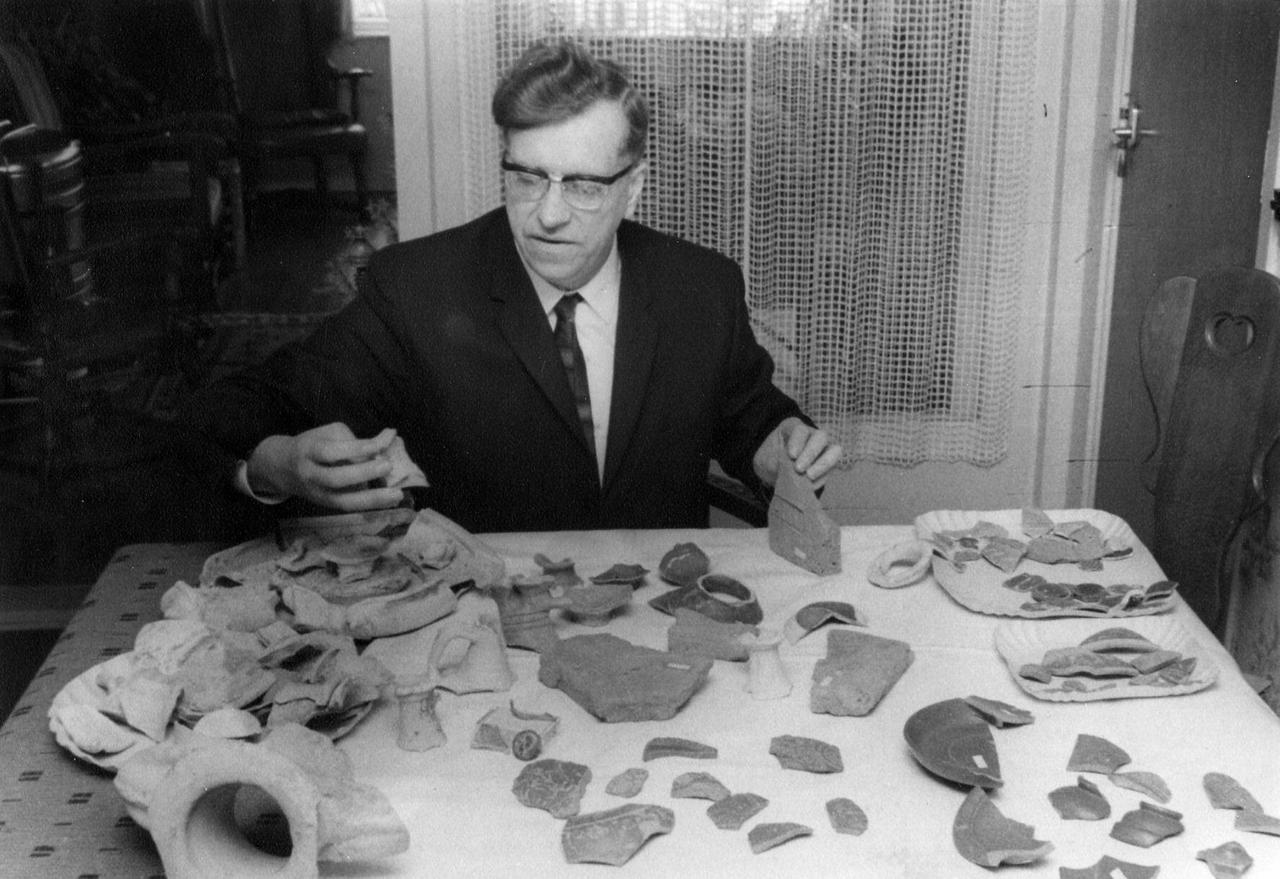
Archaeologists also came across traces of these prehistoric inhabitants in newer neighbourhoods such as Leidsche Rijn and Zuilen. Finds ranging from pots to tools showed that early inhabitants of this area were active and industrious.
Further research revealed that this site was inhabited during several periods. For example, traces were found of hunter-gatherers from the Middle Stone Age (about 10,000 to 8000 years ago), who possibly built huts and made fires in pits. About 4500 years later, farmers settled here, building homestead houses and digging wells for clean drinking water.
During the Iron Age, Utrecht remained relatively unchanged. Houses had a short existence and floods regularly shifted the city boundaries. This period also marked the arrival of the Romans in Utrecht, a turning point that marked the beginning of a new chapter in Utrecht's history.
Any feedback for this story?