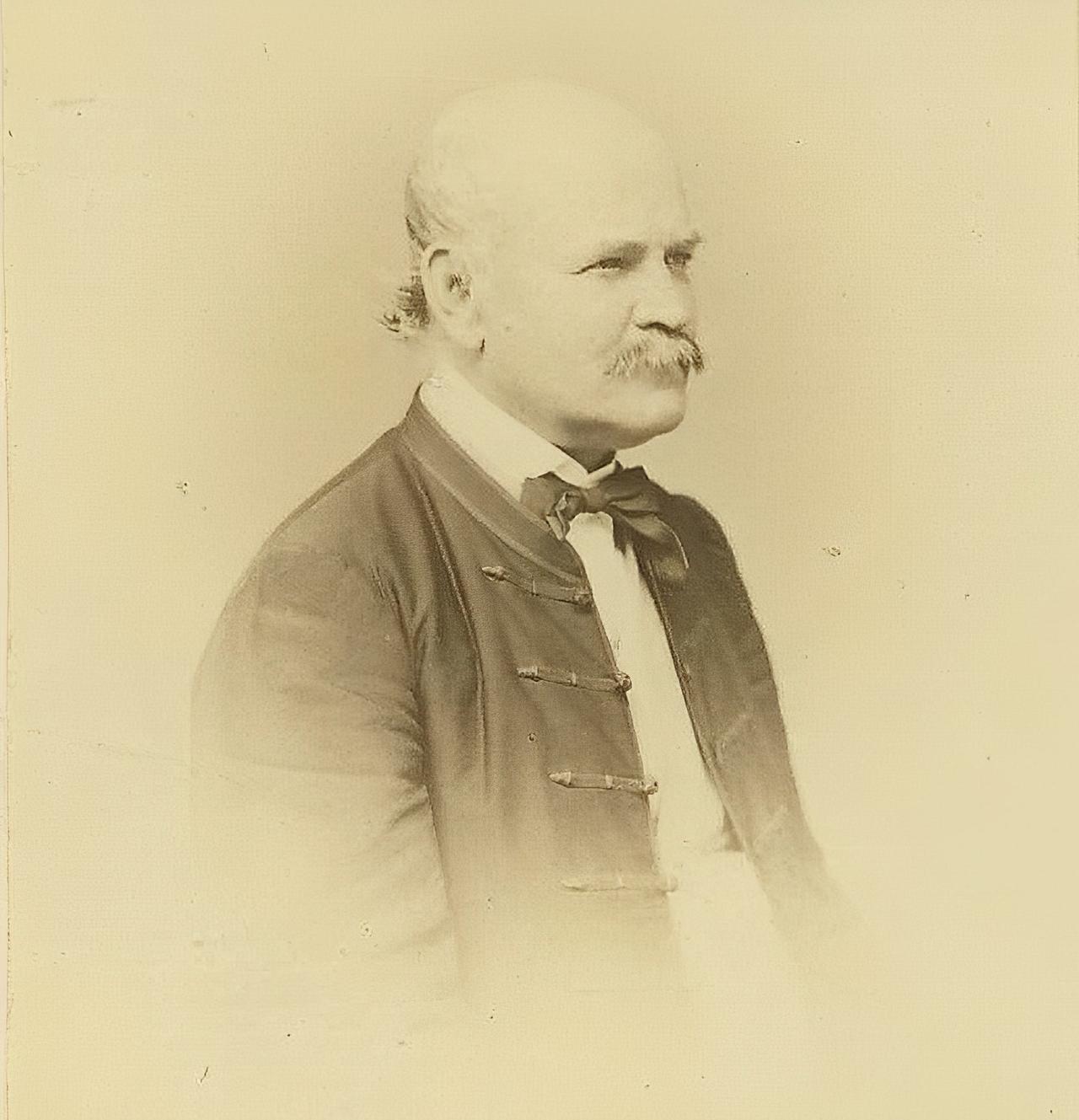
Ignaz Semmelweis and hand hygiene
In 1847, a young Hungarian doctor uncovered why one maternity ward was killing three times more mothers than another, and his answer would save millions of lives.
At the sprawling Allgemeines Krankenhaus, one of Europe's largest hospitals, a deadly pattern emerged. The First Obstetrical Clinic, staffed by physicians and medical students, saw mothers dying at horrifying rates from puerperal fever, a mysterious infection that struck after childbirth. Meanwhile, the Second Clinic, run entirely by midwives, had far fewer deaths. Desperate women begged not to be assigned to the doctors' ward.
Ignaz Semmelweis, a 28 year old obstetrician, noticed something disturbing. Medical students rushed straight from dissecting corpses in the autopsy room to examining laboring women without washing their hands. He realized they were carrying what he called cadaverous particles from the dead to the living.
In May 1847, Semmelweis ordered all doctors to scrub their hands in chlorinated lime solution before touching patients. Within months, the death rate plummeted from 18 percent to under 2 percent. Hundreds of mothers who would have died walked out of the hospital alive.
His colleagues rejected the idea. Many were insulted that a gentleman doctor could be accused of causing death. Semmelweis was eventually forced to leave, and mortality rates surged again after his departure.
Any feedback for this story?