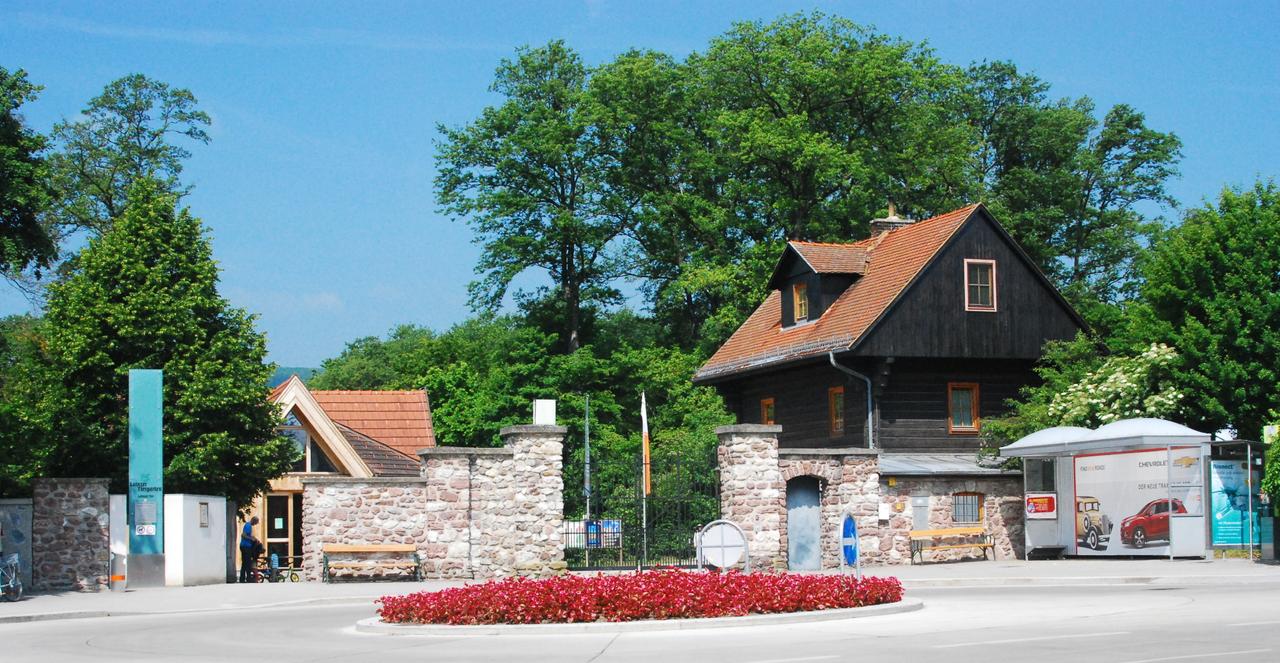
Lainzer Tor
The wall you're about to walk through has an odd claim to fame. It gave German a new insult.
You're standing at the Lainzer Tor, the main entrance to the Lainzer Tiergarten. Behind this gate lies 6,000 acres of forest that Emperor Ferdinand I turned into his private hunting ground in 1561. For nearly four centuries, ordinary Viennese couldn't step foot inside.
In 1782, Emperor Joseph II decided the wooden fence wasn't cutting it. He hired master bricklayer Philipp Schlucker to build a proper 22 kilometer stone wall around the entire reserve. Schlucker bid so low that everyone in Vienna thought he'd go bankrupt. He didn't. But his name stuck. "Armer Schlucker" still means "poor slob" in German.
The wall wasn't meant to keep people out. It kept animals in. Wild boar, deer, mouflons. The emperors wanted their game concentrated for easy hunting.
The Tiergarten stayed imperial property through revolutions, wars, and the collapse of the monarchy itself. Only in 1919 did Vienna finally open these gates to the public. About 1,000 wild boar still roam inside. The wall is mostly still standing. And Schlucker's name lives on in every German conversation about someone getting a raw deal.
Any feedback for this story?