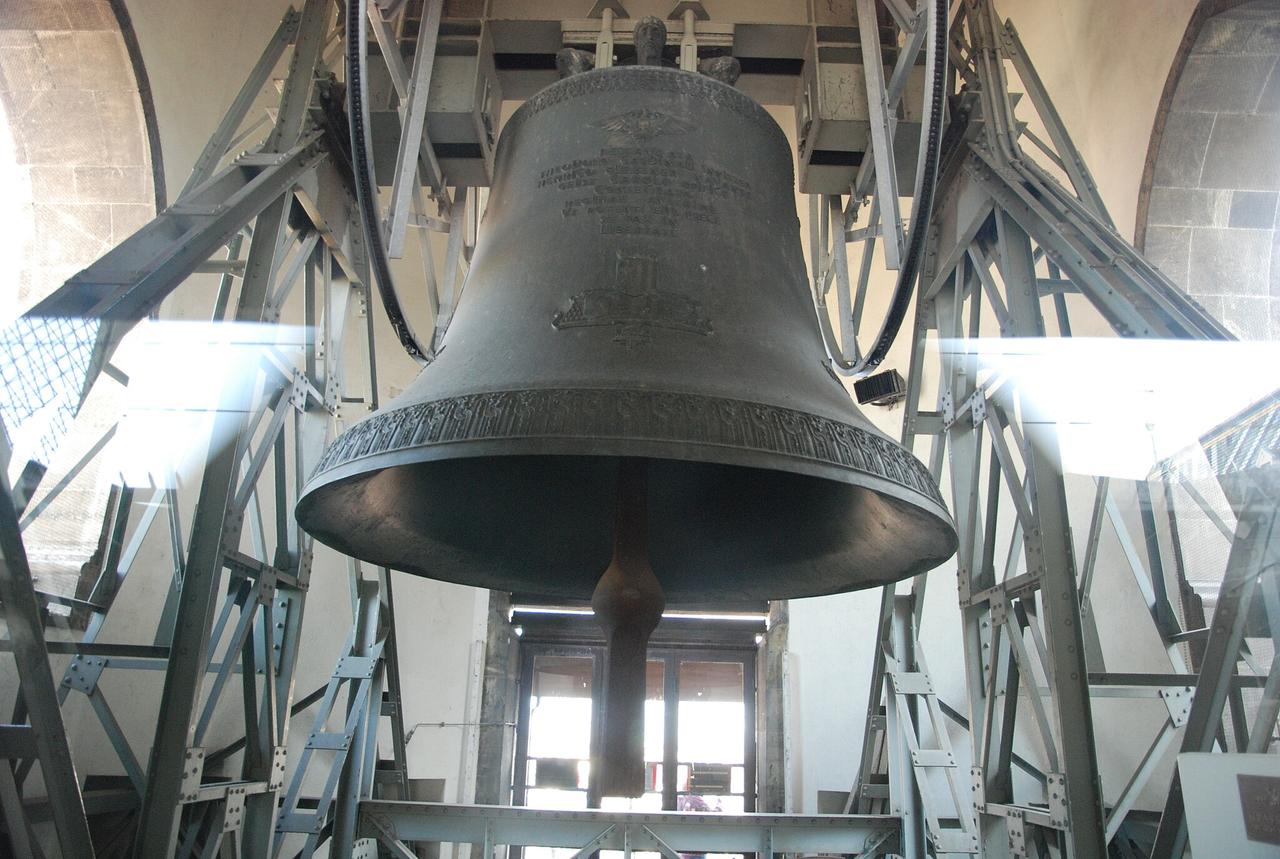
Pummerin Bell
Walk through Griechengasse today and you'll see quaint 17th century buildings, a Byzantine Greek Orthodox church, and tourists sipping coffee at outdoor cafés. But this narrow medieval alley has a darker past.
In the 1200s, Griechengasse connected directly to Fleischmarkt, Vienna's main meat market where butchers slaughtered animals and sold their wares. The stench was overwhelming. Rancid blood pooled in the gutters between cobblestones. Animal guts piled up in corners. In summer, the smell became so unbearable that residents kept their windows shut despite the heat.
The narrow passage trapped the odors like a funnel, creating a corridor of decay. Flies swarmed in clouds. Dogs fought over scraps in the street. By midday, the stink of rotting flesh hung so thick you could taste it.
Here's the twisted part: this was prime real estate. Being steps from the meat market meant access to fresh meat before it spoiled, a luxury in an age without refrigeration. Wealthy merchants and tavern owners competed for buildings here, holding their noses while counting their profits.
By the 1700s, Greek merchants transformed the quarter. They built their church, opened the famous Griechenbeisl restaurant in 1447, and gradually the slaughterhouses moved elsewhere. The only reminder of those bloody centuries is the street name Fleischmarkt itself.
Any feedback for this story?