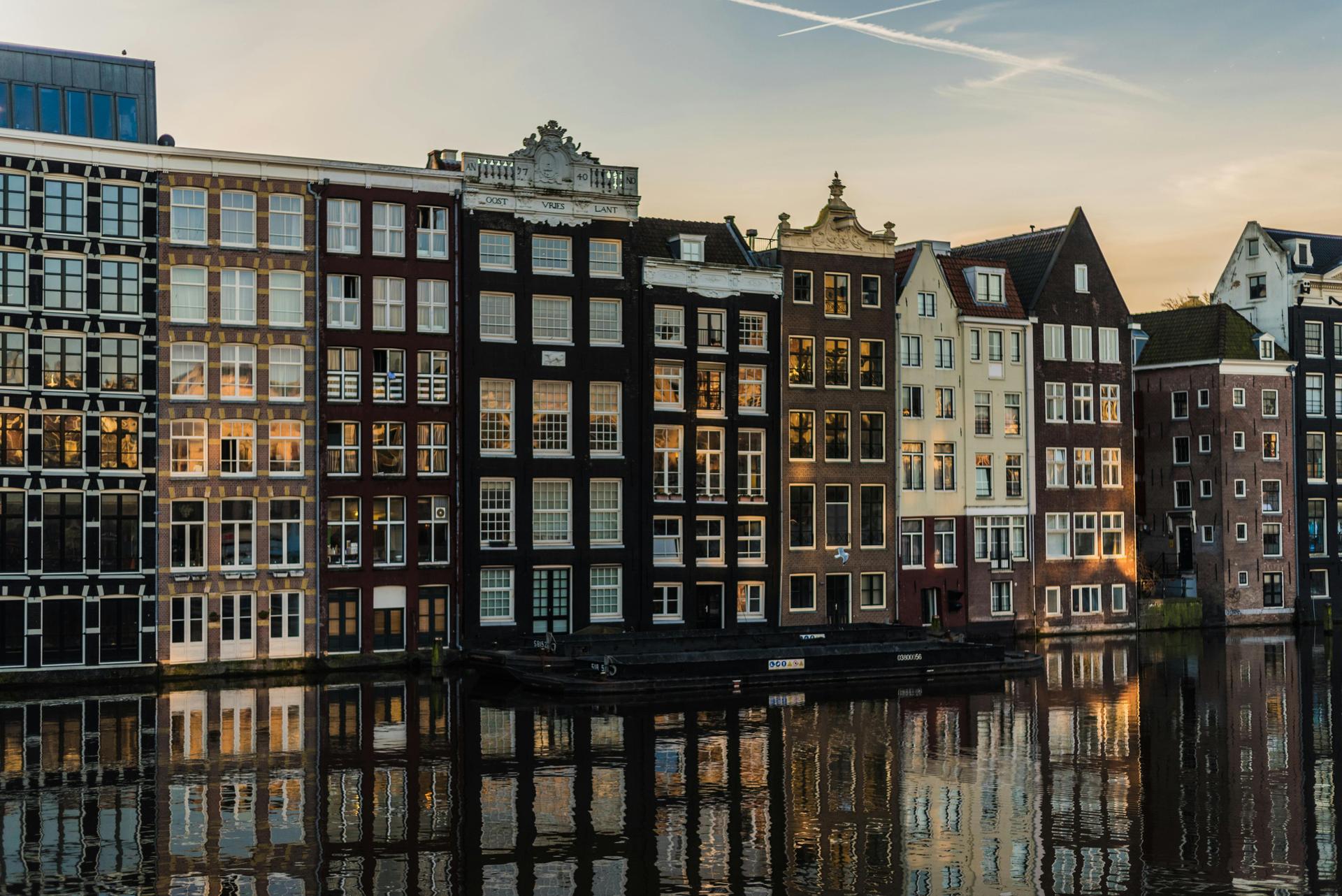
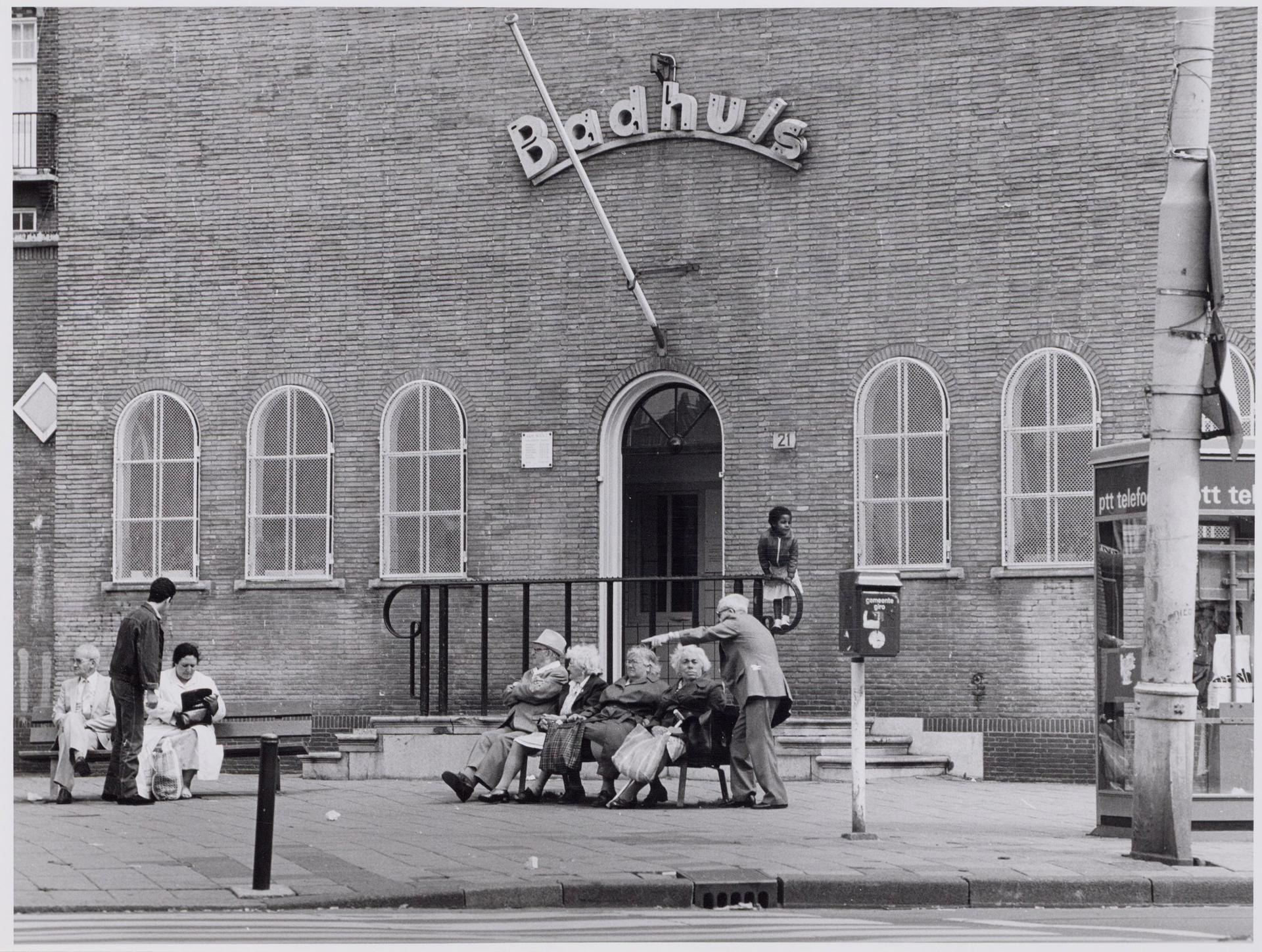
The building in front of you on the Javaplein is a café these days, with terrace chairs standing where a queue once did. People from the surrounding streets came here to wash, because washing at home was out of the question.
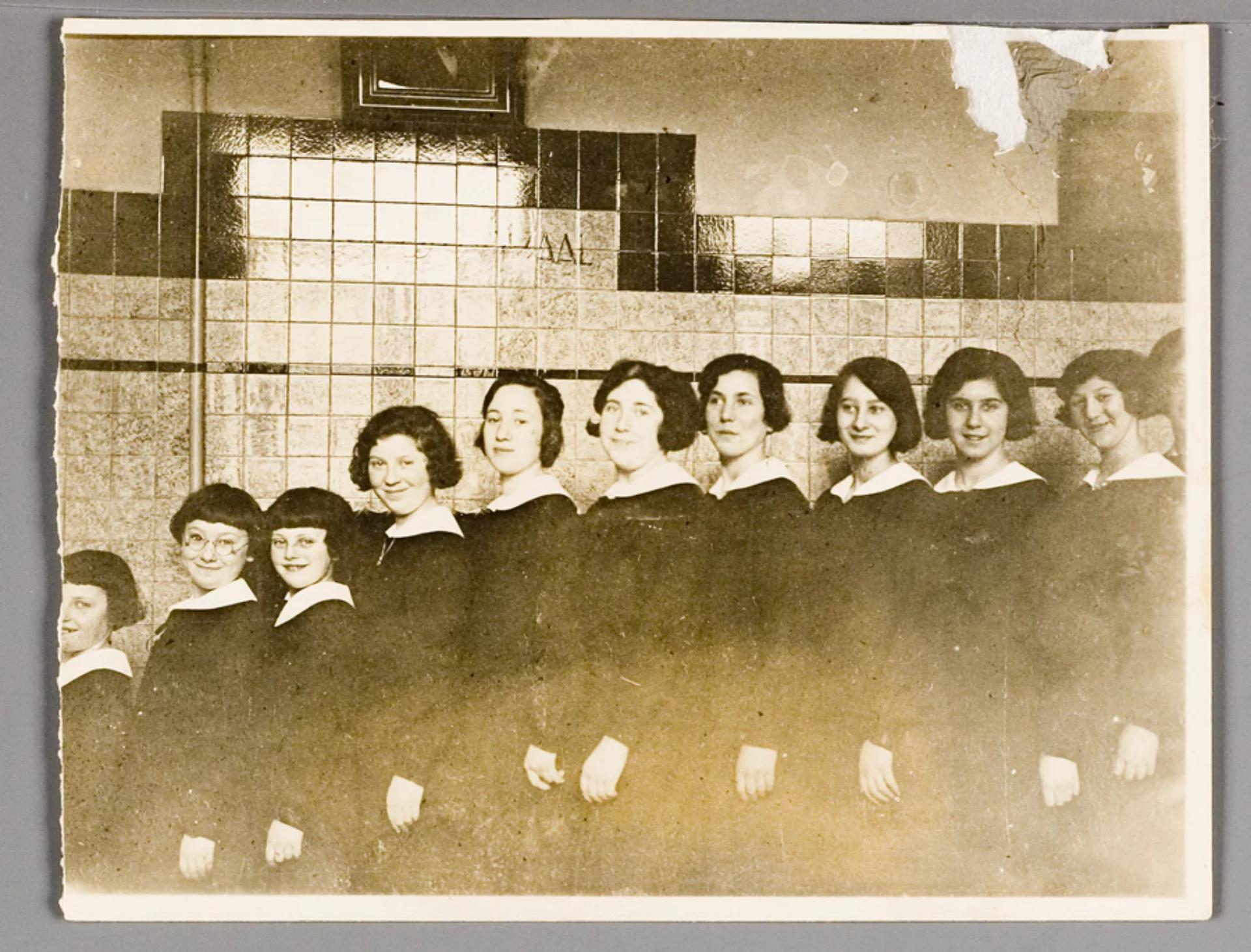
In the crowded working-class districts of the late nineteenth century, a bathroom simply was not part of a house. No shower, a hole in the ground for a toilet, sometimes no running water at all, so anyone who wanted a proper wash made do with a tub in the kitchen, if there was room for one. Over the following years the city council had twenty-one bathhouses built across Amsterdam, on a straightforward calculation: cleaner people fell ill less often, and a healthy city came cheaper than a sick one.
A few cents bought you a bath or a shower, usually on a fixed day of the week, which put your wash in the diary and told the whole neighbourhood whose day was whose.
You come across these bathhouses all over the city, sometimes still readable in the façade, sometimes hidden behind a new purpose. In one of them belongs to the local museum, and on the the old Badhuys now holds a restaurant.
What made them unnecessary was the bathroom later fitted into those old houses: a cubicle squeezed between two rooms, or a corner boarded off, so narrow that showering feels like standing in a wardrobe. It still counted as a leap forward, because for the first time you could wash at home, at any hour of the day.
Sources. Story: amsterdamopdekaart.nl Photos: Stadsarchief Amsterdam