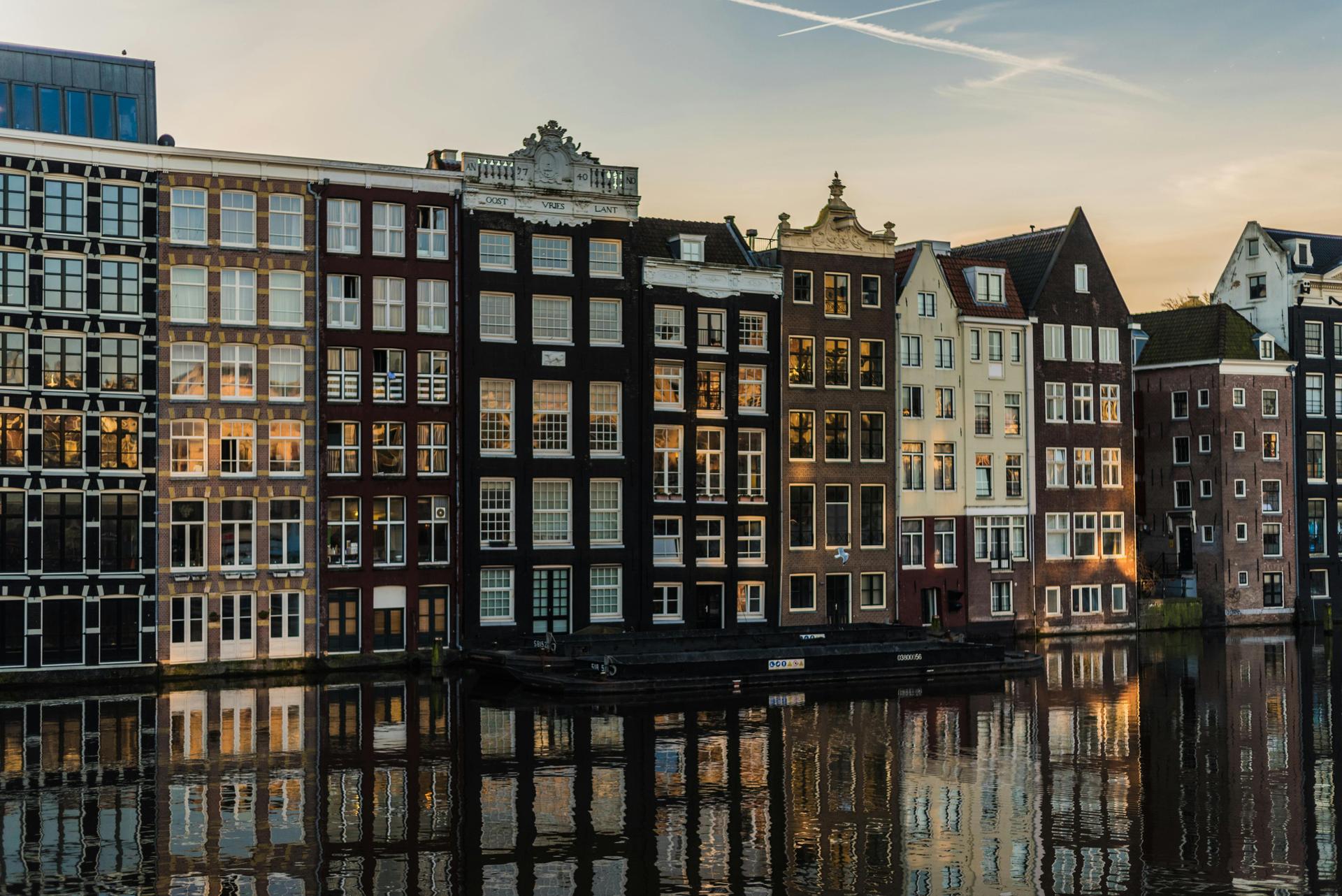
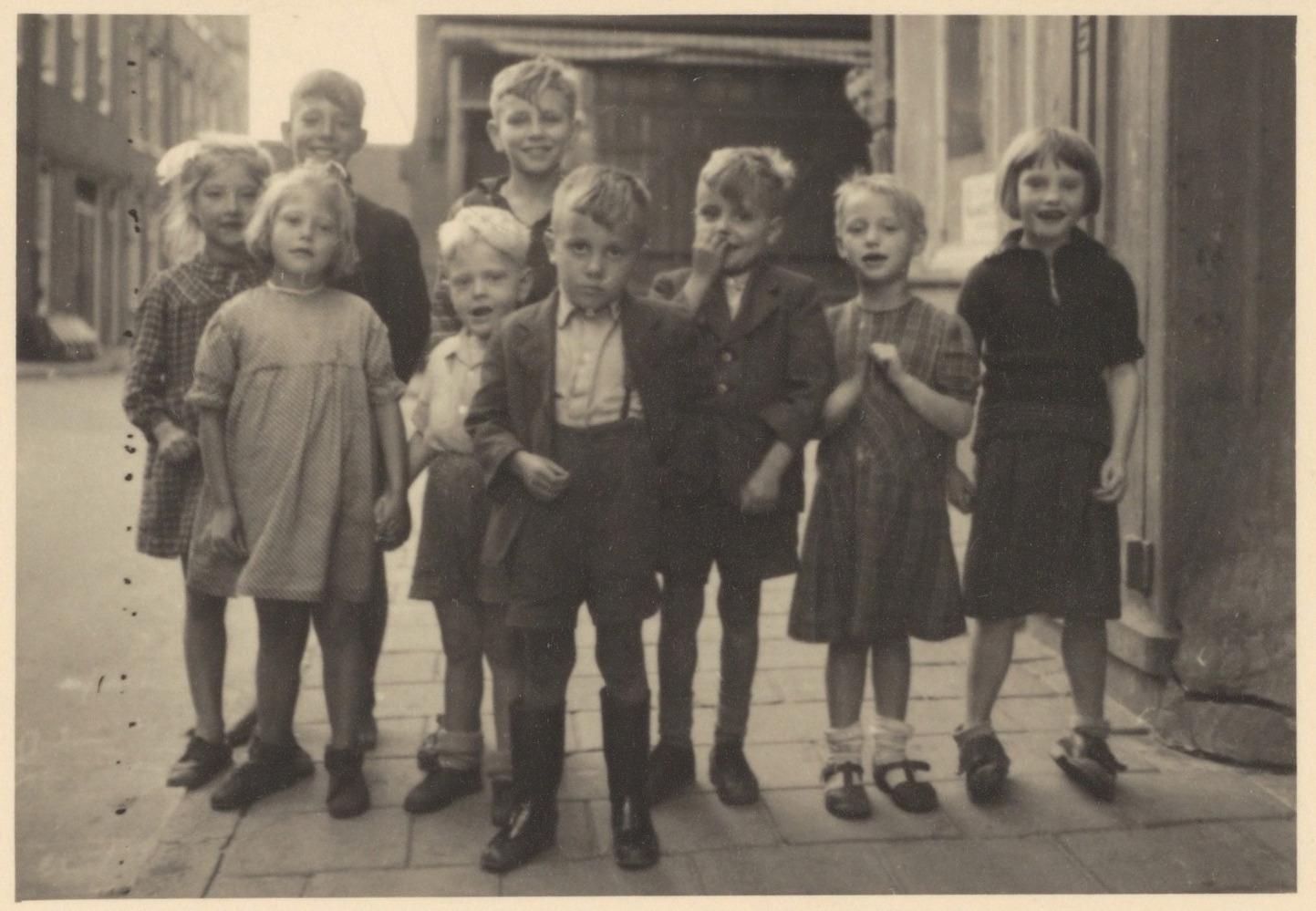
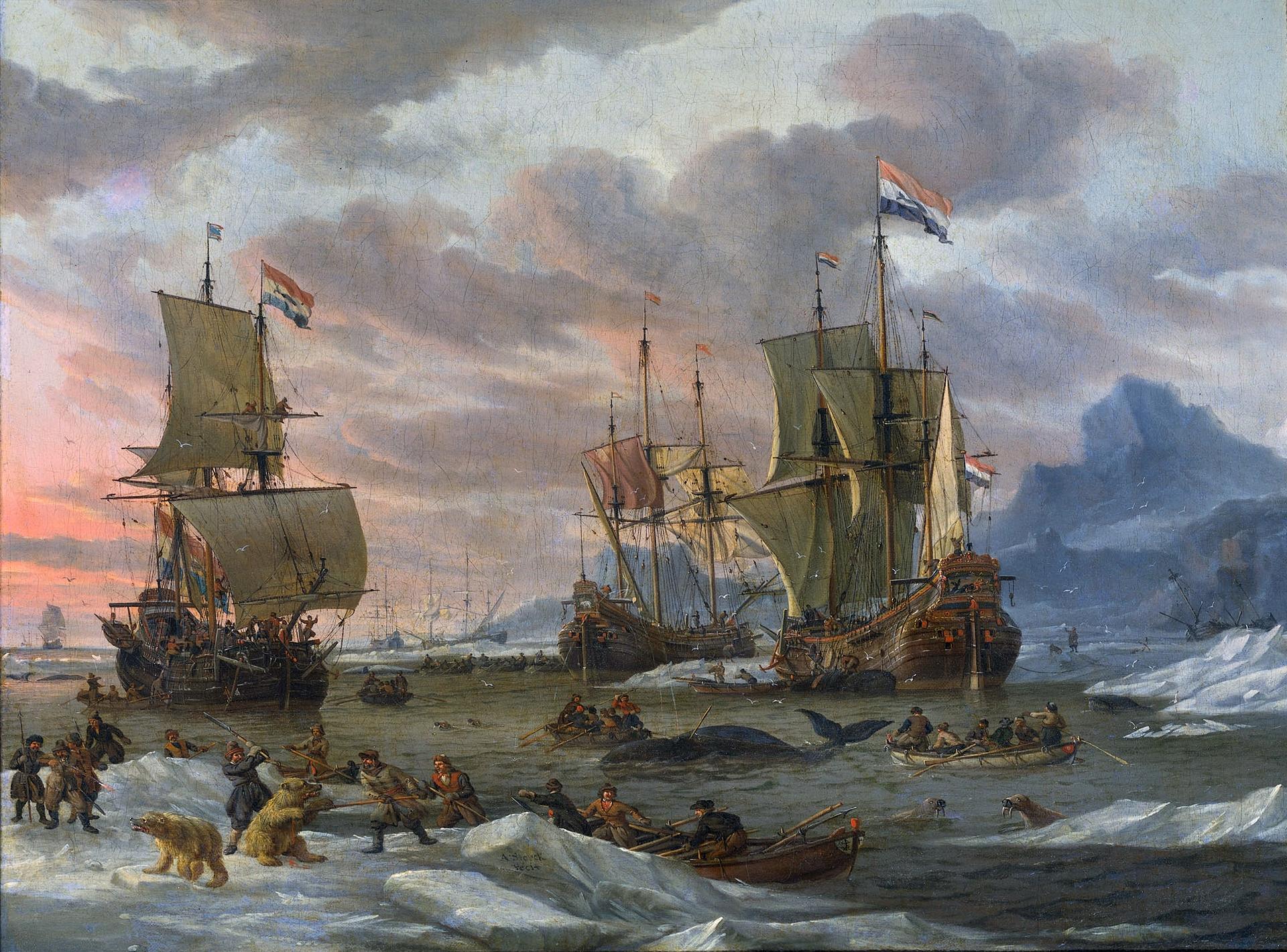
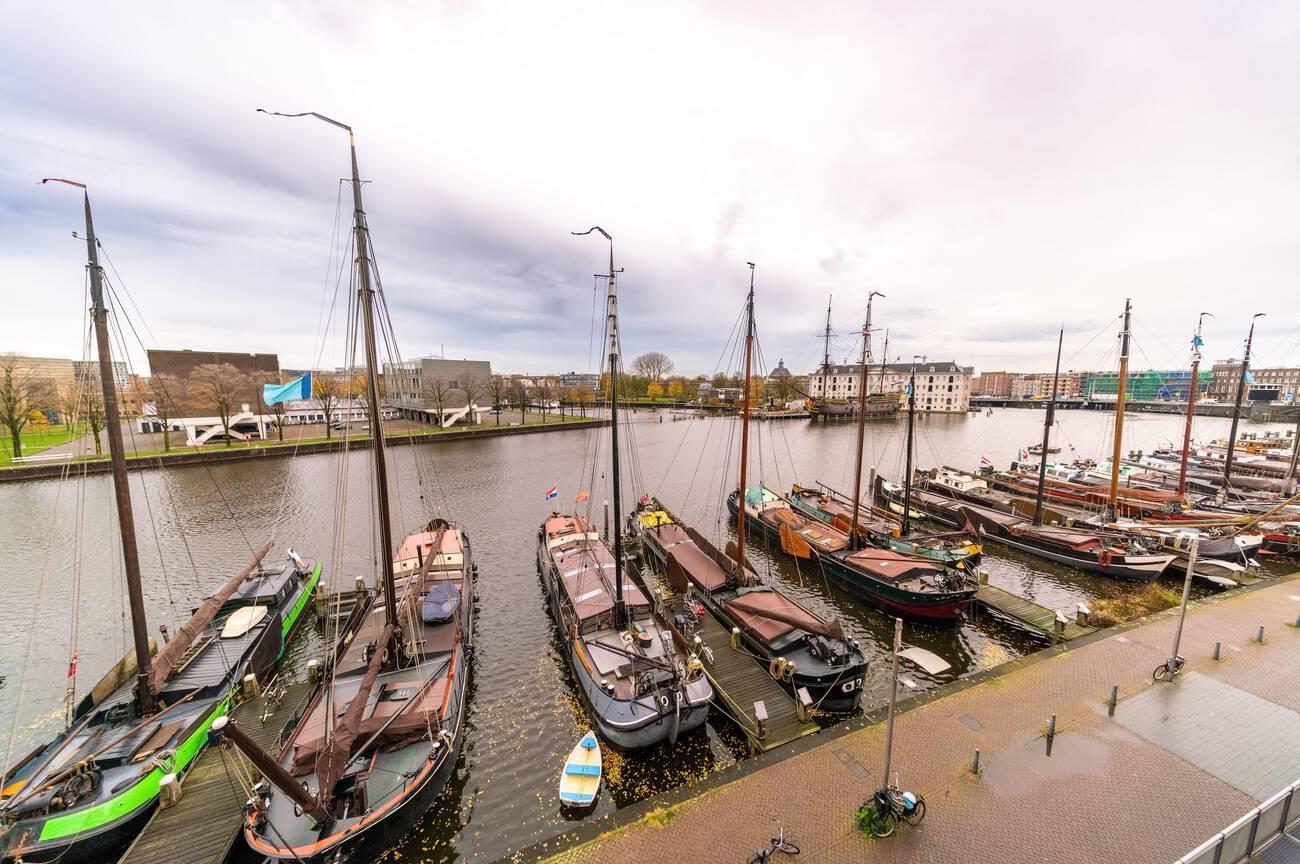
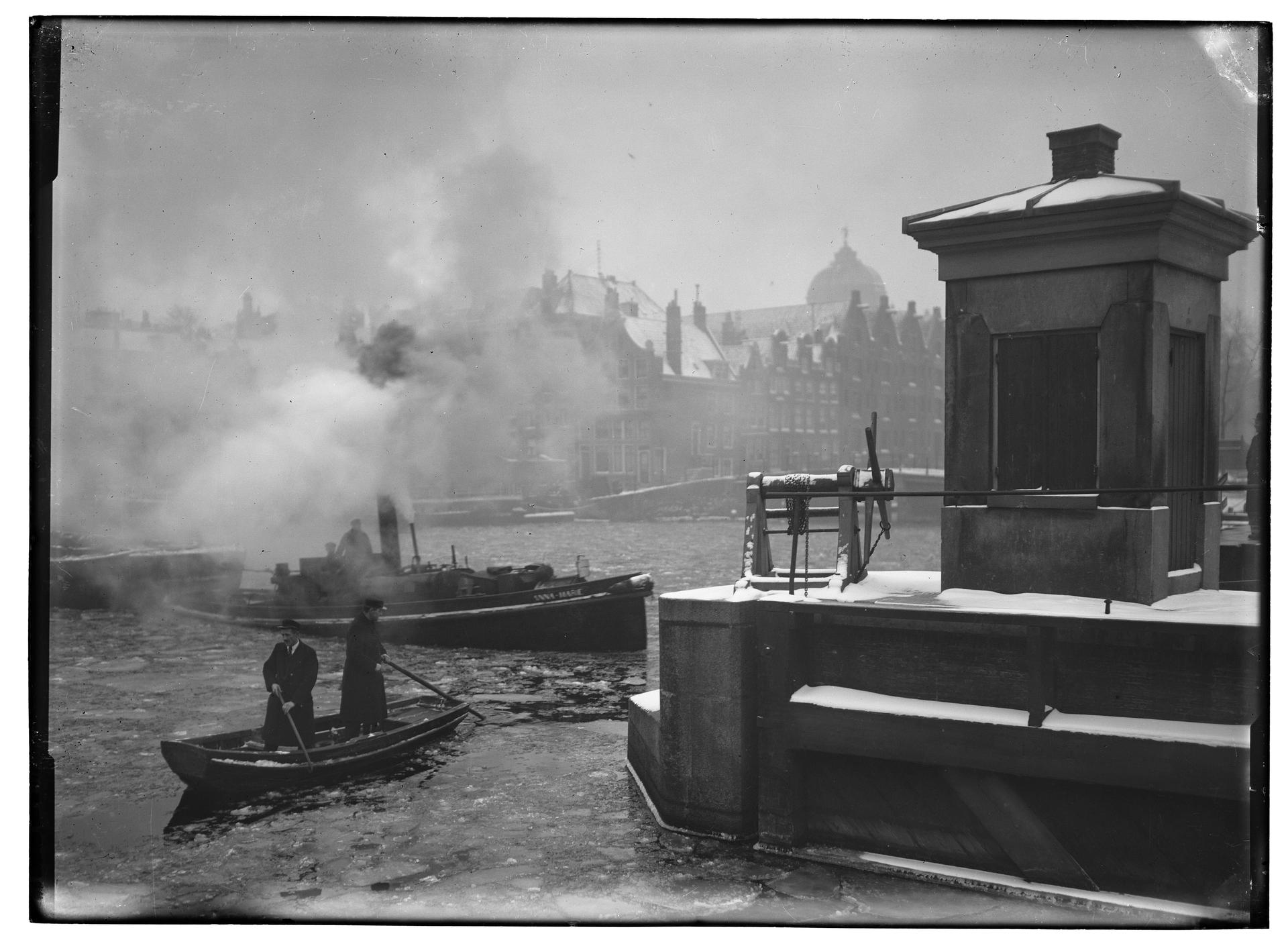
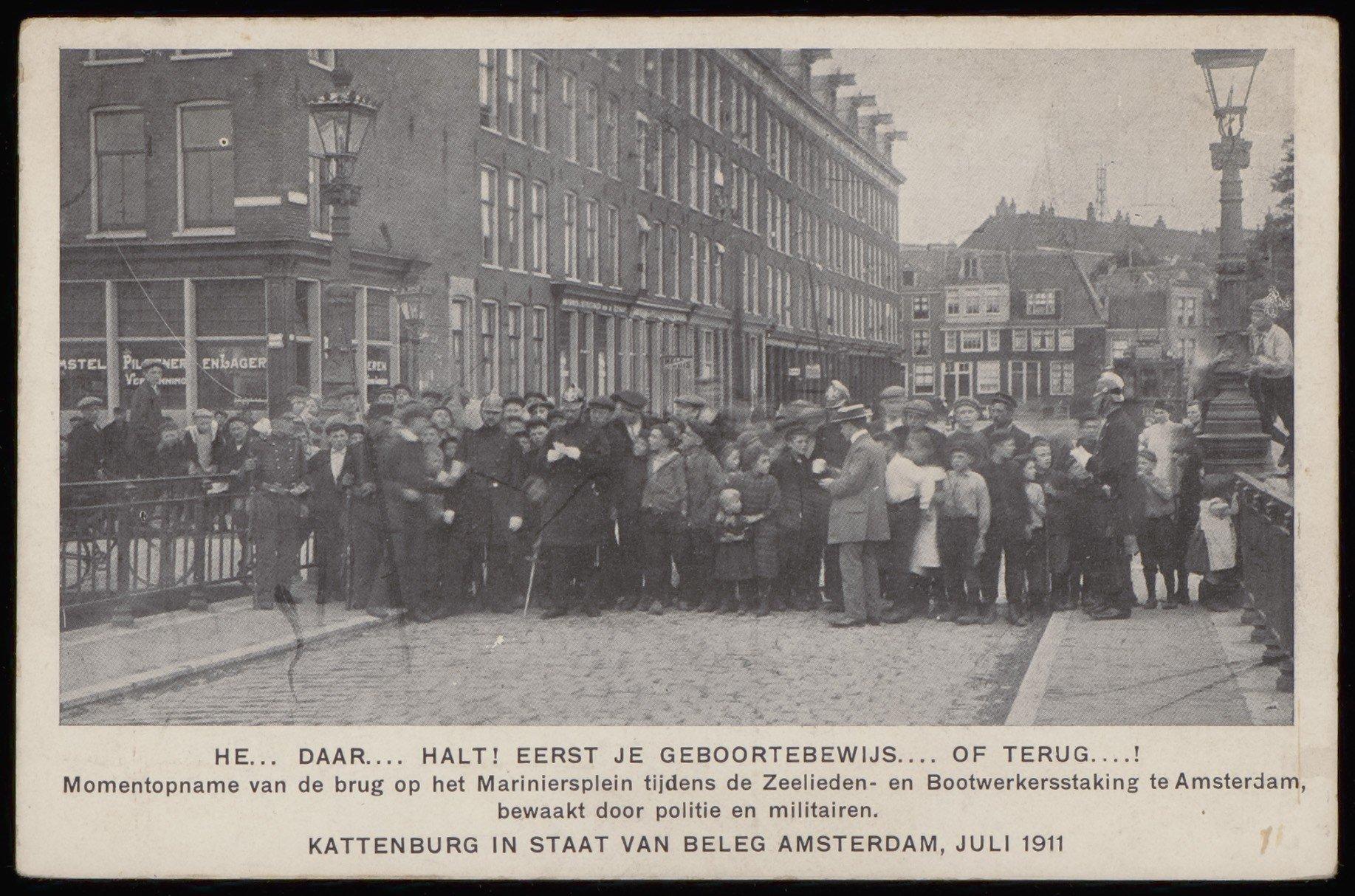
At the end of the Kattenburgerstraat there is now a wide strip of grass, and in July 1911 soldiers, police and military police stood lined up along it. They were watching a neighbourhood that had been on strike for weeks. Kattenburg was a harbour district, and the sailors and dockworkers who lived here had joined an international campaign for better pay and shorter hours.
The employers held firm and brought German and Chinese labourers into the city to take over the work. Every morning residents tried to stop those replacements, and every morning soldiers escorted them through the crowd. The summer was close and heavy, a state visit was due to pass right by the district, and the city brought in extra troops, which pushed the tension higher still.
On the night of 5 July the first shots rang out from the Mariniersplein around midnight. What led up to them remains unclear: there was a scuffle, shouting and throwing, lanterns smashed, and possibly gunfire from the houses as well. The soldiers opened fire on the crossing from several sides and forced their way into homes in search of gunmen. Dozens of people were wounded and the façades were left riddled with bullets, as the archive photographs of the damaged shops still show.
The strike came to little in the end and most of the workers went back to their jobs, while the name Bloody Night stayed attached to this corner of the city.
Sources. Story: Ons Amsterdam – Hier gebeurde het: Kattenburg, 6 juli 1911: https://onsamsterdam.nl/artikelen/hier-gebeurde-het-kattenburg-6-juli-1911 Photos: Amsterdam City Archives