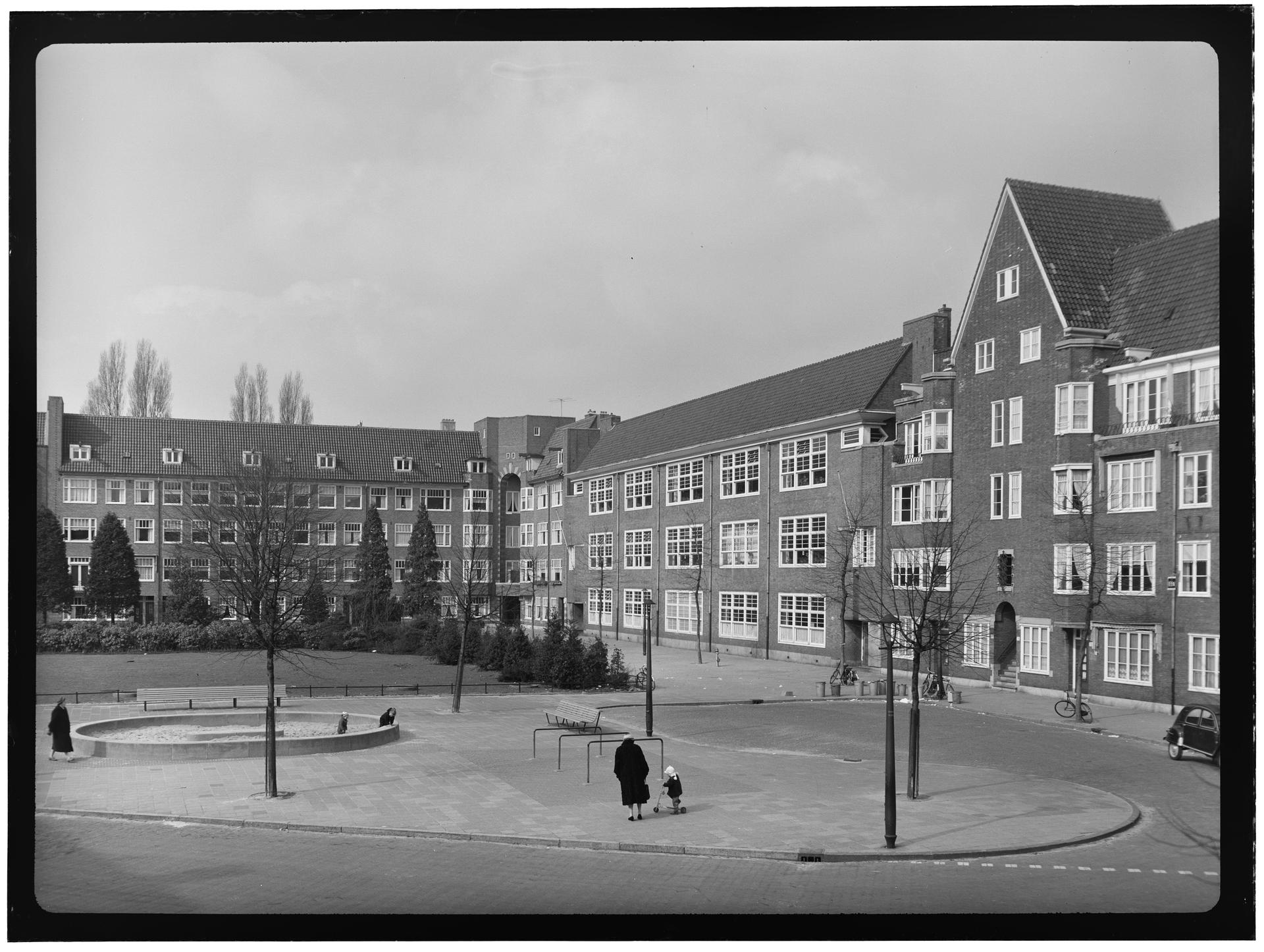
On the second floor of this house, in December 1946, wrote to a friend of 's that they had more room here on the Jekerstraat. He had moved in a month earlier, and followed soon after, and together they lived with Ab Cauvern, a friend of Jan's who had just been widowed.
This is where the second life of the diary began. Otto had gotten the notebooks back from Miep, and in these years he worked on them, typing them out, choosing which parts to keep, and looking for a publisher. Ab Cauvern, who worked in radio, helped him get the text ready for print. In 1947, appeared, the book we know in English as The Diary of a Young Girl.
For seven years Otto lived with Jan and Miep, first on the Hunzestraat, which we'll pass shortly, and then here, and during that time he became part of their family. In photographs from 1951 he stands with them and their little boy Paul on the doorstep. In the autumn of 1952 he left for Switzerland, where he had family, and for the rest of his life he kept answering the letters about that came in from all over the world.
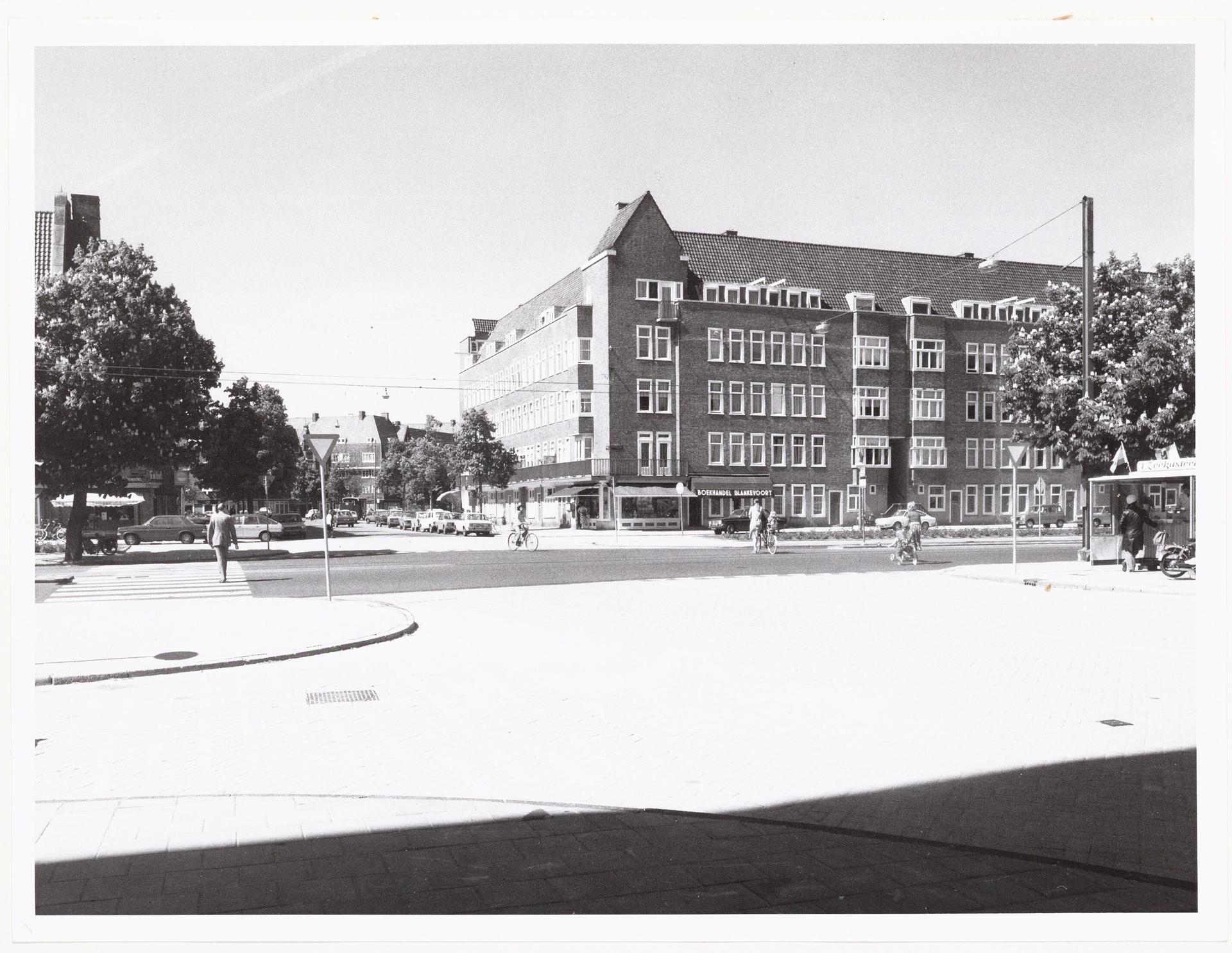
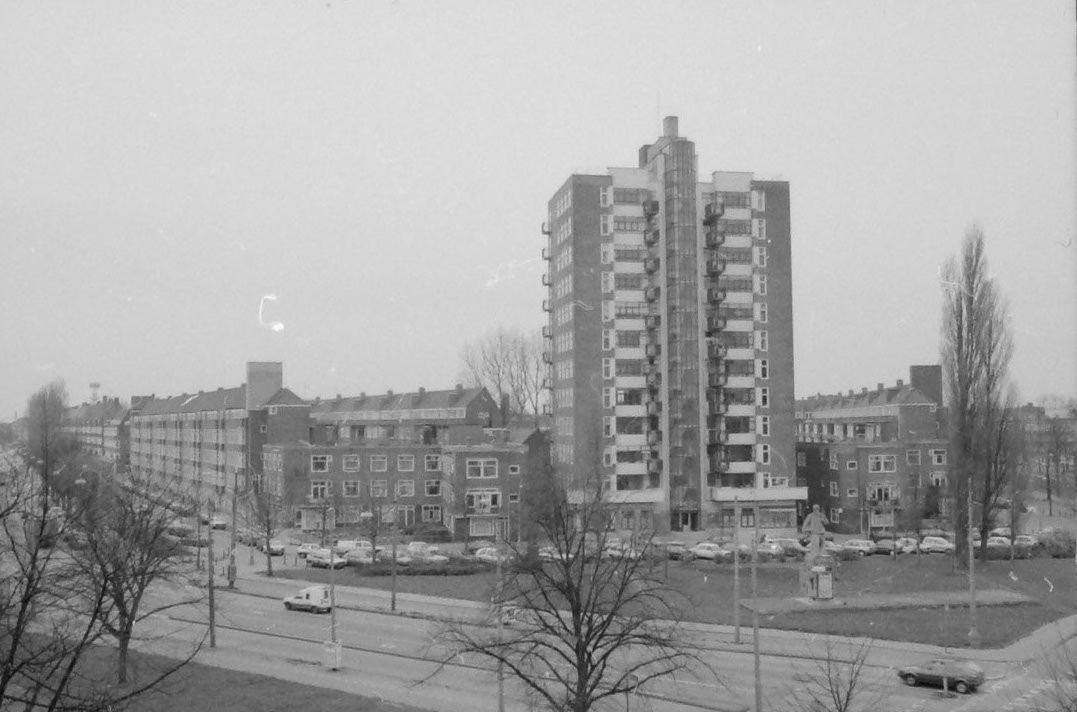
The facade gives none of this away. A terraced house from the thirties, with the front door he opened for years.
We walk out of the Jekerstraat heading west and follow the Biesboschstraat, until we're standing in the Dintelstraat in front of number 38.
Sources. Story: Anne Frank Stichting, research database, Jekerstraat 65 II and the move of Otto Frank in November 1946; miepgies.nl, After the betrayal and after the war; Stadsarchief Amsterdam, archive card Otto Frank Photos: Stadsarchief Amsterdam