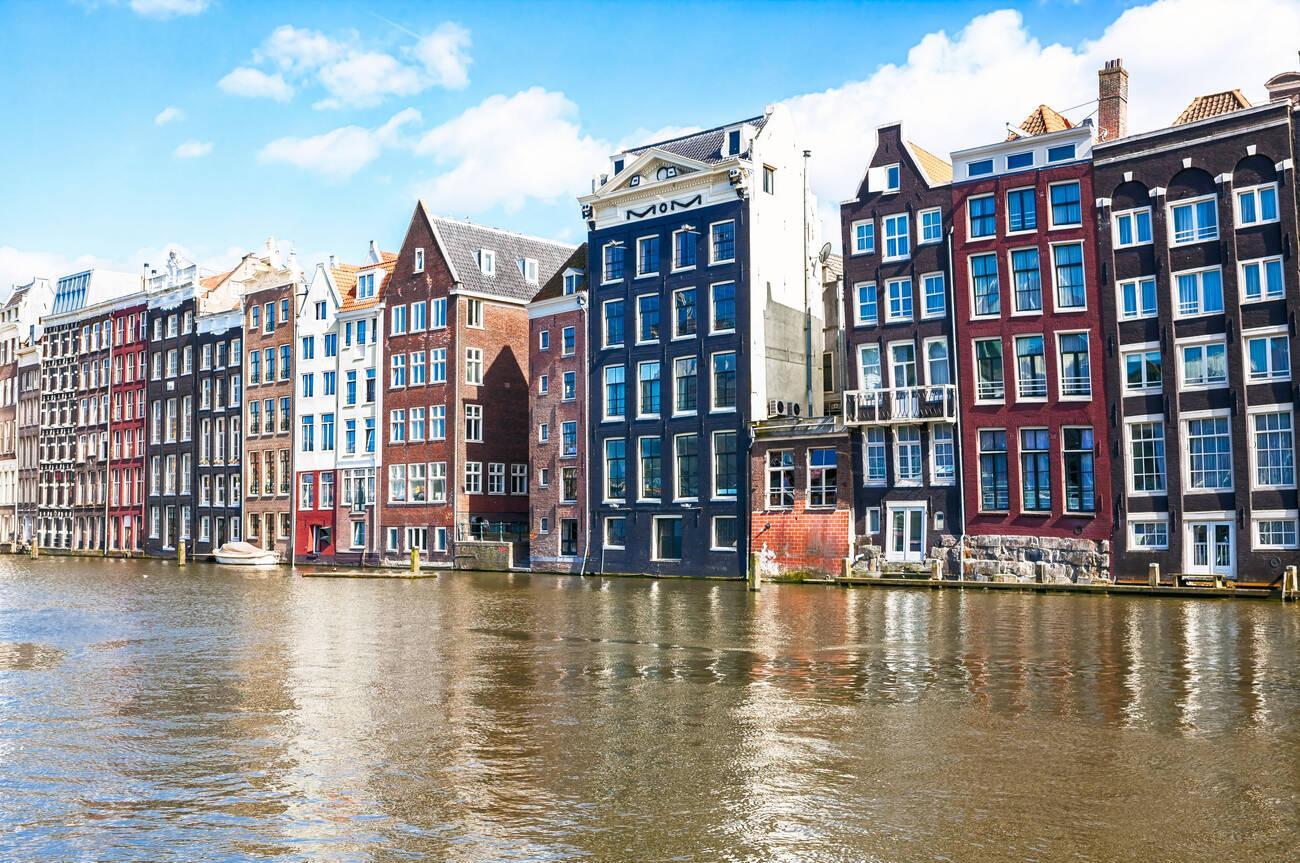
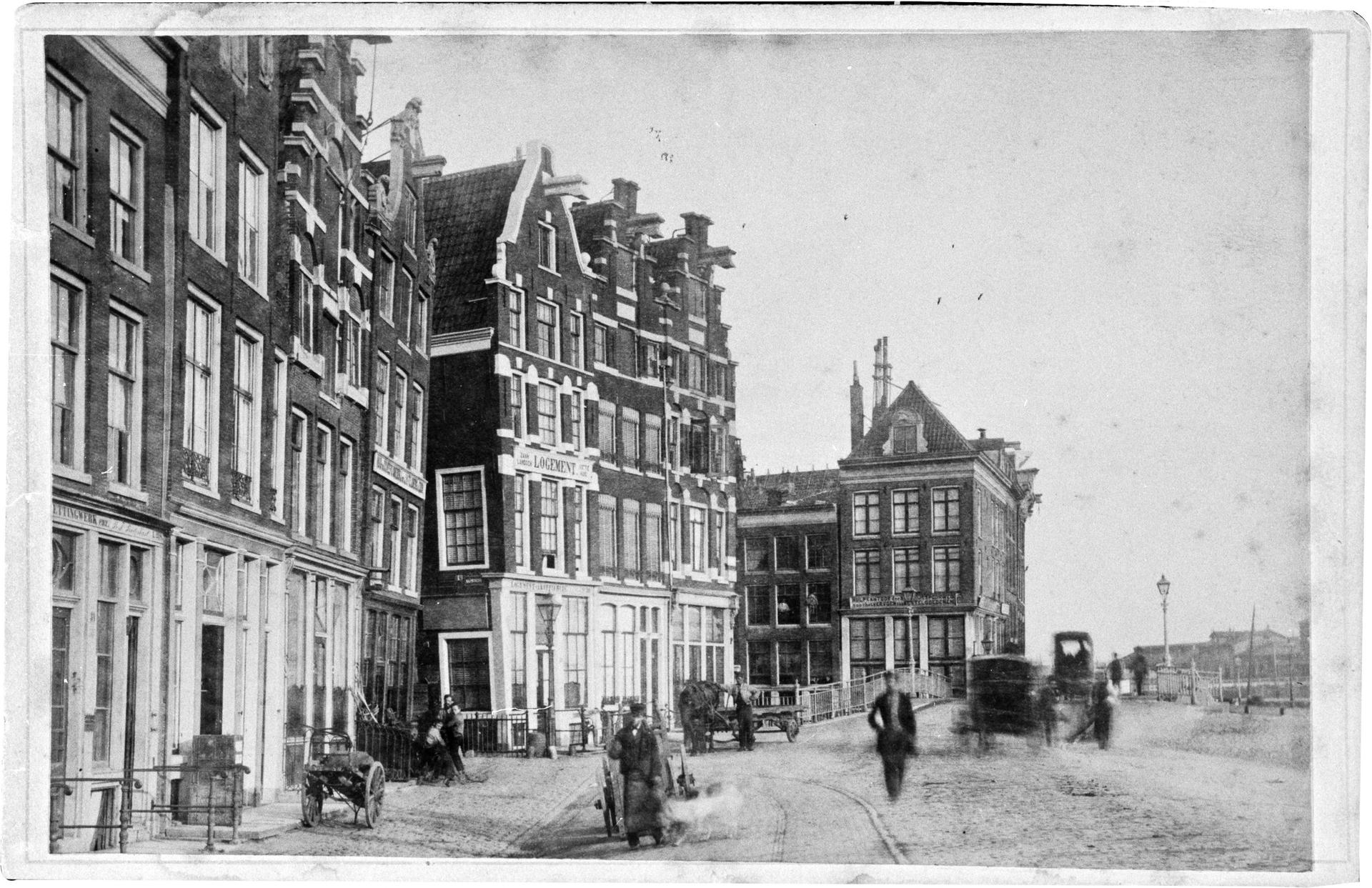
This alley is called the Haringpakkerssteeg, named after the people who once packed herring here for trade. The name holds a story that is much bigger than this narrow alley suggests, because herring was the foundation of Amsterdam’s prosperity. It was called the “golden fishery” for good reason.
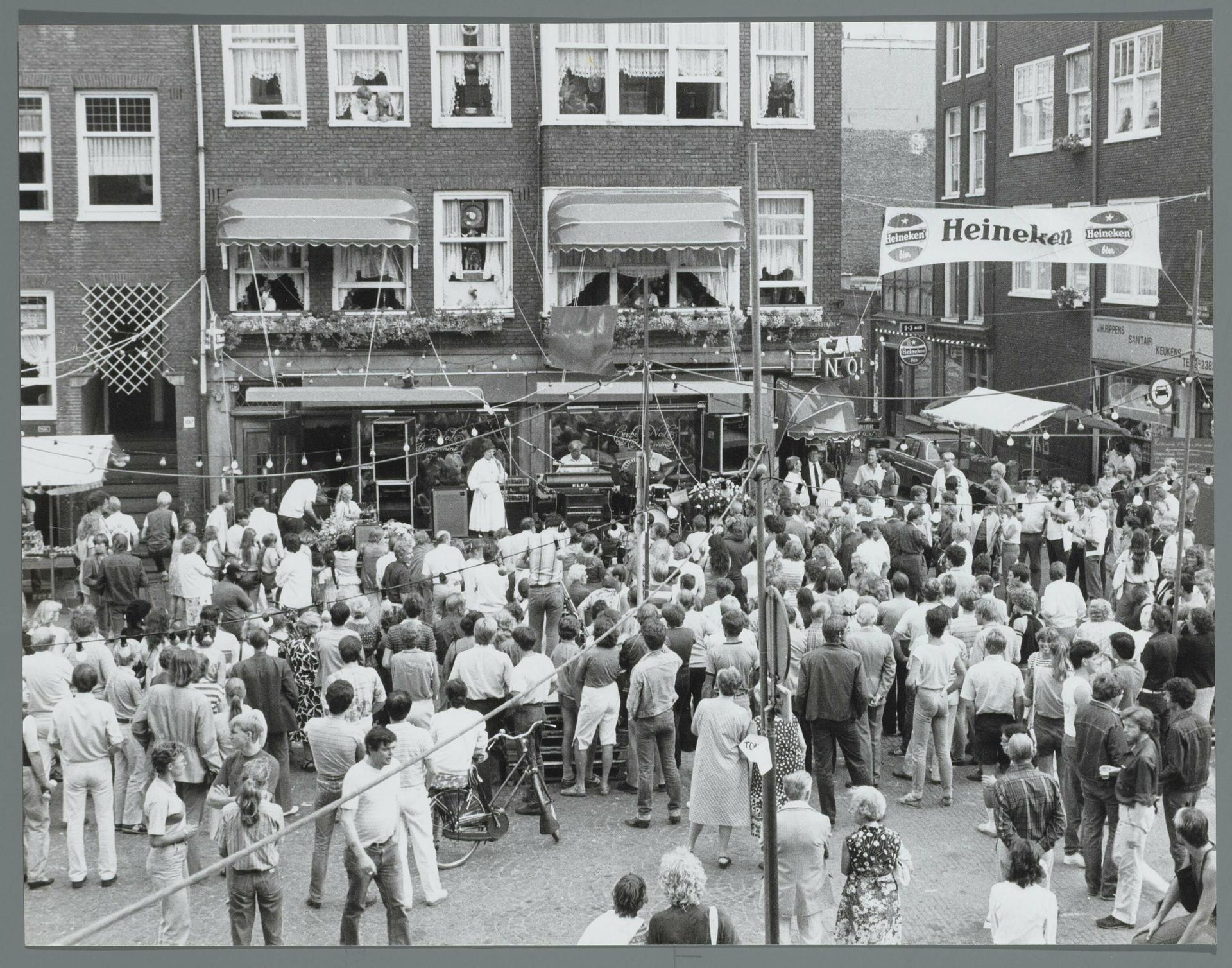
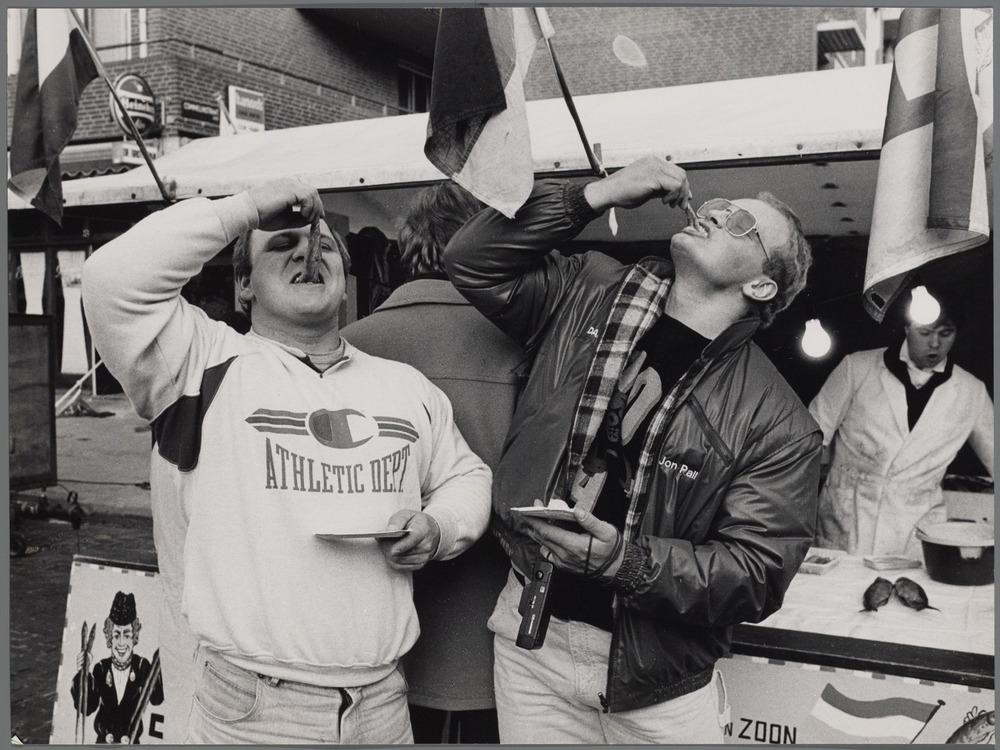
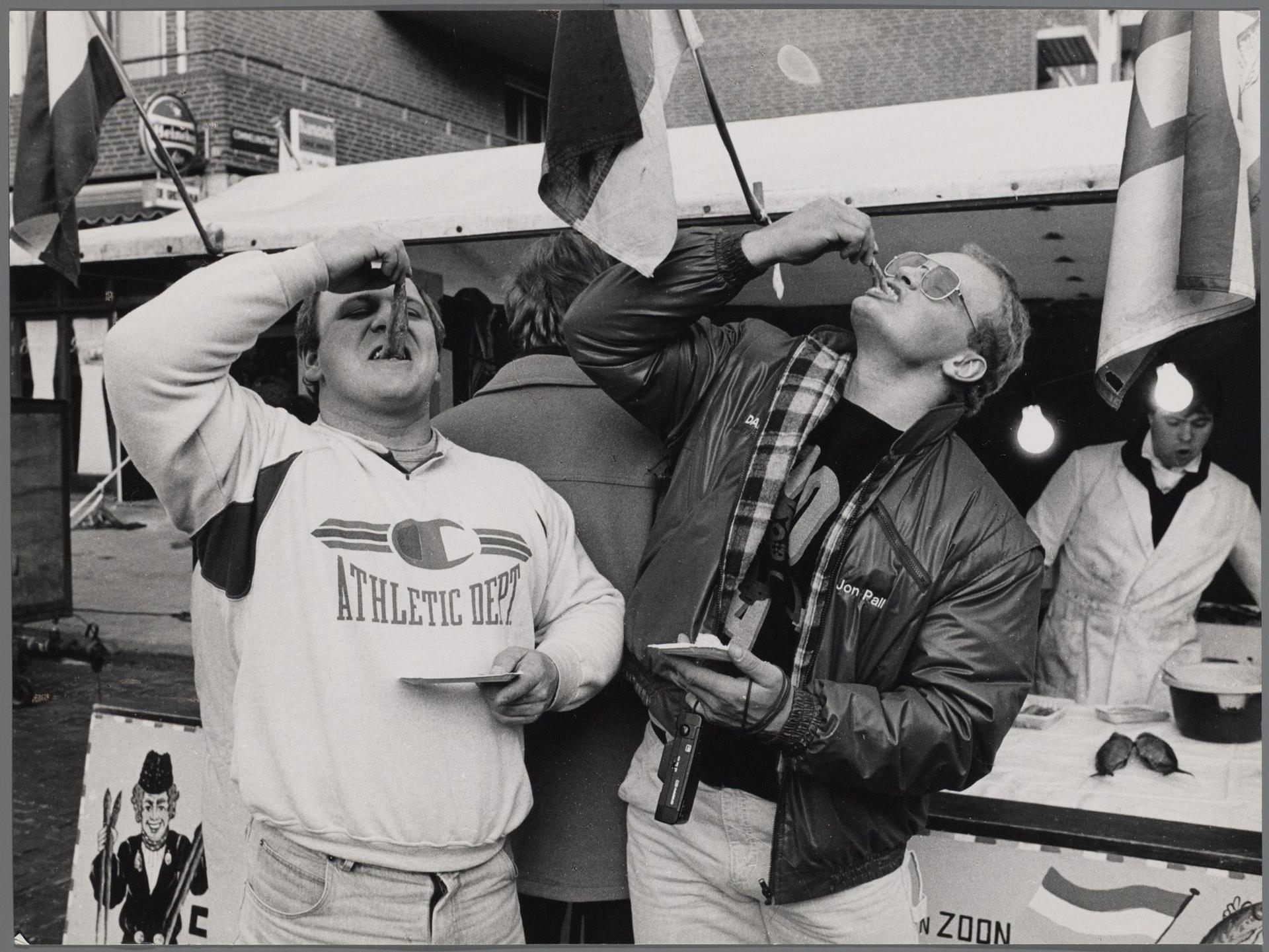
The arrival of the first herring of the season—the “”—was a true celebration. In the accompanying print of , you can see what that looked like: stalls with flags, banners reading “Nieuwe Haring,” and a crowd jostling around the tables. The herring carts drove through the streets amid cheers, and residents hung flags out their windows. It was an event the whole city looked forward to.
The secret lay in a technique called “kaken.” Fishermen learned to clean the herring at sea and salt it immediately, which kept the fish fresh for months and allowed it to be traded over long distances. This transformed a perishable catch into a durable export product, and that is precisely the logic that made Dutch trade so strong.
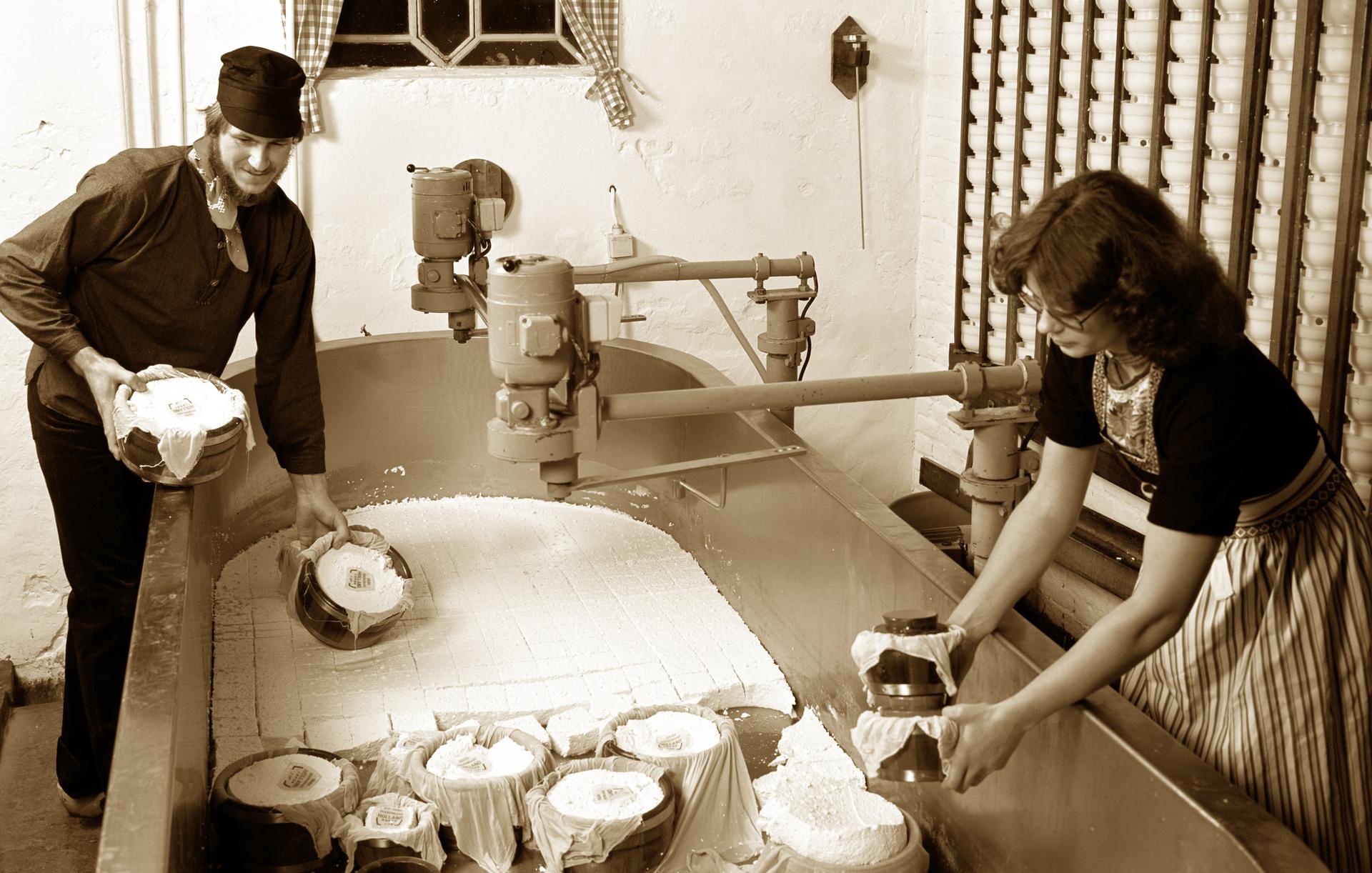
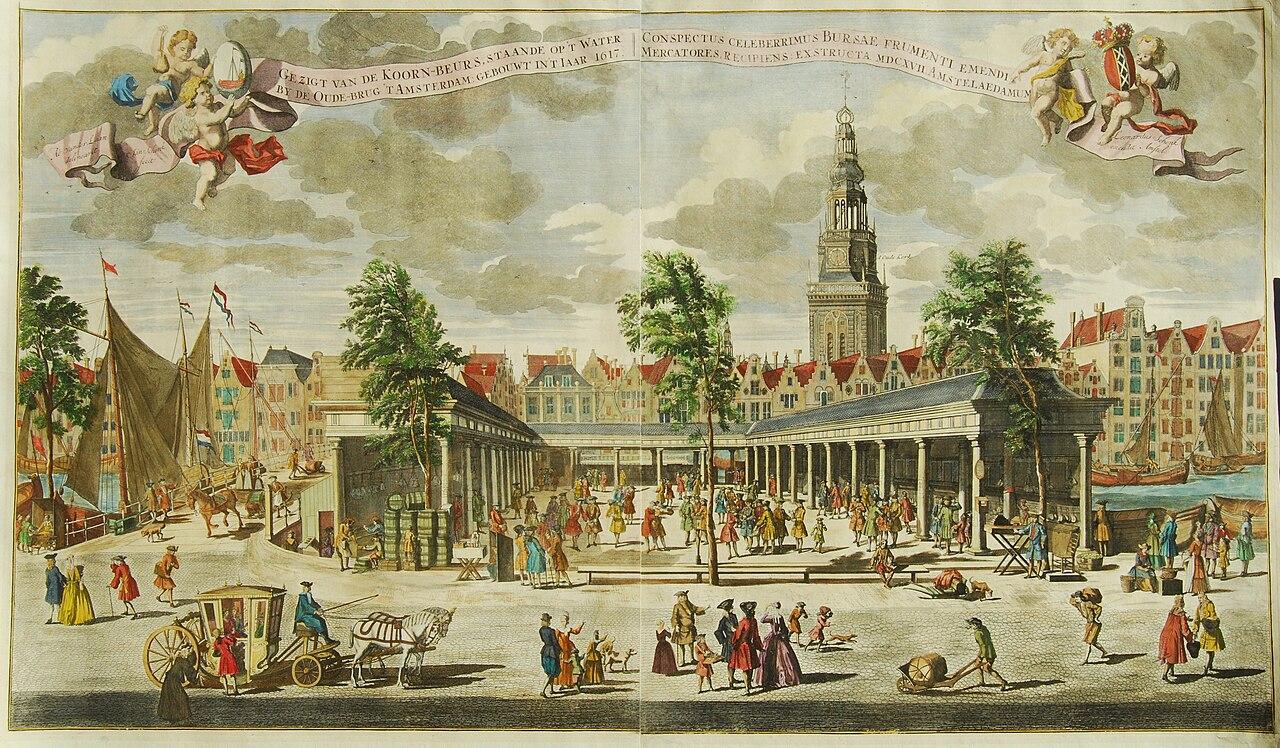
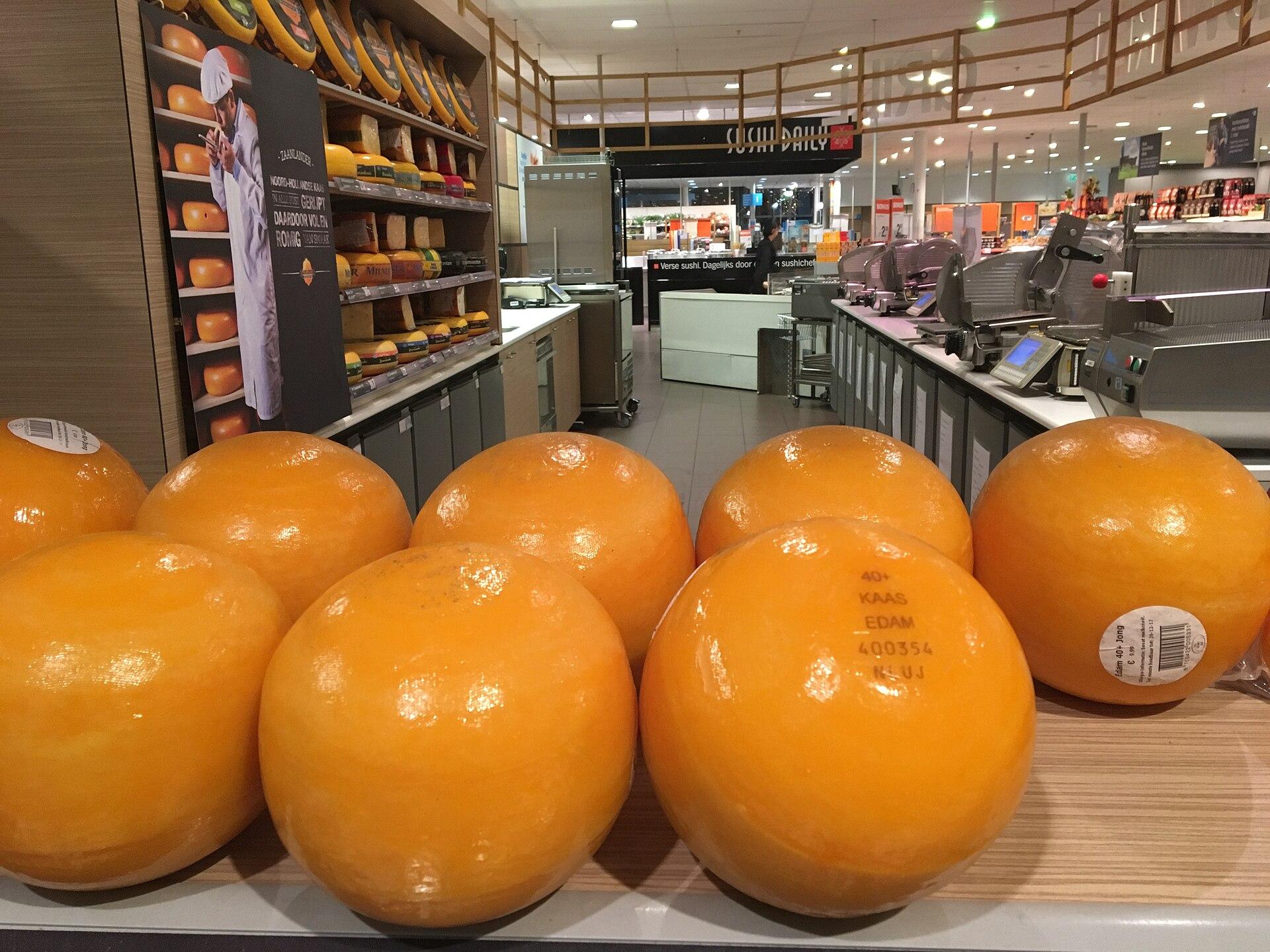
Cheese followed the same route. Herring and cheese were both non-perishable, both easy to transport, and were often shipped together on the same vessels to Poland, Germany, and Scandinavia. They were not luxury items for the few, but everyday foods that were in demand everywhere. It was precisely this large, reliable market that generated a steady stream of income, year after year.
Spices and distant travels may capture the imagination more, but it was these two down-to-earth Dutch products that kept the city running. And if you’ve never tasted a Dutch herring, be sure to try one now that you’re in Amsterdam. It’s a piece of this story that you can buy right off the cart.
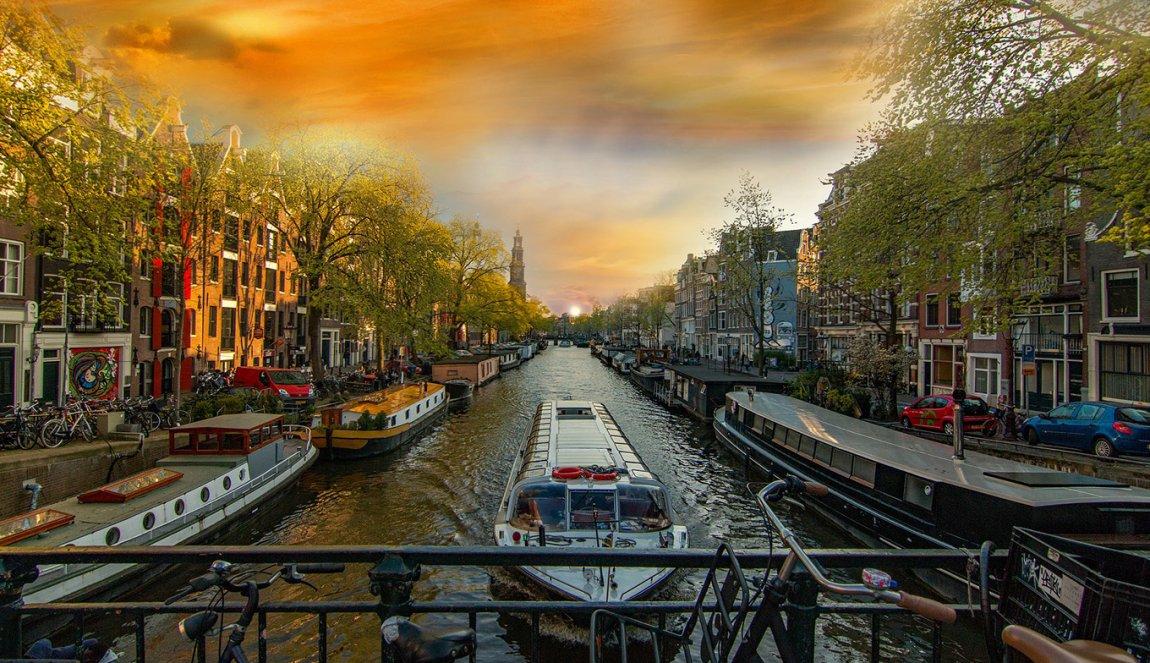
We’ll now walk the last bit back to where we started, along the water toward Central Station. That’s where we’ll wrap up our walk.
Sources. Story: ROODS production 2026; verified historical sources Photos: Henri Willig 2026 copyright protected | Stadsarchief Amsterdam