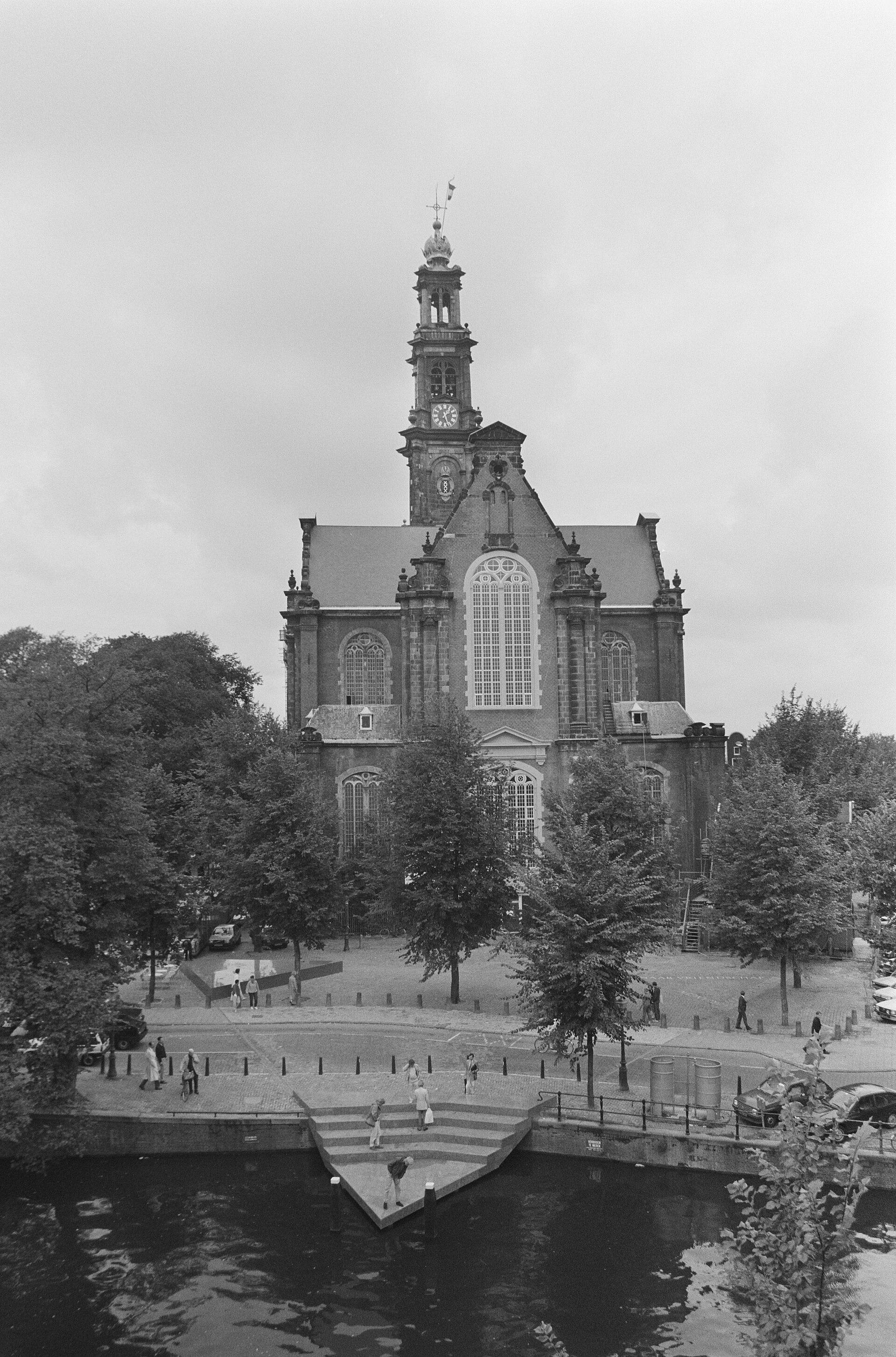
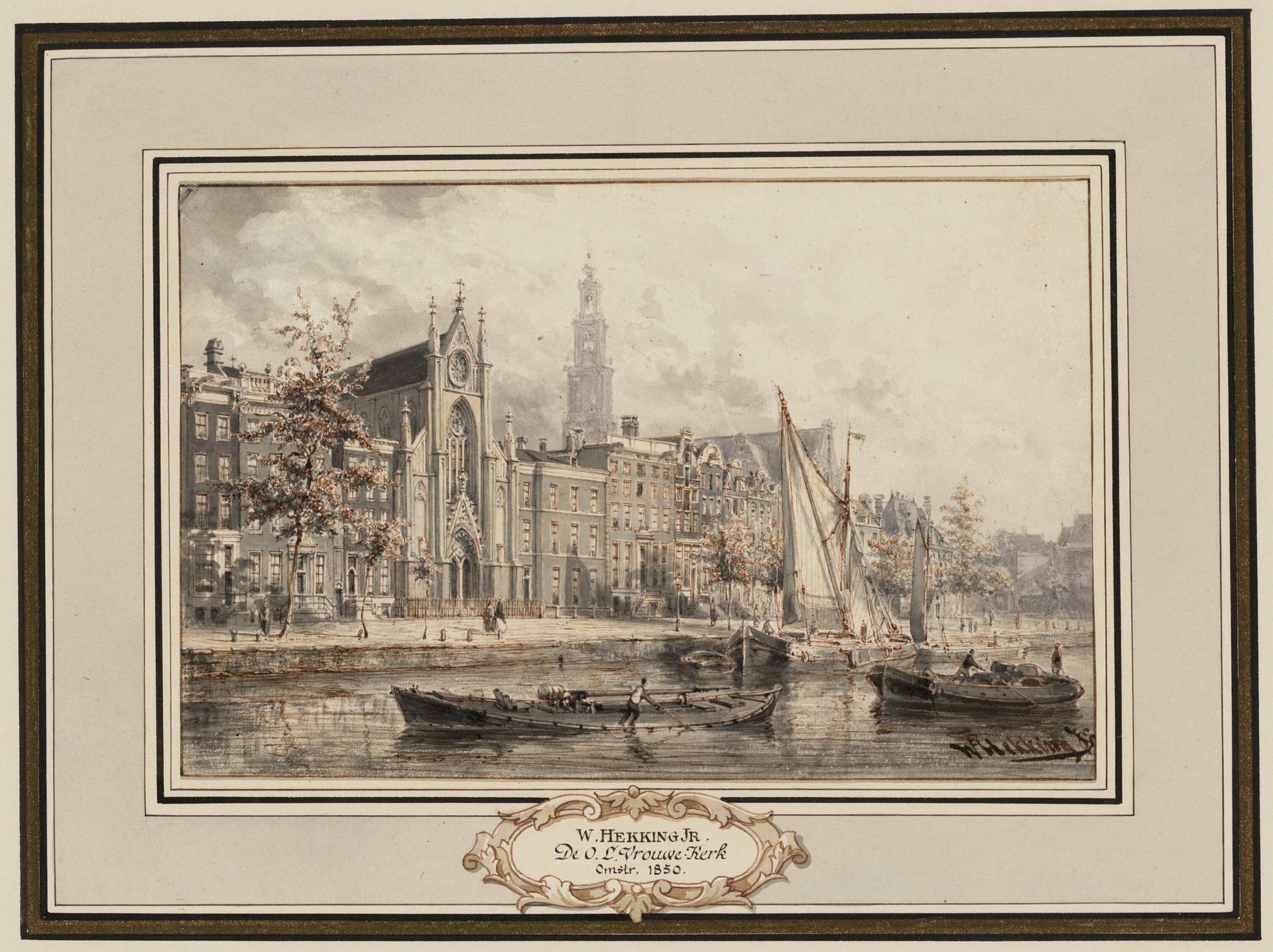
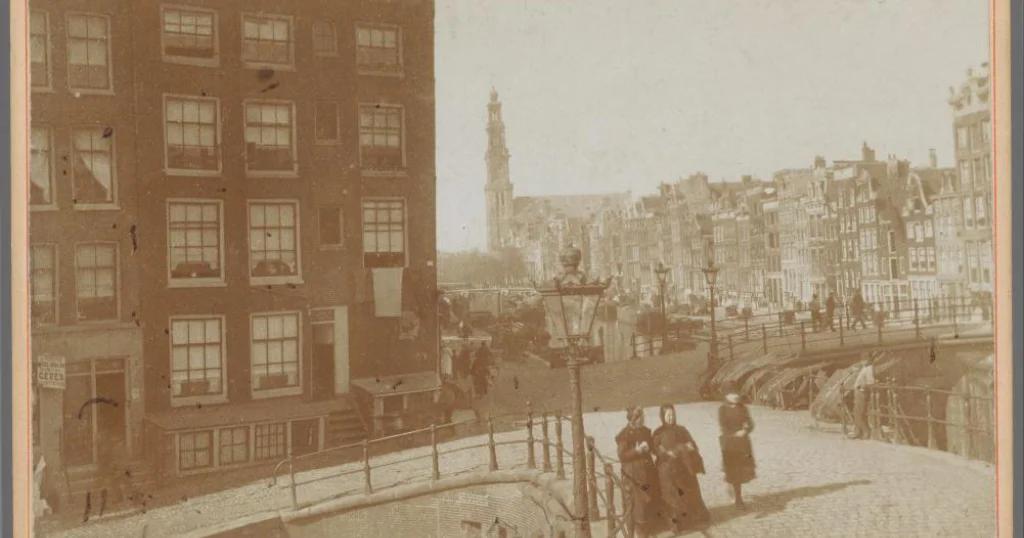
At the western end of this street the Westertoren closes off the view, with the blue imperial crown on top. The lies behind that tower, a few hundred metres from where you are standing. could see the crown from her hiding place through a gap, and more than that, she could hear the clock.
That clock strikes every quarter of an hour. A few days after the family went into hiding in July 1942, Anne wrote that her father, her mother and Margot could not get used to the sound, while she took to it at once, especially at night. In a house where nobody could step outside, those chimes gave the day its shape.
In the summer of 1943 it went quiet. took bells out of towers all over the country to melt them down for war metal, and the Westertoren lost its bells as well, cast by the in the seventeenth century. In August Anne wrote that nobody in the Annex knew the time any more. A few months later the bells were back, and they have gone on striking ever since.
We follow the Raadhuisstraat to its end at the Nieuwezijds Voorburgwal, turn left there and follow the canal to number 120.


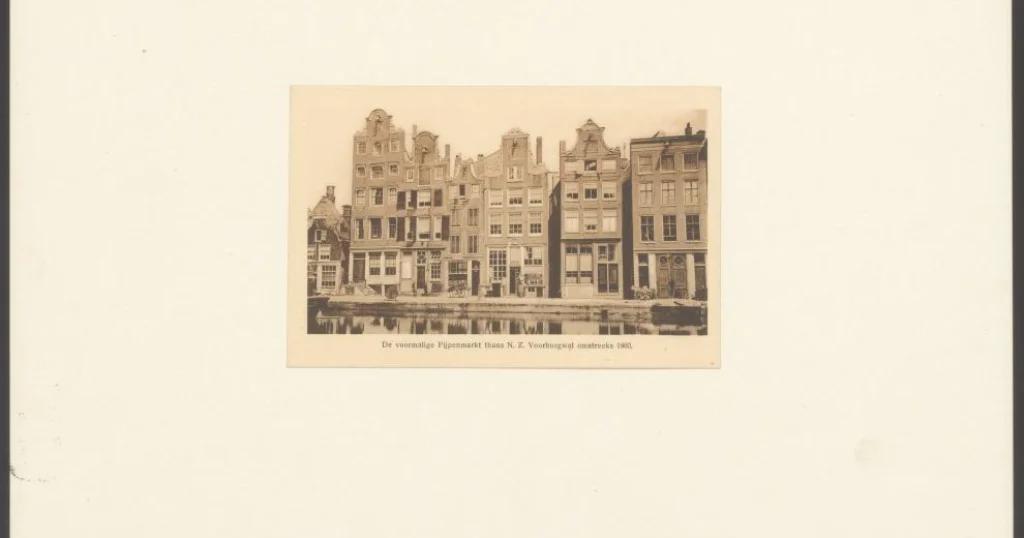
Sources. Story: Anne Frank Stichting, the Westertoren in the diary; Westerkerk Amsterdam, the Hemony bells Photos: Rijksmuseum, RP-F-00-775 (public domain)