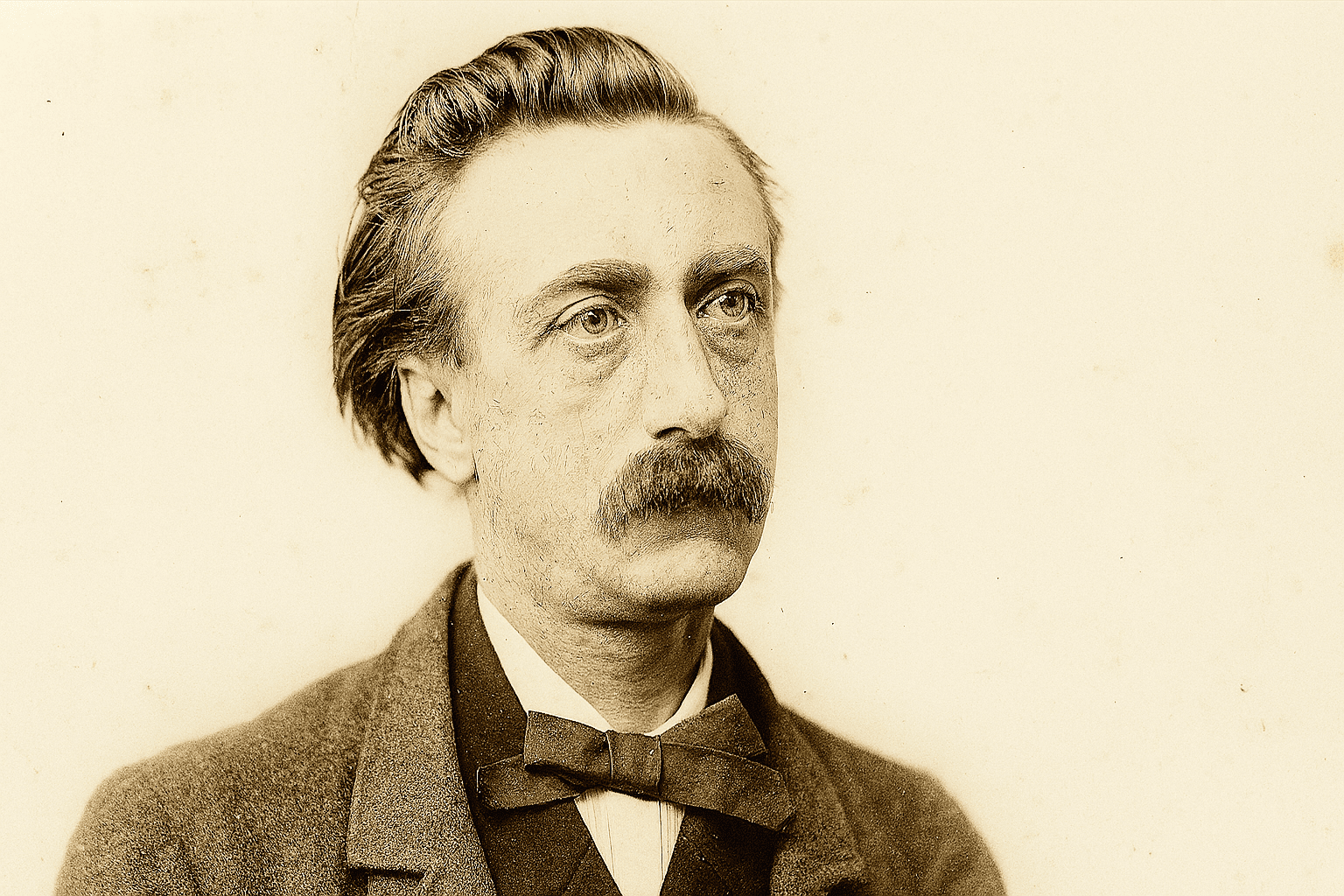
We want to give you a quick look at the history of the Jordaan. Because what you see today tells only half the story.
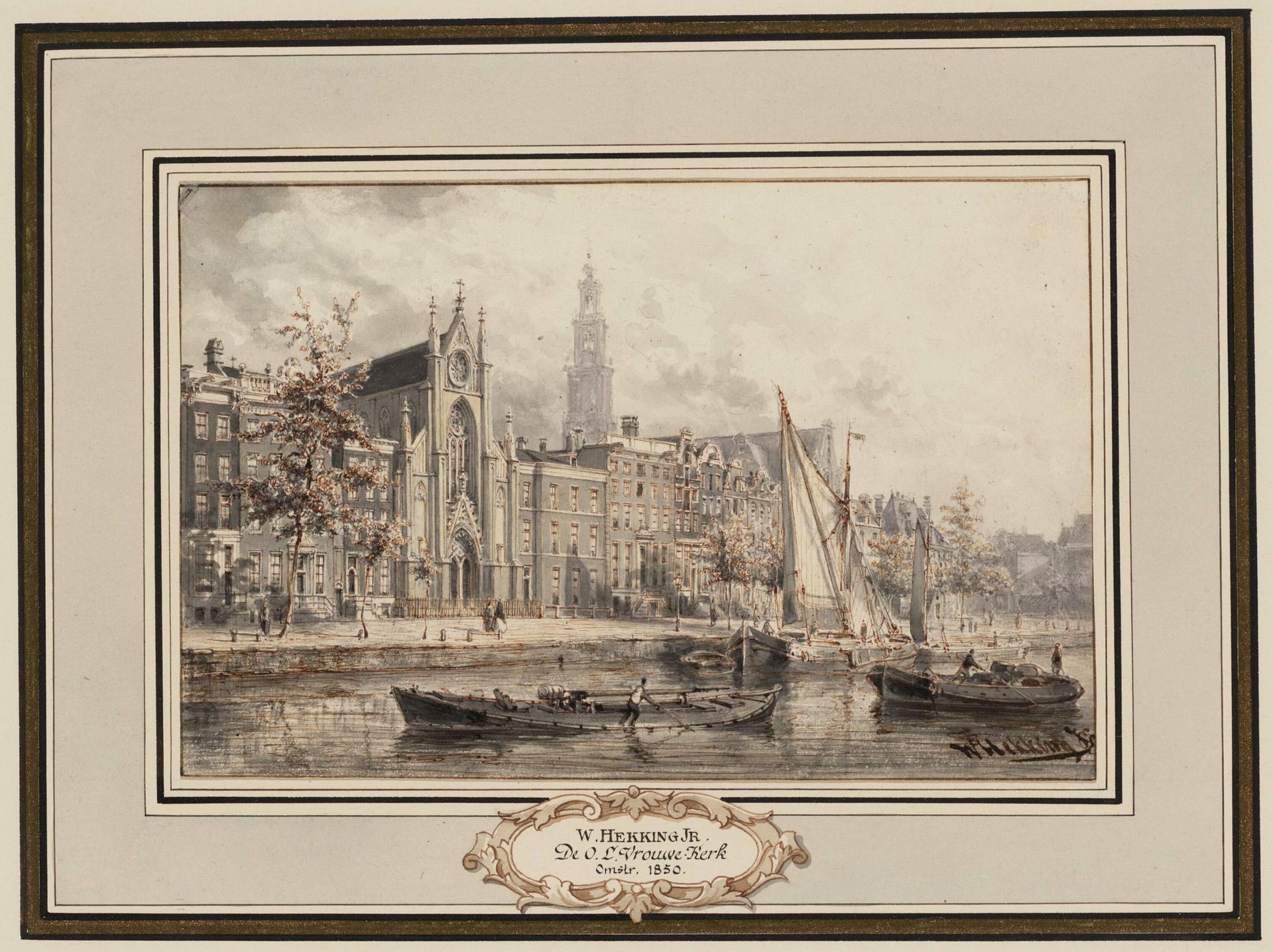
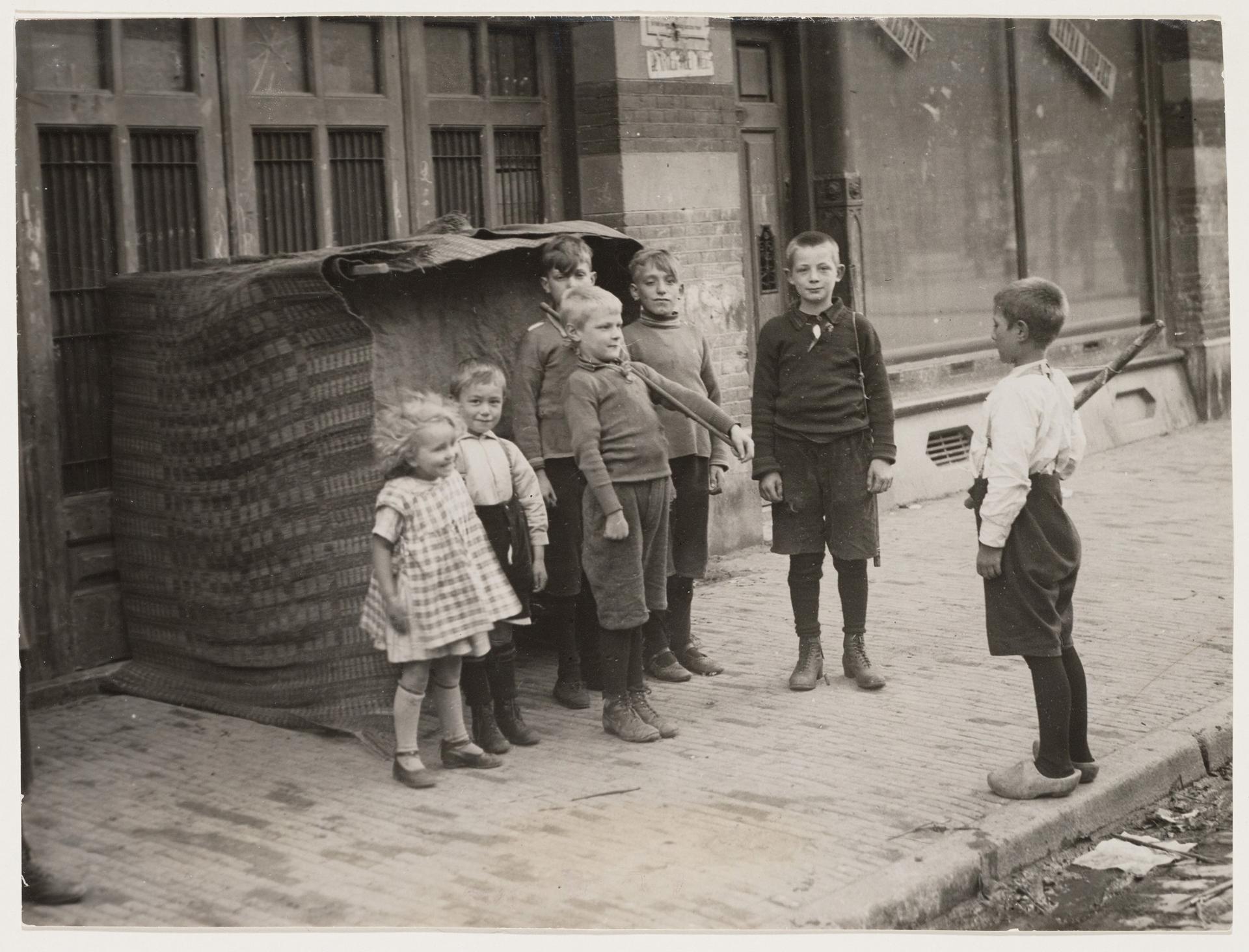
Back in the 17th century, when Amsterdam was booming, the city expanded fast. The wealthy got the grand canal belt. The Jordaan was built for everyone else: labourers, immigrants, small traders. Houses were crammed together, alleys were barely wide enough for two people to pass, and the canals you see today were open sewers running with waste. The smell alone must have been overwhelming.
By the 19th century, things had gotten worse. Many of the old houses were literally collapsing under their own weight, sagging foundations giving way in the soft Amsterdam soil. Families lived in dark, damp rooms with little air and even less space. Several of the canals were filled in to fight disease, which is why some streets here sit unusually wide for this part of the city.
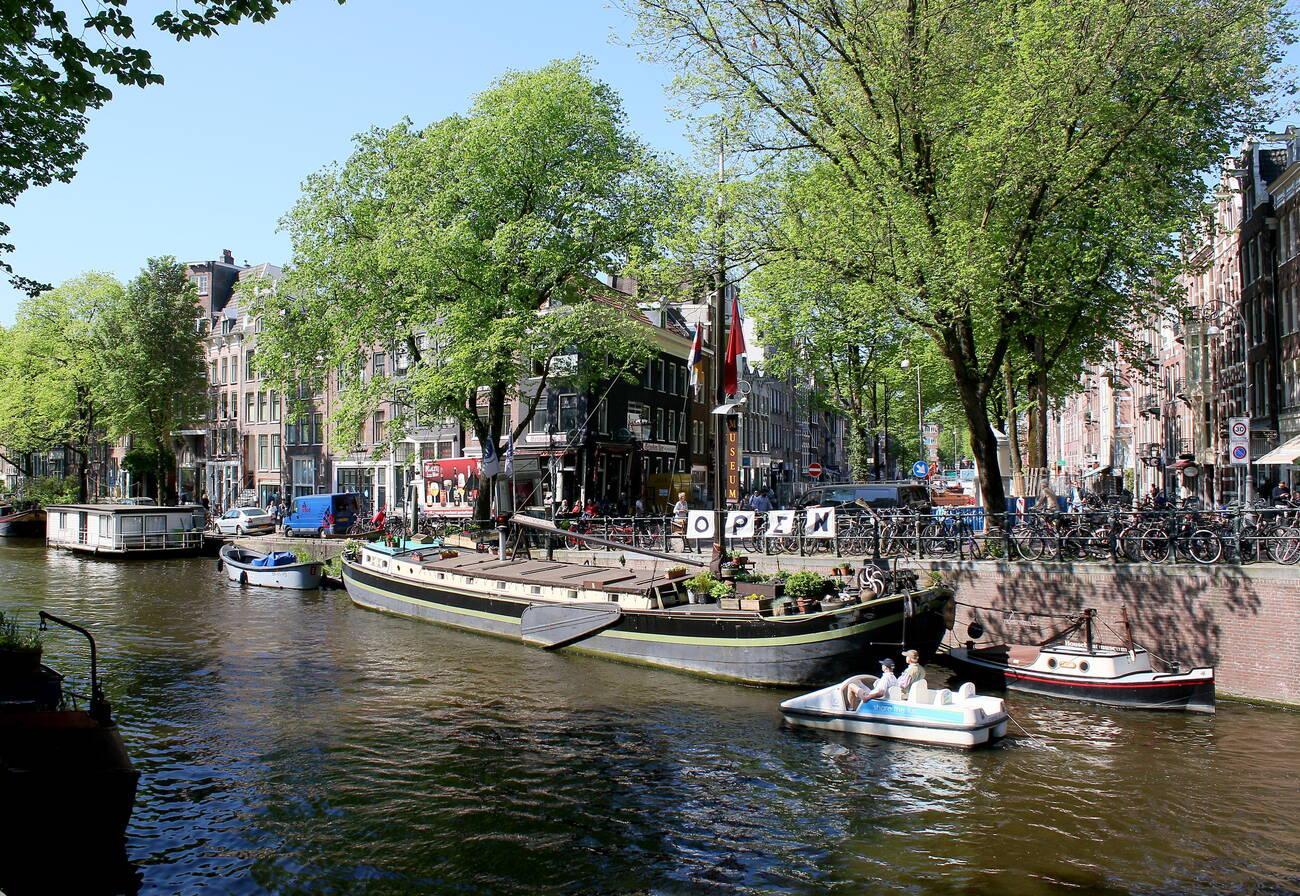
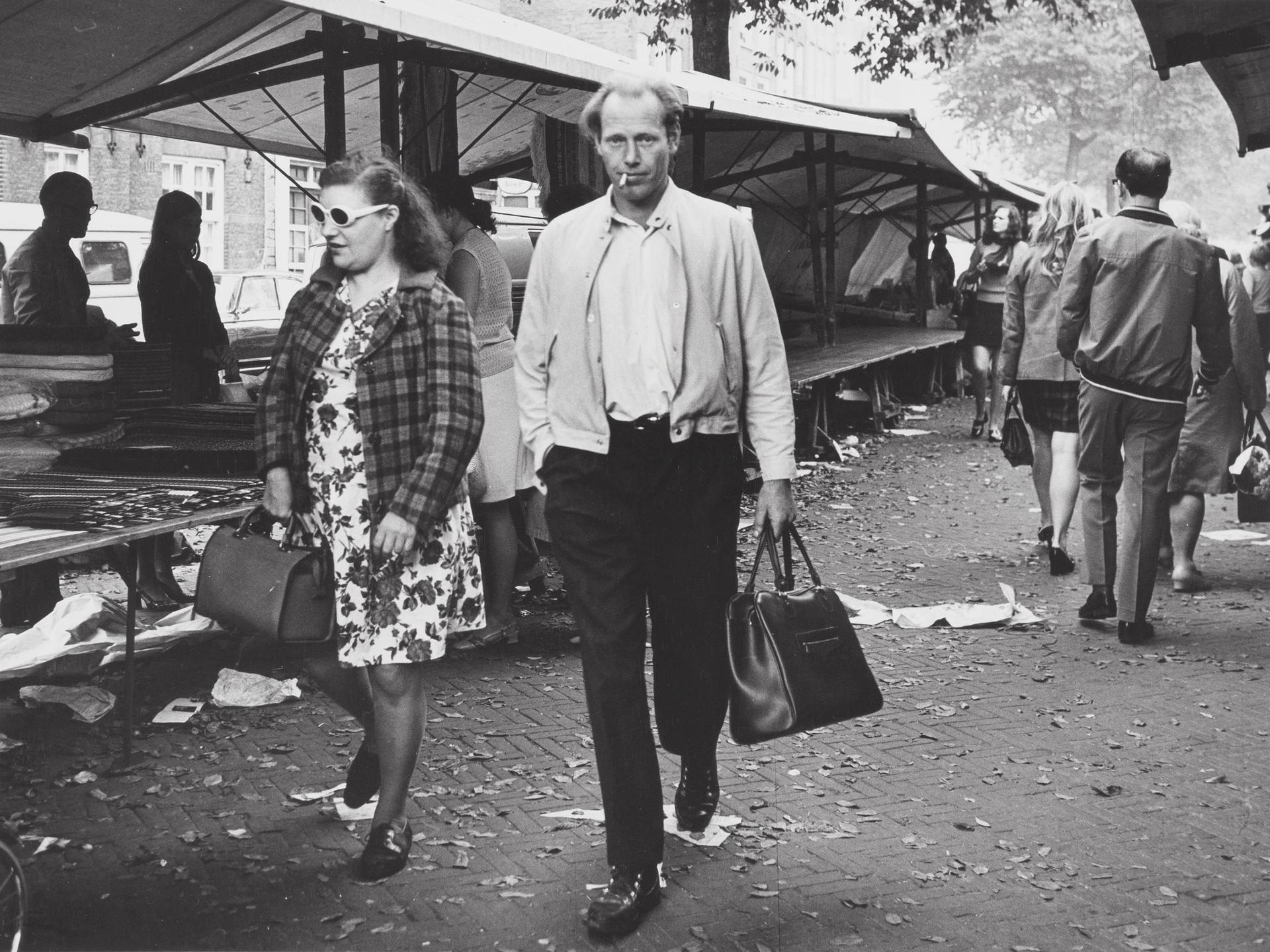
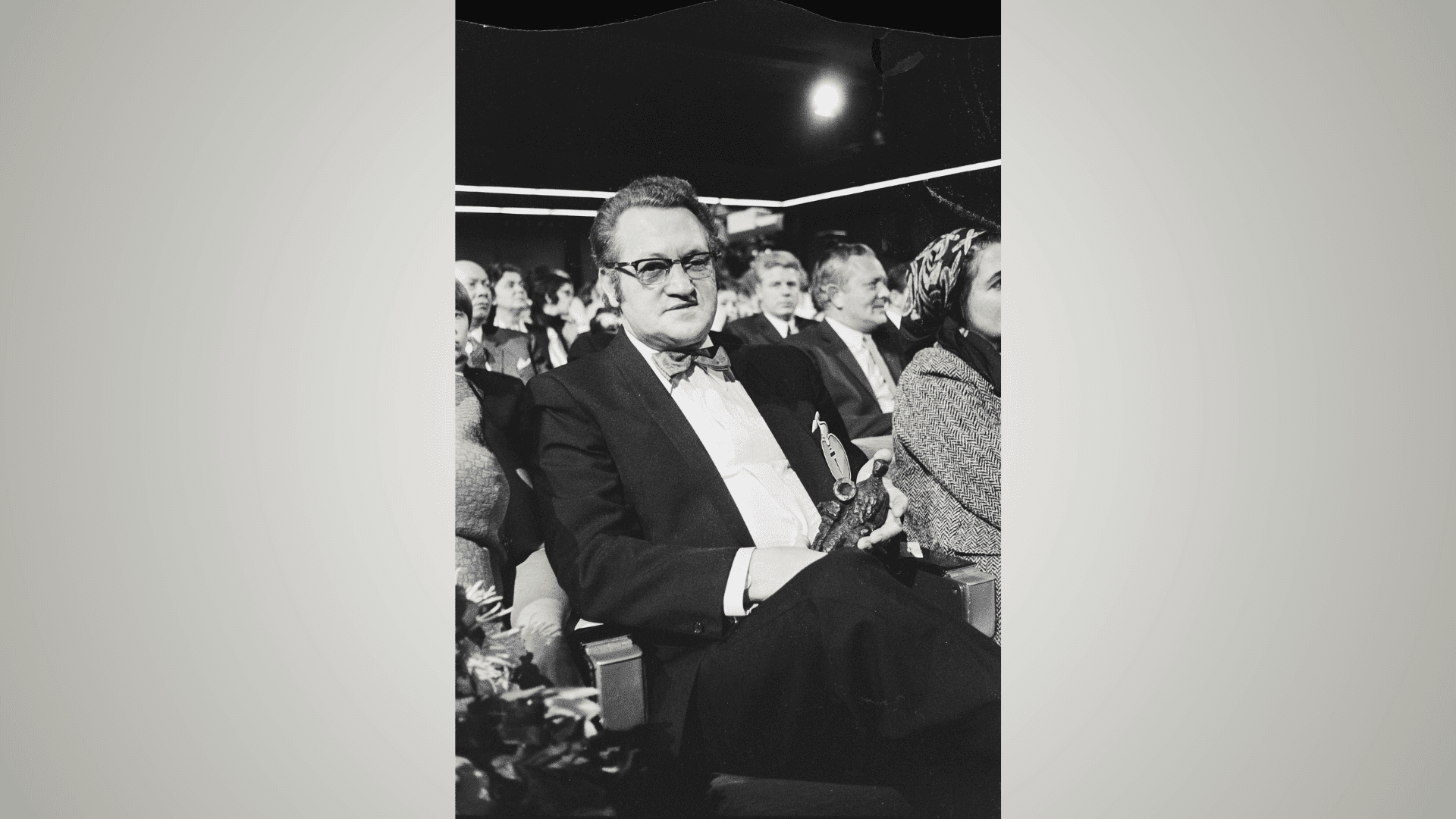
In the 1960s the city wanted to tear much of it down. Residents fought back, hard, and won. Artists and students moved in, followed later by people with deeper pockets. The Jordaan was saved, restored and reinvented.
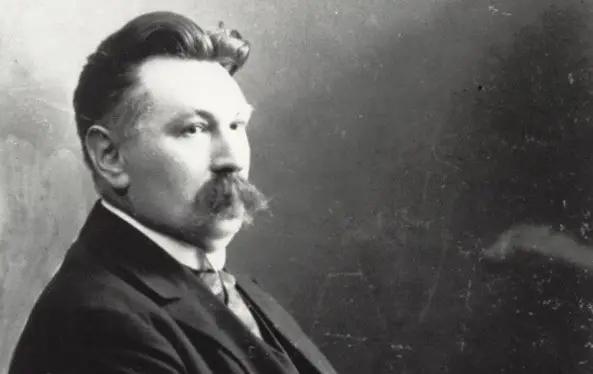
Sources. Story: Stadsarchief Amsterdam Photos: Stadsarchief Amsterdam Toussaint, Willem (1865-1929)