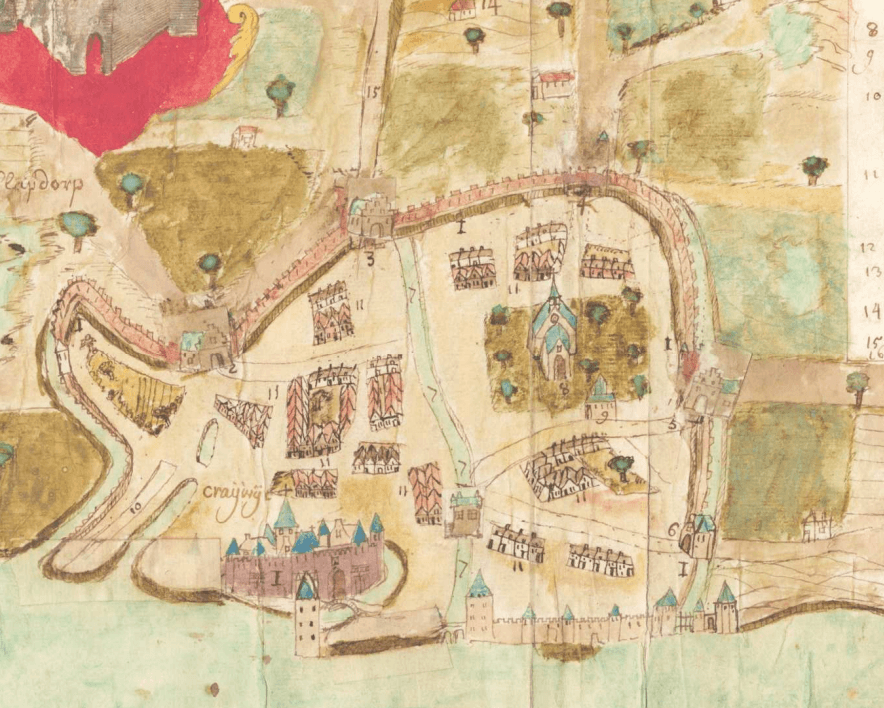
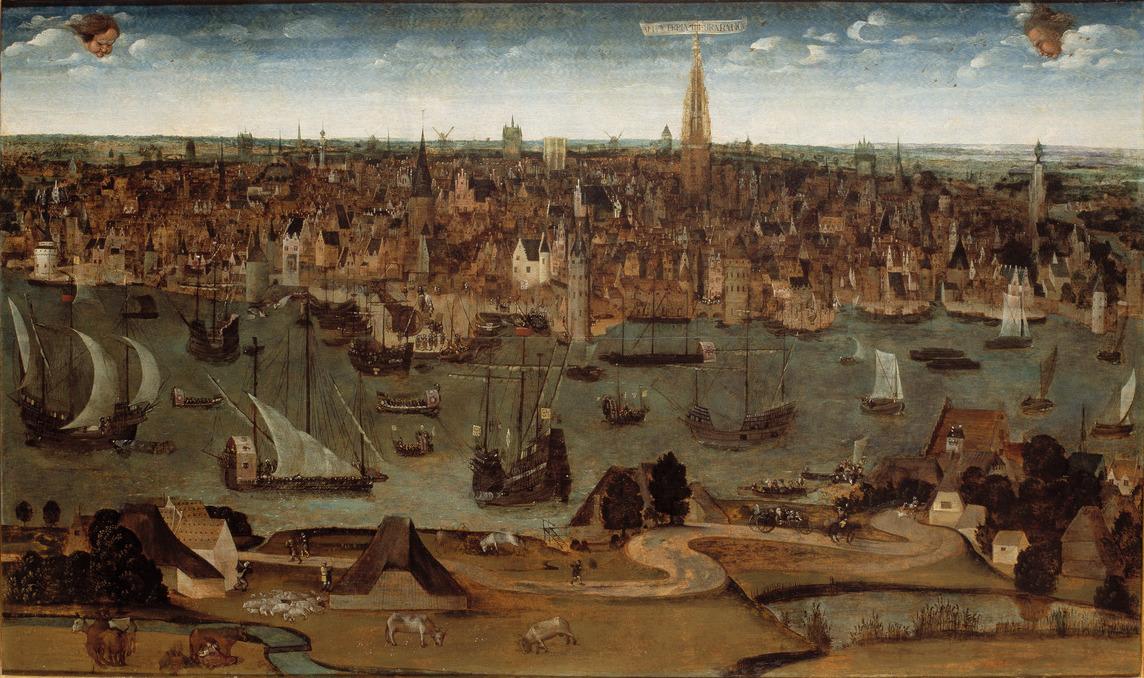
For centuries, Antwerp stood as a border city within the vast Holy Roman Empire. In the 10th century, under Emperor Otto I, its wooden fortifications were replaced with stone. This was a deliberate move: Otto aimed to secure the empire’s western frontier—the Scheldt. Across the river lay the rising County of Flanders. Thus, Antwerp became a margraviate: a military border zone with a central fortress.
In 1221, the city's status changed once more. The Duke of Brabant, Henry I, personally came to Antwerp to grant it city rights. This marked the beginning of a new era, giving the city a degree of self-governance and setting the stage for future urban growth. Since 1106, the margraviate had been part of the Duchy of Brabant, explaining the duke’s involvement.
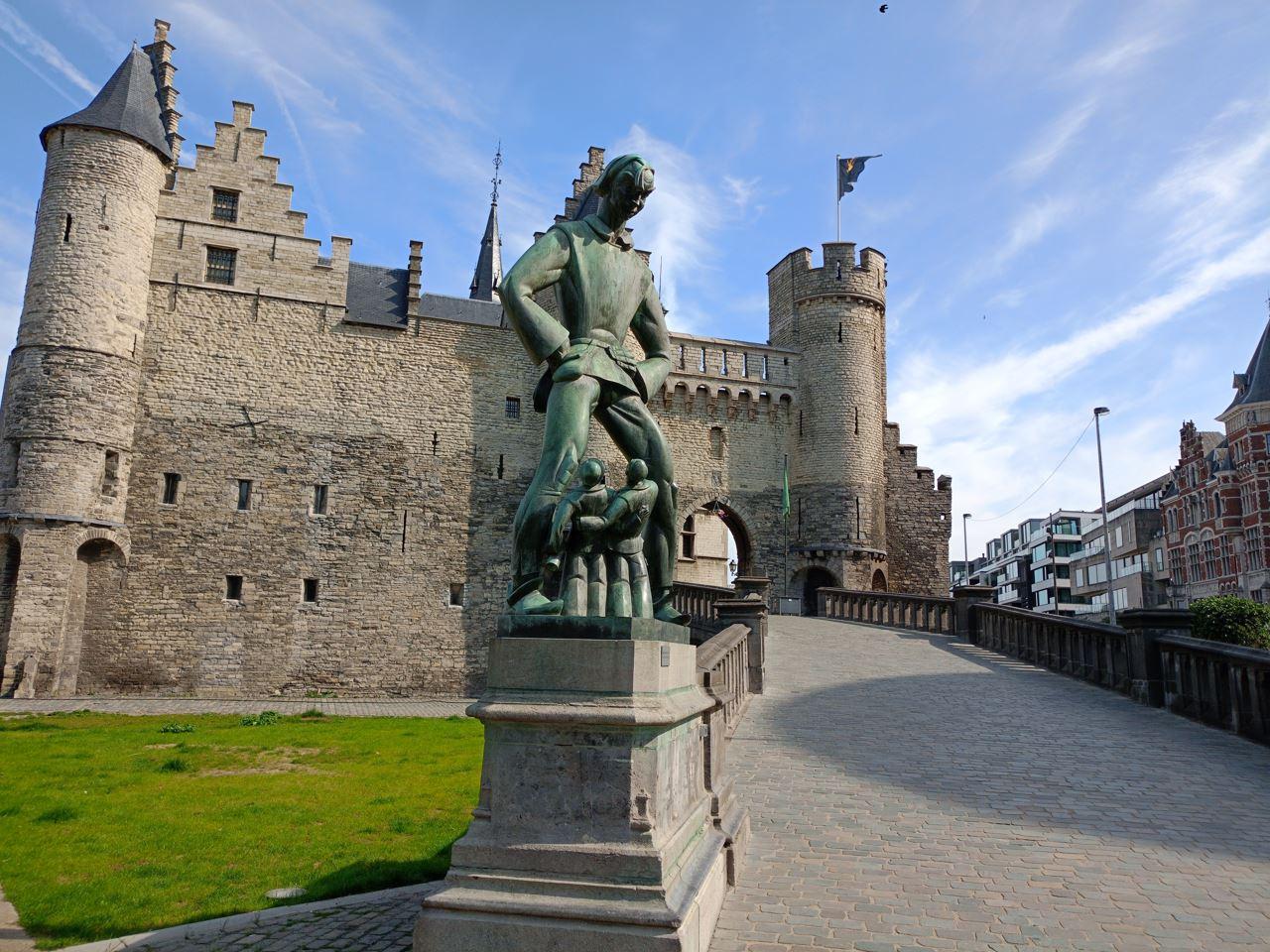
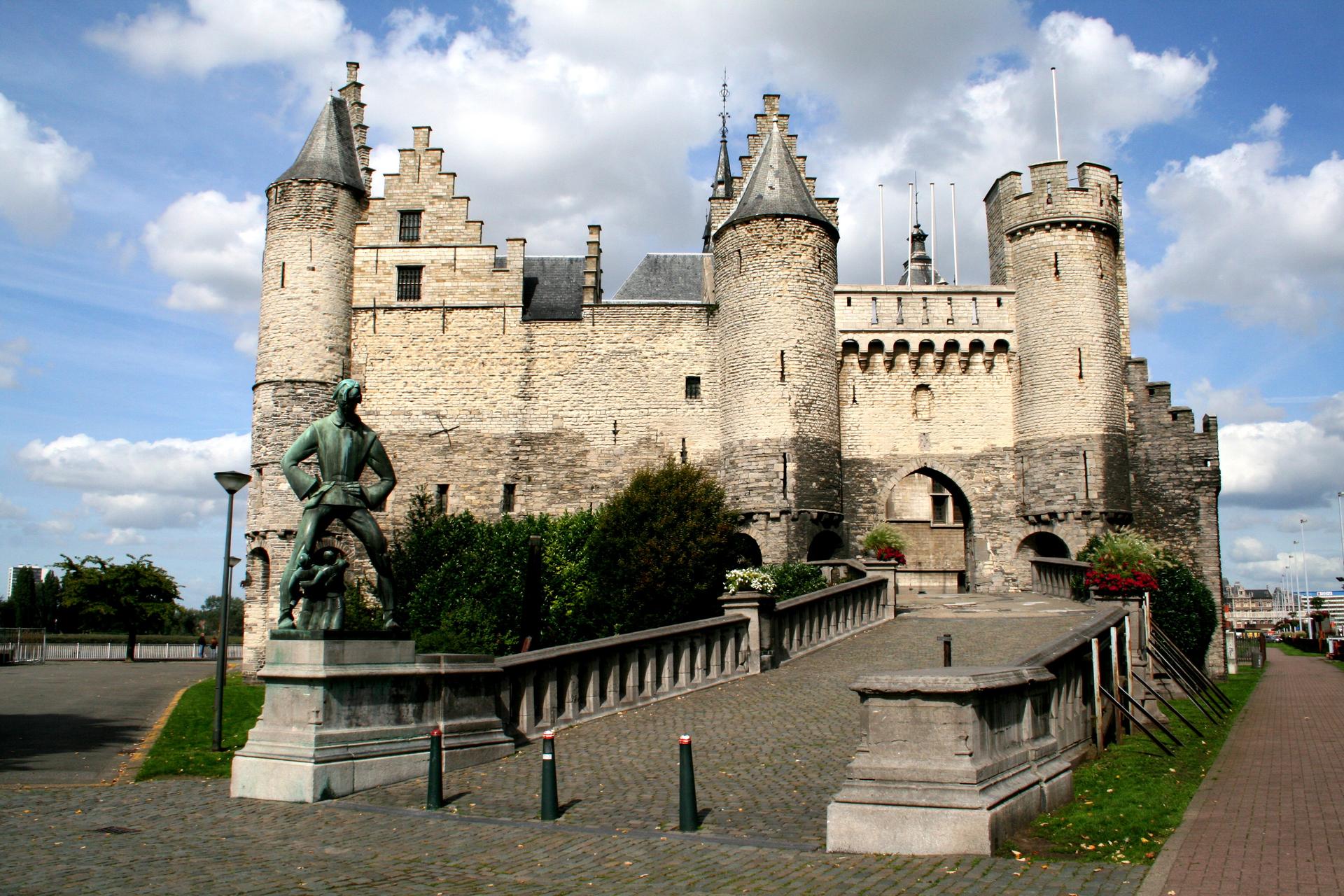
Today, the original medieval fortress is gone. What remains is part of the old city wall, later used as a prison. This structure, known as Het Steen, now stands apart on the Scheldt quay. Though it looks like a freestanding castle, it was once part of a larger complex
Sources. Story: ['Source Story: https://historiek.net/geschiedenis-van-antwerpen-schets/66456/'] Photos: Source Photo: Museum aan de Stroom, CC0, via Wikimedia Commons