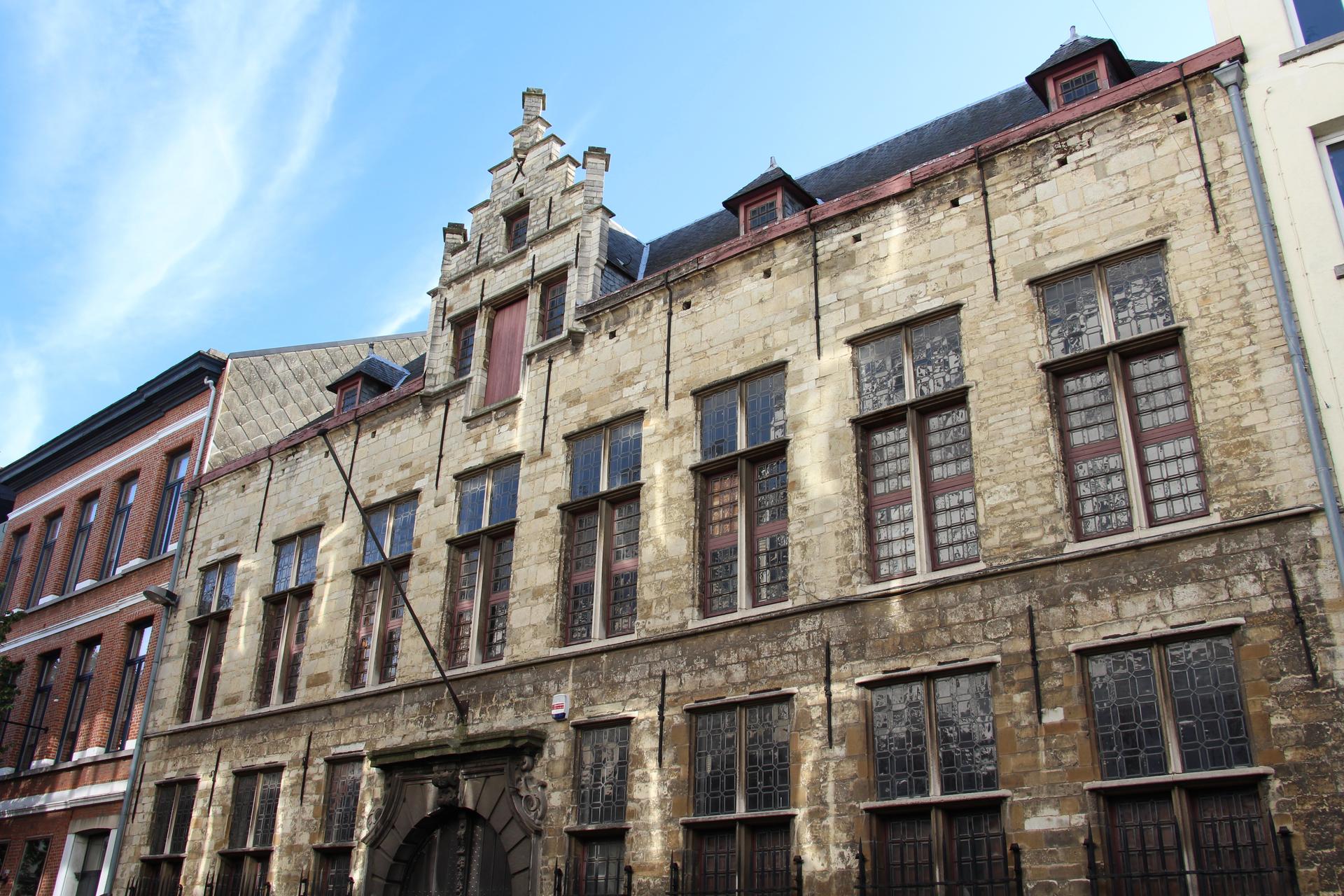
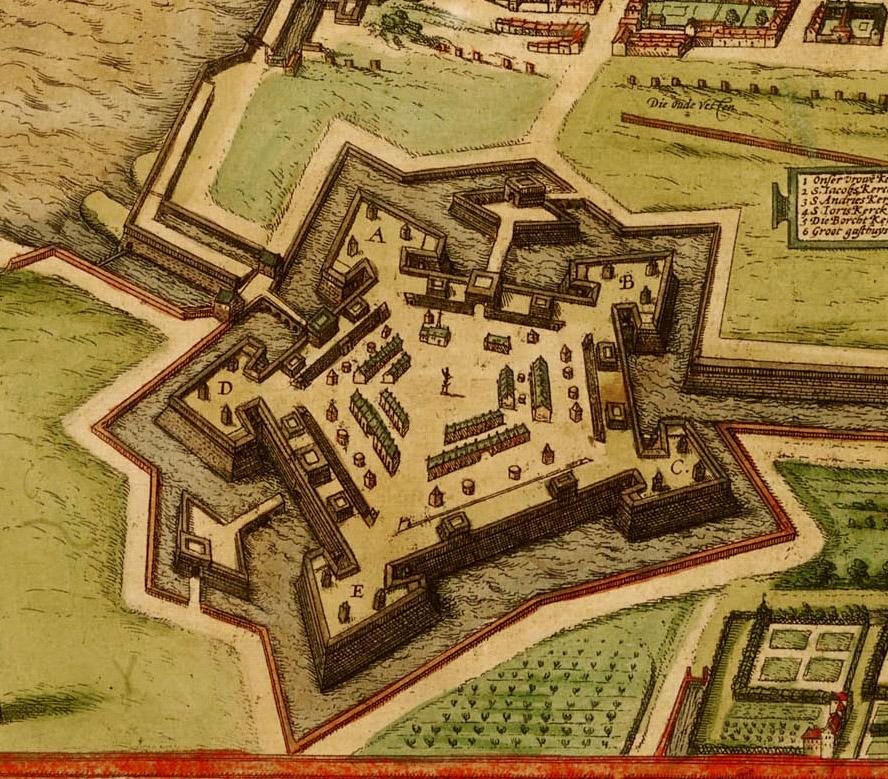
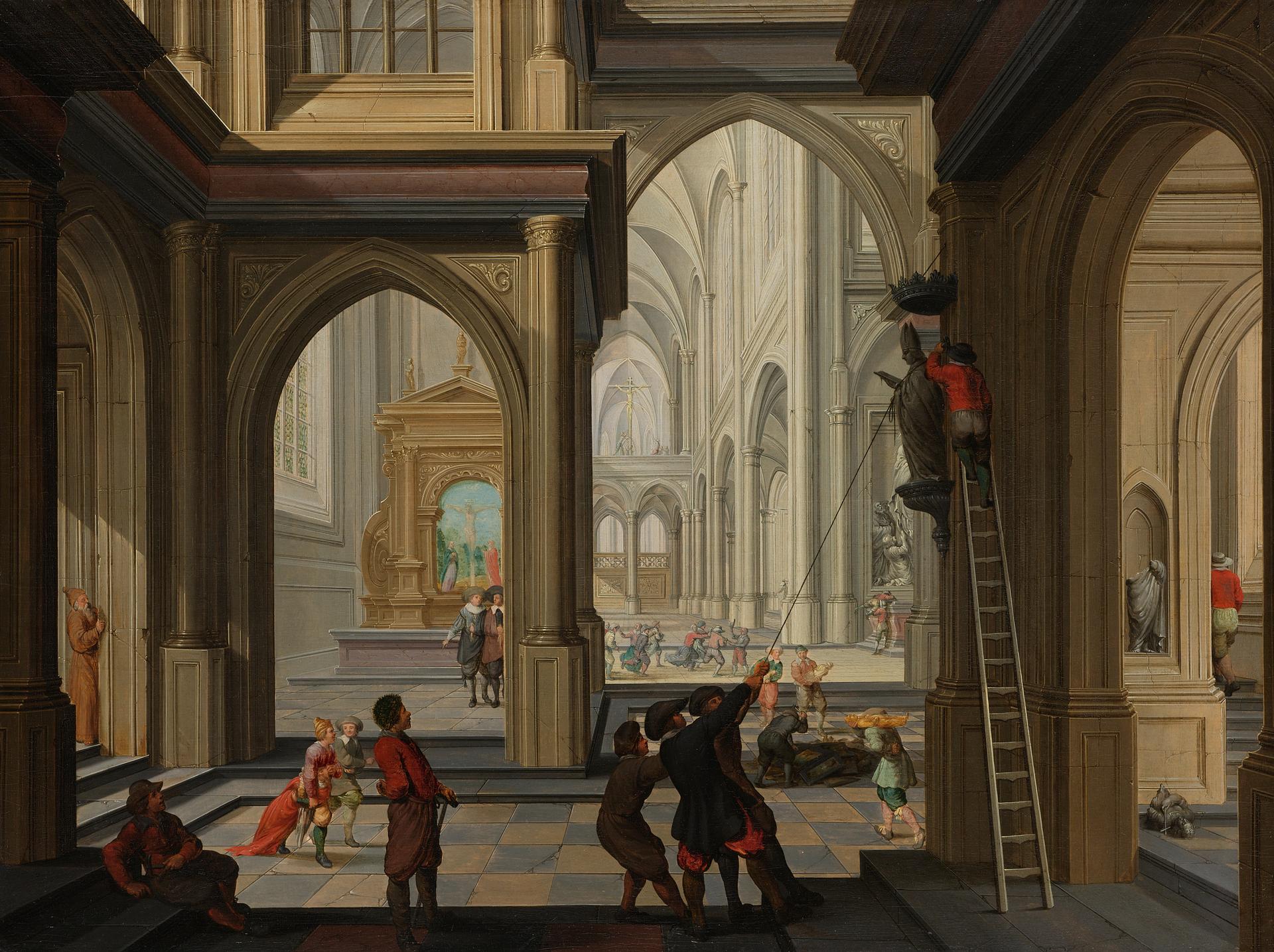
Two hundred years ago, this quiet stretch along the was the military heart of Europe. Before that, the Sint-Michielsabdij stood here, founded in 1124 by himself, and for centuries it was a wealthy community that paid artists and where Isabella of Bourbon lay buried, the mother of Mary of Burgundy. Around 1624, Rubens painted an altarpiece for it.
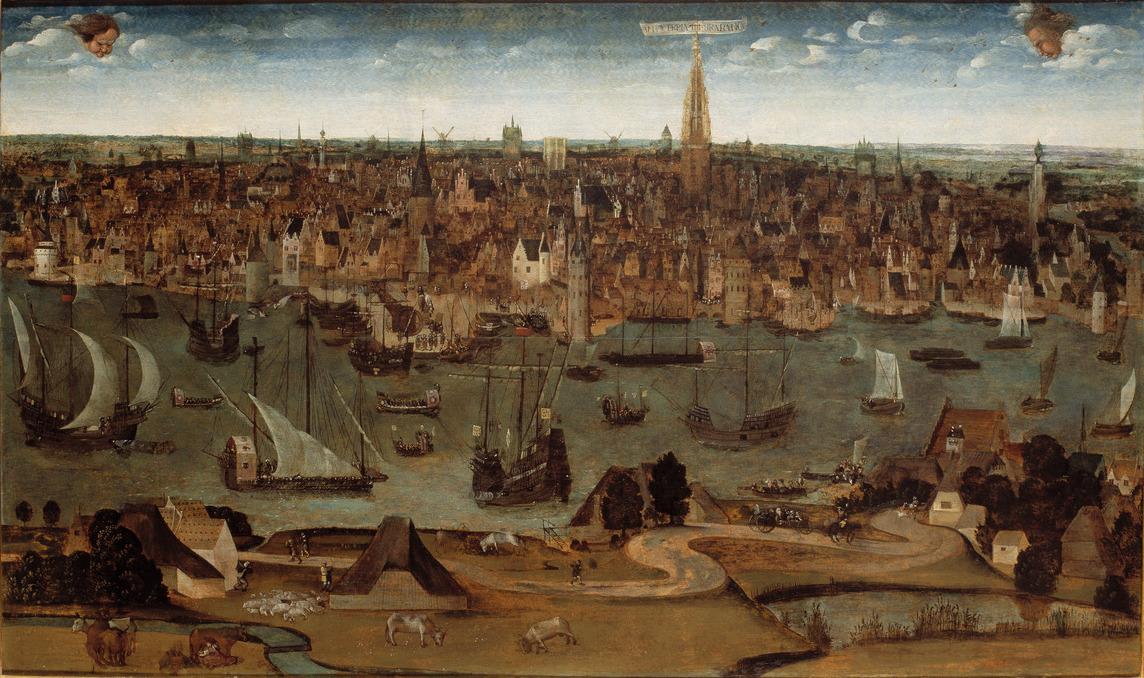
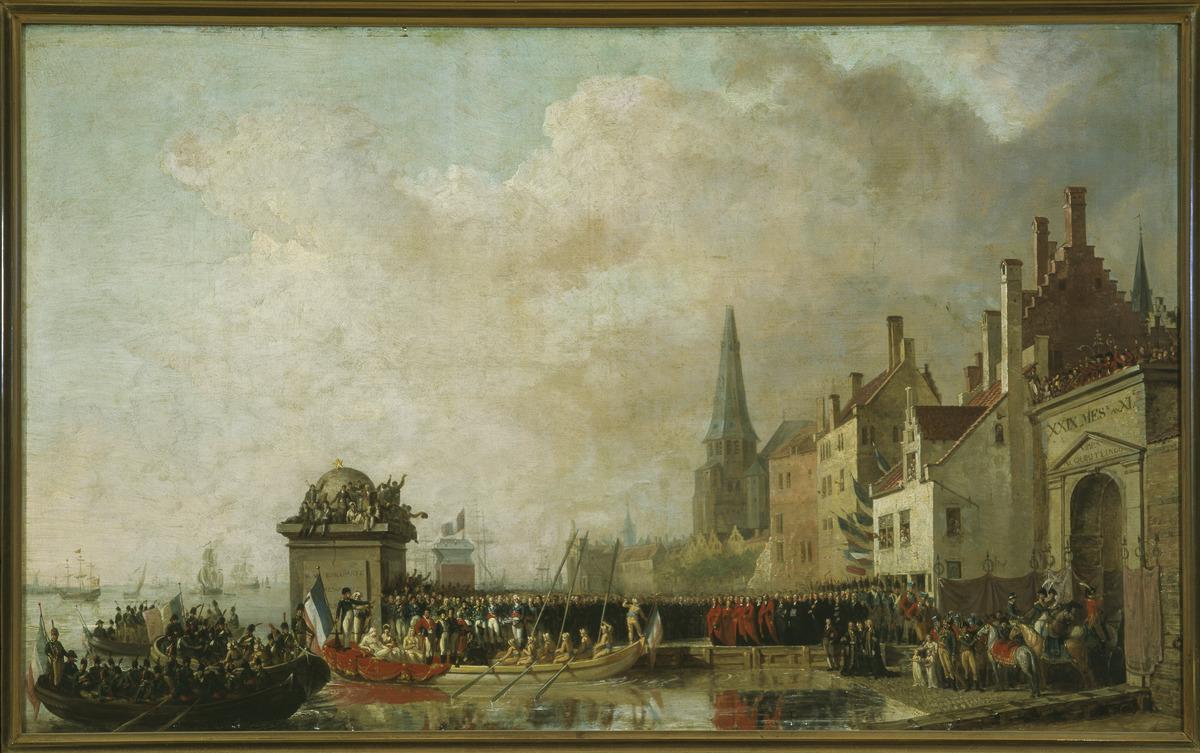
, and when Napoleon walked along this bank a few years later, what he mostly saw was a building site. Deep water, a sheltered position, and right across from the English coast. He bought the land and had the largest naval shipyard in Europe rise up here, where warships were launched at a rapid pace. The abbey church became a warehouse.
Whatever the shipyard had left behind went up in a fire in 1830, during the . Of an abbey that shaped the river for seven centuries, all that remains is the name of the street you're walking down, and beyond that cobblestones and silence.
We head back to the Kloosterstraat and walk a little further south, until a bronze giant appears at the roadside.
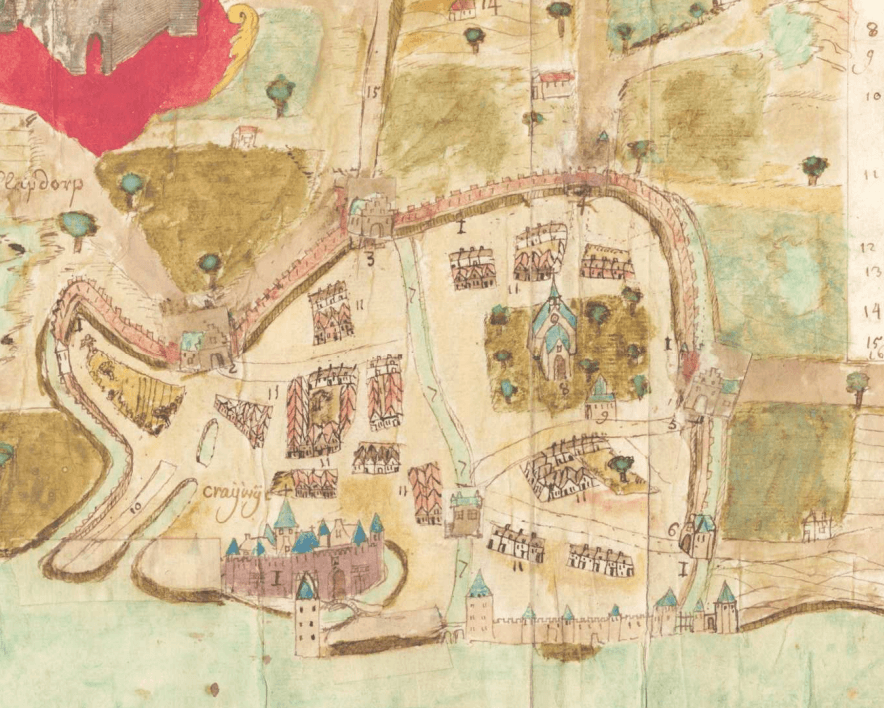
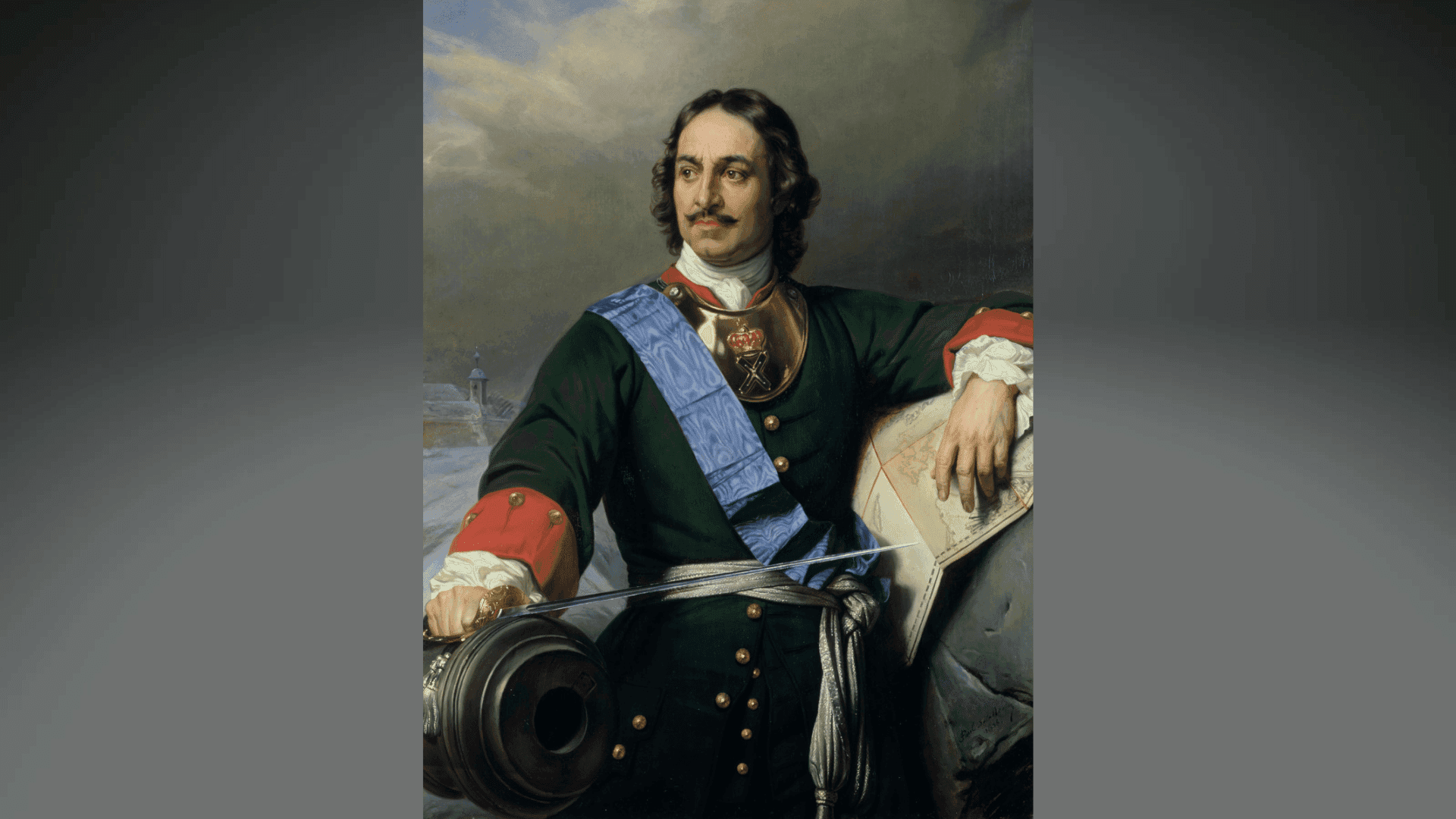
Sources. Story: https://nl.wikipedia.org/wiki/Sint-Michielsabdij_(Antwerpen), https://www.flows.be/mensen/2024/07/geerts-en-de-schelde-peter-de-grote-en-napoleon-bonaparte/, https://inventaris.onroerenderfgoed.be/themas/11171 Photos: Bree, Mattheus Ignatius van (painter), Study for the painting 'Entry of the 1st consul Napoleon into Antwerp in 1803', AS.1959.097, Collection City of Antwerp, MAS, photo: Bart Huysmans & Michel Wuyts