painted the people he saw working around him. He lived on the edge of the city himself, out among the , and his farmers and growers stand there with heavy hands, built up in thick layers of paint, more as figures than as portraits.
During the war his subject shifted. He drew and painted refugees and people in hiding, the ones who kept themselves out of sight in reed fields and barns. That makes him one of the few Dutch artists who captured life in hiding up close.
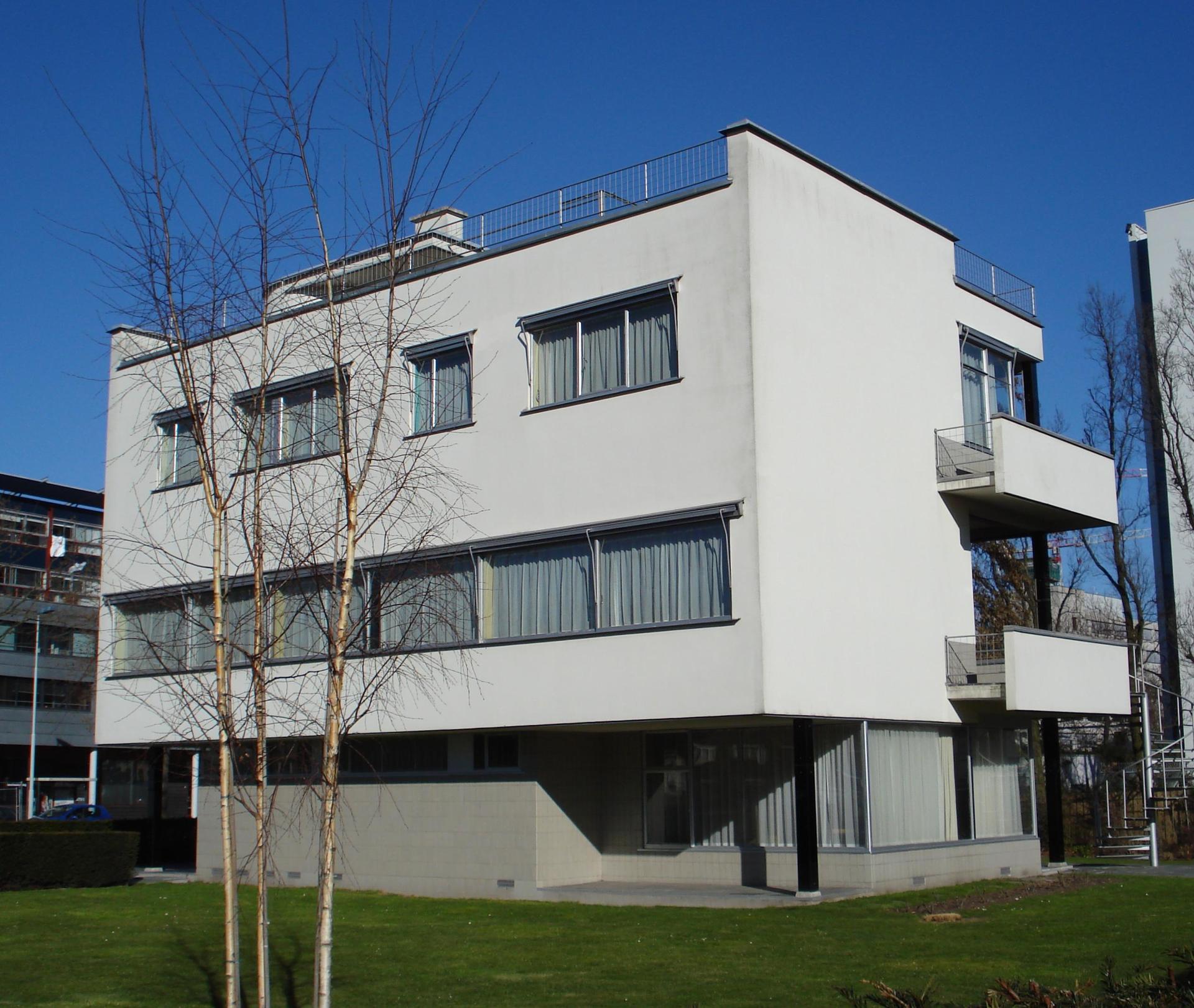
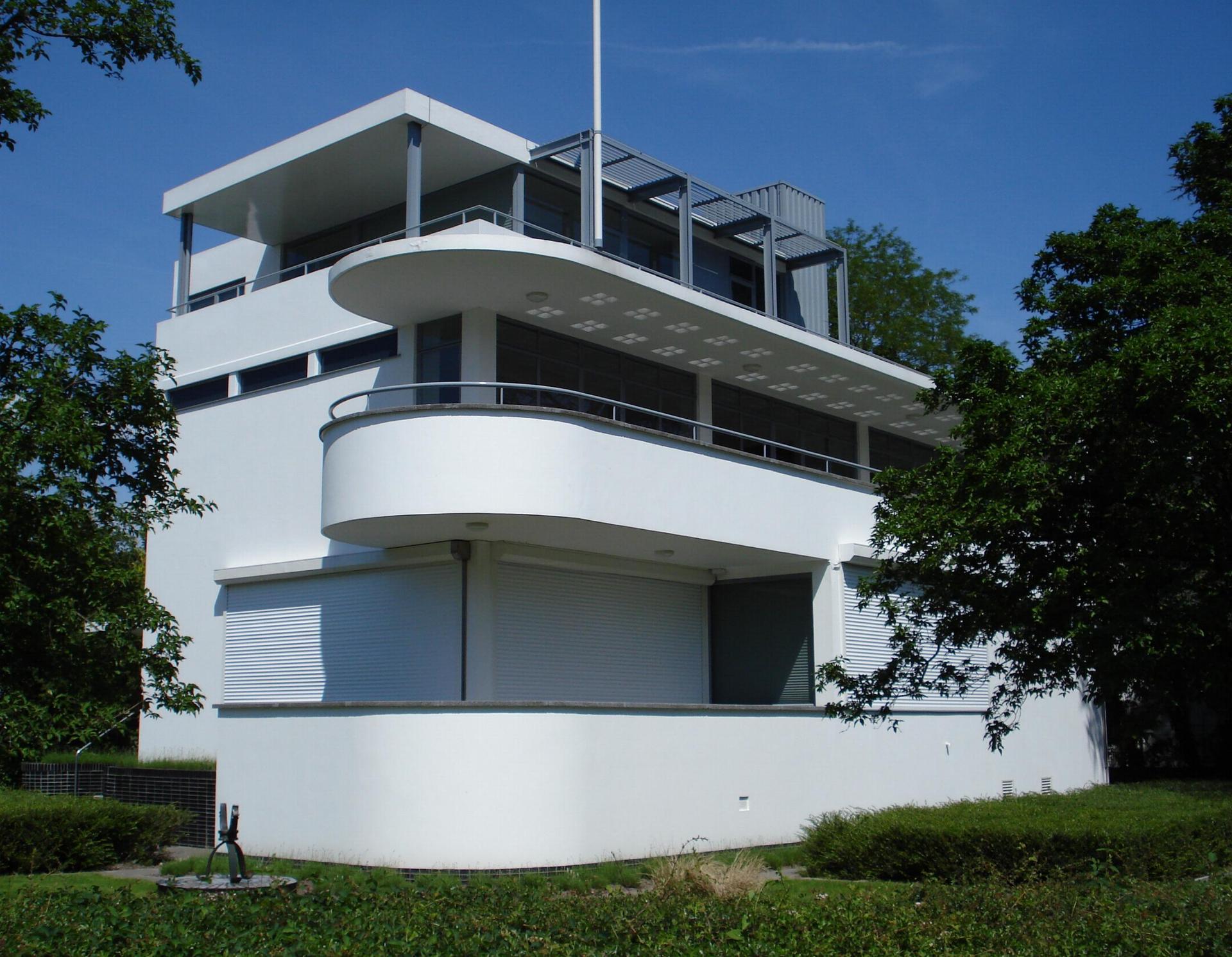
The museum that carries his name sits in a white villa from 1938, built in the style of the Nieuwe Bouwen, the Dutch take on modernism: clean surfaces, lots of glass and a flat roof. You see the same thinking in the and in , which stands a couple of hundred metres further on. The villa is still here because it stood just outside the area that .
Inside, the work hangs in rooms the size of a home, so you stand closer to it than you would in a big museum hall. You'll need a ticket to get in.
Sources. Story: Chabot Museum Rotterdam; Rijksdienst voor het Cultureel Erfgoed, monument description villa Museumpark 11 Photos: Wikifrits, public domain, via Wikimedia Commons