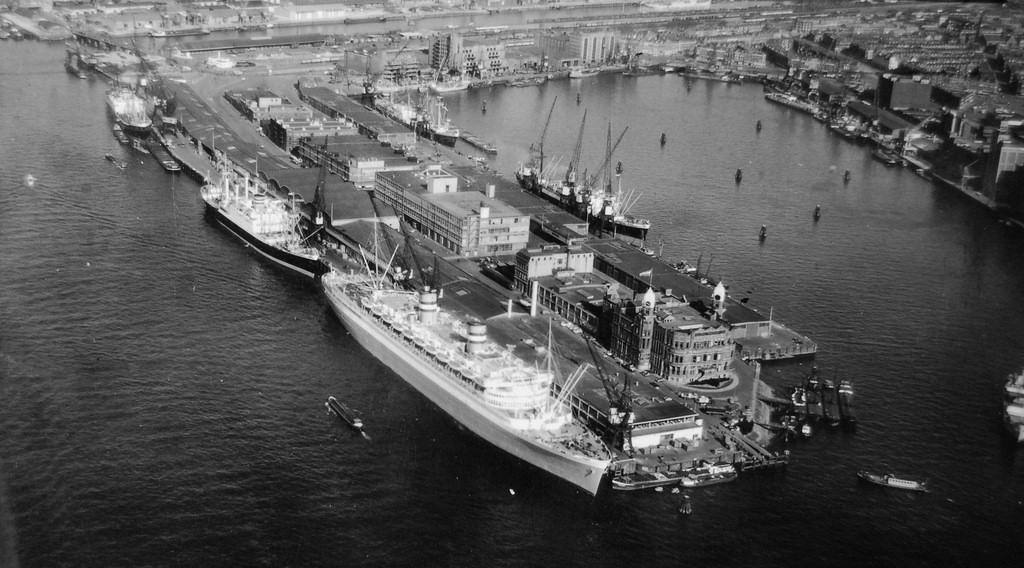
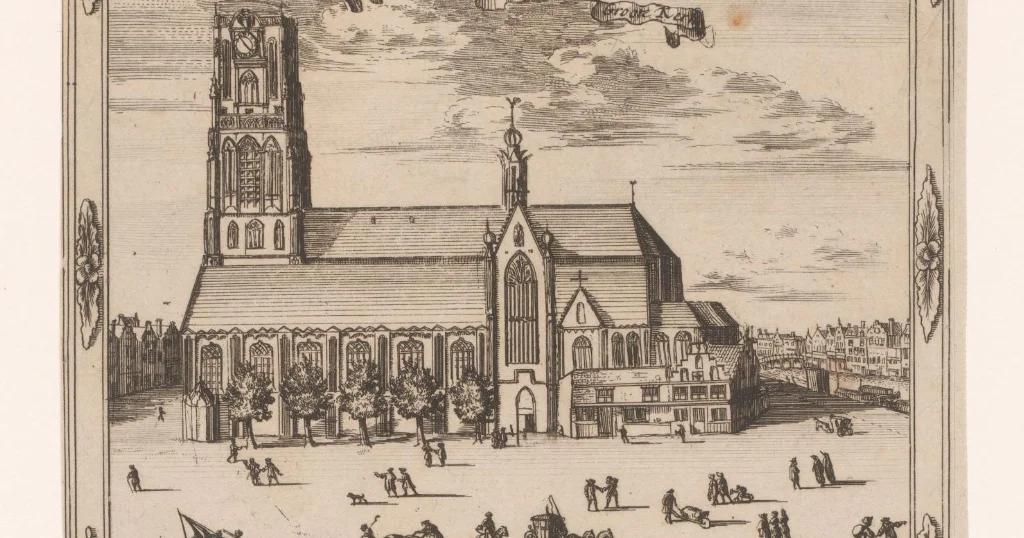
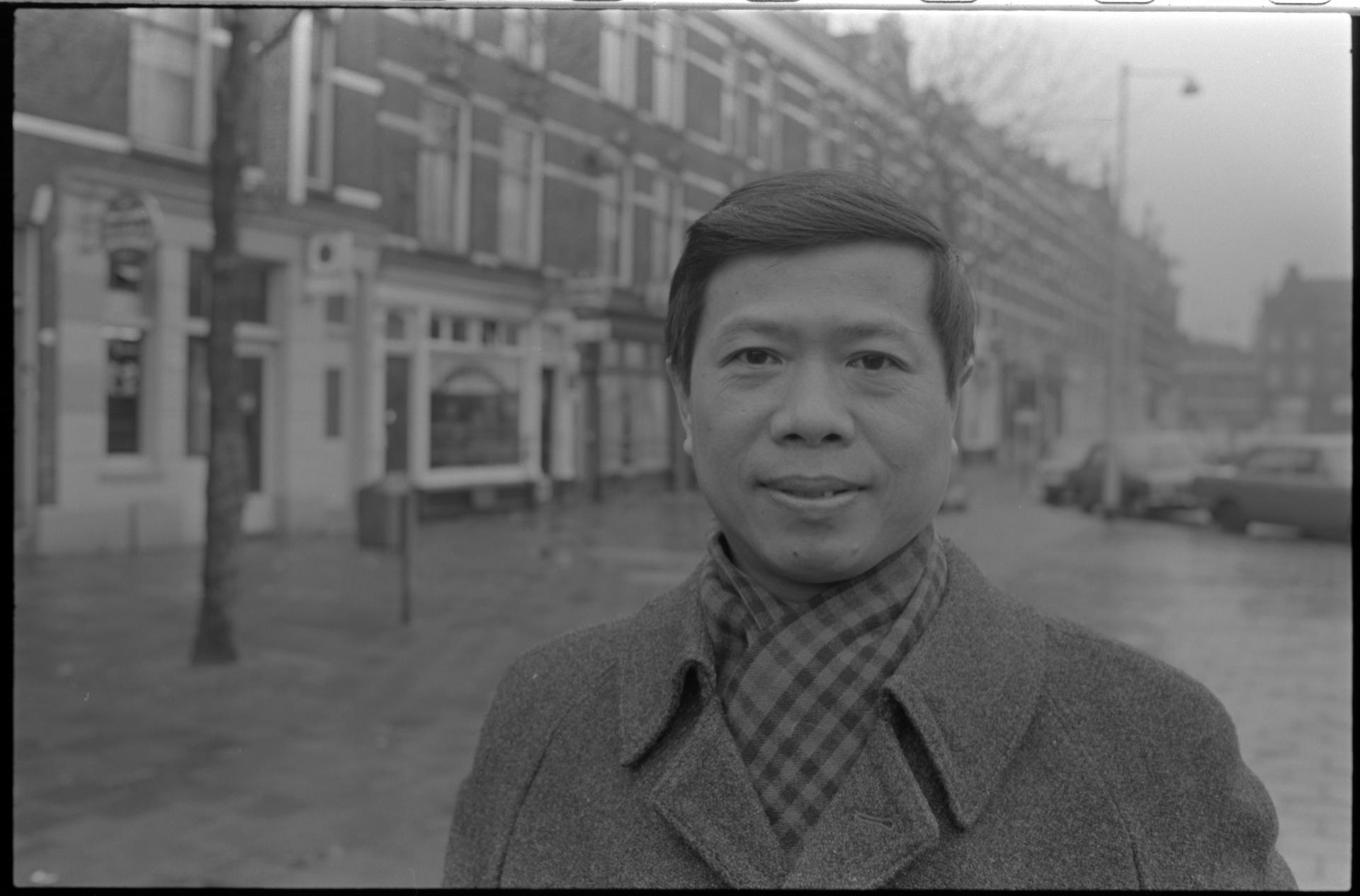
You're standing on a spit of land between the and the Maashaven, a slice of Rotterdam that the city simply calls de Kaap, the Cape. A century and a half ago there was still a village here, with farms and a little country church, until the harbours were dug out at the end of the nineteenth century and the houses gave way to workshops and warehouses.
In 1911 the first Chinese labourers arrived in Rotterdam and settled right here. Around their boarding houses, restaurants and tea houses grew the first Chinatown in the Netherlands, where the smells of Chinese goods mingled with the raw life of the docks.
During the Second World War the neighbourhood was mostly left untouched, which turned it into a hiding place for people who needed to stay out of sight of the occupier, while the nightlife carried on as usual with jazz and drink. After the war Katendrecht earned its reputation as a red light district, with sailors spending their money in bars, brothels and tattoo shops, until the city stepped in during the seventies and the old buildings disappeared one by one.
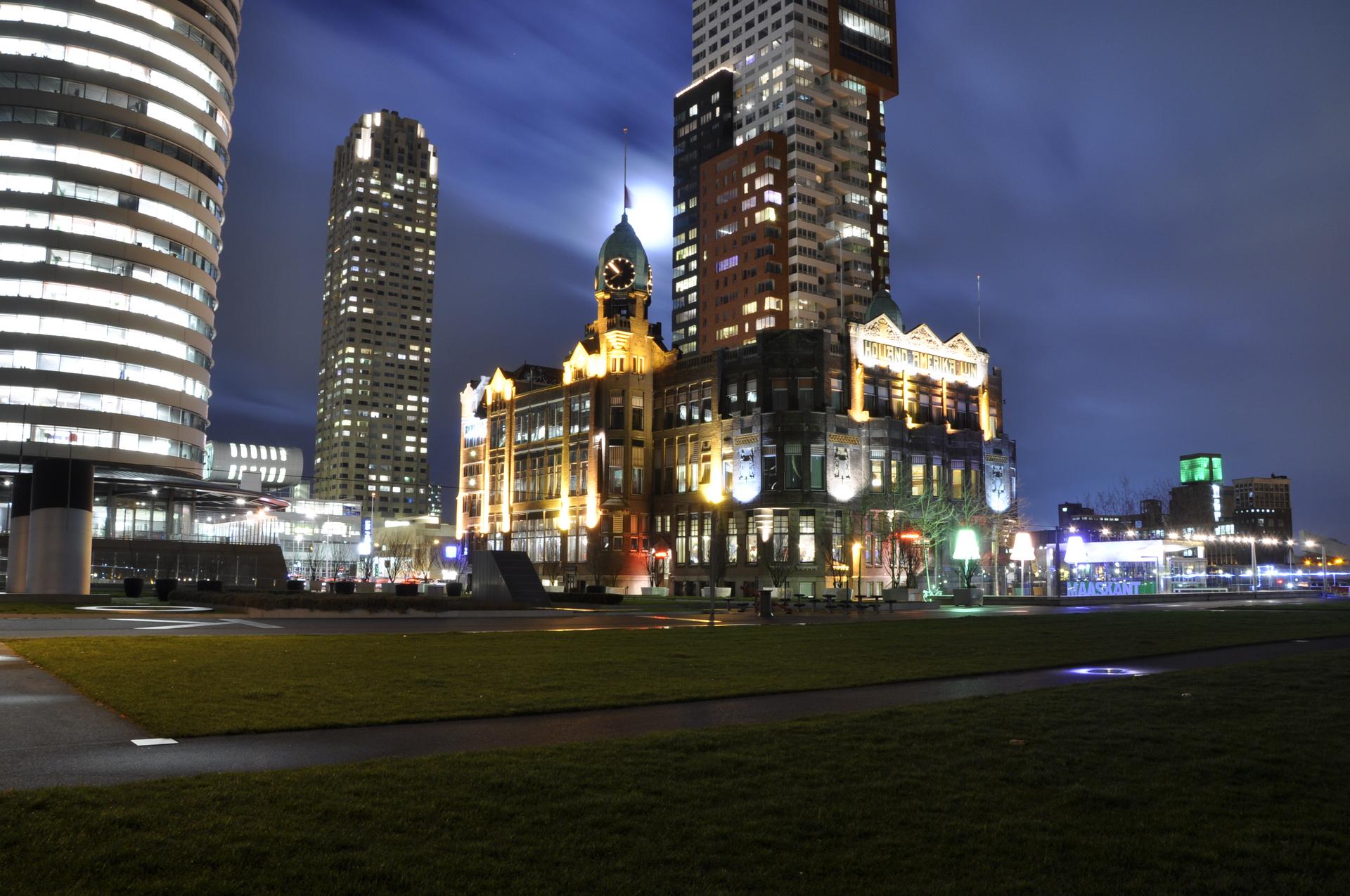
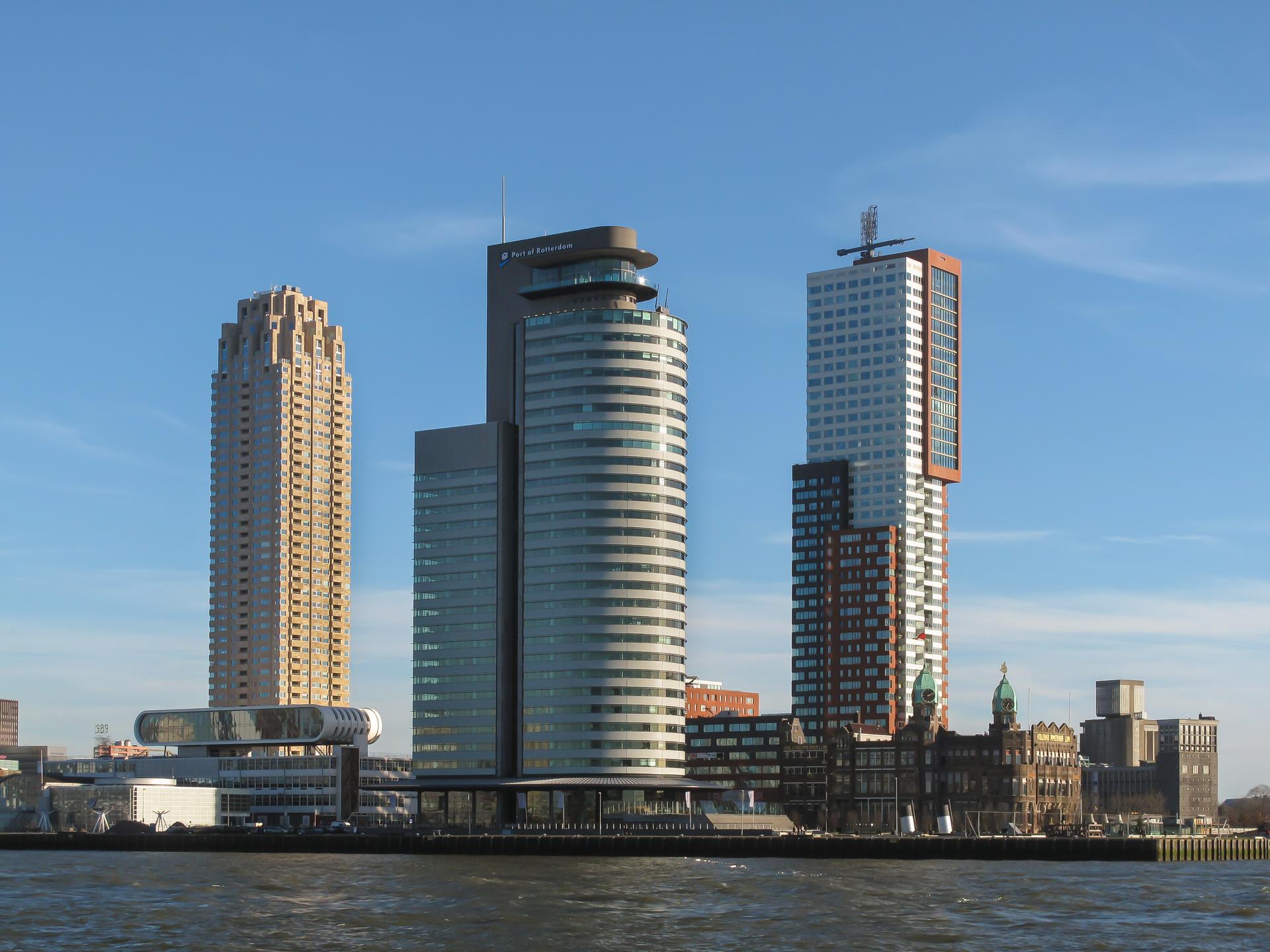
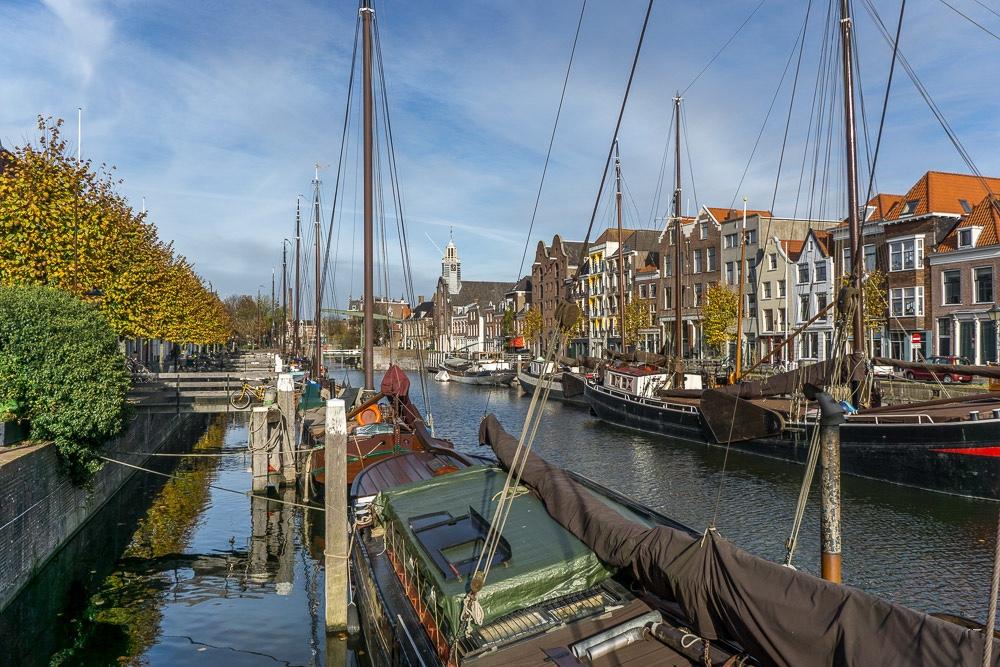
What came in their place is all around you: restaurants, theatres and new housing on the quays where sailors once gambled away their wages.
Sources. Story: Canon van Rotterdam Photos: Unknown, “Chromotopografische kaart des Rijks” 1893, public domain, via Wikimedia Commons & Stadsarchief Rotterdam