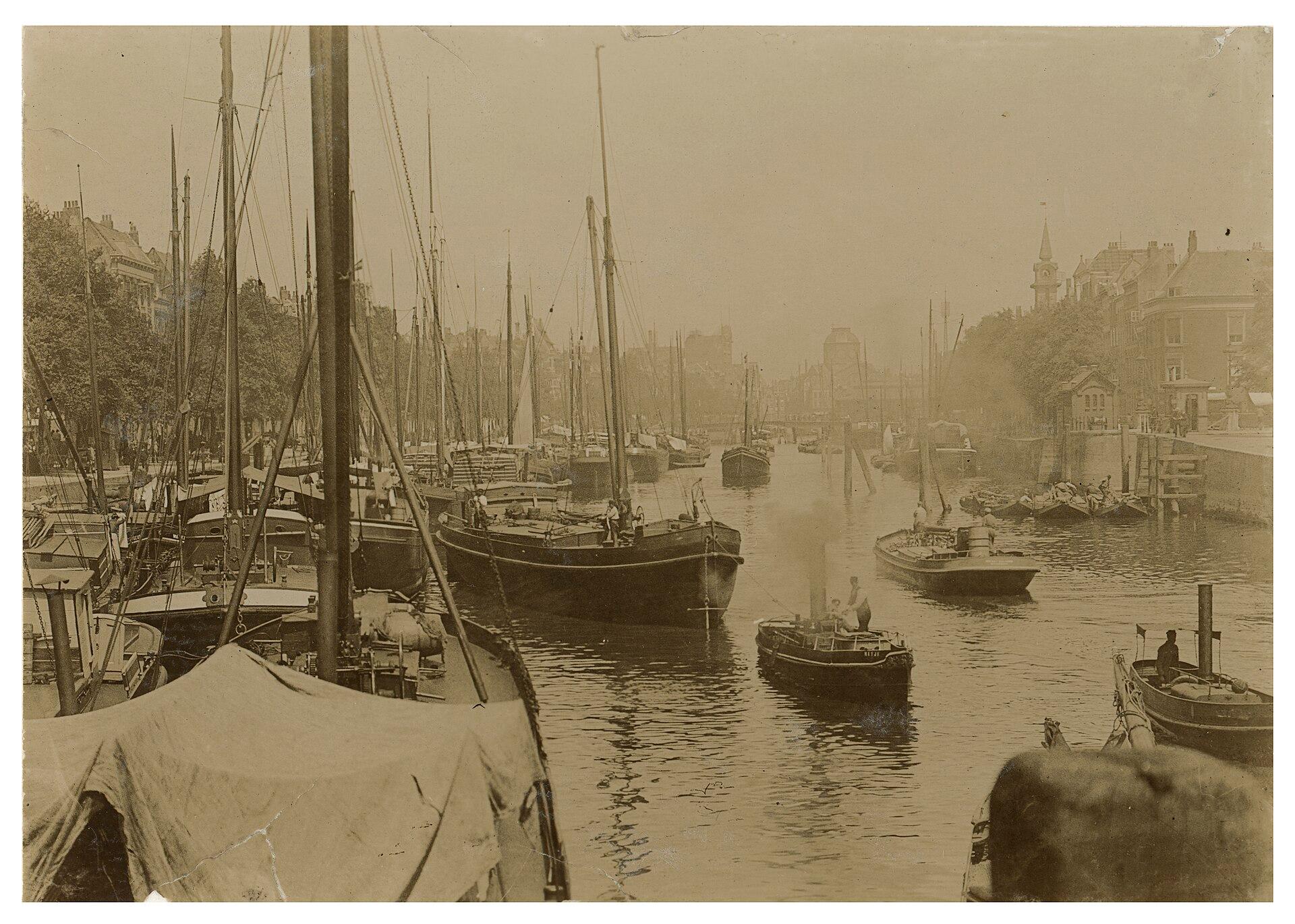
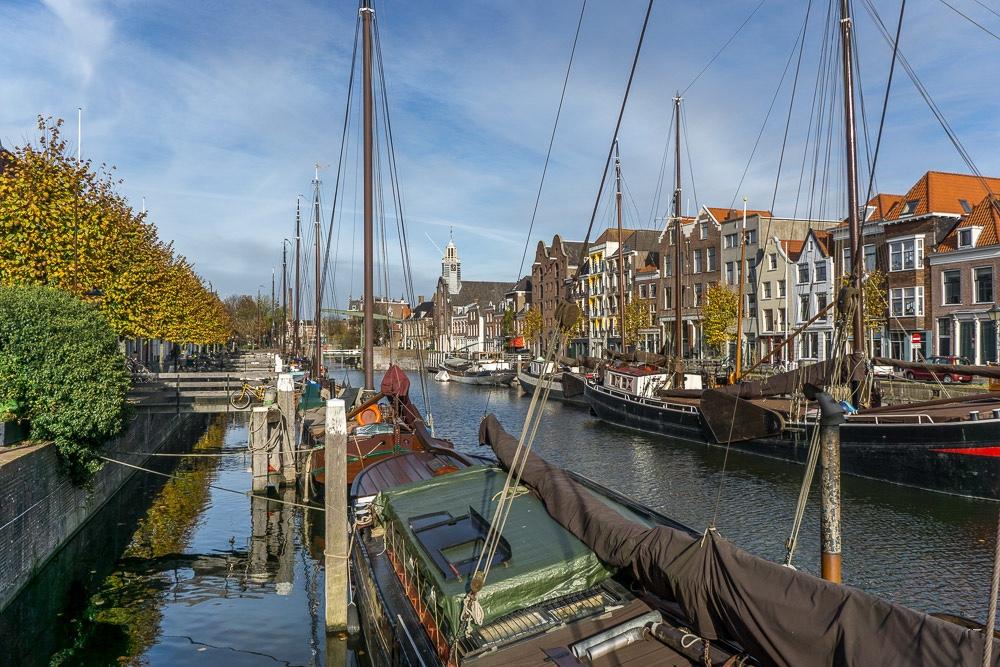
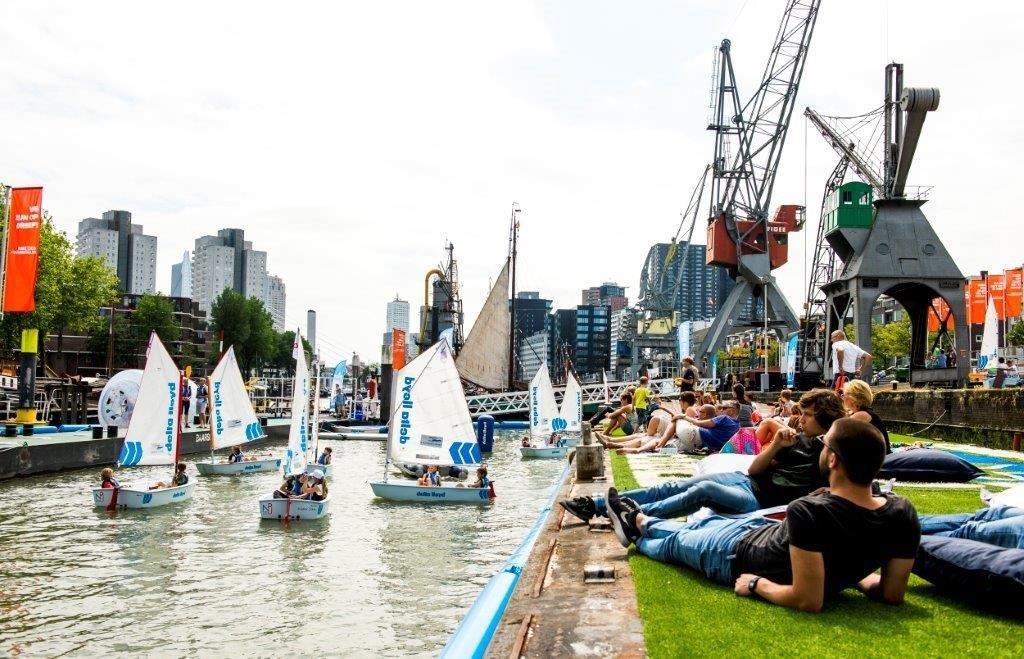
Rotterdam grew up around its water, and on the Leuvehaven, where the harbour first began, stands the museum that keeps that story alive. It started in 1874 around the ship models of the Royal Netherlands Yacht Club, with , a brother of , as the driving force behind it. Since merging with the Harbour Museum in 2014, it has looked after more than 850,000 objects, from prehistoric dugout canoes to the offshore engineering of today.
Its showpiece is a wooden ship less than a metre long, built at the start of the fifteenth century, which makes it the oldest ship model in Western Europe. It turned up in 1929 at an antique dealer in New York, proved unsellable there, found its way back to Europe by way of Munich, and has been in Rotterdam ever since. The story goes that it hung as a votive offering in a chapel near the Catalan coastal town of , a thank-you for a safe voyage, and it still carries that town's name today.
Another gem is the by . Working in Portuguese service in the Indian city of Goa, he wrote down the sailing routes to Asia that Portugal had guarded so jealously. When his book came out in 1596, that knowledge was suddenly out in the open, and Dutch ships set off in the same direction.
Outside you'll find the oldest and largest museum harbour in the country, with ships, cranes and a lighthouse that all still work.
Sources. Story: Maritiem Museum Rotterdam (maritiemmuseum.nl); Museum.nl, masterpiece Mataró ship model; Cultural Heritage Agency of the Netherlands, MaSS database, Mataró shipmodel Photos: Marco de Swart, CC BY-SA 4.0, via Wikimedia Commons