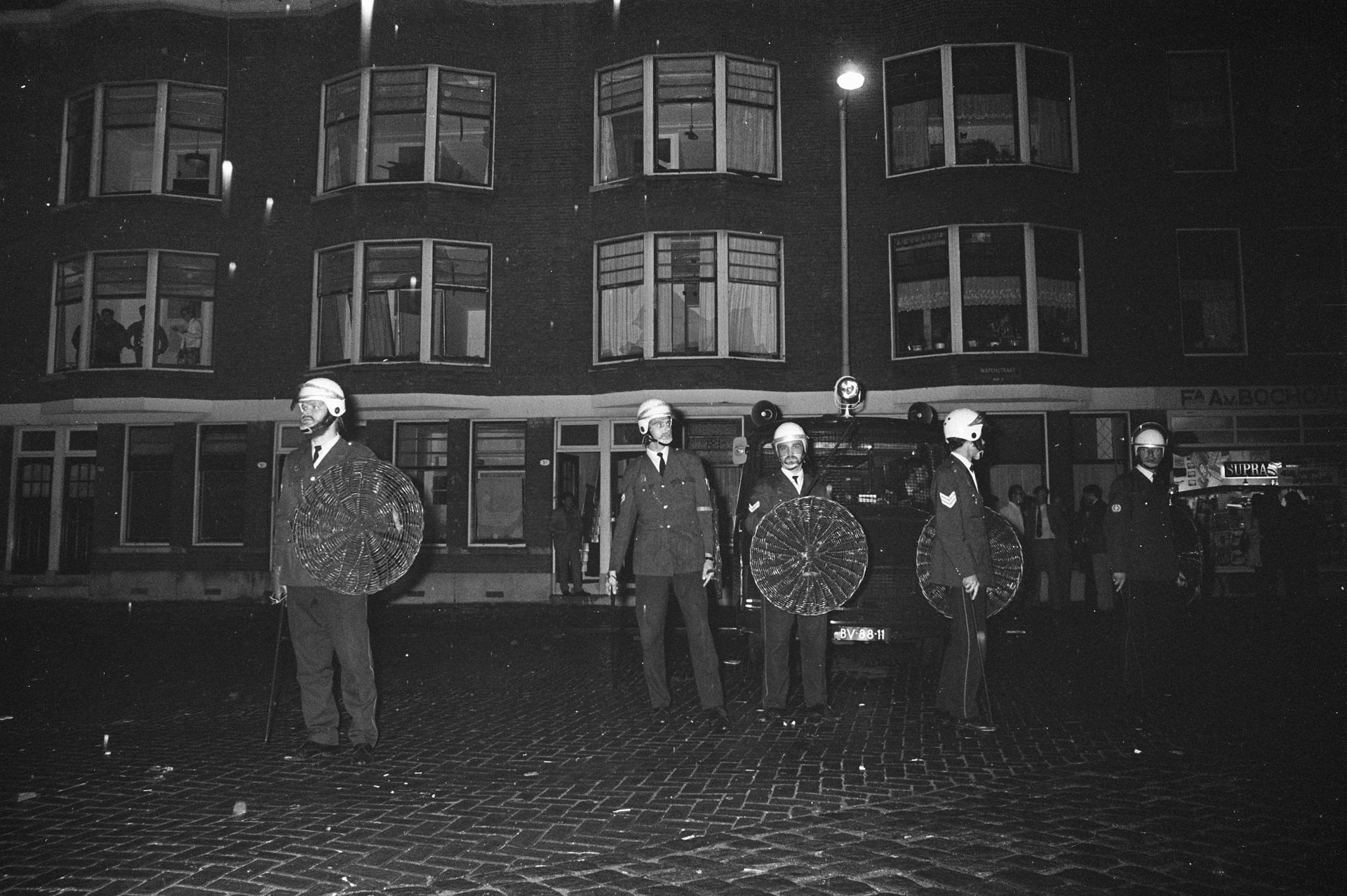
You're walking through the Afrikaanderwijk, a neighbourhood of nineteenth-century houses in Rotterdam-Zuid, close to the docks where the residents used to find their work. In the summer of 1972, something that had been simmering for years finally boiled over here, when a Turkish landlord tried to evict a Dutch woman and her children over unpaid rent.
Many of those old buildings had been turned into boarding houses for by slumlords, which made the housing shortage in the area worse and left the original residents feeling that the city had abandoned them.
In August the conflict spilled over into violence, with arson and boarding houses being looted, and calm only returned after six days, partly because residents themselves called for solidarity.
The city then came up with a proposal to allow no more than five percent of residents with a migration background per neighbourhood, a plan that proved unworkable and was withdrawn again. Today Rotterdam is home to people from more than a hundred and sixty countries, and you can hear that at the market on the .
Sources. Story: Canon van Rotterdam Photos: Bert Verhoeff / Anefo, CC0, via Wikimedia Commons