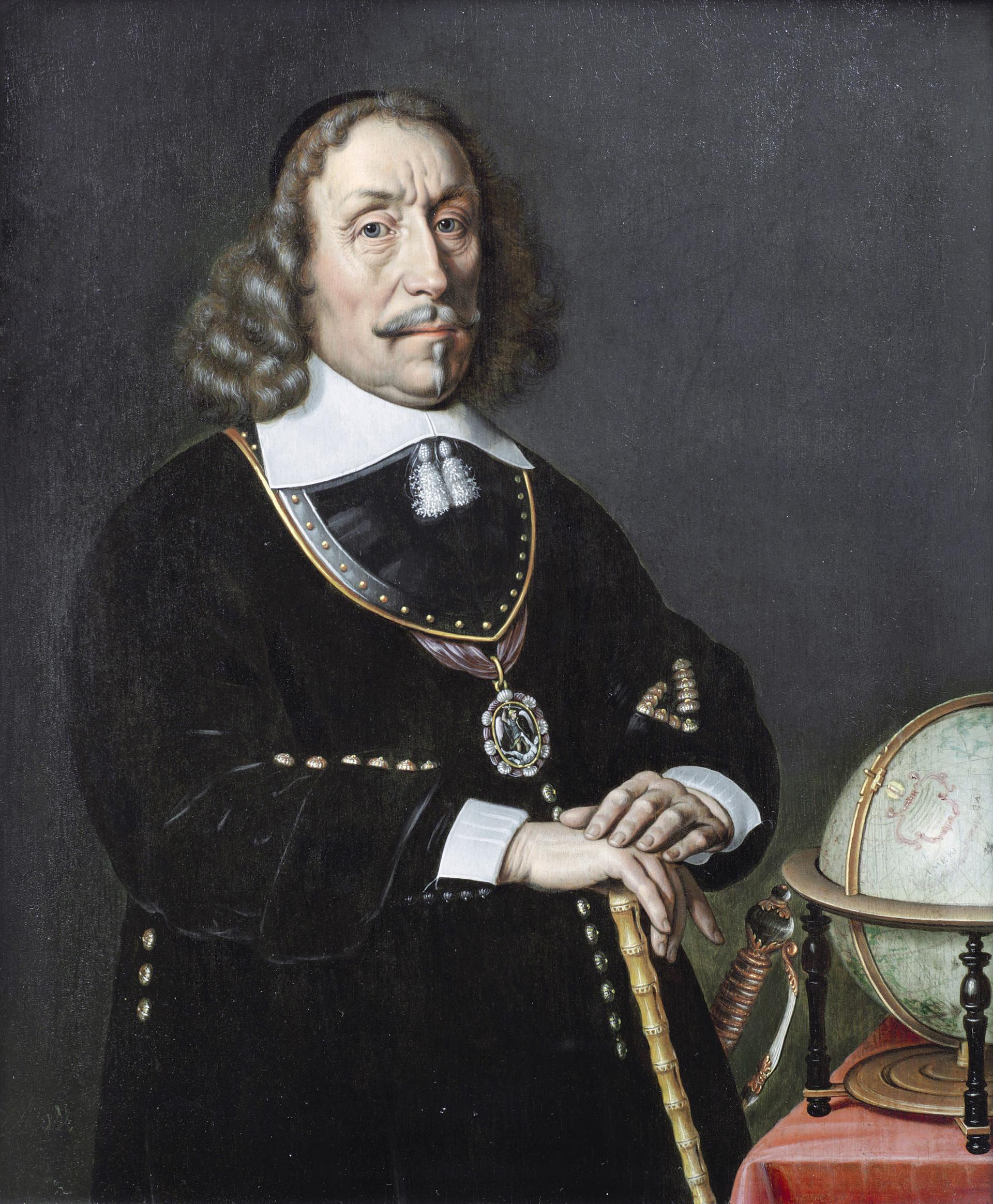
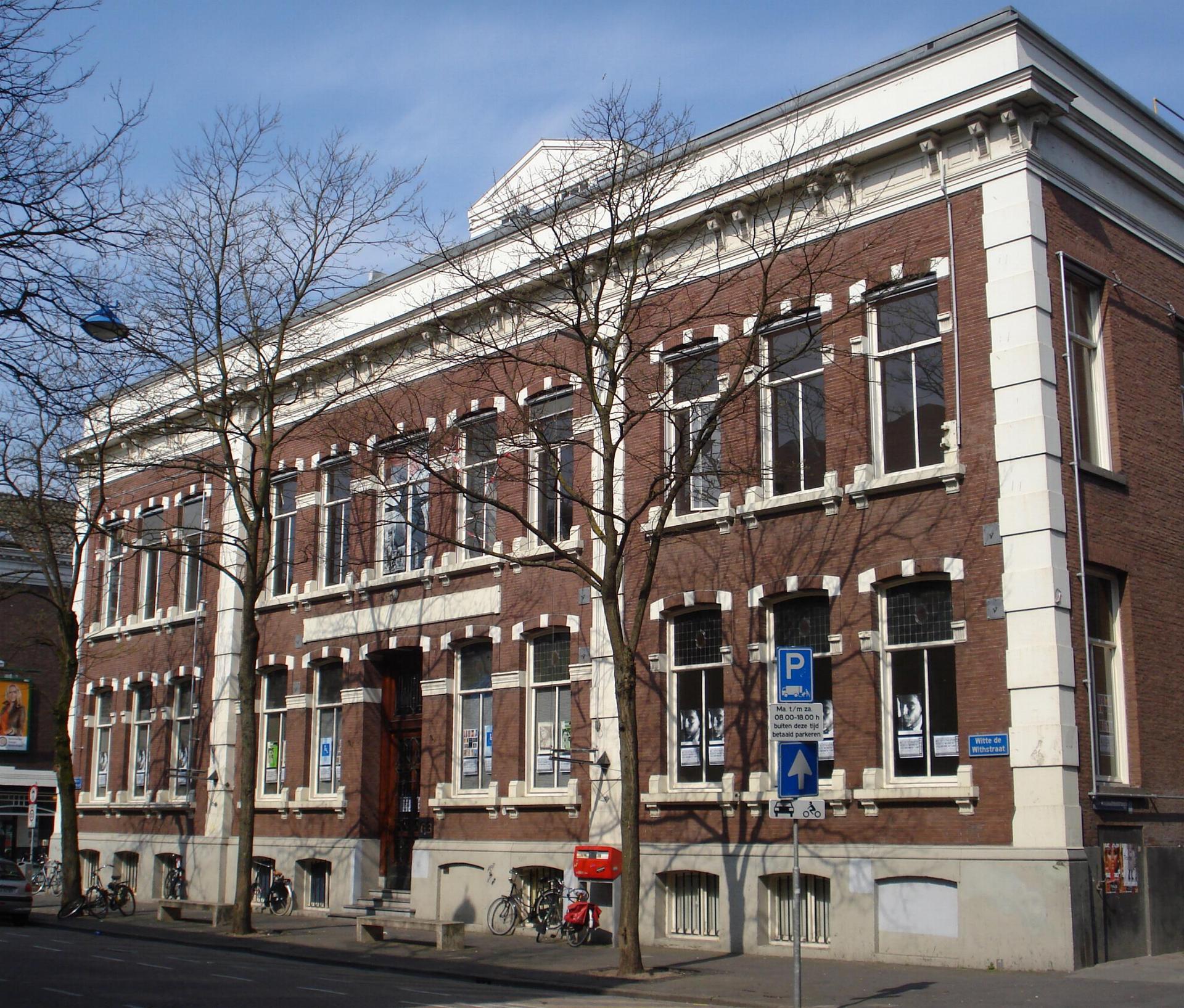
A street not even four hundred metres long that went from notorious to coveted in fifty years. It got its name in 1871, after , a seventeenth-century naval officer whose own story belongs a few streets over.
Around 1900 the city's first horse-drawn tram ran through here, and that tells you what the street was back then: a through route, full of traffic and bustle. In the seventies that picture flipped. The frontages filled up with dim bars and illegal gambling dens, and anyone heading from A to B in the evening preferred to take a different route.
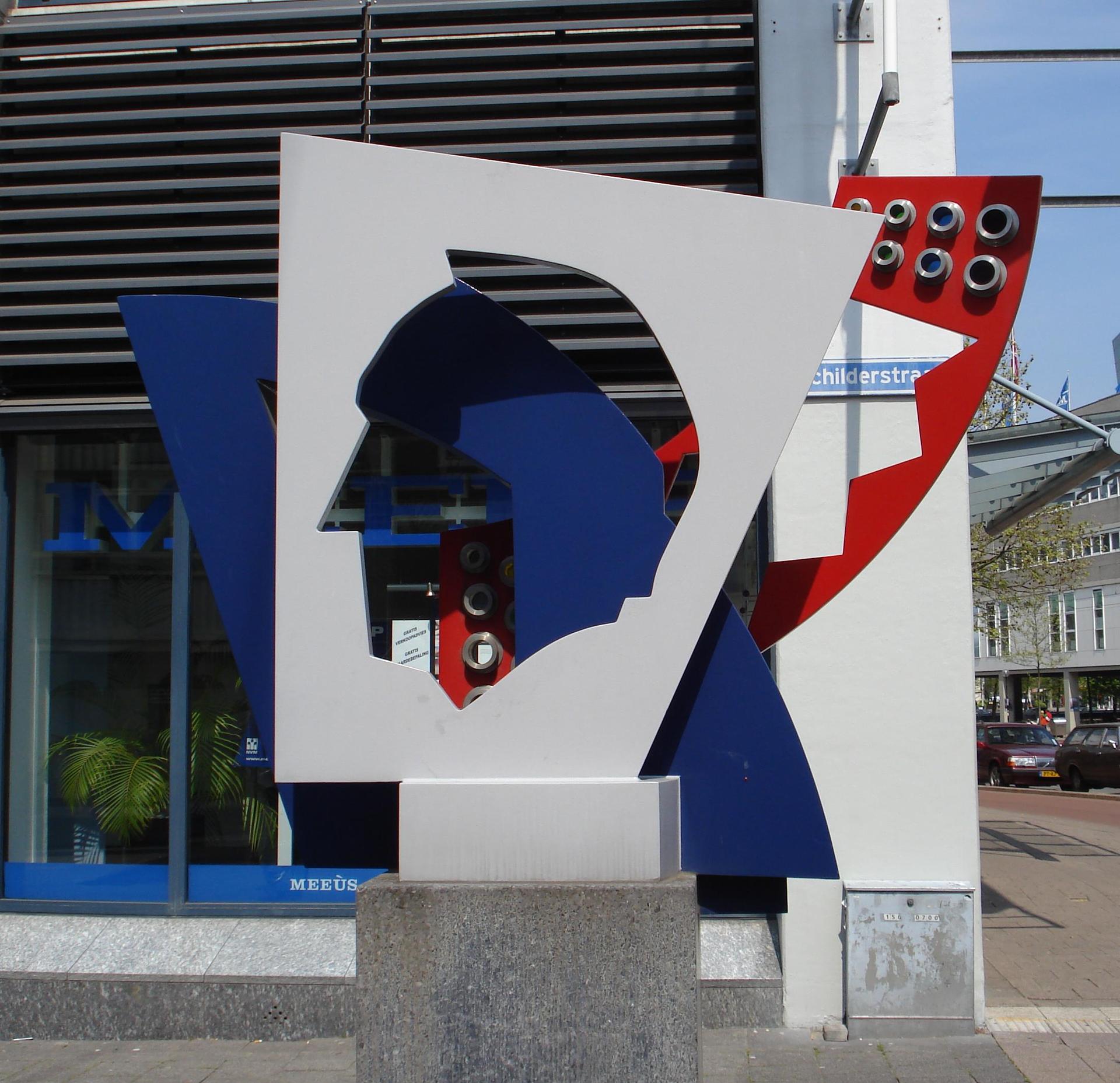
The turnaround came in the nineties, when the street became part of the Kunst-As, the line that links the with the , the city's maritime museum. Galleries and art institutions settled in among the existing buildings, and behind them came the restaurants, the bookshops and the bars.
What you see now is that whole pile-up all at once: an art space next to a shawarma joint, a terrace beneath a gallery. On a summer evening the frontages on both sides stand open, and the crowds that normally stay apart just mingle here.
Sources. Story: Stadsarchief Rotterdam; Wikipedia, Witte de Withstraat (Rotterdam) Photos: Wikifrits, public domain, via Wikimedia Commons