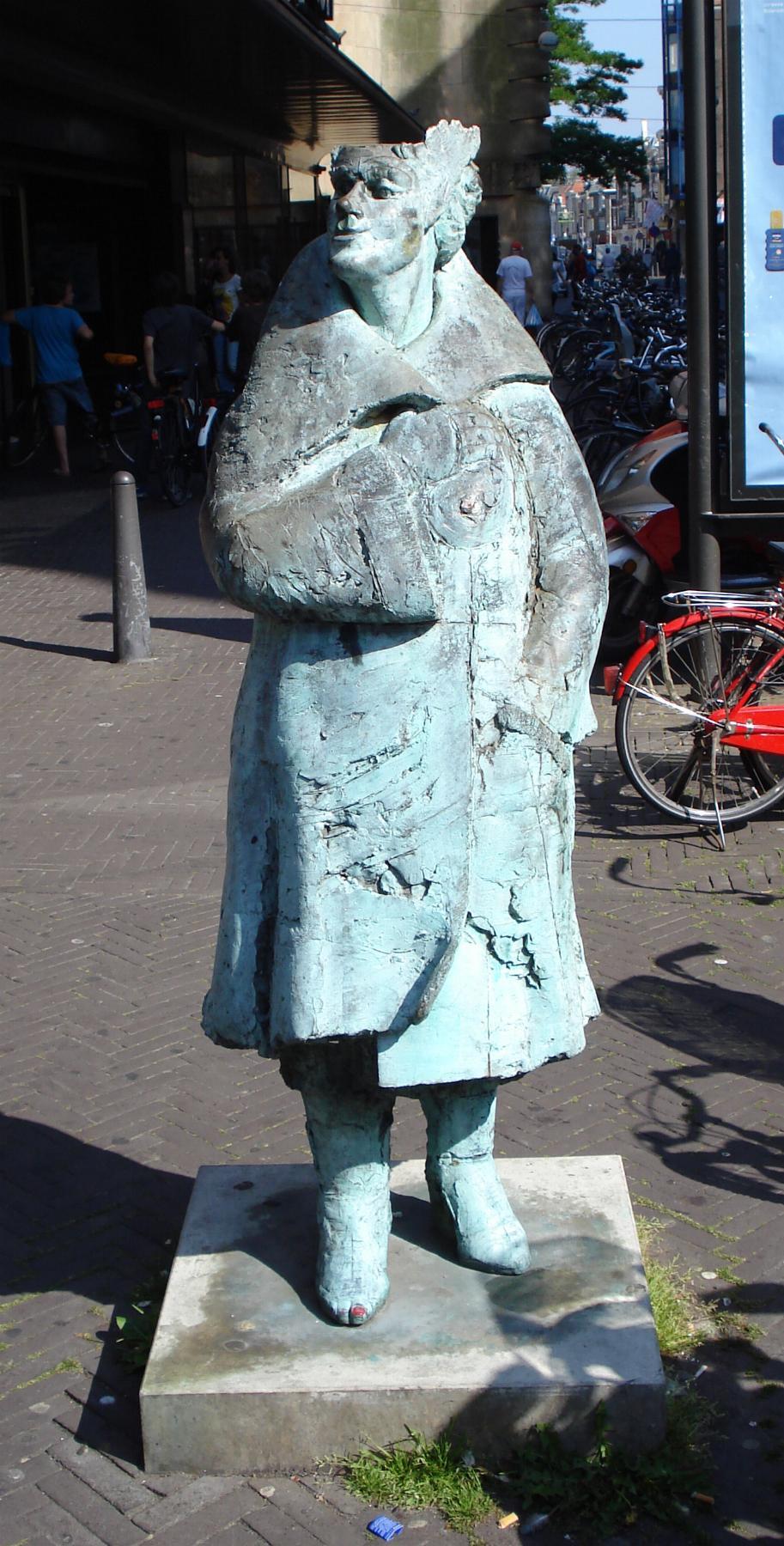
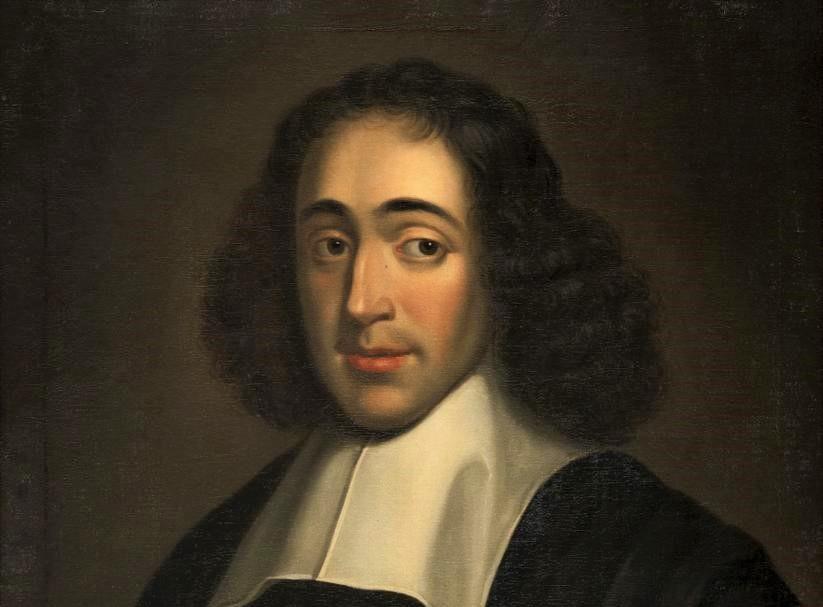
Benedictus de Spinoza spent the last years of his life on the Paviljoensgracht, in rented rooms a few steps from this statue. He had come to The Hague in 1670, by then thoroughly used to living at the edge of respectable opinion.
Born in Amsterdam to a , he was expelled from that community at twenty-three with a so severe that it has never been lifted. His offence was what he thought. He argued that God and nature are one and the same, that scripture is a human document, and that a state has no business policing what its citizens believe in private.
He supported himself by grinding lenses for microscopes and telescopes, work that demanded great precision. He turned down a professorship in Heidelberg because it came with conditions about what he would be allowed to say.
The appeared after his death in 1677. The Catholic Church put it on the , and it is now read as one of the foundations of modern thought.
The next stop lies two minutes to the east, on the Dunne Bierkade.
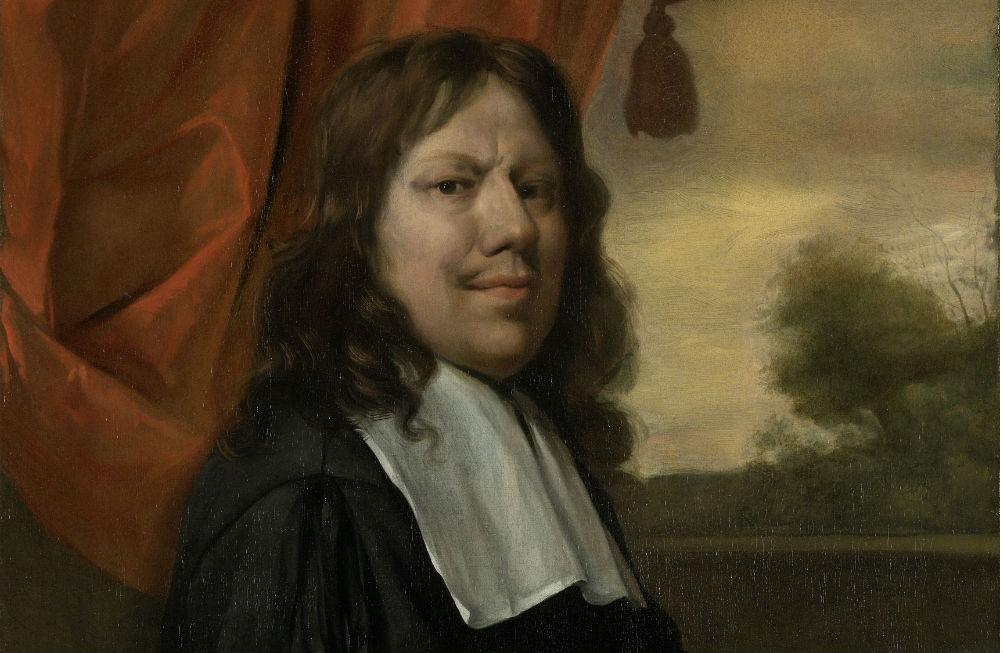
Sources. Story: Spinozahuis Den Haag; Koninklijke Bibliotheek; Haags Gemeentearchief. Datum van de verhuizing naar Den Haag en de afwijzing van de leerstoel in Heidelberg nog te verifieren. Photos: Public Domain