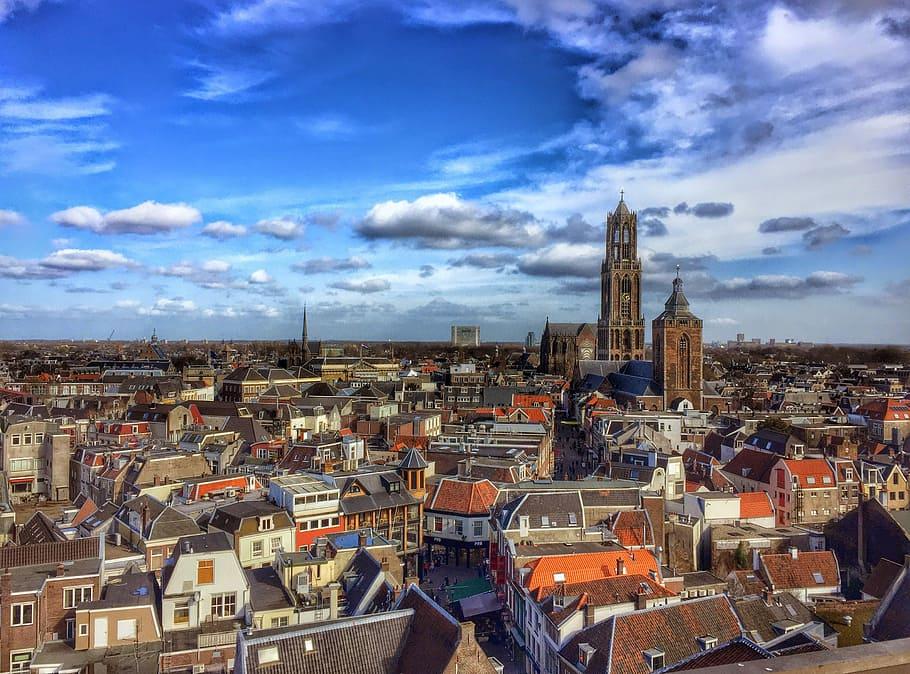
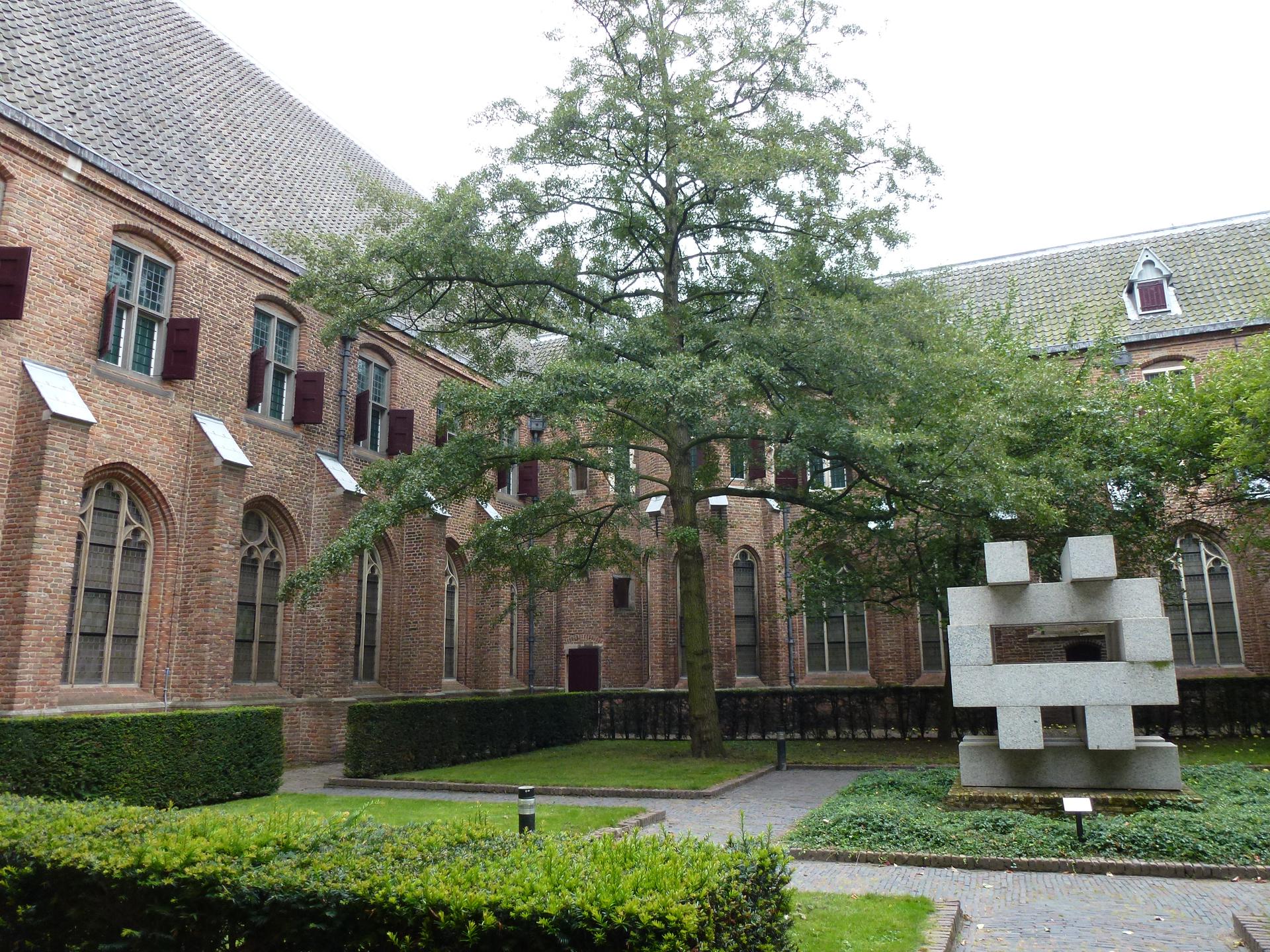
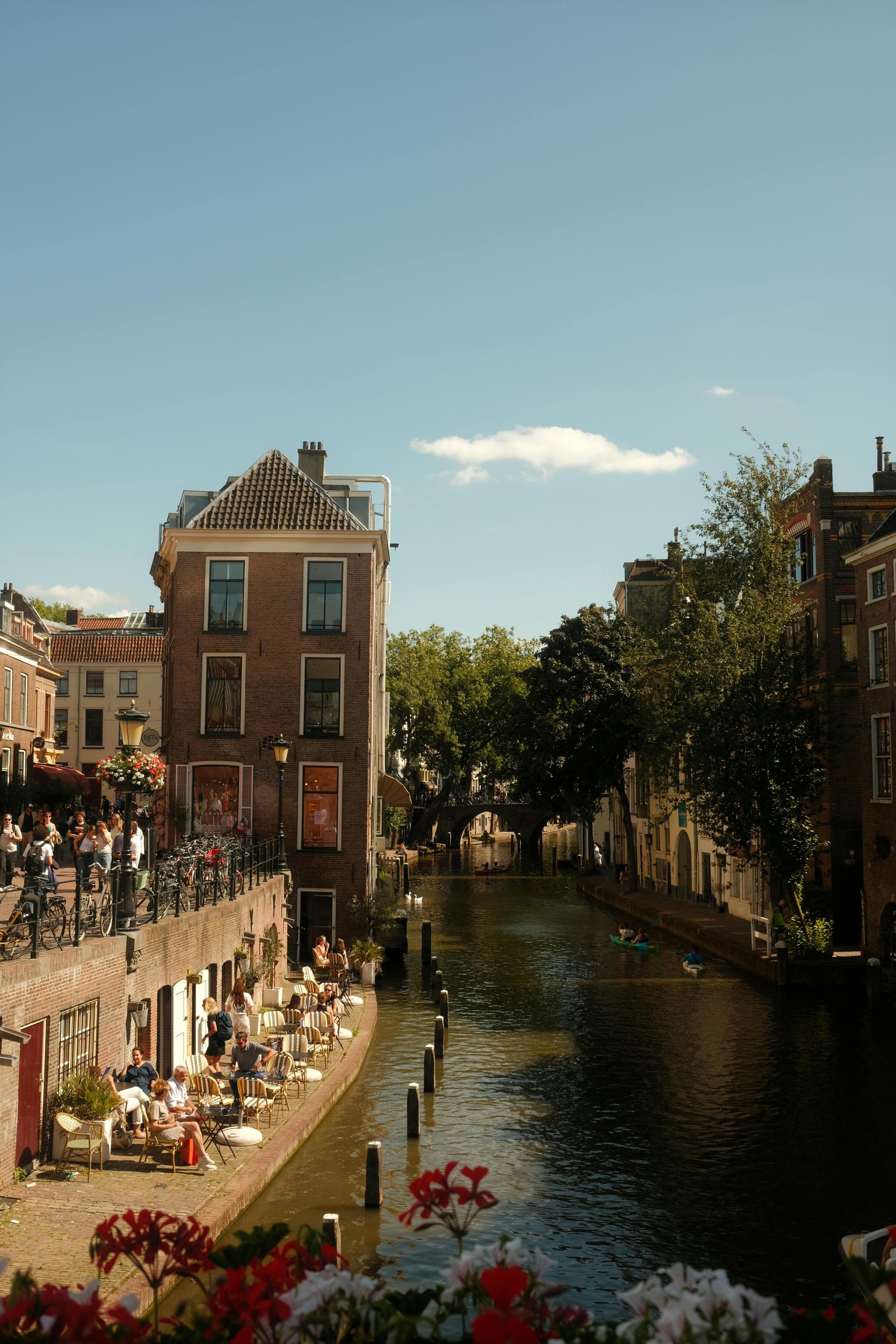
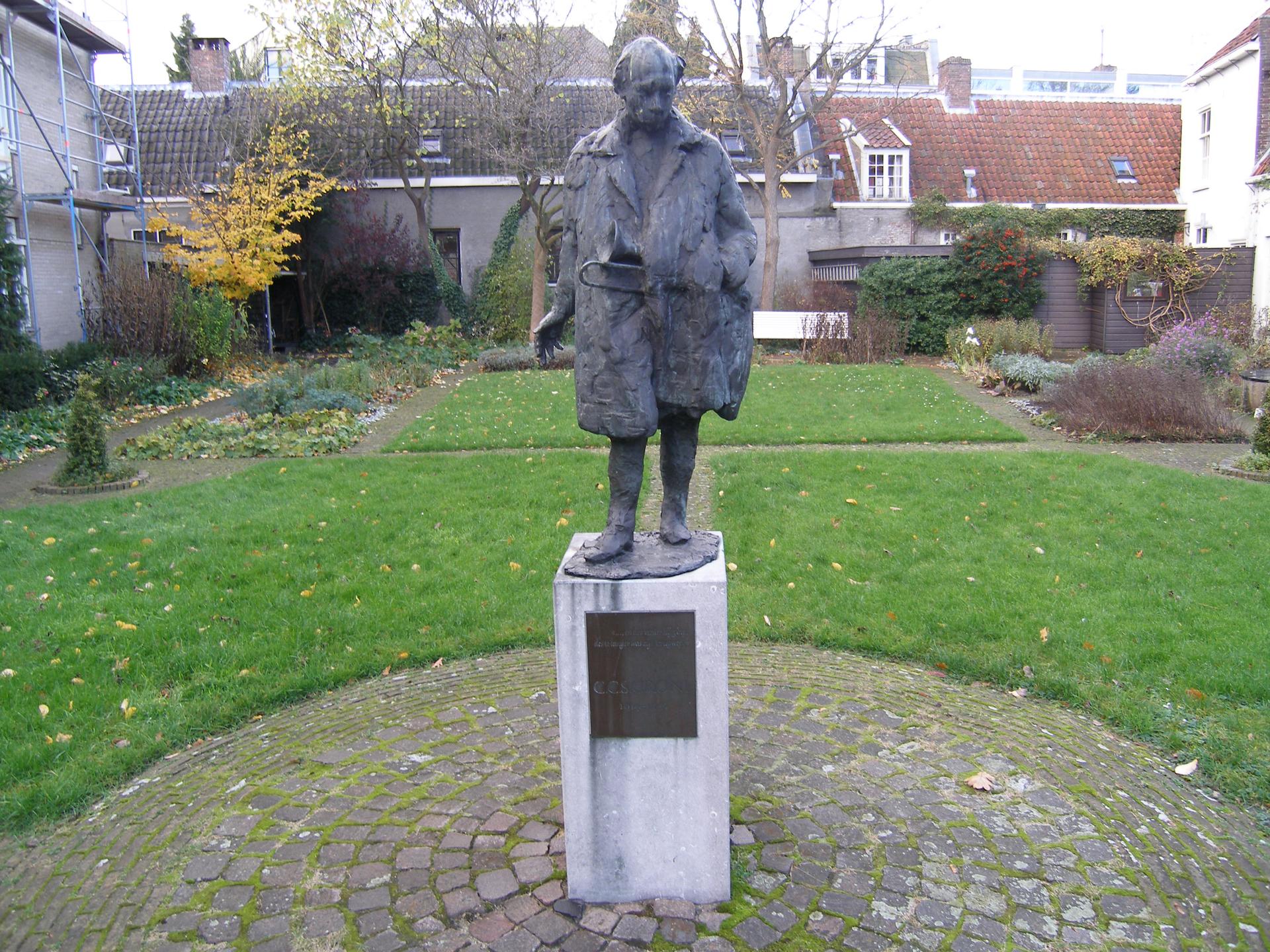
Behind the facades of the old centre lie dozens of hofjes, and most of them you walk straight past.
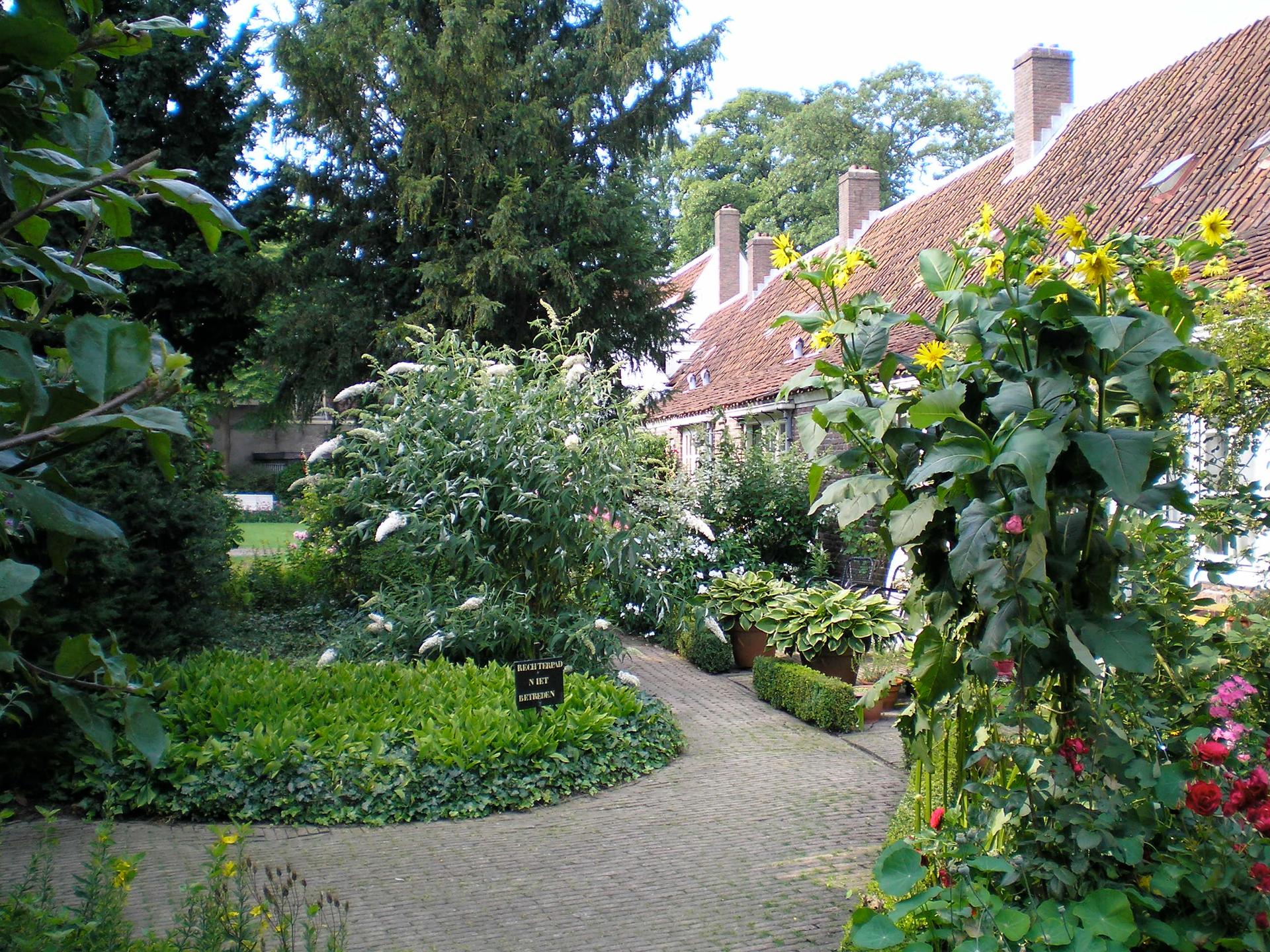
A hofje is a row of small houses around a shared garden, founded by someone with money for people without. In Utrecht this happened on a serious scale from the sixteenth century onwards. The residents were usually older women and widows. They lived there rent free and in return kept to the founder's rules, down to the hour the gate closed at night.
The finest example stands on the Agnietenstraat. , a wealthy Catholic woman of the city, had twelve houses built there in 1651. Above each door you can still see the beam with carved coats of arms and that year. She had goods handed out to the residents every year and was present herself, and painted one of those distributions in 1657.
After her death in 1664 the foundation she had set up took over, and it still exists. The houses are still lived in.
That goes for almost every hofje in Utrecht. The gate often stands open during the day, so a look inside is fine, quietly.
Want more of this? Pick one of our walking routes through Utrecht and head out!
Sources. Story: Dutch national monuments register no. 36005 (Cameren van Maria van Pallaes, Agnietenstraat 8-30); Utrechts Monumentenfonds on the Maria van Pallaes foundation; Centraal Museum and Oud-Utrecht on the 1657 painting by Hendrick Bloemaert. Photos: Japiot, Wikimedia Commons, CC BY 3.0