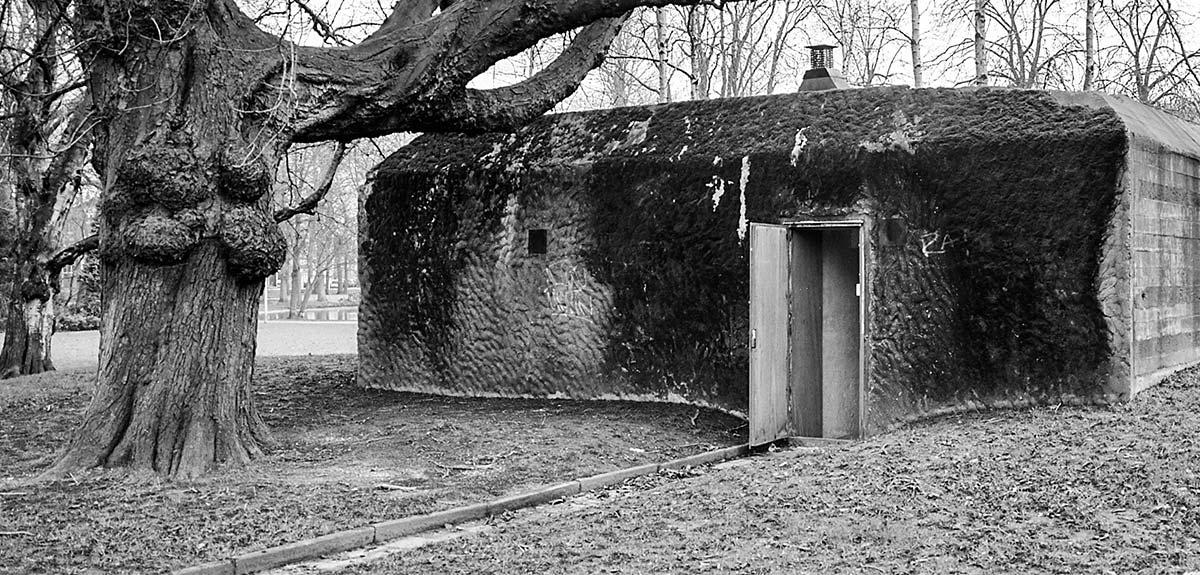
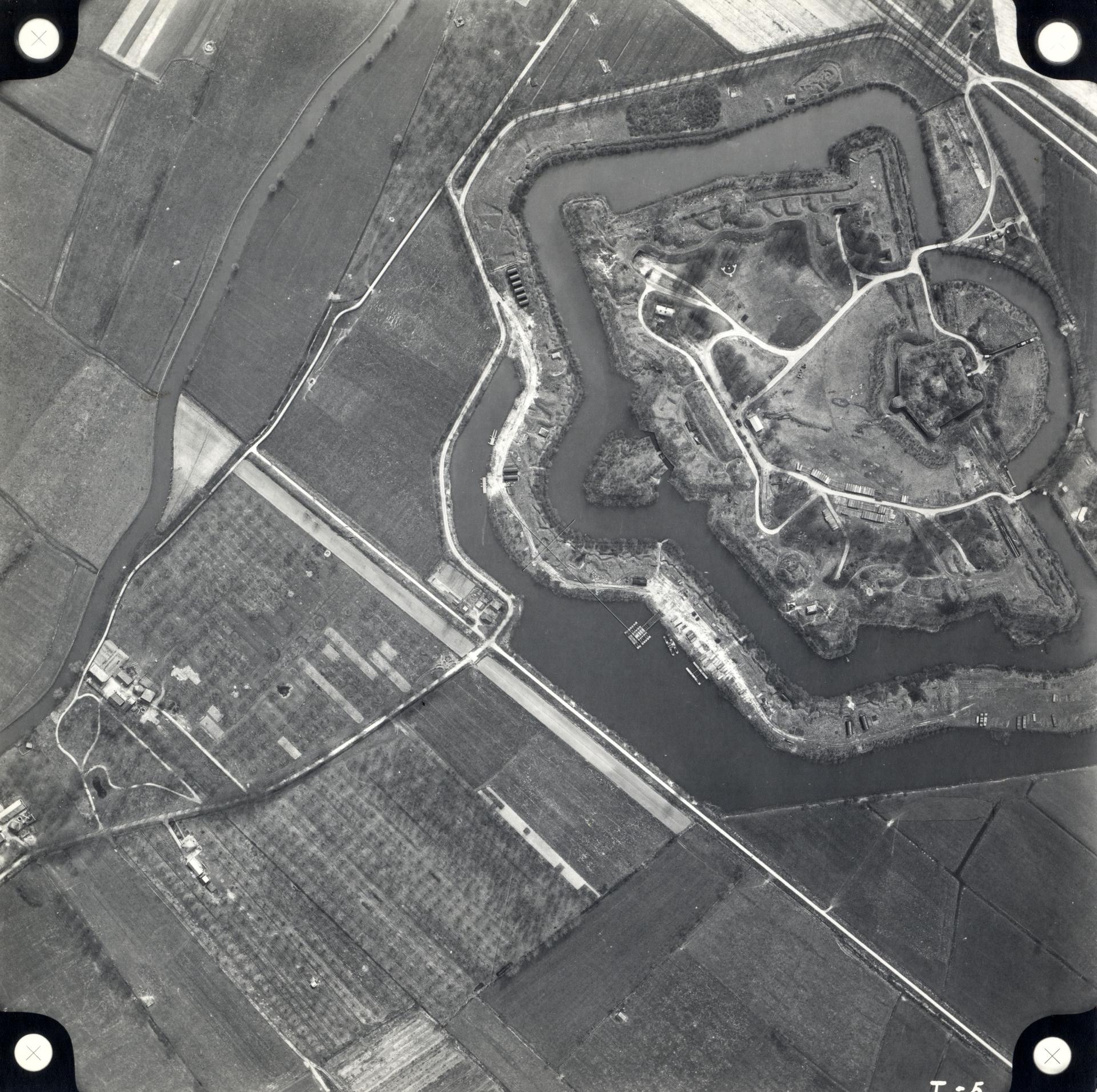
Fort bij Rhijnauwen was built between 1868 and 1871, part of the ring of forts around Utrecht within the . Together with Fort Vechten it was meant to seal off the crossing over the Houtense Vlakte. Bombproof barracks followed around 1877, and during the mobilisation of 1914 to 1918 came trenches and reinforced concrete shelters.
The fort never had to withstand an attack. Its deadliest years came long after it had stopped mattering militarily.
The occupying forces used the grounds as an ammunition store, and from 1942 as a place of execution. Dutch and Belgian resistance members were shot here, among them eleven members of the Erkens group on 9 October 1943. How many people were killed here in total has never been established: estimates run from two hundred and fifty to five hundred. Fifty-four of them are known by name, and memorial stones mark them.
What remains is one of the largest forts on the line, with ramparts, moats and trees that have had a century and a half to grow. It is a quiet place now, which is exactly what it was all through the war as well.
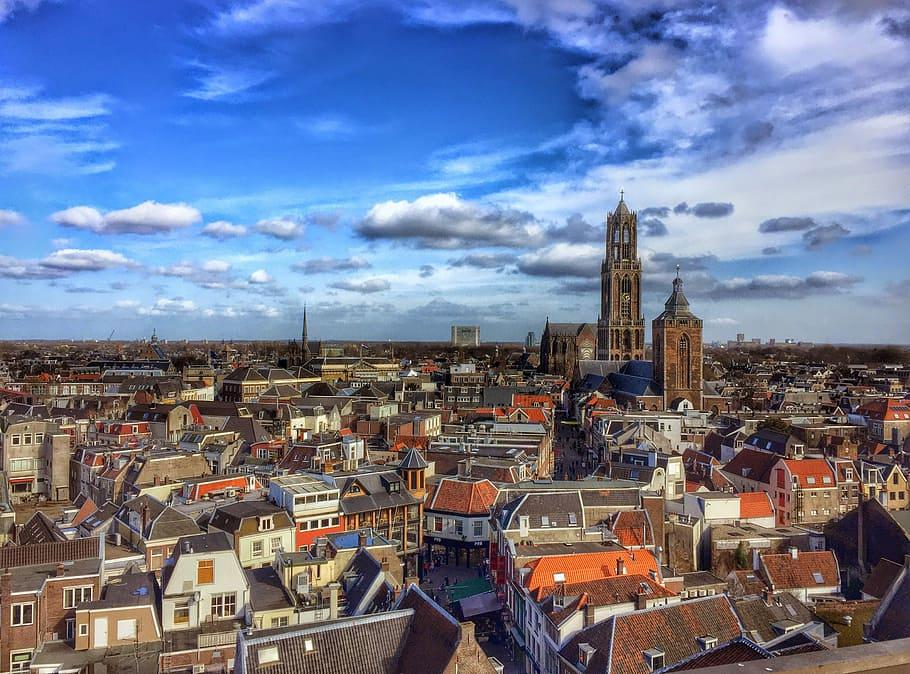
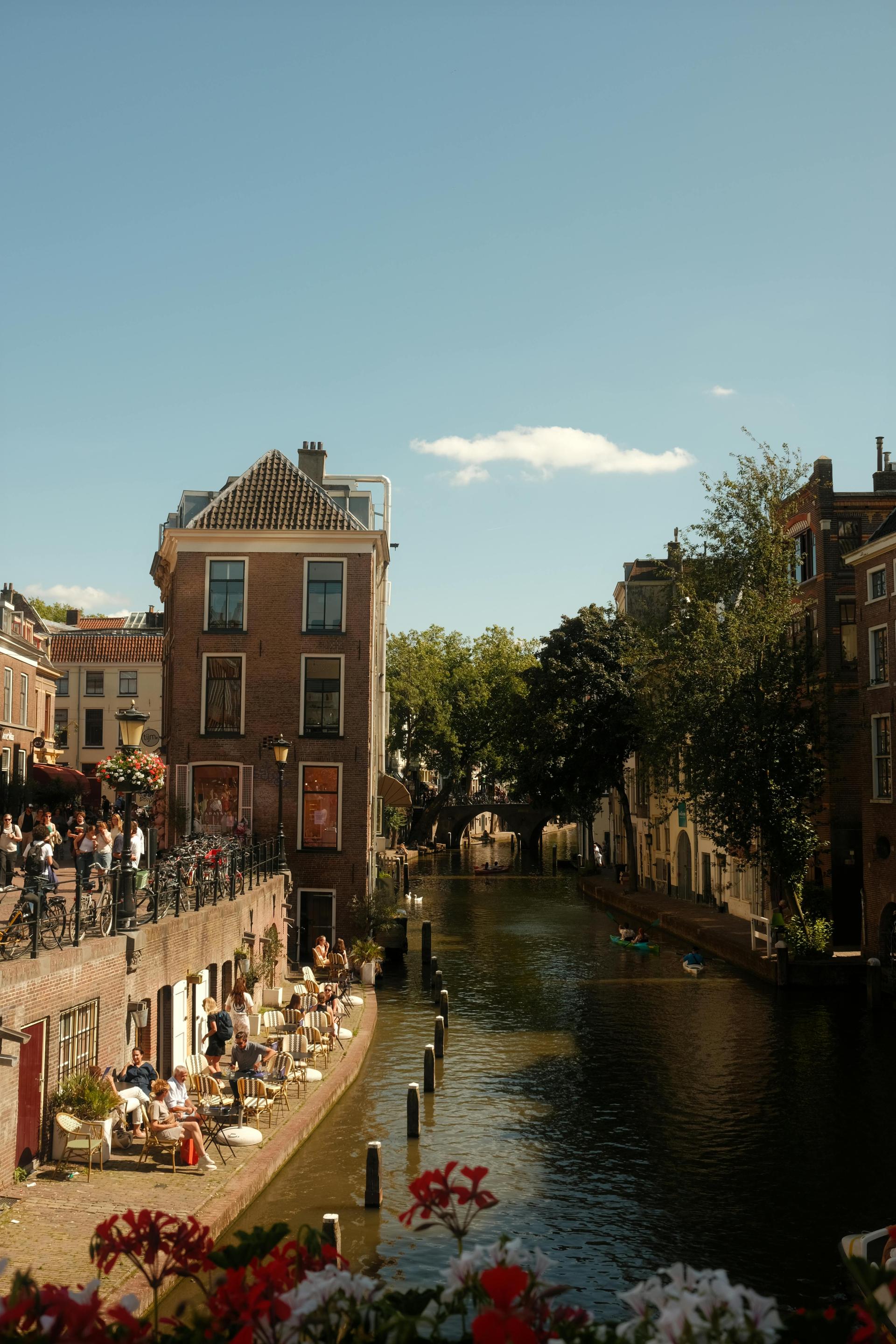
That history is on the streets of Utrecht itself too. Our walking routes through the city have more to say about it.
Sources. Story: Building history of the Utrecht ring of forts, 1868-1871 and the extension around 1877; war memorials and memorial stones on the fort grounds (54 victims known by name); execution of eleven members of the Erkens group on 9 October 1943; Het Utrechts Archief. Still to verify: the total number of people executed here, where estimates range from 250 to 500. Photos: Source photo: Het Utrechts Archief