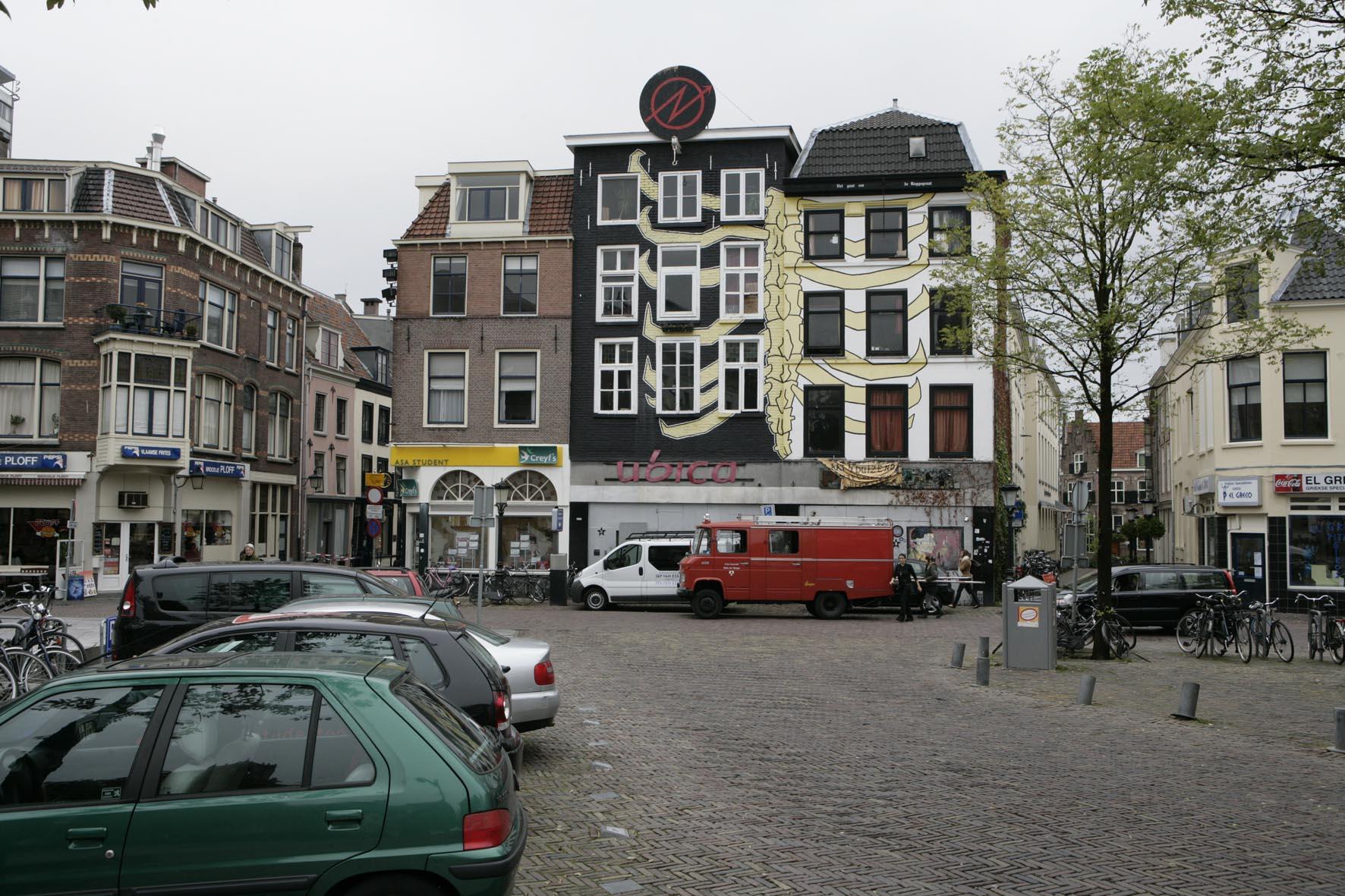
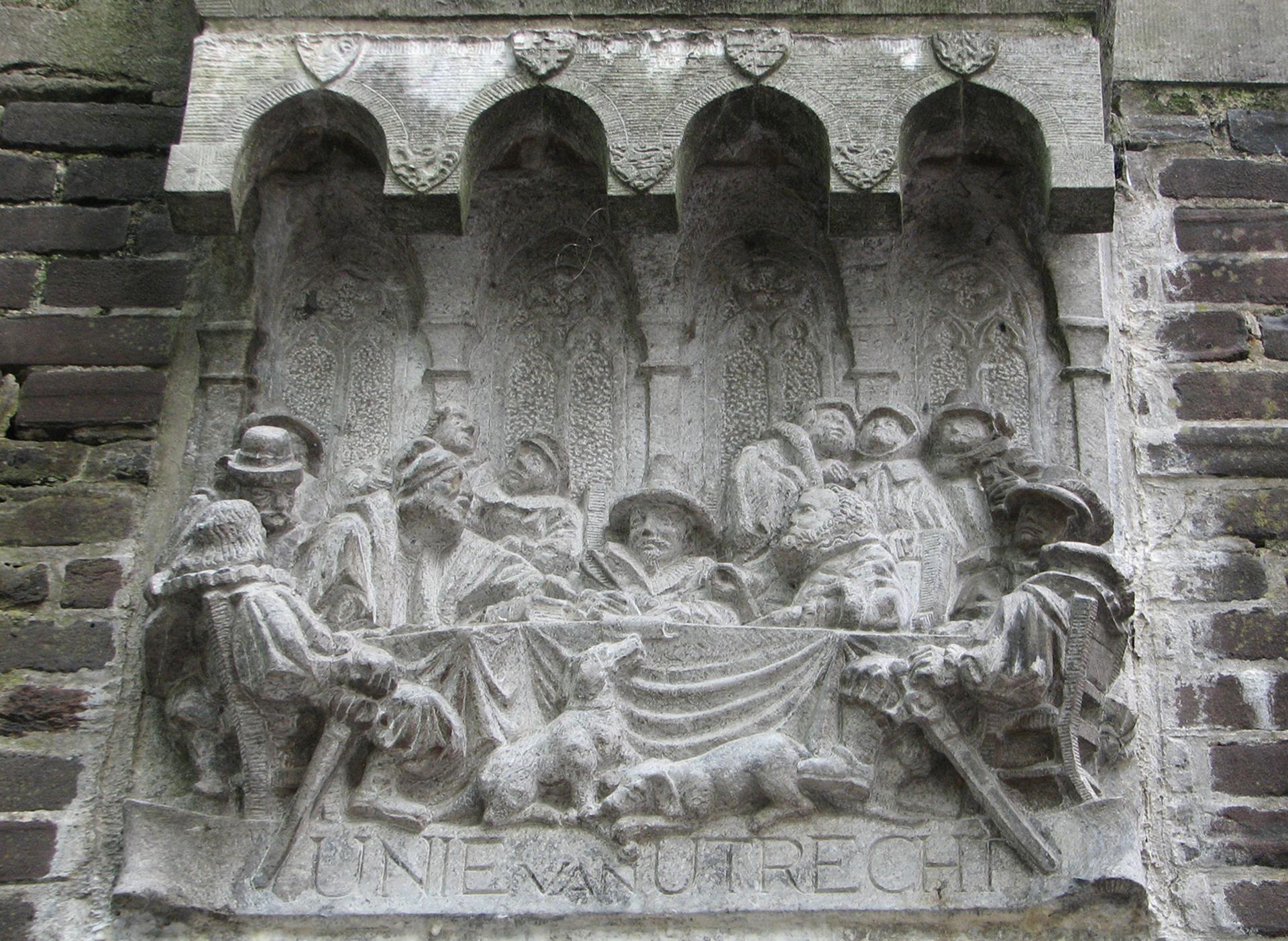
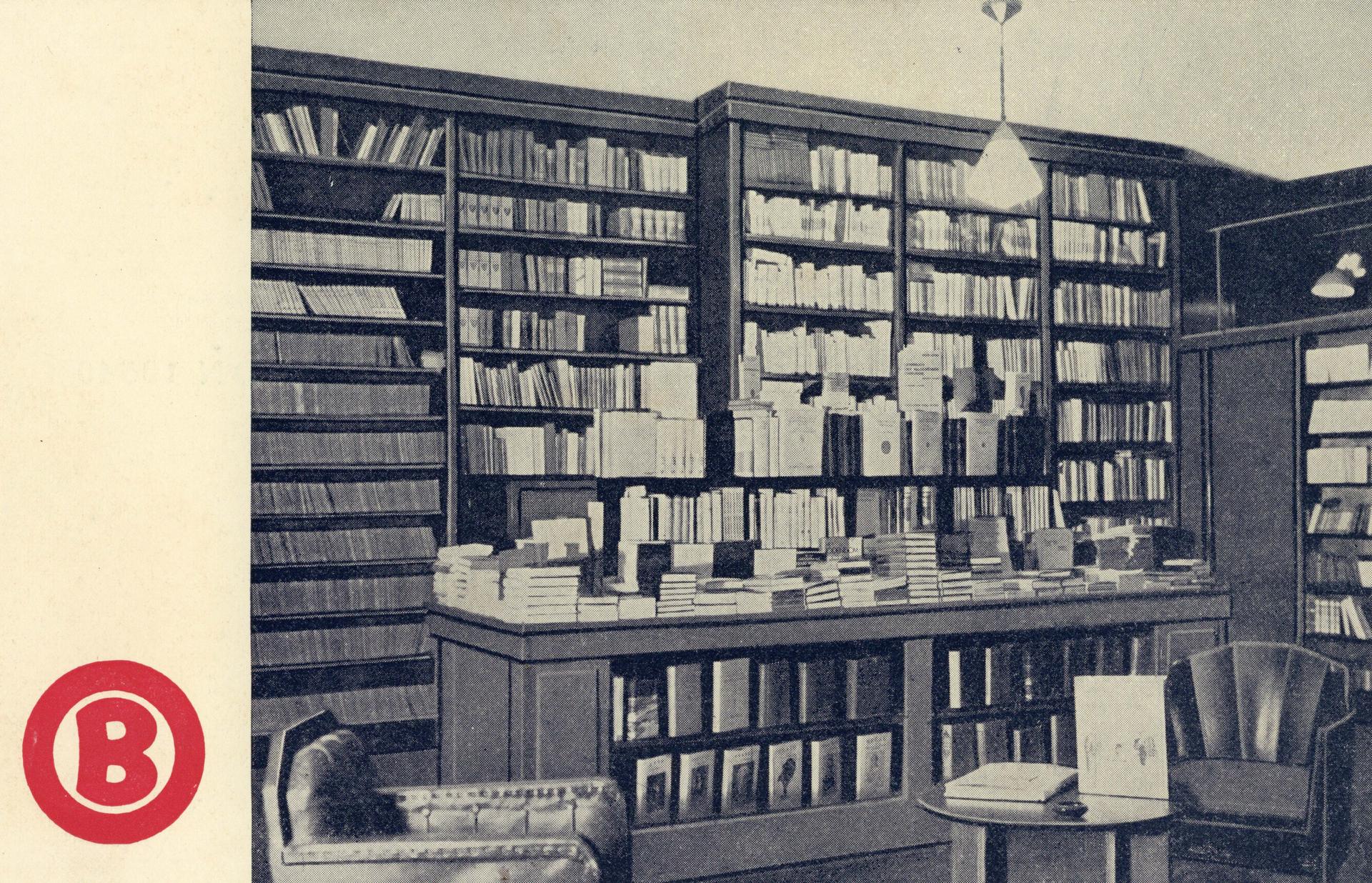
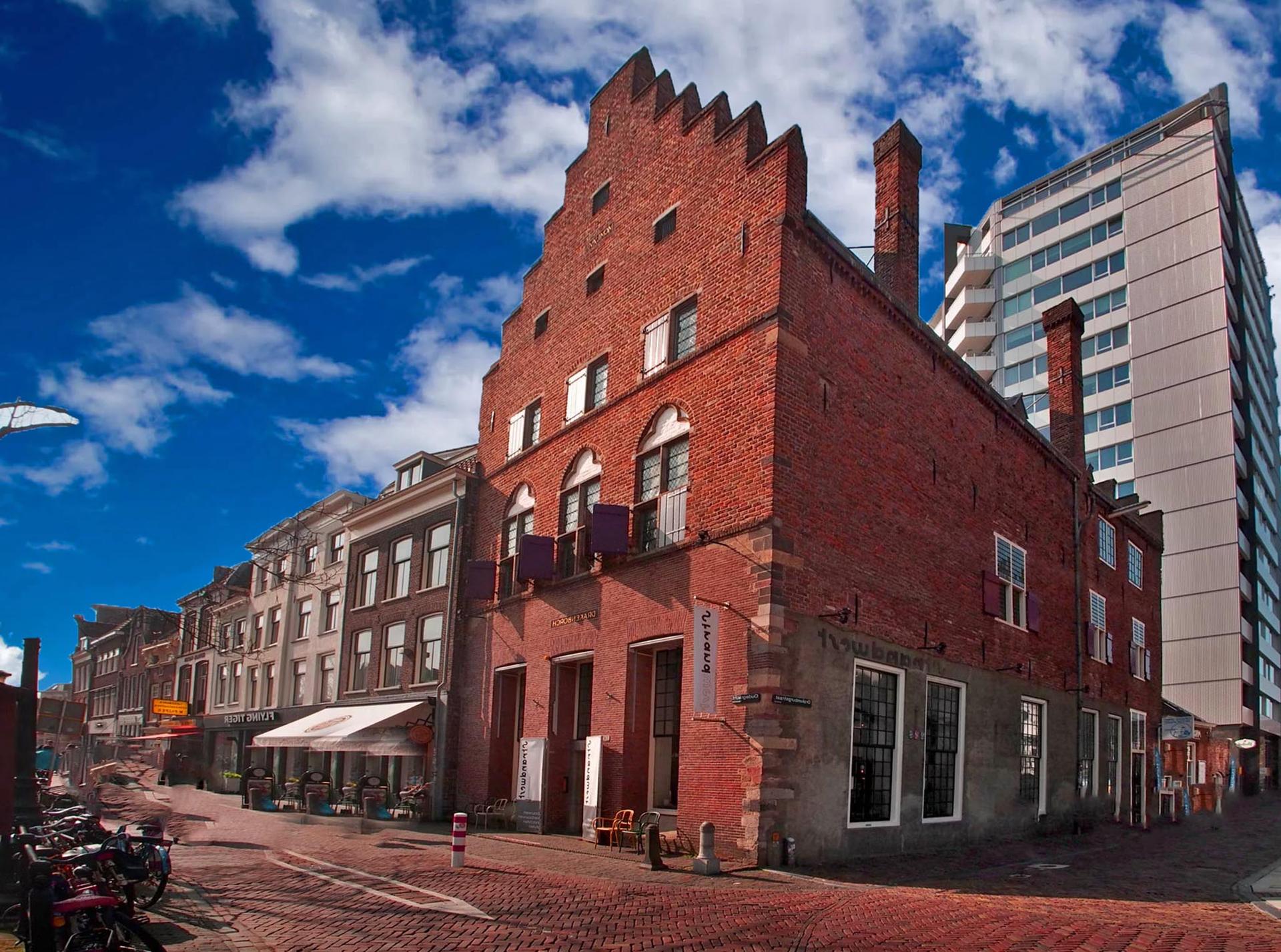
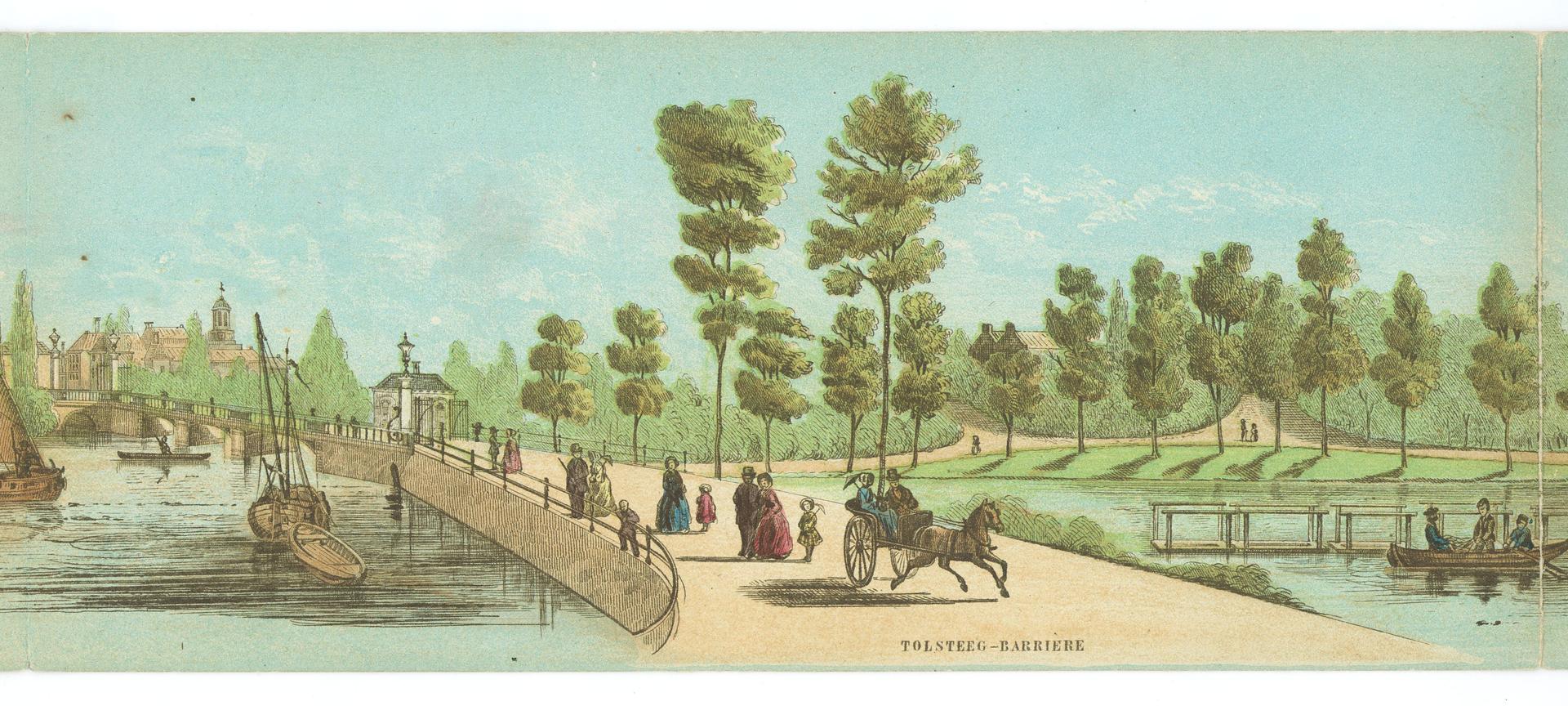
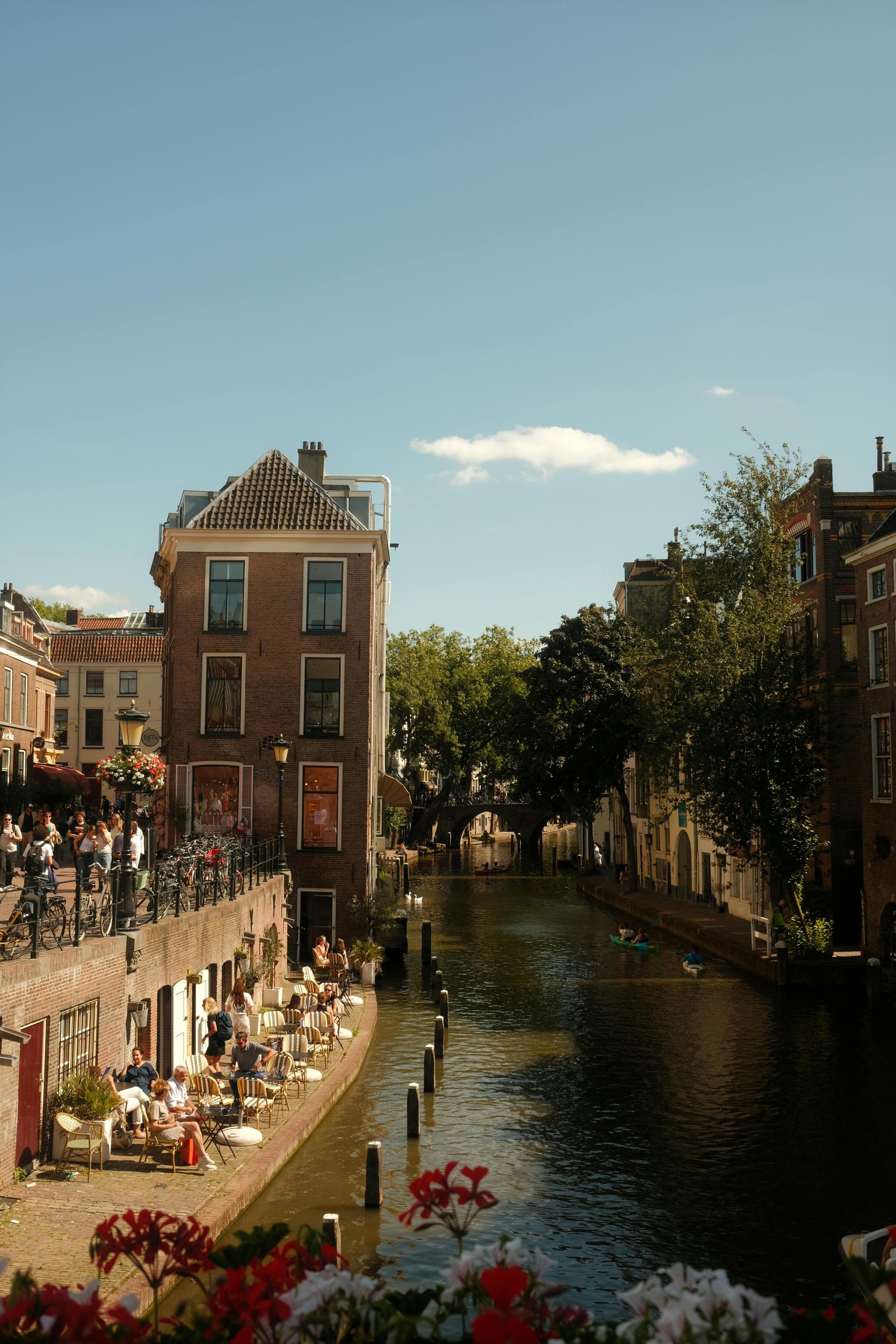
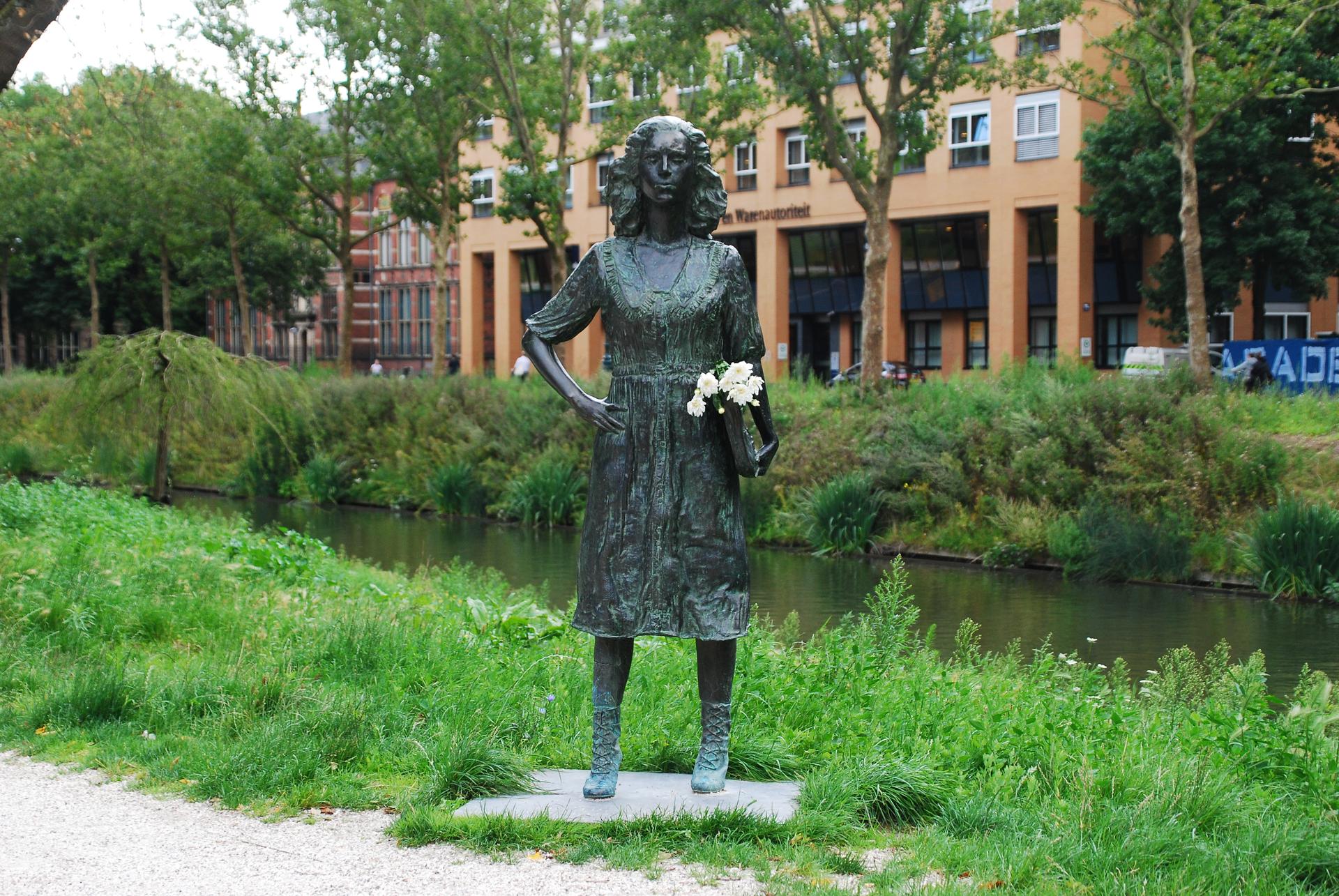
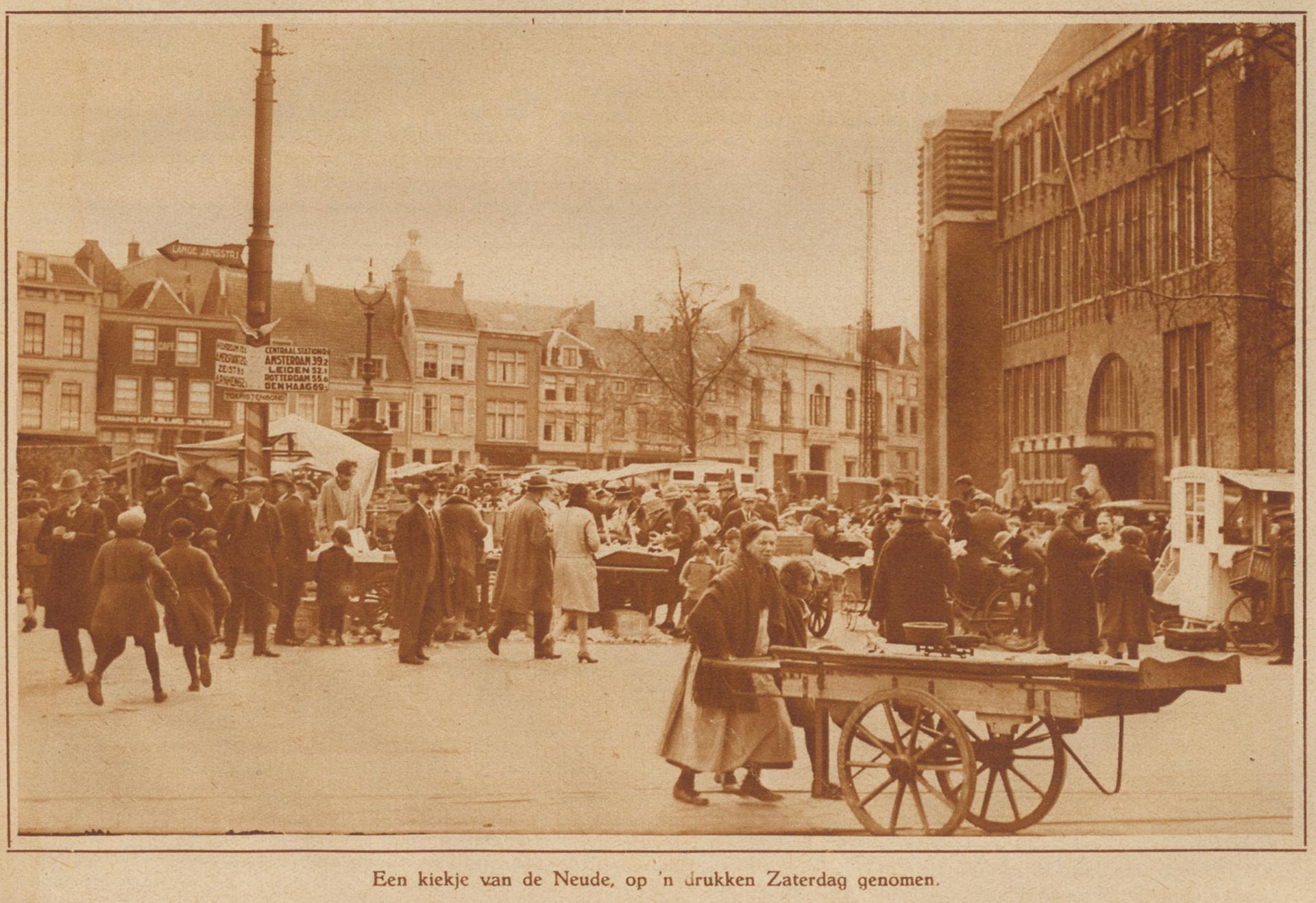
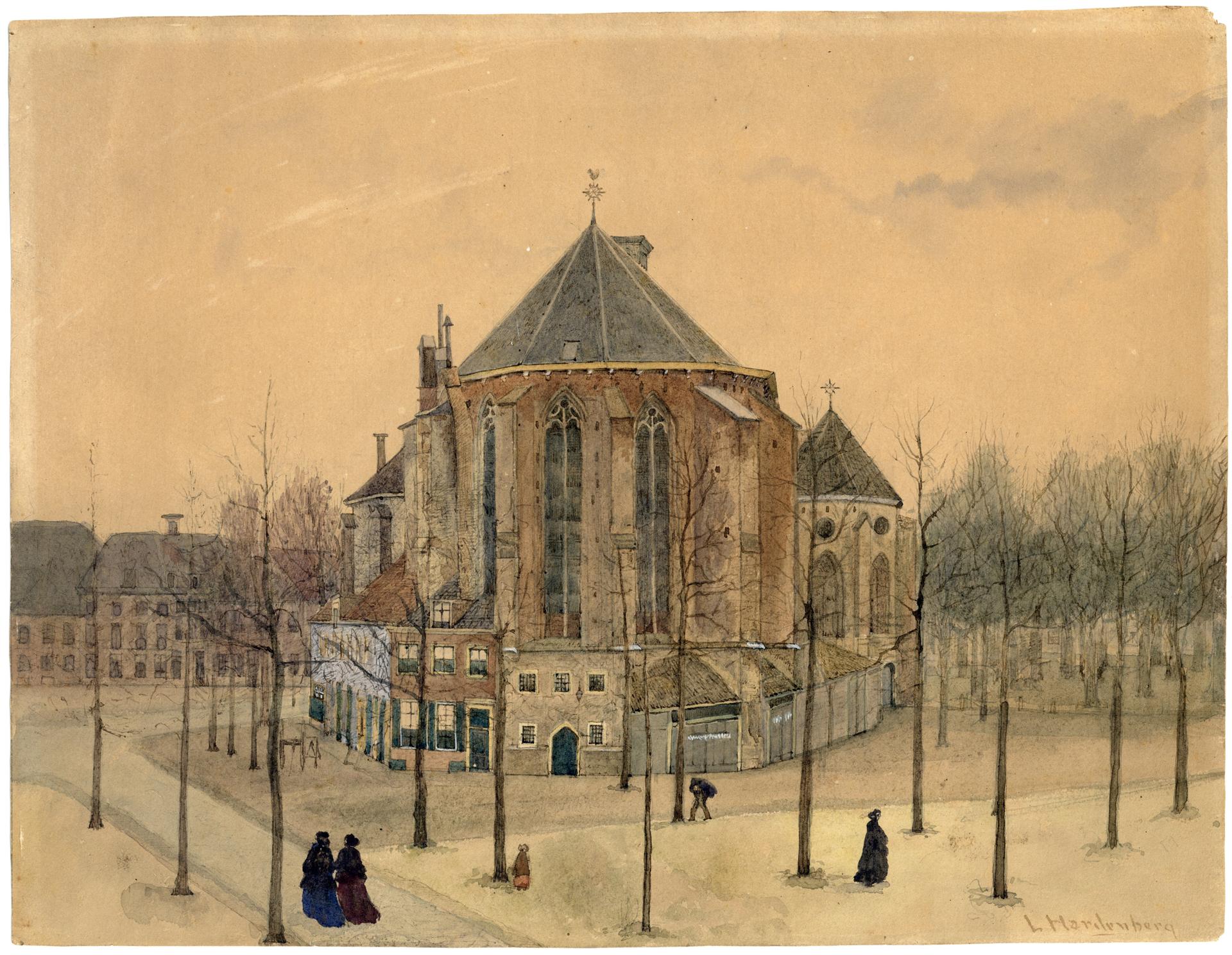
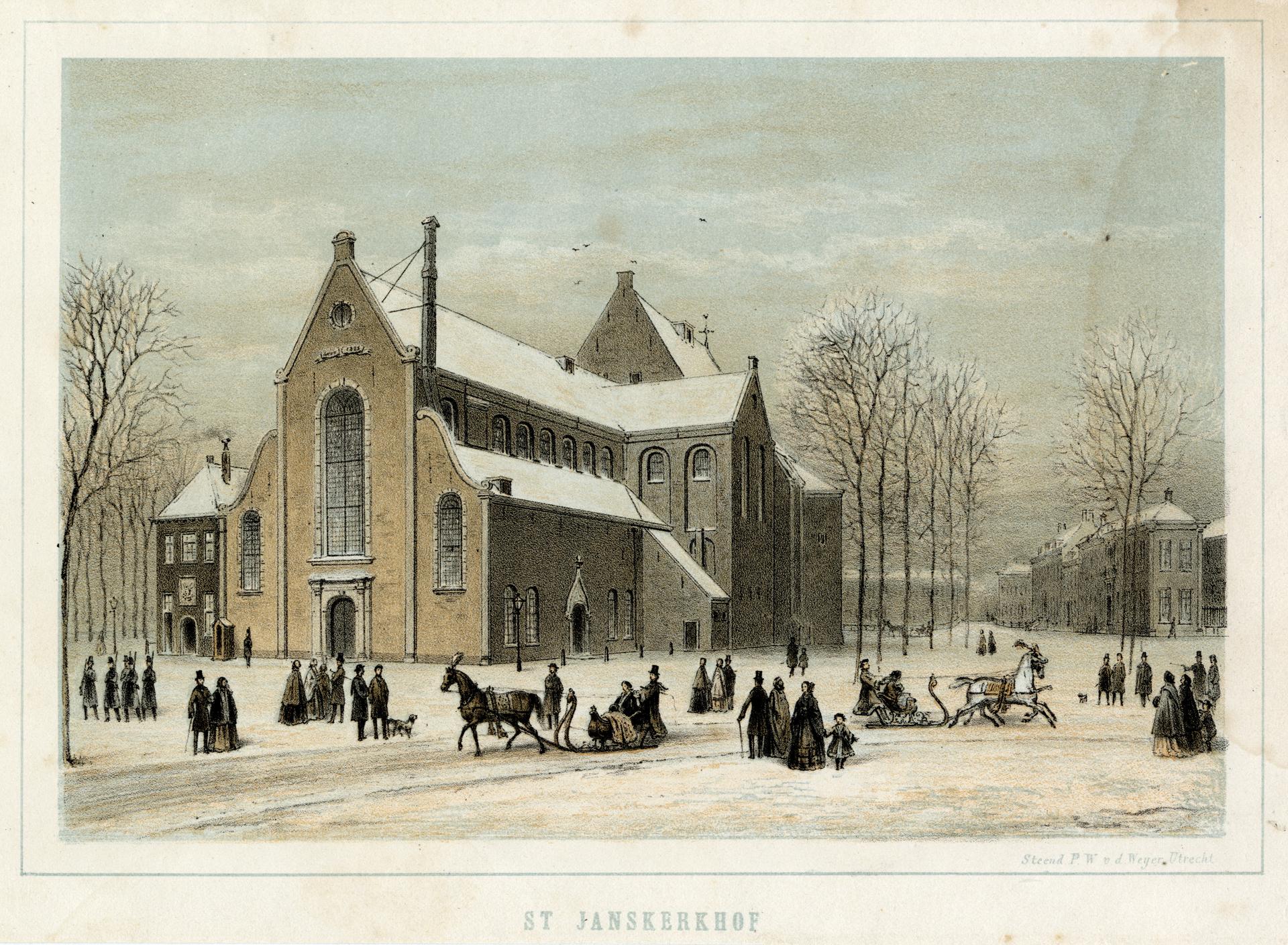
This square sits on a marsh, and the name says so. Neude comes from an old word for boggy lowland, because an arm of the Rhine once ran through here.
From the thirteenth century onwards the residents filled it with earth and city waste, layer after layer, until there was ground you could build on. In 1441 it became a jousting ground. More than three hundred cartloads of sand were needed to stop the horses sinking in.
After that it became the place where the city carried out its sentences. People were hanged here, burned, and in one case boiled. That went on until the end of the seventeenth century.
During works in 2024 a well came to light, built in 1529 on the orders of Charles the Fifth, with a construction pit more than seven metres across. Alongside it archaeologists found fourteenth-century pilgrim badges from Cologne and pieces of leather and textile that had survived all those centuries.
None of it is visible above ground. You are simply sitting on a terrace.
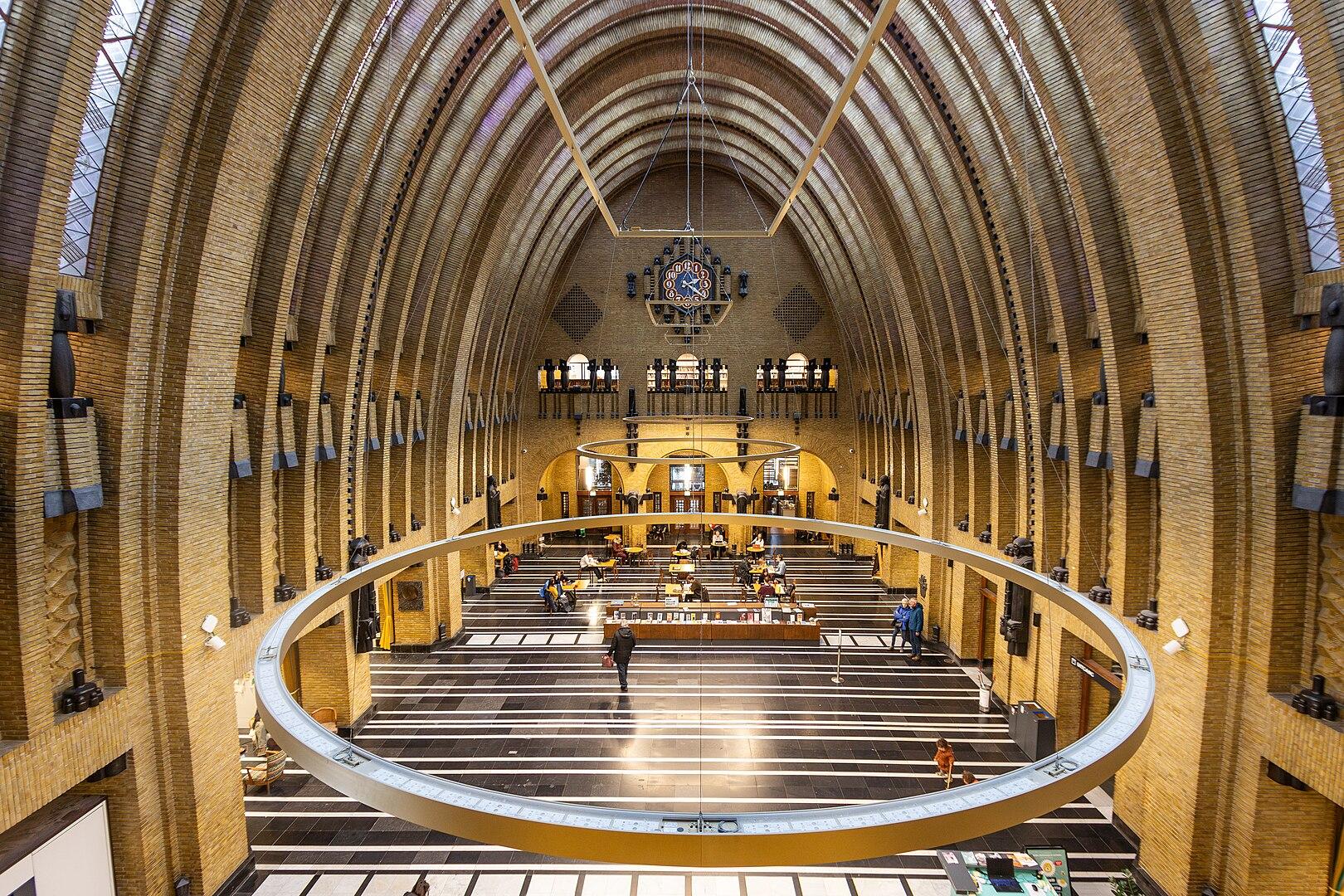
The next stop is the , a hundred and fifty metres to the east.
Sources. Story: https://nl.wikipedia.org/wiki/Neude https://erfgoed.utrecht.nl/verhalen/waterput-op-de-neude https://oud-utrecht.nl/nieuws/1543-waterput-van-karel-v-gevonden-op-de-neude https://utrechttimemachine.nl/nl/location/neude Photos: Het Utrechts Archief