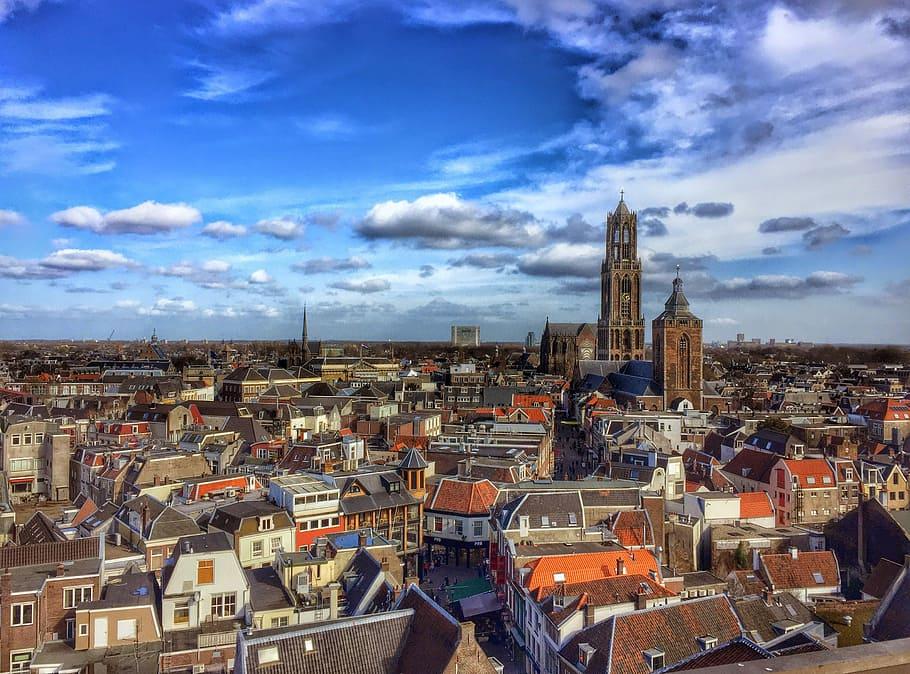
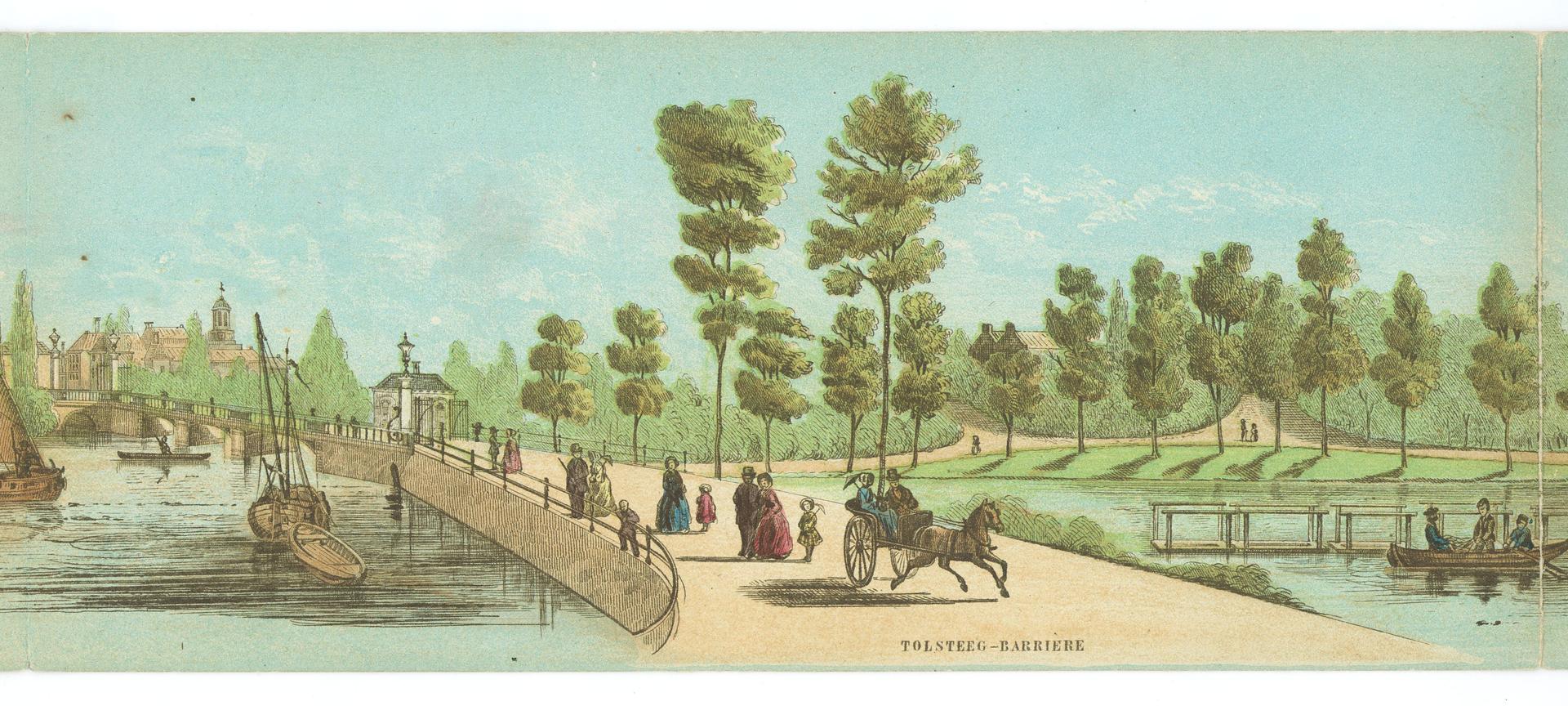
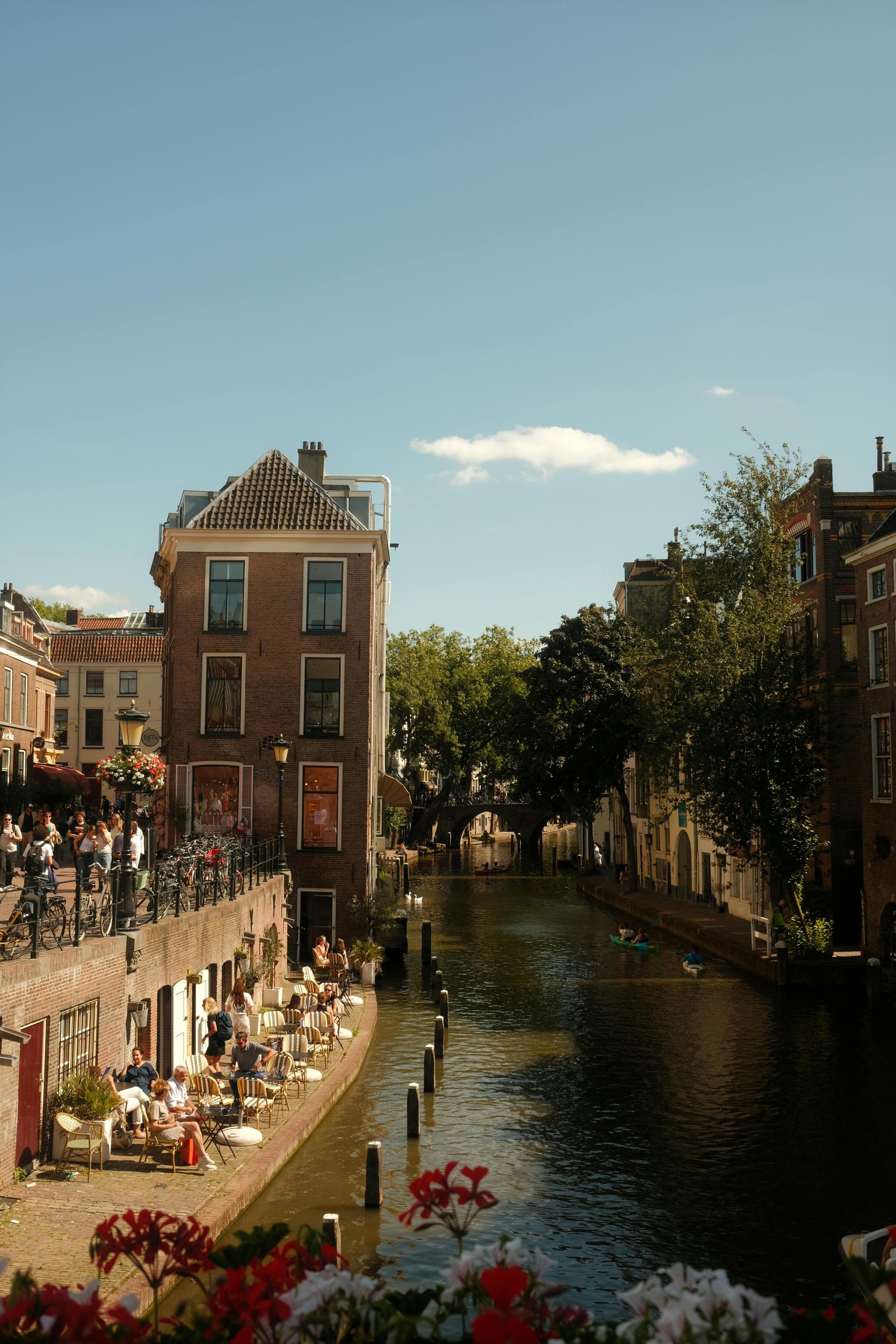
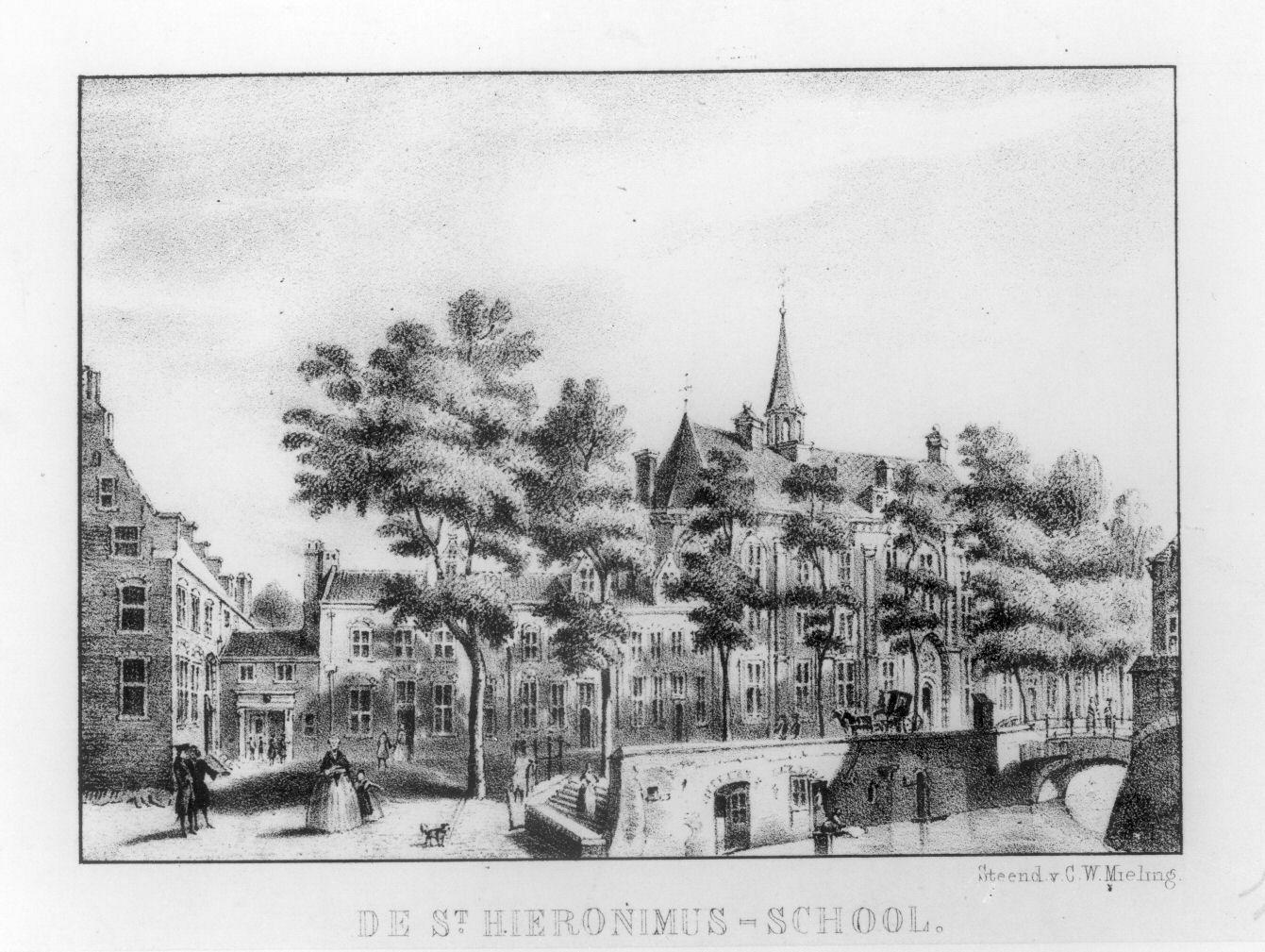
The Nieuwegracht was dug between 1390 and 1393, two centuries after the , and you notice the difference between the two straight away.
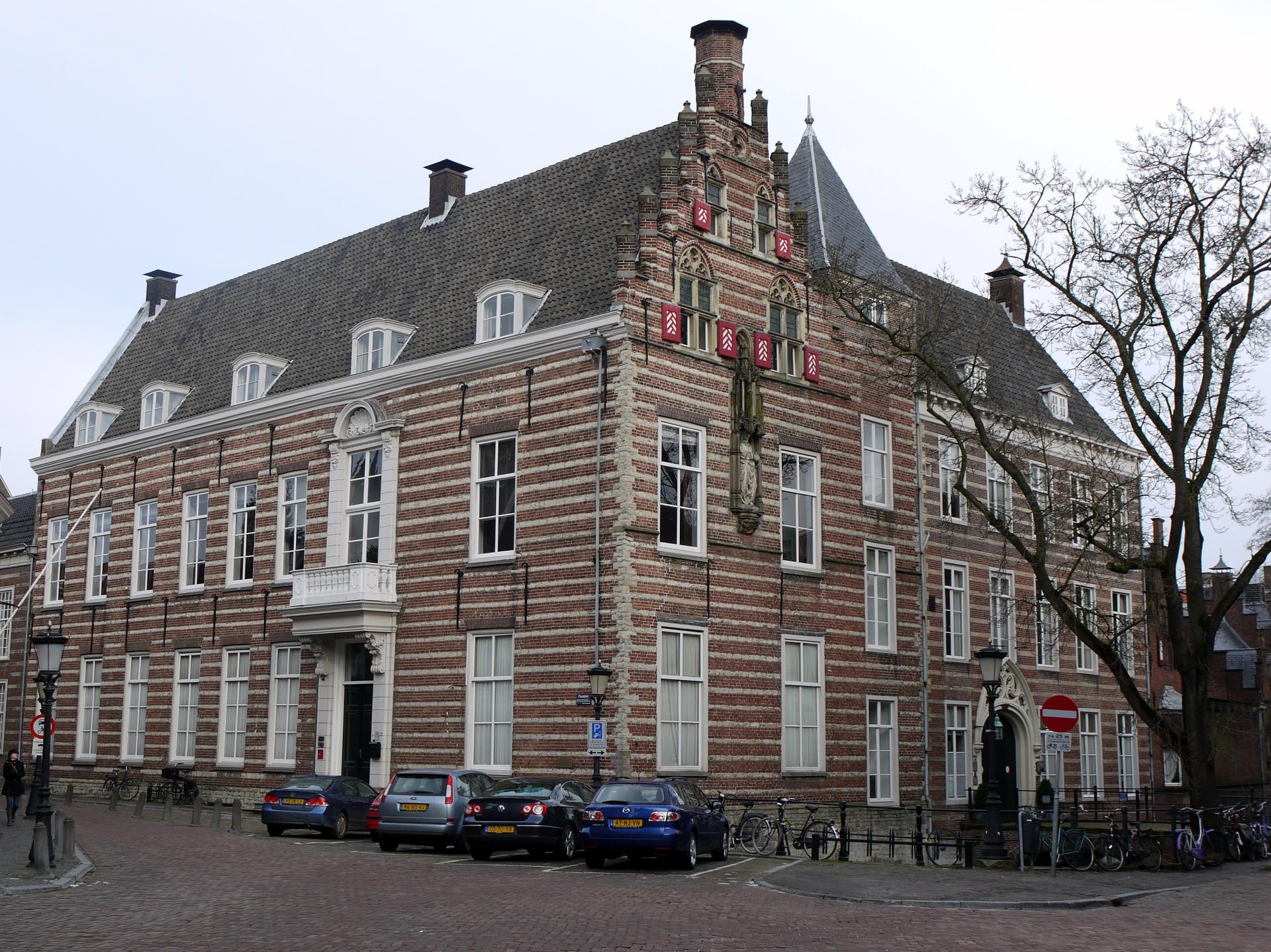
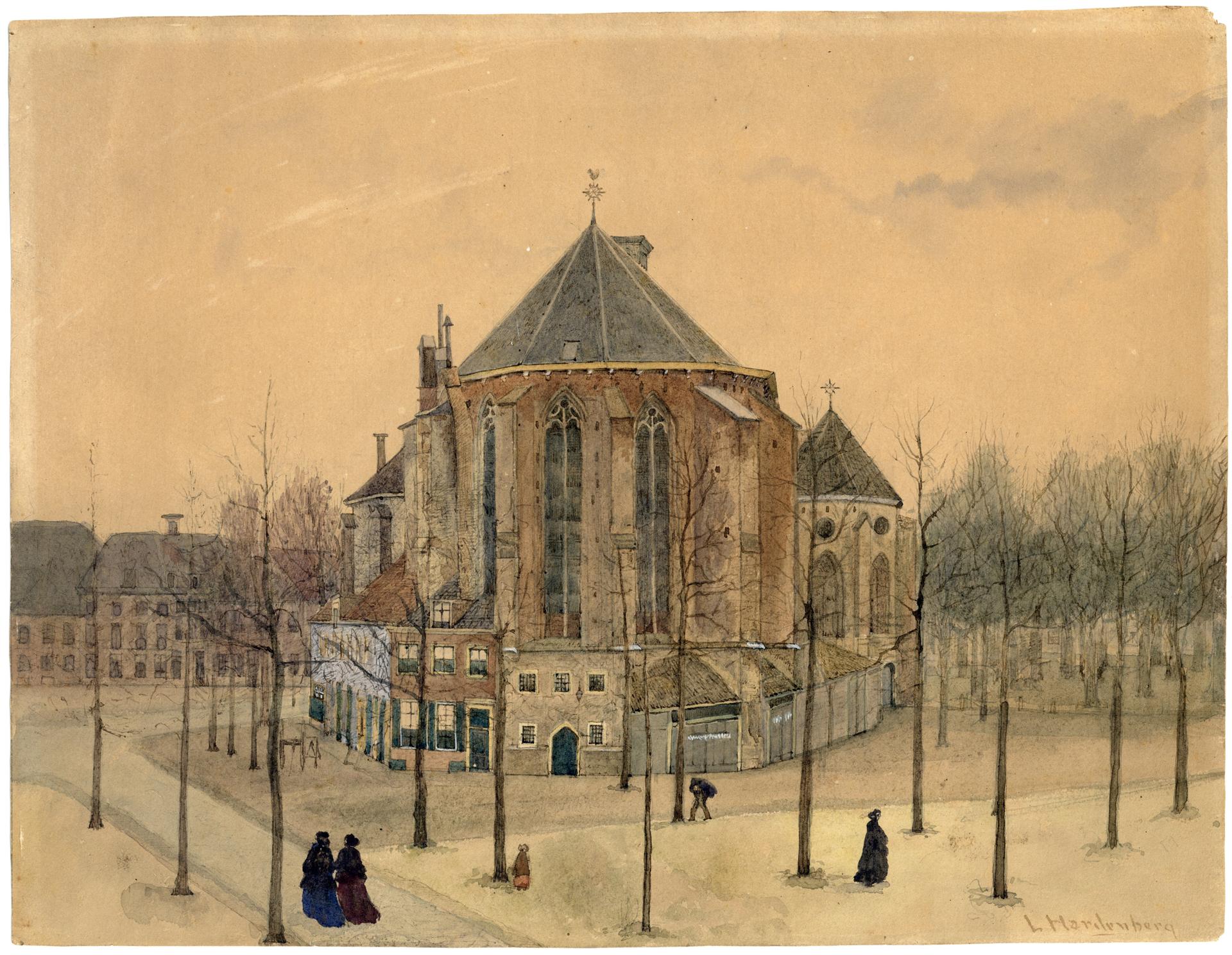
Trade and noise belonged to the Oudegracht. This canal got the institutions. Hospitals, convents, and later grand houses with gardens running all the way back to the next street. From around 1529 the Catharijne hospital cared for the sick here for nearly three centuries, and until 1999 the Wilhelmina children's hospital stood along this water.
On the corner with the Schalkwijkstraat lived the young , who later discovered the radiation that lets you look straight through a hand.
During the war number 151 housed the headquarters of the resistance group Oranje Vrijbuiters. Led by Klaas Postma, they found hiding places for people who needed them.
What makes this canal remarkable is the quiet. The trees stand close together, the wharves sit low by the water and almost nothing sails past, a few hundred metres from the busiest shopping street in the city.
Curious about the rest of the city? Our walking routes take you through it in an hour!
Sources. Story: Het Utrechts Archief on the digging of the Nieuwegracht, the Catharijne hospital and the Wilhelmina children's hospital; Oud-Utrecht on the Oranje Vrijbuiters resistance group and on Wilhelm Röntgen's youth in Utrecht. Photos: Het Utrechts Archief