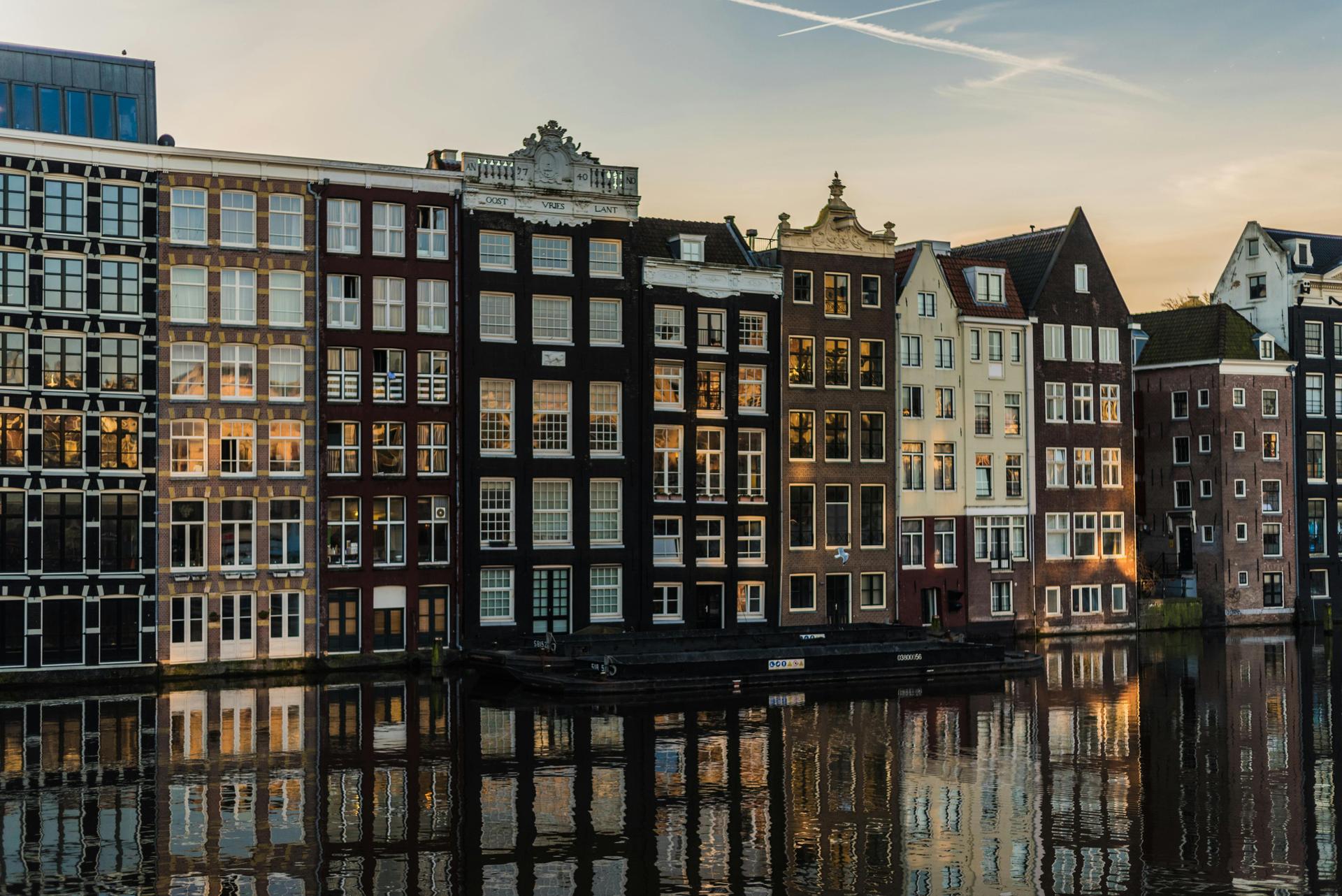
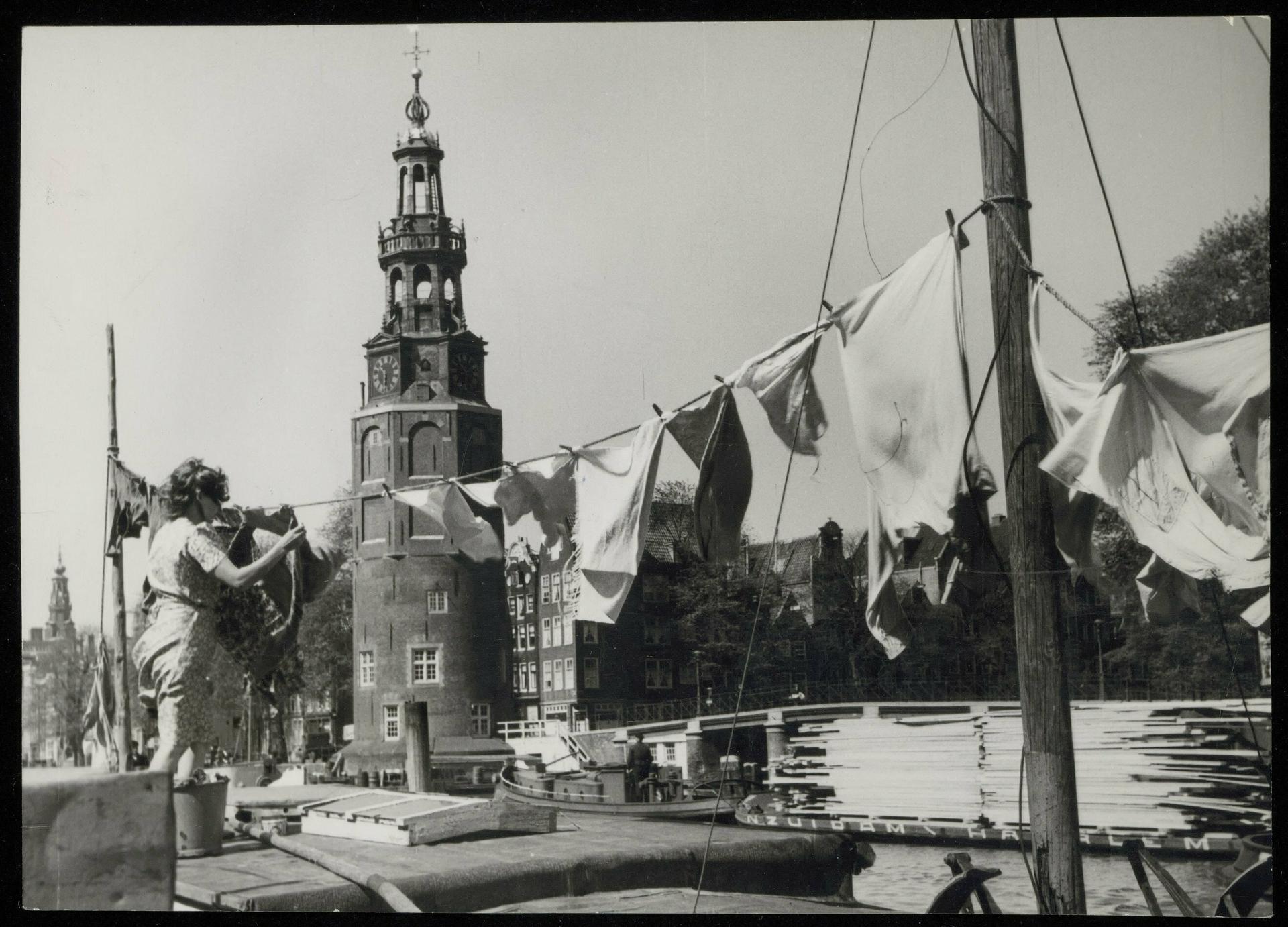
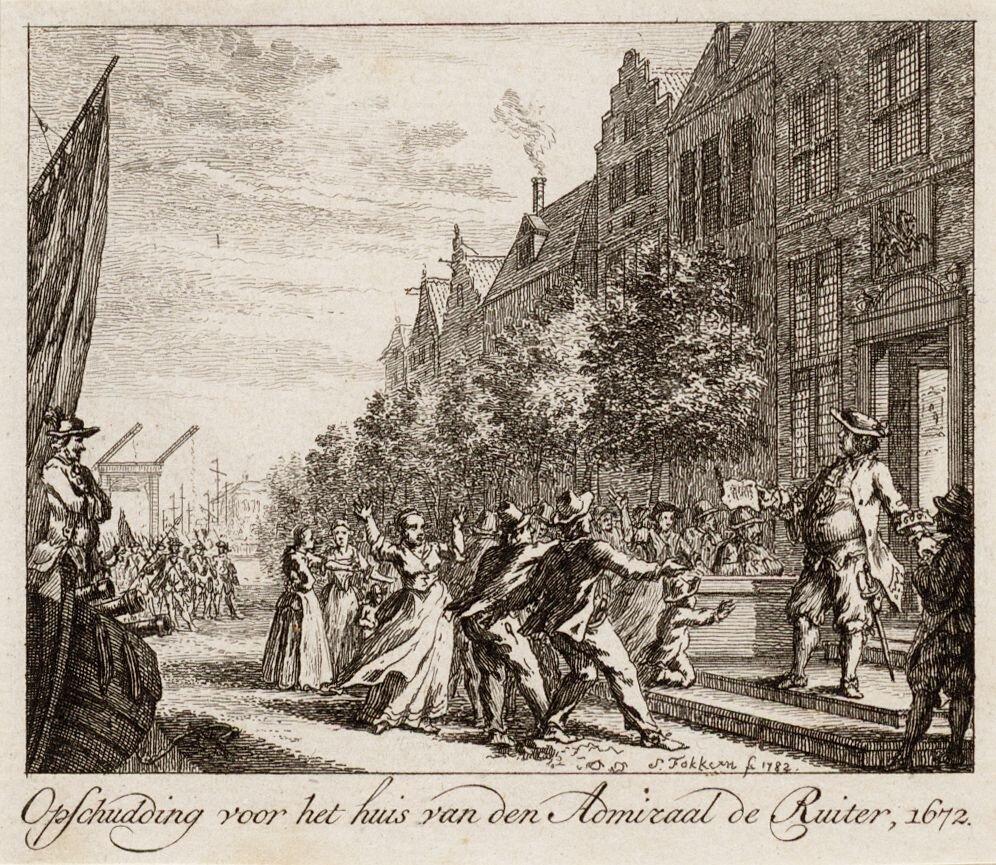
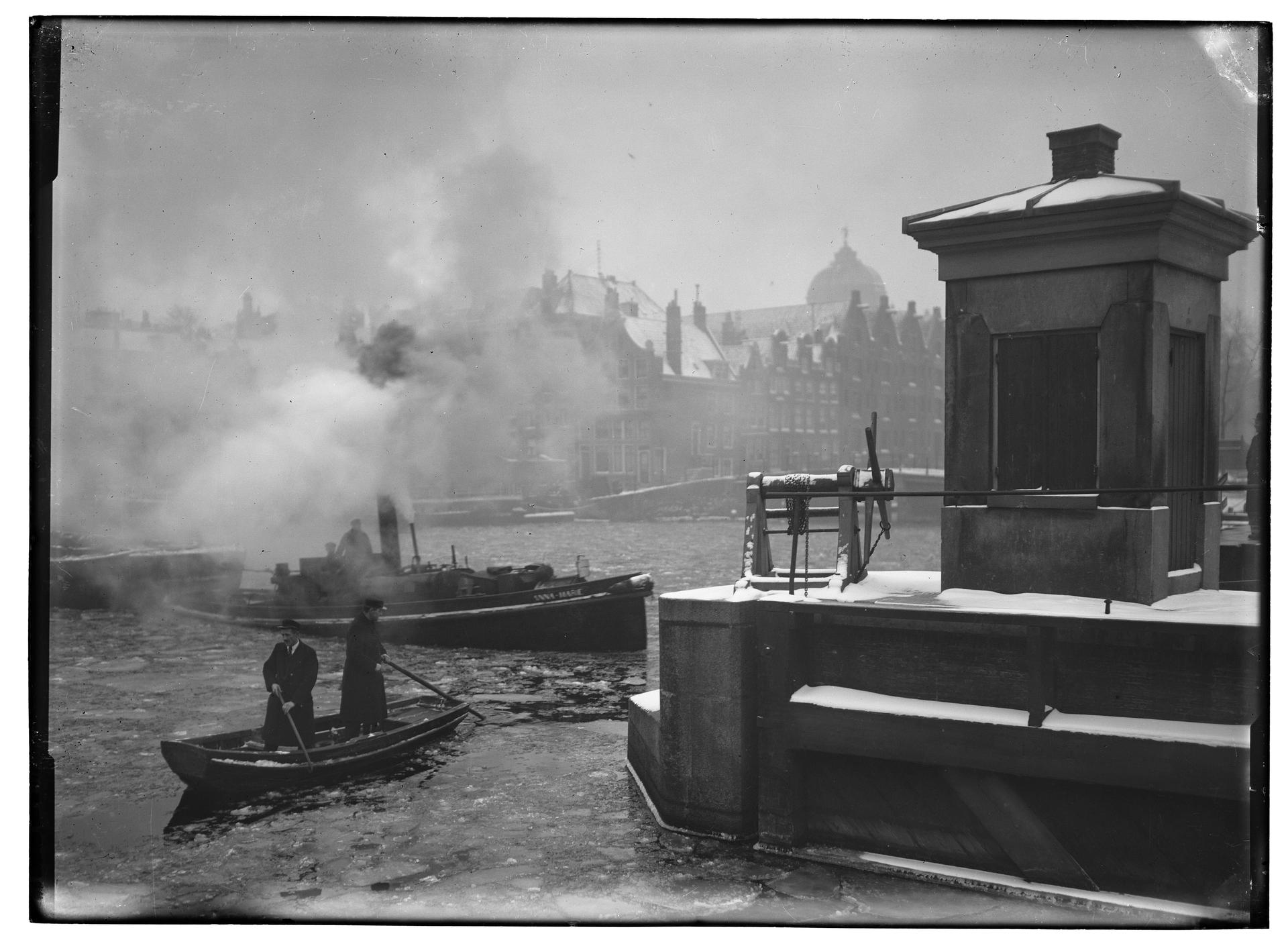
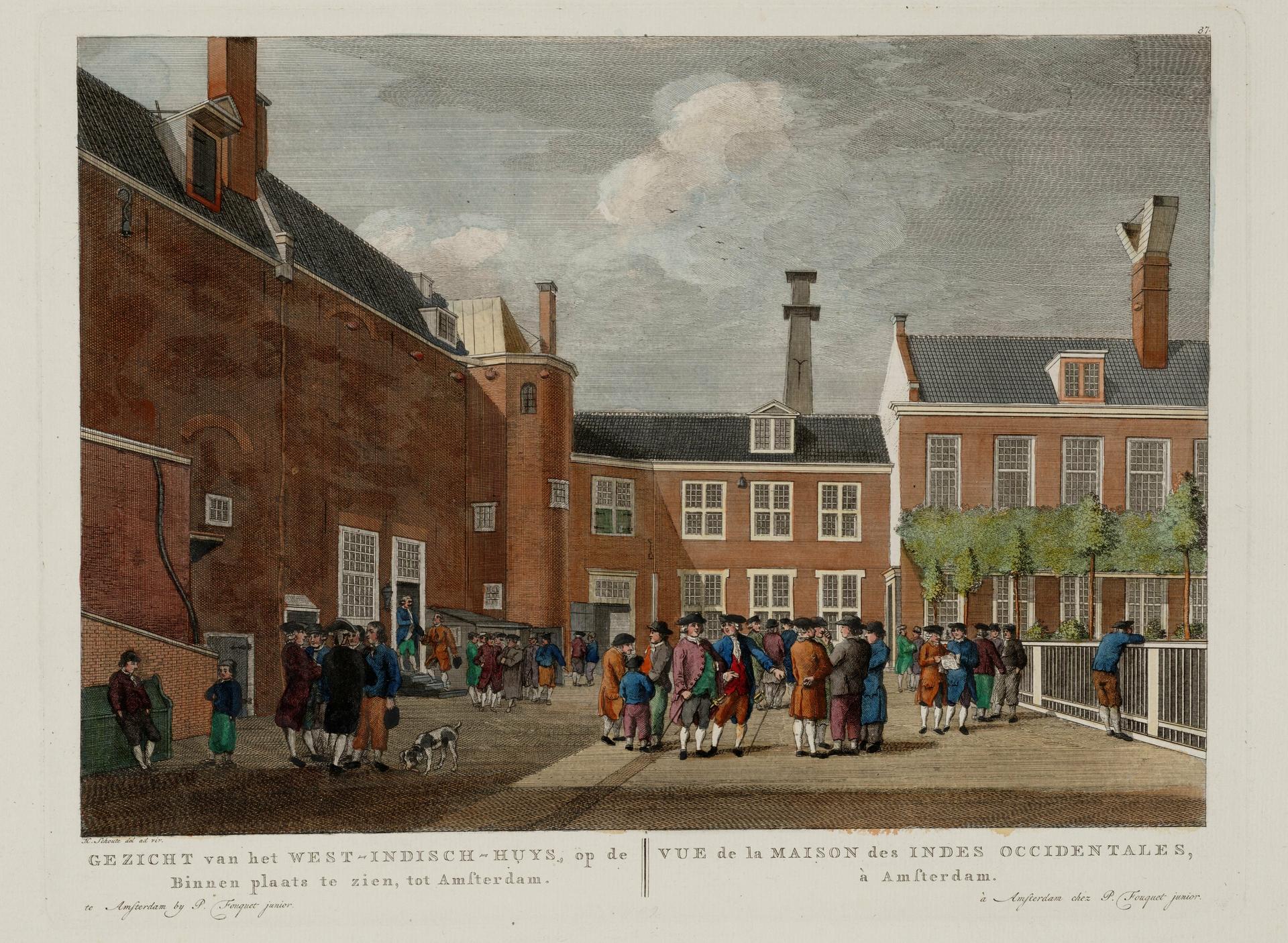
On the 's-Gravenhekje, where the opens onto the water towards the station, stands a broad warehouse from the 1640s, with rows of shutters stacked above one another and a hoisting beam at the top. From 1647 this was the home of the Dutch West India Company, which gave up its head office on the for this building on the quay.
The company had been founded in 1621 with a monopoly on trade across the Atlantic. Behind these walls lay sugar, tobacco, cocoa, salt, ivory and dyewood, brought in from Africa, Brazil and the Caribbean.
Trade was only half the work. The company raided Spanish and Portuguese shipping, held forts along the African coast and governed part of Brazil from Recife between 1630 and 1654. From those forts it shipped hundreds of thousands of enslaved people to the plantations across the ocean, and that part of its history shapes how the company is seen today.
It made the shareholders remarkably little. The loss of Brazil broke the company, in 1674 it went bankrupt and was refounded on a smaller scale, and in 1791 the state took the colonies over.
The warehouse stayed where it was. There are flats behind those shutters now, looking out on the same quay where the barrels were once hoisted in.
Sources. Story: Historiek, De West-Indische Compagnie (historiek.net); Wikipedia, Dutch West India Company and West-Indisch Pakhuis Photos: Stadsarchief Amsterdam