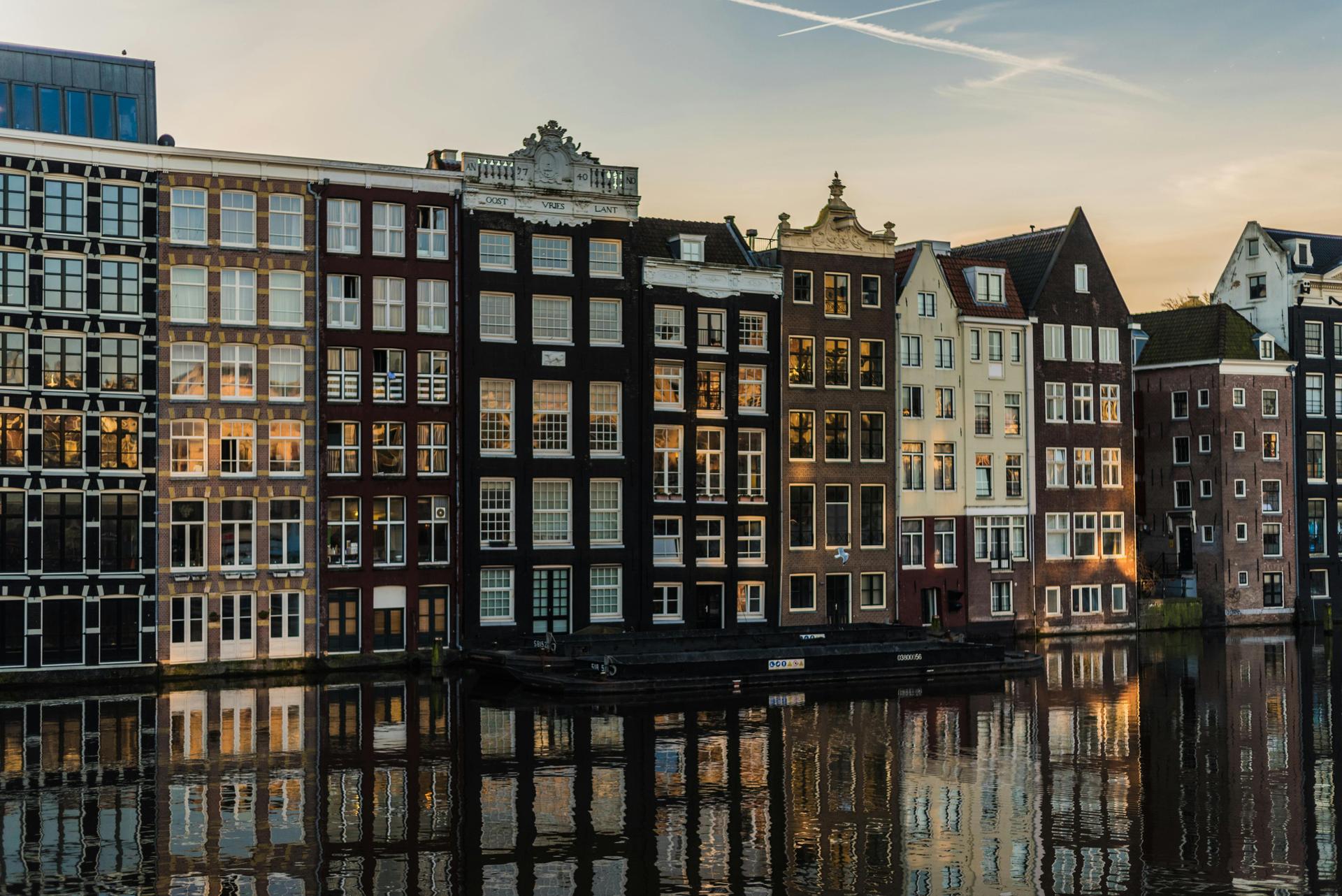
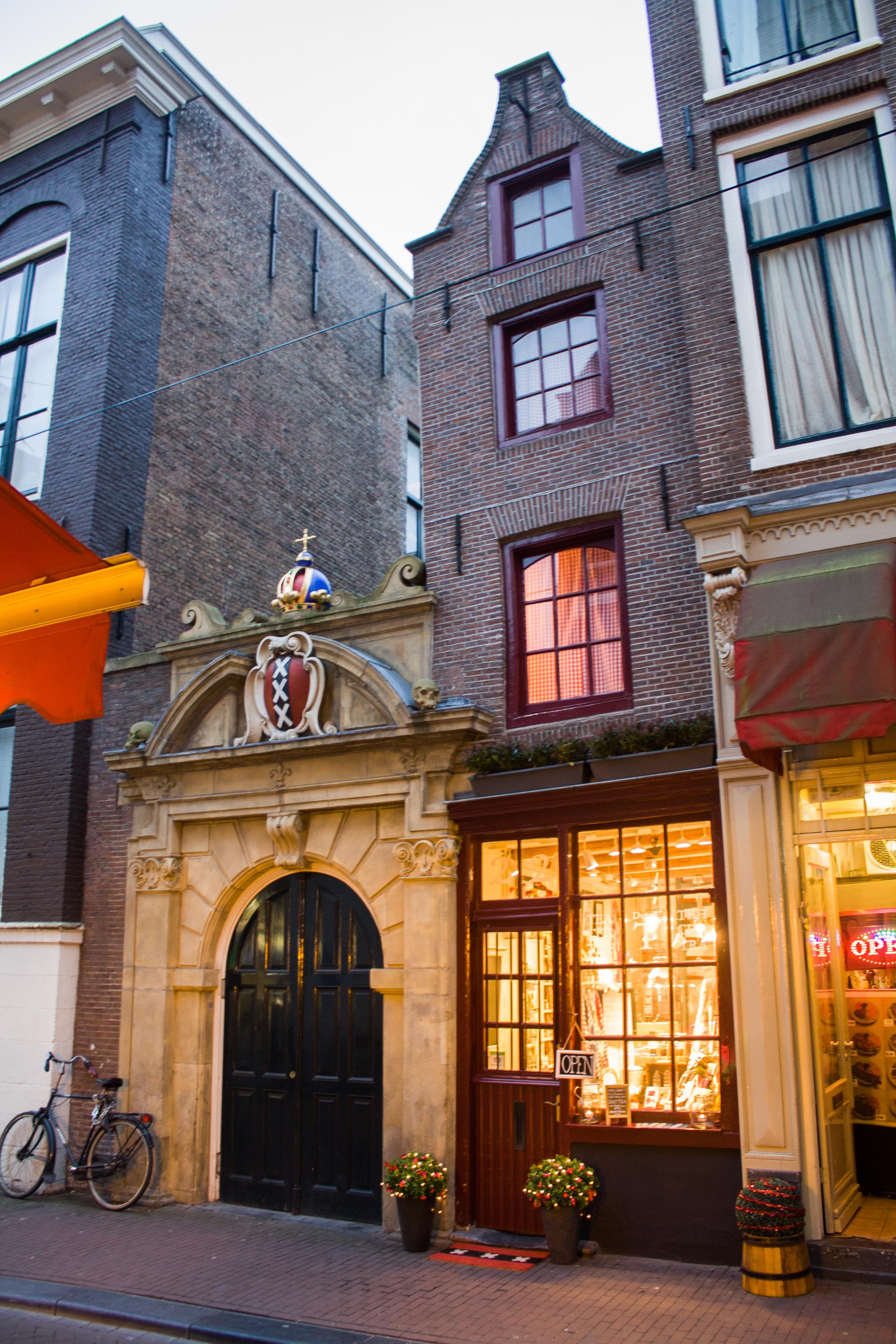
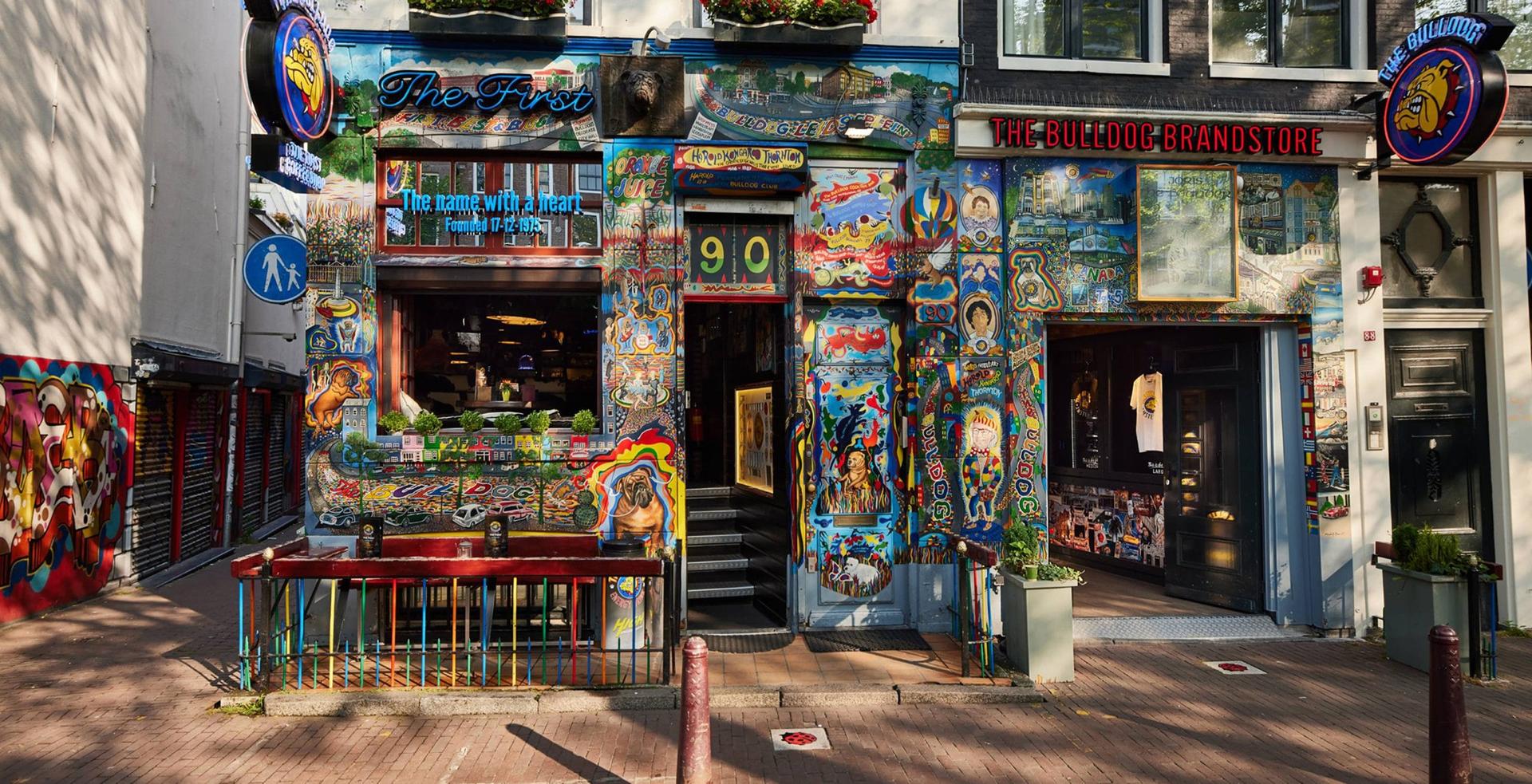
This canal in the old centre is lined with , and many visitors read that as proof the drug is legal in the Netherlands. What they are looking at is a construction with a name of its own: the tolerance policy, the gedoogbeleid.
Until the middle of the twentieth century hashish was almost unknown here. Possession and production became criminal offences in 1953, in the very years when use in Amsterdam and Rotterdam began to climb. From the sixties it rose faster, and in 1972 the city saw its first coffeeshop open.
Four years later the legislator took a different route. The began treating soft and hard drugs separately, so that anyone buying cannabis stayed clear of the heroin trade. Selling has remained a criminal offence ever since, tolerated as long as a shop keeps to the rules: a stock of five hundred grams at most, and nothing sold to minors.
The strange part sits at the back door, where the sale over the counter is permitted while the buying-in stays entirely illegal, leaving the cultivation behind the whole chain outside the law. Estimates of annual sales in the country range from two hundred to five hundred tonnes. Full legalisation has been debated for decades, partly because it would let the state tax the trade and keep an eye on quality.
Sources. Story: Rijksoverheid, gedoogbeleid softdrugs en coffeeshops Photos: The Bulldog