Cheese in Amsterdam: trade, the VOC and the family that still makes it
3 min read · November 2026 · Amsterdam · By ROODS
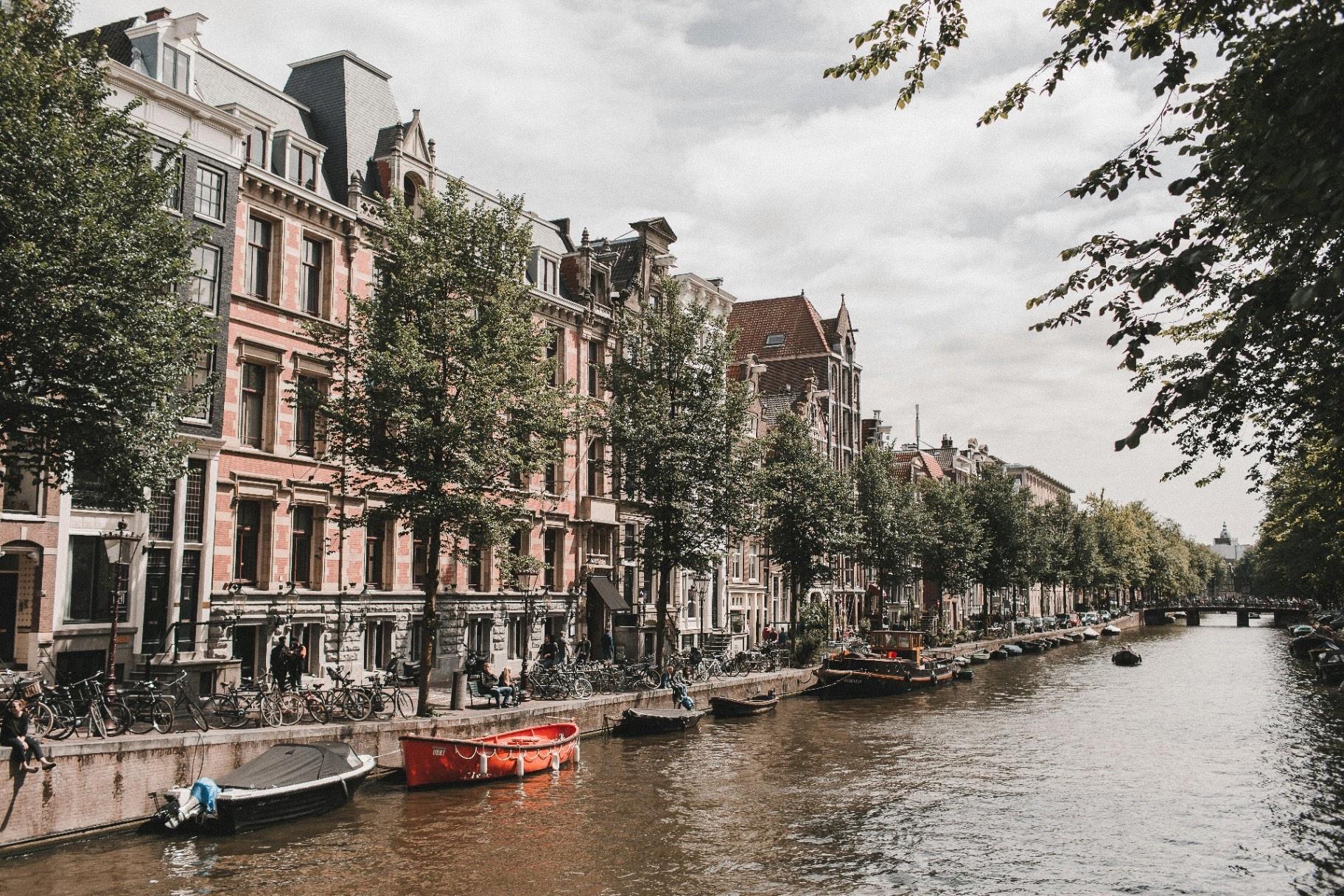
Amsterdam smells of a lot of things, and on a good morning somewhere near the Nieuwmarkt it still smells faintly of cheese. That is older than the shops you pass today. Long before the Netherlands became a country of brands and export figures, it was a country of wet meadows where grain grew badly and grass grew beautifully, so the surplus went into milk, and milk that had to survive a journey went into cheese.
A city that weighed everything
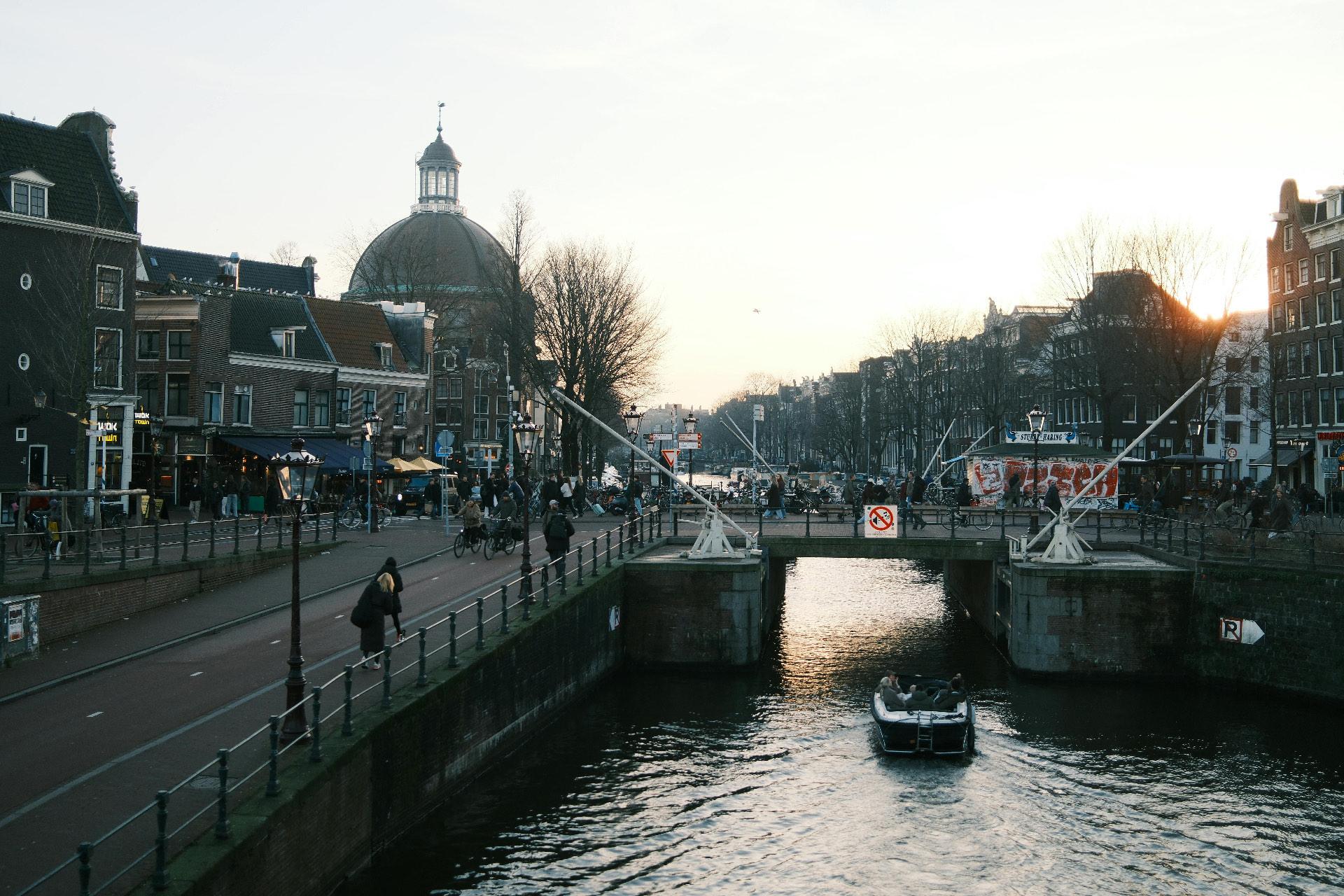
The building people photograph on the Nieuwmarkt was once a city gate, and by the seventeenth century it had become the place where goods were weighed before anyone was allowed to sell them. Weighing was the whole trick of Dutch trade, because a buyer in Lisbon or Hamburg had to believe that a wheel from Holland was what the label said it was, and a city stamp did exactly that work. Gouda, Edam and Alkmaar are the names on the cheese markets, and Amsterdam is where the money around all of it was arranged.
The seventeenth century ran on dairy as much as on spice
The ships of the VOC carried pepper and porcelain, and they also carried enormous quantities of cheese, because it was the one protein that could stand months at sea. A crew ate it, traded it and complained about it. Cheese paid for rope, rope sailed for spice, and at the Dam the proceeds turned into a stock exchange and a bank. The story of Dutch cheese is a trading story first and a culinary one second.
Cheese farms, then and now
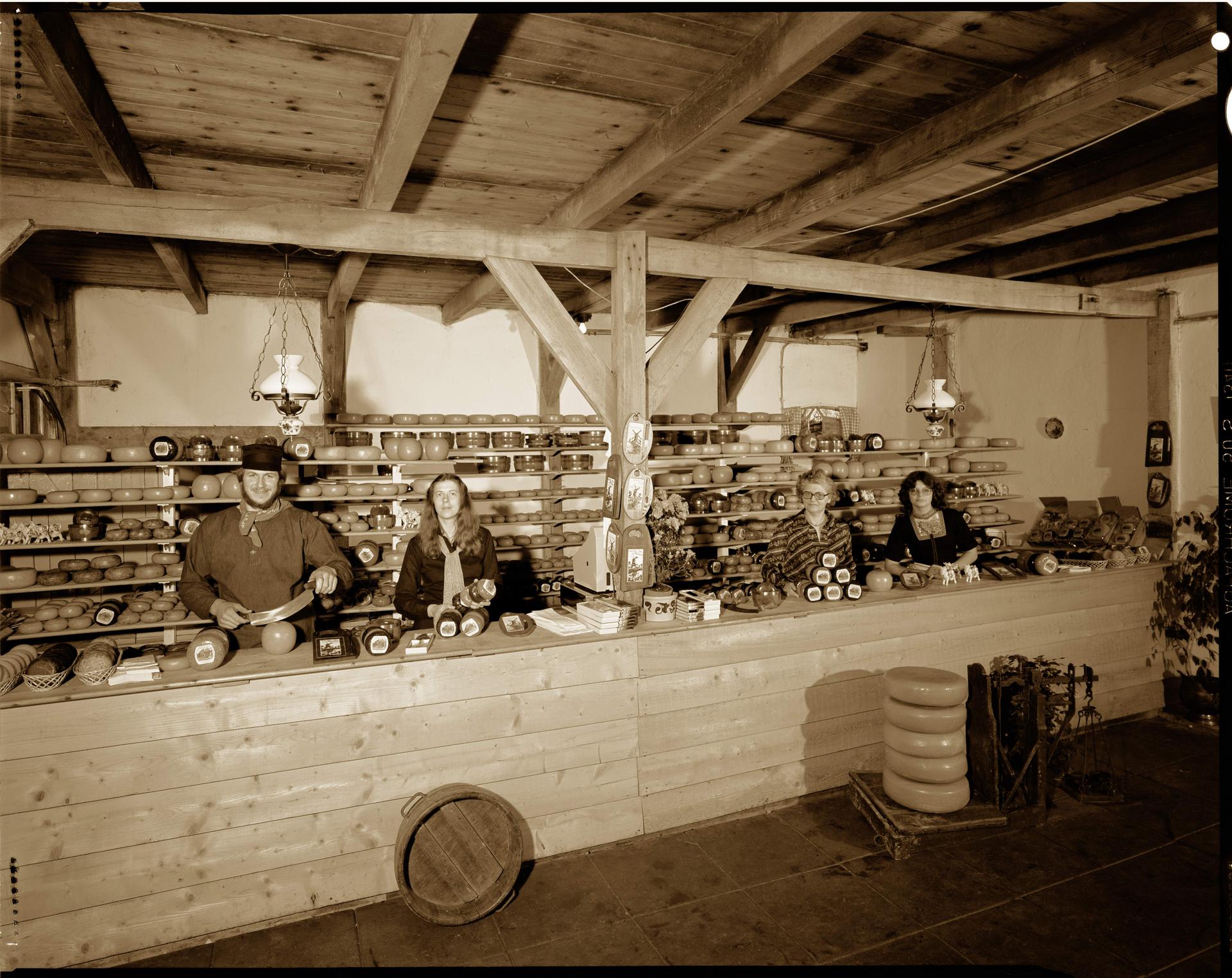
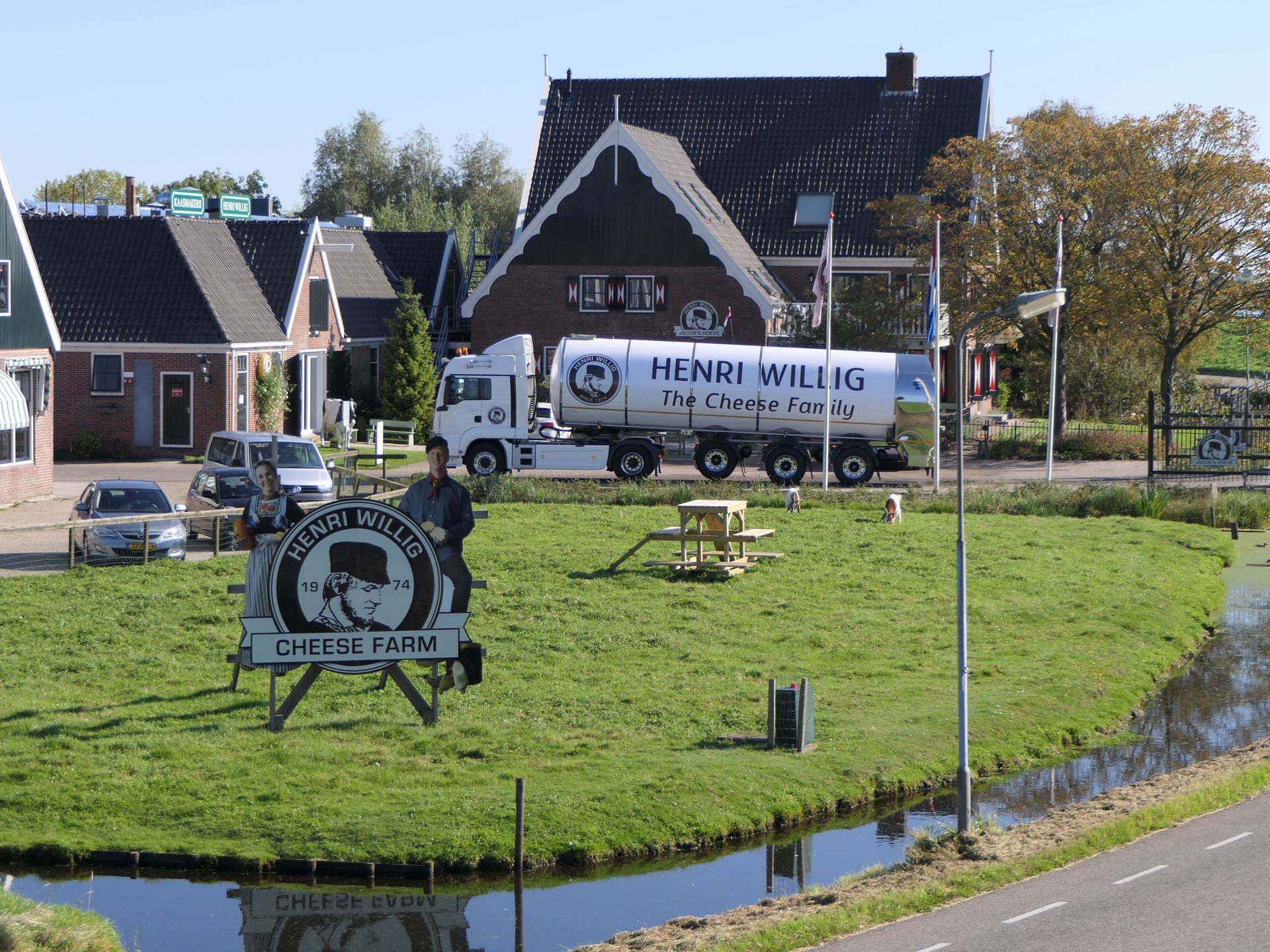
North of the city the land is still the same wet polder, cut into strips by ditches and grazed from spring to autumn. At Katwoude, a short ride from Amsterdam, the Willig family has farmed since the nineteen seventies, and the first shop was a wooden counter under a beamed roof with the wheels stacked on racks behind it.
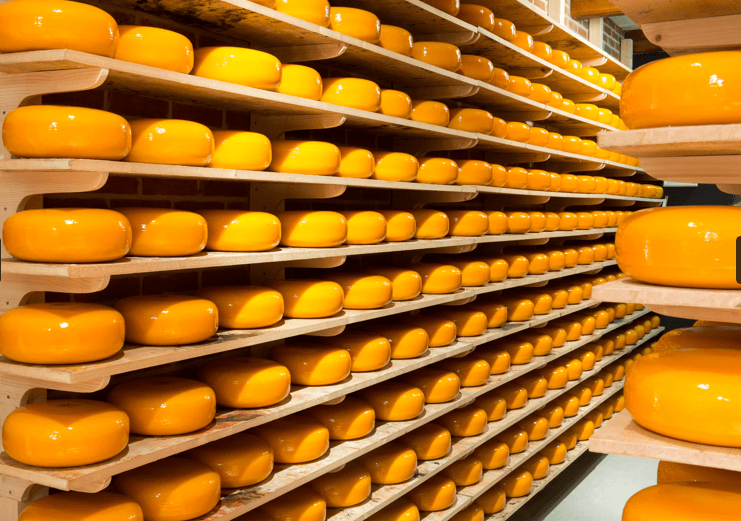
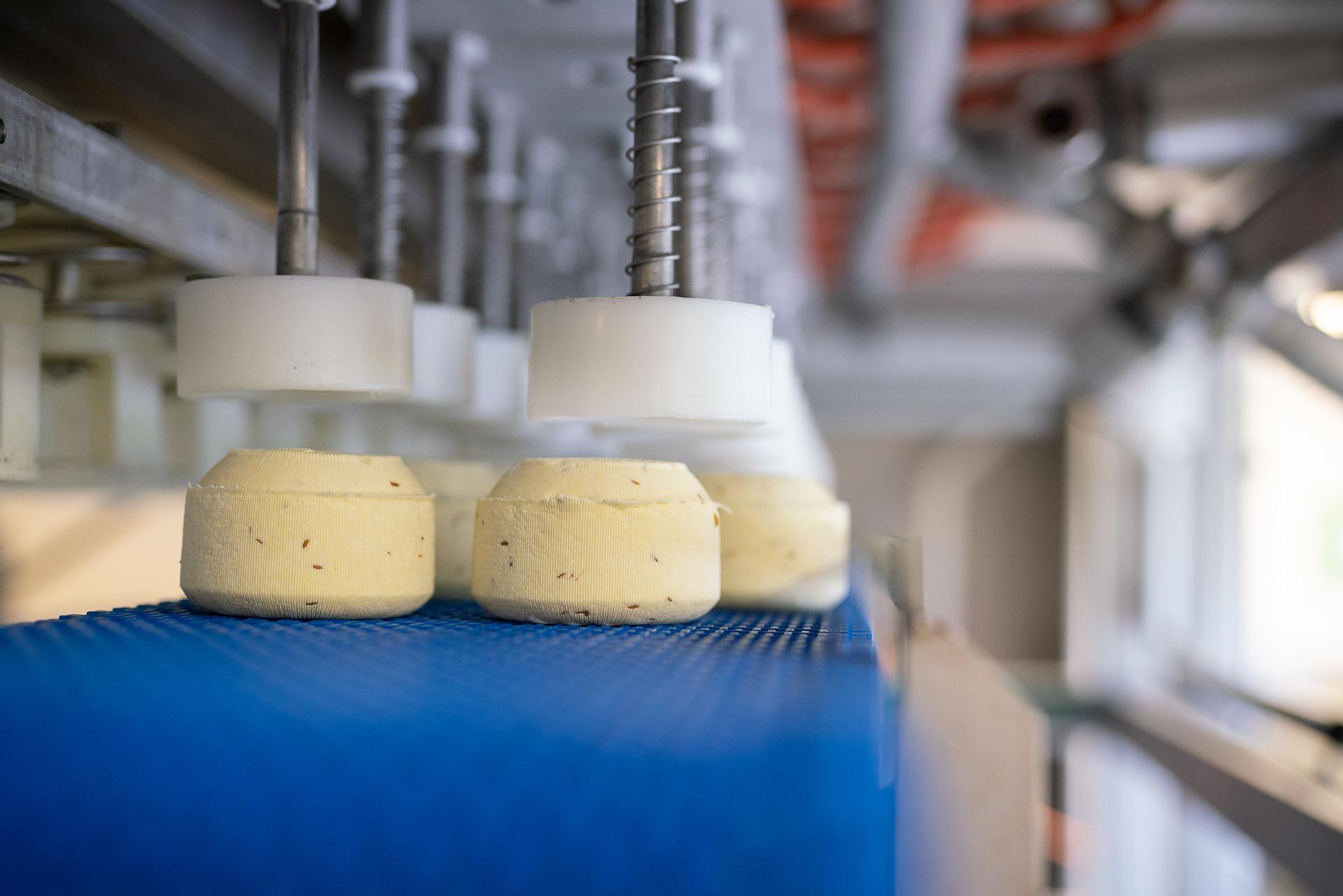
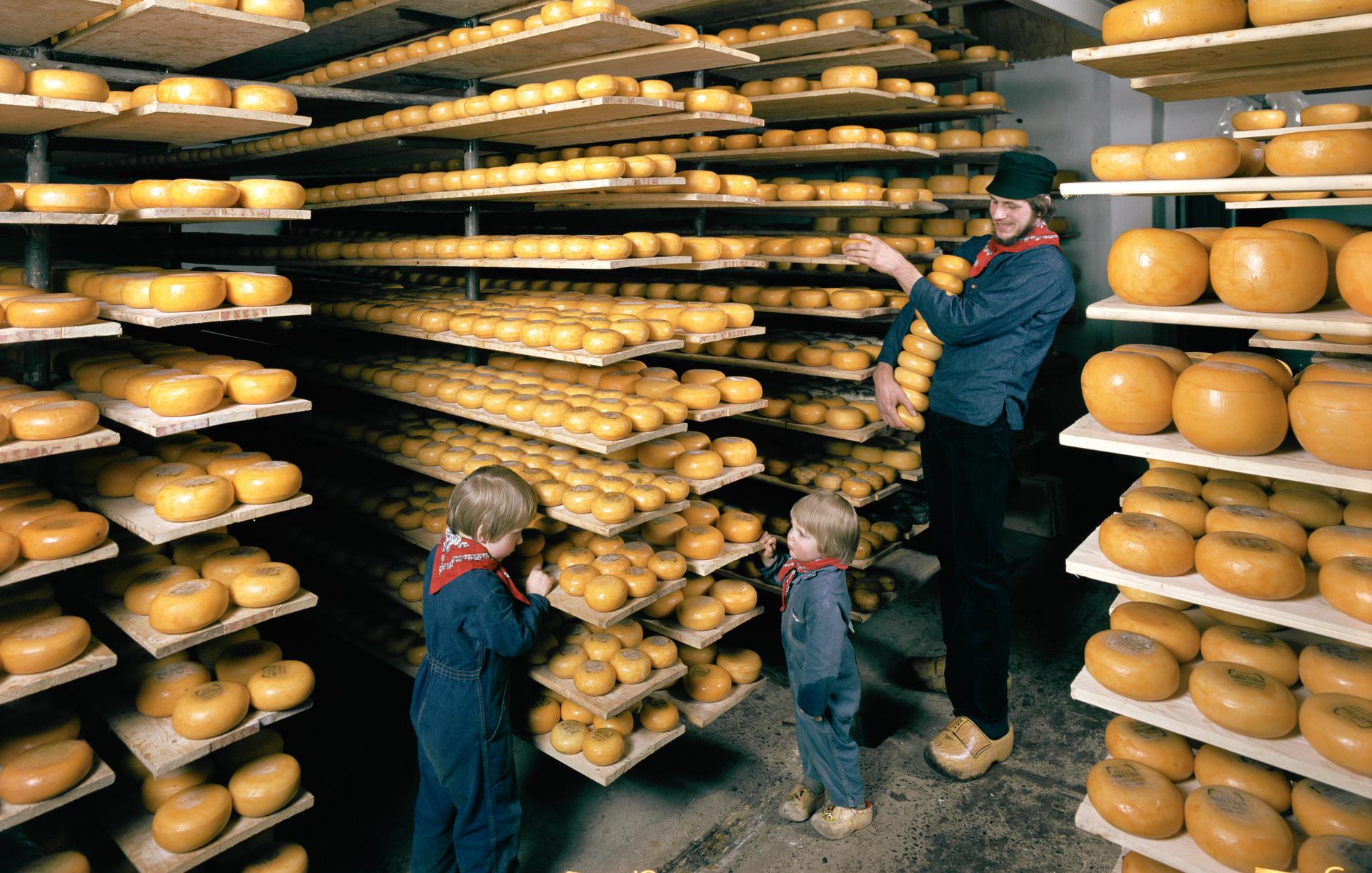
What began there grew into a cheese farm you can visit and shops across the city centre, and the method stays recognisable: milk, culture, rennet, curd cut and pressed, then weeks or months of patient turning in the ripening room. A wheel is lifted, wiped and set back down a few hundred times before anyone tastes it. The Jersey cows that give the milk are a later refinement, chosen for a richer and creamier result.
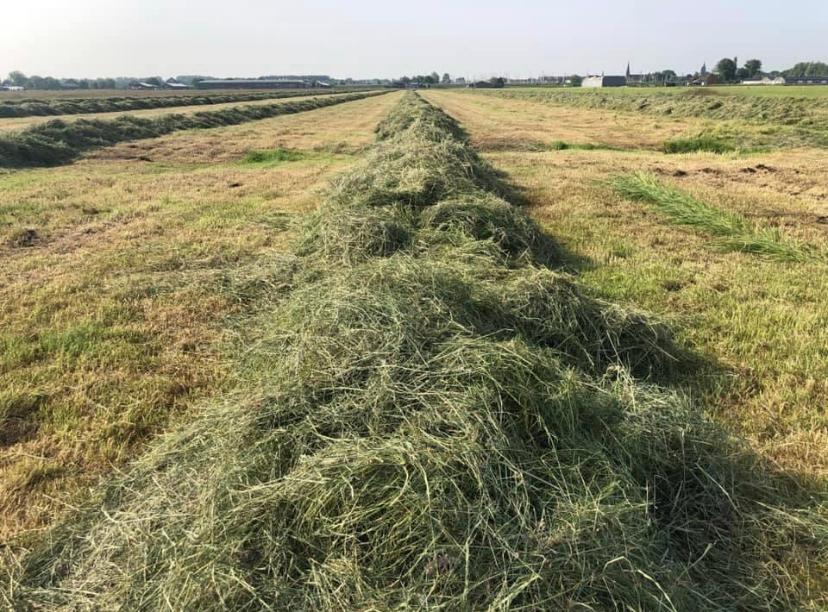
Watching a herd walk out onto the grass for the first time after winter is a local event in these villages, with neighbours leaning on the fence to see the cows kick. It is the clearest reminder that everything sold under a Dutch cheese label starts in a field like this one.
Walk it yourself
Everything above is standing outside, within half an hour of Central Station. The Henri Willig walk is a free audio walking tour through the old trading quarter: the Schreierstoren where the ships left, the weigh house, the VOC headquarters, the flower market, the Kalverstraat, the exchanges around the Dam, and a last stop about herring and cheese. Thirteen stops, playing by themselves as you arrive, in your own time and in your own language.