The Life of Anne Frank Before the Secret Annex
6 min read · March 2026
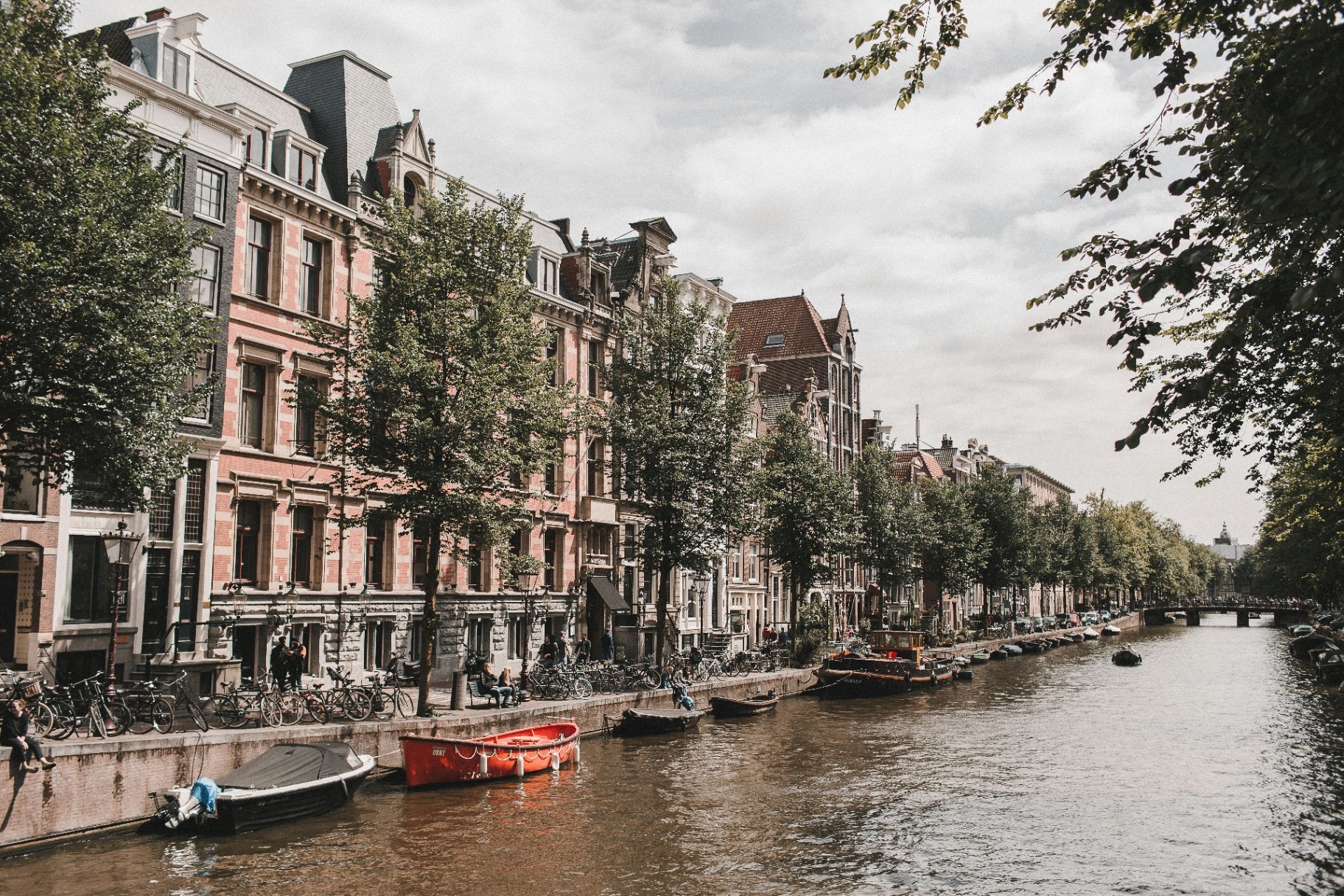
Anne Frank was not born in hiding. Before the Secret Annex, before the diary, before she became the most famous victim of the Holocaust, Anne Frank was a girl growing up in Amsterdam. She went to school. She had friends. She played in the streets of the Rivierenbuurt. And the places where all of this happened are still there.
Frankfurt to Amsterdam
Anne was born in Frankfurt am Main, Germany, on June 12, 1929. Her father Otto had served in the German army during the First World War. Her mother Edith came from a prosperous family. They were German first, Jewish second. Then the Nazis came to power. In 1933, Otto Frank made the decision that saved part of his family: he moved to Amsterdam. He had a business opportunity, setting up a branch of Opekta, a company that sold pectin for making jam. The Franks arrived in the Netherlands as refugees, but they didn't see themselves that way. Amsterdam was supposed to be a fresh start, not a hiding place.
Life on the Merwedeplein
The family settled in a newly built apartment at Merwedeplein 37, in the southern part of Amsterdam. The neighbourhood was modern and green, full of other German-Jewish refugee families. Anne's sister Margot was quiet and studious. Anne was the opposite: talkative, curious, dramatic. The neighbours remembered her.
Anne attended the Montessori school on the Niersstraat, just a few blocks from home. She made friends easily. She was interested in movie stars, especially Greta Garbo and Ginger Rogers. She collected photos of them and pinned them to her wall. She wrote stories. She was, by every account, a completely normal girl growing up in a normal neighbourhood.
The world closes in
When Germany invaded the Netherlands in May 1940, the Franks were trapped. They had fled to Amsterdam to escape the Nazis. Now the Nazis had followed them.
The restrictions came gradually, then all at once. Jewish children were separated from their non-Jewish classmates. Anne had to leave her Montessori school and attend the Jewish Lyceum. Jews were banned from parks, cinemas, swimming pools, and public transport. They had to wear a yellow star. Otto Frank's business was 'Aryanised' and transferred to non-Jewish partners who secretly kept it running for him.
Anne turned thirteen on June 12, 1942. For her birthday, she received a red-and-white checked diary. She began writing in it immediately. Three weeks later, on July 6, the family went into hiding in the Secret Annex above Otto's business on the Prinsengracht.
The places that remain
The Anne Frank House on the Prinsengracht is one of the most visited museums in the world. But the places that shaped Anne's actual life are scattered across a different part of Amsterdam. The Merwedeplein apartment. The school on Niersstraat. The Oasis ice cream parlour on Zuideramstelkanaal where she went with friends. The Apollohal where she went ice skating.
These places don't have long queues or timed tickets. Most don't have plaques. They're just streets and buildings where a girl lived her life before the world took it away. Walking past them is a different kind of remembrance. Not the horror of what happened in the Annex, but the normality of what came before.
Want to hear this while standing where it happened? Take one of our free audio tours in Amsterdam.
Walk the streets Anne Frank walked before she went into hiding.
Free audio experience. No app needed. Start exploring now.
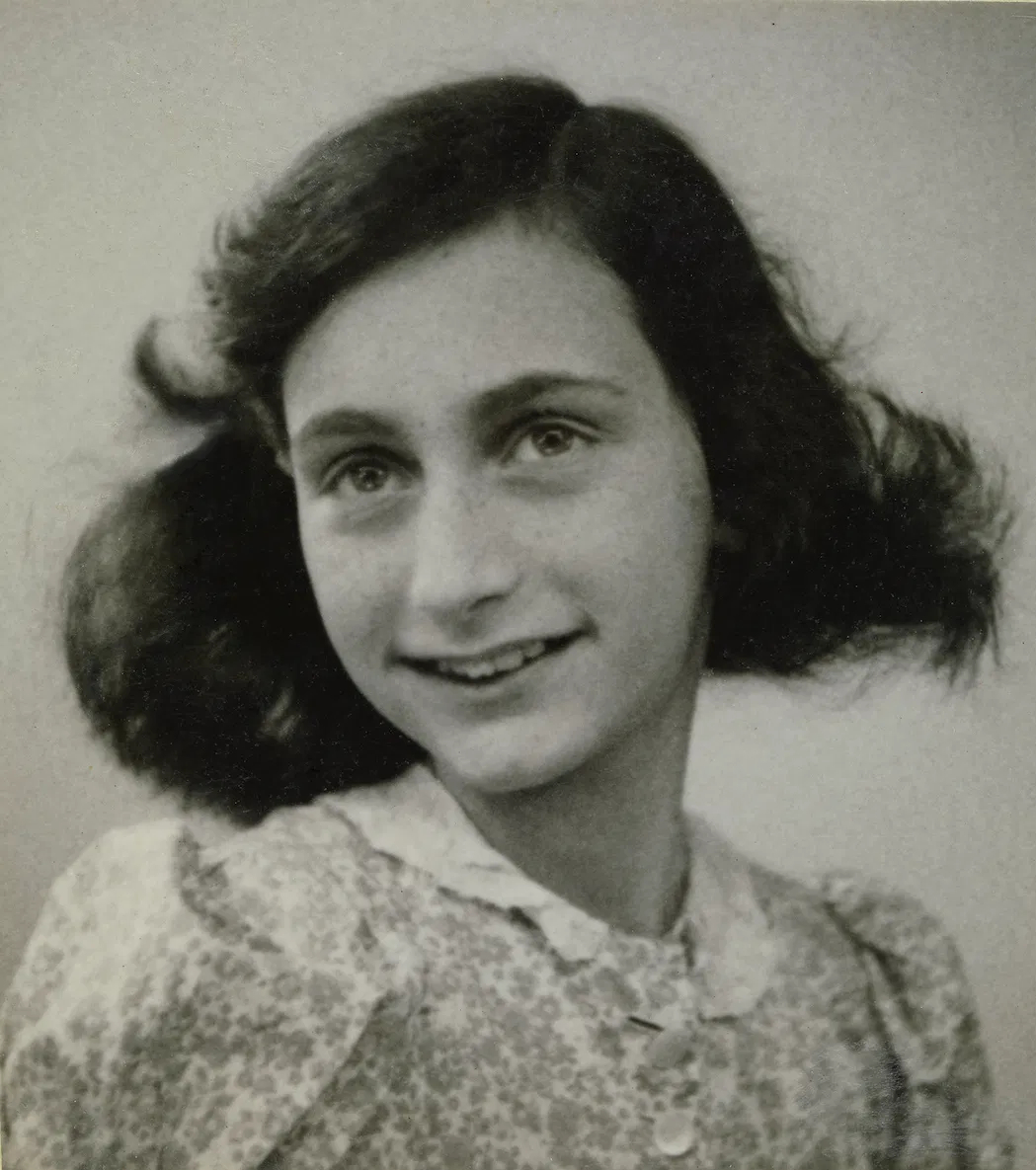
Anne Frank: Beyond the House
More from Amsterdam
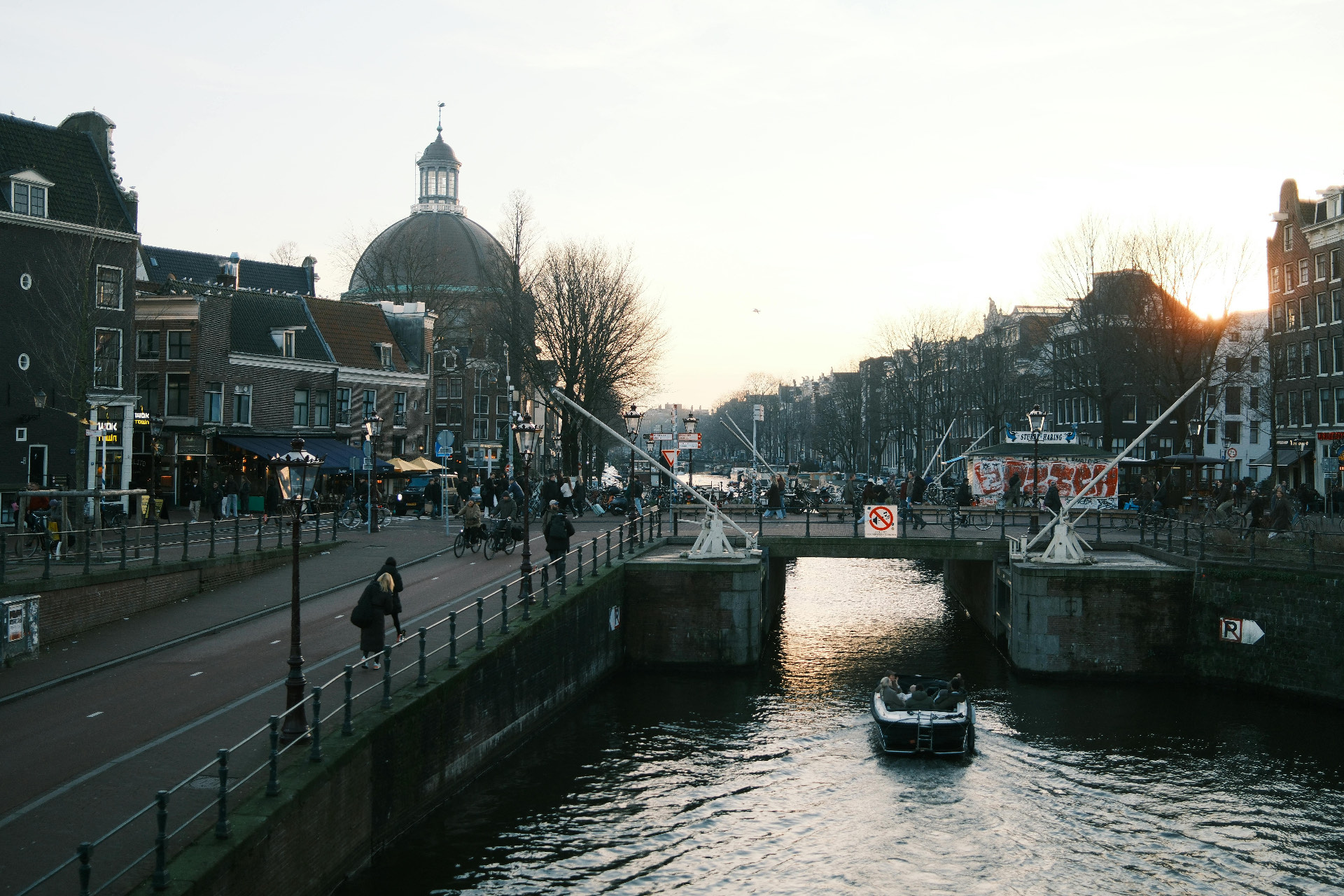
Free Things to Do in Amsterdam
Amsterdam is expensive. It doesn't have to be. The city is full of things that cost nothing at all.
The Mountain That Watched Over Barcelona
Montjuic has been a fortress, a cemetery, a place of execution, a botanical garden, and an Olympic stage.
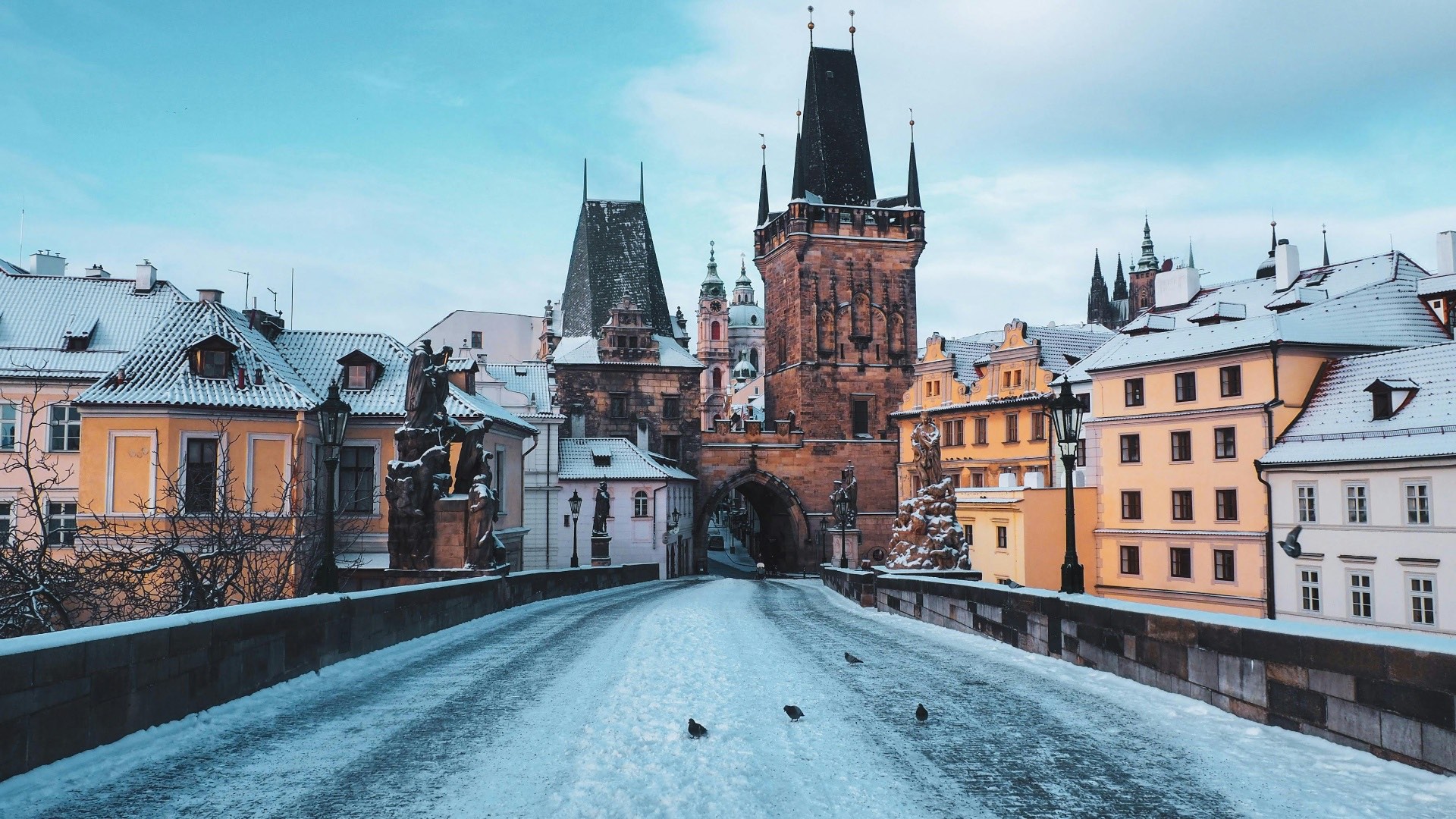
Prague and the Mysteries of the Old Town
Alchemists, golems, defenestrations, and a clock that was supposedly so magnificent that its creator was blinded.