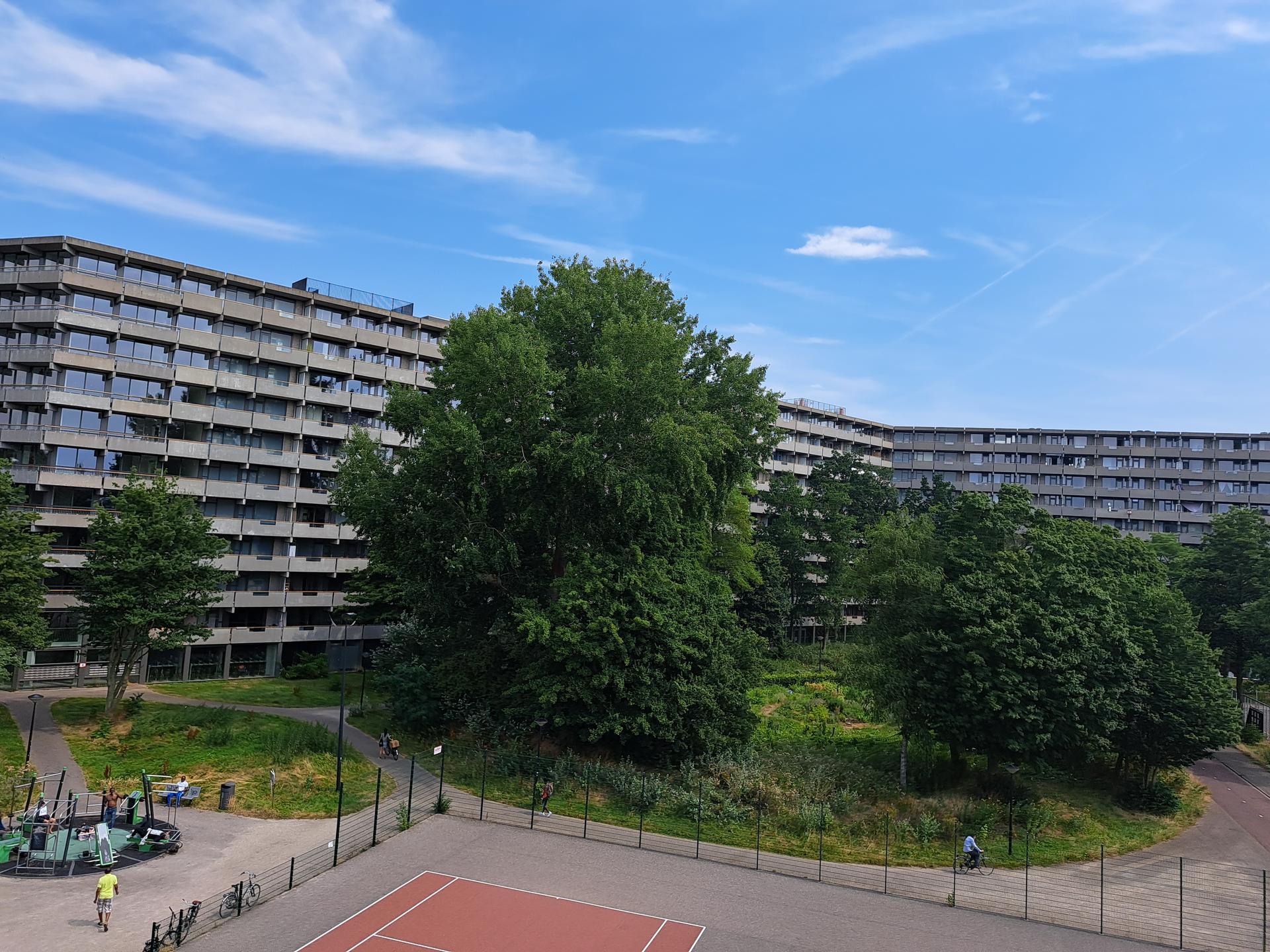
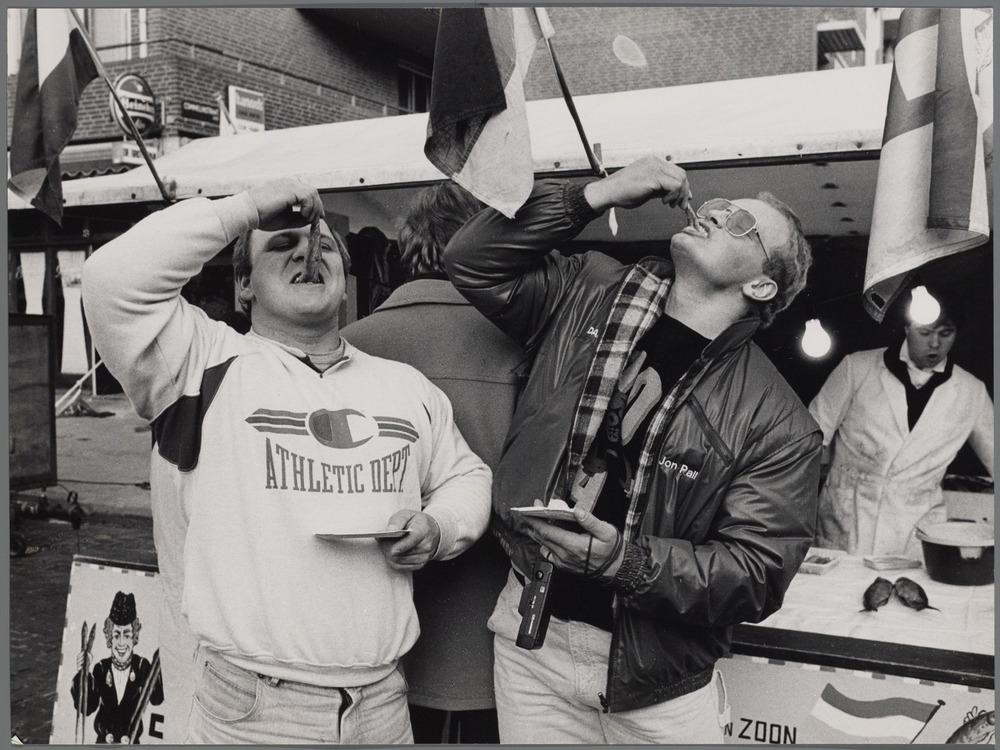
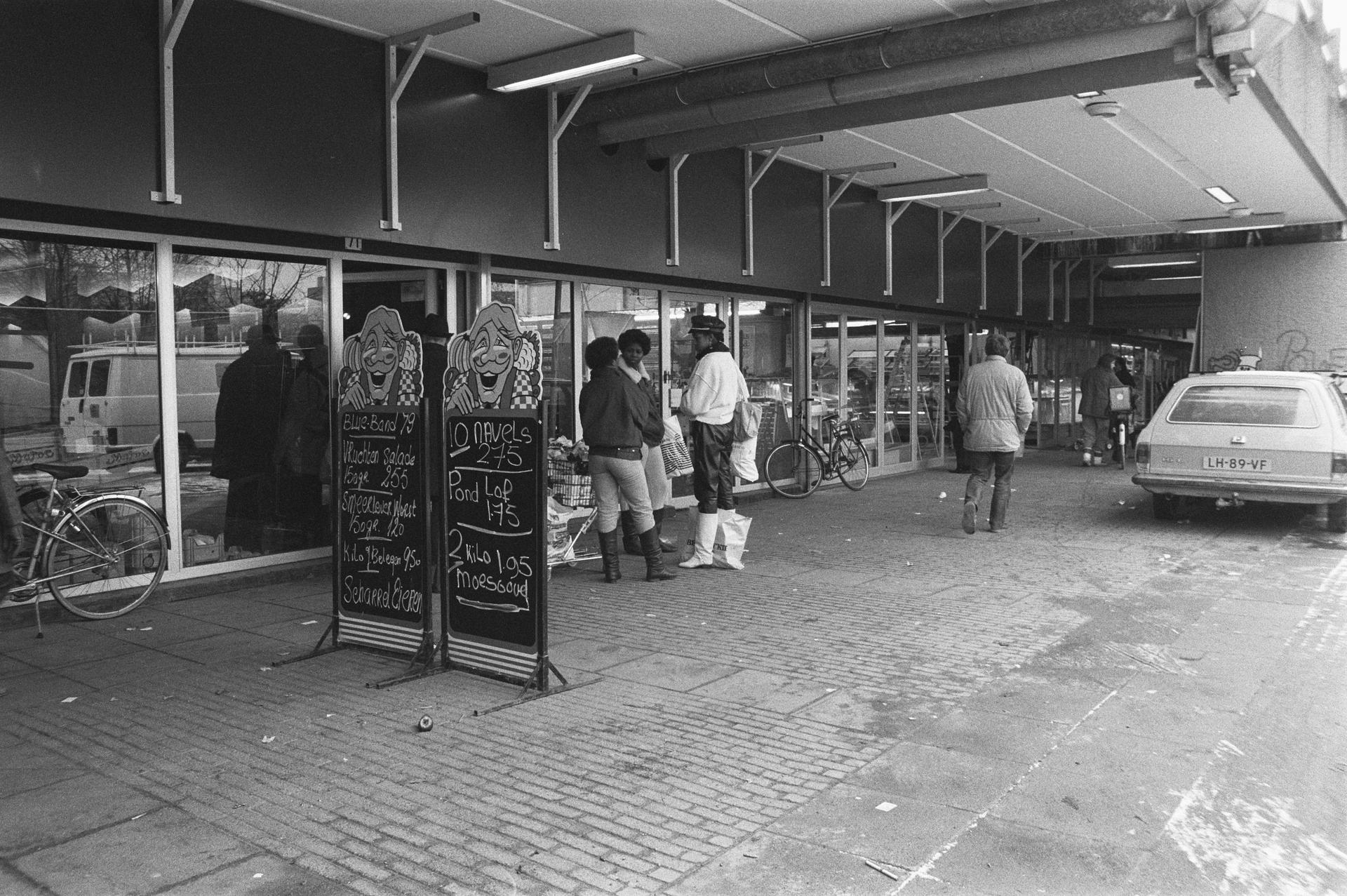
The walkways above you were half empty when the first families arrived. In 1973 the , the Dutch cabinet of the day, announced independence for , and in the years around it roughly a third of the Surinamese population left for the Netherlands. Elsewhere in Amsterdam you could barely find a home. Here they stood empty.
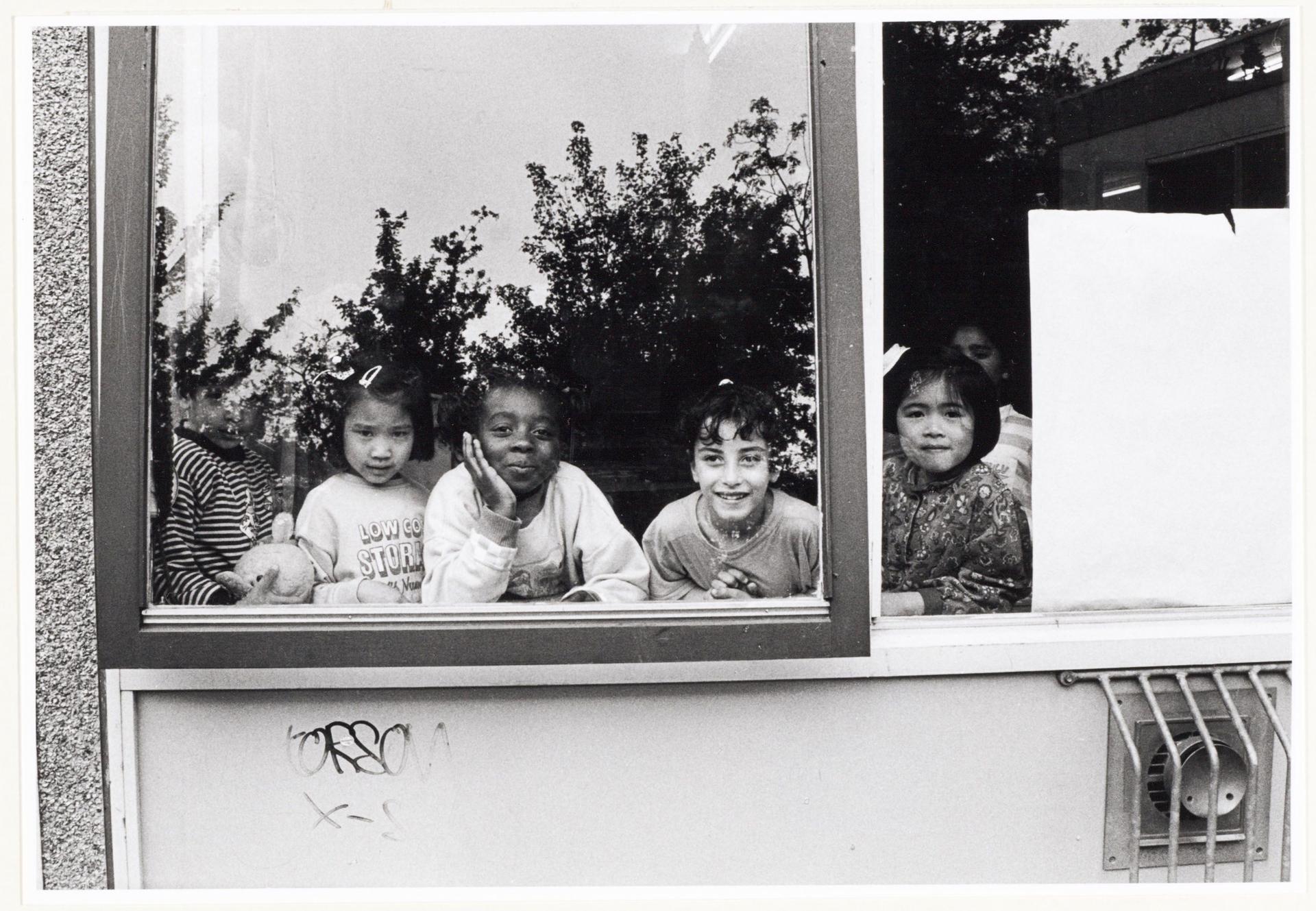
So a neighbourhood dreamed up for one group became home to another. In the walkways and the covered streets something took shape that no drawing board had ever imagined, with shops, churches, hair salons and parties that gave the area its own sound.
The years that followed were hard. There was unemployment, neglected maintenance, car parks nobody used anymore, and a reputation that trailed the whole neighbourhood for years.
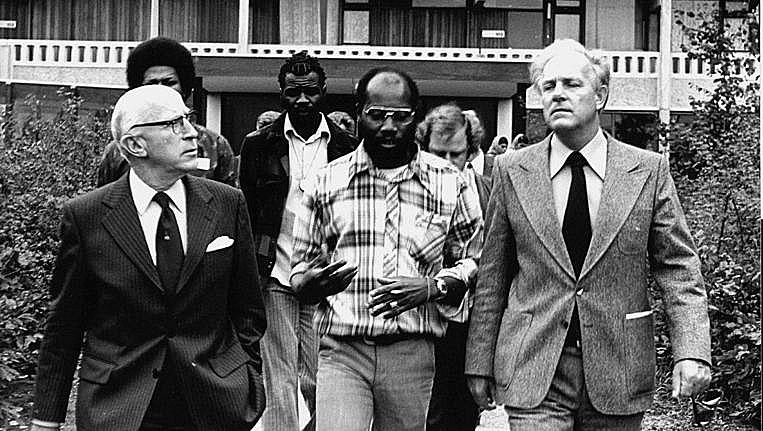
And yet this is where things turned. The residents who were here from the start will tell you themselves: the arrival of the Surinamese saved the , because without them the demolition would have begun far sooner. Everything you hear, smell and taste here today started at that moment.
Sources. Story: NUL20, Ons Verhaal Hoogoord, NOS Photos: Nationaal Archief, Anefo photo collection, via Wikimedia Commons