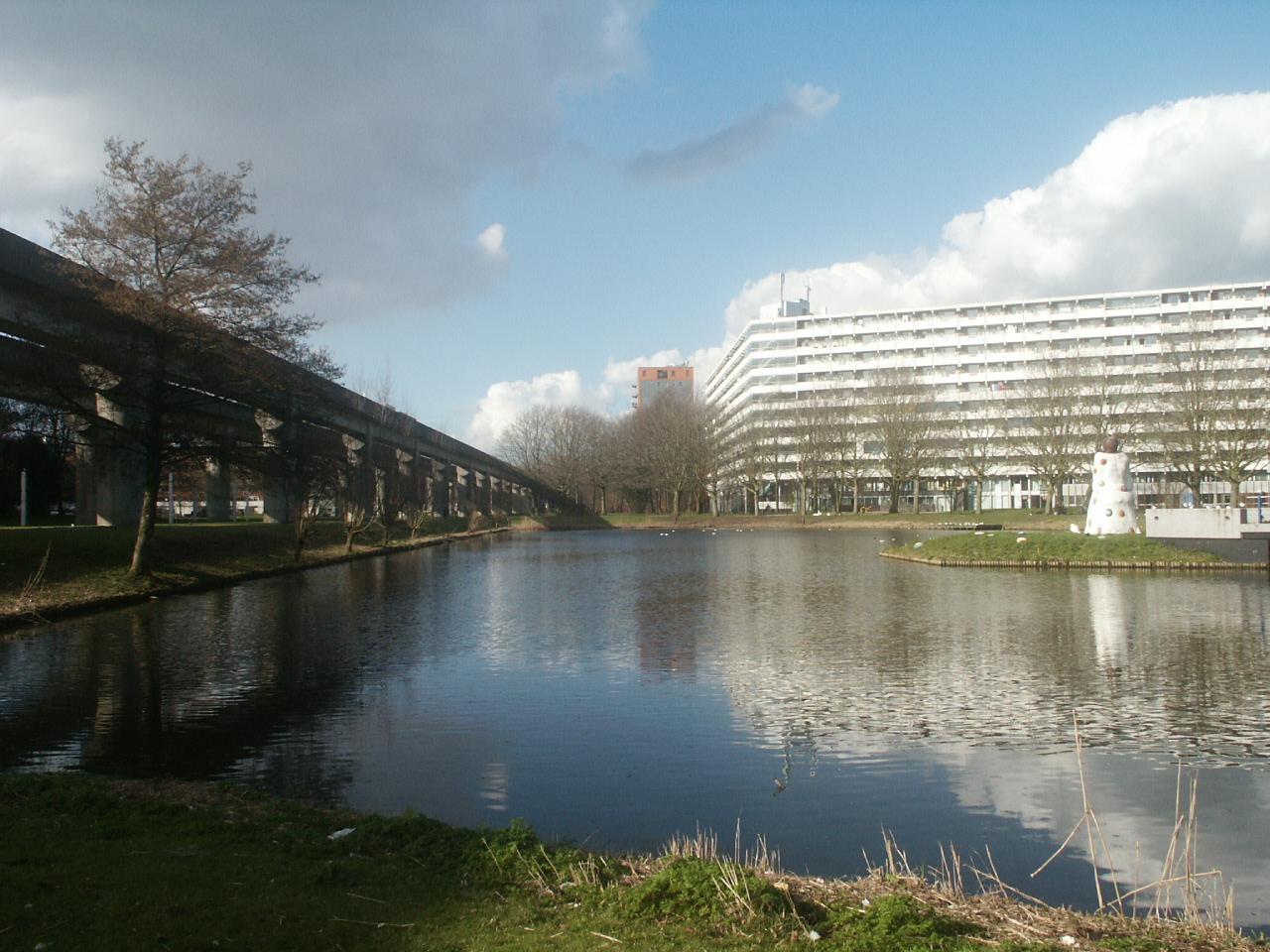
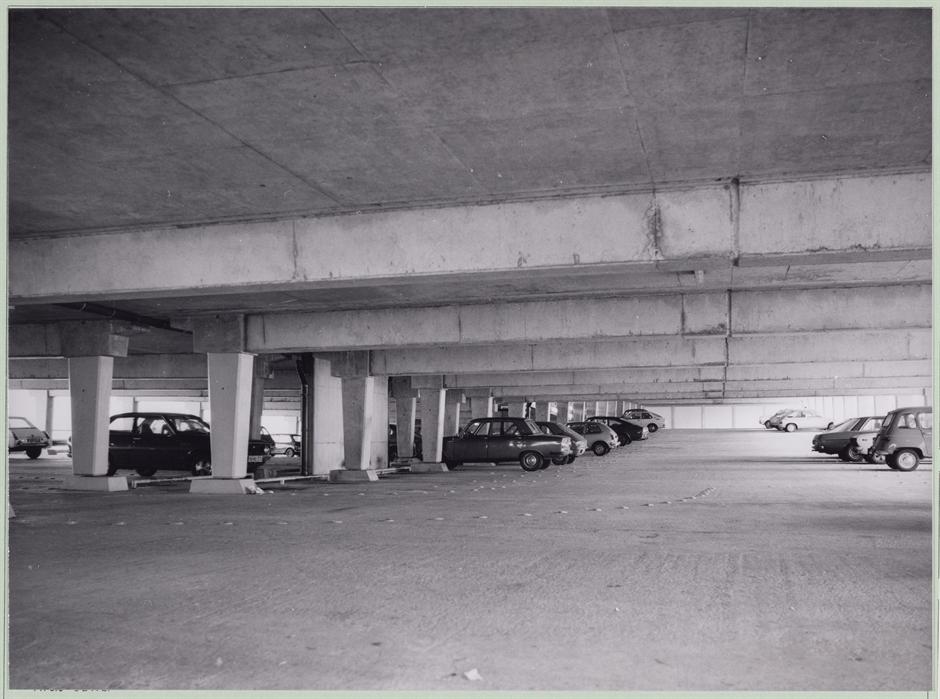
This corner of the was once called Gliphoeve, and it's the place where Amsterdammers forced through their own right to housing.
Back in the seventies, the housing corporations here worked with quotas. No more than ten to fifteen percent of the homes could be rented to Surinamese people, and the manager of Gliphoeve would rather leave the block half empty than let any more move in. Meanwhile, thousands of people who had come to the Netherlands as citizens of the kingdom spent years stuck in boarding houses, waiting for a home.
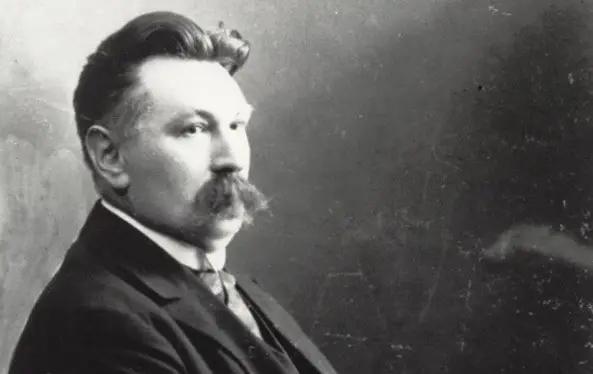
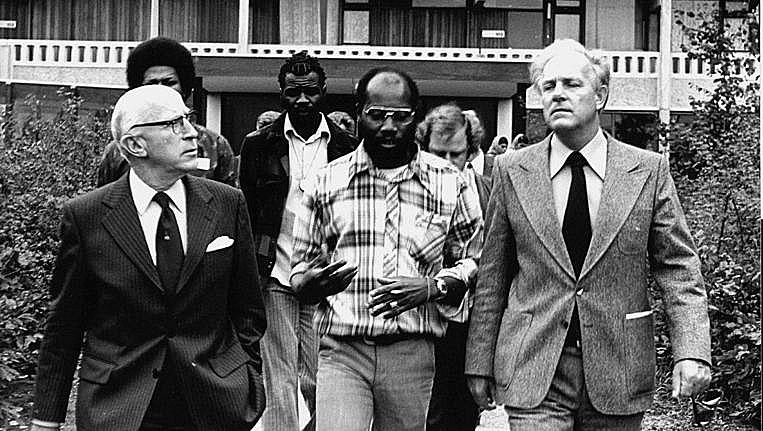
On the 28th of June 1974, enough was enough. Led by the activist Just Maatrijk, a group walked into the block with crowbars and squatted almost a hundred homes. That very same night the first families moved in. Sixty percent of Gliphoeve I was standing empty at the time.
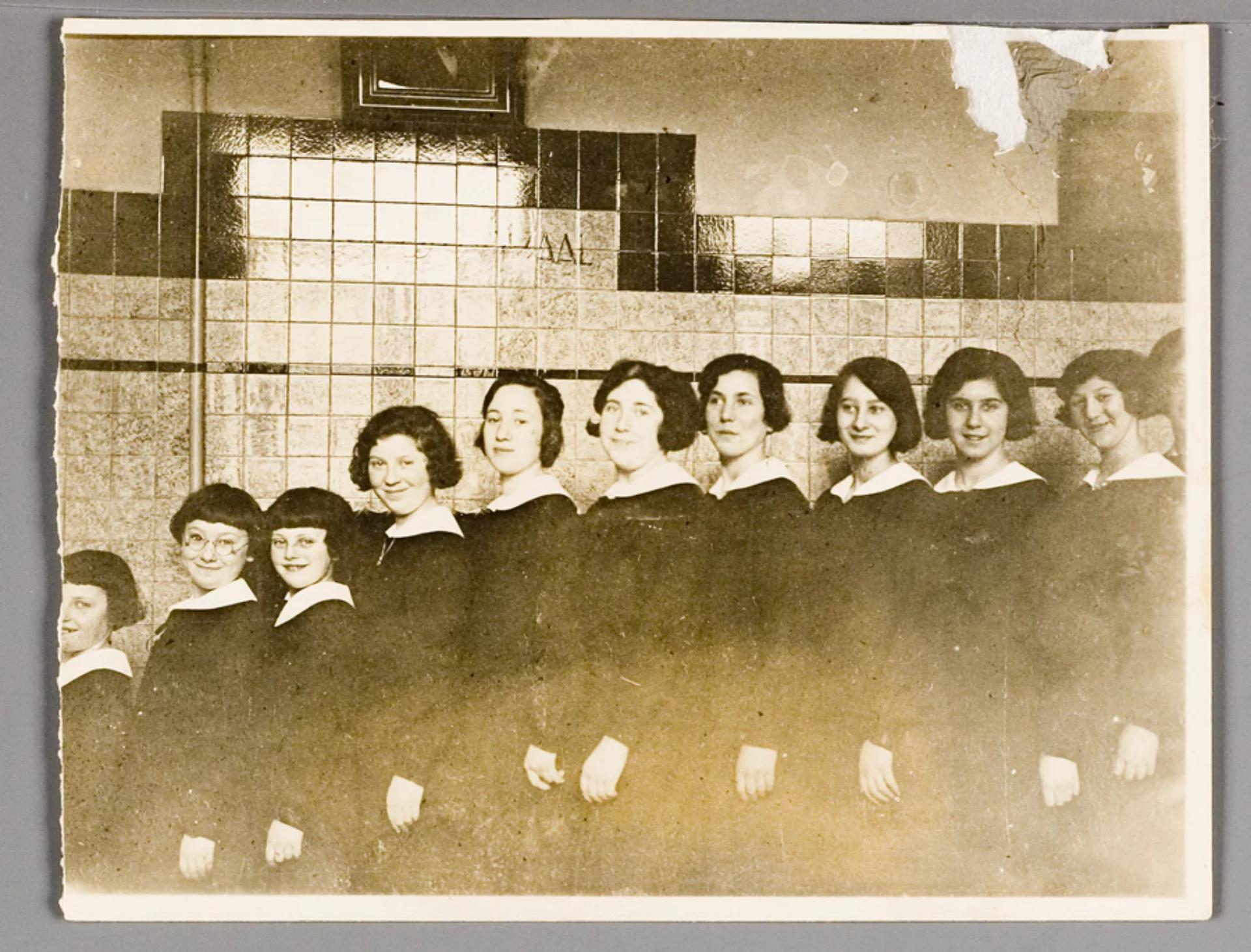
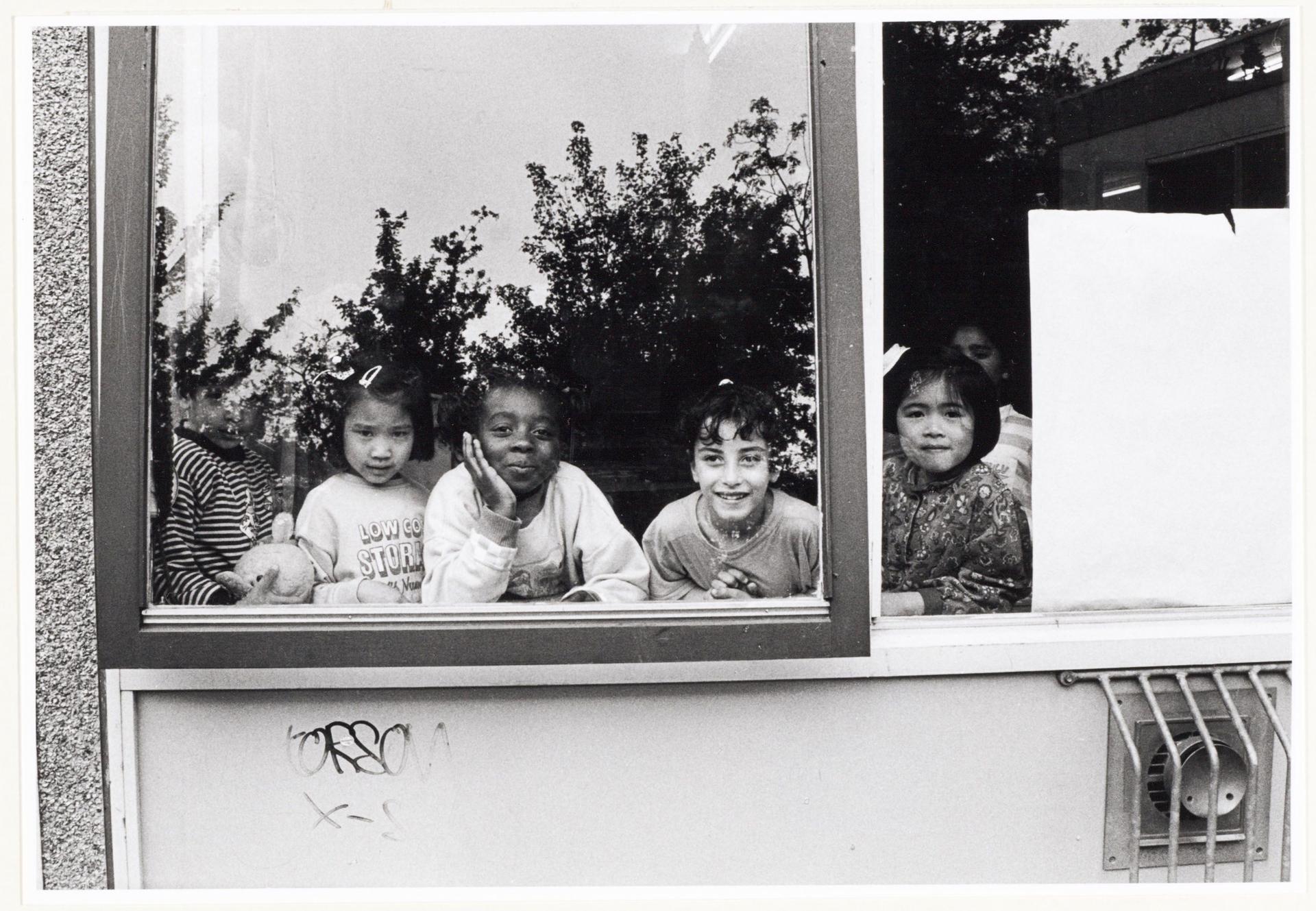
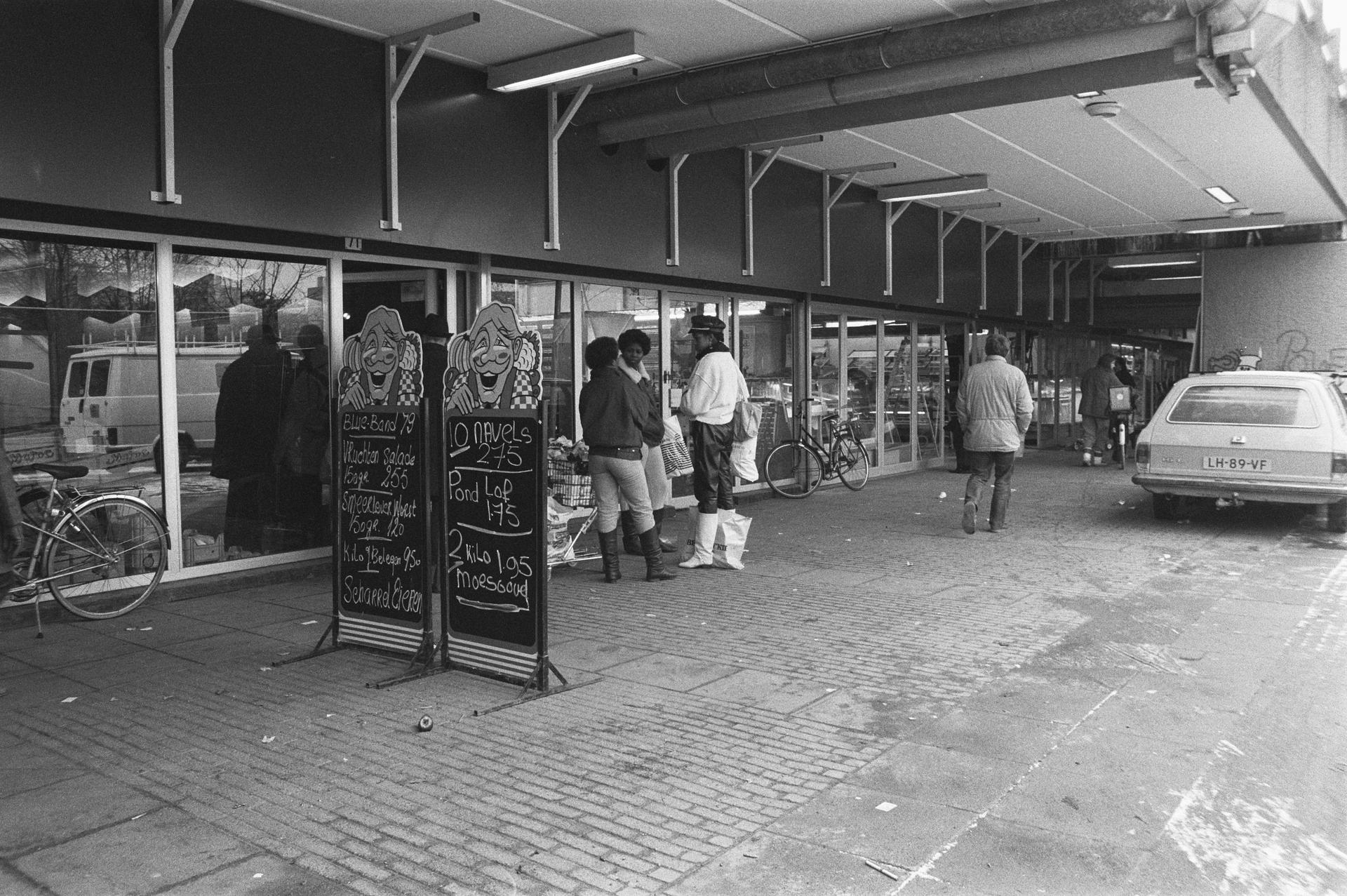
What followed was a community that organised itself. Ninety percent of the six hundred or so homes came to be lived in by Surinamese people, and they built their own parties, discos, little restaurants and even a Miss Bijlmer contest, because there was nowhere to go out. The squatting of Gliphoeve is seen as one of the first expressions of Black activism in the Netherlands.
Later came the heroin and the decline, and the name Gliphoeve was wiped away: the two parts are now called Gravestein and Geldershoofd. The struggle that was fought here doesn't appear in a single street name, and it's exactly the reason this neighbourhood is what it is.
We walk on to Ganzenhoef, where that same story played out on a much bigger scale.
Sources. Story: Arcam, VPRO, AT5, Zuidoost en Meer Photos: Source Photo: Stadsarchief Amsterdam