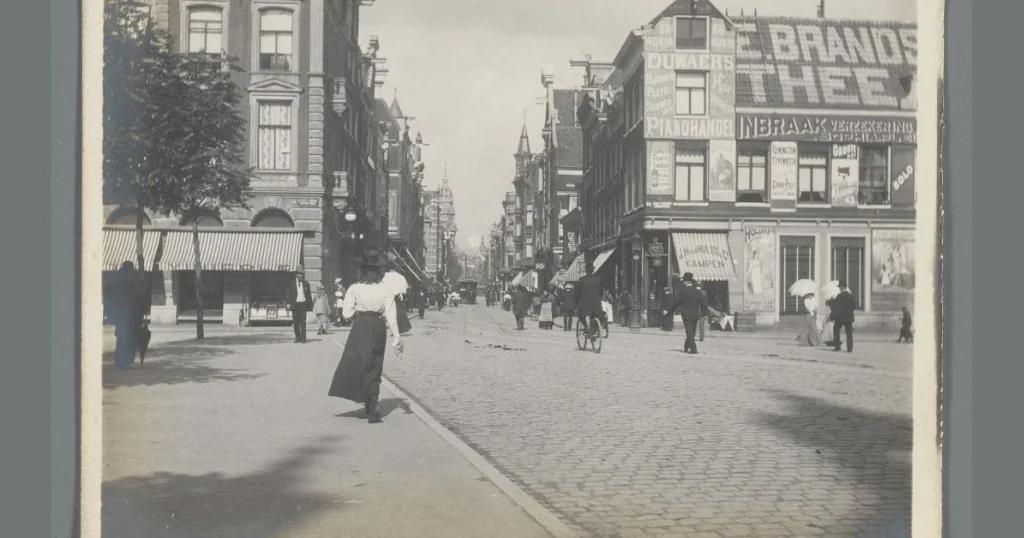
You are standing in the Leidsestraat, one of the busiest shopping streets in the city, then as much as now. During these shop windows carried small signs saying who was allowed in.
It came step by step. In 1940 Jewish civil servants lost their posts, and in January 1941 everyone who was Jewish had to register. After that came the cinemas, the swimming pools, the parks, the markets and the cafes, each with a sign on the door. From September 1941 Jewish children went to separate schools. In May 1942 the yellow star became compulsory, sold for four cents and a clothing coupon each.
By the summer of 1942 Jewish Amsterdammers were barred from the tram, and shopping was allowed only between three and five in the afternoon. wrote that whole list out in her diary shortly before the family went into hiding, and she ended it by noting that life simply carried on inside whatever limits were left.
Three weeks after that last measure, a for landed on the Frank family's doormat. That is when the began.
We follow the Leidsestraat to the Prinsengracht and turn left there, as far as number 795.

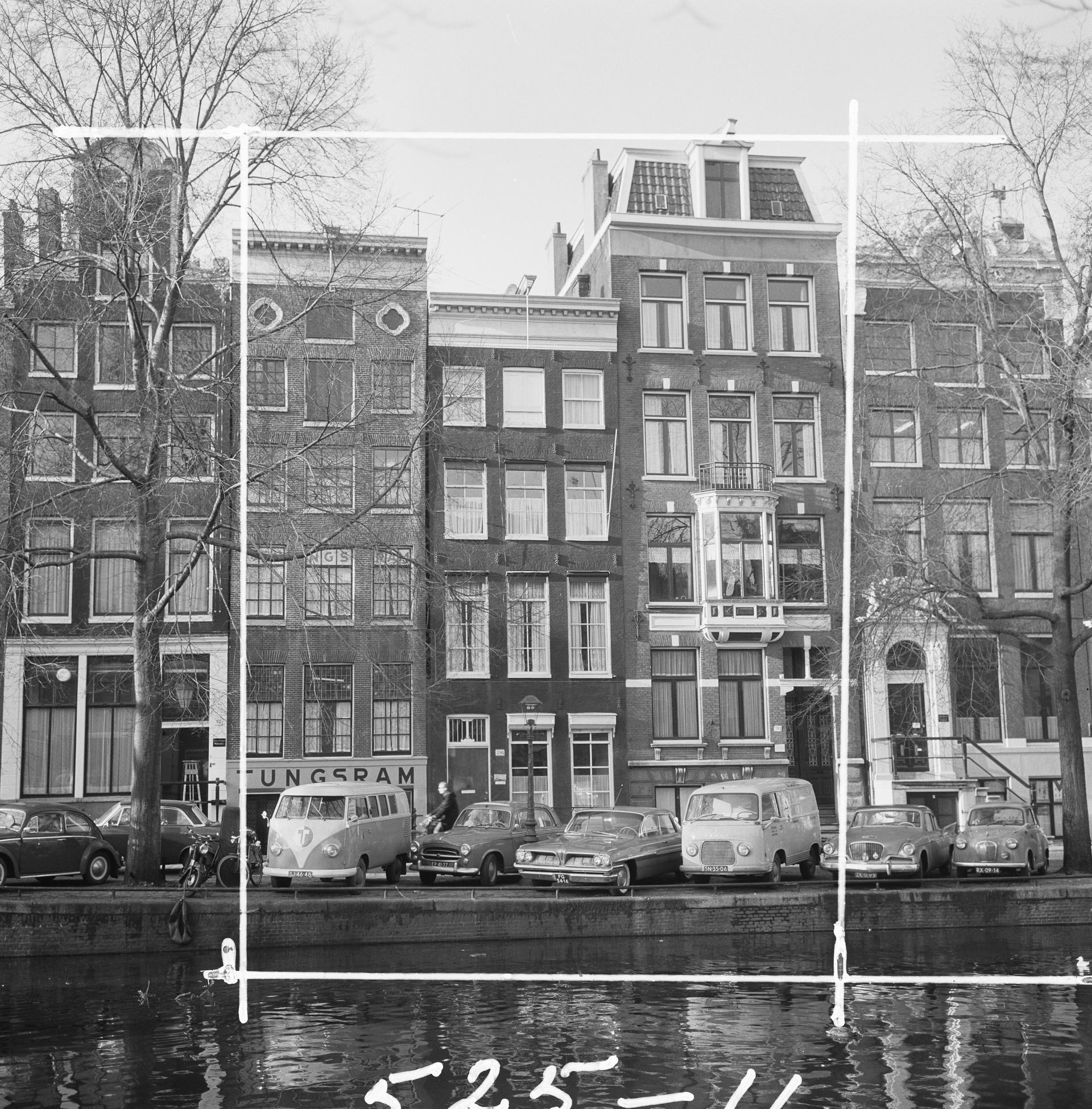
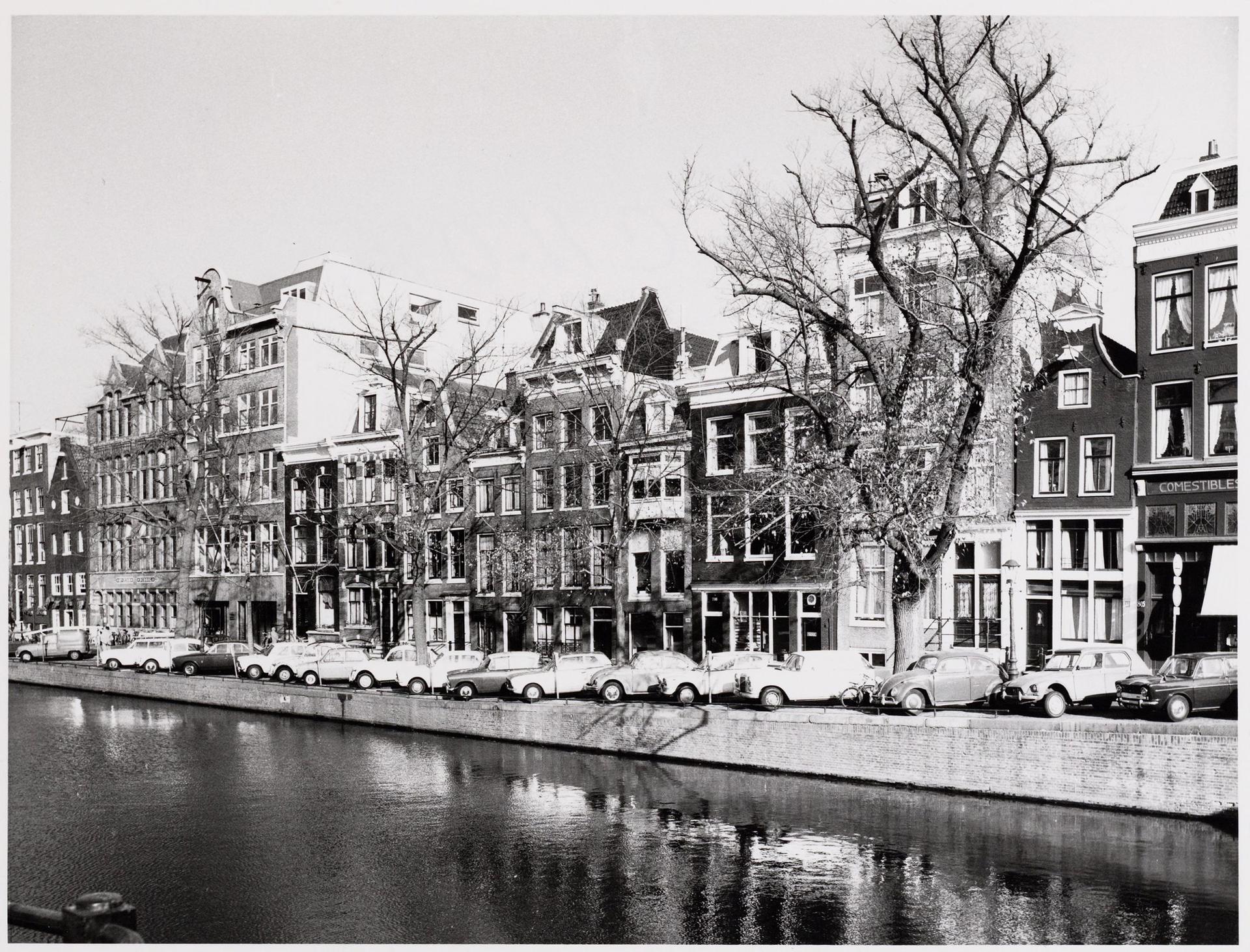
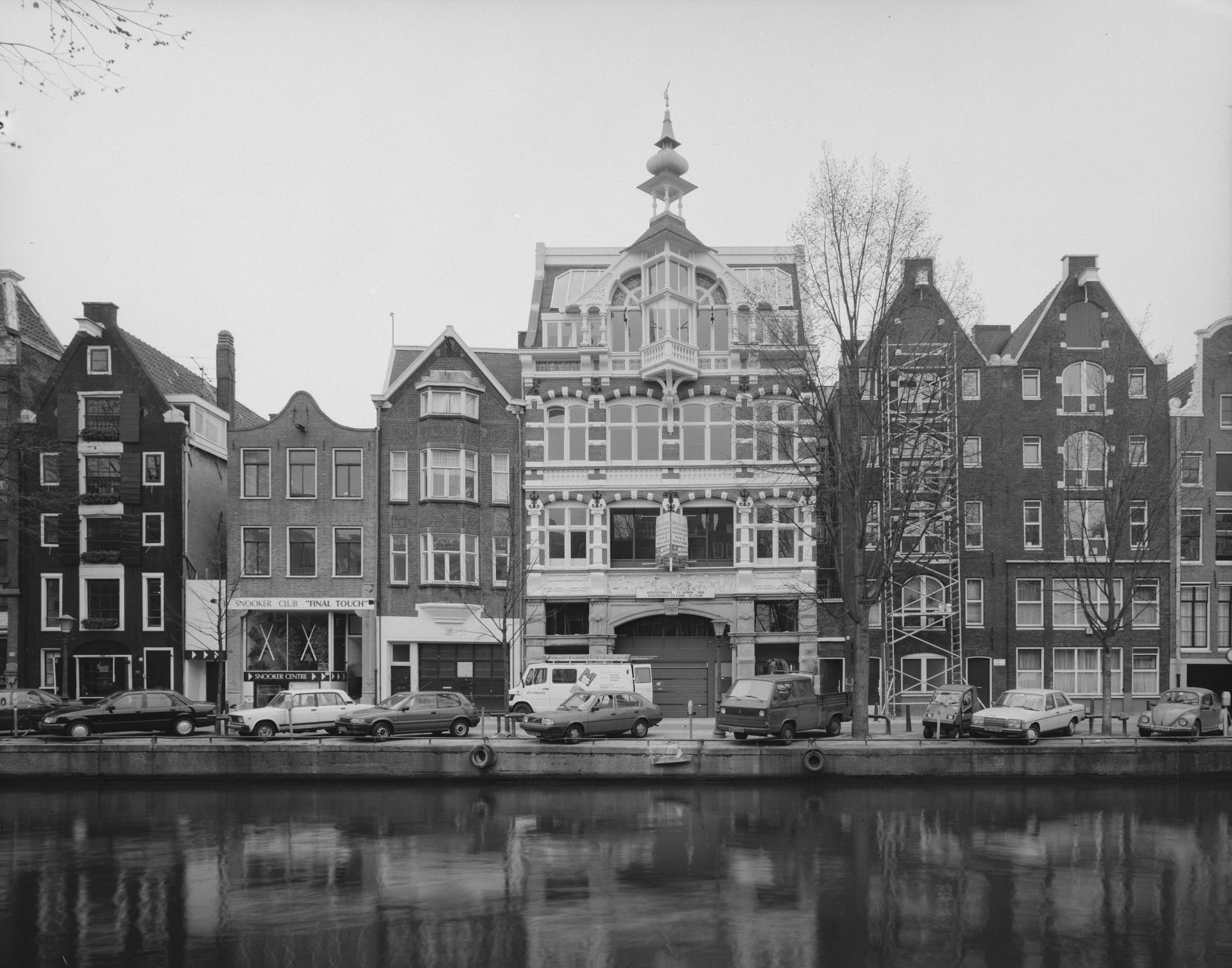
Sources. Story: Anne Frank Stichting, the anti-Jewish measures 1940-1942; NIOD, the occupier's decrees Photos: Willem de Jong, Rijksmuseum, RP-F-2011-38-139 (public domain)