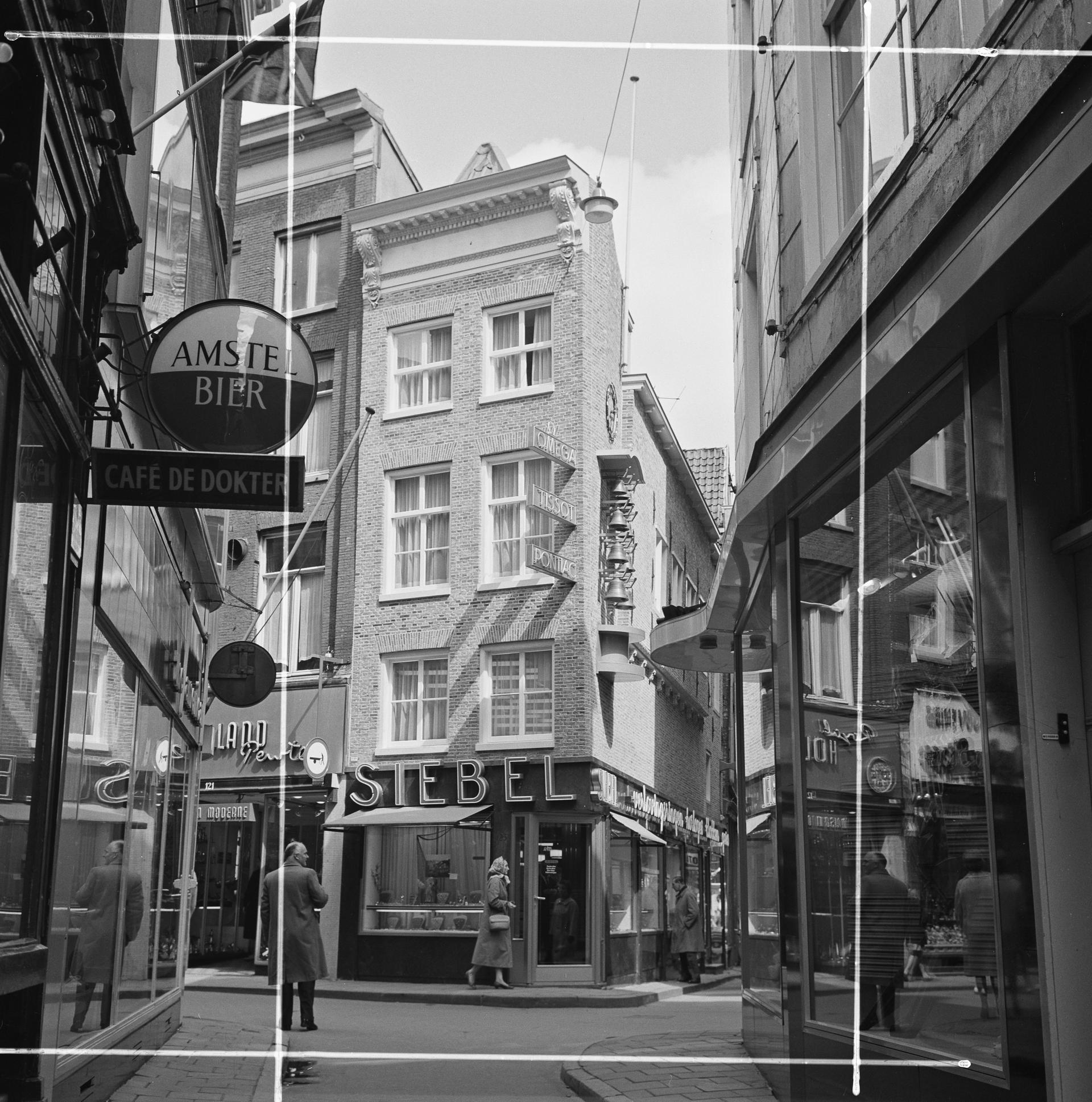
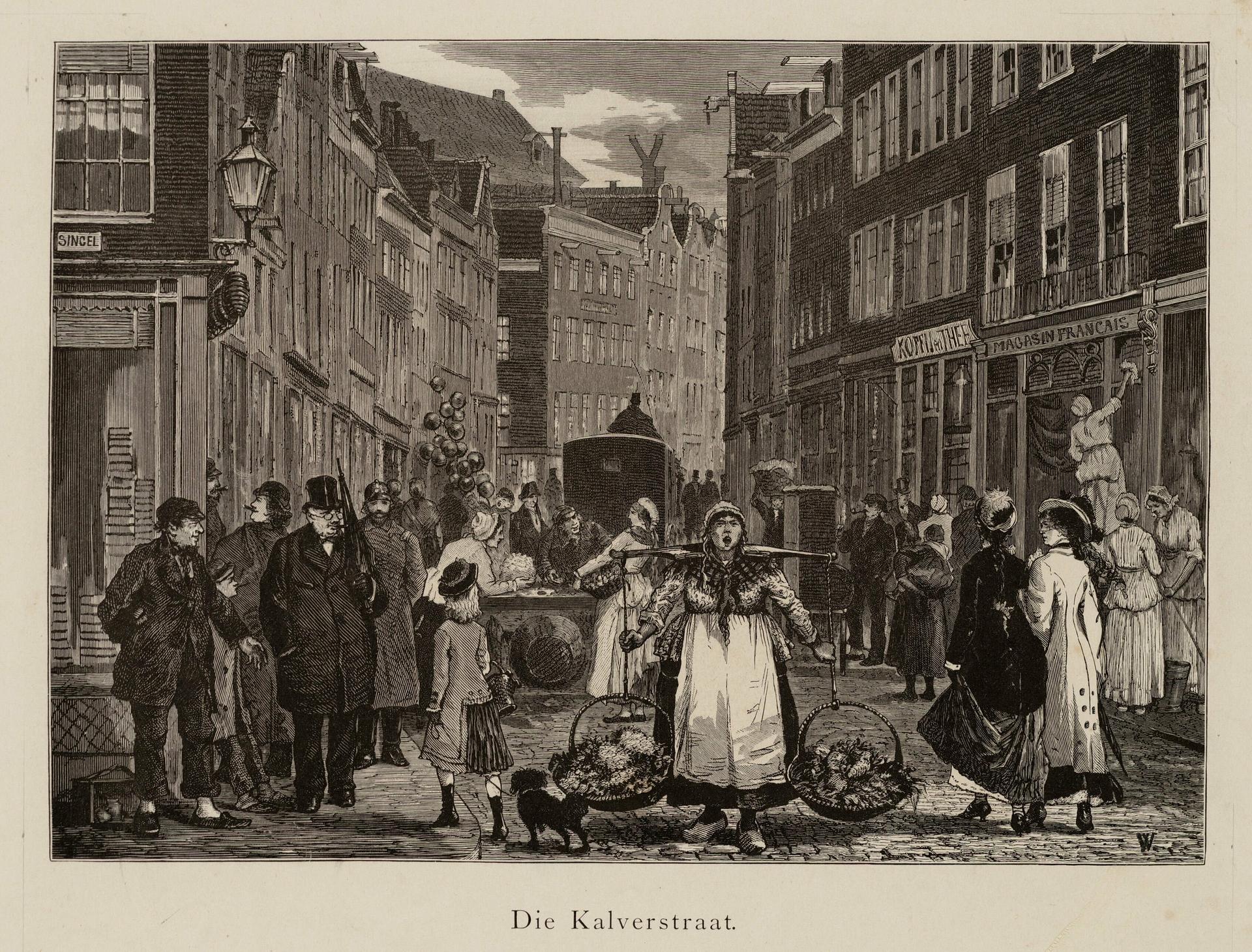
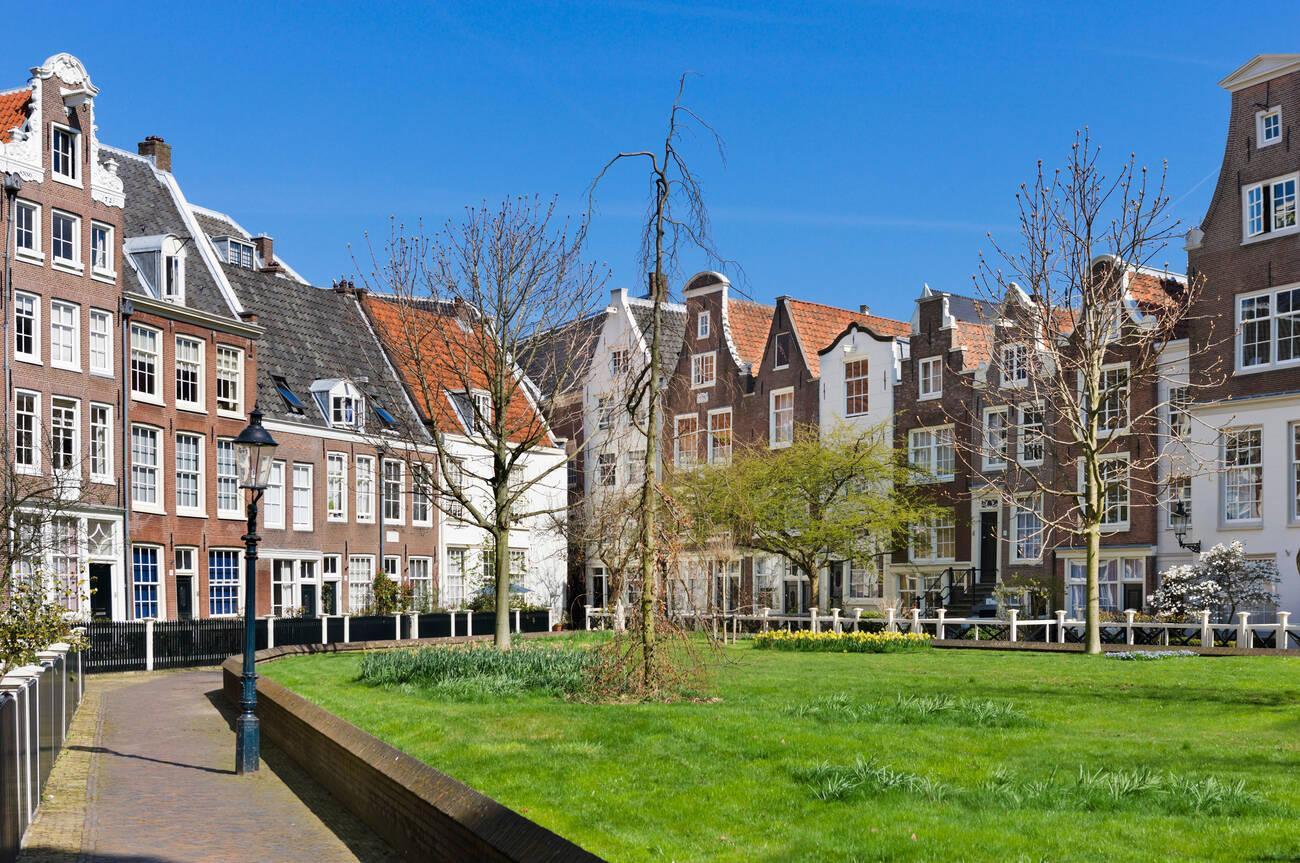
The is a Dutch invention you can walk straight past: a ring of houses around a garden, reached through a gate in an ordinary row of façades, built to give shelter to people who had none. This is the oldest and largest in the city, and you enter it from one of the busiest shopping streets in the country. A few steps along the passage and the noise of the Kalverstraat falls away behind you.
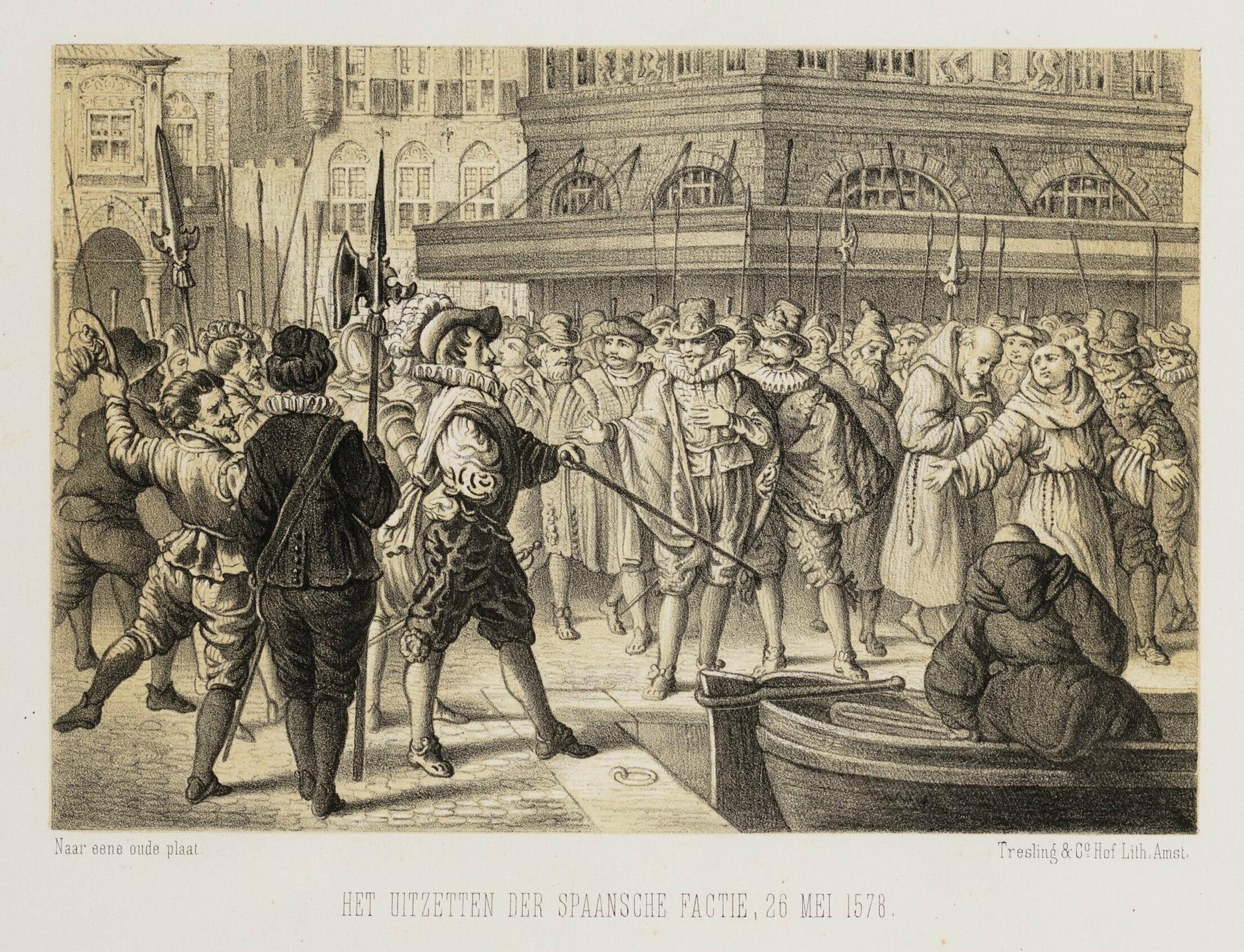
The courtyard was founded in the fourteenth century for , women who wanted a devout life while keeping their own money, their own house and the right to walk away again. Their vows ran for a fixed term, and it was that ownership which saved the place when . The houses belonged to the women themselves, so the city had little hold on them. They built a behind an ordinary façade and carried on.
Two things are worth finding once you are inside. The Houten Huys of around 1528 is one of the two wooden houses that survived the city fires. And set into the paving lies the grave of Cornelia Arents, who asked in 1654 to be buried in the gutter rather than inside a church that had turned Protestant.
The courtyard is open during the day, and women still live here.
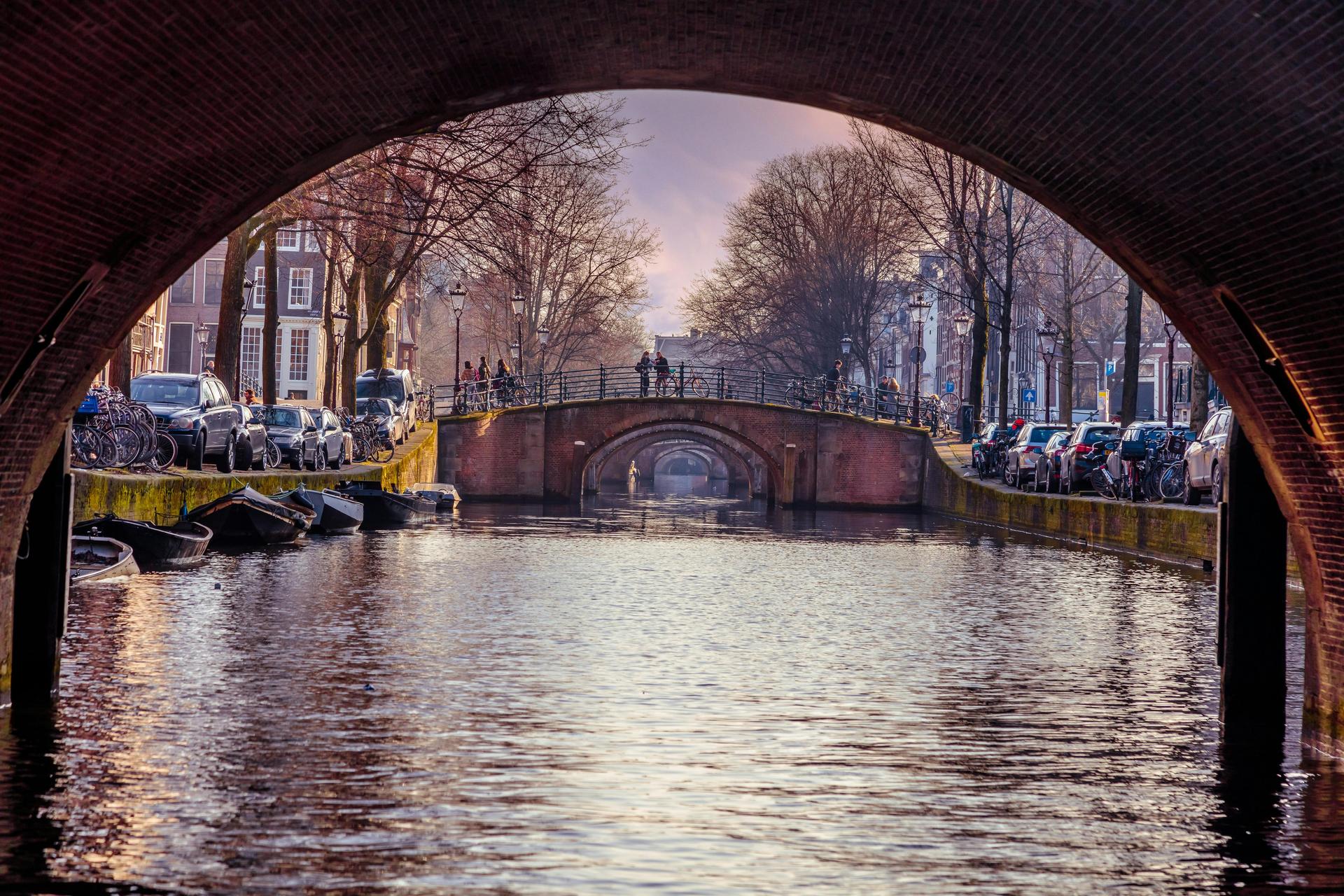
Once we are back outside, we head west along the Heiligeweg towards the canals.
Sources. Story: Stadsarchief Amsterdam and Begijnhof Amsterdam on the founding of the courtyard, the Houten Huys and the hidden church Photos: Stadsarchief Amsterdam; Schouten, H. P. (Herman; 1747-1822) and Fouquet, Pierre (1729-1800)