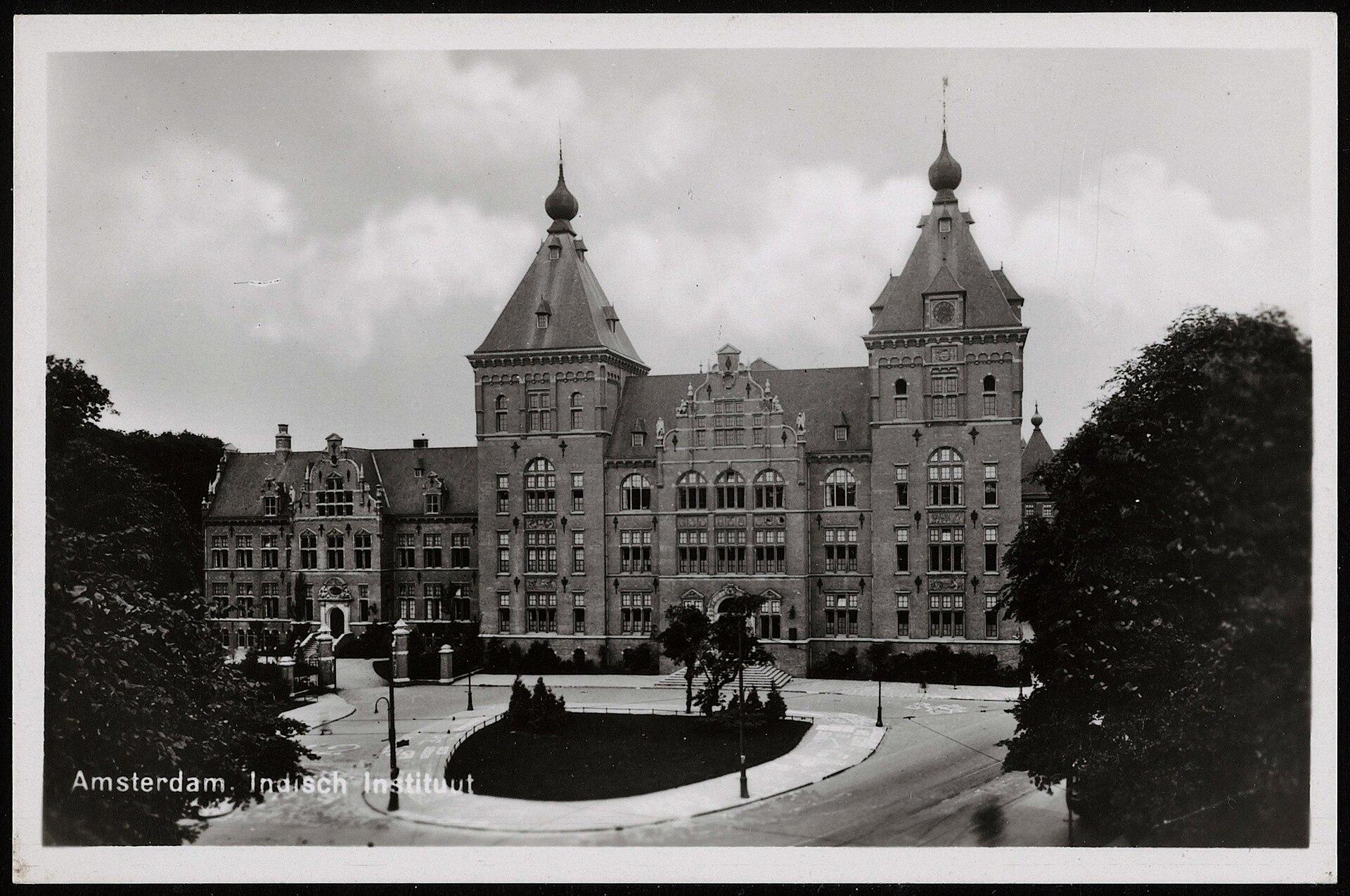
This building was raised to hold an entire empire. In 1910 a group of Amsterdam citizens, companies and the government decided to bring the colonial museum from Haarlem to the capital and to build a whole institute around it, with departments for trade, ethnography and tropical hygiene.
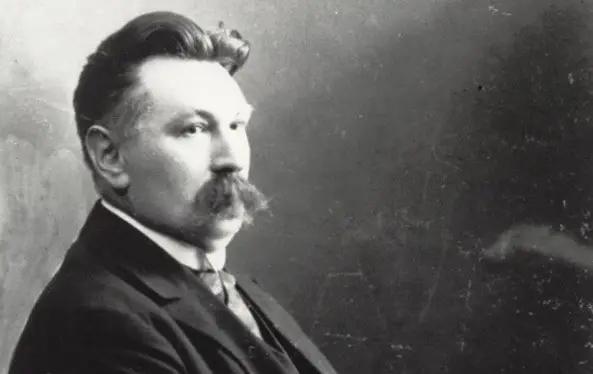
Construction started in 1915 on part of the old Oosterbegraafplaats, the eastern cemetery, and between the war and a shortage of money it took until 9 October 1926 before could open it. The architect Johannes van Nieukerken designed it, his sons finished it, and the money came from the firms that profited from the colonies, among them the Handelsvereniging Amsterdam and the , a forerunner of Shell.
Look up and you see what it was all about. The facades are covered in sculpture depicting the colonial trade, carefully put together by a committee set up just for the symbolism, with leading figures of the , the Dutch East India Company, and colonial administrators placed among the figures. The founders had their own heroes carved into the stone.
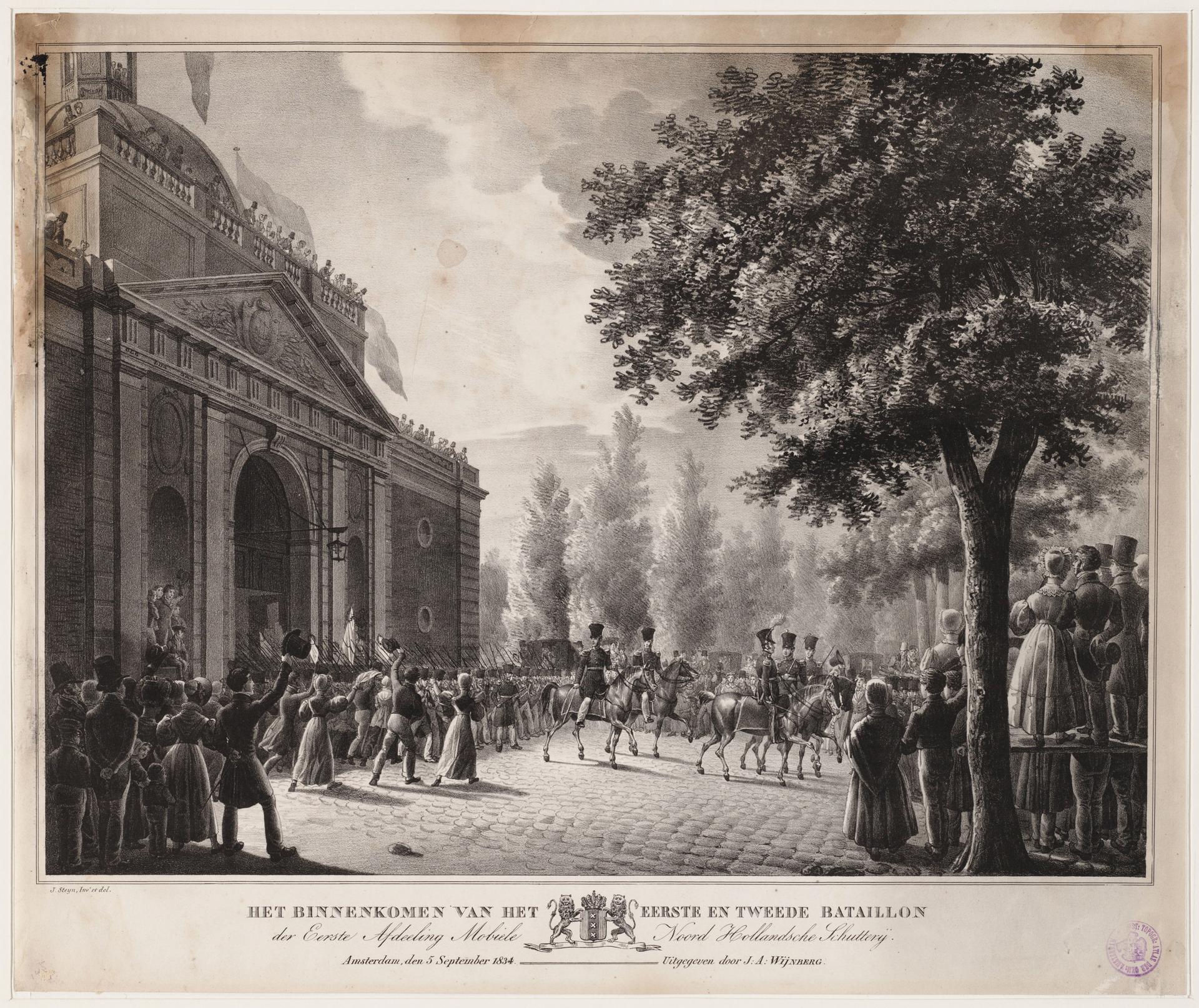
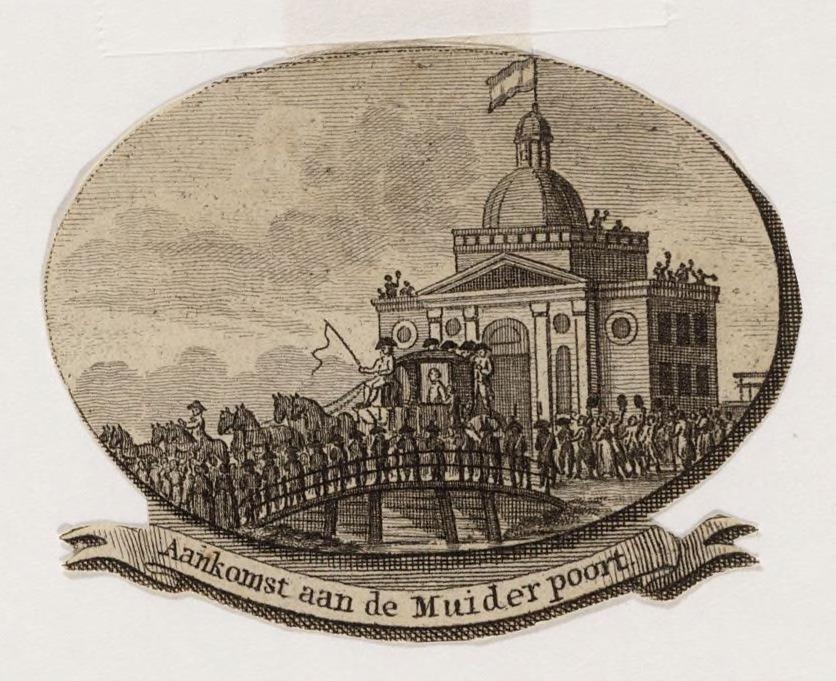
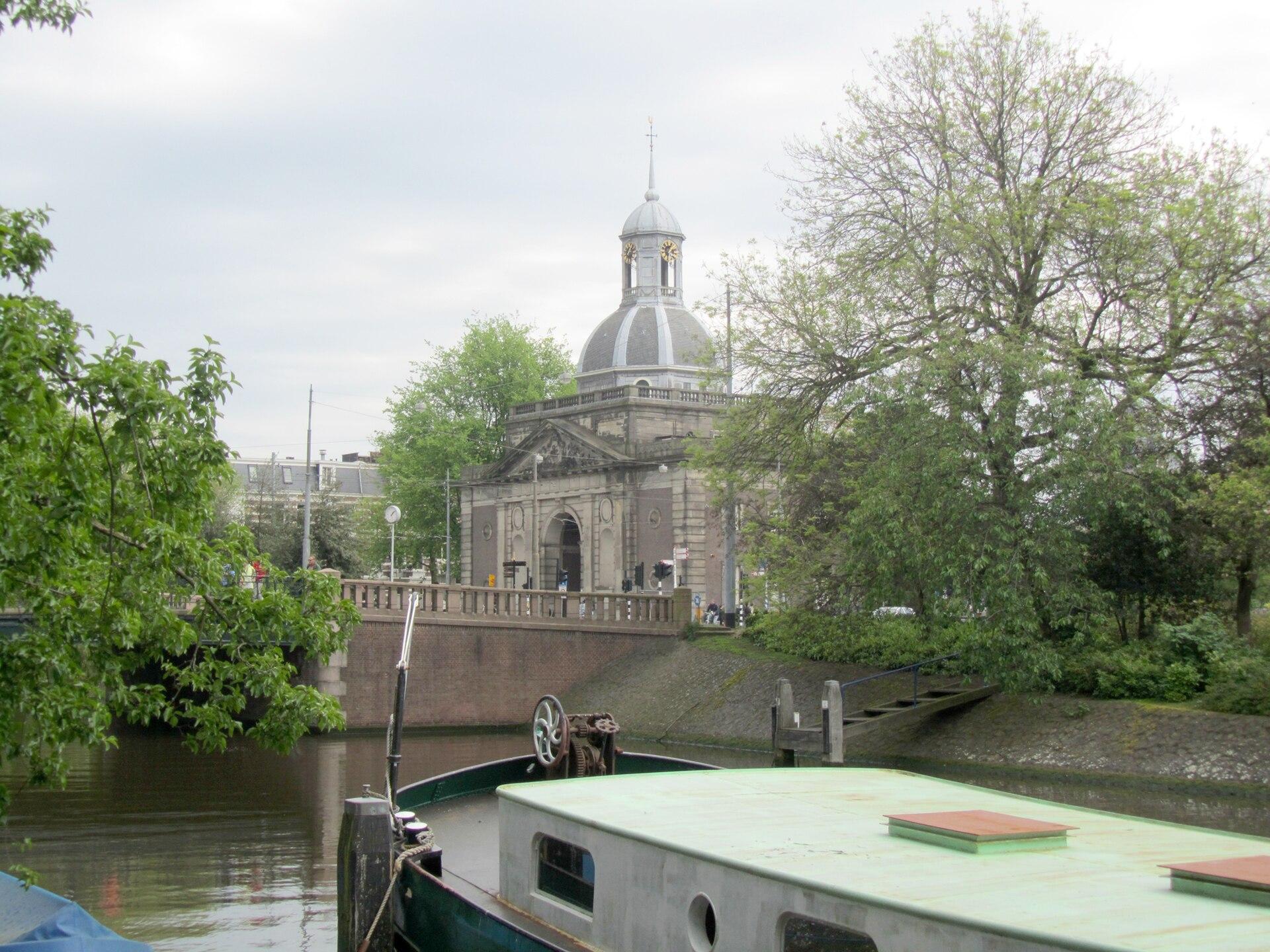
After Indonesia gained independence the word colonial disappeared from the name. It first became the Indisch Instituut and then the Koninklijk Instituut voor de Tropen, the Royal Tropical Institute, with the Tropenmuseum inside it, which since 2023 has been called Wereldmuseum Amsterdam. The gate in front of the main entrance is actually older than everything around it, since from 1770 it stood as the Muiderhek on the bridge by the Muiderpoort.
Sources. Story: Rijksdienst voor het Cultureel Erfgoed, monument number 526987; Koninklijk Instituut voor de Tropen, Our history; Wereldmuseum Amsterdam, on the 2023 merger Photos: Stadsarchief Amsterdam, image bank PRKBB00361000002 (public domain)