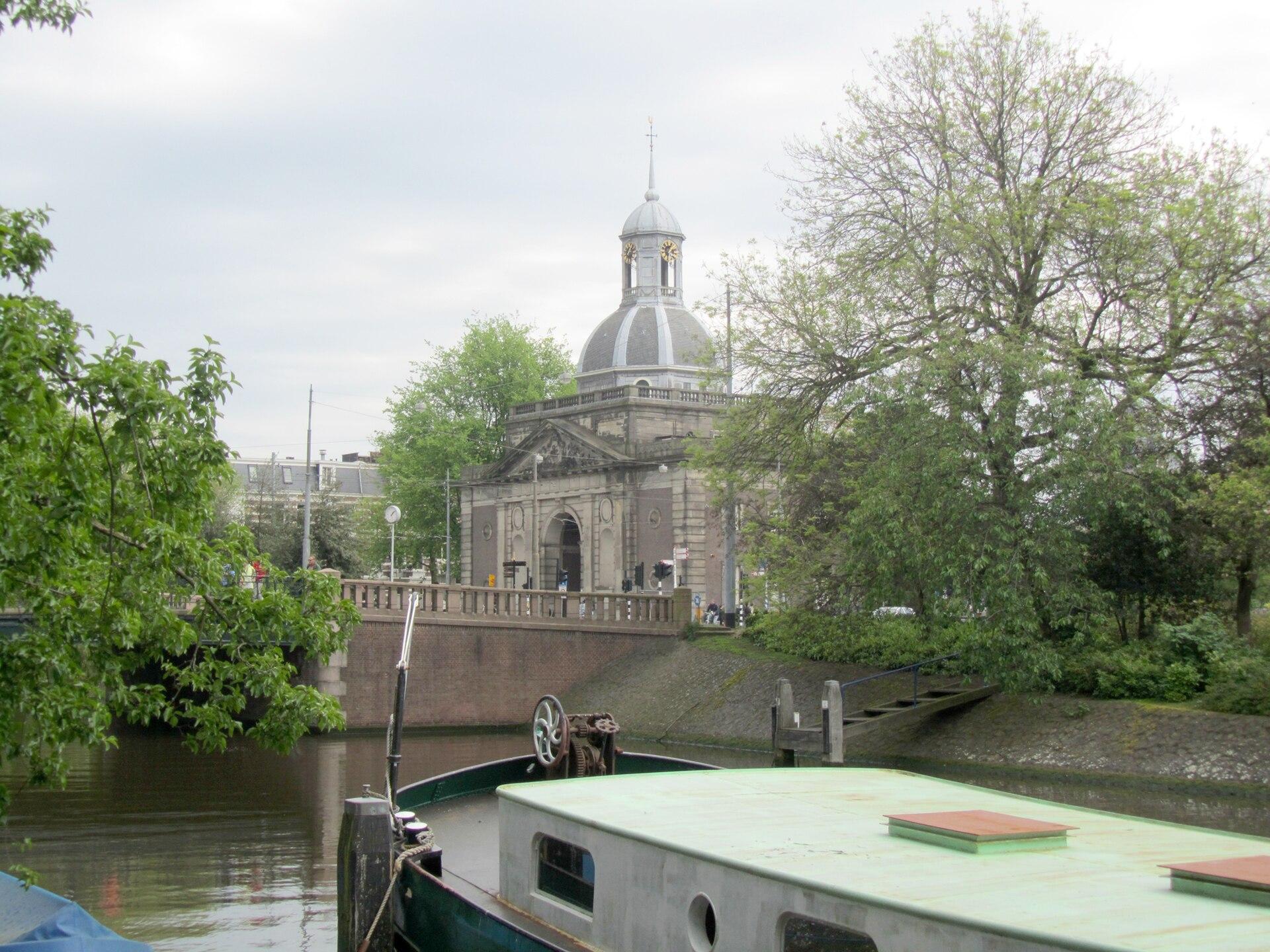
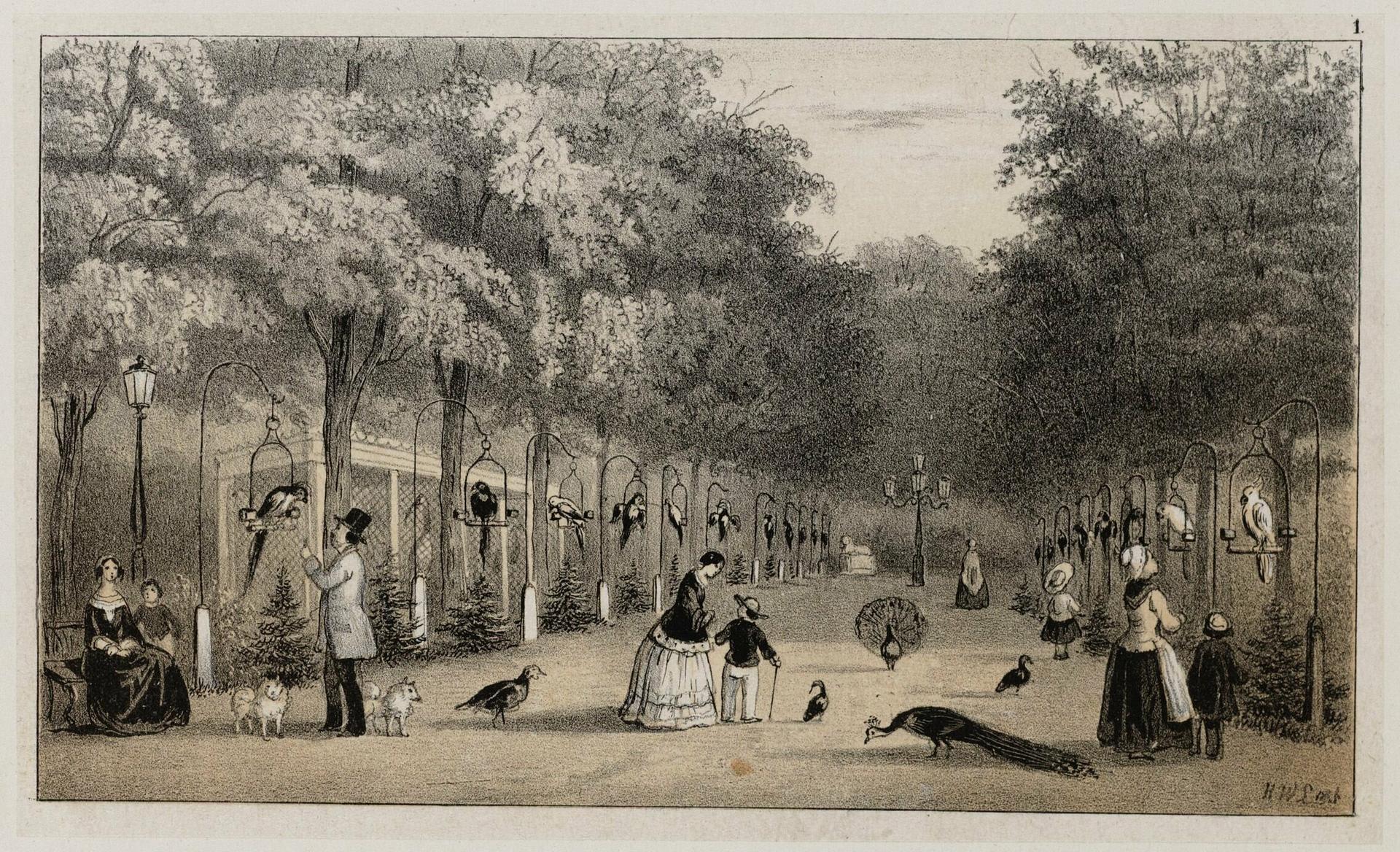
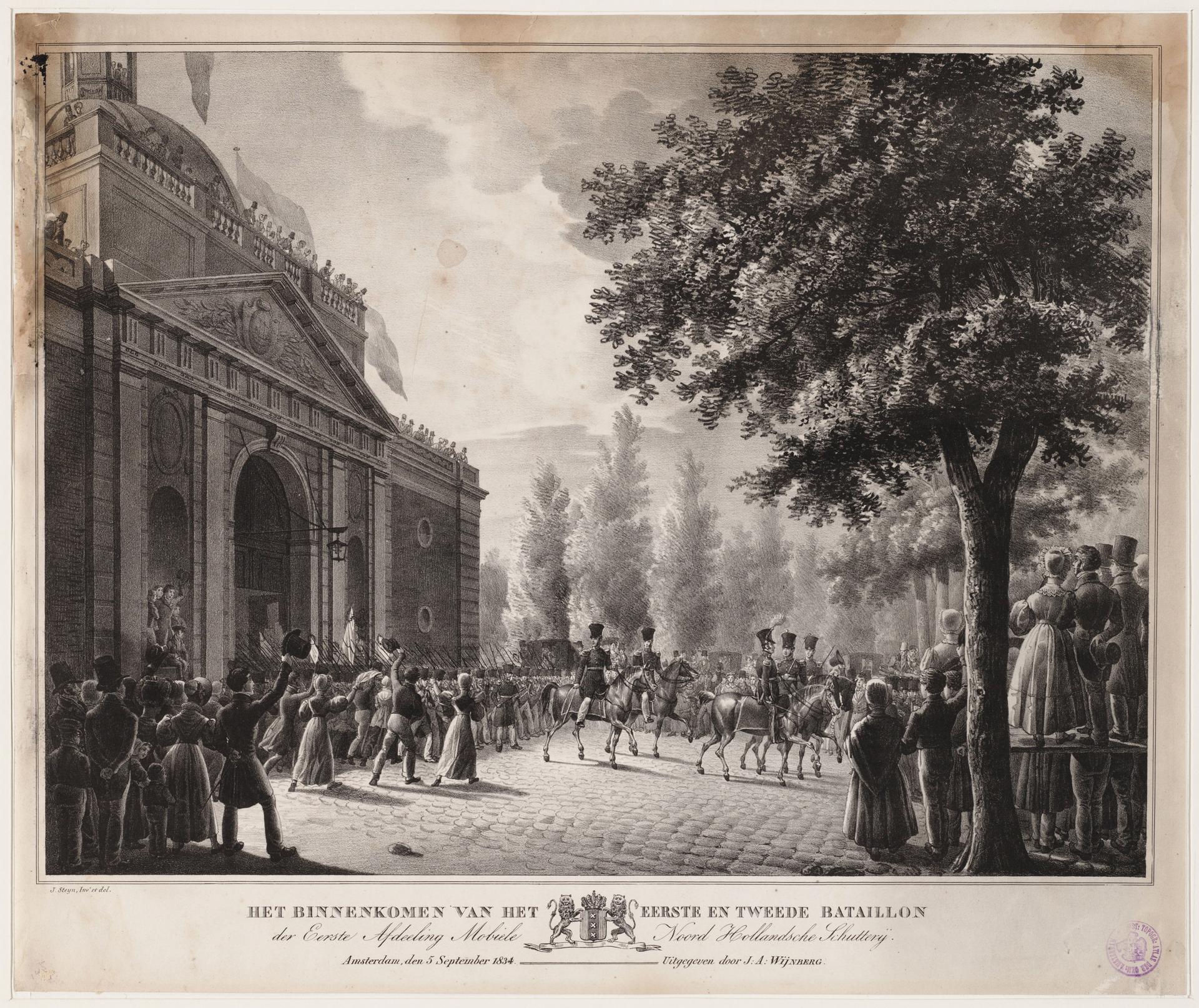
On Alexanderplein stands a gate topped by a small dome that once marked the eastern edge of Amsterdam. Anyone approaching the city from the east passed through here. After sunset the doors closed, and whoever arrived late waited until the following morning.
The gate you see is the second one. The first sank away in 1769 into the soft peat that Amsterdam is built on. City architect Cornelis Rauws designed the replacement, with the city's coat of arms in the middle of the pediment. Little other work of his survives: two years after it was finished he died in the fire at the city theatre, having first helped others get out.
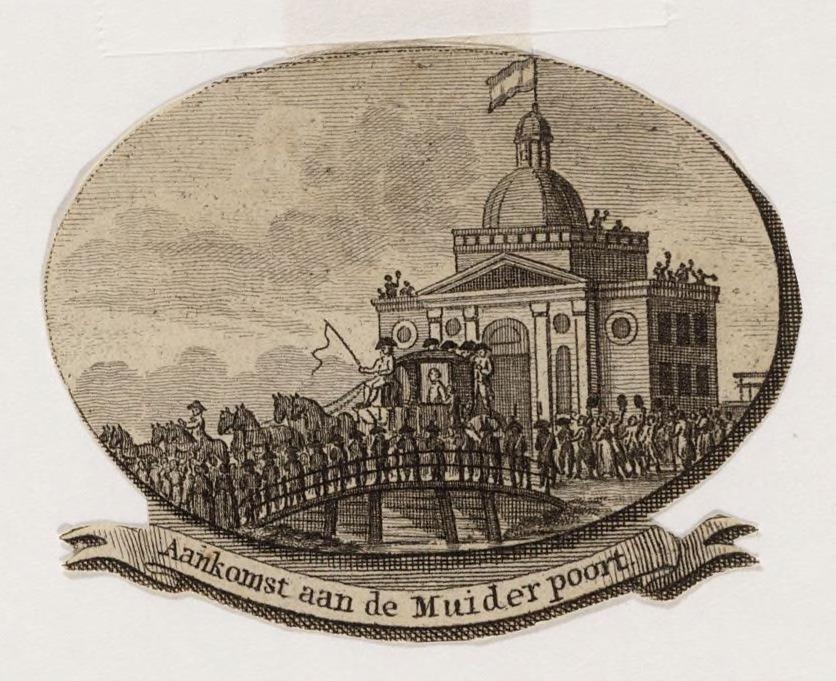
On 9 October 1811 rode into the city through this gate, and the mayor handed him the keys to Amsterdam. One of his first requests concerned food for his exhausted troops.
Two years later everything turned around. In November 1813 Russian camped outside this closed gate, three or four hundred of them according to an Amsterdammer who wrote it down at the time. Their arrival was enough: within days the French symbols vanished from the city and Amsterdam invited to return.
Once the city outgrew its old boundary in the nineteenth century, the gate lost its purpose. looks after the building today.
Sources. Story: Dutch National Monuments Register, monument no. 5139 (Cultural Heritage Agency of the Netherlands). Willem de Clercq, Woelige weken: november-december 1813 (dbnl.org). Photos: Amsterdam City Archives