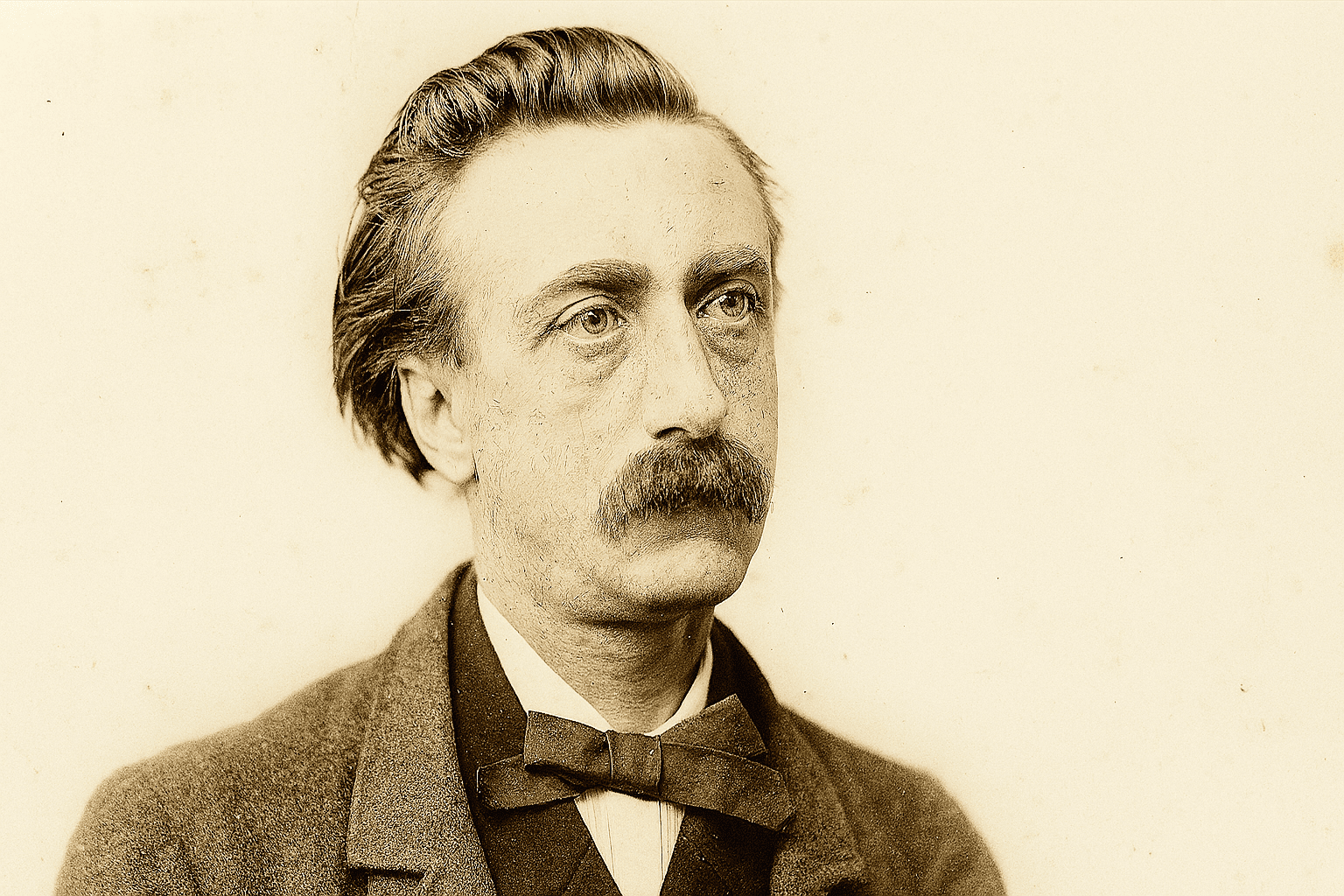
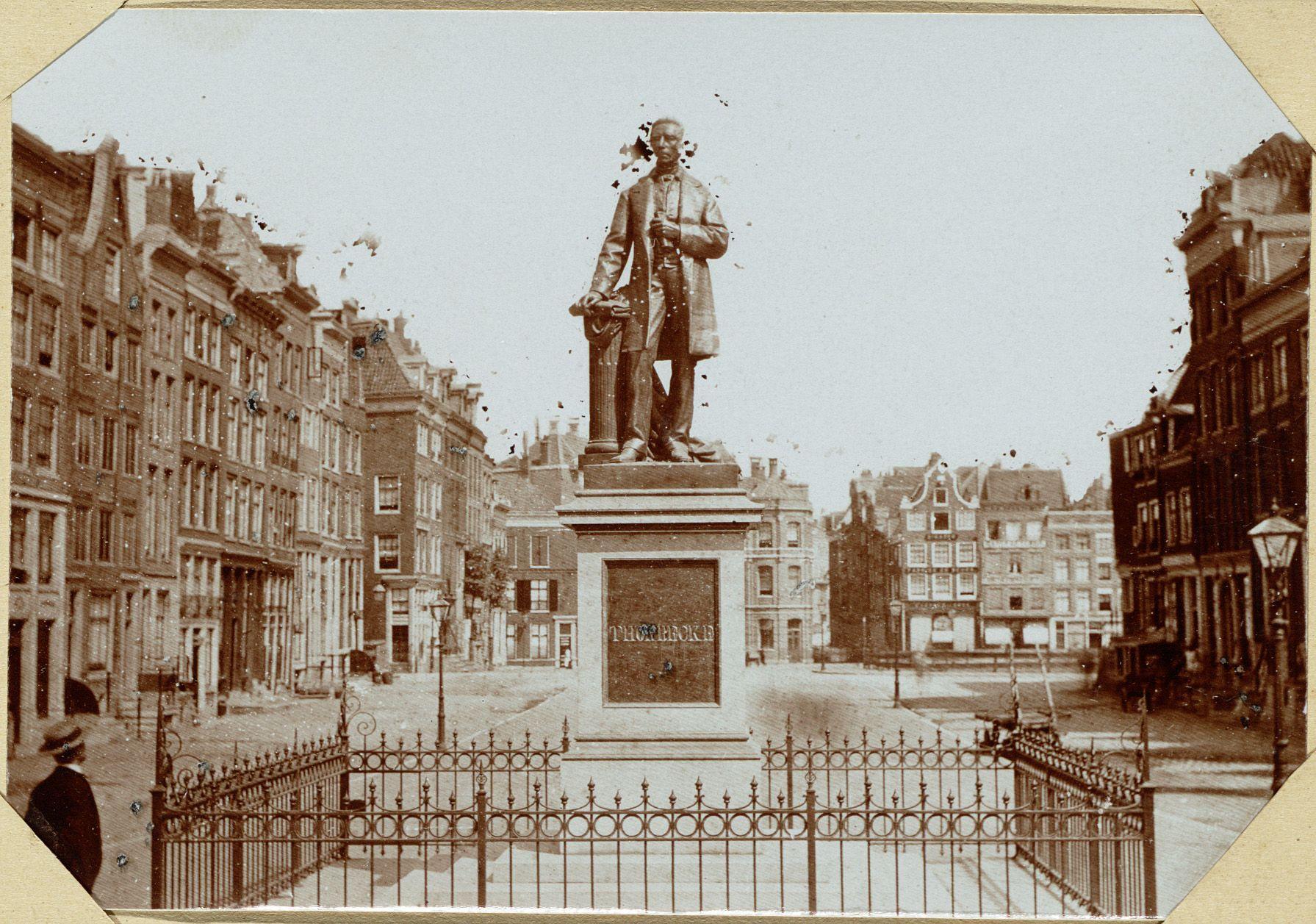
Jan Rudolph Thorbecke, born on 14 January 1798 in Zwolle, grew up in a modest family. With his family's last bit of savings, he studied literature at Leiden University. After his studies, he mainly held professorships at various universities.
However, Thorbecke gained fame mainly as a politician. In 1840, he began his political career as a member of the . He was a passionate advocate of democratic reforms and argued for a greater role for parliament. He considered parliament the most important institution in Dutch politics and believed that the government should be accountable to parliament.
At the time, Thorbecke's ideas were quite controversial. Dutch politics was dominated by a small group of conservative aristocrats, who had little interest in democratic reforms. But Thorbecke persevered and eventually succeeded in pushing through his ideas.
In 1848, Thorbecke was commissioned by to draft a new constitution. This task was of great importance as the constitution defined the power of both the king and parliament. Thorbecke used this opportunity to incorporate his ideas on parliamentary democracy into the constitution. The new constitution gave parliament significantly more power and made the government accountable to parliament.
The new constitution proved to be a great success. Thorbecke became prime minister and introduced important reforms, including the introduction of and the abolition of capital punishment. However, his most important achievement was the establishment of parliamentary democracy in the Netherlands. Thanks to his reforms, parliament became the main institution in Dutch politics and the power of the king was limited. In total, Thorbecke served as prime minister three times. In his last term, when he fell ill, the whole country sympathised intensely with his final days. Five days before his death, on 4 June 1872, he allowed , a well-known Dutch advocate of women's rights, to be the first woman to be admitted to a university.
Today, we can still see Thorbecke's influence. The Netherlands is one of the oldest democracies in the world and parliamentary democracy is an essential part of our political culture.
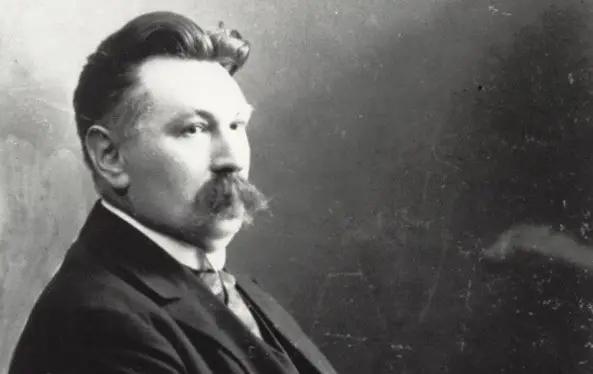
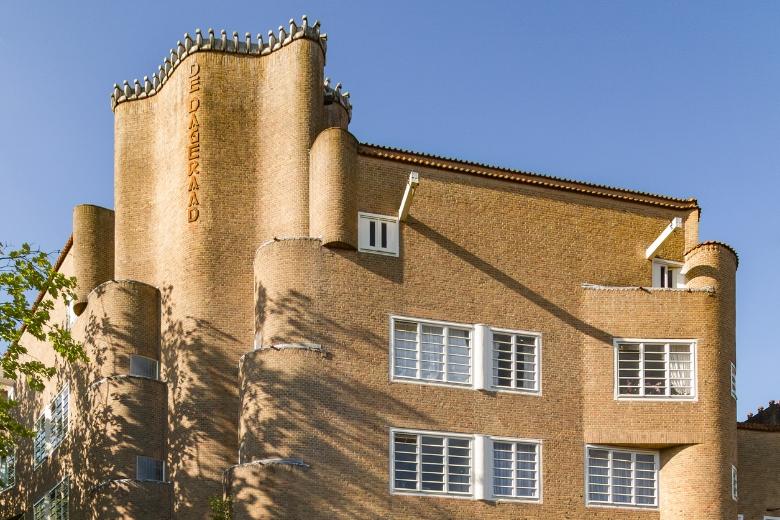
Sources. Photos: 1. Andries Jager, Public domain, via Wikimedia Commons Photo 2 & 3: With gratitude to the Stadsarchief Amsterdam for making the attached photographs publicly accessible and preserving the city’s history for all.