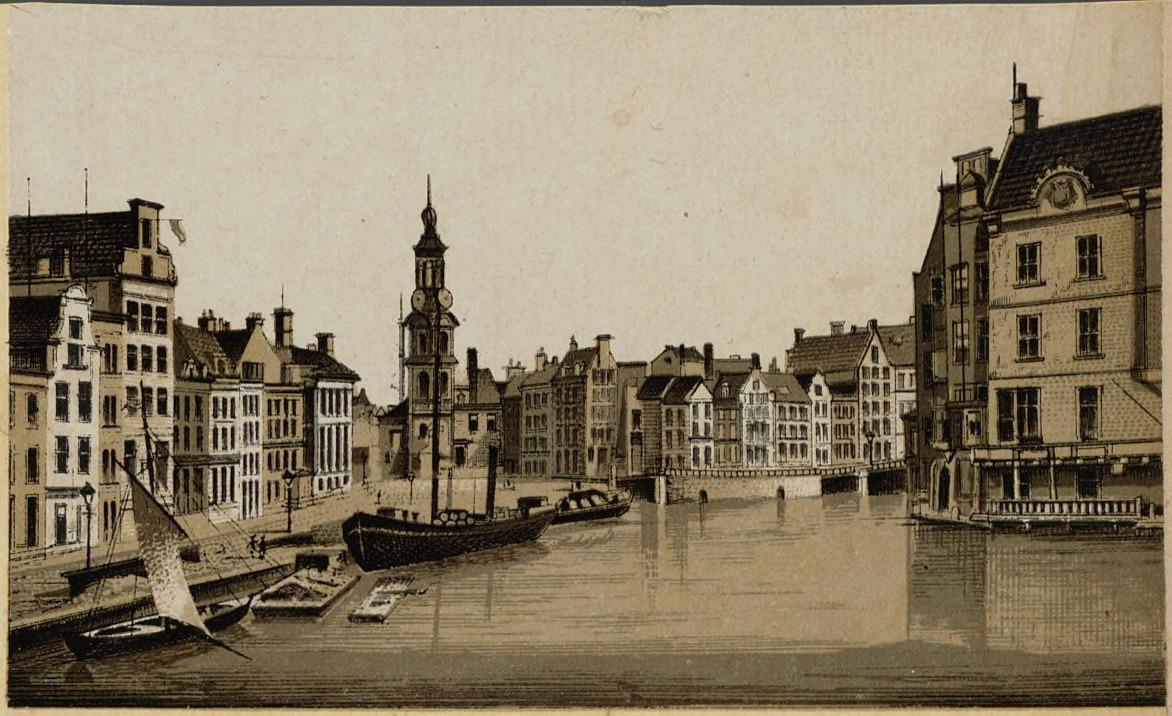
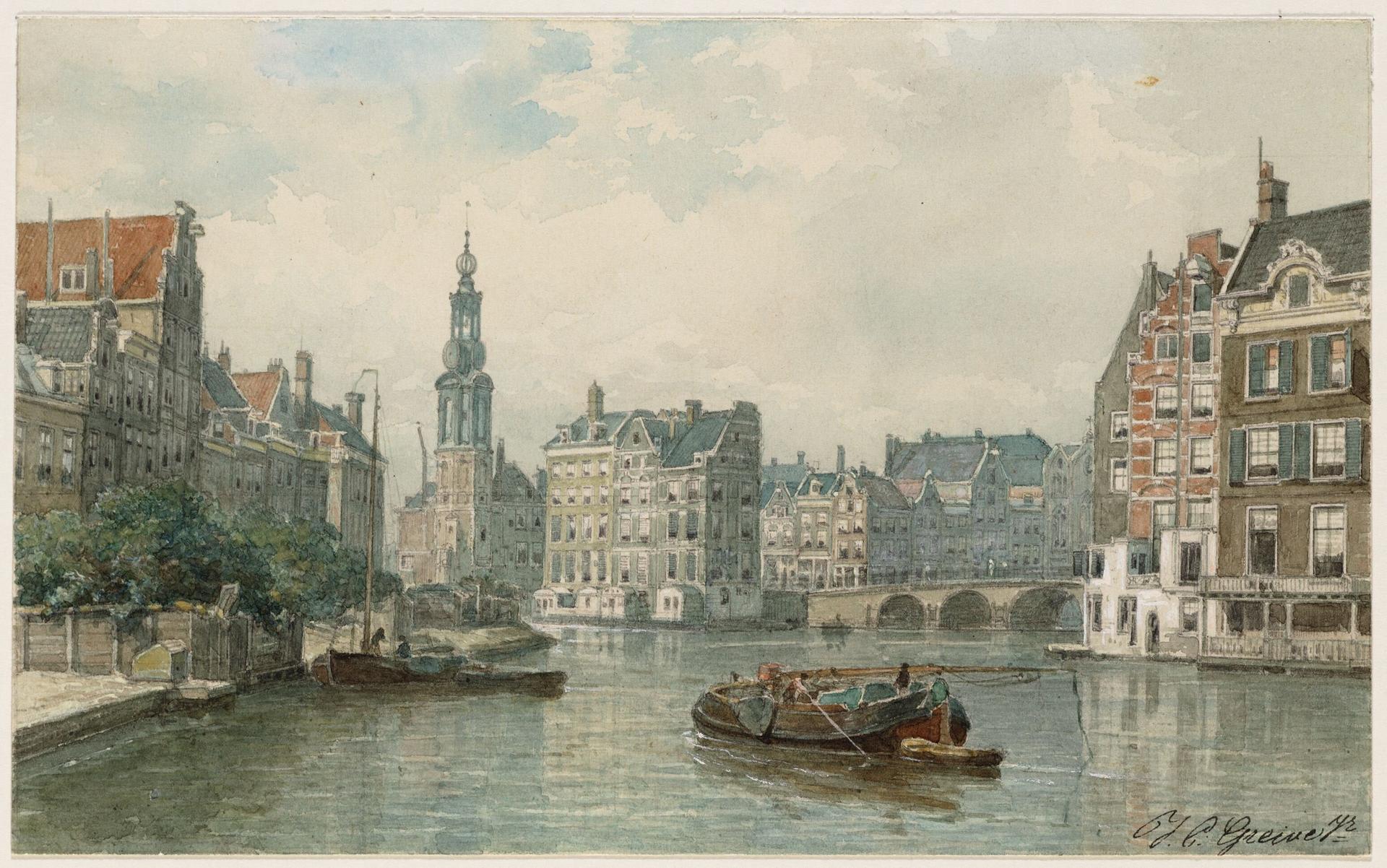
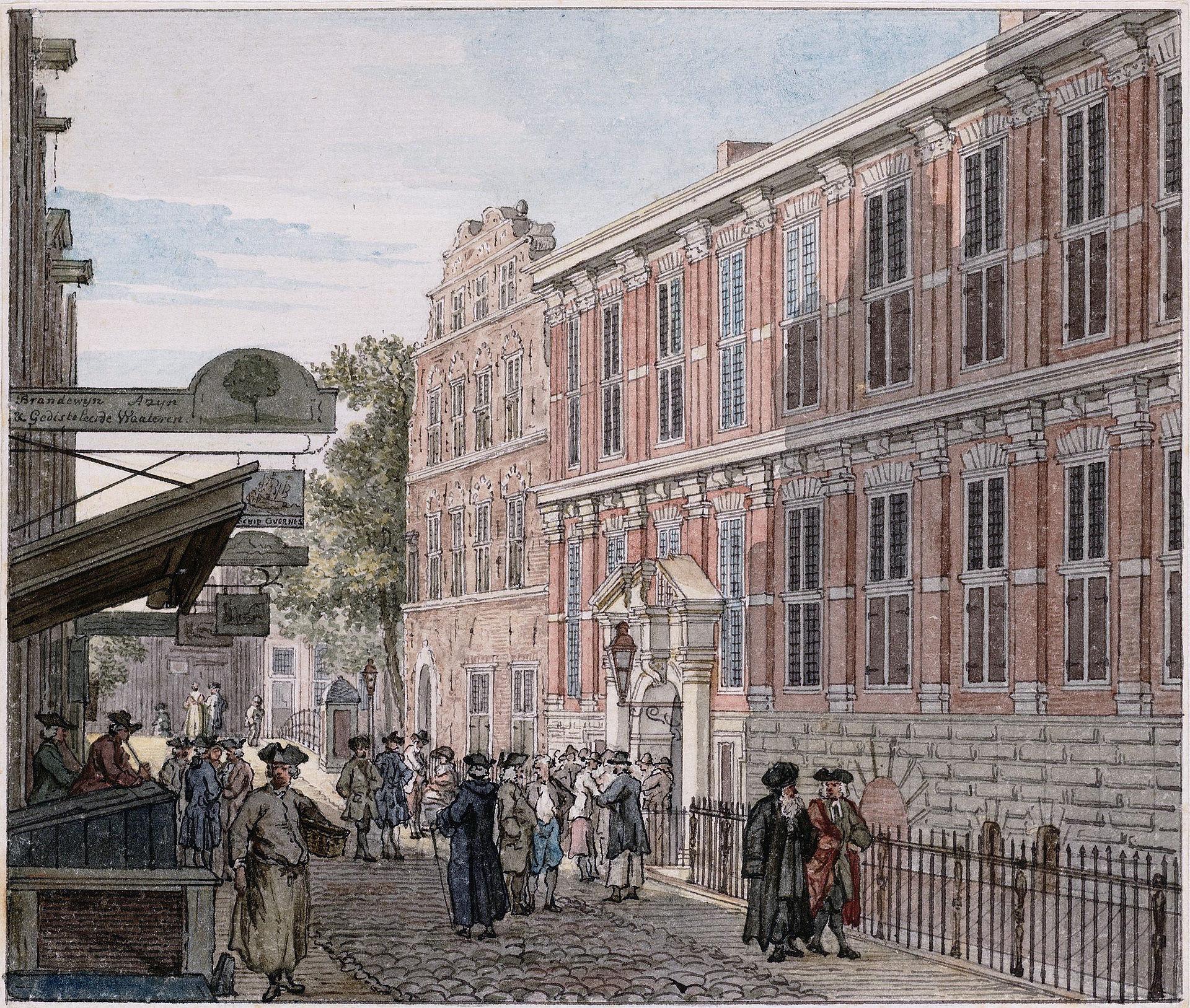
This tower on the waterfront was not always a tower, but once served as a city gate. The Munttoren was the , one of the gateways in the medieval city wall, through which everyone who wanted to enter Amsterdam had to pass. Farmers with carts full of vegetables, fish, and dairy products; merchants with their goods; travelers from outside the city. This was where the city began.
In 1672, its function changed. That year is known in the Netherlands as the “,” the moment when France, England, and two German bishoprics simultaneously attacked . The regular supply of silver coins came to a halt, and Amsterdam had to quickly start minting its own coins to keep trade going. That happened right here, in the gatehouse, and that’s where the name “de Munt” (the Mint) comes from.
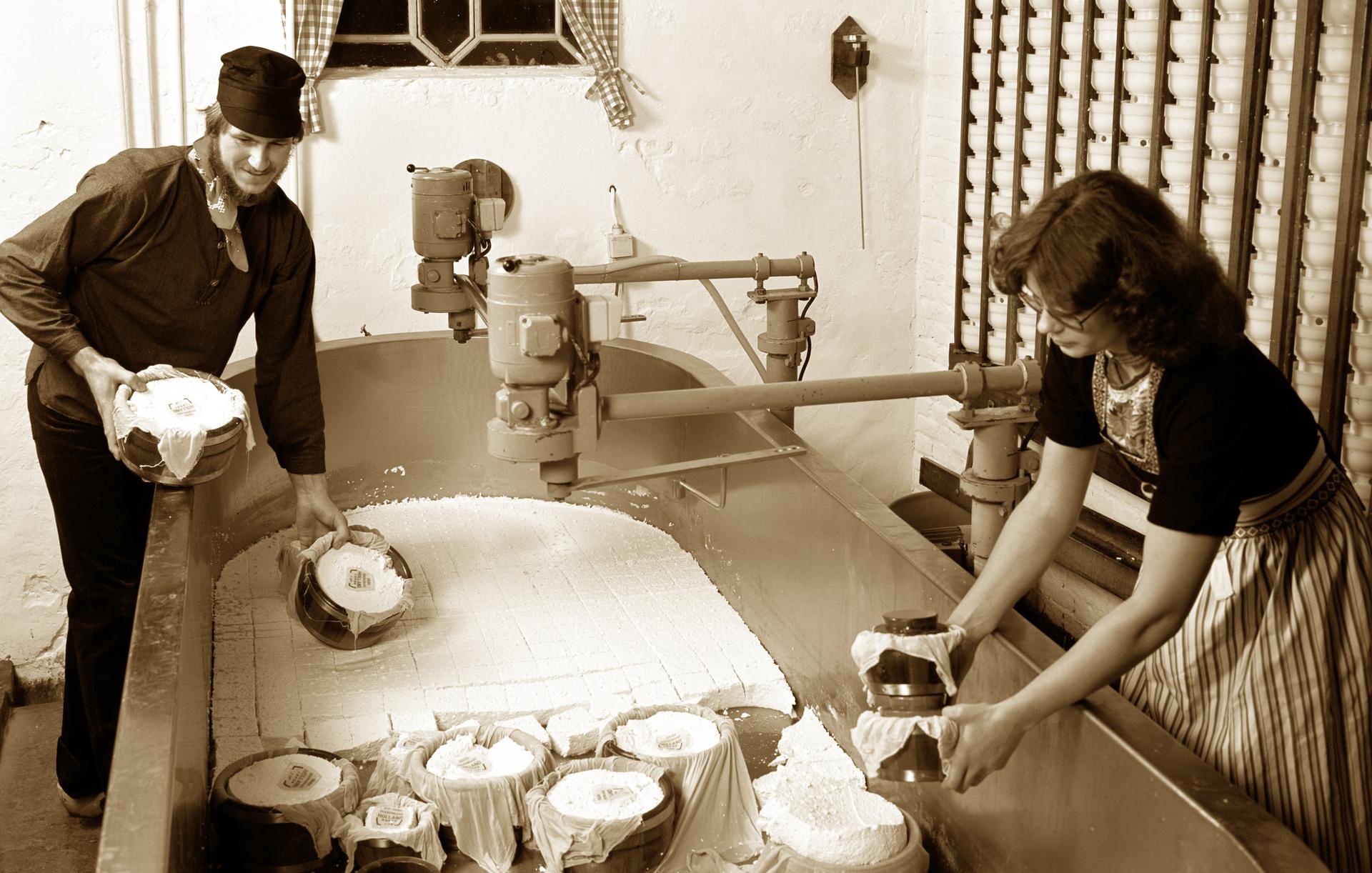
The location is no coincidence. The gate stood on the edge of the old market area, on the border between the city and the surrounding countryside. Everything that the farmers from North Holland brought to the city passed through here on its way to the market. Cheese was a staple of that trade, as the villages north of Amsterdam lived off milk and made cheese from it that was traded throughout the city. Anyone standing here was at the junction where the countryside and the trading city met.
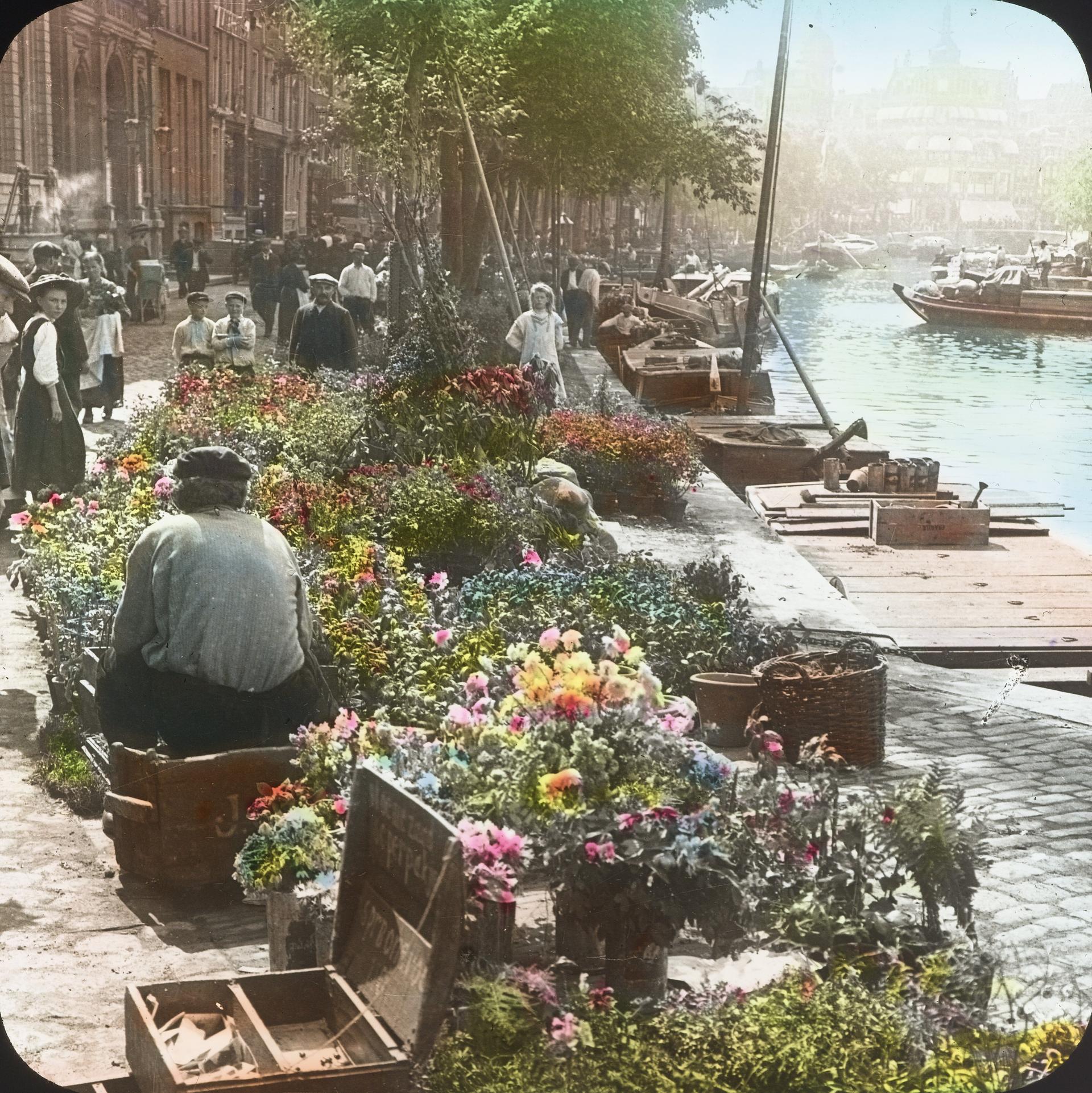
From the tower, we cross the little bridge and immediately turn right. There, our next stop floats on the water—a row of stalls you can’t miss.
 Stop 6 of 13The Henri Willig walk70 min walk · 13 stories · Free
Sources. Story: ROODS production 2026; verified historical sources Photos: Henri Willig 2026 copyright protected | Stadsarchief Amsterdam