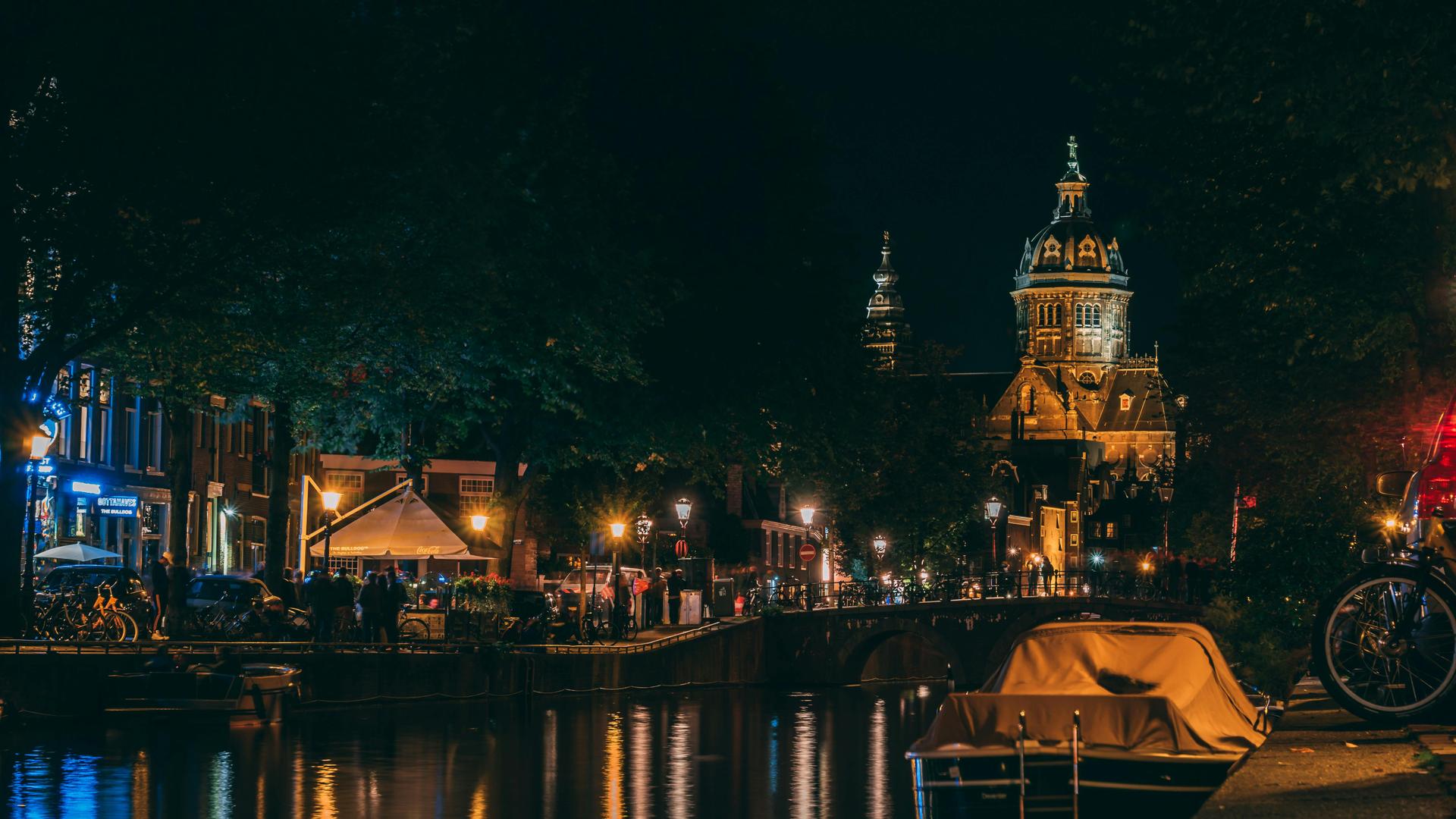
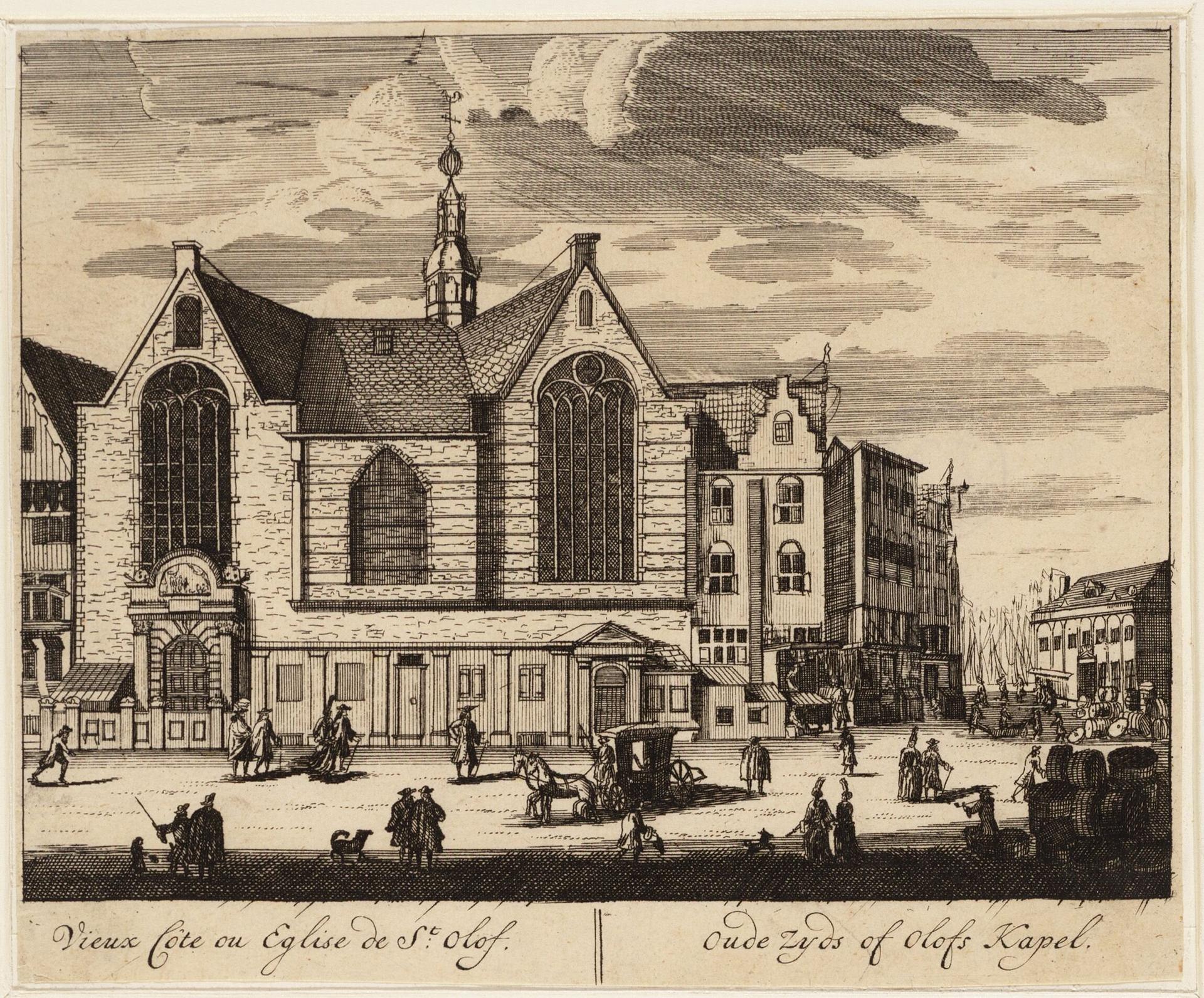
This chapel at the beginning of the Zeedijk is named after a Norwegian king, , and that is no coincidence. The name reveals just how strongly this part of Amsterdam was oriented toward the north. Here, near the old harbor, merchants from Germany and Scandinavia who traded on the settled, and a saint from their own world was an integral part of that.
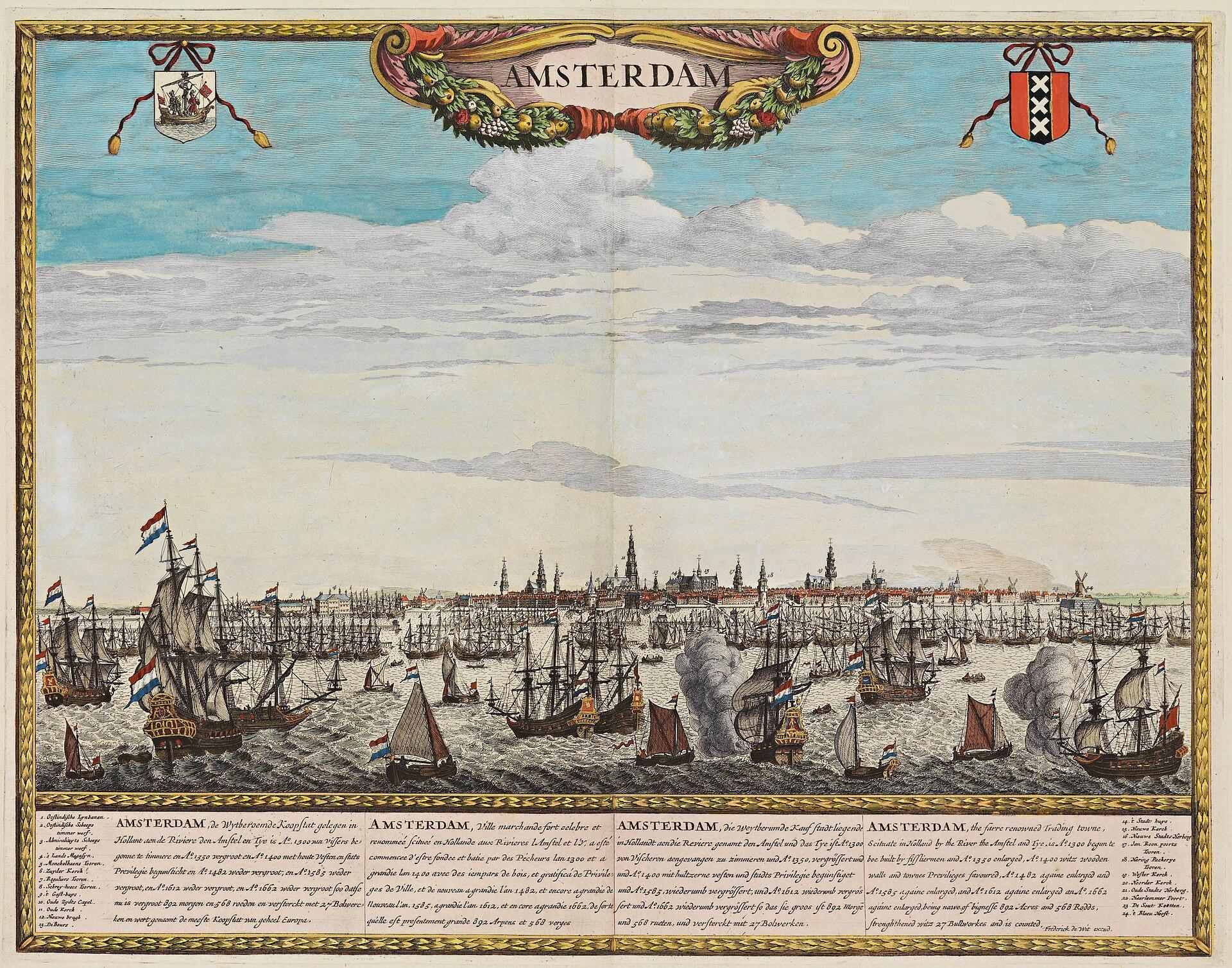
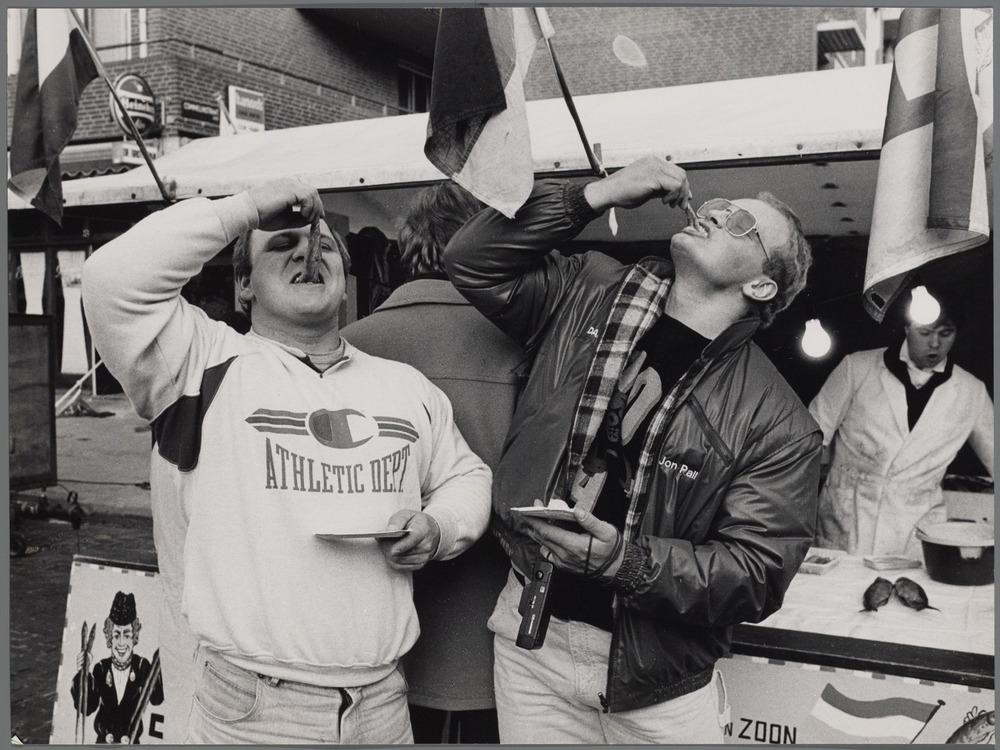
For centuries, that Baltic Sea trade was the true driving force behind Amsterdam’s wealth. Everyone knows the stories about spices and distant voyages to Asia, but the big money was made much closer to home, on the route to the north. Amsterdam imported grain from the Baltic countries and, in exchange, sold its own products there. Two of these were herring and cheese. The hard Dutch cheeses traveled by sea to Poland, Germany, and Scandinavia, where they were eaten and resold.
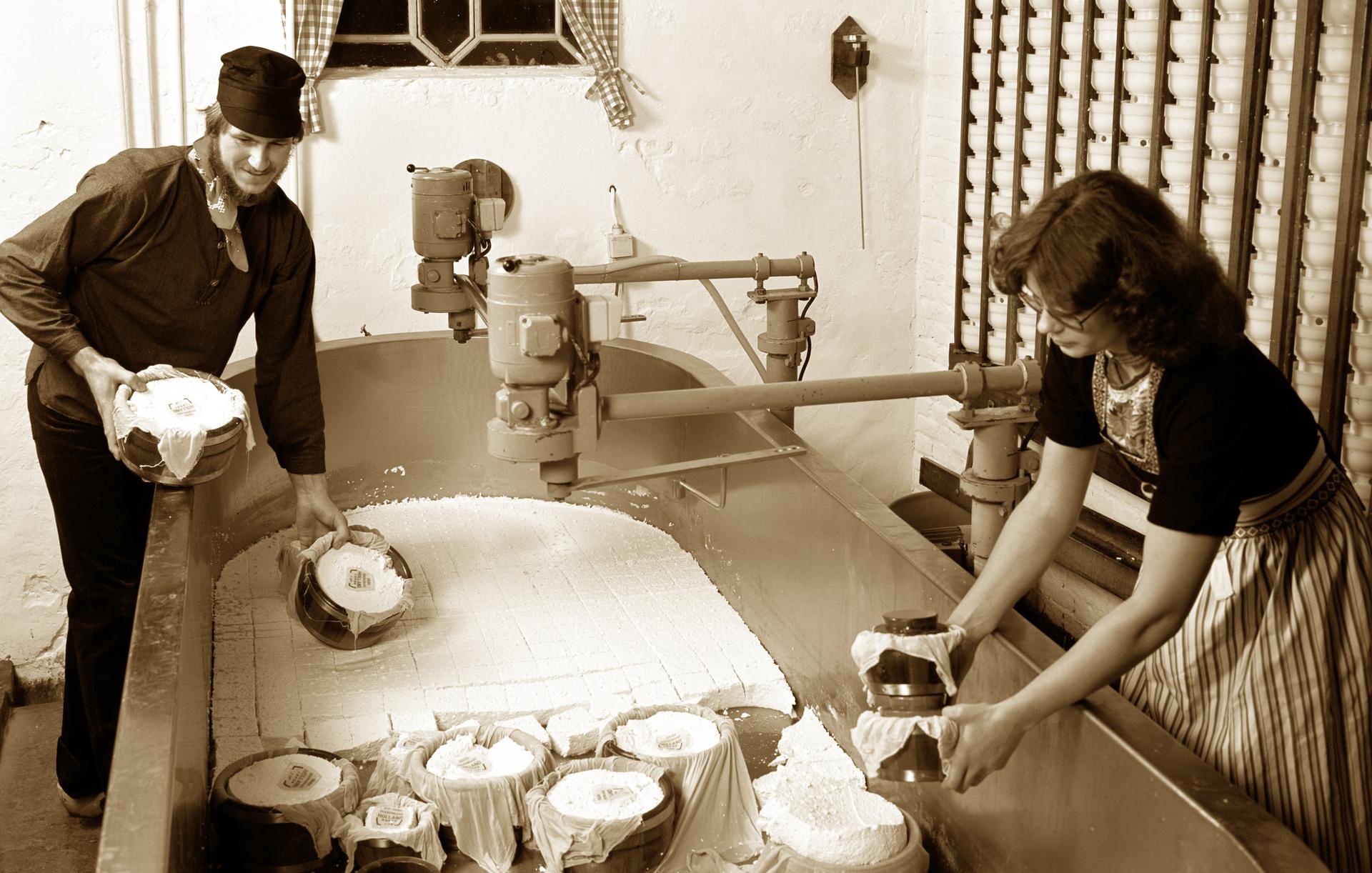
And the connection to cheese has endured, right up to the present day. As you can see in the attached photo, the Olof Chapel served as the city’s weekly cheese market in the 1950s. Where merchants’ masses were once held, centuries later the cheeses were displayed.
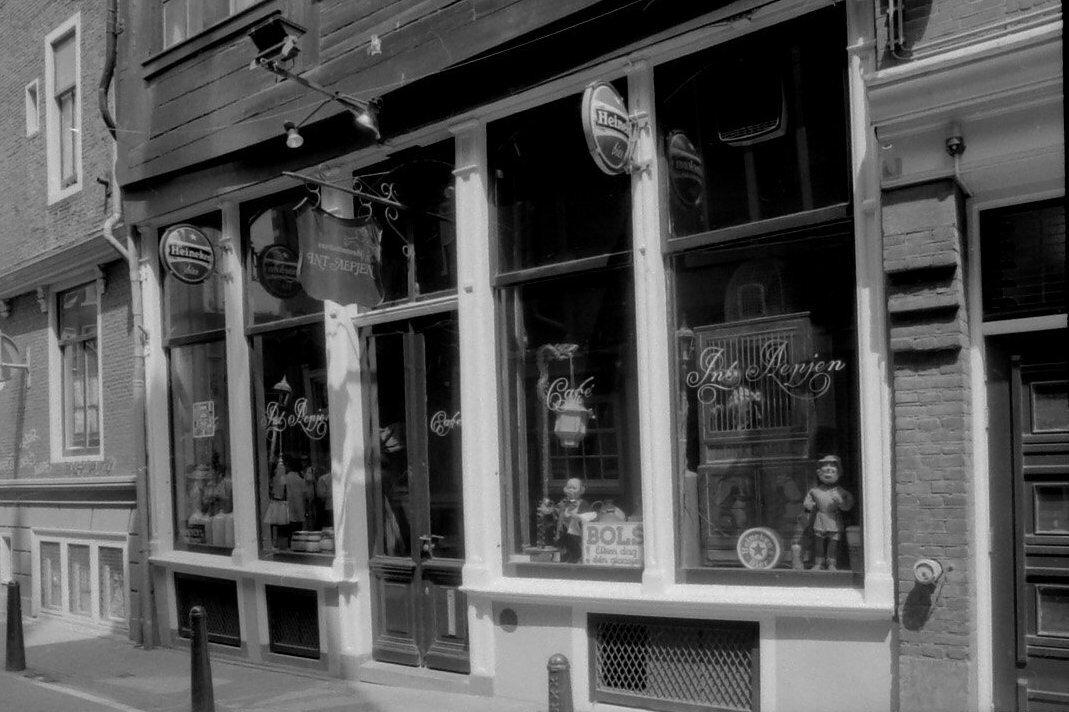
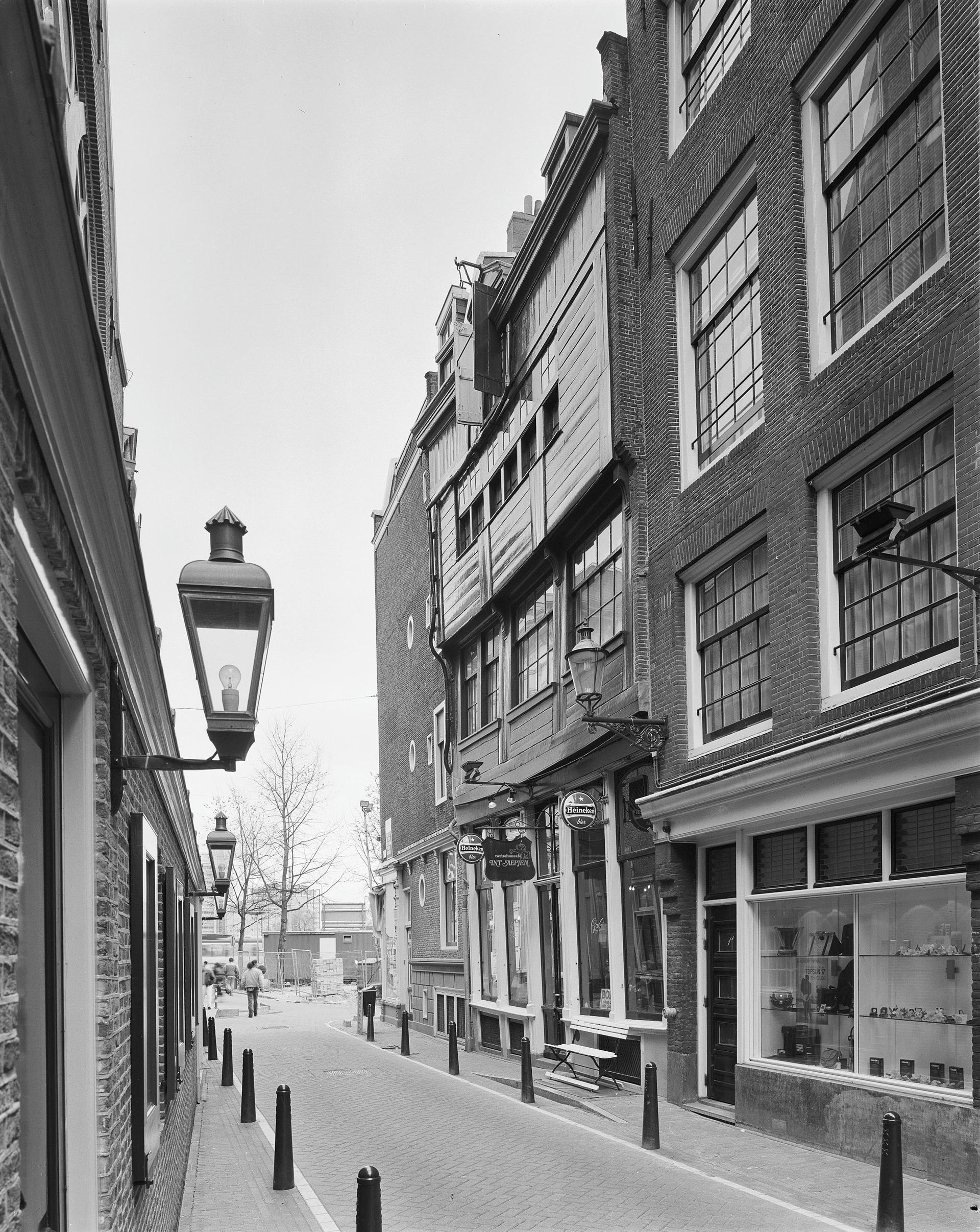
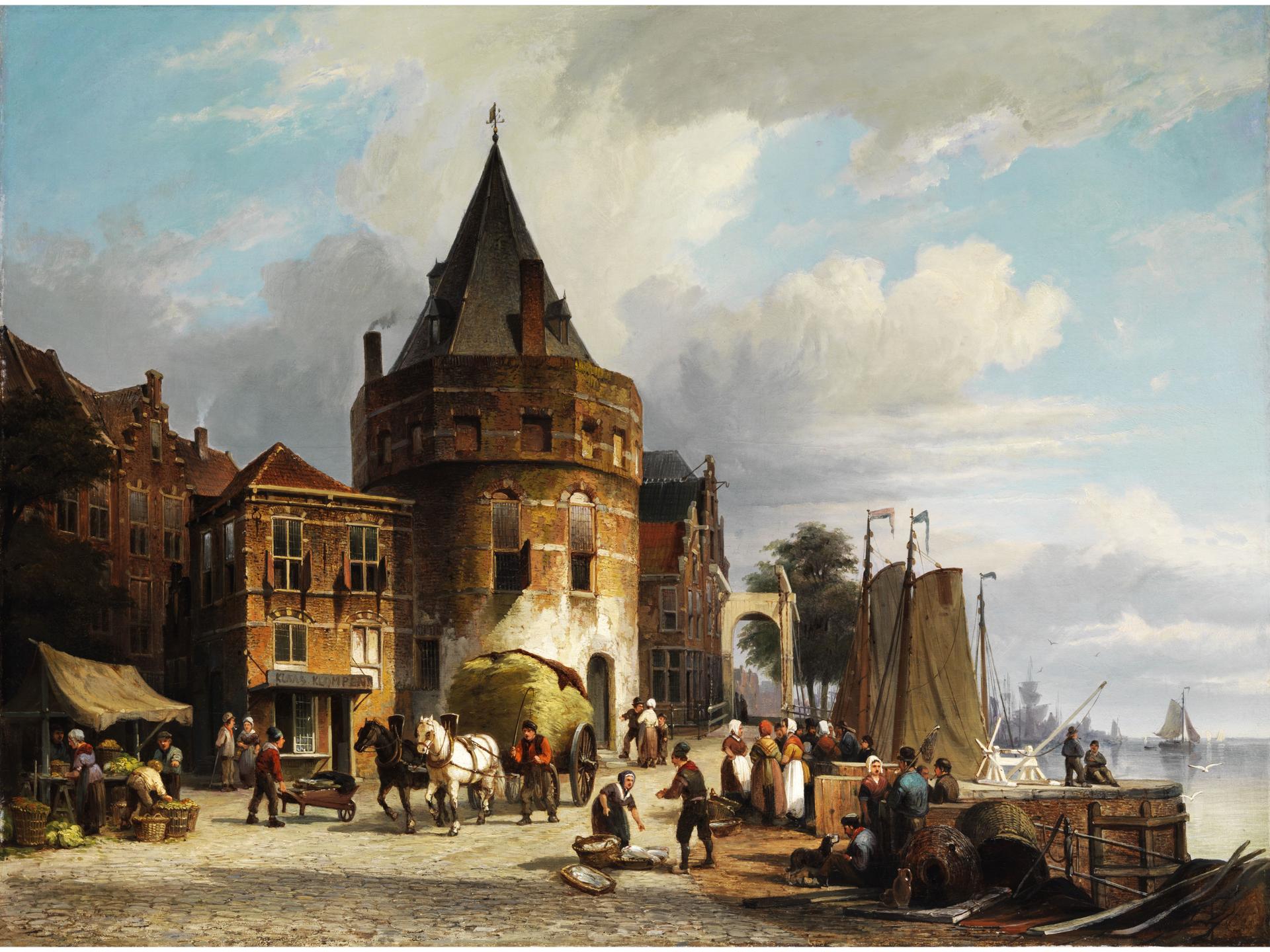
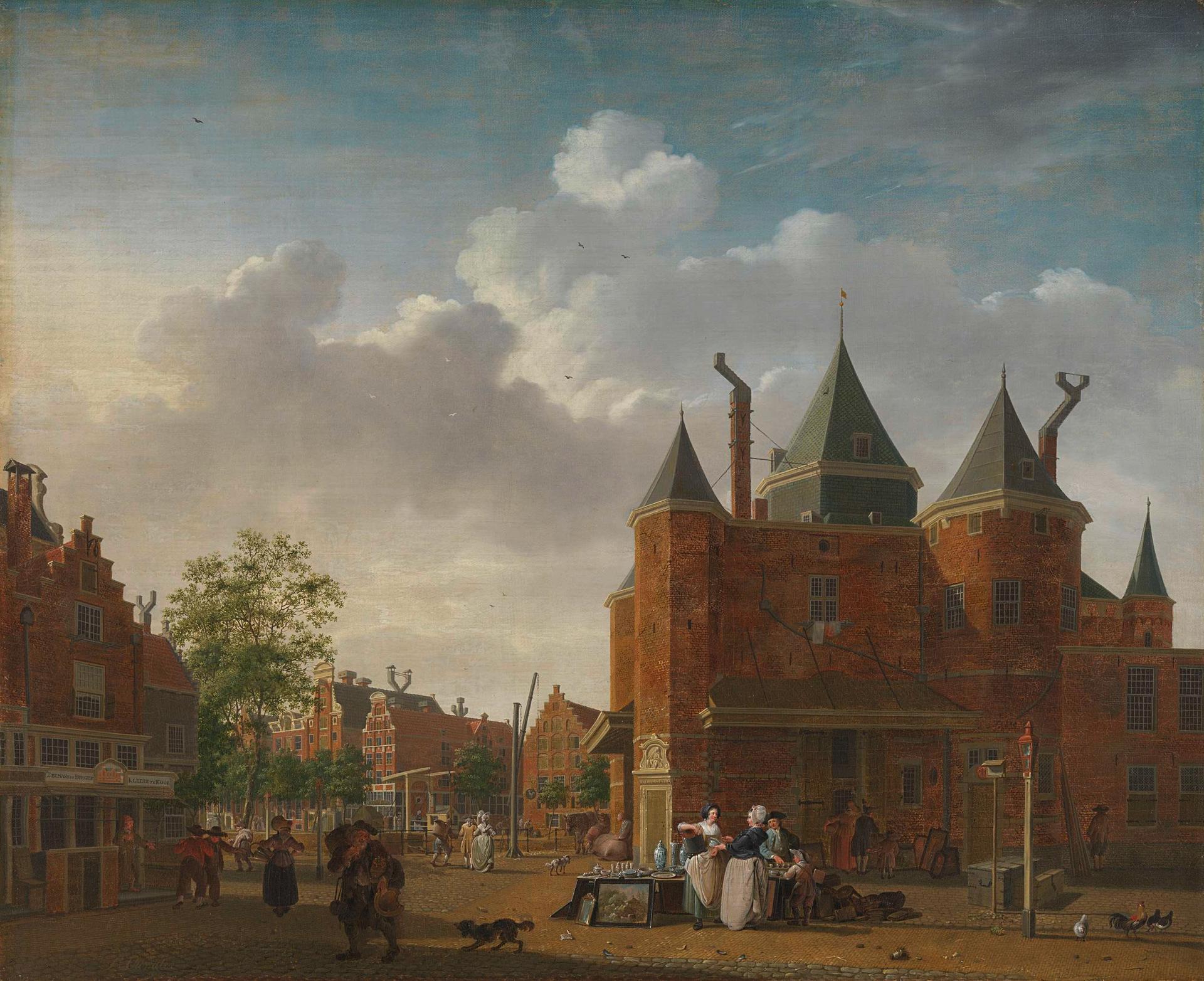
From here, we walk up Zeedijk, one of the city’s oldest streets. The street still runs along the original seawall from 1275, which once protected Amsterdam from the , and you’ll pass one of the city’s last remaining medieval wooden houses. Today, this is the heart of Chinatown, so enjoy the aromas and the facades along the way. At the end of the street lies the , with our next stop right in the middle of the square: a massive medieval building with turrets.
 Stop 3 of 13The Henri Willig walk70 min walk · 13 stories · Free
Sources. Story: ROODS production 2026; verified historical sources Photos: Henri Willig 2026 copyright protected | Stadsarchief Amsterdam