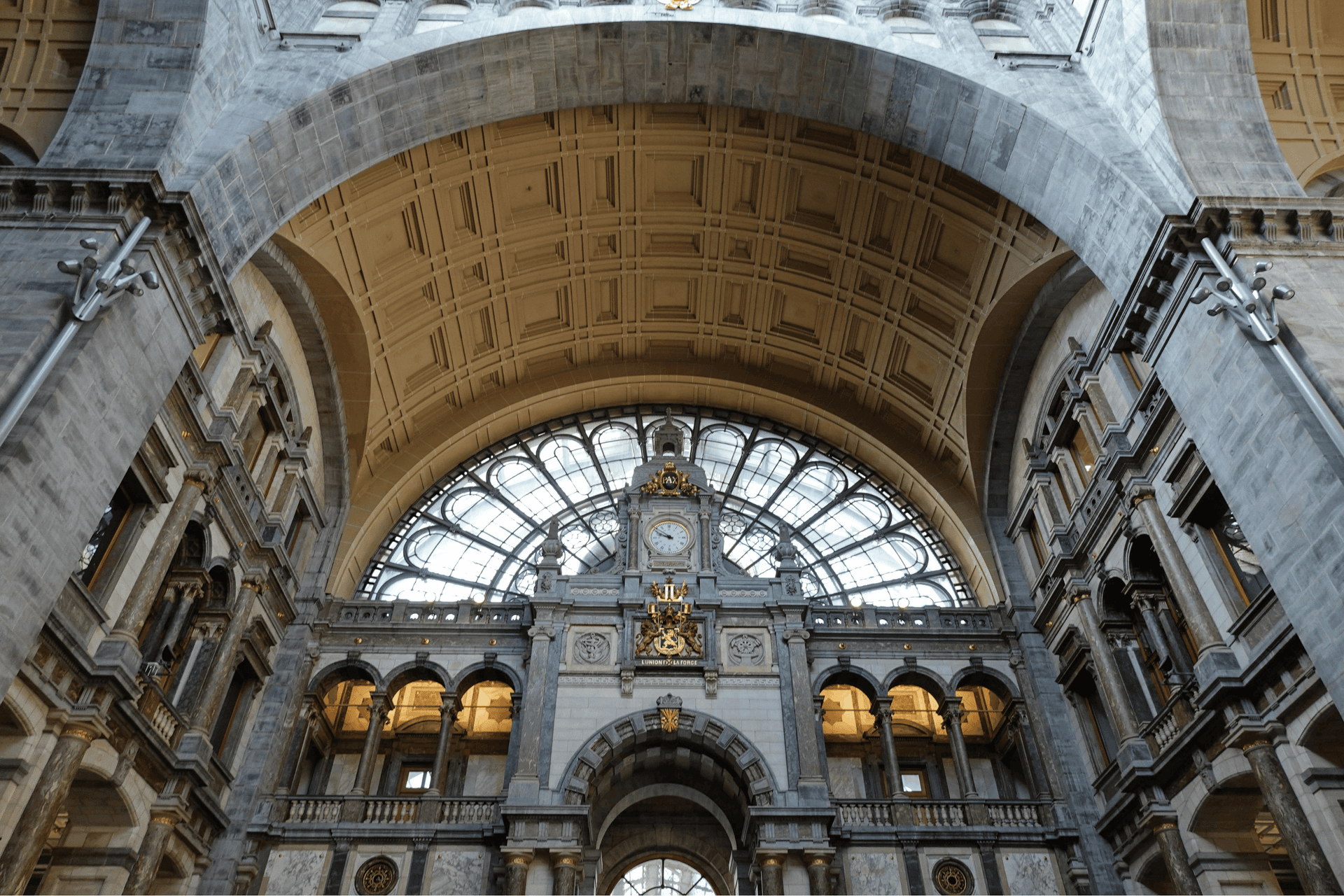
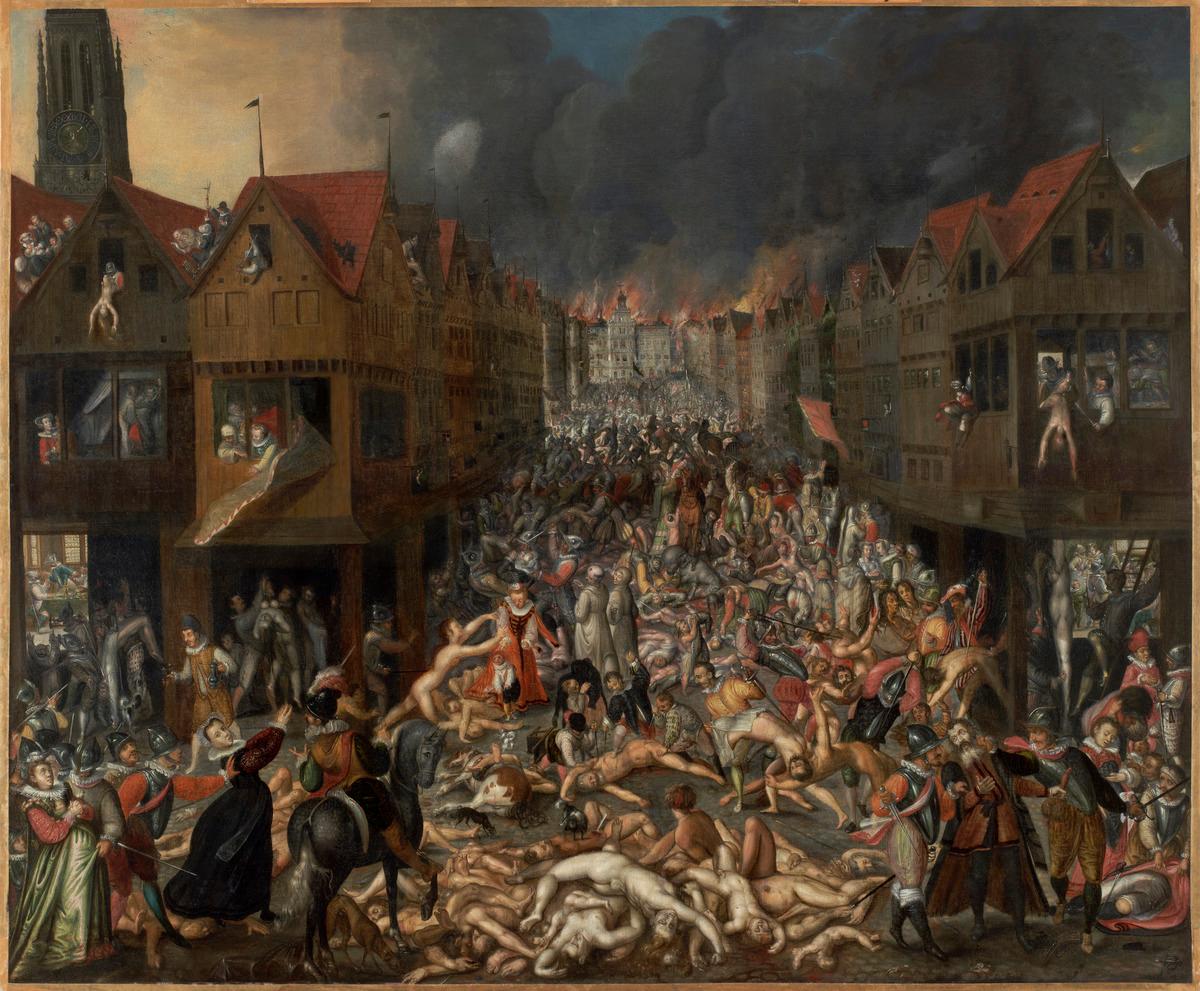
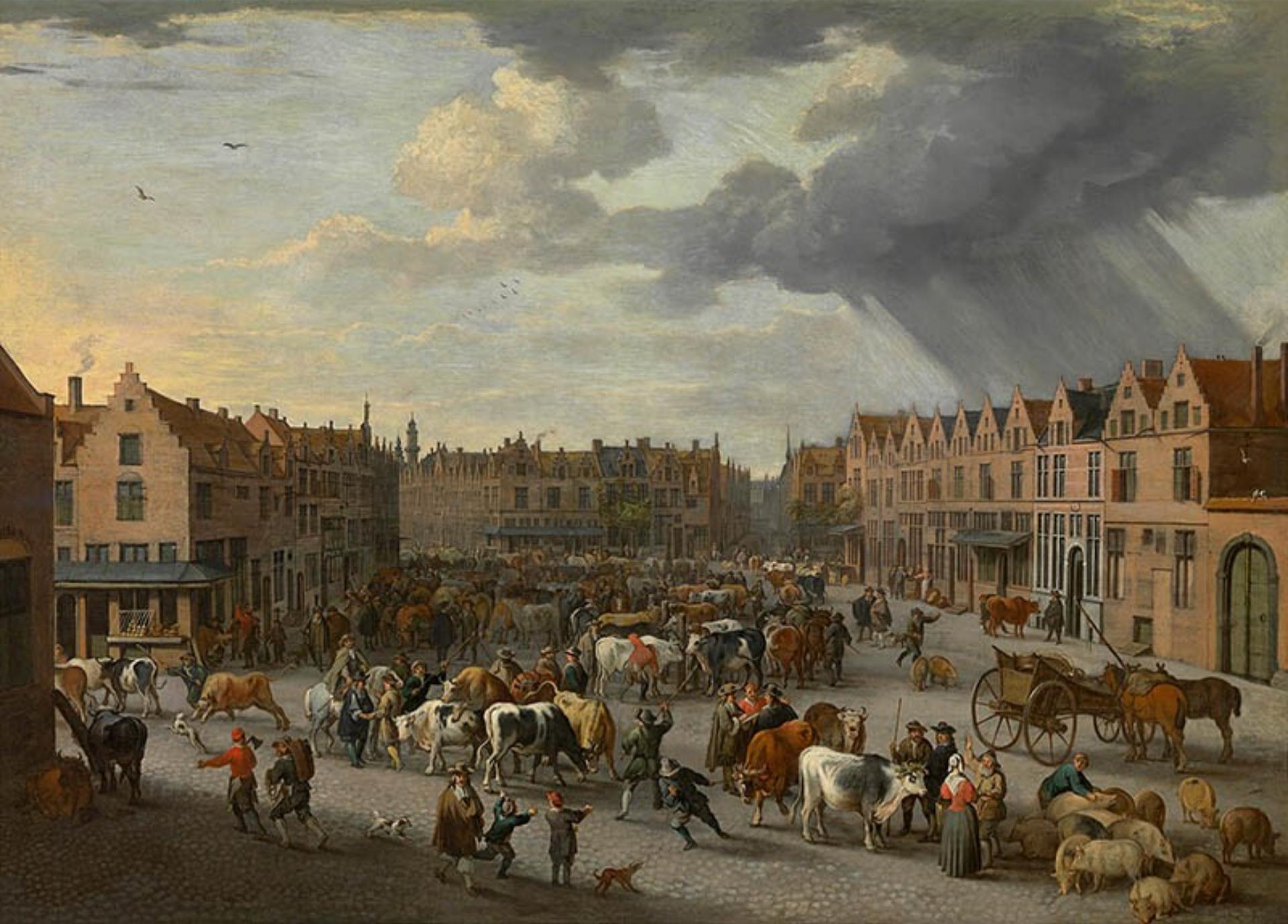
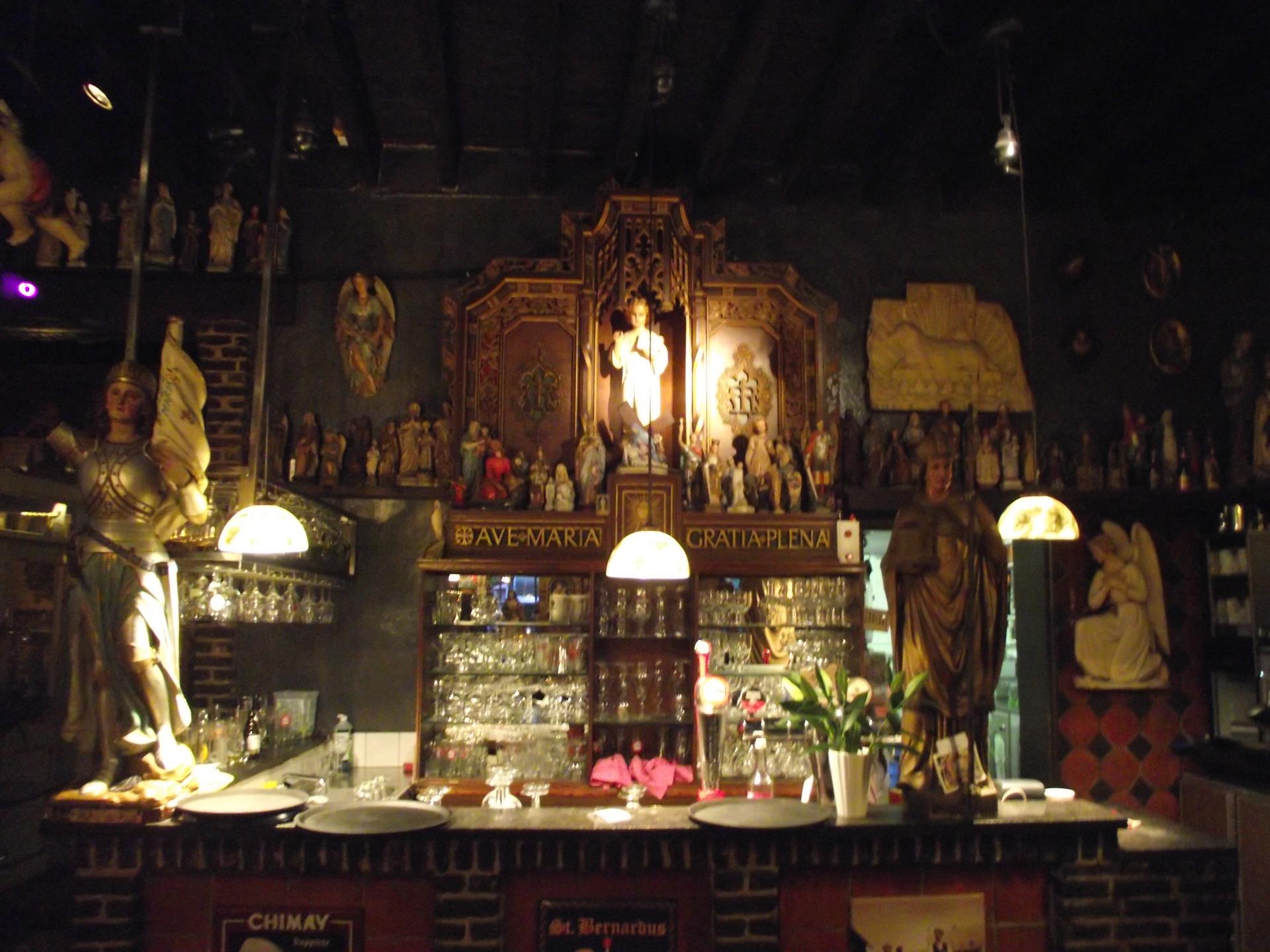
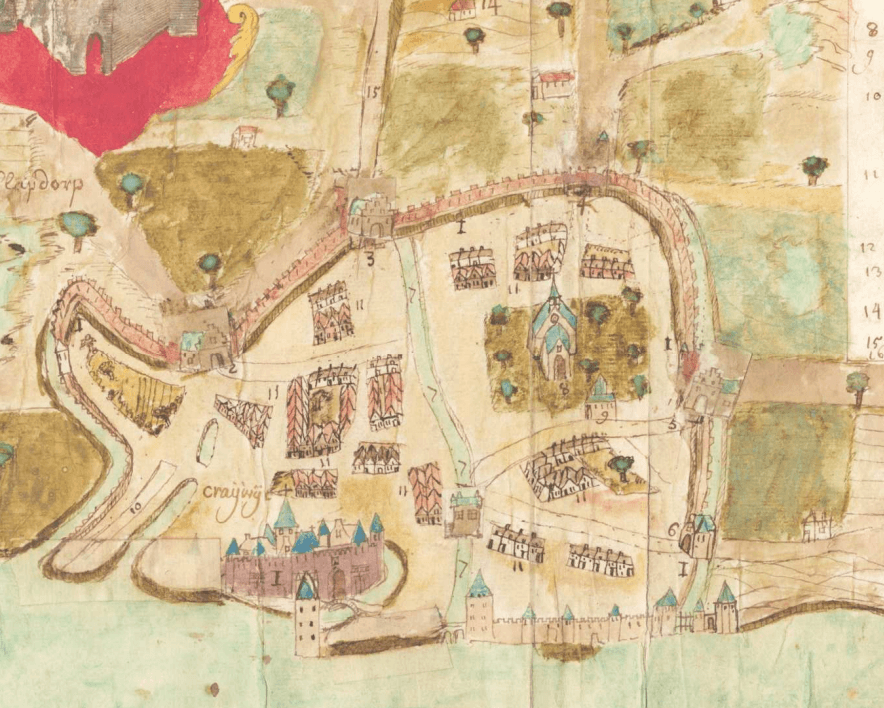
We are now in the heart of Antwerp, where centuries-old buildings recall turbulent times. One of the most dramatic was the Iconoclastic Fury of 1566.
It began with growing unrest. More people were joining the Protestant movement, opposing the wealth and power of the Catholic Church. At the same time, there were crop failures, poverty, and stark inequality. While the Catholic elite remained secure, many commoners starved.
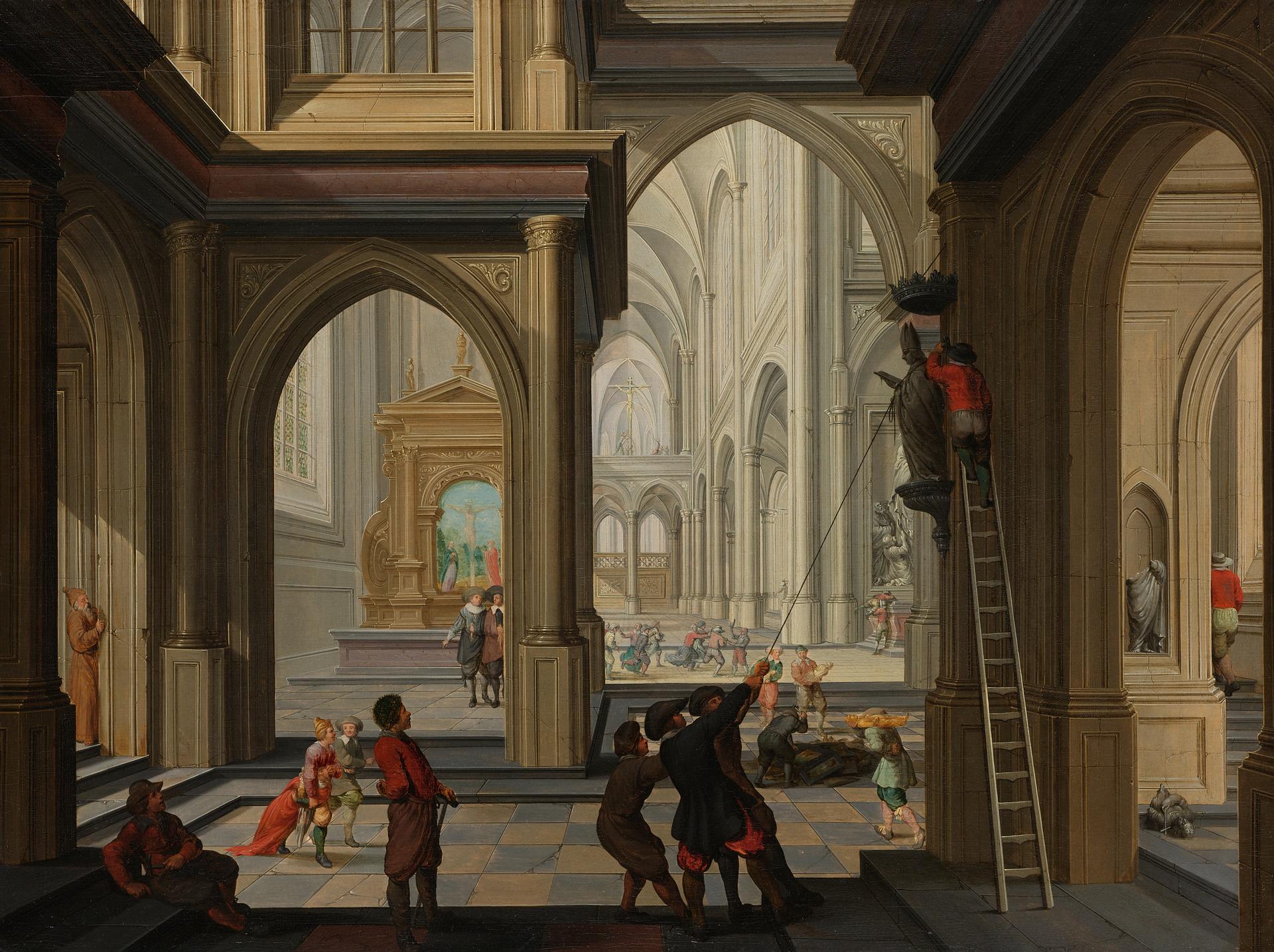
On August 20th, tensions erupted. Around 200 Calvinists stormed the Cathedral of Our Lady. Statues were torn down, altars smashed, stained glass shattered. What began as protest became widespread destruction across the city.
Churches were stripped bare, paintings and books burned, crucifixes broken to pieces. The Beeldenstorm wasn’t just religious—it was aimed at the ruling order.
For Antwerp, it was a turning point. The city lost not only its religious art, but also its sense of stability. What followed was political unrest, harsh repression, and ultimately the fall of the city in 1585.
Sources. Story: ['Source Story: https://www.canonvannederland.nl/nl/kalender/08/1566-08-20', 'Source Story: https://nl.wikipedia.org/wiki/Beeldenstorm'] Photos: Source Photo: Dirck van Delen, Public domain, via Wikimedia Commons