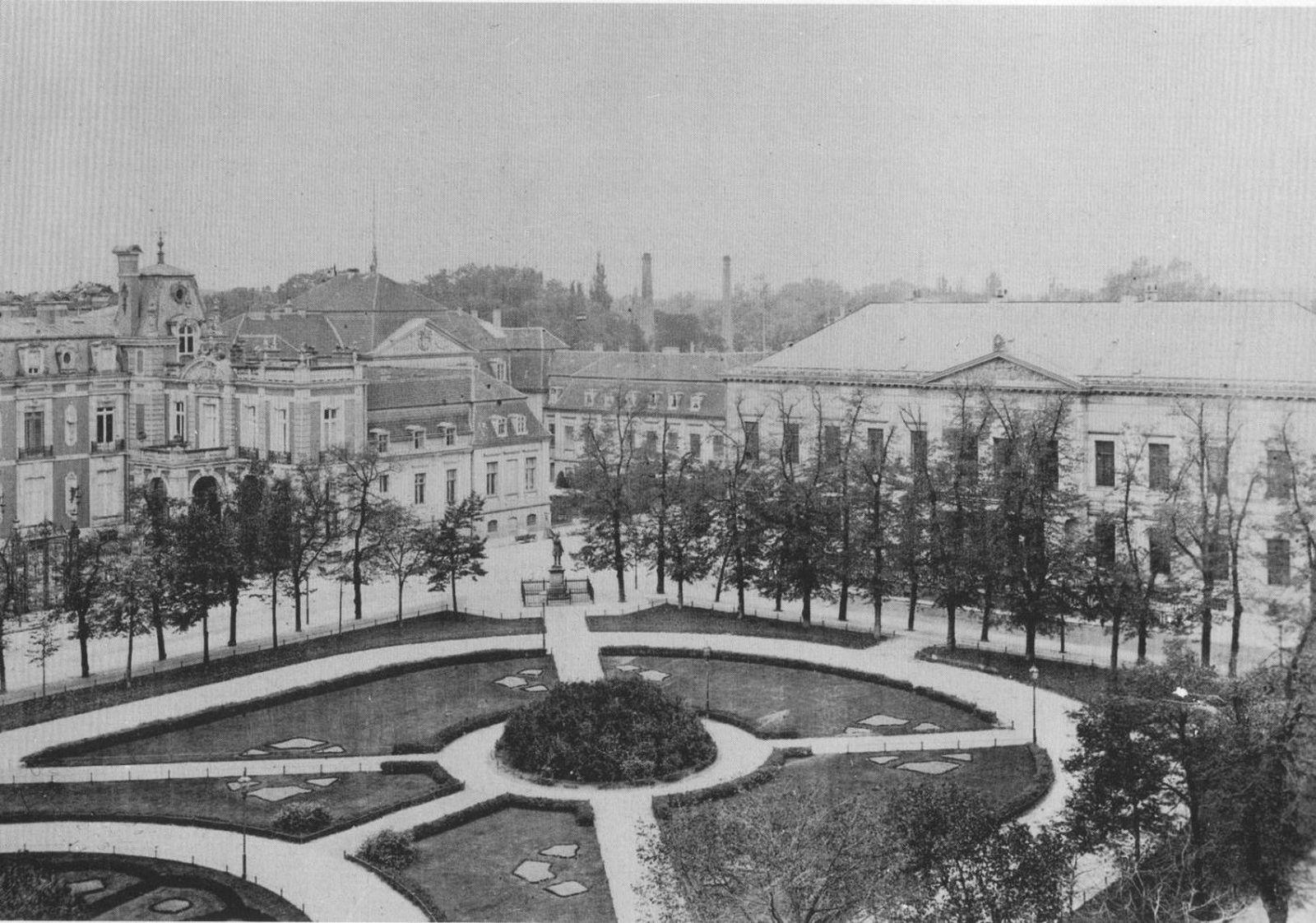
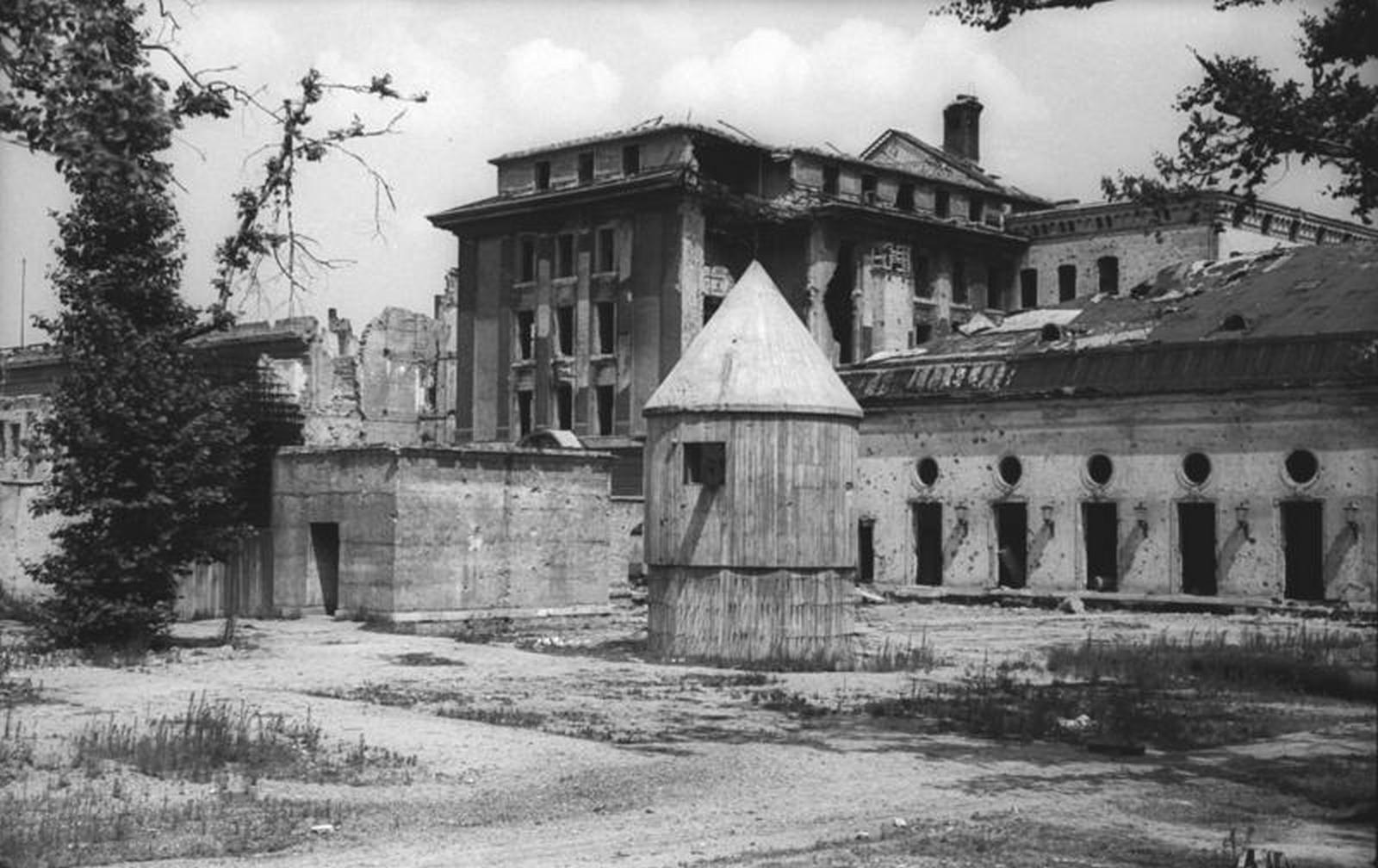
In the shadowy depths of Berlin’s history lies the Führerbunker, an underground complex near the Reich Chancellery. This ominous site was where Adolf Hitler spent his final days during the closing stages of World War II. Completed in two phases between 1936 and 1944, the bunker was a fortified labyrinth built to withstand air raids, yet it ultimately became the stage for Hitler’s demise. As Allied forces encircled Berlin, Hitler retreated to this subterranean refuge, where he continued to command his collapsing empire. The bunker had two sections: the Vorbunker, a preliminary shelter, and the deeper Führerbunker, more heavily fortified.
Within these concrete walls, Hitler dictated his last will and testament, filled with orders and reflections that revealed his state of mind in those desperate times. On April 30, 1945, as Soviet troops surrounded Berlin, Hitler and his longtime companion Eva Braun took their own lives in the Führerbunker. Their bodies were carried outside, doused with gasoline, and set ablaze by loyalists to prevent them from falling into enemy hands. This grim scene marked the end of an era but also fueled countless rumors and conspiracy theories.
Soon after, Soviet forces discovered the charred remains. Using dental records provided by American authorities, the identities were confirmed. Yet, the Soviets kept their findings secret, which fueled speculation that Hitler had escaped to South America—a myth that persisted for decades. In 2018, French scientists revisited the case. They examined fragments of Hitler’s jawbone and compared them with dental records and X-rays from 1944.
Their findings, published in the International Journal of Internal Medicine, conclusively proved that Hitler had died in the bunker. The jaw showed traces of cyanide poisoning, and a bullet hole in the skull corroborated eyewitness accounts. Today, the Führerbunker lies hidden beneath Berlin’s streets, marked only by a discreet plaque.
Sources. Story: Source Story: Photos: Source Photo: https://upload.wikimedia.org/wikipedia/commons/b/bf/Bundesarchiv_Bild_183-V04744%2C_Berlin%2C_Garten_der_zerst%C3%B6rte_Reichskanzlei.jpg Bundesarchiv, Bild 183-V04744 / CC-BY-SA 3.0, CC BY-SA 3.0 DE <https://creativecommons.org/licenses/by-sa/3.0/de/deed.en>, via Wikimedia Commons