AUDIO TOURS IN BERLIN
The city that was split in two by a wall, reunited by a party, and turned its scars into the most honest open-air museum in the world.
Start ExploringExplore Berlin Your Way
Berlin keeps its scars in plain sight. These audio tours walk you through East Berlin, Prussia, and the lives caught in between.
A Short History of Berlin
Period 1:
From Prussian Capital to Imperial Powerhouse
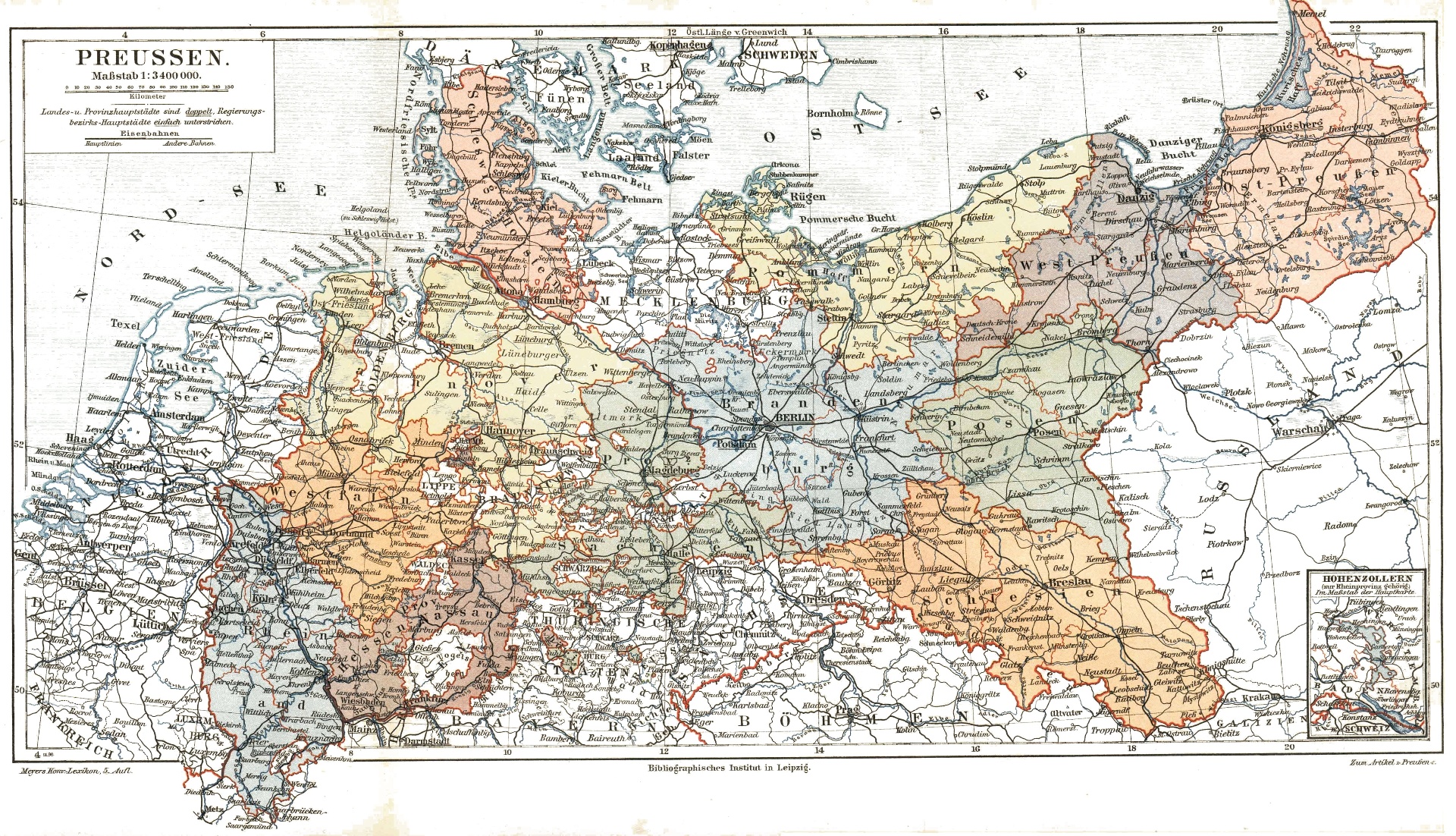
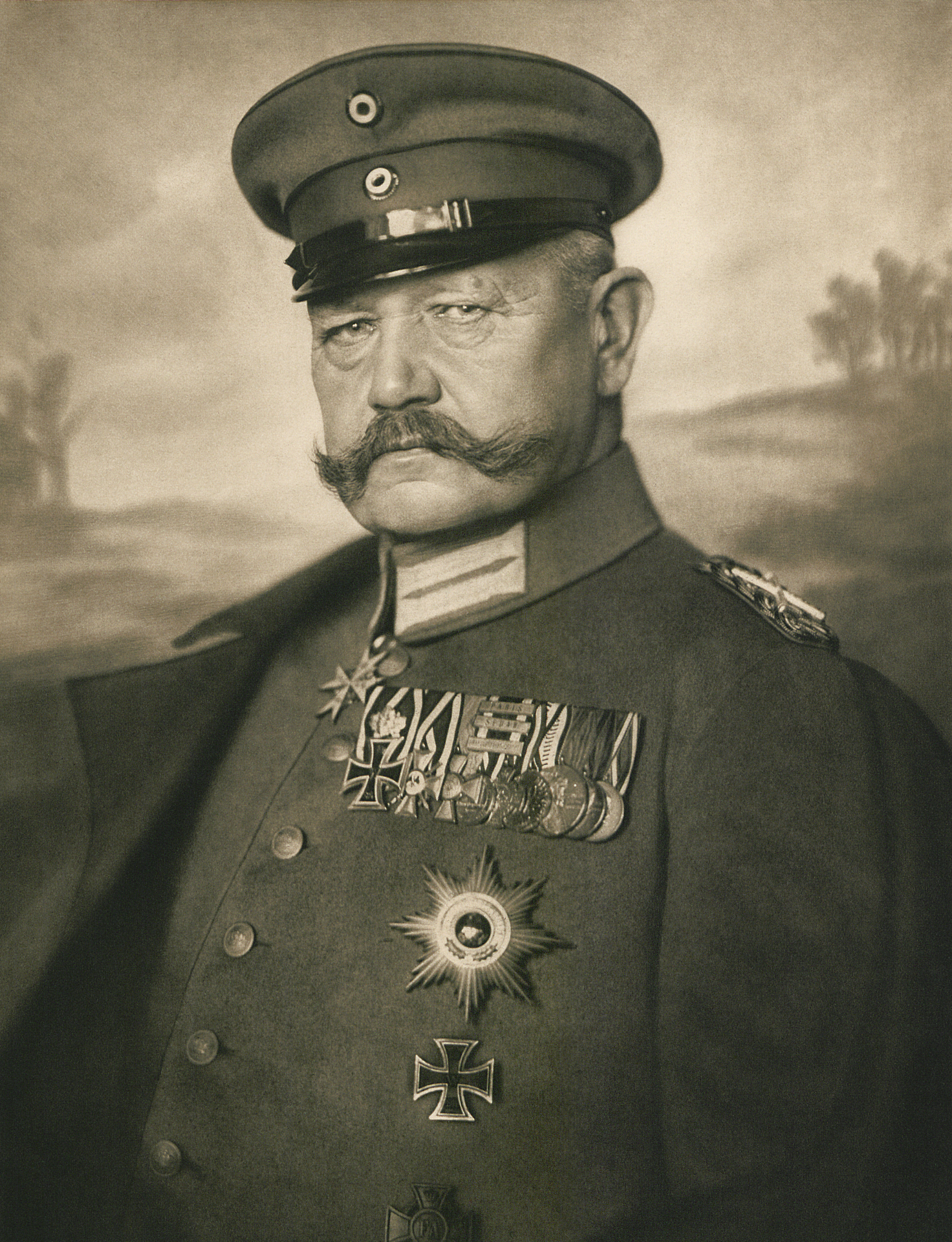
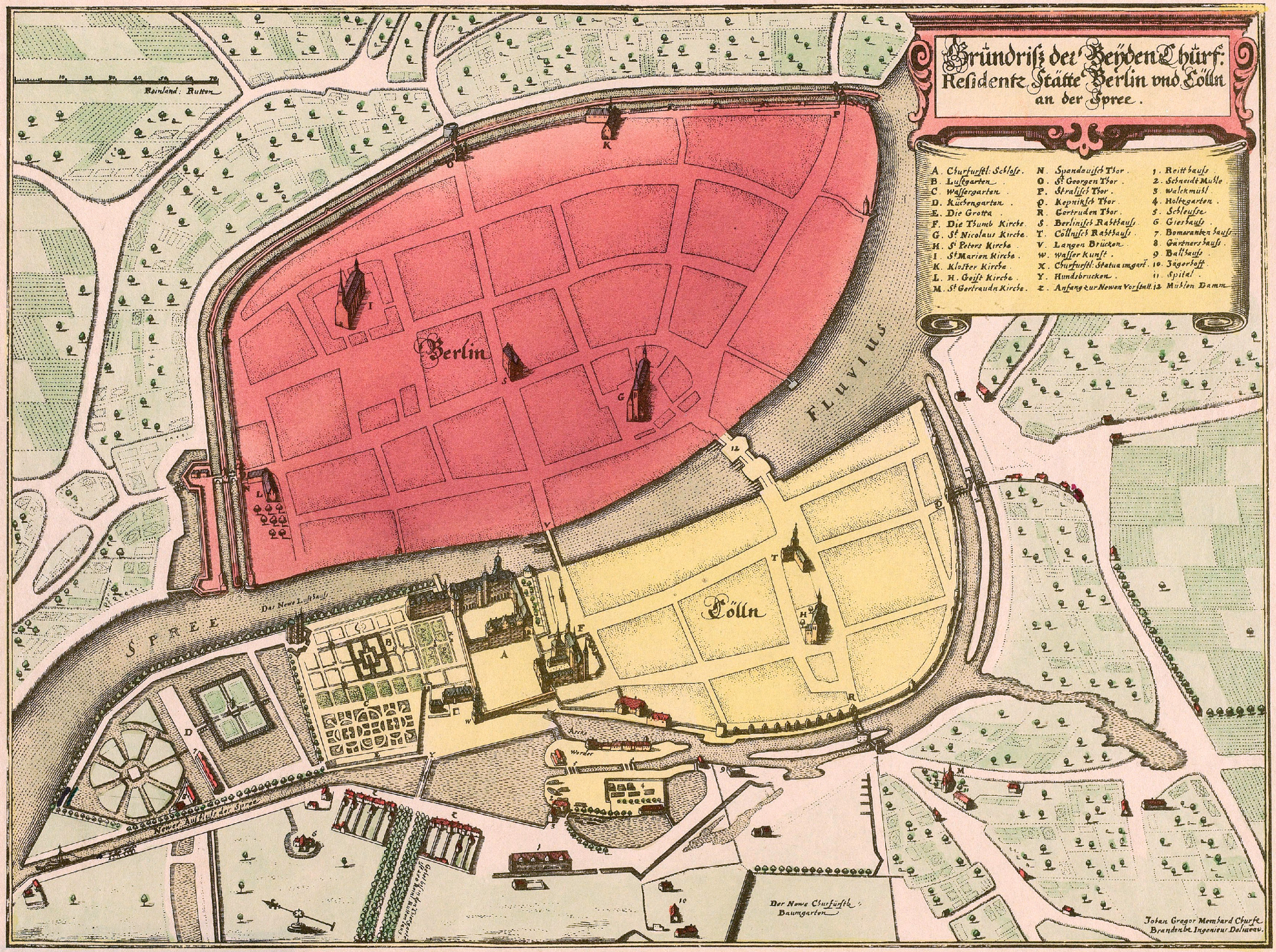
Berlin came late to greatness. While Paris, London, and Rome were already centuries old as major capitals, Berlin was still a provincial Prussian garrison town in the eighteenth century. Frederick the Great changed that, transforming Berlin into a centre of Enlightenment thinking, building Unter den Linden into a grand boulevard, and making the city a serious European capital. The real transformation came after 1871, when Berlin became the capital of the newly unified German Empire. The population exploded from 800,000 to over 2 million in just thirty years. The Reichstag was built. Museums filled the island in the Spree river. Industry, science, and culture boomed. By the 1920s, Weimar Berlin was the most creatively daring city in Europe — cabaret, expressionist cinema, jazz, Bauhaus design, and a nightlife scene that scandalized the continent. Then came 1933. The Nazis seized power, and Berlin became the stage for their propaganda machine. The 1936 Olympics were held here. Book burnings took place on Bebelplatz. The Gestapo operated from a building on Prinz-Albrecht-Strasse. The city that had been a beacon of freedom became the headquarters of one of history's worst regimes.
Period 2:
Division, Reunification, and the City That Never Stops Becoming
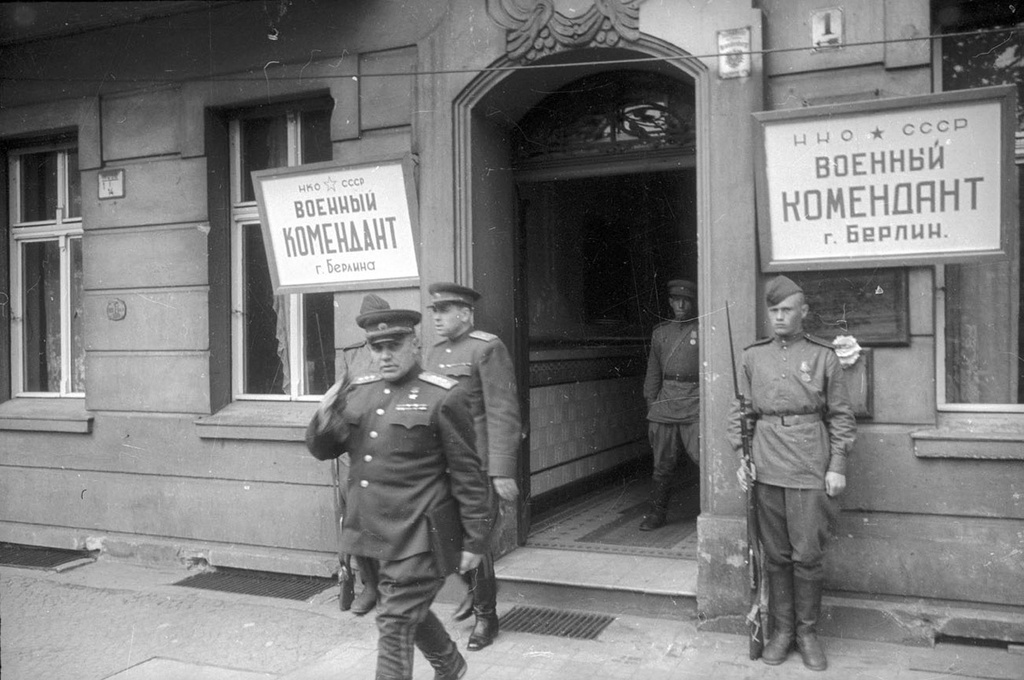
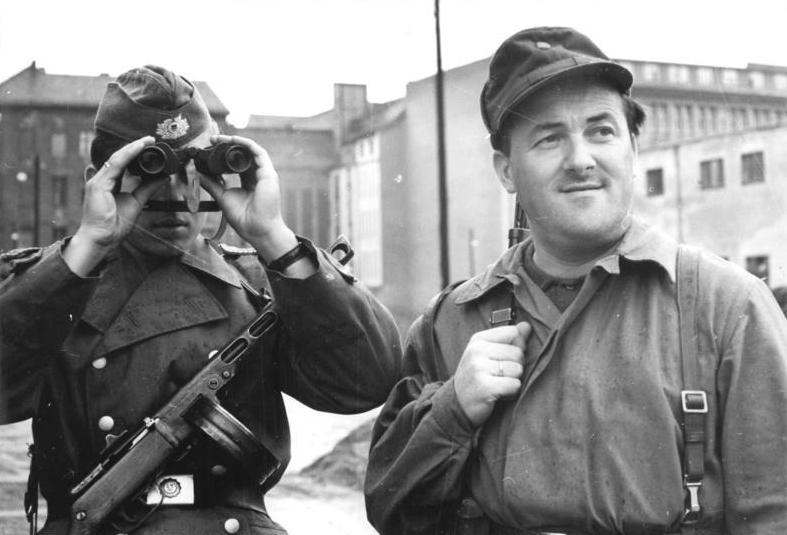
By May 1945, Berlin was rubble. Allied and Soviet bombs had destroyed most of the city. The Red Army fought street by street to reach the Reichstag. When it was over, the victors carved Berlin into four zones — American, British, French, and Soviet. In 1961, the Soviets built the Wall. Overnight, streets were blocked, subway lines cut, and families separated. For 28 years, East and West Berlin lived as two different cities — one side a showcase for capitalism, the other for communism. Over a hundred people were killed trying to cross. The Wall fell on November 9, 1989, in what began as a bureaucratic mistake and became one of the most joyful nights of the twentieth century. Berliners climbed on top of the Wall, danced, and chipped away at the concrete. Reunification followed, but the scars remained. East Berlin's Plattenbauten faced West Berlin's shopping streets. The city has spent the decades since stitching itself back together — and turning its wounds into memory. The Memorial to the Murdered Jews of Europe, Topography of Terror, and the East Side Gallery are not just tourist sites. They are Berlin's promise to never forget.