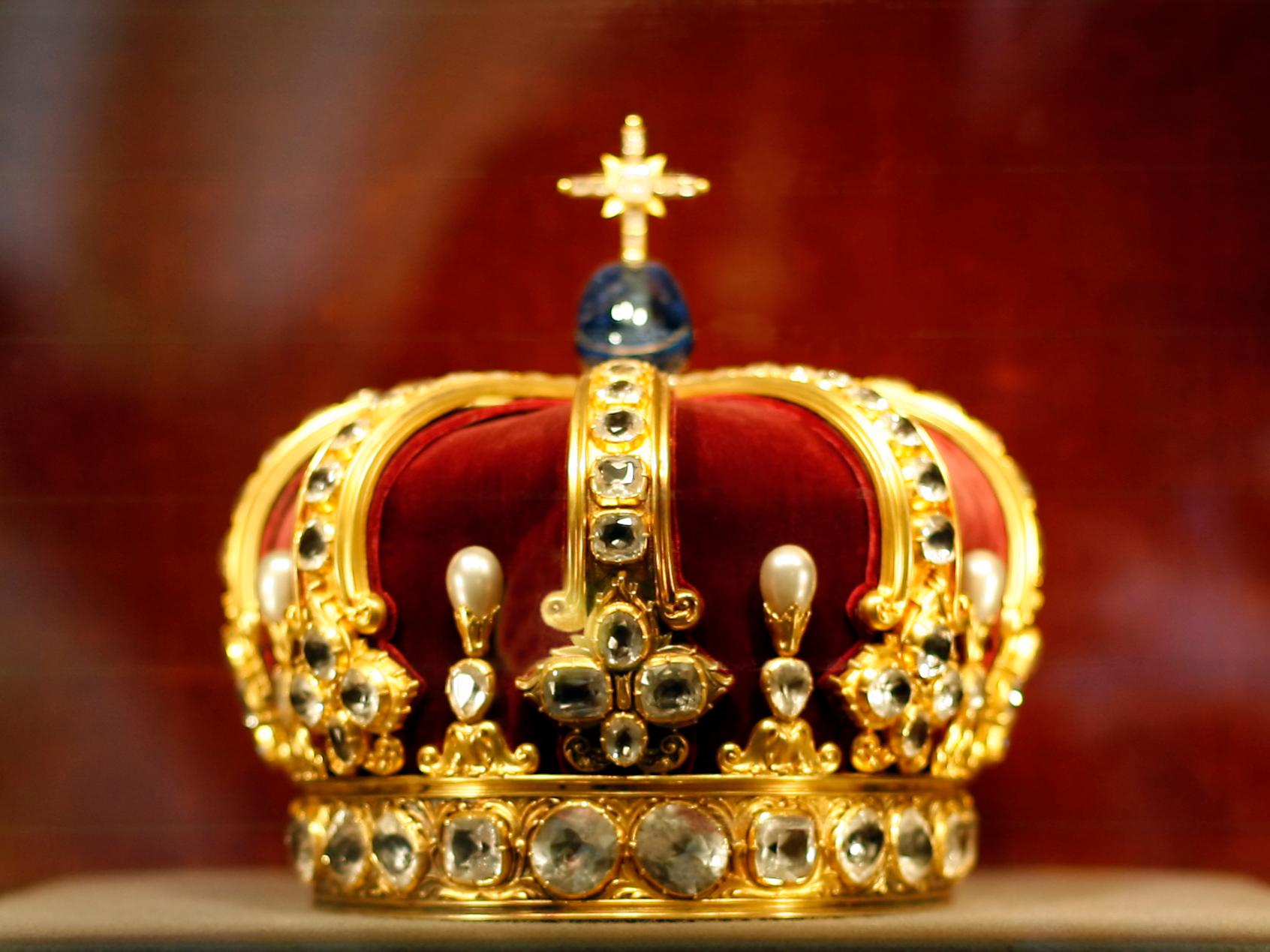
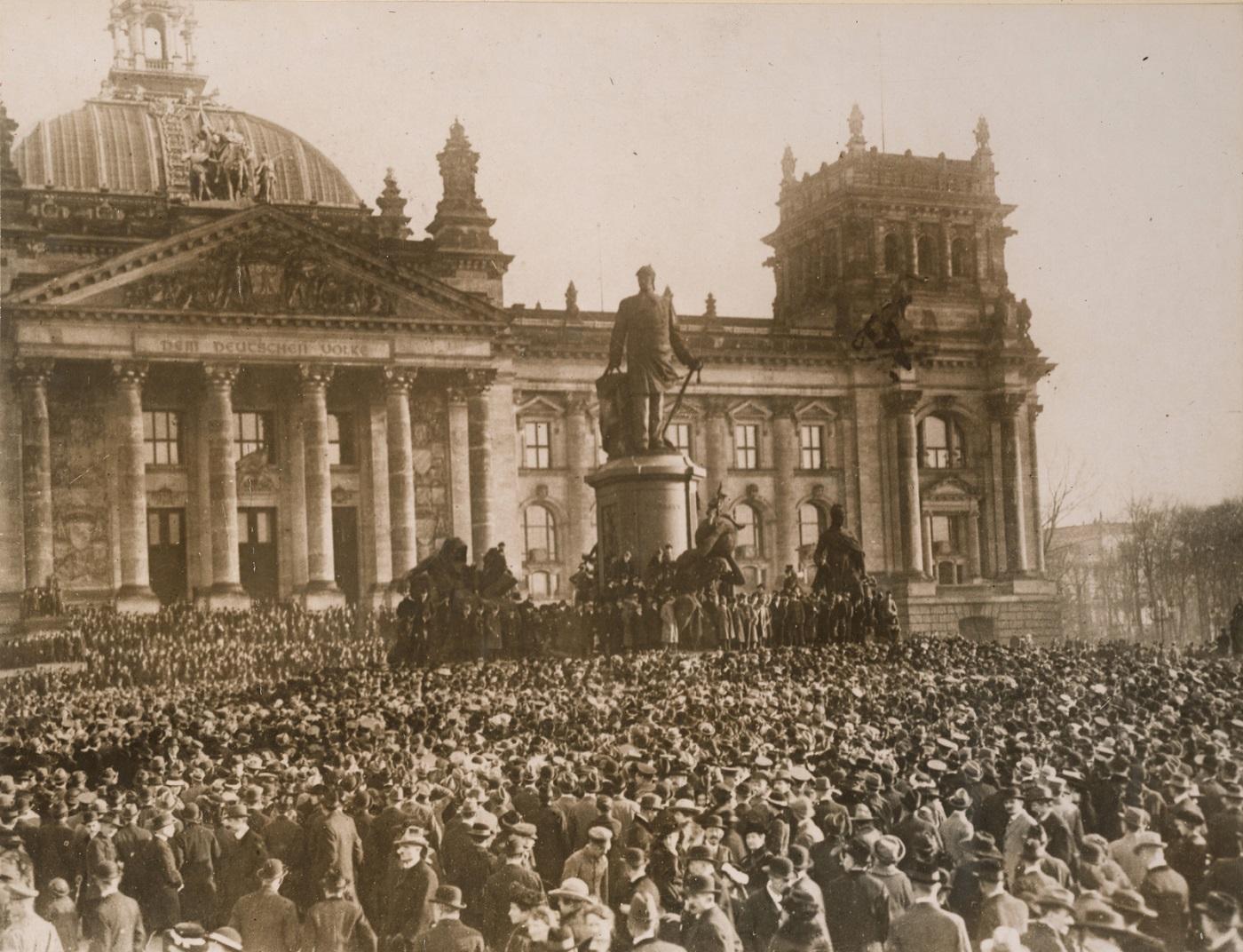
In the final days of World War I, Germany was on the verge of major change. The November Revolution of 1918 marked the transition from the empire to the Weimar Republic.By late 1918, Germany was exhausted from years of war, food shortages, and economic collapse. Discontent escalated at the end of October, when sailors in Kiel refused to carry out a suicidal attack on the British fleet. Their mutiny spread rapidly, sparking a nationwide uprising.By early November, workers’ and soldiers’ councils – the Arbeiter- und Soldatenräte, inspired by the Russian Soviets – had formed across the country, posing a serious challenge to the government.On November 9, 1918, Kaiser Wilhelm II abdicated and fled to the Netherlands, where he remained until his death in 1941.
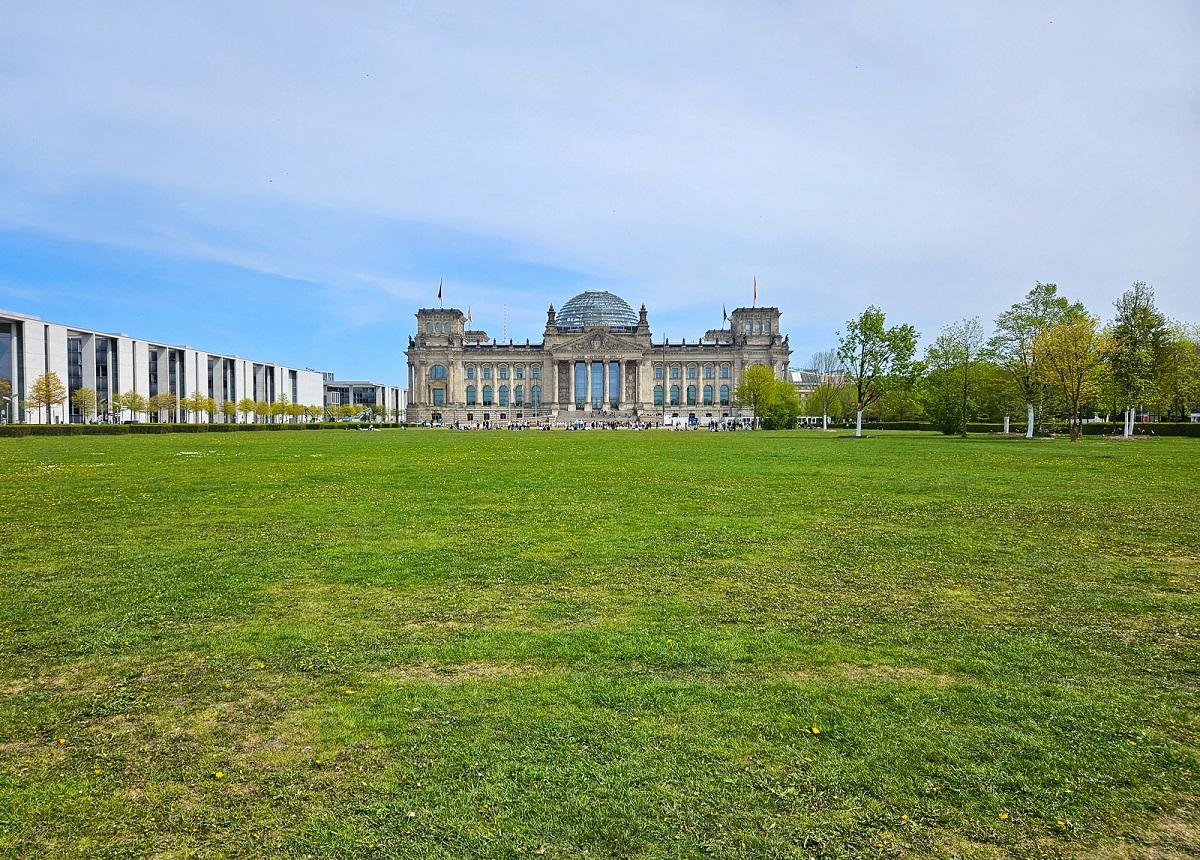
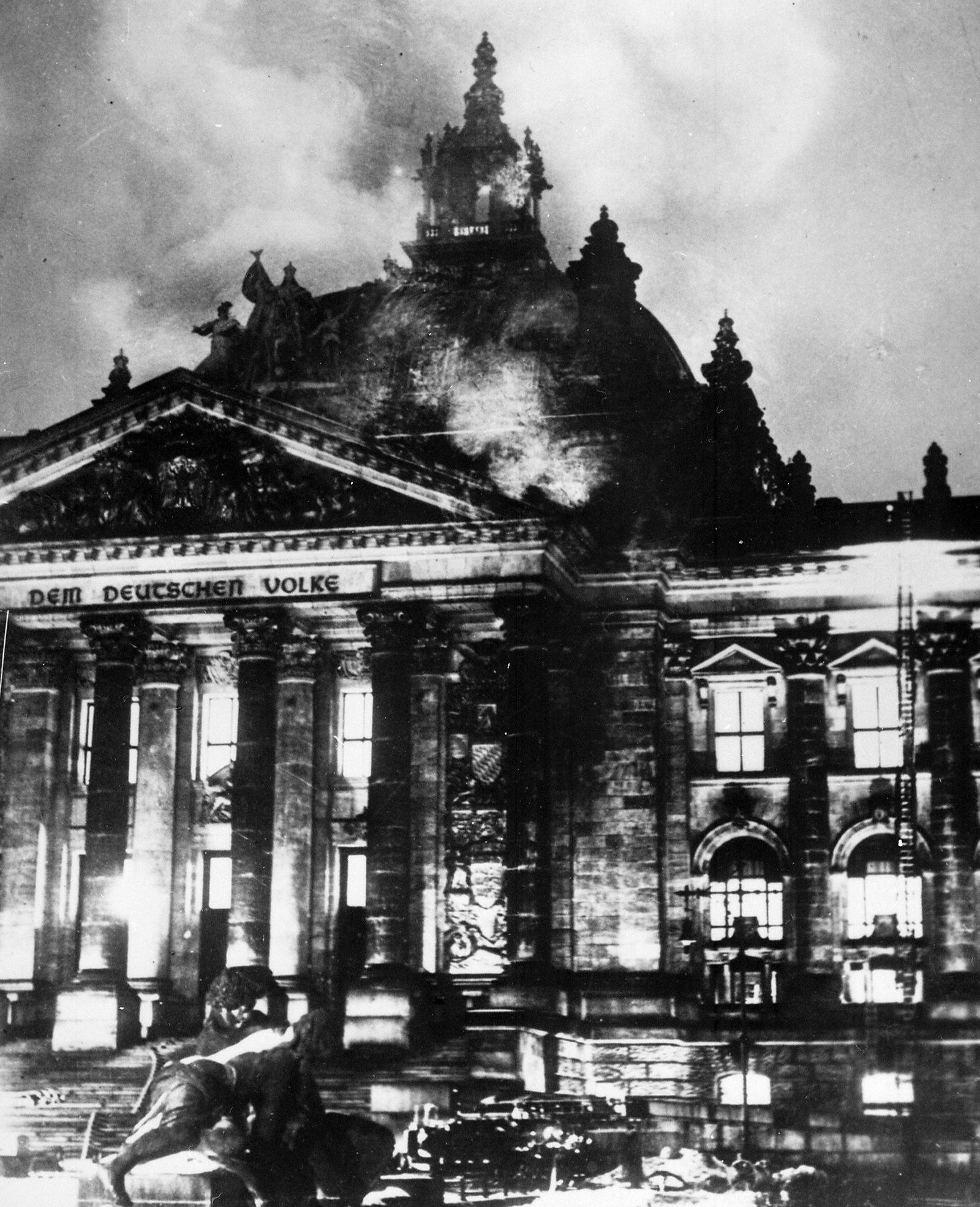
His formal abdication followed on November 28, making his flight look like desertion and weakening monarchist support. That same day, socialist leader Philipp Scheidemann proclaimed the German Republic from a Reichstag balcony, narrowly pre-empting Karl Liebknecht, who aimed to declare a socialist republic.The revolution soon exposed deep divisions. The moderate Social Democrats (SPD), led by Friedrich Ebert, wanted a parliamentary democracy, while the Spartacists pushed for a Soviet-style system. This clash culminated in violent confrontations, including the Spartacist Uprising in January 1919, which the government brutally suppressed with the aid of right-wing Freikorps units.
Despite the turmoil, the revolution brought lasting reforms. The fall of the Kaiser ended centuries of monarchy, and the new government introduced universal suffrage and the eight-hour workday.On January 19, 1919, elections for the National Assembly took place – the first in which women could vote. Because of unrest in Berlin, the assembly met in Weimar. On February 10, it passed a provisional law, and the next day Friedrich Ebert was elected Germany’s first president. The Weimar Constitution was formally adopted on August 11, 1919, ending the November Revolution and launching the Weimar Republic.
Sources. Story: Source Story: https://nl.wikipedia.org/wiki/Novemberrevolutie https://www.annefrank.org/en/timeline/96/november-revolution-germany-becomes-a-republic/ https://www.dhm.de/lemo/kapitel/weimarer-republik/revolution-191819.html Photos: Source Photo: https://upload.wikimedia.org/wikipedia/commons/3/3b/Proclamation_of_Weimar_Republic_by_Philipp_Scheidemann%2C_9_November_1918_%28cropped%29.jpg National Archives and Records Administration, Public domain, via Wikimedia Commons