Don't walk down this street without peering into the gateways, because tucked away in there is something nobody has ever worked out the purpose of.
The Úri utca looks like a row of tidy baroque townhouses, plastered in yellow and ochre, with heavy gates opening onto courtyards. That plasterwork went on in the eighteenth century, when the hill was repopulated after the and the builders simply used the medieval walls as foundations.
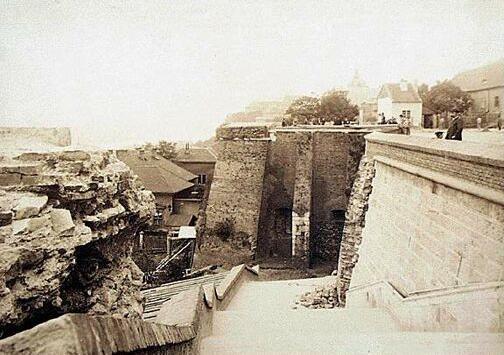
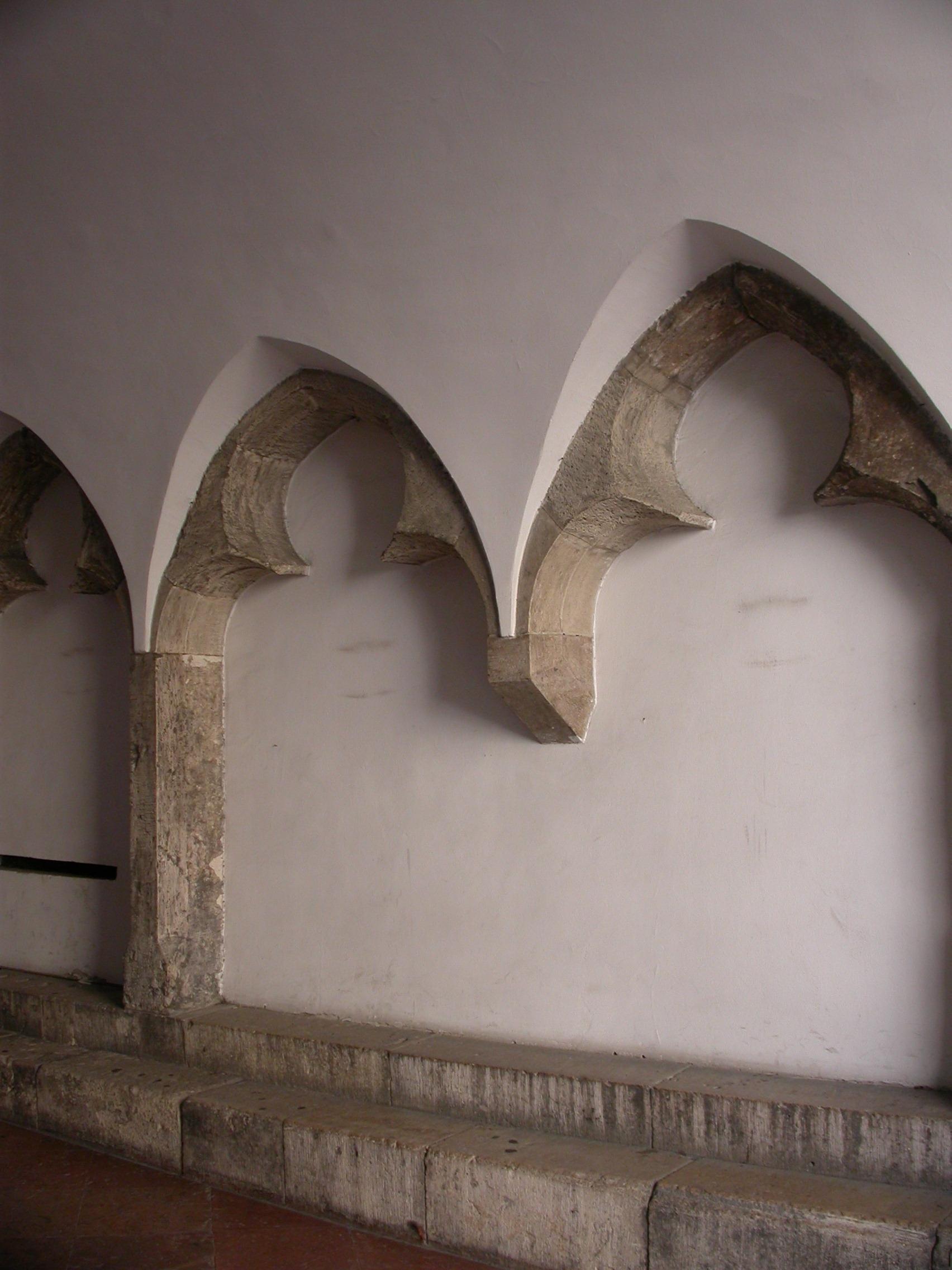
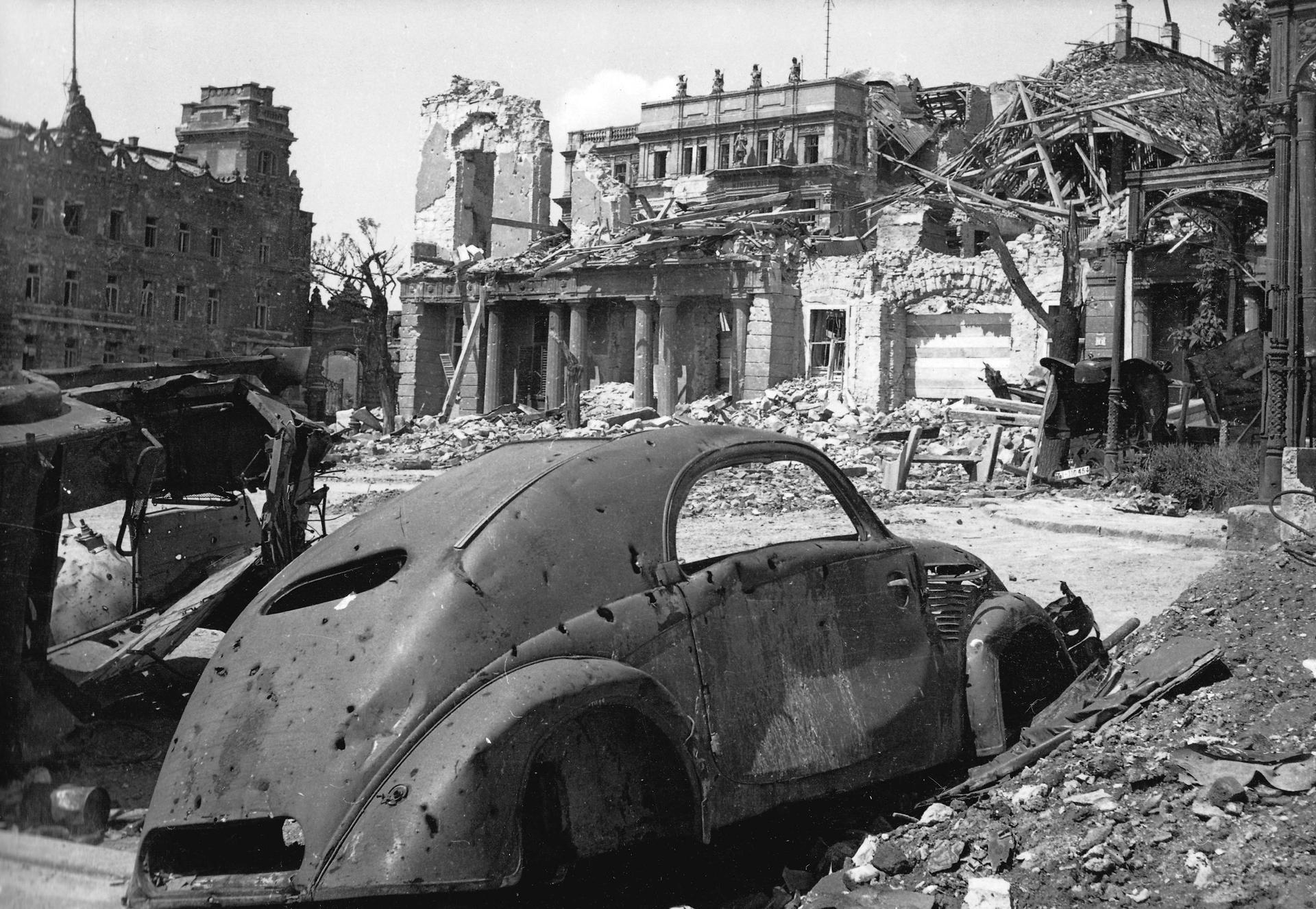
In the winter of 1945, blew that plaster off, and once the rubble had been cleared the city museum examined nearly a hundred houses on this hill. What turned up were medieval stone benches set into niches on both sides of the gateways, sealed over and forgotten for centuries, along with gothic windows hidden under the baroque brickwork.
What those benches were for, nobody can still say. People wonder about waiting visitors or servants, but there's no proof. In the gateway at number 24 you'll find five different scratched into the stone, the signatures of the men who made them. You can still go and sit on them.
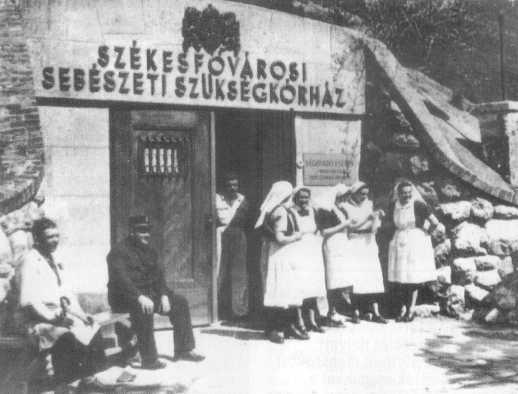
We walk to the end of the street and turn right, towards a door in the rock face.
Sources. Story: Budapest100, house description Úri utca 24; Budapest, illustrated city magazine, 1947 volume, on the city museum's research into the medieval remains on Castle Hill