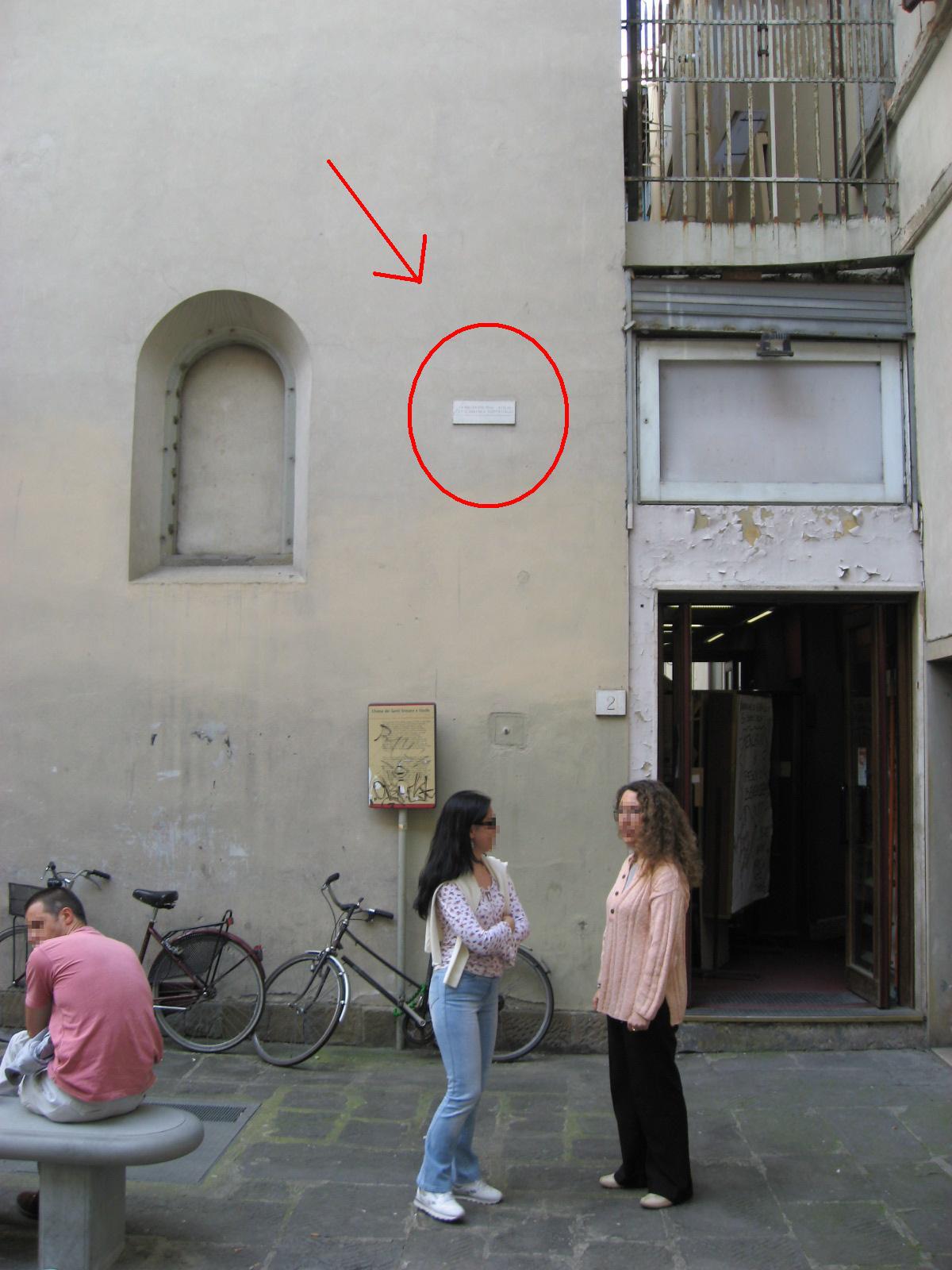
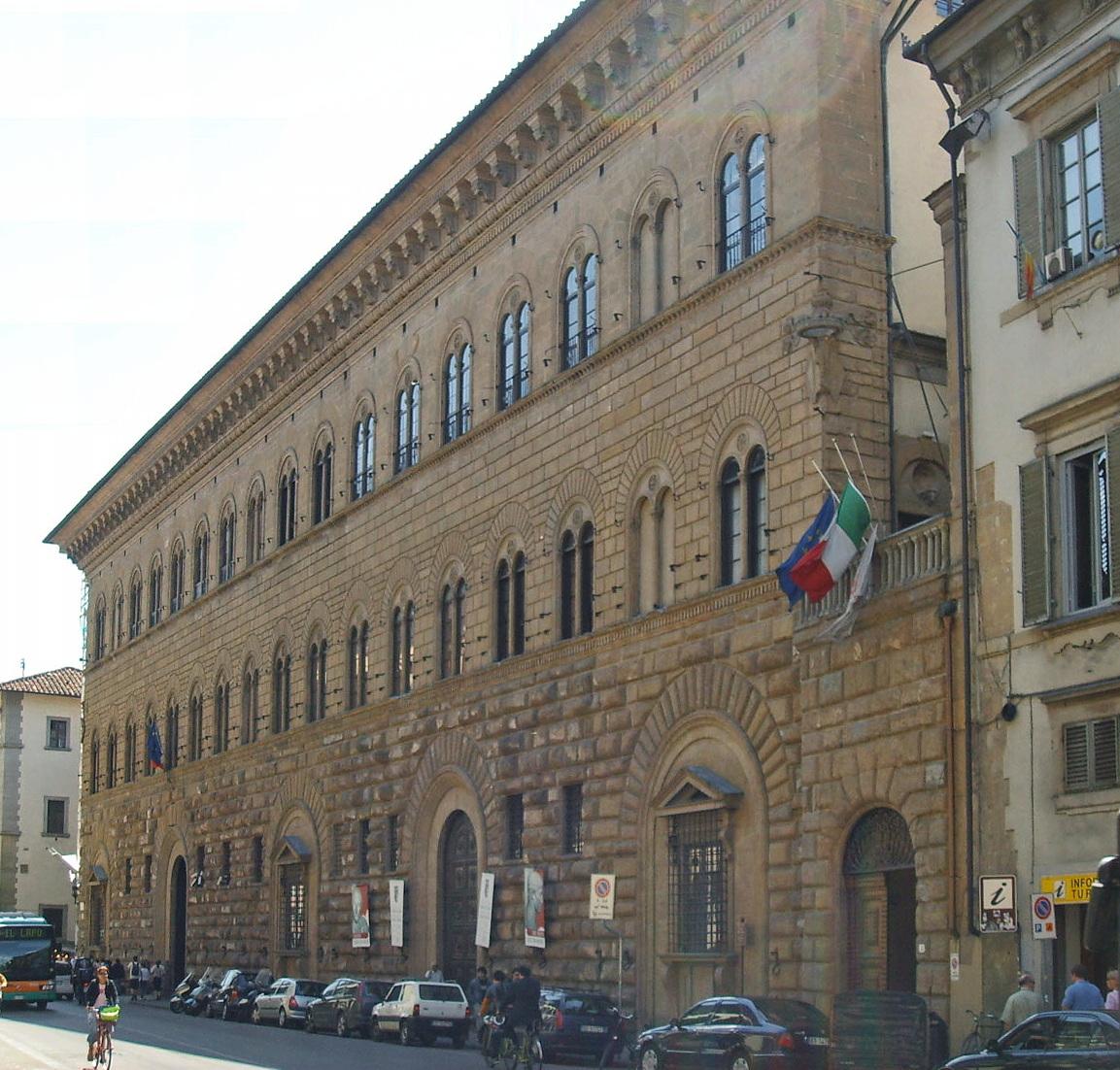
The corner in front of you is the base of the first Medici palace: heavy blocks of stone, roughly cut, with walls above that grow smoother the higher they climb. That bottom layer was meant to project strength and restraint at the same time, and that was exactly the point.
, known as the Elder, ran the largest bank in Europe in the fifteenth century, with branches from London to Rome and the papal account as its main client. In Florence he almost never held public office. He arranged who sat on the councils, who paid taxes and who received credit, and left the rest of governing to others.
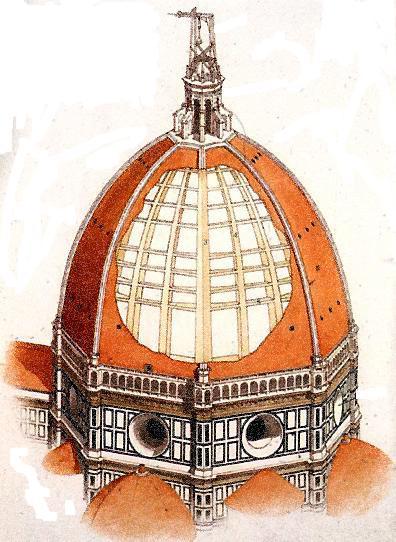
That reticence was calculated. A republic that treats its freedom as its pride will not tolerate a ruler, so Cosimo built his power on favours and the debts people owed him. When , the architect behind the city's great cathedral dome, submitted a design for this palace that drew too much attention, Cosimo turned it down and chose instead, who put up something that impressed without looking like a royal court. According to , Brunelleschi smashed his model to pieces in response.
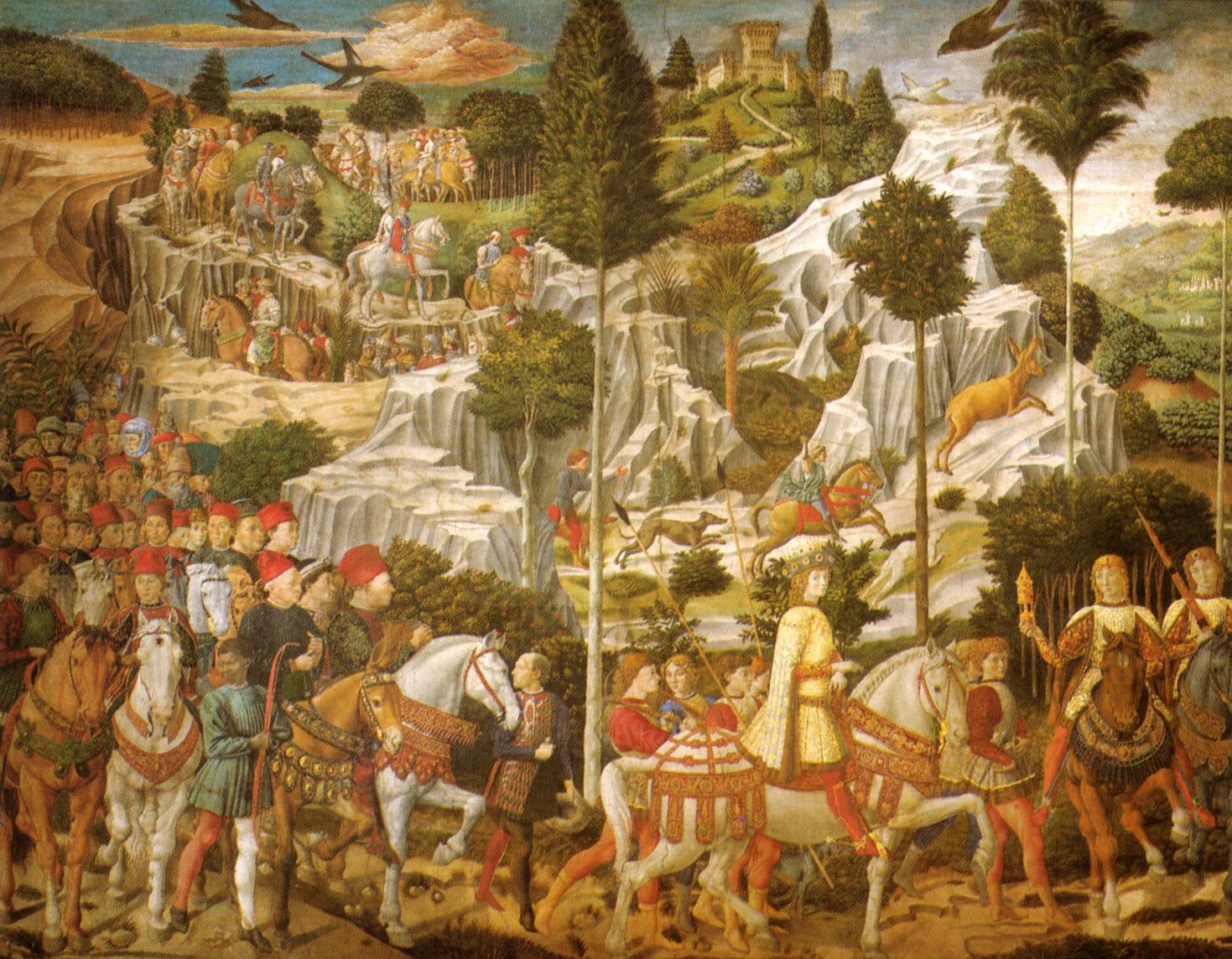
His grandson grew up here, and in the small chapel on the first floor painted the family among the kings of the nativity story.
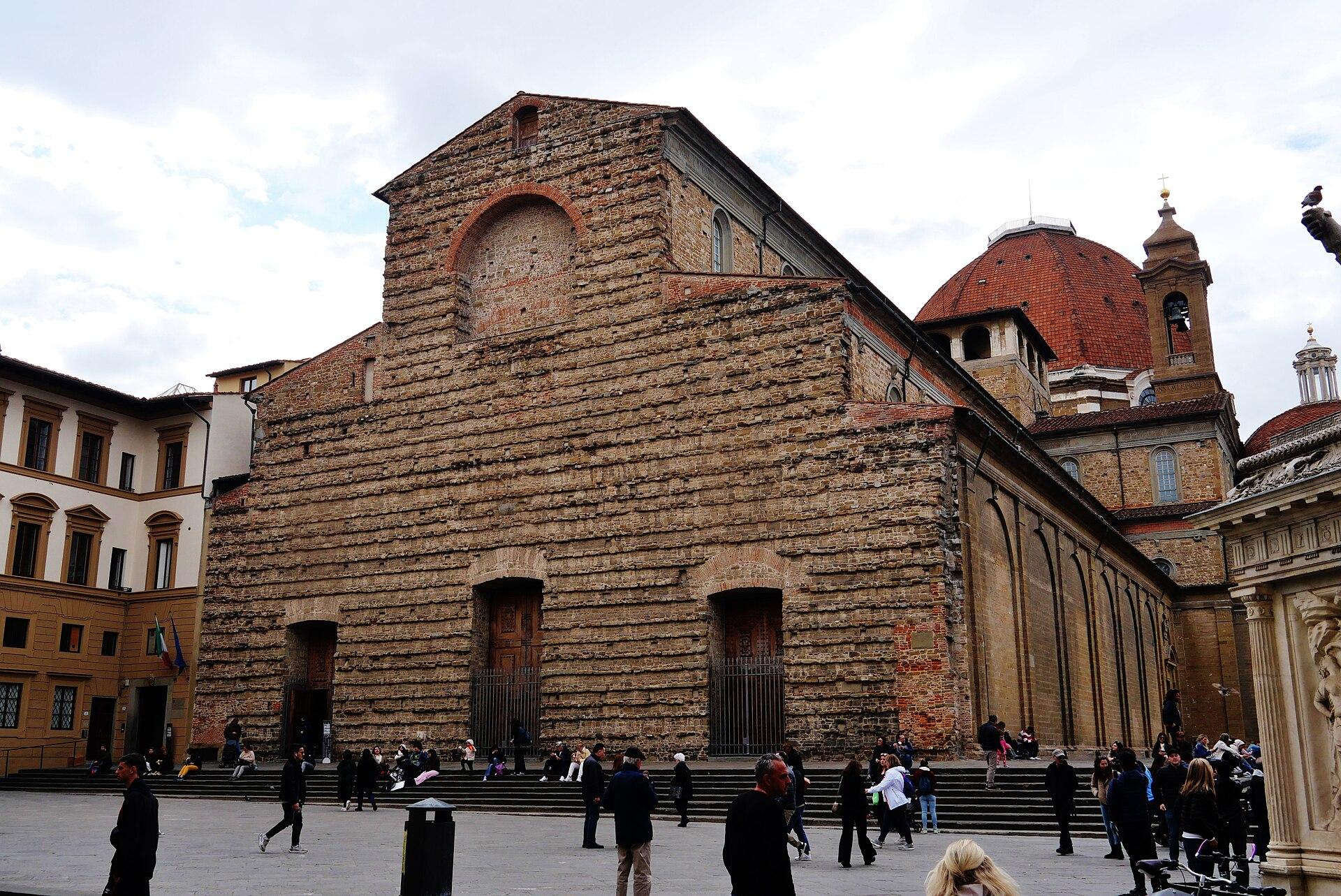
Follow Via de' Gori west to the church with the bare brick front.
Sources. Story: Palazzo Medici Riccardi, Città Metropolitana di Firenze (storia del palazzo); Treccani (Cosimo de' Medici detto il Vecchio, Michelozzo) Photos: Palazzo Medici Riccardi, via Wikimedia Commons, photo Sailko, CC BY-SA 3.0; Cappella dei Magi, via Wikimedia Commons, photo Julian Lupyan, CC0