AUDIO TOURS IN FLORENCE
Florence was built by bankers and wool merchants who paid for art the way other cities paid for armies, and the result still stands within a few square kilometres. These walks follow the places you came for and add, at every stop, the detail most visitors walk straight past.
Start ExploringA Short History of Florence
Period 1:
A city made of wool
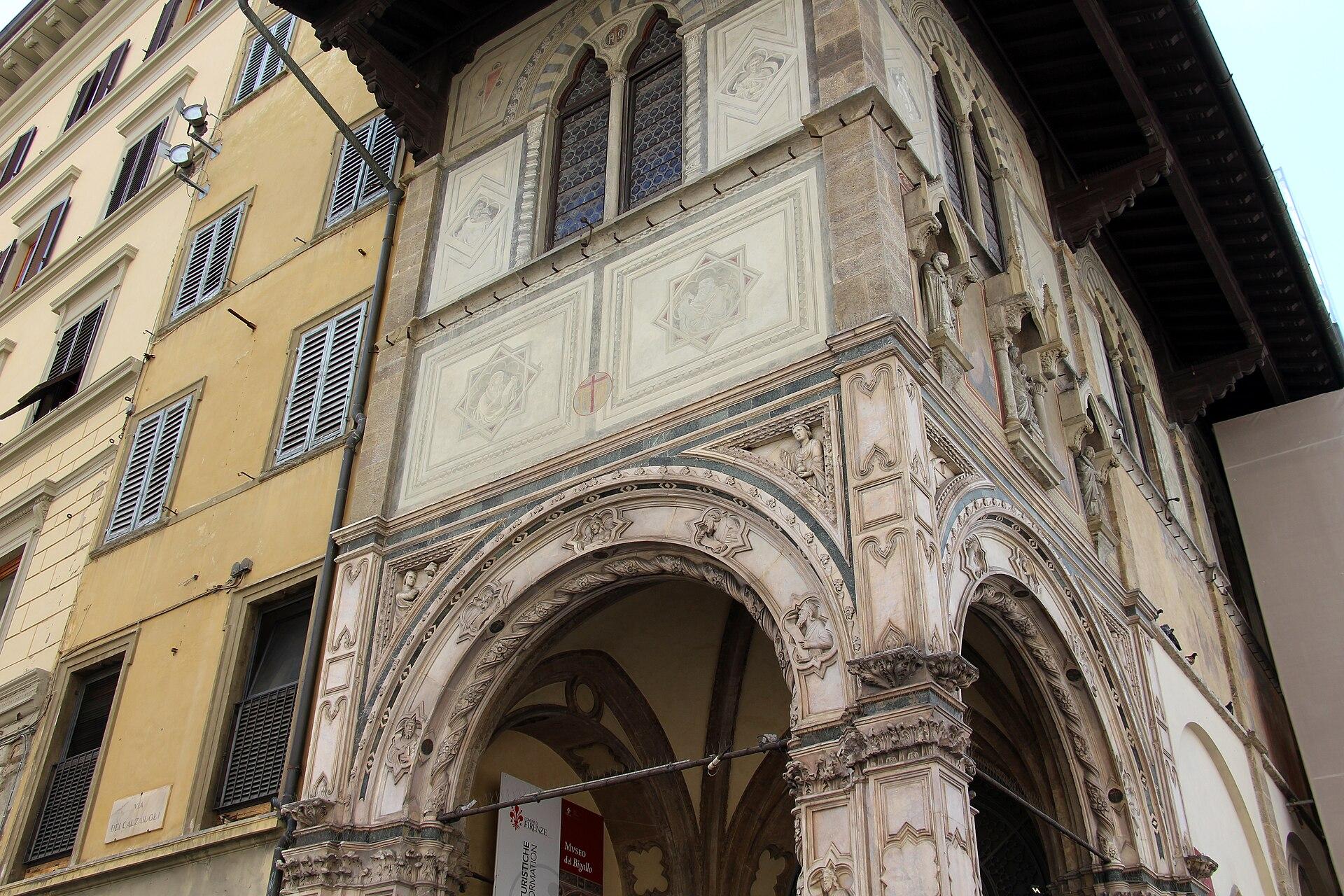
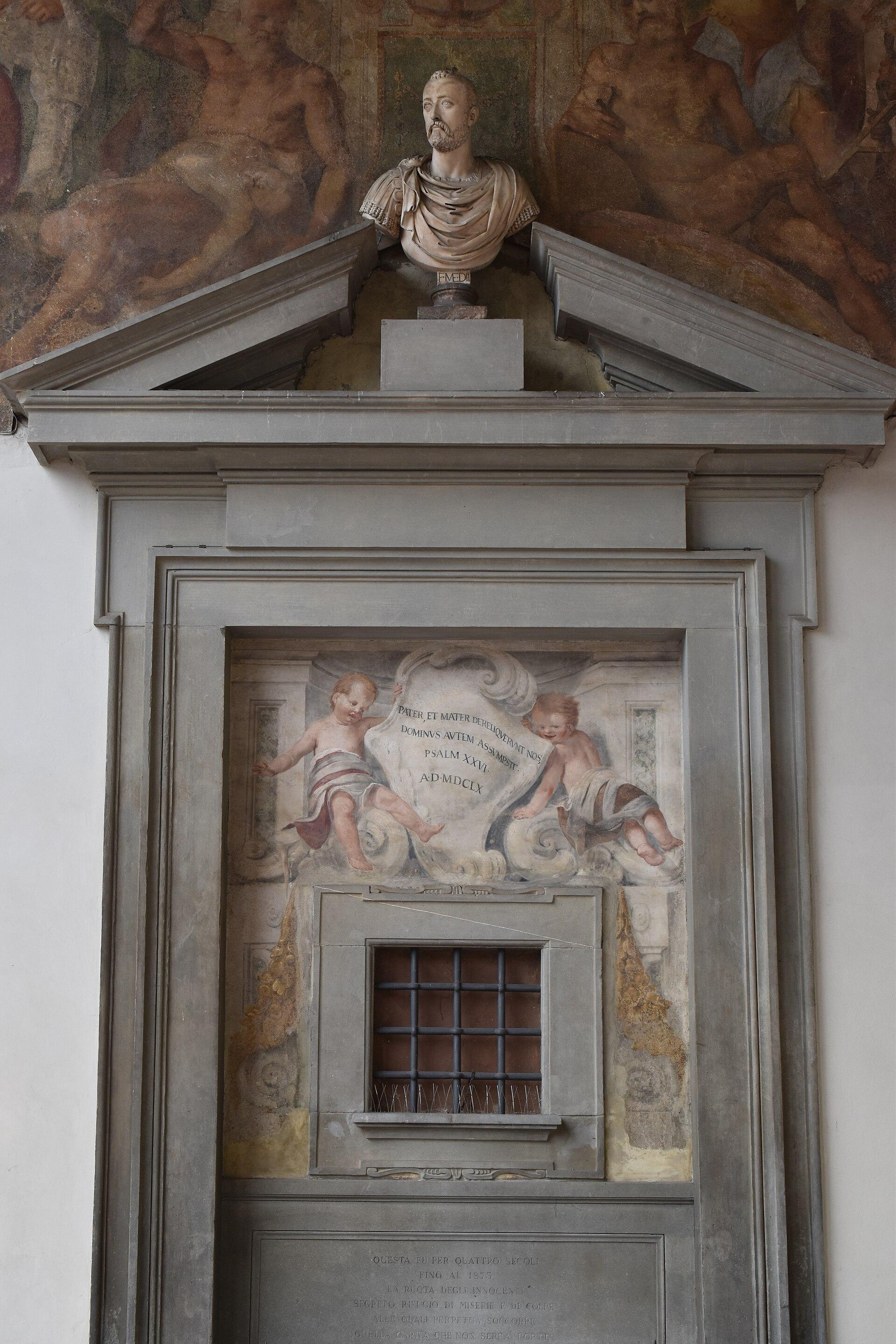
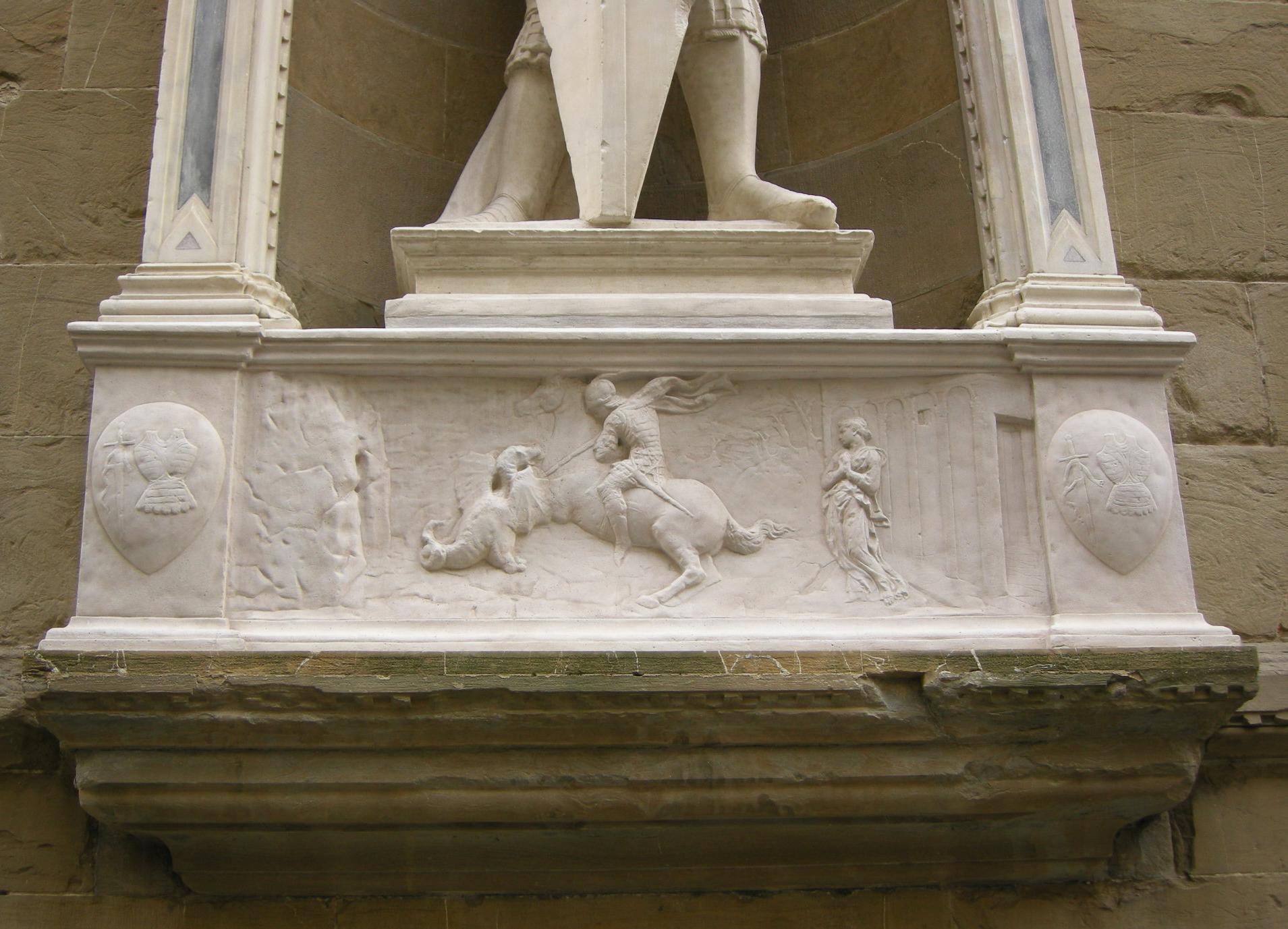
Florence grew rich on wool. Merchants bought raw cloth abroad, had it washed, dyed and finished in the city, and sold it across Europe, while the guilds that ran those trades also ran the government. The gold florin they minted here became the currency bankers across the continent counted in.
Sailko, CC BY 2.5, via Wikimedia Commons
Period 2:
The Medici century
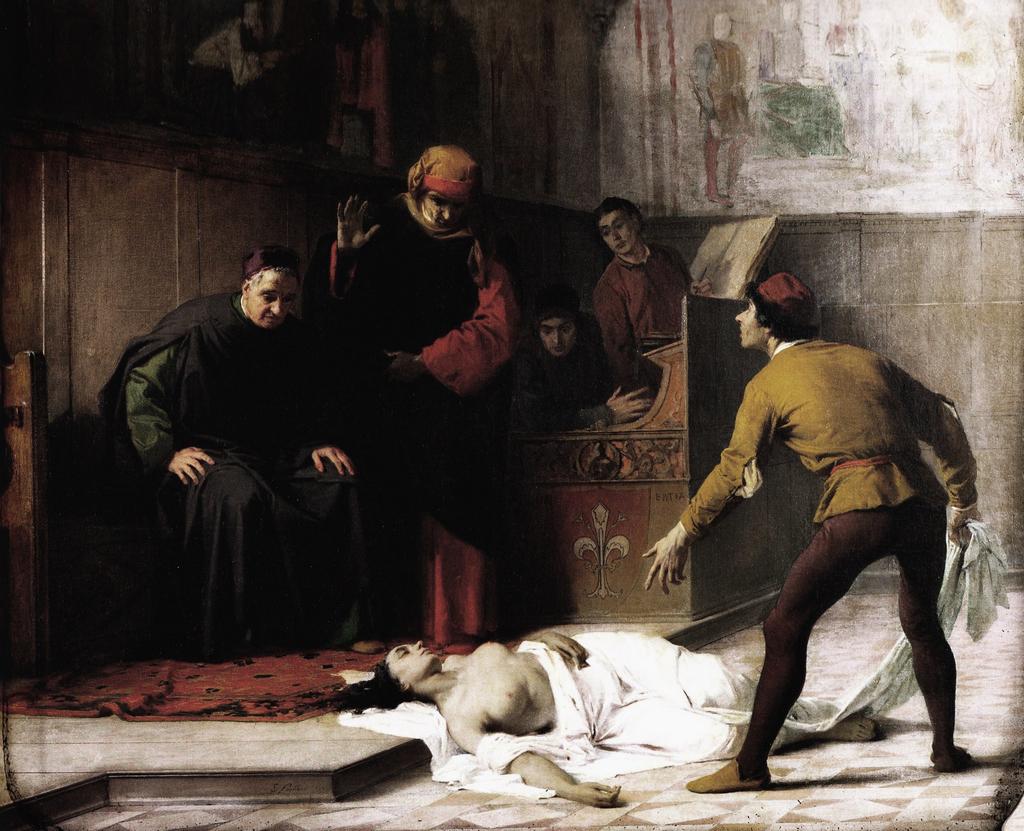
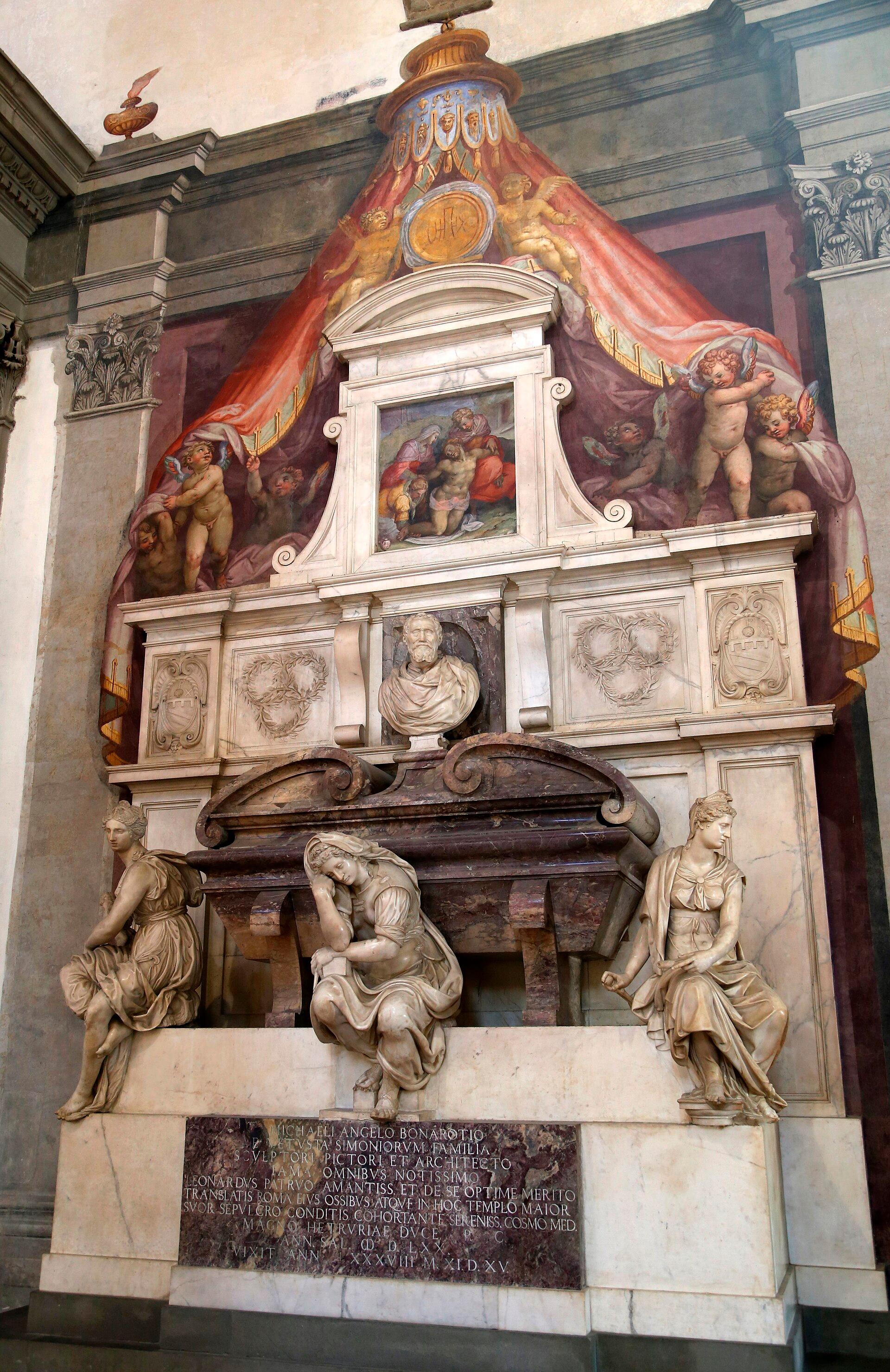
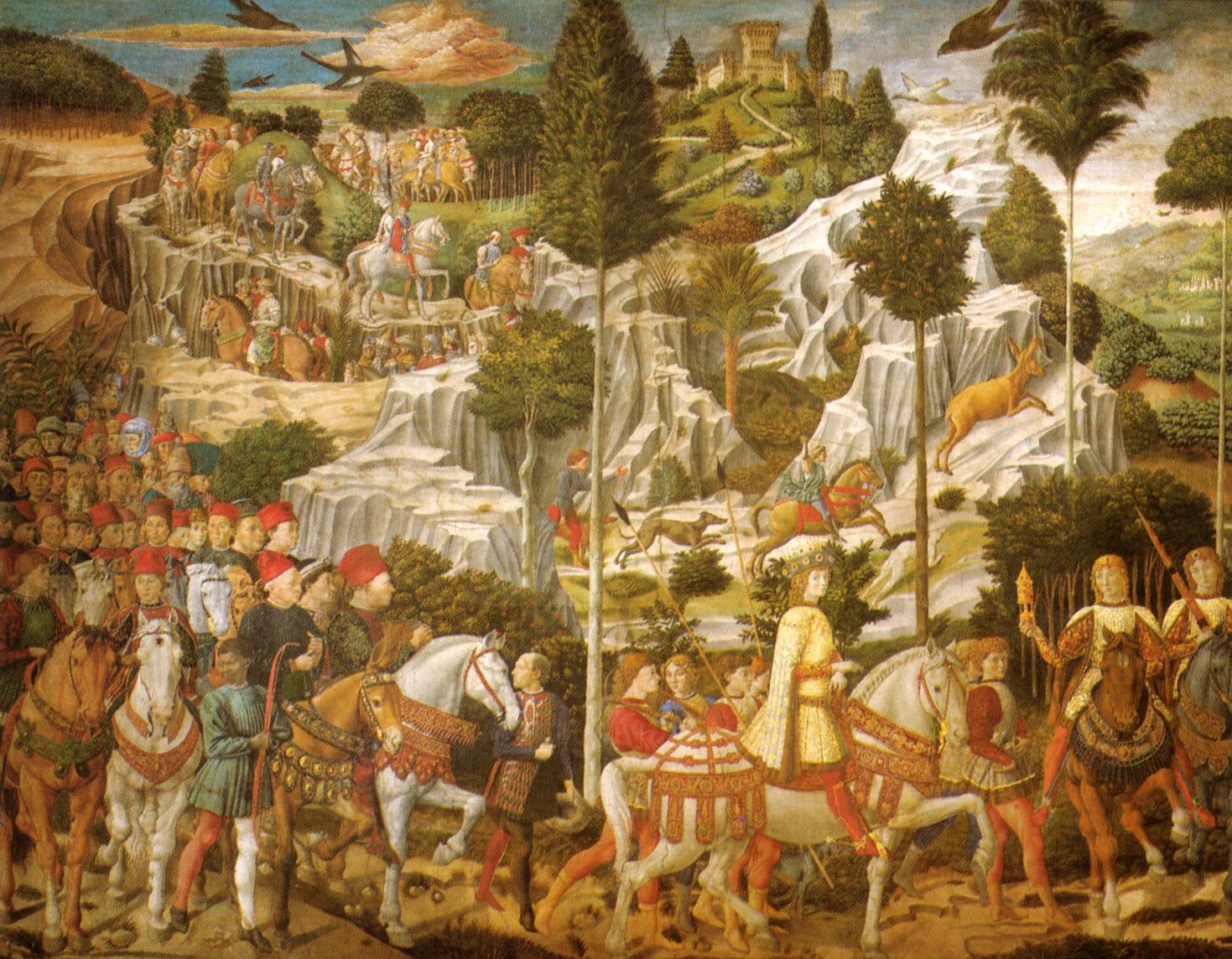
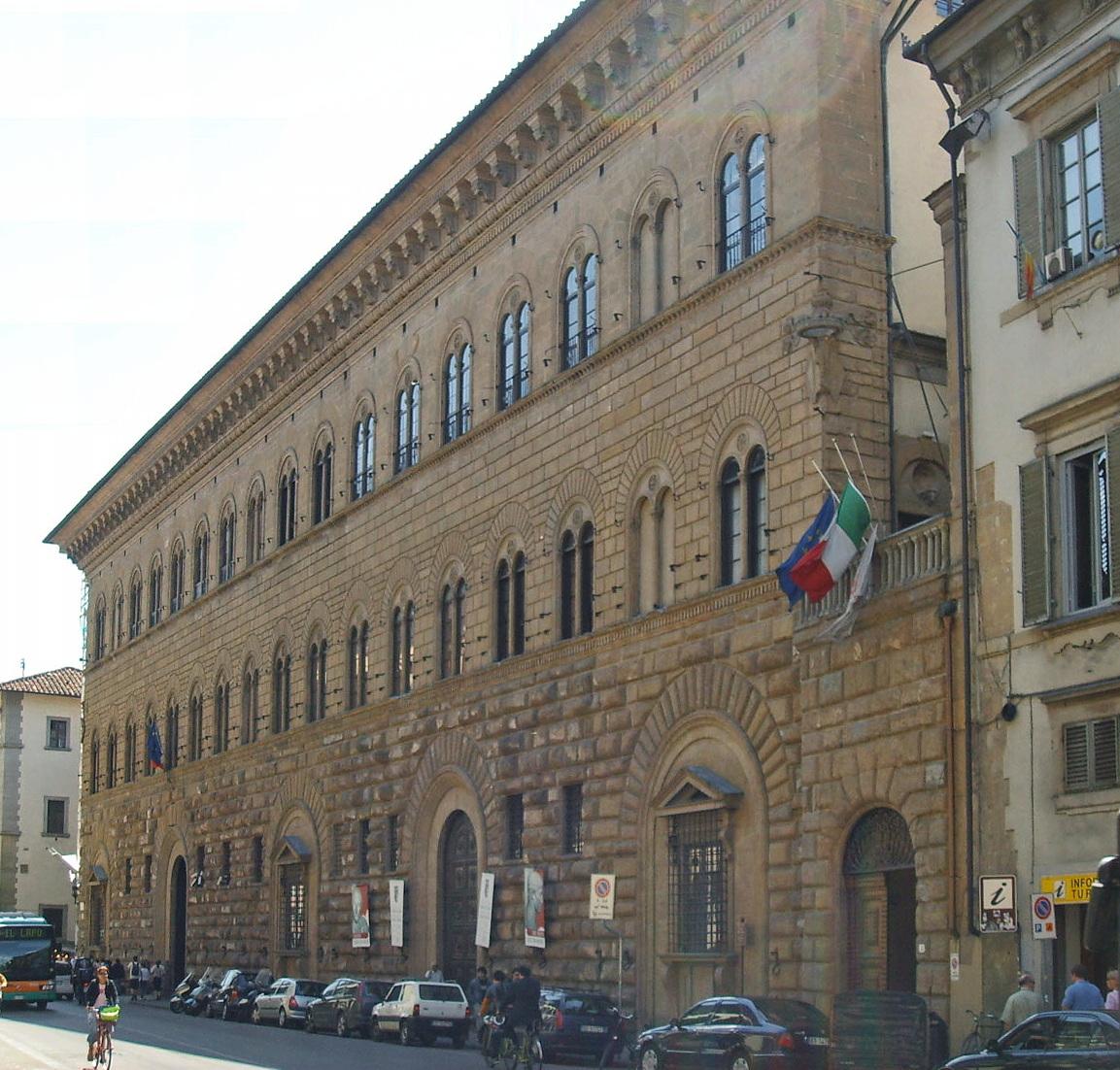
From the fifteenth century one banking family shaped the city. The Medici held almost no public office at first and ruled through loans and favours, paying for churches, libraries and sculptors, and later turned themselves into grand dukes. Three centuries on, the last of them left the entire collection to Florence on the condition that it never leave the city.
Benozzo Gozzoli, Palazzo Medici Riccardi, public domain, via Wikimedia Commons
Period 3:
Capital of Italy
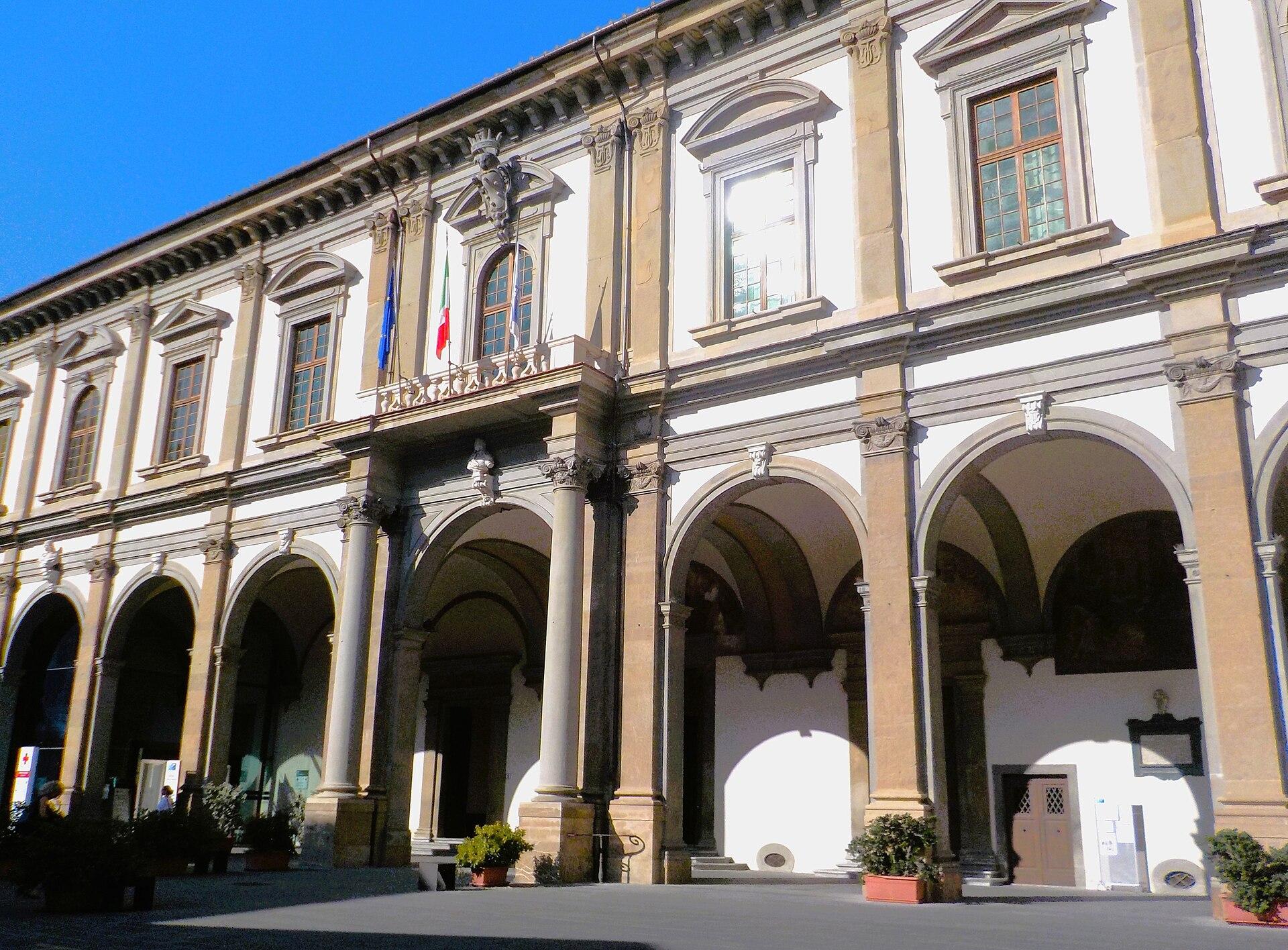
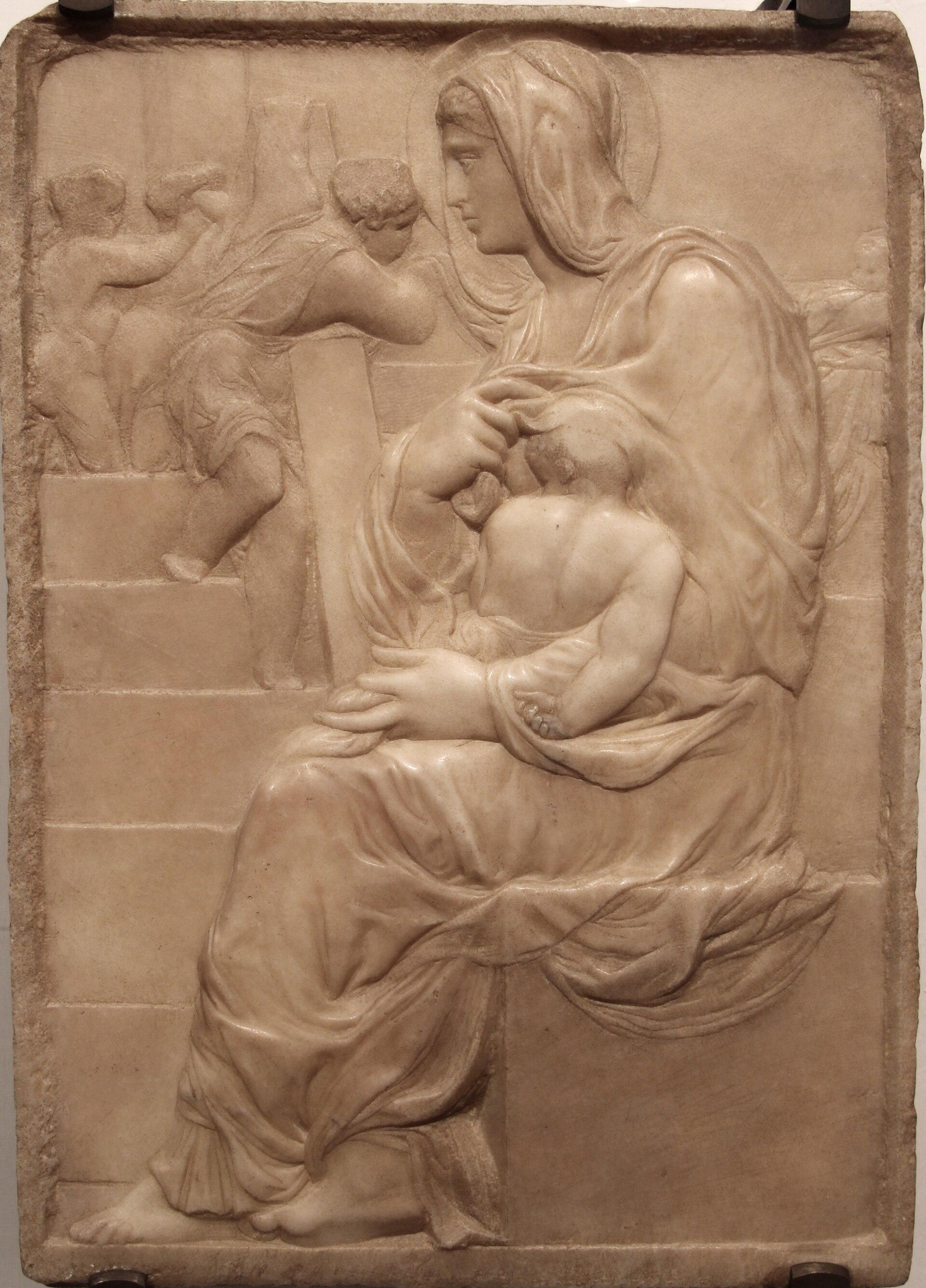
For six years, from 1865 to 1871, Florence was the capital of the newly united Italy. Ministries moved in, boulevards replaced the medieval walls, and the old market quarter in the centre was demolished for a square that still carries a triumphant inscription about progress.
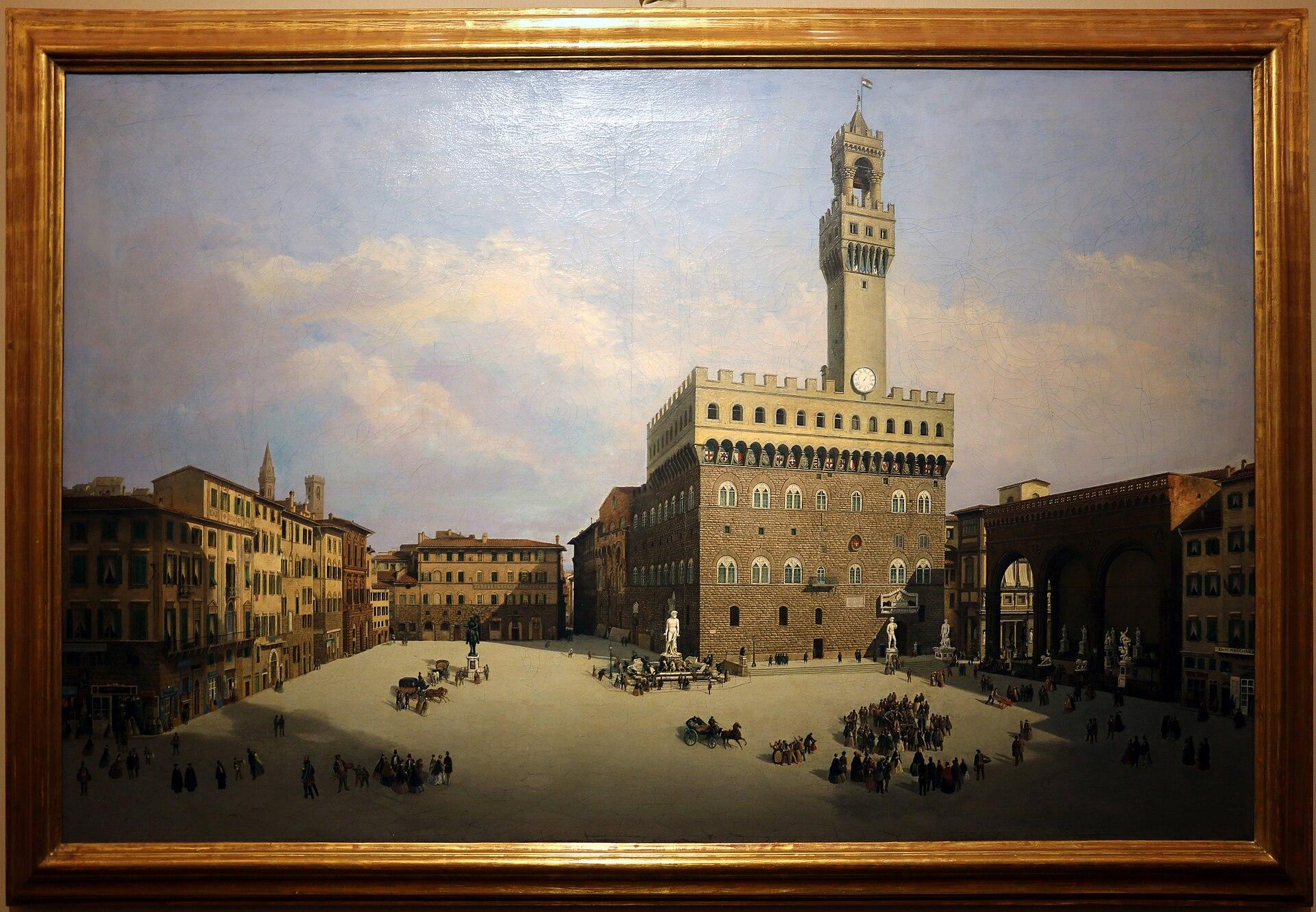
Anonymous, c. 1860-1866, photo Sailko, CC BY 3.0, via Wikimedia Commons
Period 4:
The night of the flood
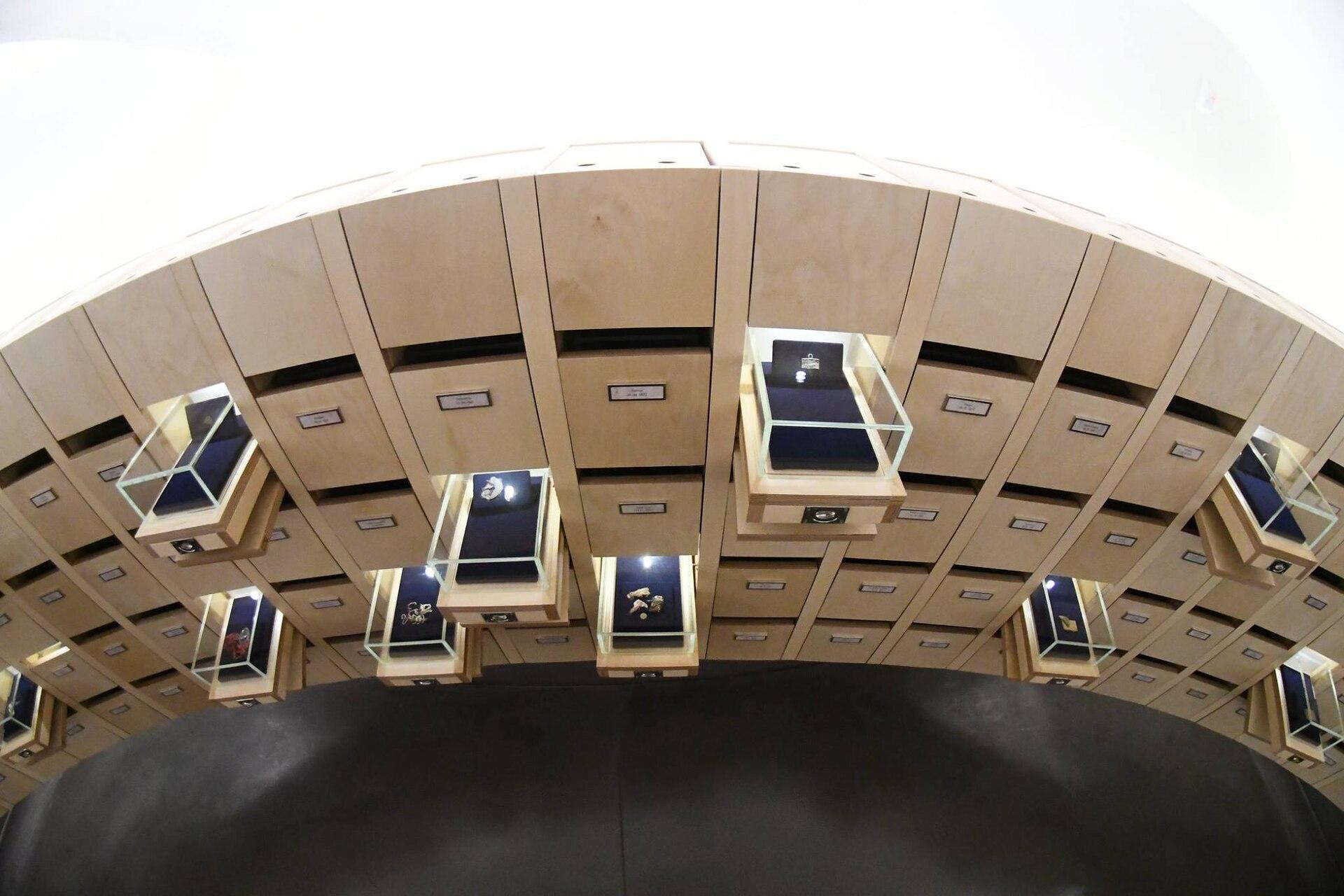
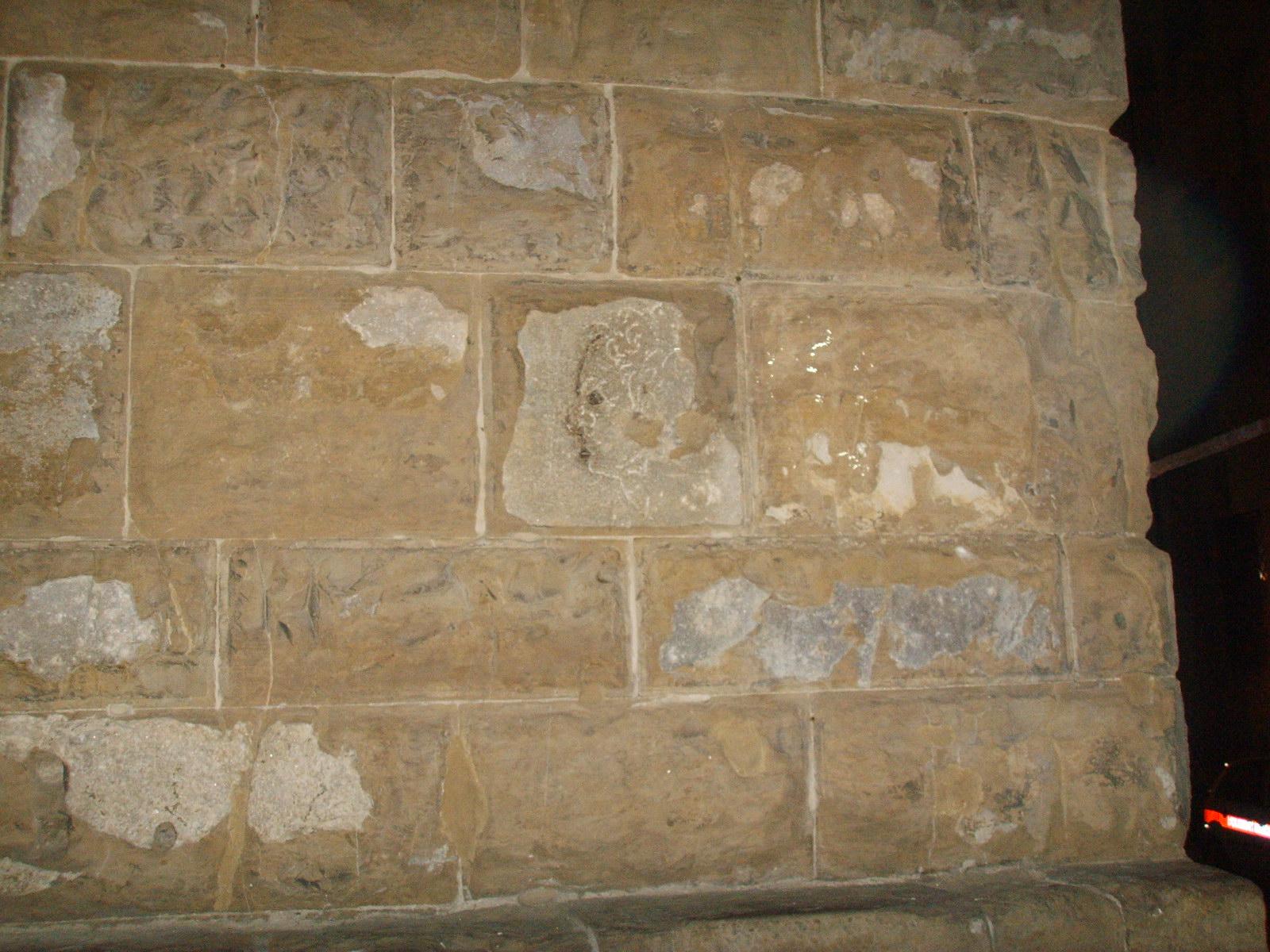
On 4 November 1966 the Arno broke through the city overnight, leaving mud and heating oil up above the shop fronts. Thousands of volunteers came from all over the world to pass books and paintings out of the water, and the restoration methods invented here in the years that followed are still taught to specialists from everywhere.
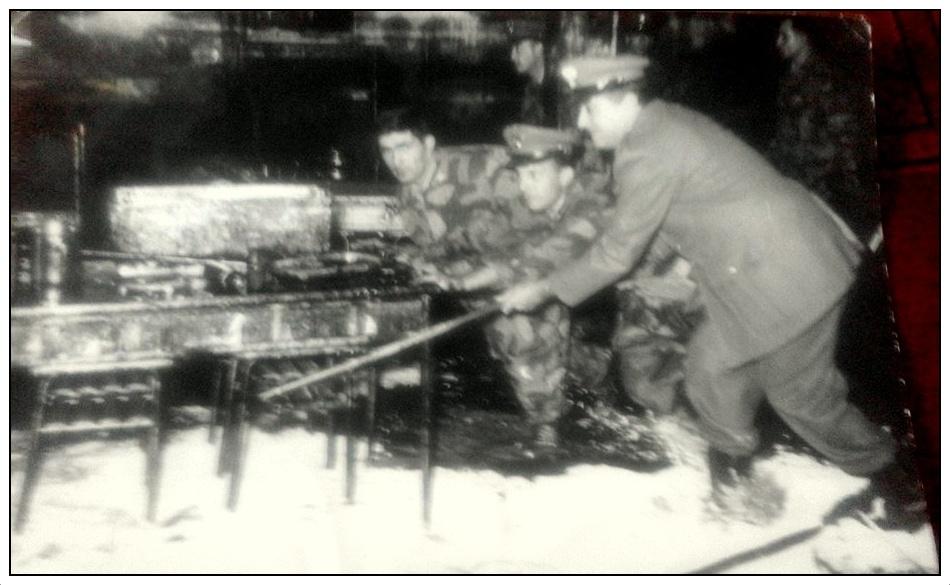
November 1966, public domain, via Wikimedia Commons
Walking routes in Florence
Loops of a few kilometres through the city, told stop by stop.
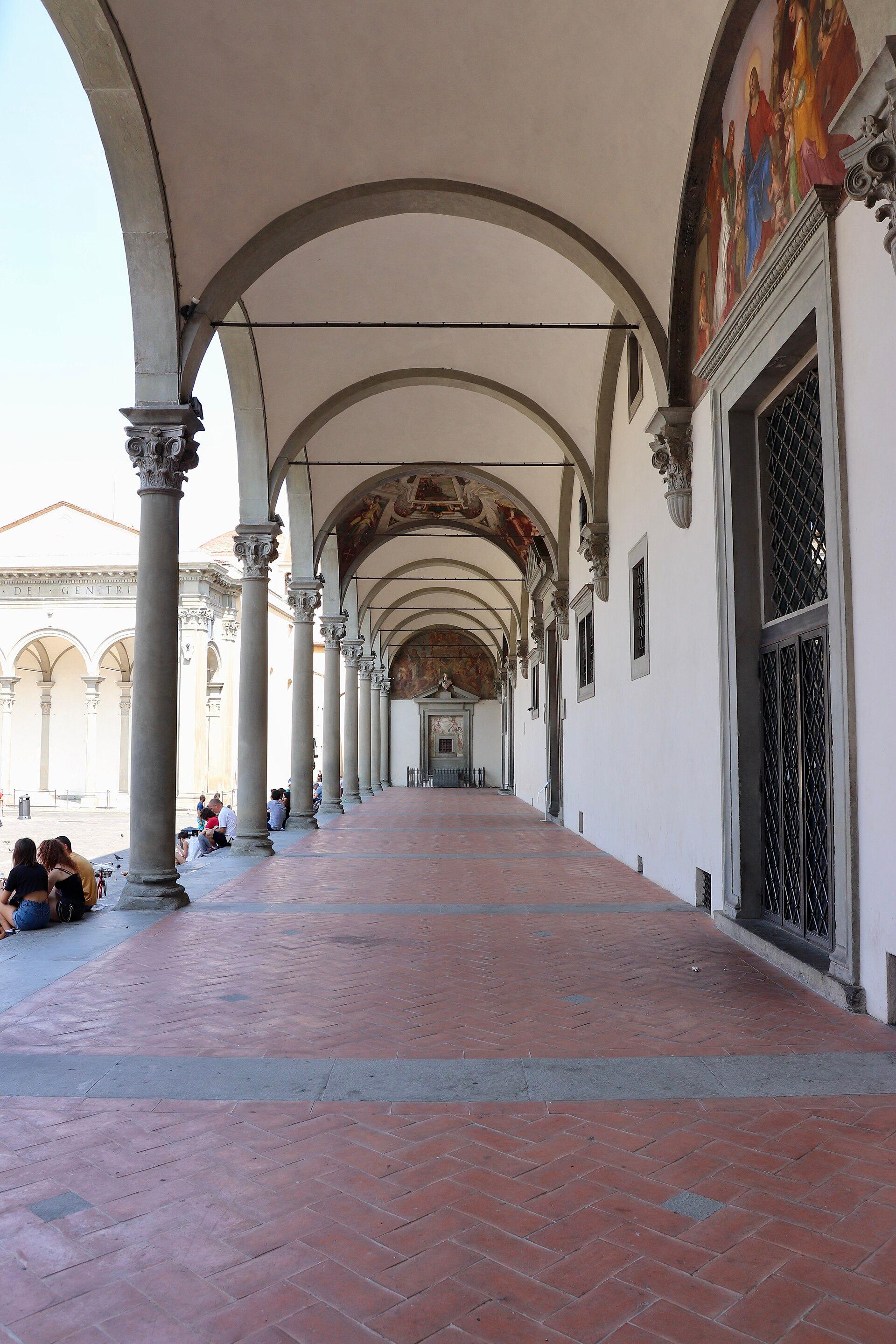
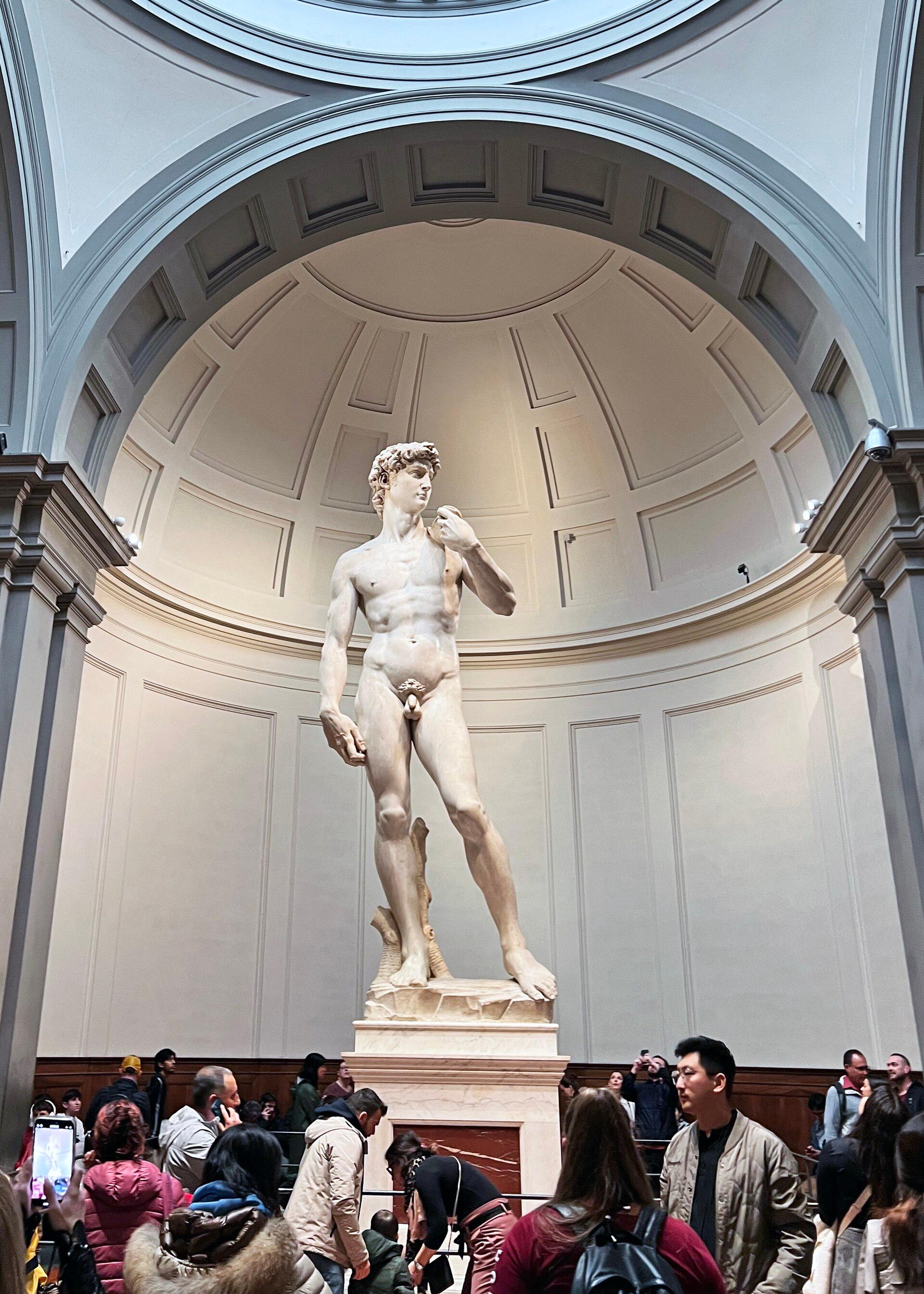
The places behind the stories
Every stop on our map of Florence has its own story — 69 of them. Read them here, or hear them where they happened.