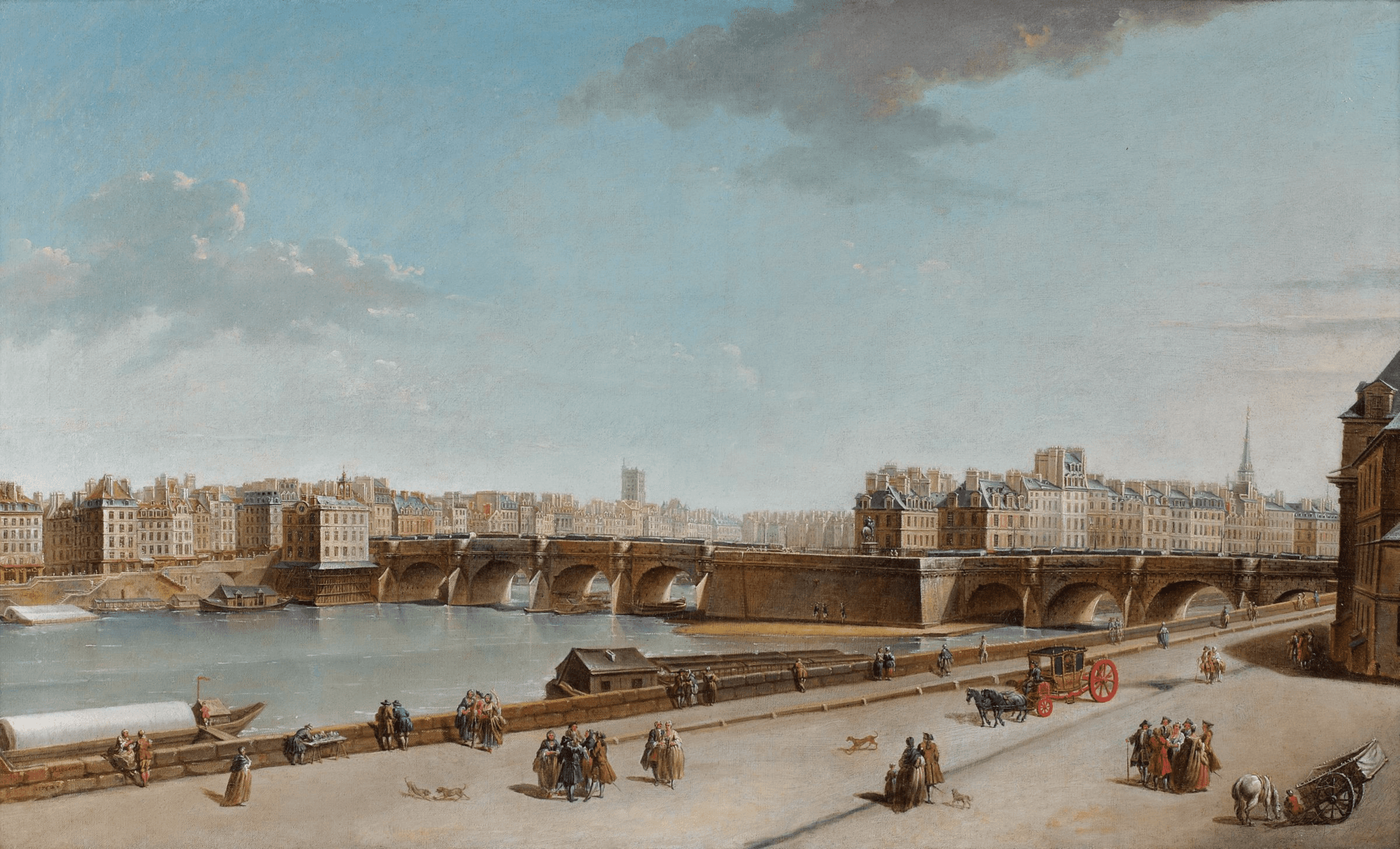
Until the sixteenth century, every bridge in Paris carried a double row of houses, so you could cross the river without ever catching sight of the water. The bridge beneath your feet broke with that habit. The first stone went into the ground in 1578, and it was only in 1607 that rode across it. What lay there then was open on every side, with wide pavements where pedestrians walked safely beside the traffic for the first time.
What followed was open-air theatre. Tooth-pullers, acrobats, song sellers and pickpockets worked side by side here, and anyone who wanted the latest news came to this bridge rather than to the town hall. On side stood a gallows at the same time, because all that bustle made this the ideal place to put a punishment on show.
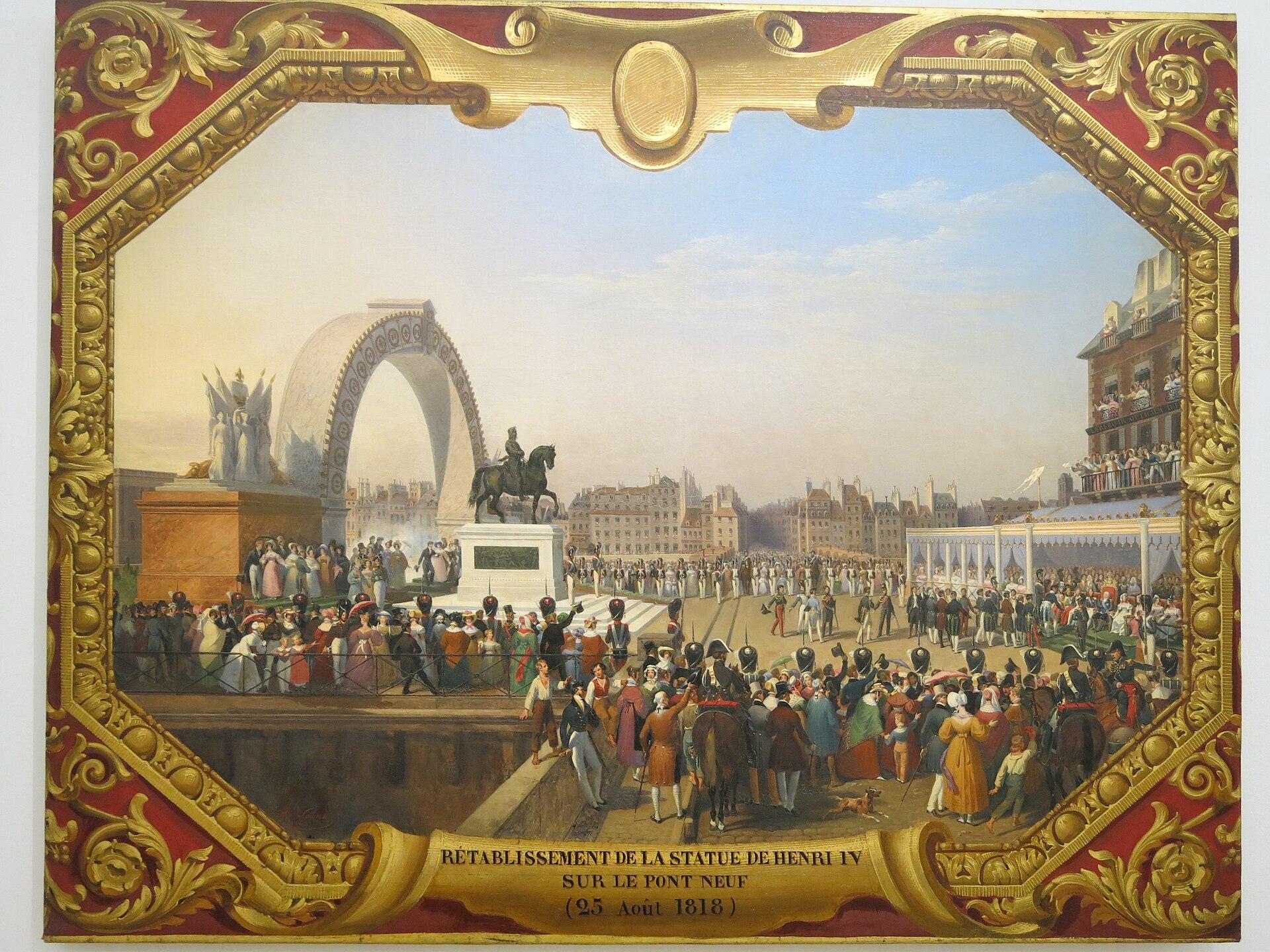
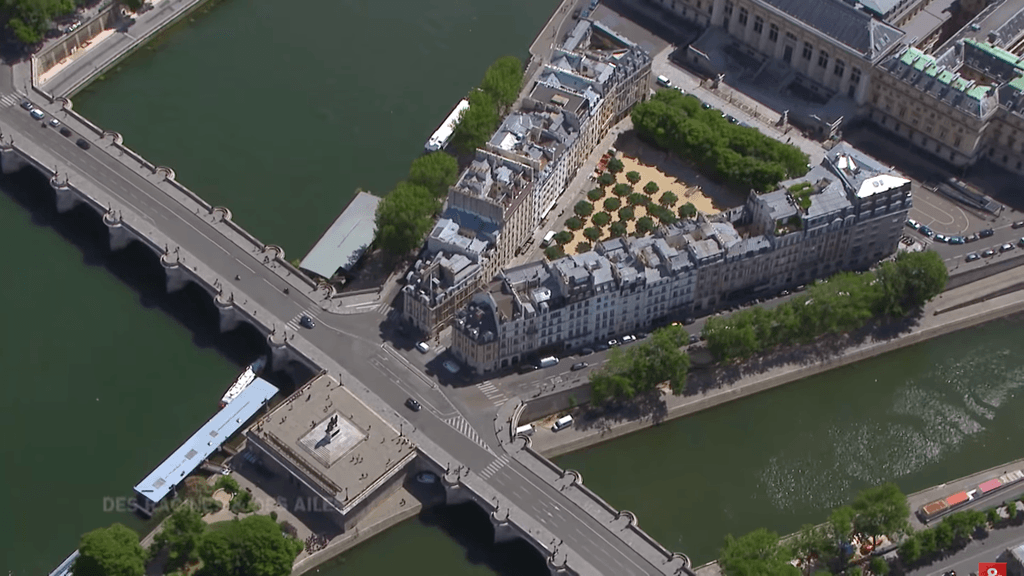
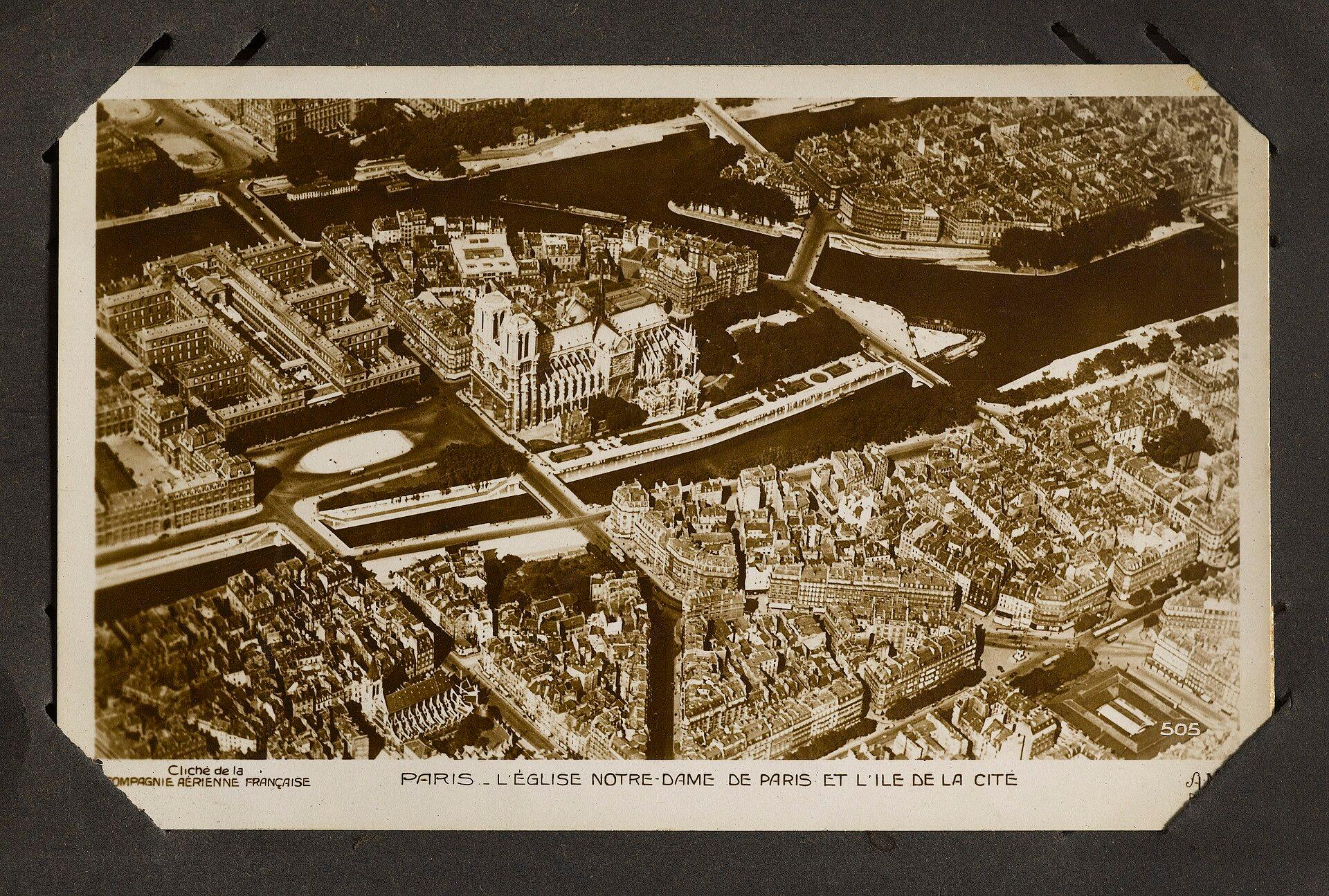
The bridge meets the island right at its tip, so from the middle you look out over both banks at once and see how narrow the strip of land is on which the whole city began. The standing there got a successor after , with something hidden in the belly of the horse. That story belongs to our walk through the first .
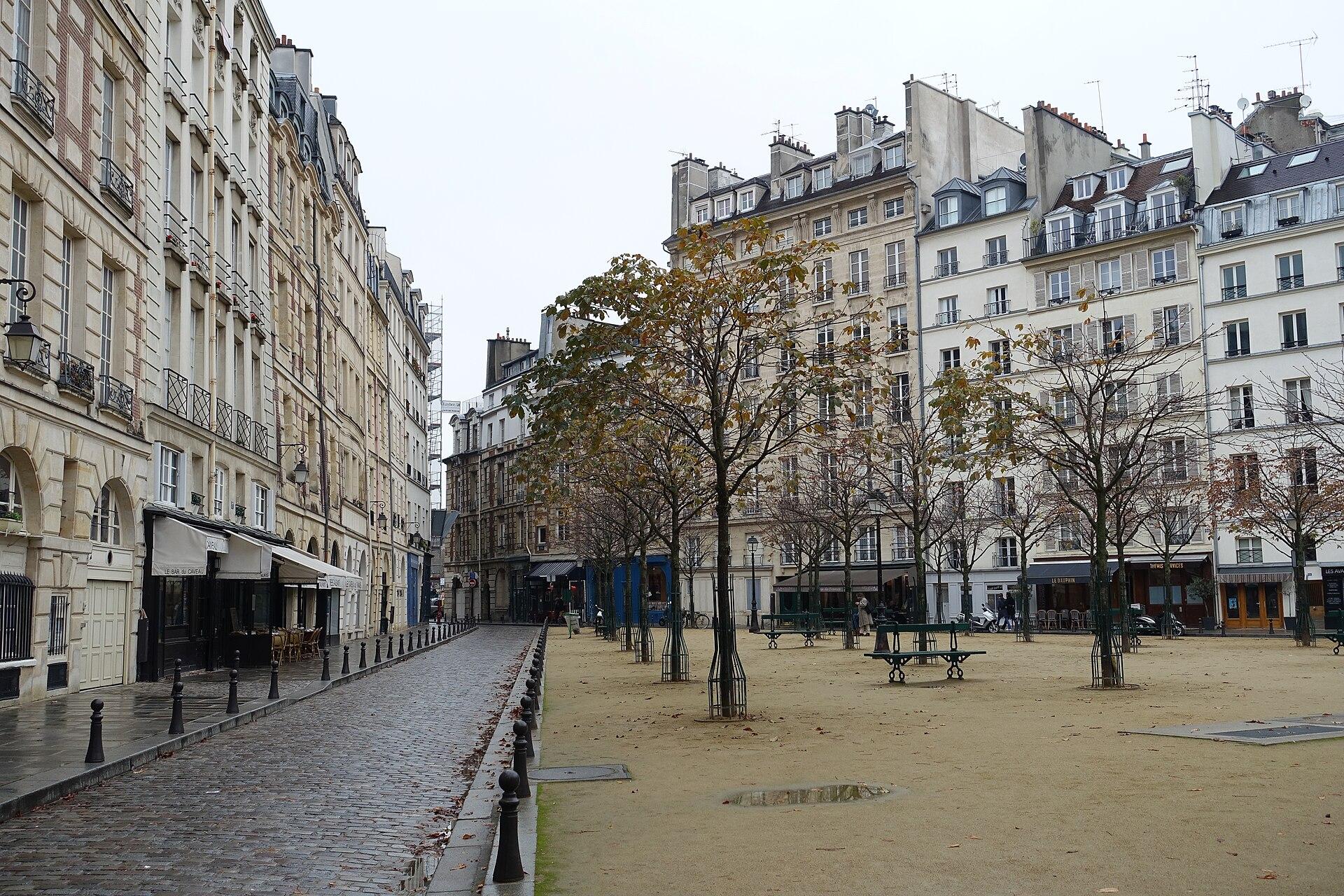
By the statue we cross over to the island, into a narrow passage, toward a square with three corners.
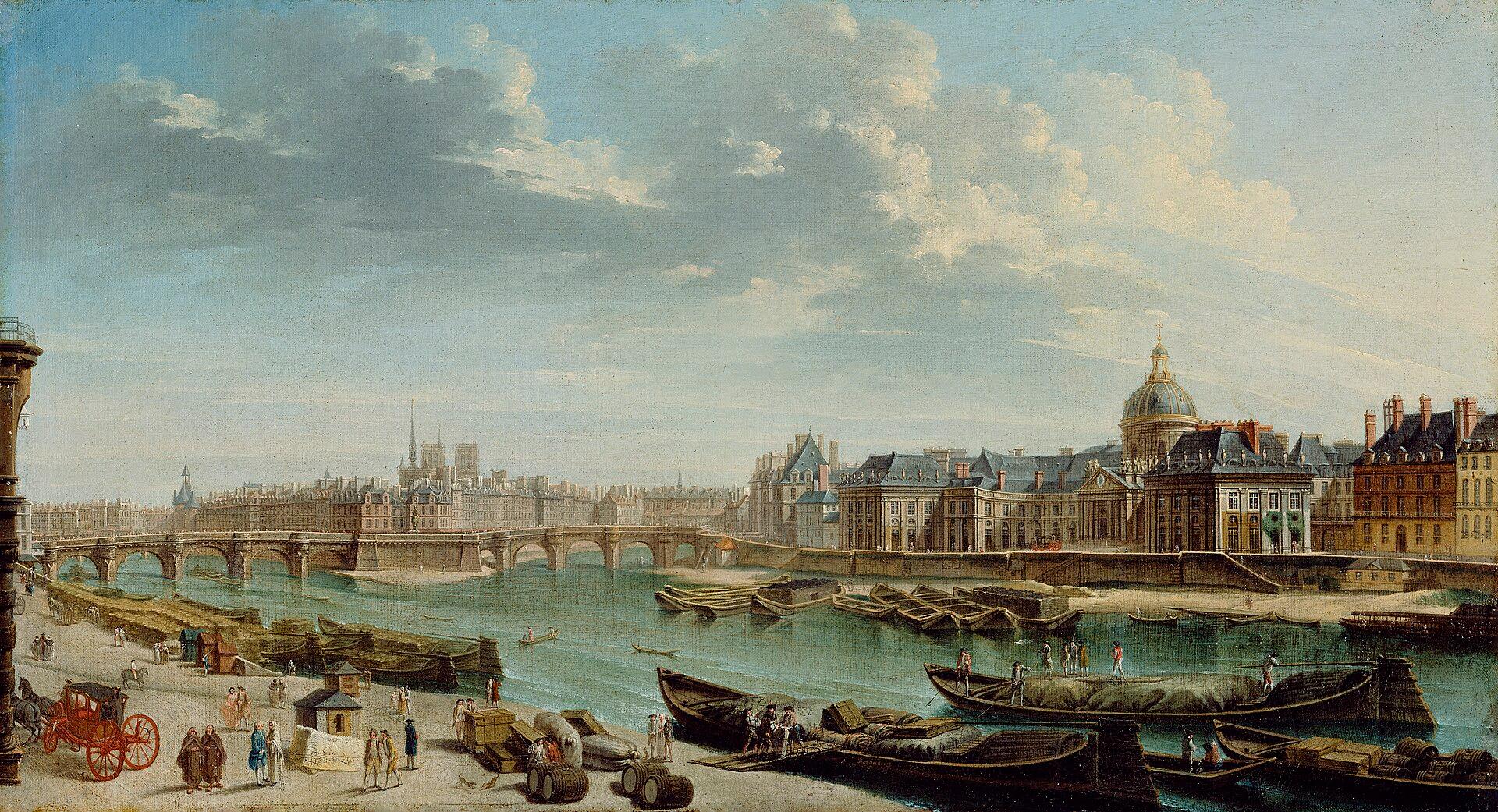
Sources. Story: Ville de Paris, patrimoine; Musée Carnavalet, Histoire de Paris Photos: Nicolas-Jean-Baptiste Raguenet, view of the Île de la Cité with the Pont Neuf and the La Samaritaine pump, 1752 (public domain), via Wikimedia Commons