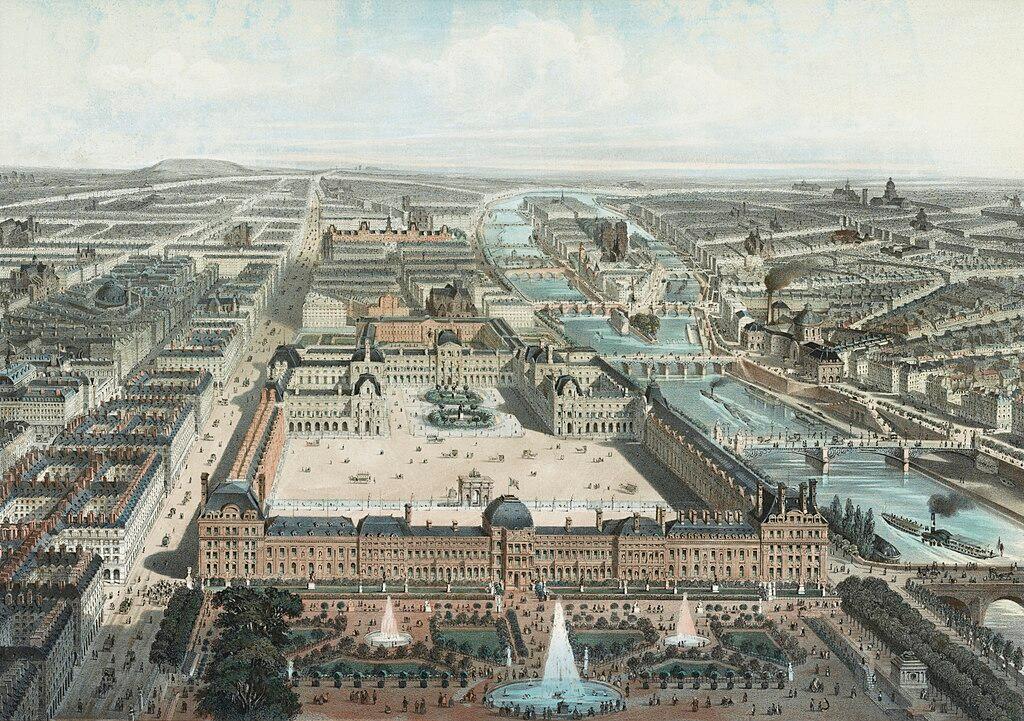
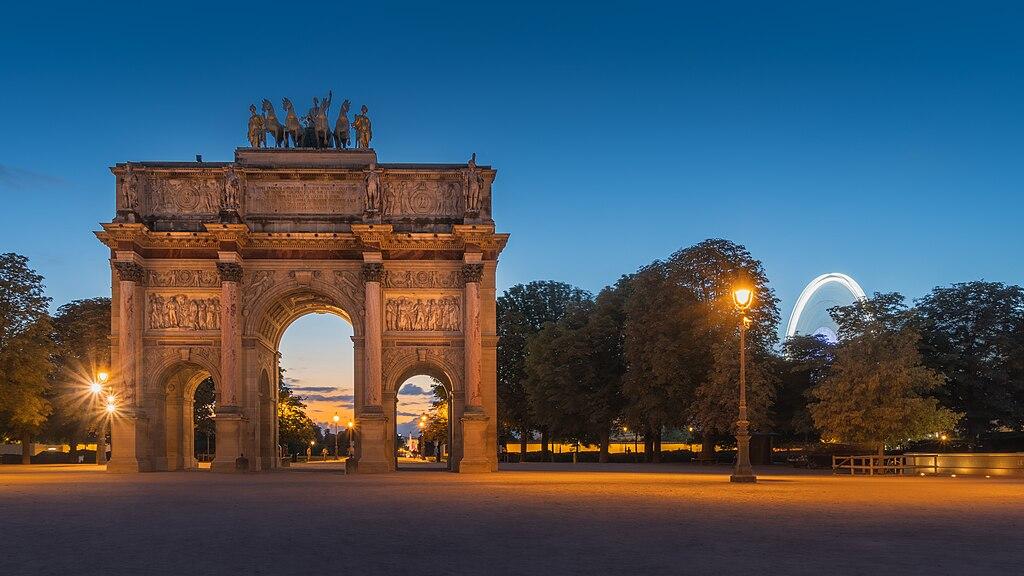
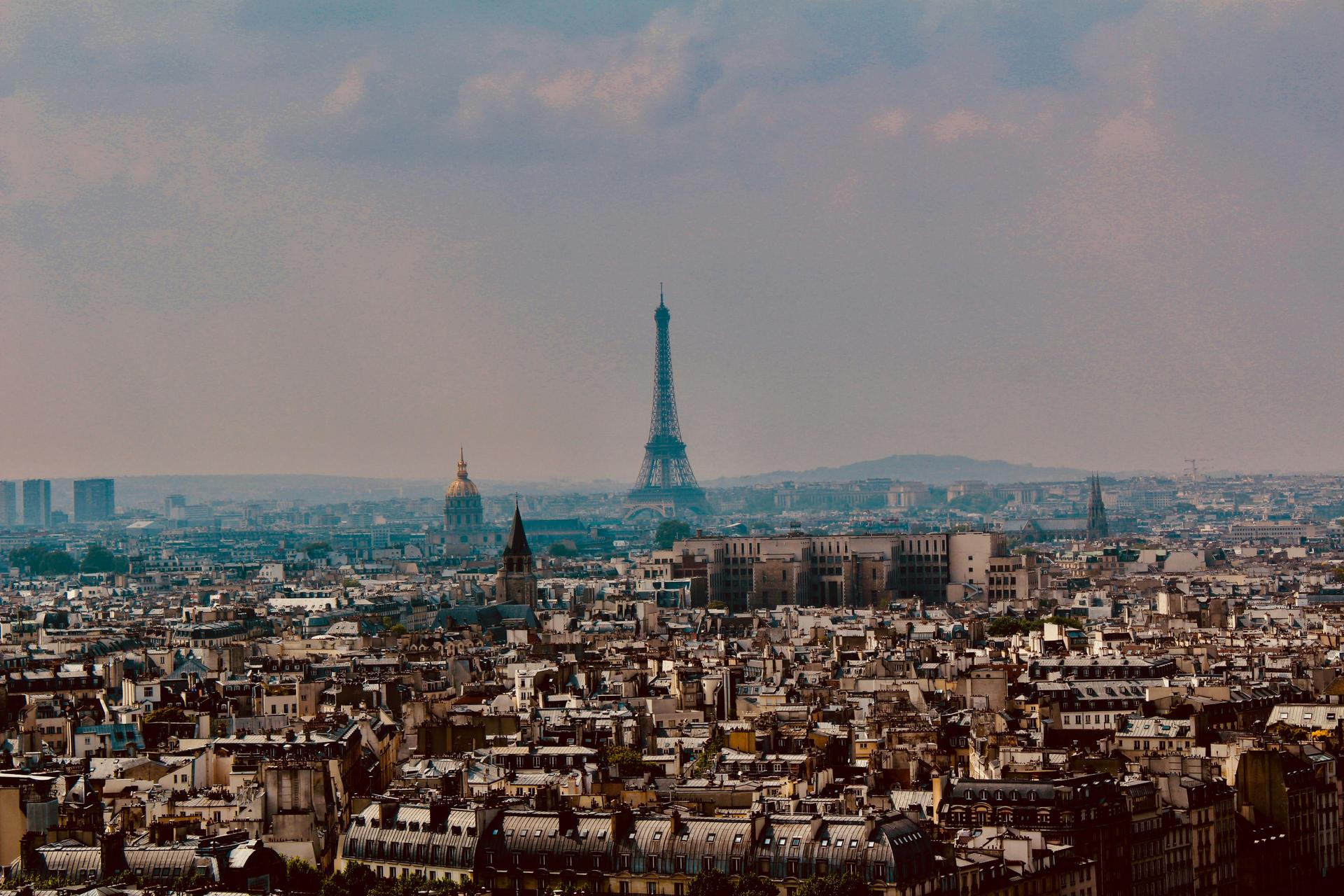
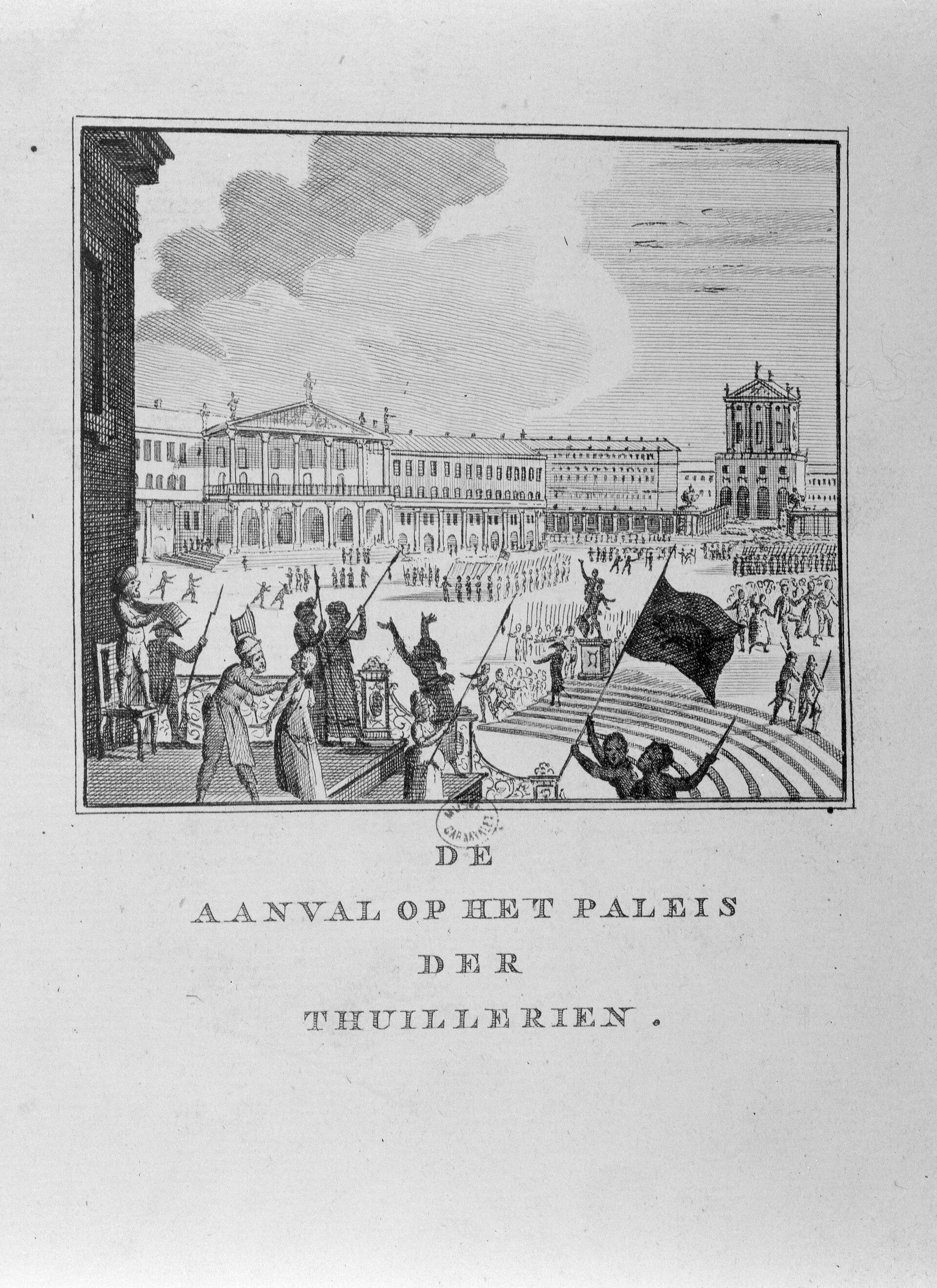
Where you now see the gravel and the ponds, a palace three hundred metres long stood until 1871. After the fall of the , the royal family was brought here from Versailles, and from that point on lived in his own capital as a guarded guest.
The end came on 10 August 1792. An armed crowd marched on the palace, the king fled with his family to the meeting hall of the next door, and from there he ordered the to cease fire. Those six hundred mercenaries laid down their weapons and were then cut down on the steps and in the garden, almost to the last man. A monument to them has stood in Lucerne ever since, a dying lion that Mark Twain called the saddest piece of stone in the world.
That same day, the monarchy in France ceased to exist. The palace burned down eighty years later during , and the ruin stood there for eleven years before the city decided to tear down what was left.
We walk the full length of the garden, toward the obelisk that rises above the square at the far end.

Sources. Story: Archives nationales, France; Musée Carnavalet; Ville de Paris, history of the Palais des Tuileries Photos: Journée du 10 août 1792, attaque du palais des Tuileries, Musée Carnavalet, Paris Musées (CC0), via Wikimedia Commons