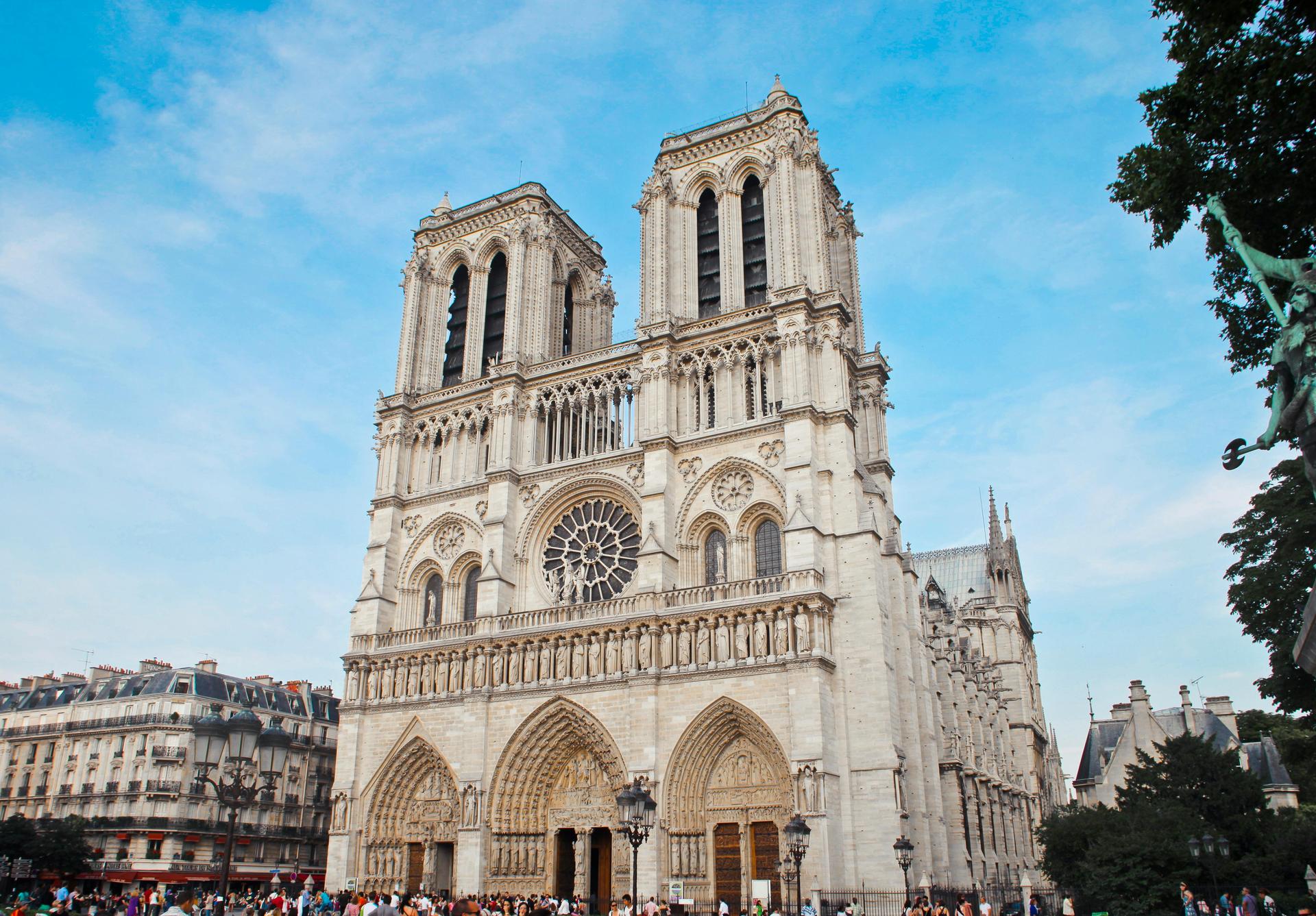
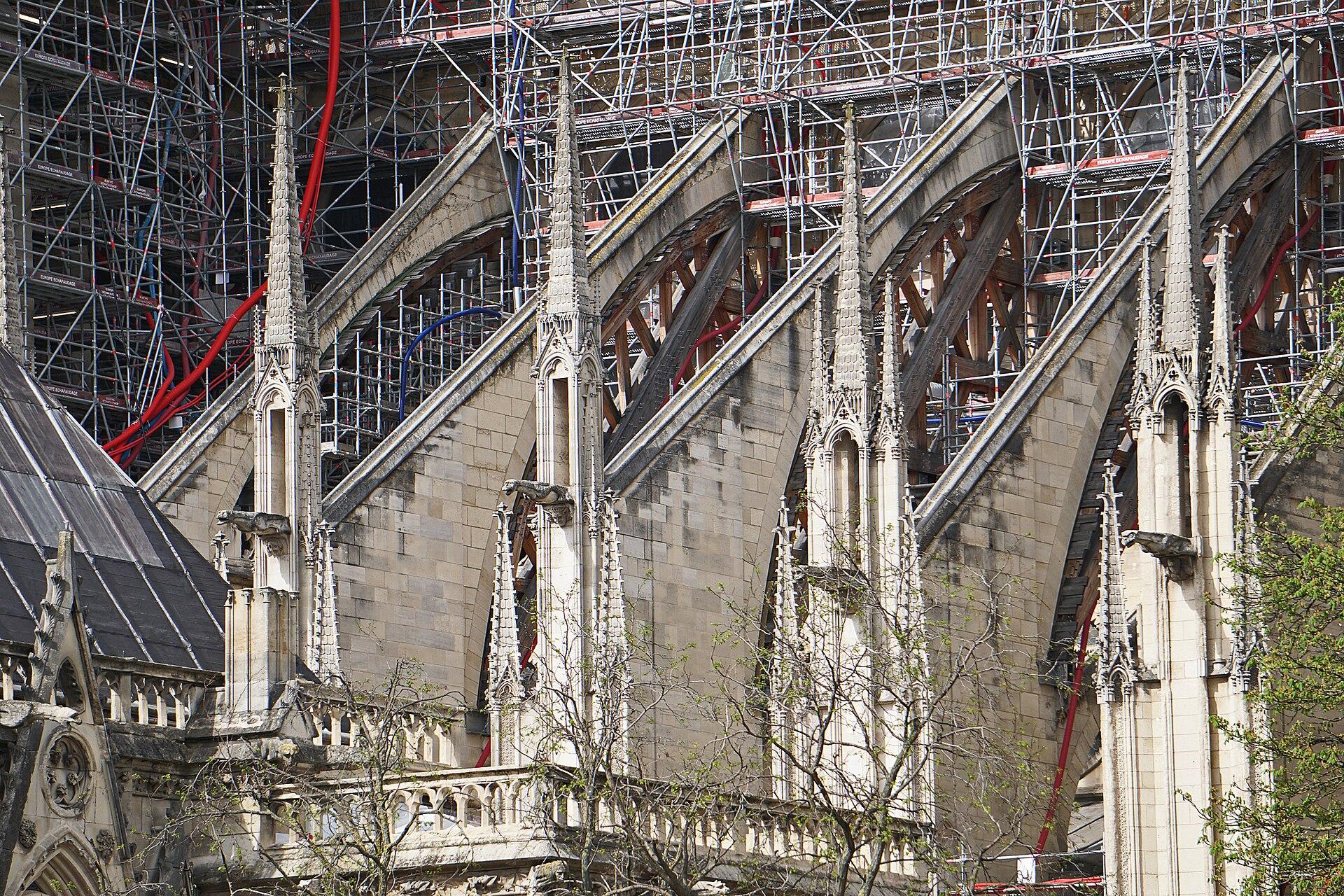
From this side you can see where the builders solved their biggest problem. The cathedral walls had to rise high and thin to make room for glass, and all that weight pushed outward, so it was caught by stone arms that brace against the upper structure from separate piers. Construction began in 1163 and took almost two centuries, and these are among the earliest of their kind on this scale.
By the early nineteenth century the building was in a sorry state, with crumbling statues and a leaking roof. wrote a novel mainly meant to wake Paris up about its own cathedral, and it worked. Some thirteen years later and were given the task of restoring it, and what they did went beyond repair. The spire above the crossing is a design by Viollet-le-Duc, since the medieval spire had already been taken down before the Revolution. Around its base he placed the twelve apostles, and to one of those copper figures he gave his own face, the only one turned around, looking up at his own spire.
Those apostles had been lifted away by crane for restoration four days before , and so survived the blaze that destroyed the spire beneath them.
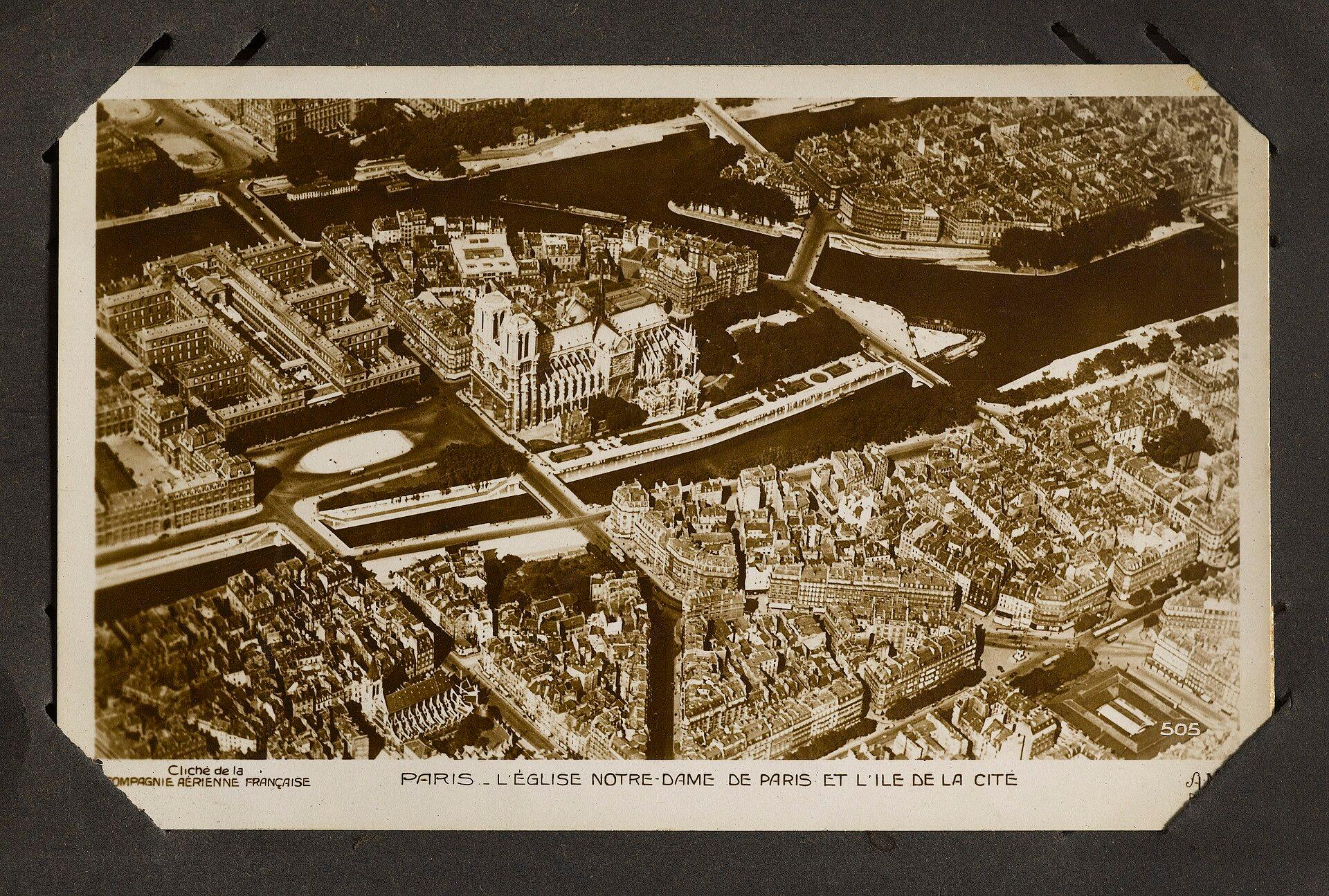
We keep following the quay eastward, until the island ends in a point at a low little garden.
Sources. Story: Centre des monuments nationaux; Établissement public Rebatir Notre-Dame de Paris; Ville de Paris, patrimoine Photos: Flying buttresses, Notre-Dame de Paris, 2024 (CC BY-SA 4.0), via Wikimedia Commons