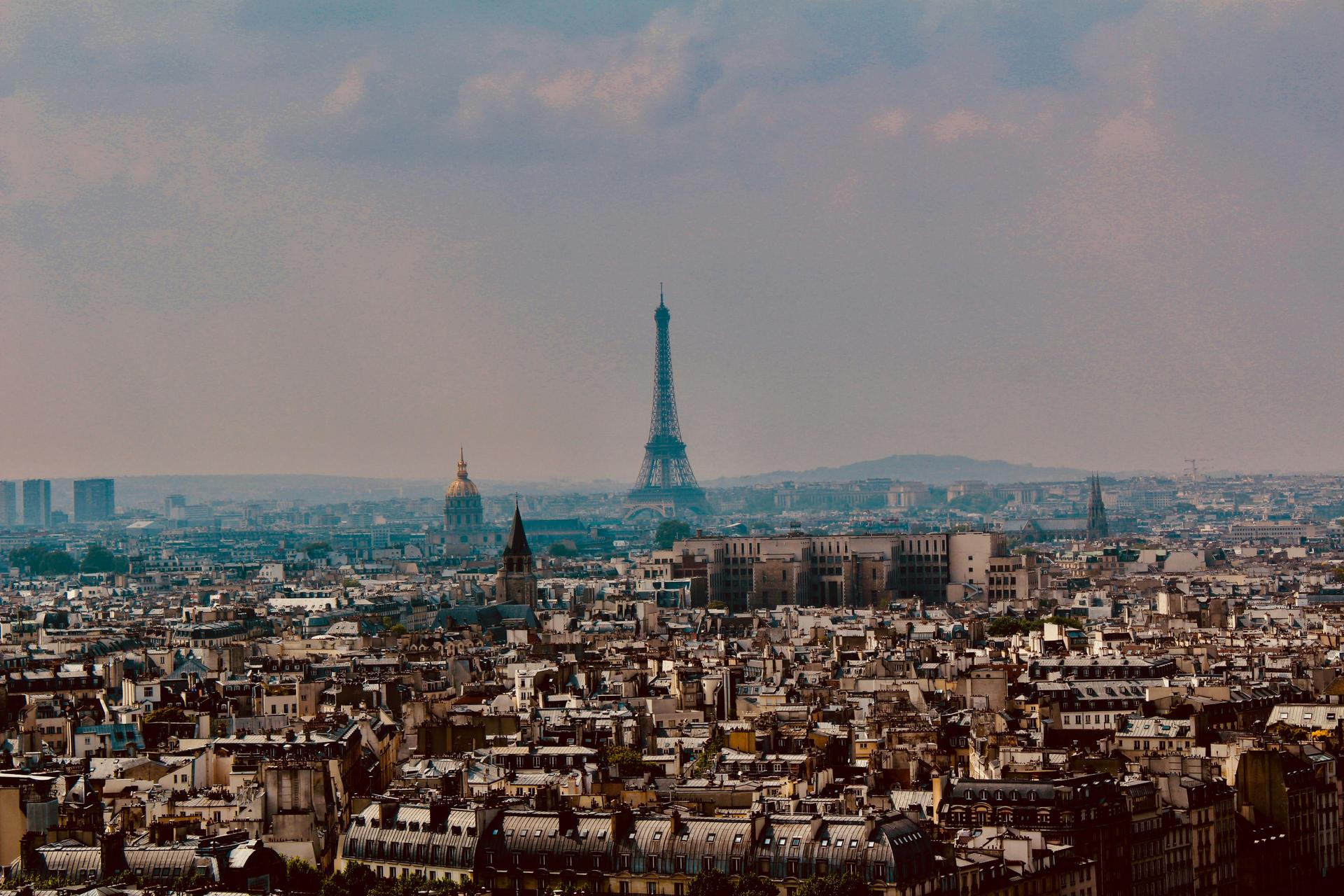
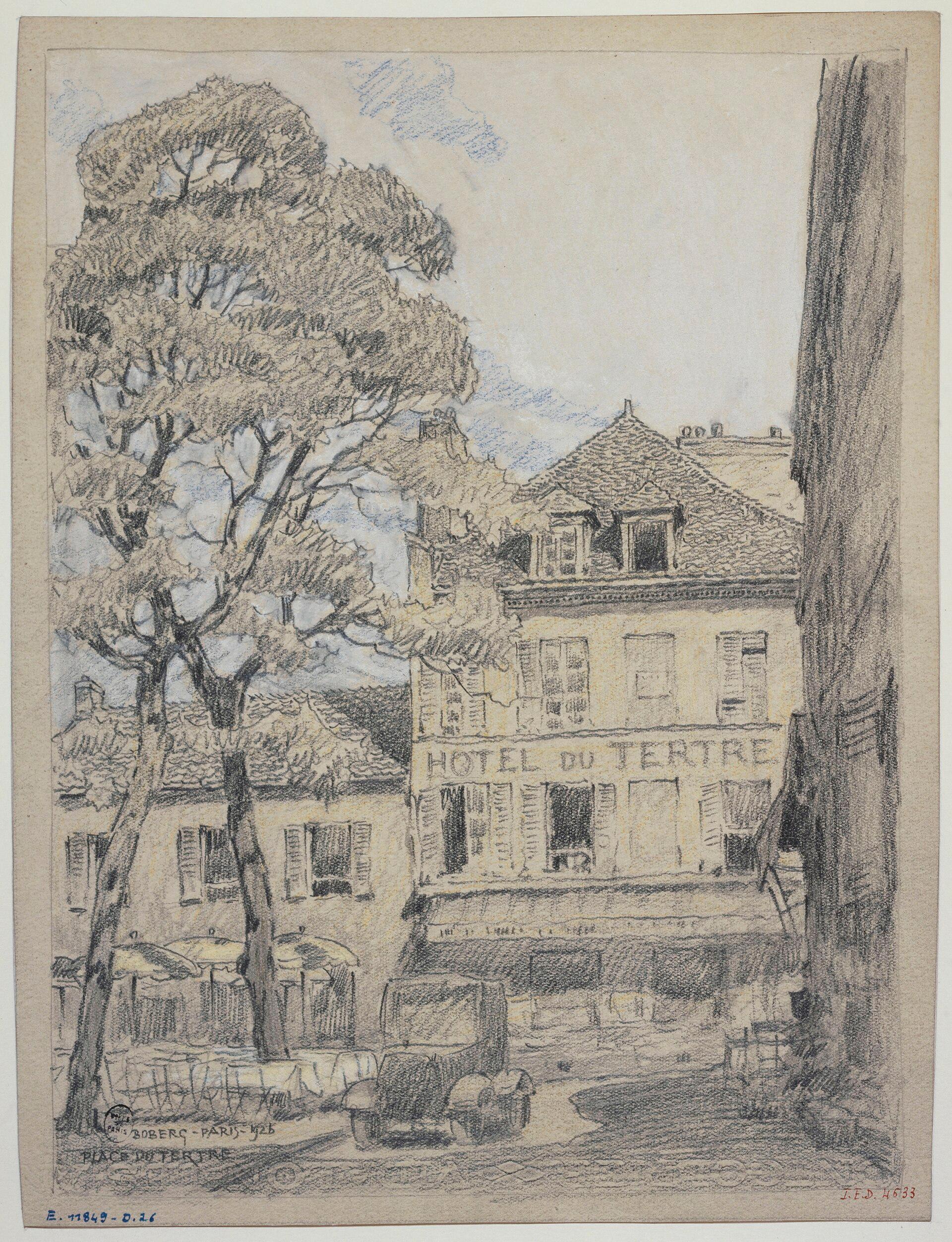
What looks at first glance like a spontaneous gathering of painters is one of the most tightly regulated places in Paris. The city has measured out a hundred and forty spots on this square, each about one square metre, and every spot is shared by two artists who work on alternating days. If you want one, you join a waiting list that stretches over years, and a committee decides whether you get in.
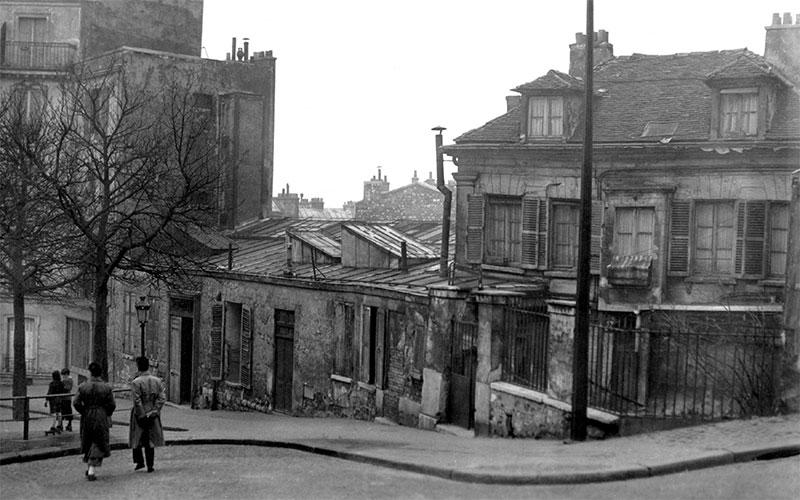
This was the village square, with the council on one side and the inn on the other. , on the corner, has been pouring drinks since 1793. On its facade hangs the story that Russian called out for their food here in 1814 with the word bystro, meaning quick, and that this is how the French word was born. Linguists give it little credit, though the little sign still hangs there.
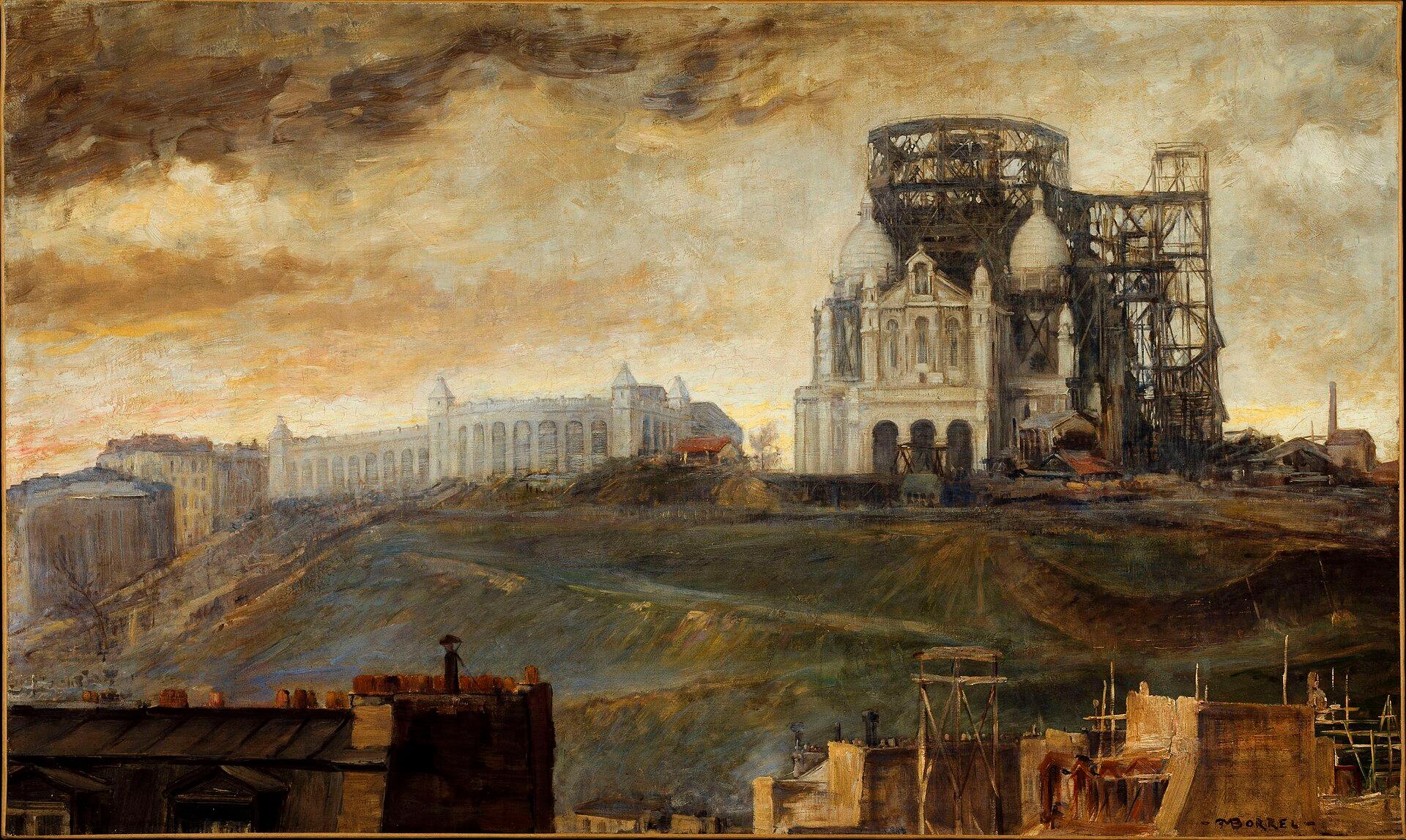
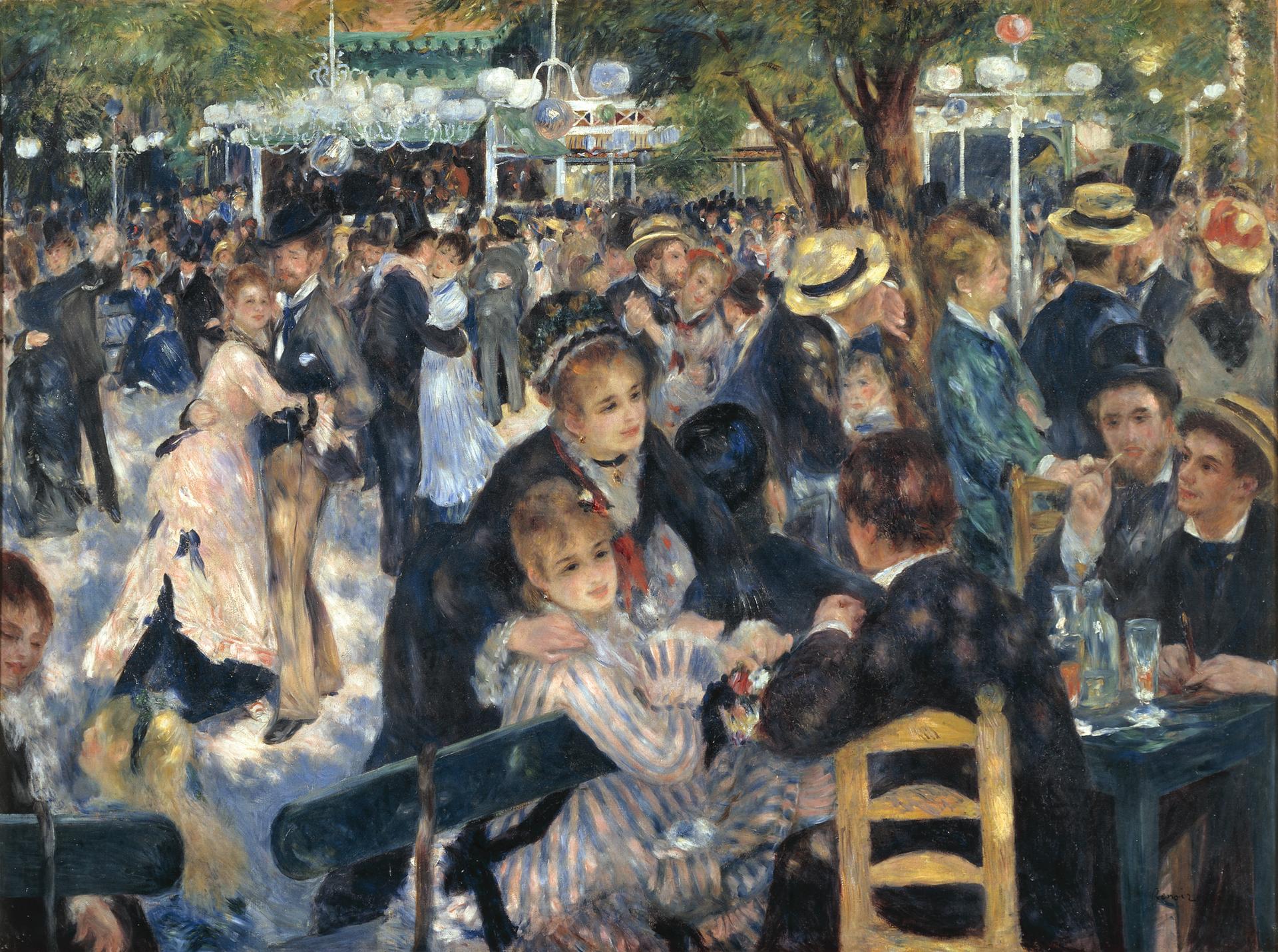
Until the nineteenth century, farms and vines stood around the square. The painters only arrived once the gypsum quarries closed and the houses emptied out.
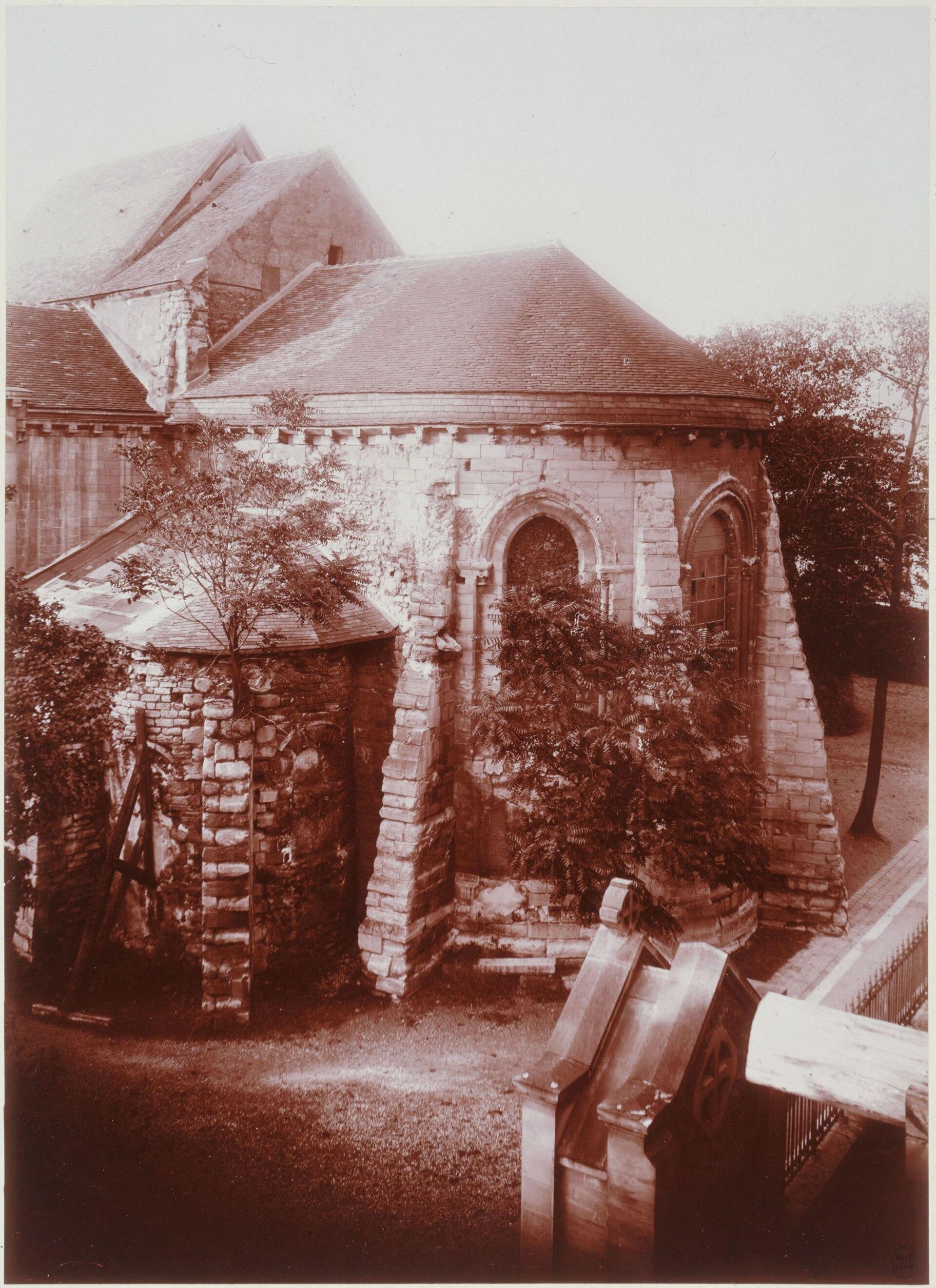
On the eastern side of the square stands a low stone church that almost everyone walks straight past, and that is where we go inside.
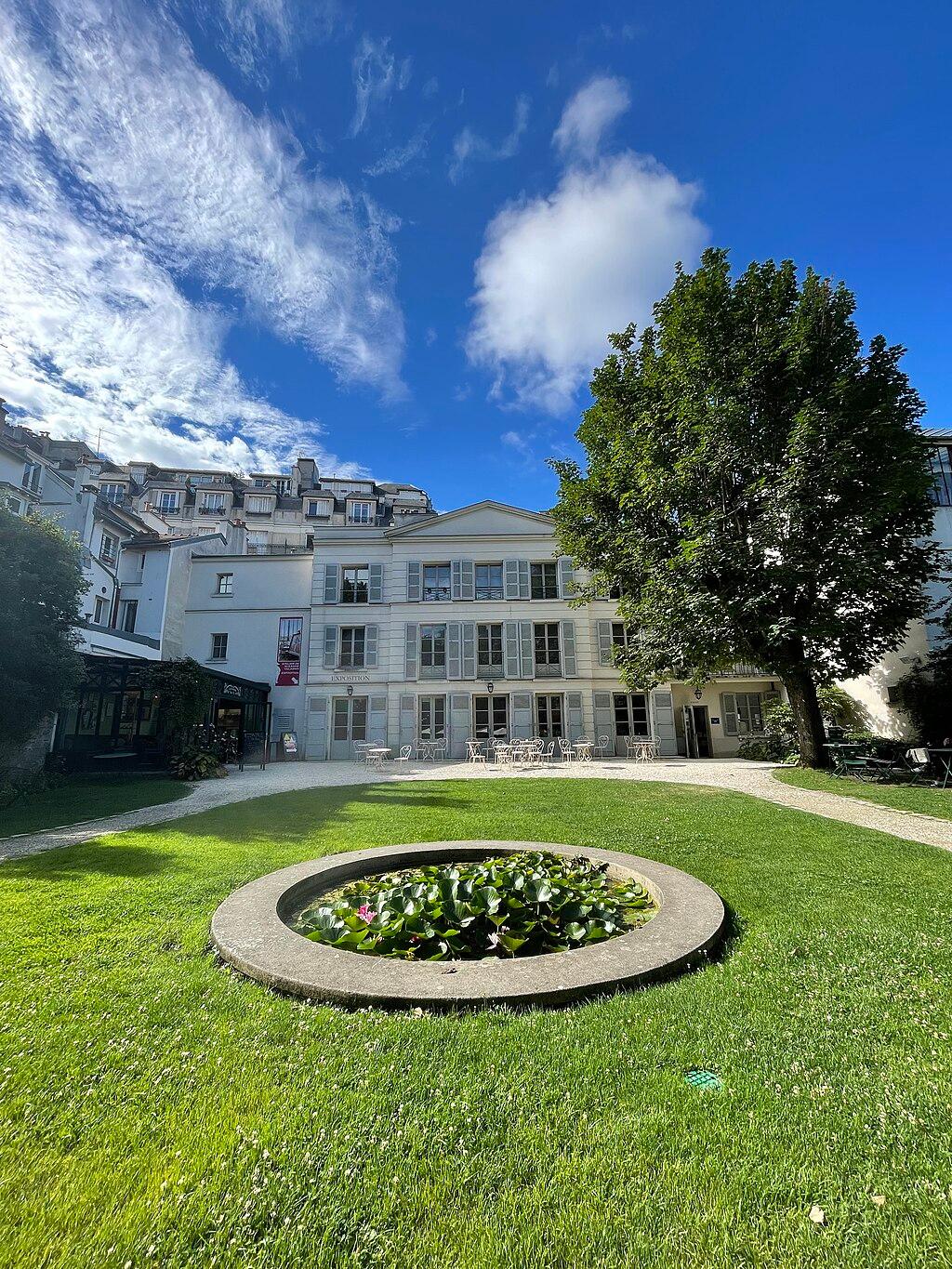
Sources. Story: Mairie du 18e arrondissement, regulations of the place du Tertre; Ville de Paris; Musée de Montmartre Photos: Ferdinand Boberg, La place du Tertre à Montmartre (1926), Musée Carnavalet, Paris Musées (CC0), via Wikimedia Commons