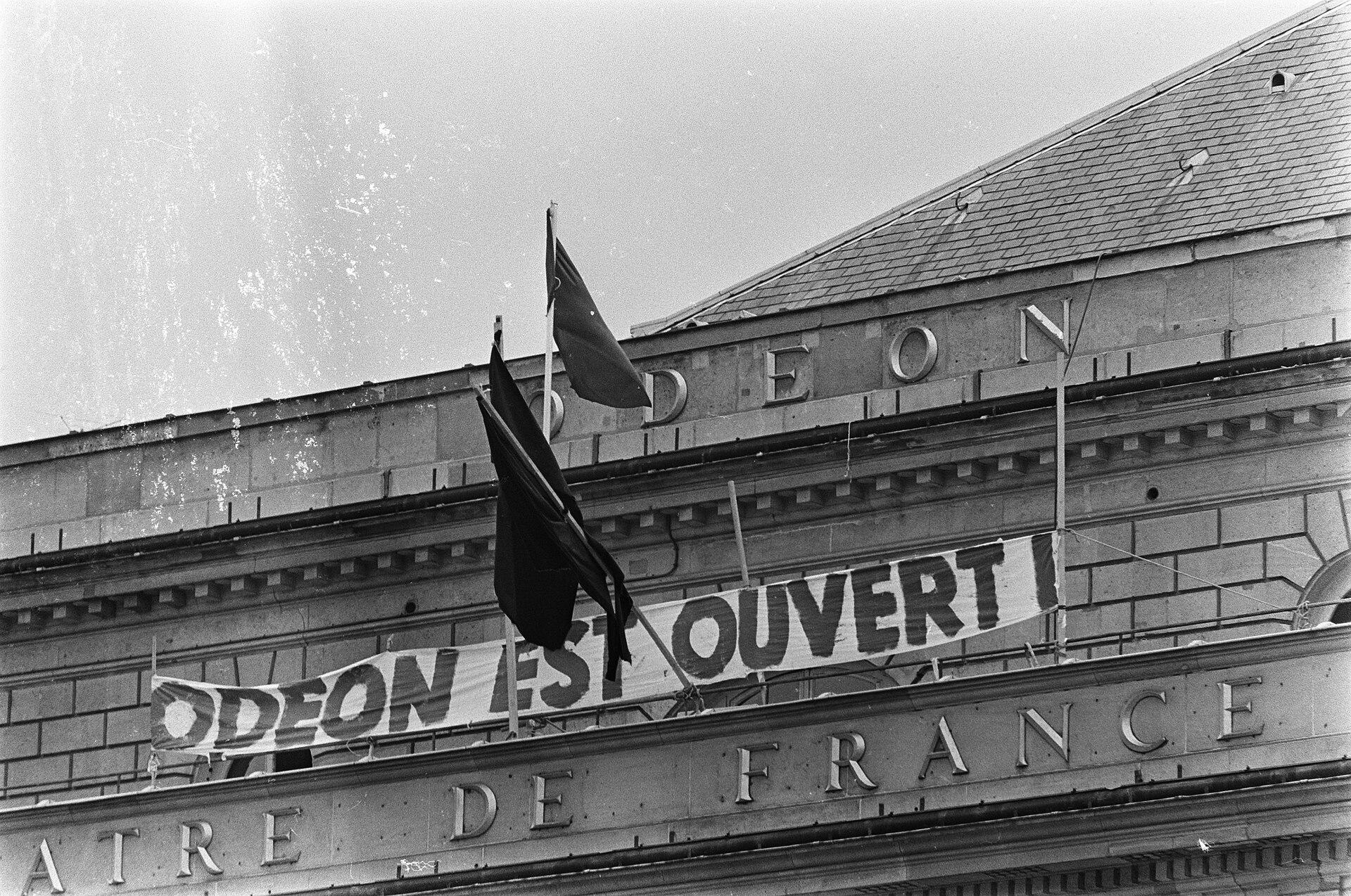
On this square the university, the law faculty and the town hall all sit wrapped around one another, and in May 1968 that turned out to be an unfortunate combination. What started as a protest against overcrowded lecture halls and a dormitory curfew grew within weeks into an uprising that ten million strikers would join.
On the night of 10 May, sixty barricades stood in the streets around us, built from overturned cars, felled trees and the cobblestones that students prised out of the road surface with crowbars. The police took them one by one, and by morning hundreds lay wounded.
Those cobblestones explain why you see so few of them here. After 1968 the city had many of the streets in this district paved over with asphalt, officially for maintenance reasons.
The slogans of those weeks still linger in the memory, from the beach beneath the paving stones to the ban on banning, and on the odd wall in the district the paint from back then bleeds through the newer coat.
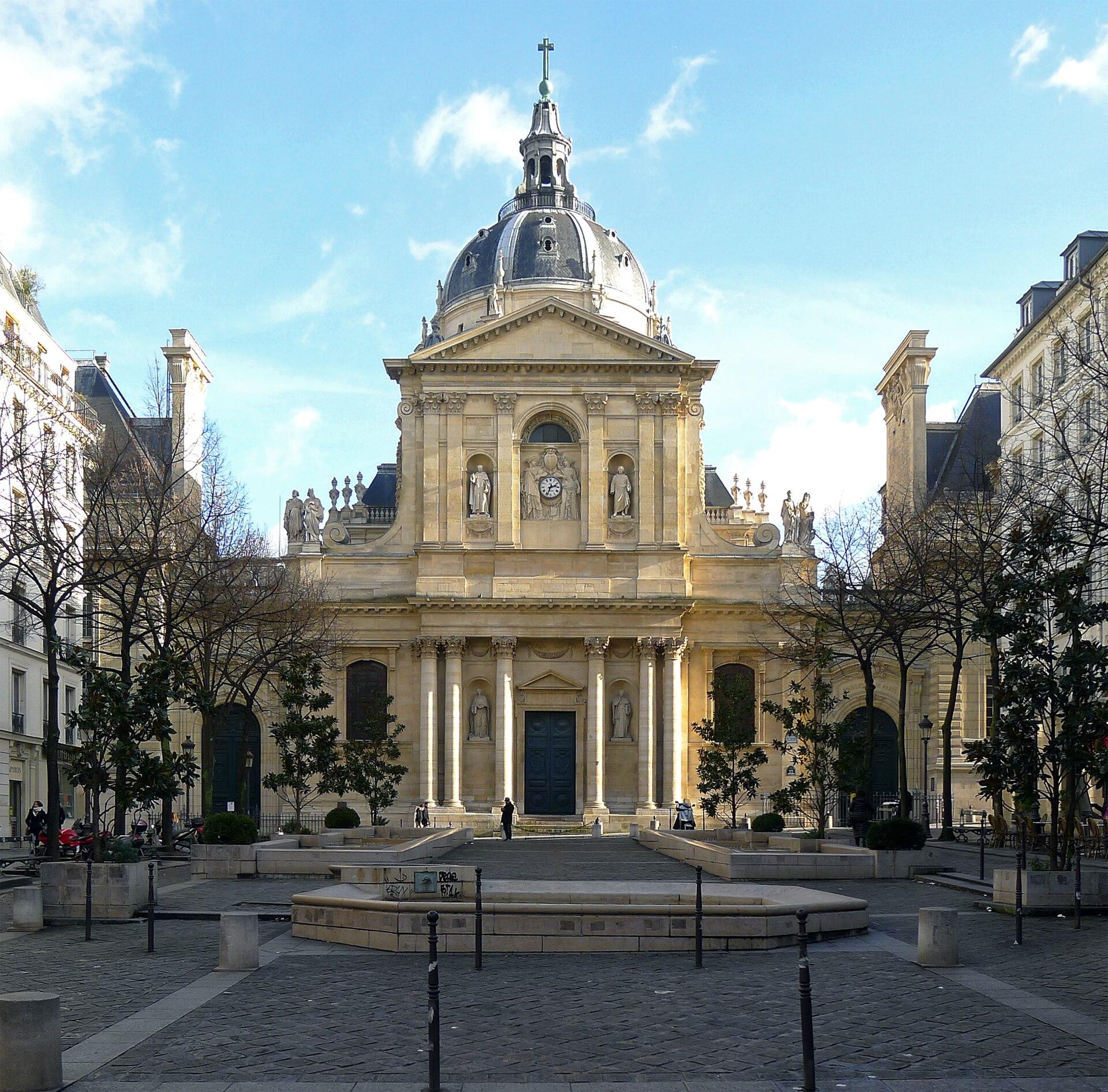
This is where the walk ends, two hundred metres from the Place de la Sorbonne where you began. If you still have time, the beside the has an iron reading room from 1850 that is well worth a look. Enjoy the rest of your day in the quarter where people have been studying and arguing for eight hundred years!
Sources. Story: Musée Carnavalet, Histoire de Paris; Archives de Paris, mai 1968; Ville de Paris Photos: Eric Koch for Anefo, May 1968, Nationaal Archief (CC0), via Wikimedia Commons