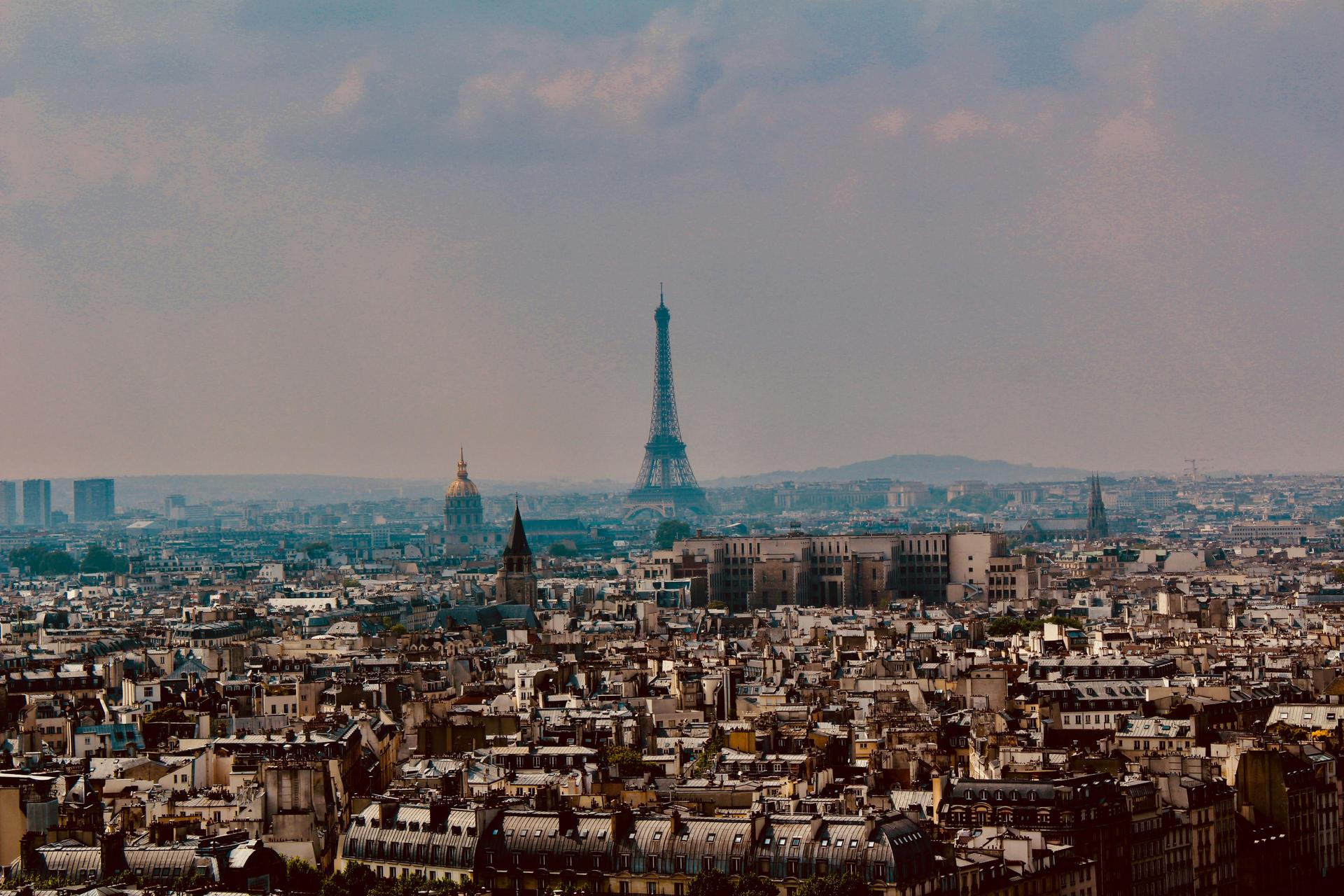
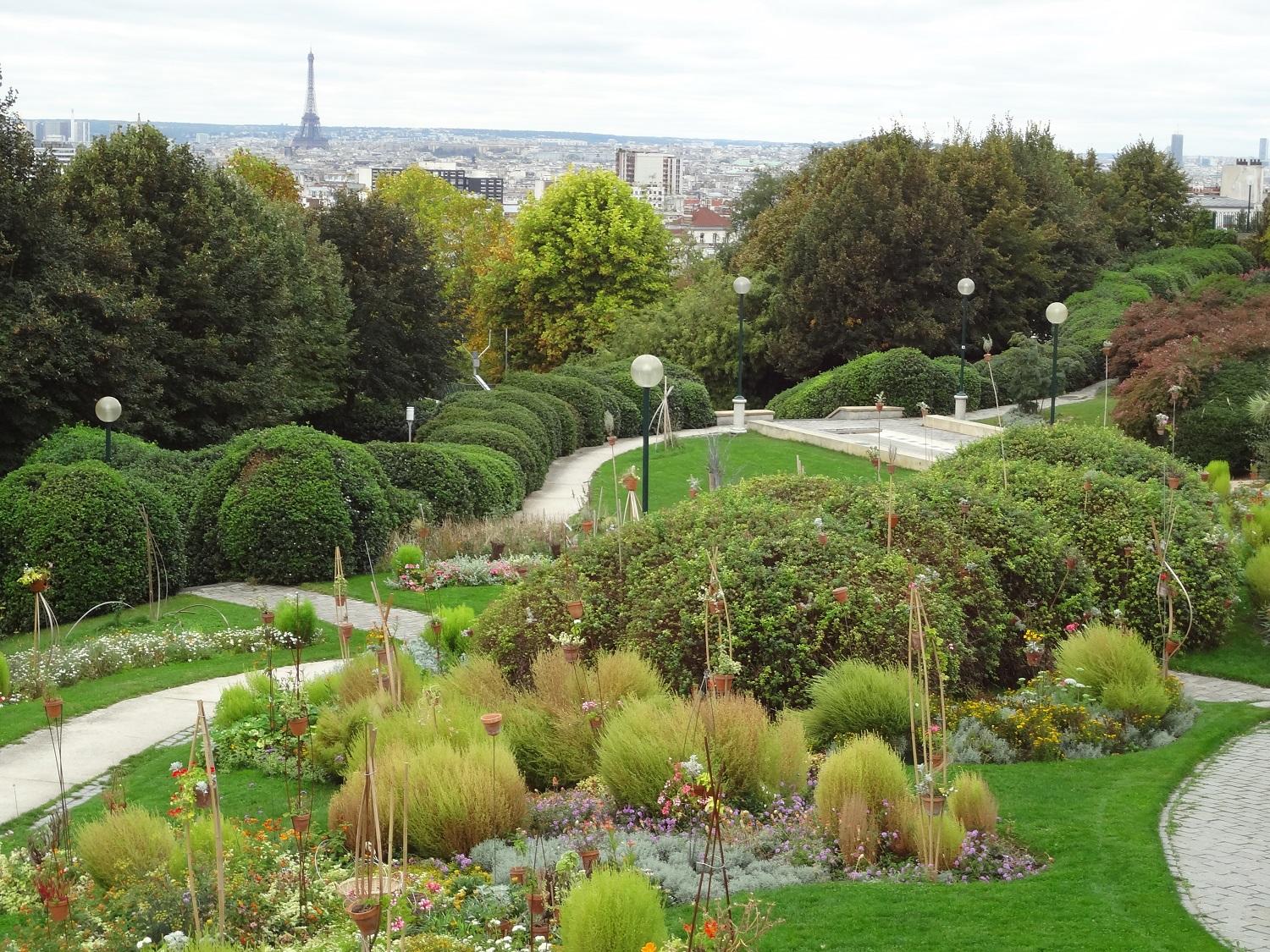
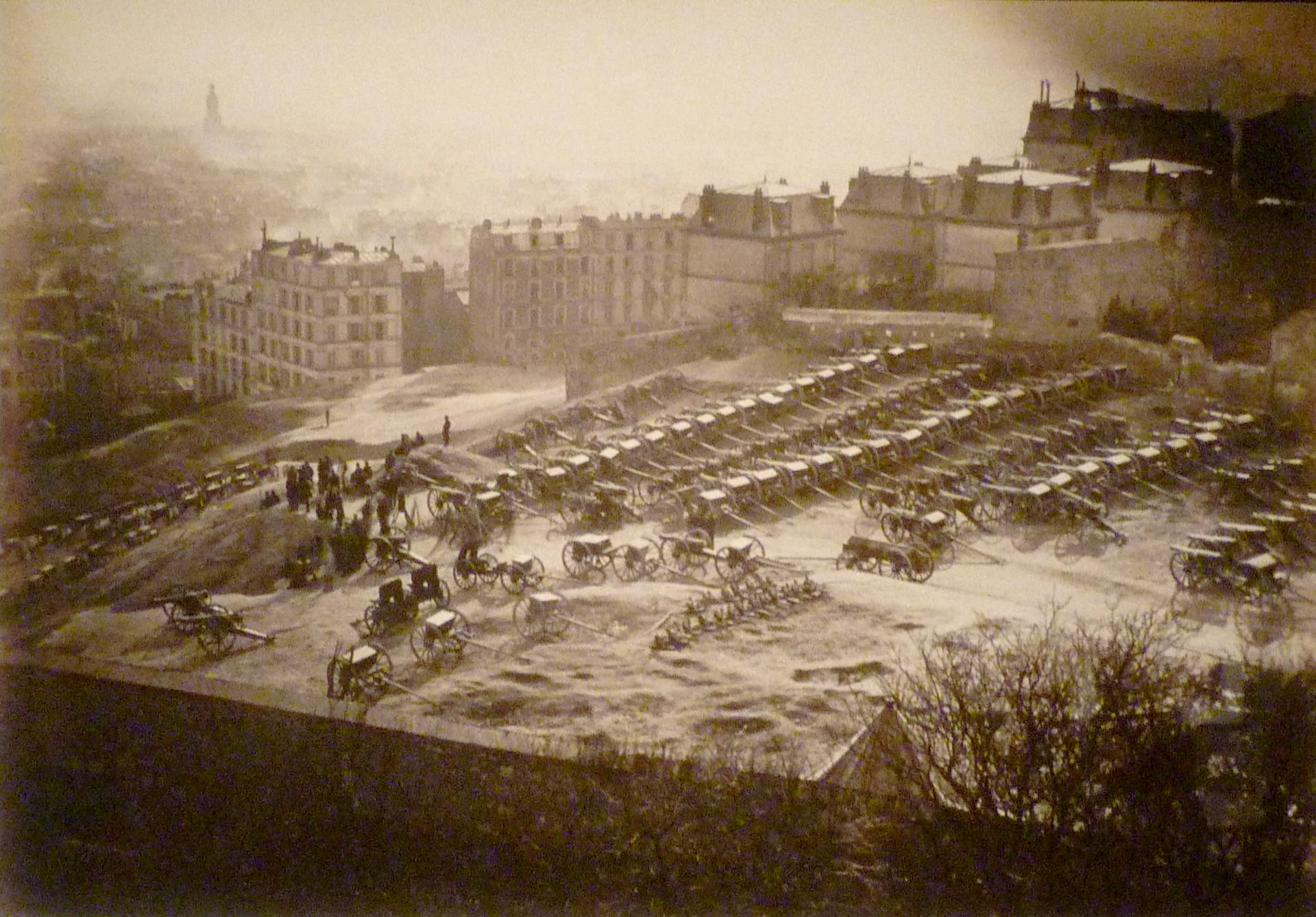
From the terrace at the top of this park you look out over all of Paris, with the Eiffel Tower in the distance. In 1871 this view wasn't a sight to admire but a strategic position, because whoever stood here saw the whole city laid out and could aim the cannons.
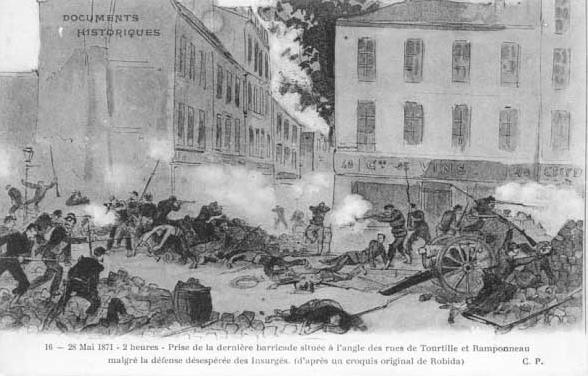
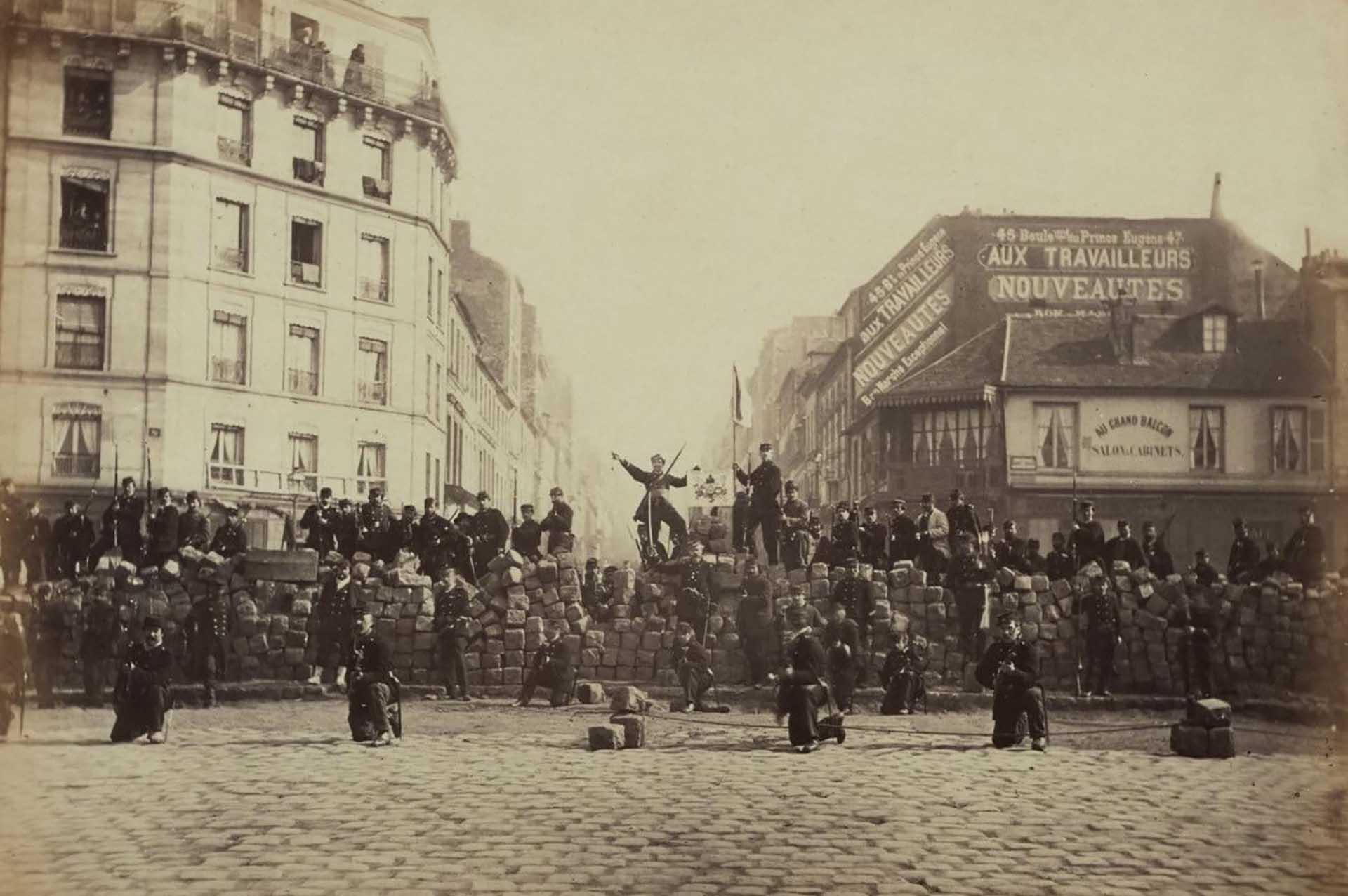
had been part of Paris for eleven years by then, and was above all a neighbourhood of workers who had been pushed out of the centre by the demolitions under , the man who redrew Paris with wide boulevards. They lived packed together here, in houses without running water, and there were a great many of them. That's why , the radical worker uprising that briefly ran the city, had its deepest roots here and held out the longest.
The reason you're standing in a park at a hundred and eight metres up, rather than among houses, lies in what sits beneath you. This hill was dug out for its over centuries, the stuff that plastered half of Paris, and what remained was a ground riddled with cavities where building became a gamble. The city bought up the entire slope, shored up the old tunnels, and in 1988 laid out this park on top, with artificial grottoes nodding to the quarries and a row of vines recalling the days when Belleville supplied the wine that Parisians came to drink outside the city gates on Sundays, because it carried no excise tax.
Since 2015 the lookout has carried the name of , a photographer who captured this working-class district the way it saw itself.
We leave the park on the east side and take the Rue des Cascades, named after the water channels that for centuries carried the water from the hill down to the city.
Sources. Story: Ville de Paris, parc de Belleville; Musée Carnavalet, la Commune de Paris; Archives de Paris Photos: Source Photo: Coyau / Wikimedia Commons