Stories in Rome
86 stories about the places on our Rome walks. Hear them on the spot in the app
Hear them where they happened
One map of Rome. 86 stories on it.
Open ROODS in your browser, walk to a pin and hear its story right there. Nothing to install.
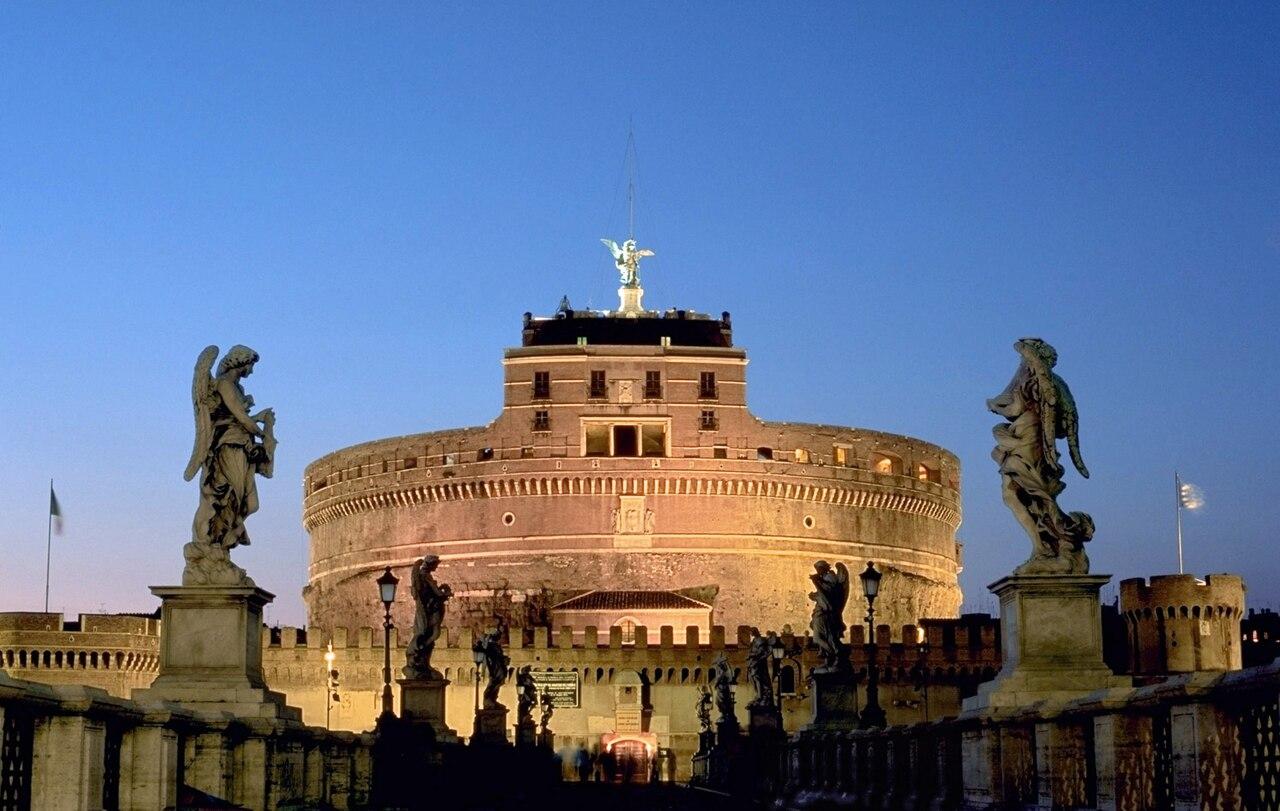
The castle and the executioner
The castle as a prison, and Mastro Titta, the executioner whose crossing of the bridge became a Roman expression.
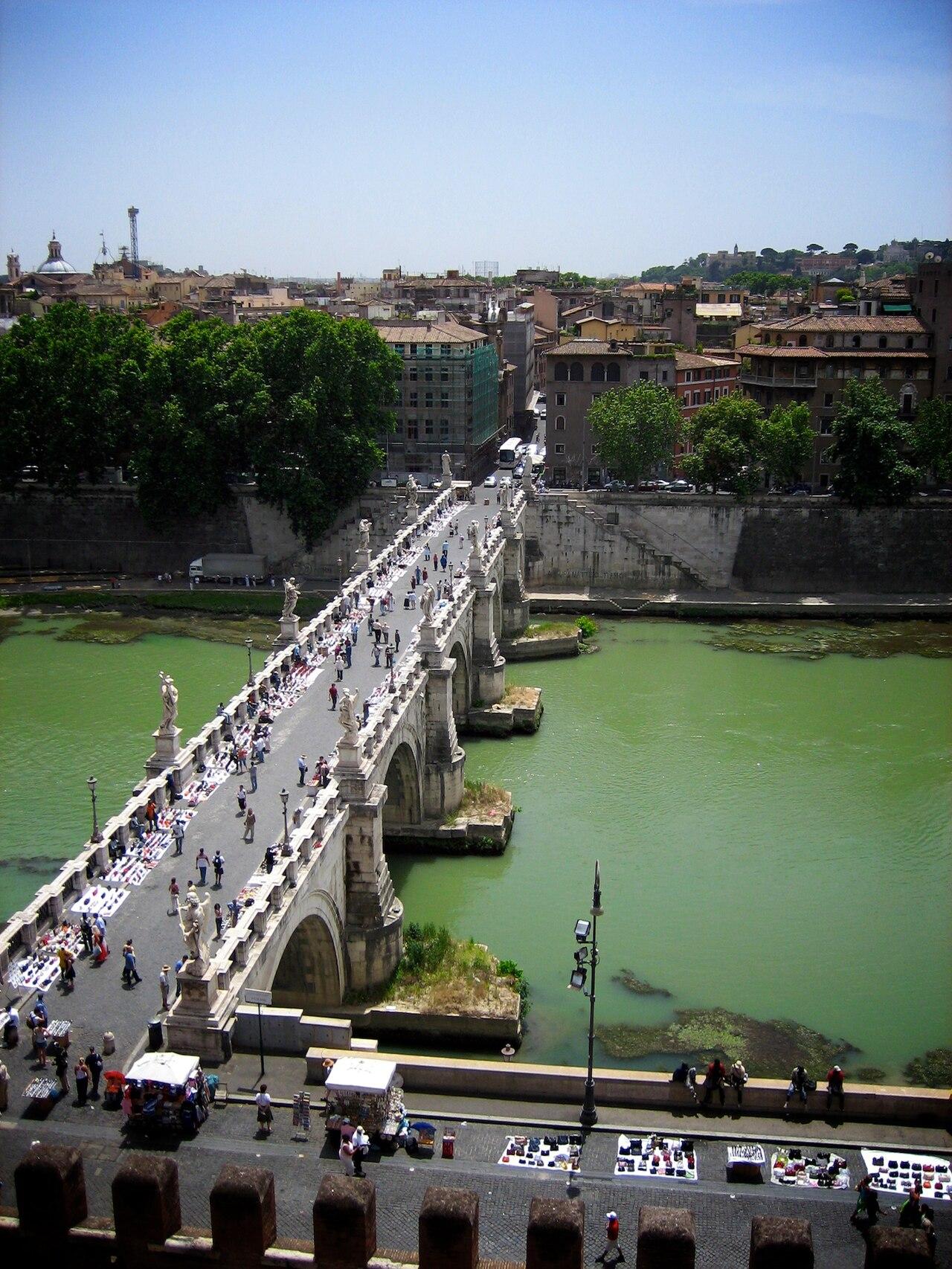
The morning of 11 September
The morning of the execution, the crowd in the square, and the story that took on a life of its own in the years that followed.
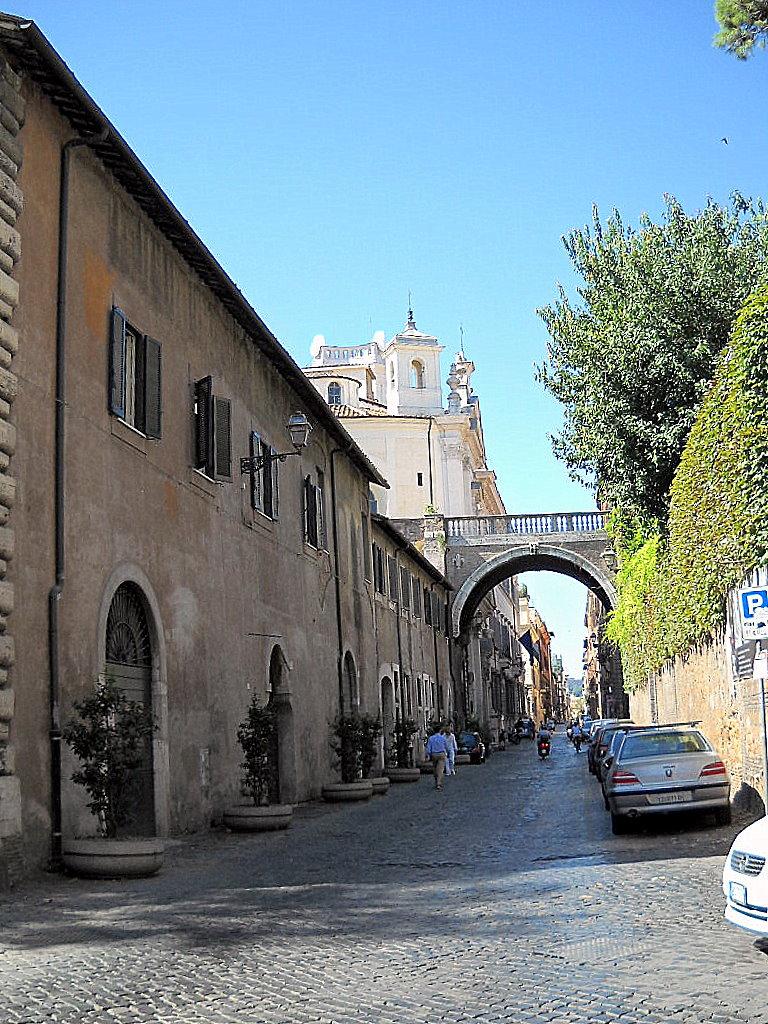
The Pope's Straight Street
The first straight street of modern Rome, meant to be the city's administrative heart and used as the route to the scaffold.
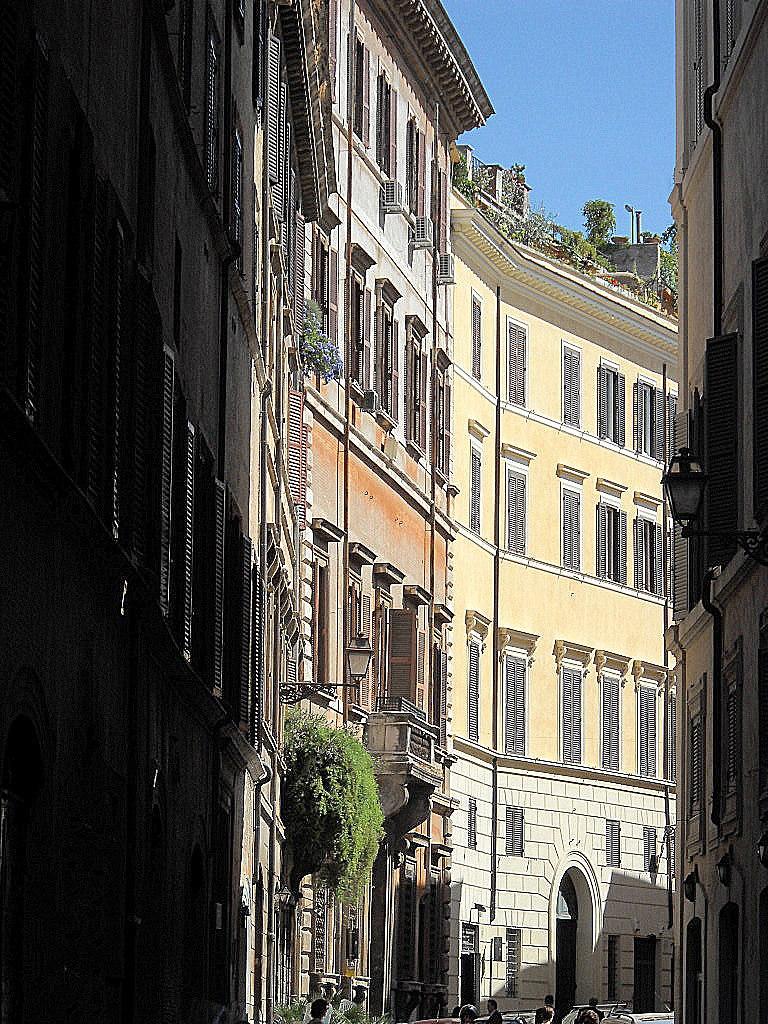
The Corte Savella Prison
The trial, torture as a tool of evidence, and a pope who refused to show mercy.
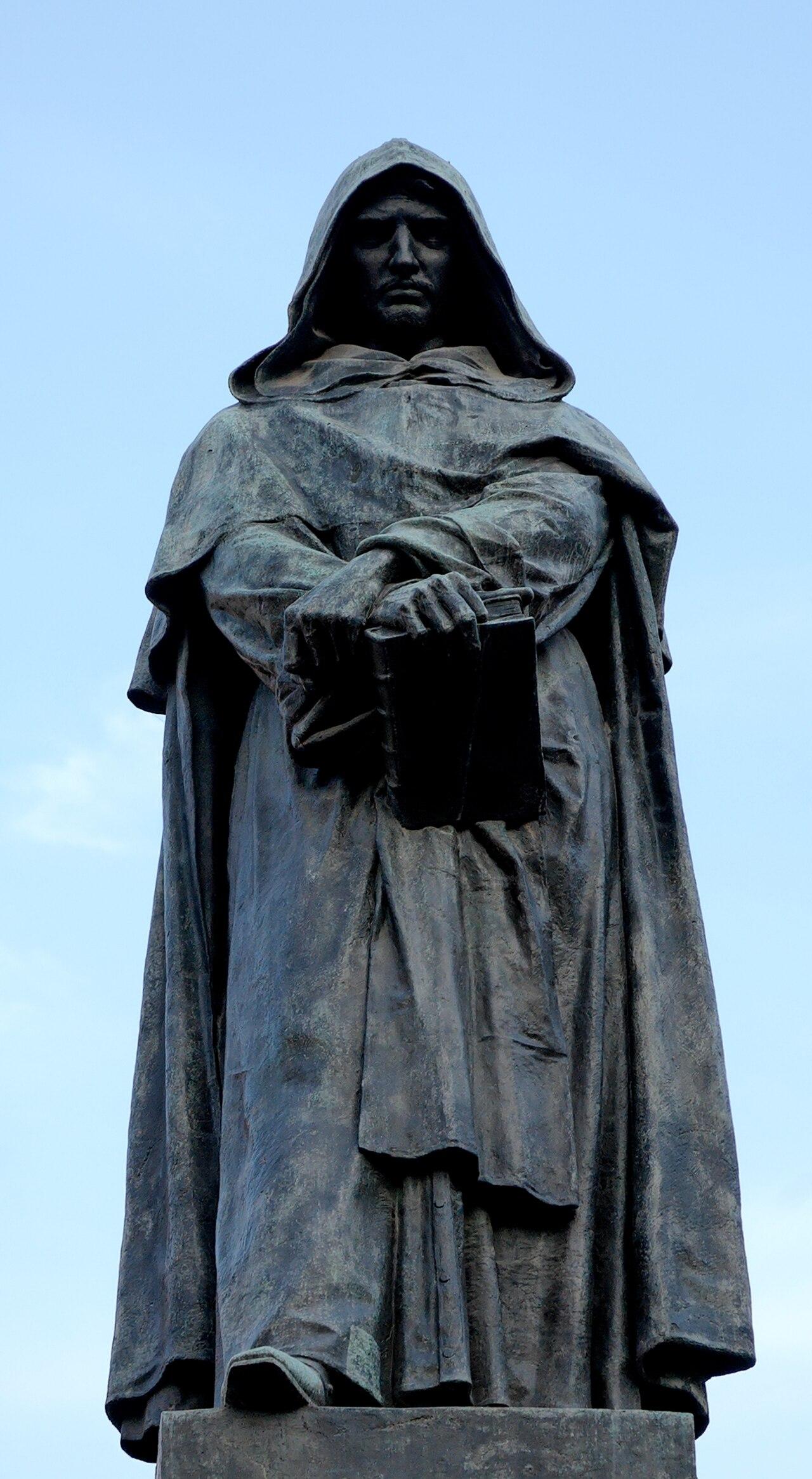
The square of the burnings
The market where sentences were also carried out, with the statue of Giordano Bruno standing at its centre.
The conversation goes on
Why the statues spoke, what's left of the company, and why notes still hang here today.
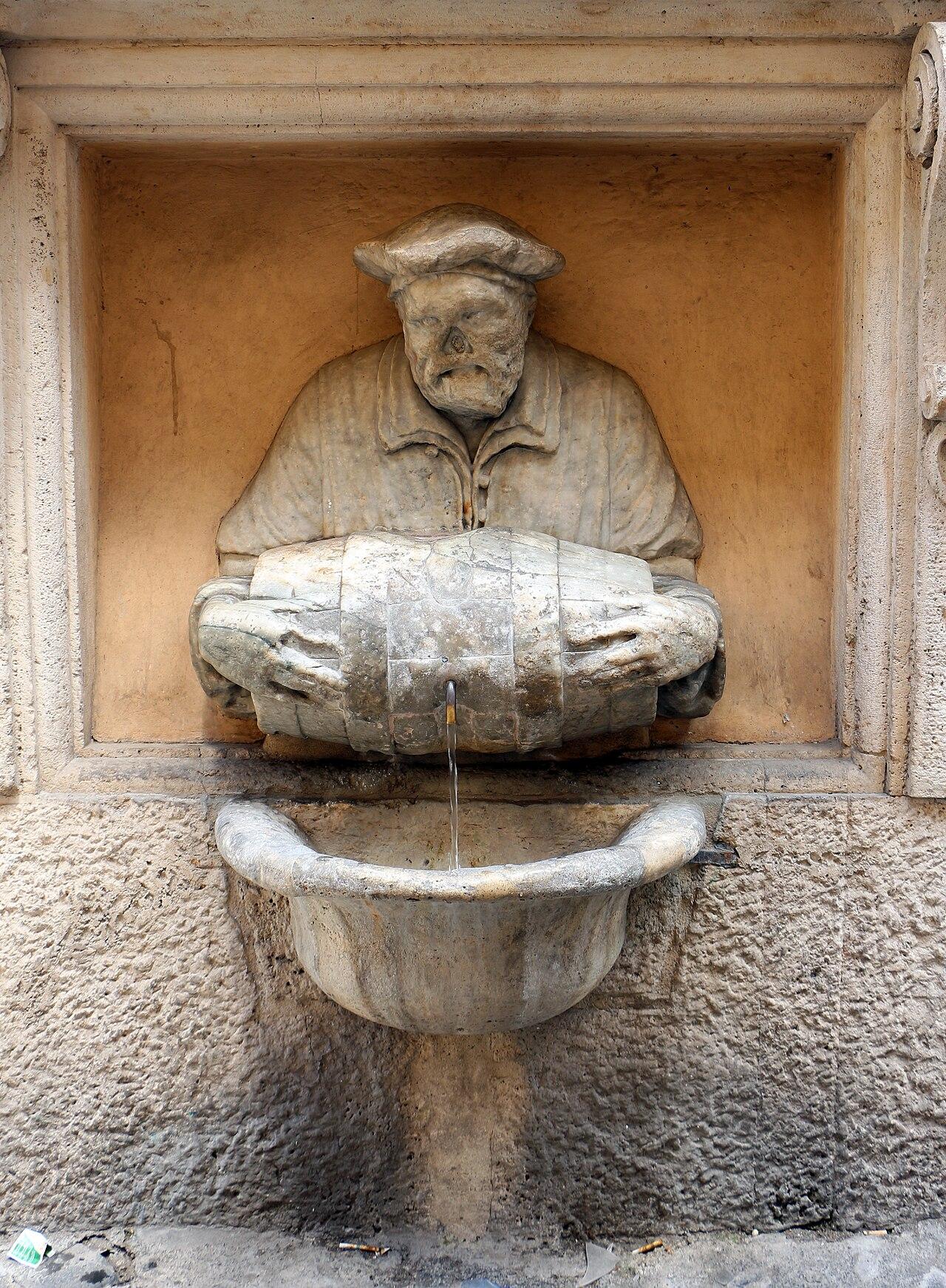
The Water Carrier
A sixteenth-century water carrier, the only one in this little company that isn't an ancient statue.
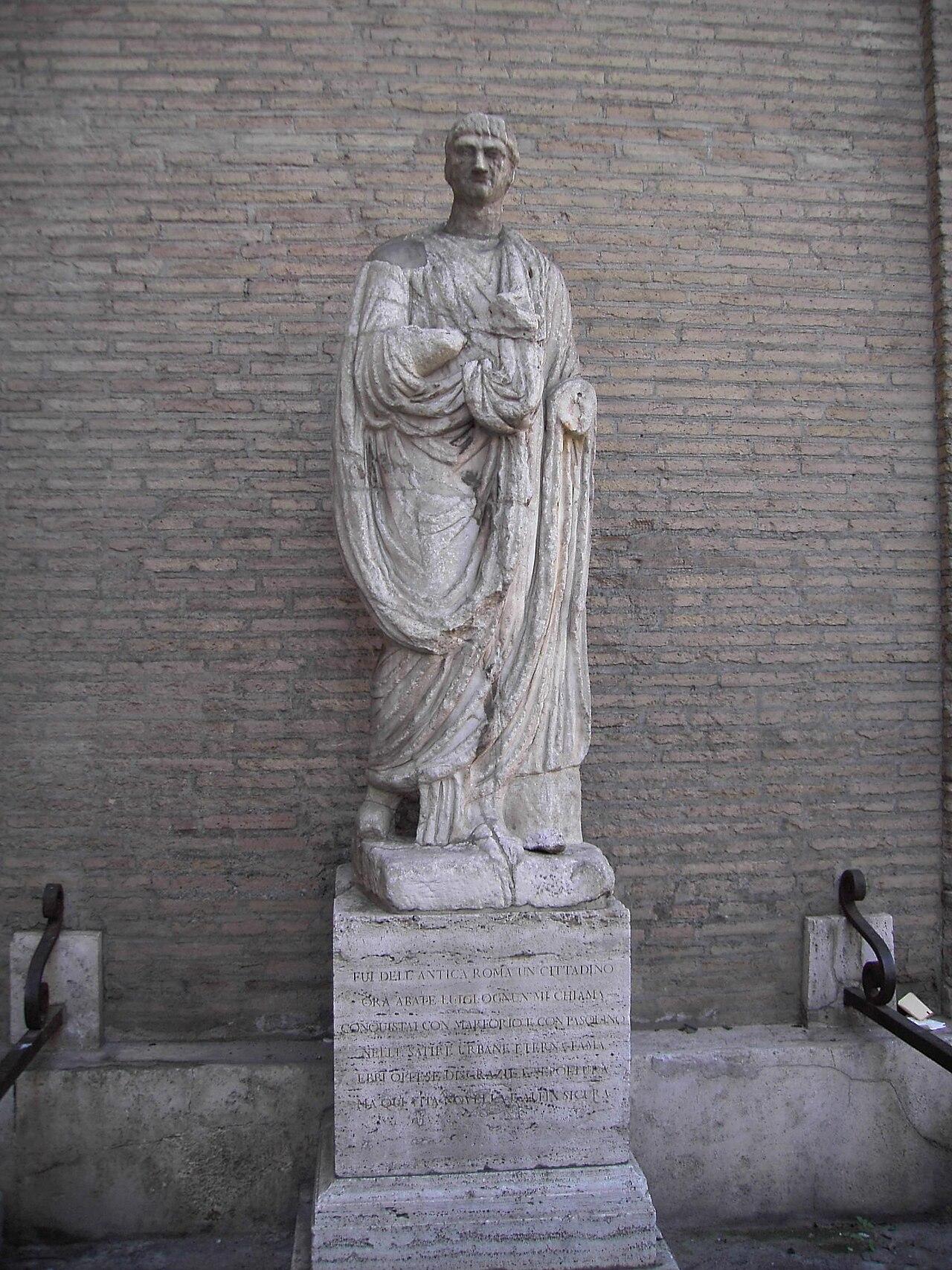
The abbot with three names
A toga-clad Roman who lost his head more than once, with a line on the base that he seems to speak himself.
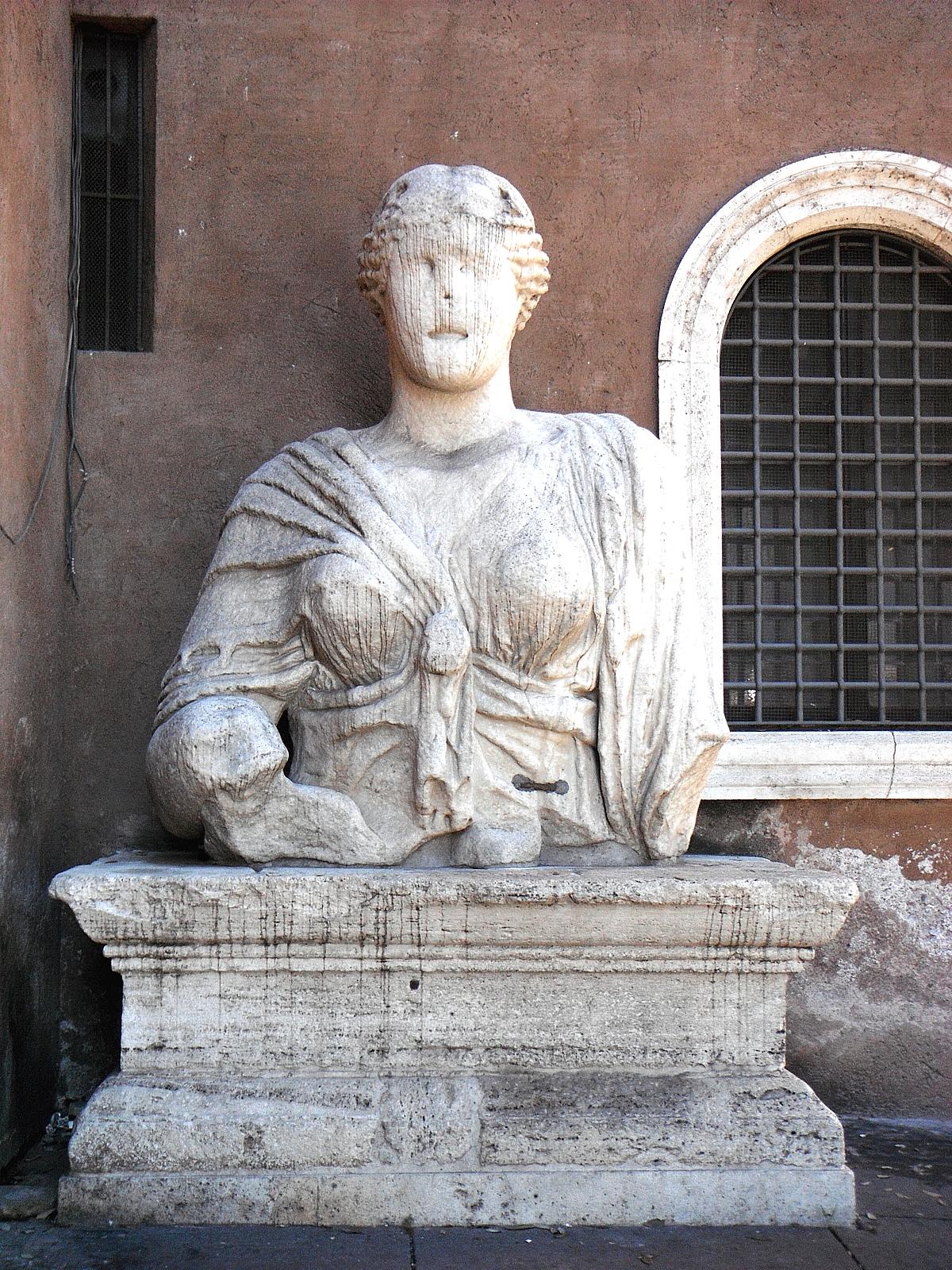
The Woman of Stone
A colossal bust from an Egyptian sanctuary, the only female voice in the company.
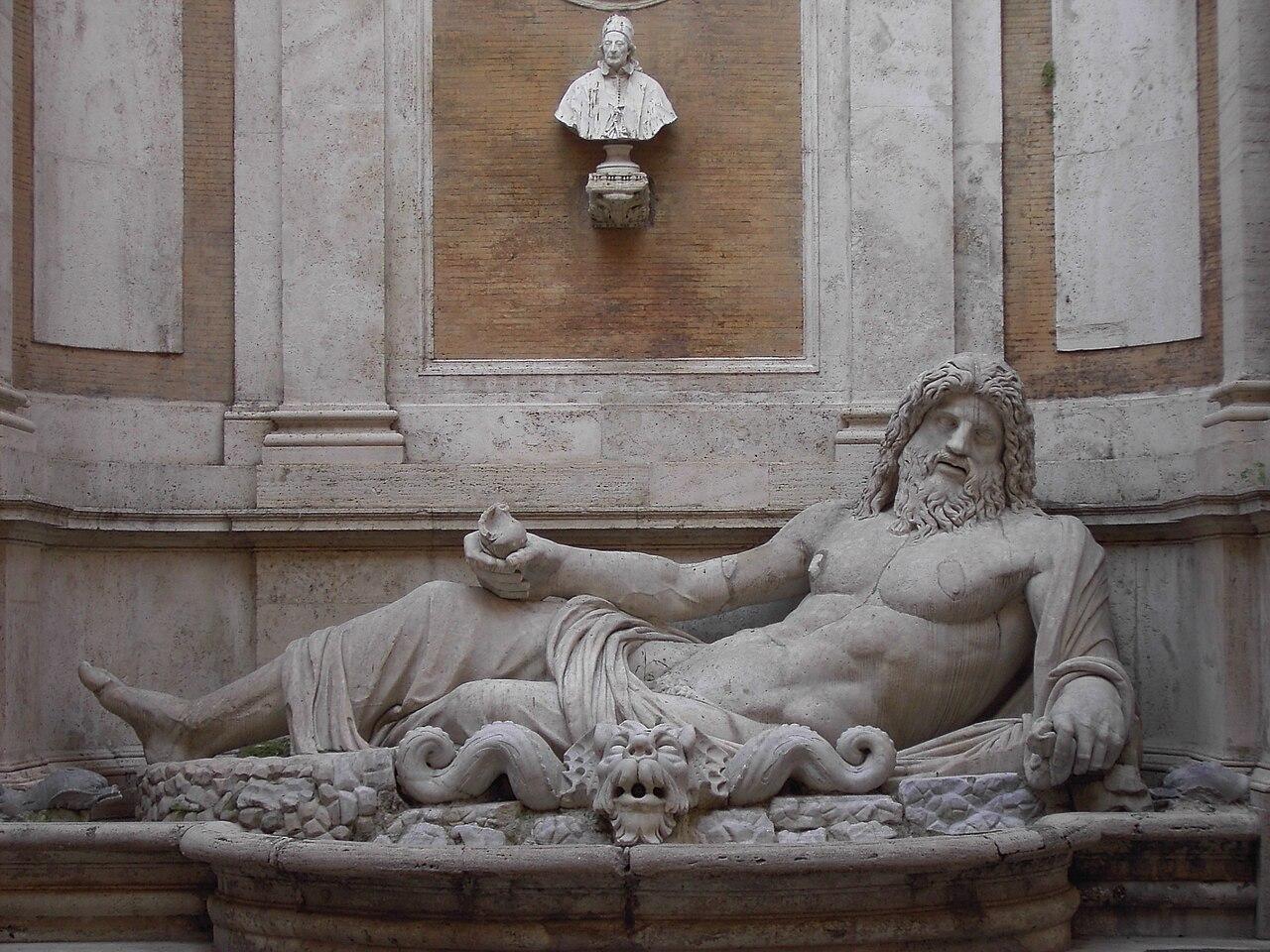
The one who answered
The river god who asked the question Pasquino answered, until a pope had him moved indoors.
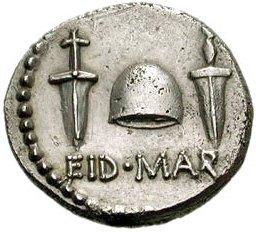
What Became of the Liberators
Philippi, the end of Brutus and Cassius, and the emperor who rose from their defeat.
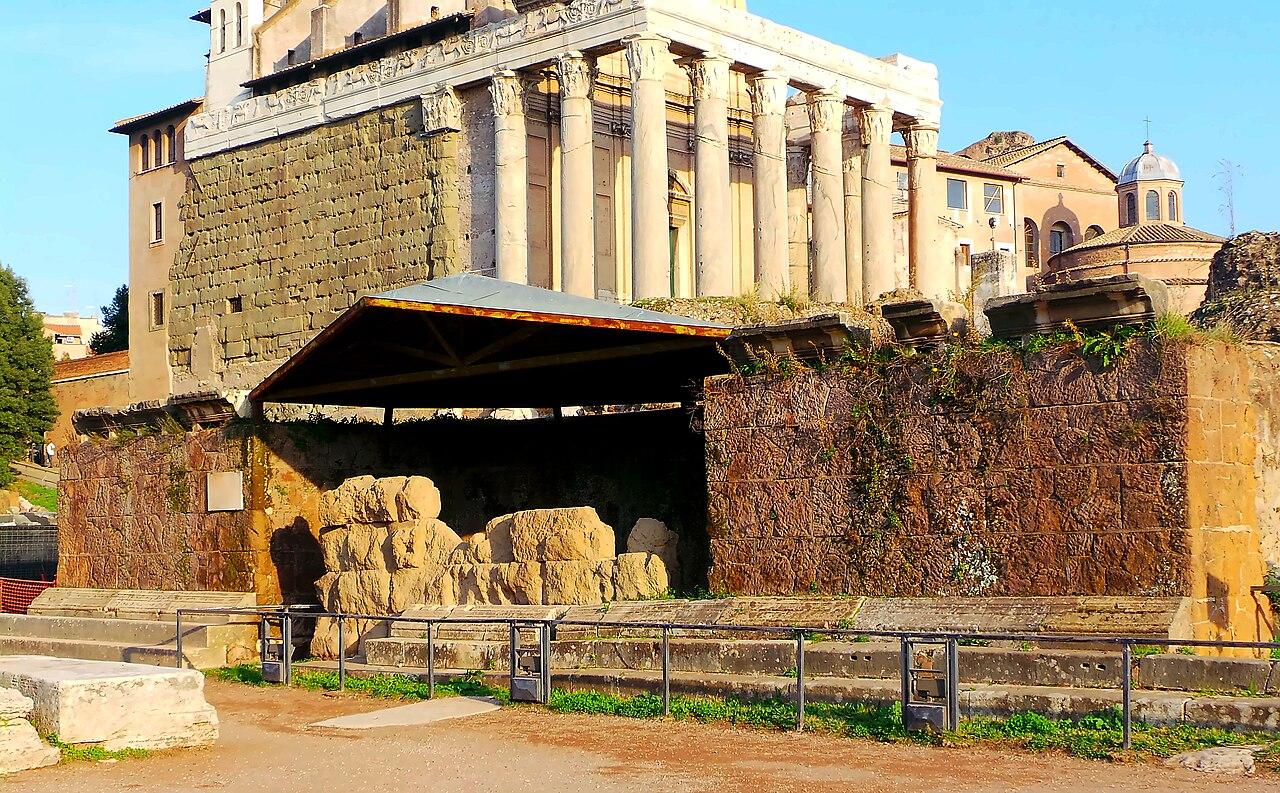
The Pyre on the Forum
Marcus Antonius delivering the eulogy, the bloodstained toga, and a crowd that set the pyre alight themselves.
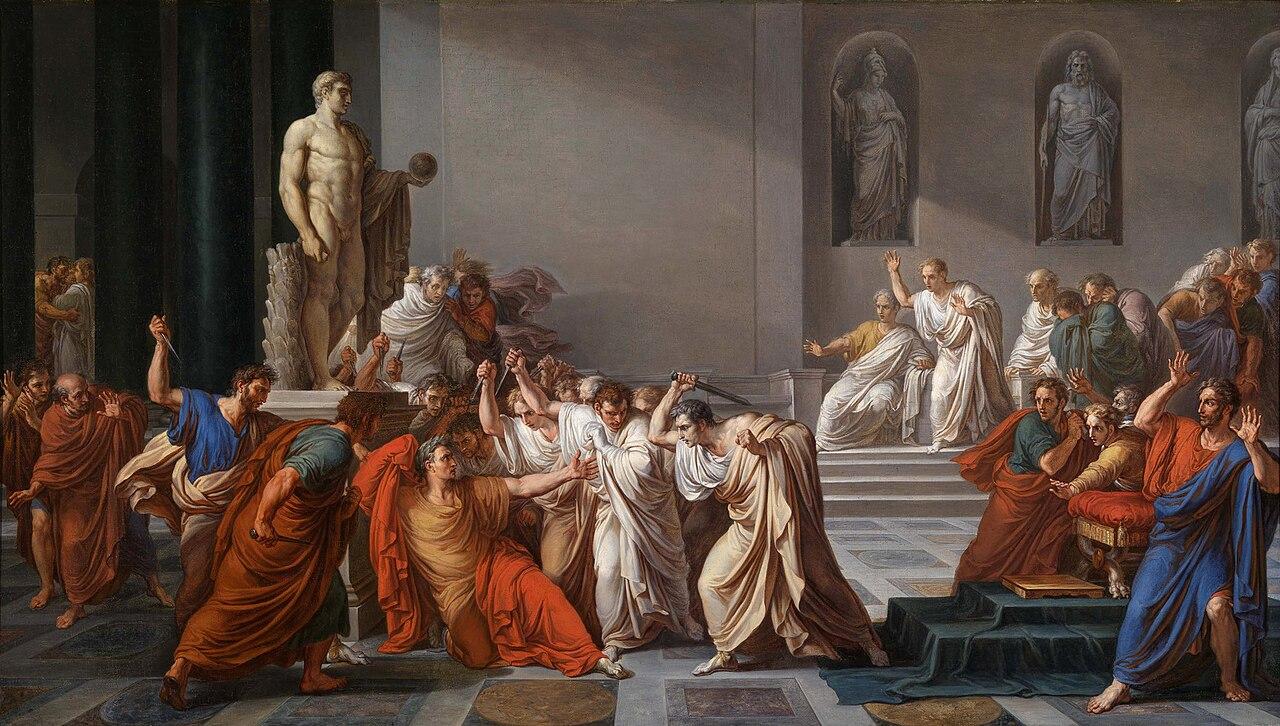
Twenty-three stabs
Midday, a petition used as a distraction, and twenty-three wounds of which only one was fatal.
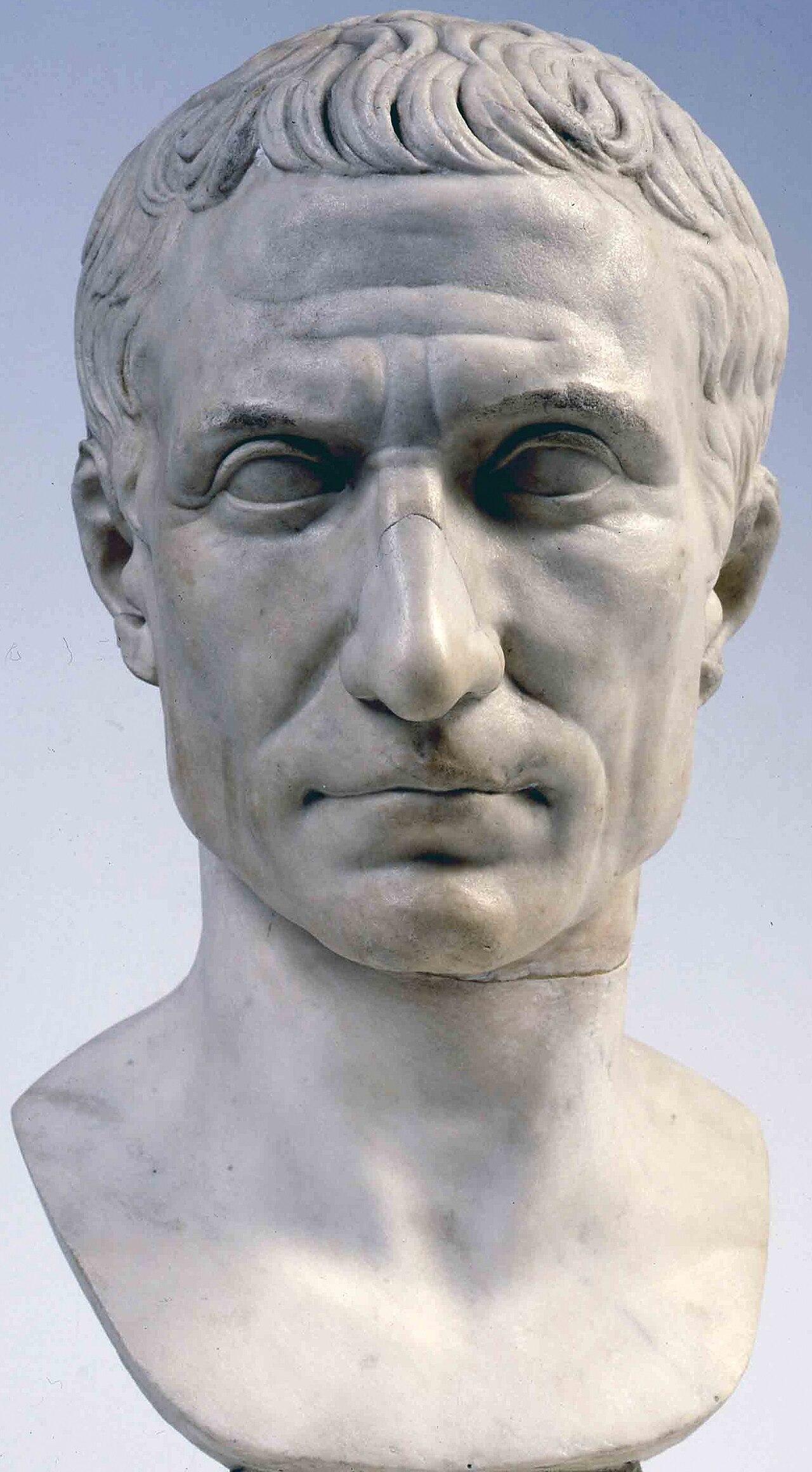
The Warnings
A dream, bad omens, and a letter he never read: the morning before he left.
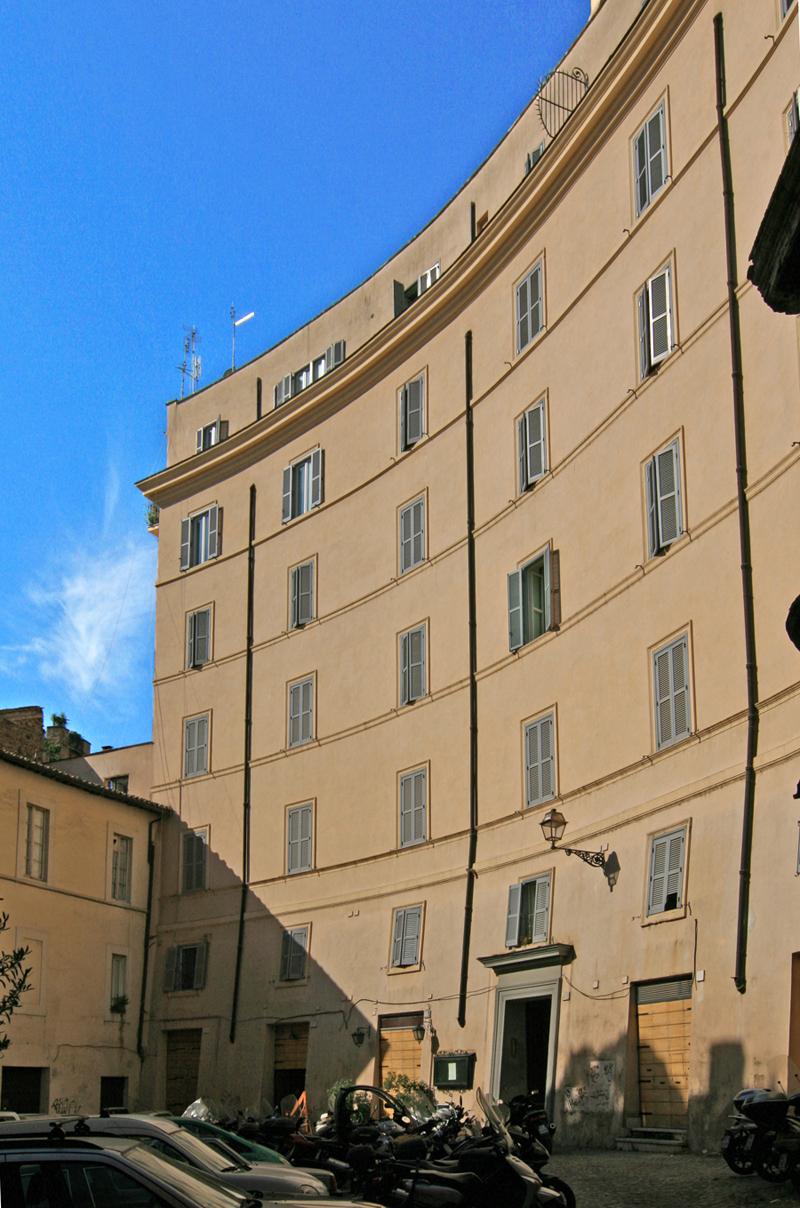
The hall behind the theatre
The senate met in Pompey's hall, where a statue stood of the defeated rival whose name it bore.
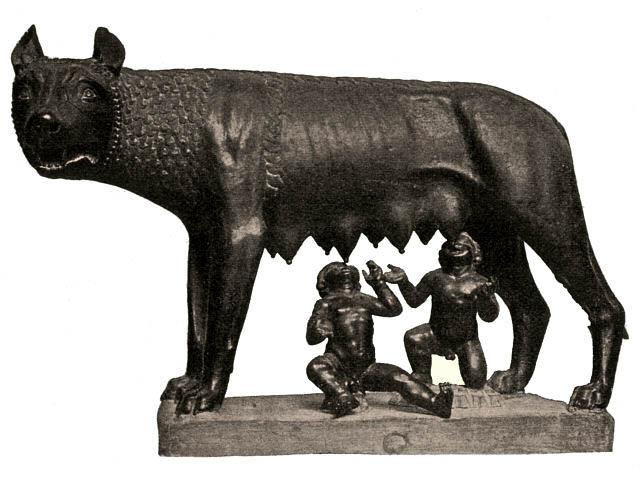
The She-Wolf on the Capitoline
The end of Romulus, three explanations for his grave, and a statue whose dating is still disputed.
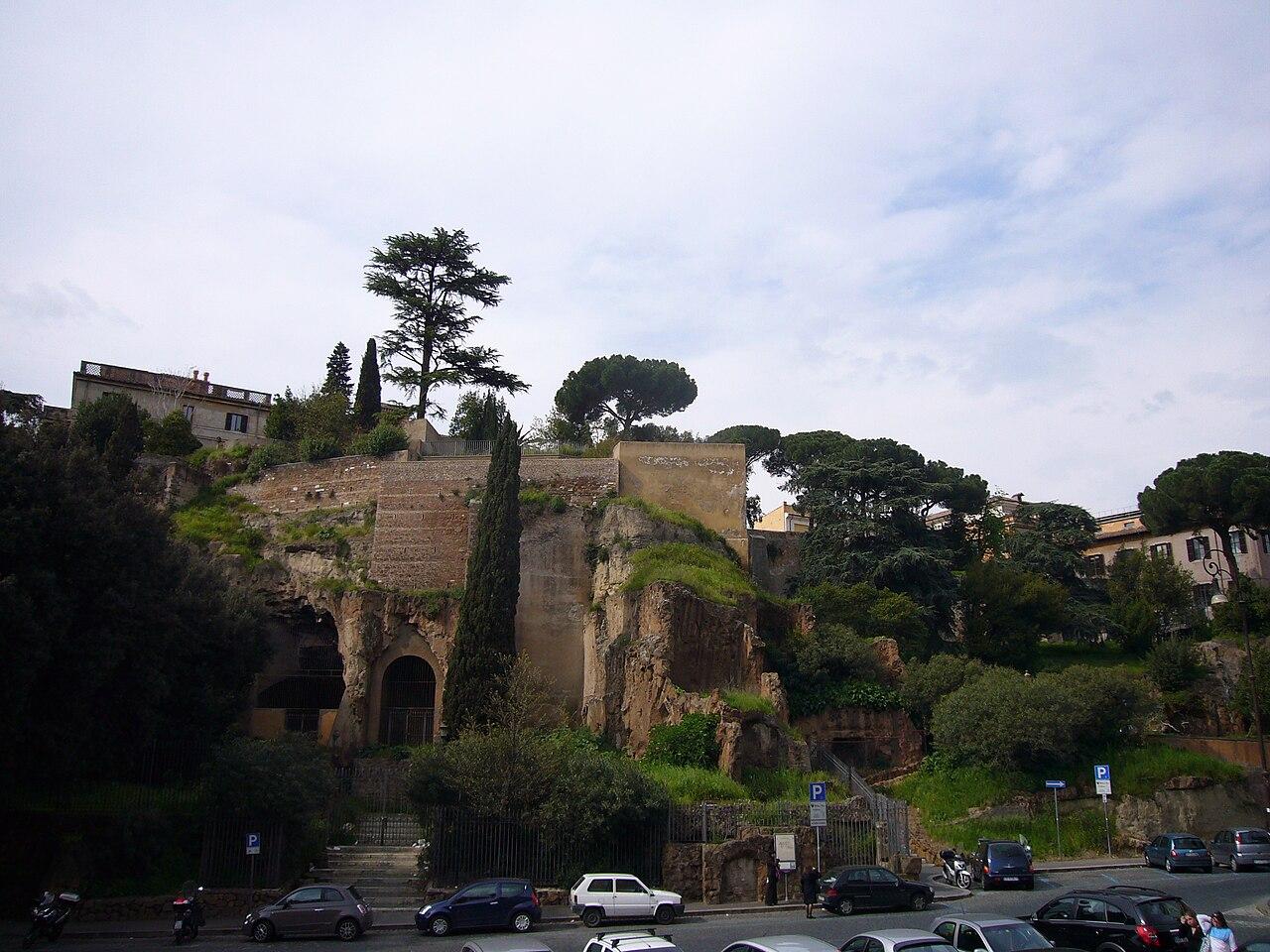
The rock and the women
The stolen feast, the betrayal of Tarpeia, and the women who stepped between two armies.
The sanctuary
A city with no inhabitants, and a refuge for runaways, debtors and exiles to fill it.
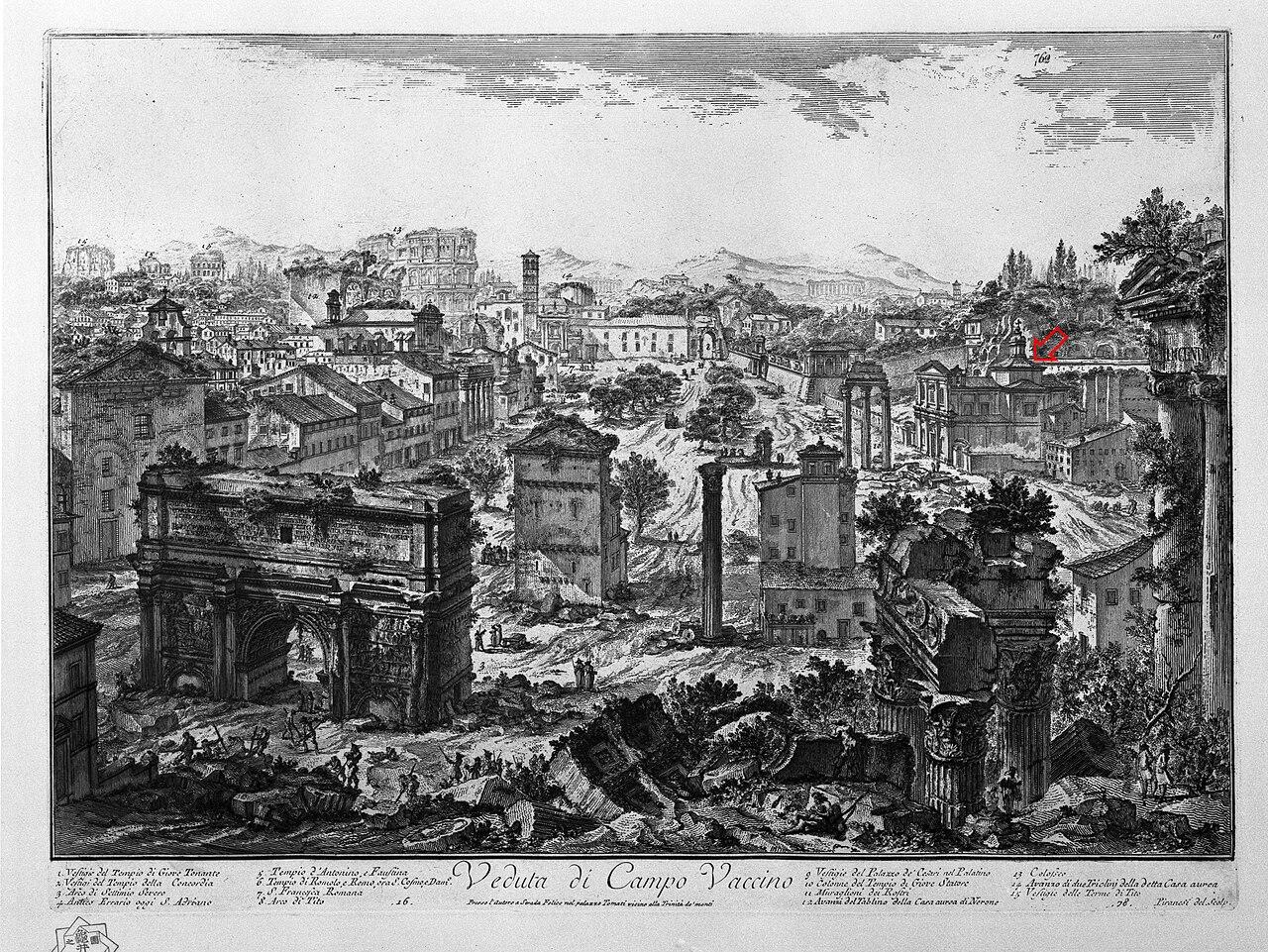
The Furrow in the Ground
A plough's furrow marking a sacred boundary, the leap of Remus, and a rule that shaped Roman law for centuries.
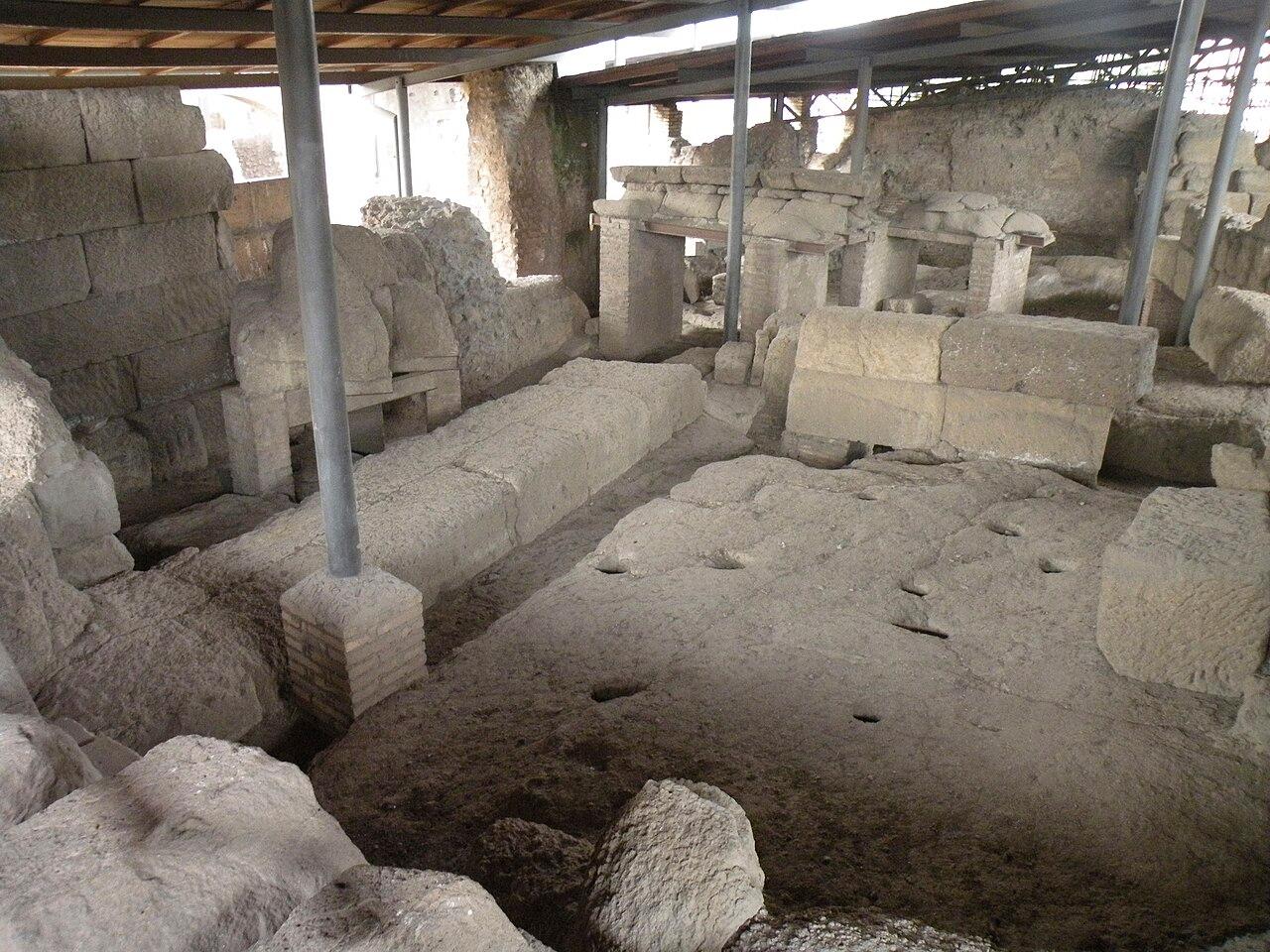
The hut and the birds
The hut the Romans kept repairing for a thousand years, and the birds that had to decide who got the city.
The She-Wolf and the Shepherd
The cave where the she-wolf is said to have suckled the twins, and the shepherd who carried them home.
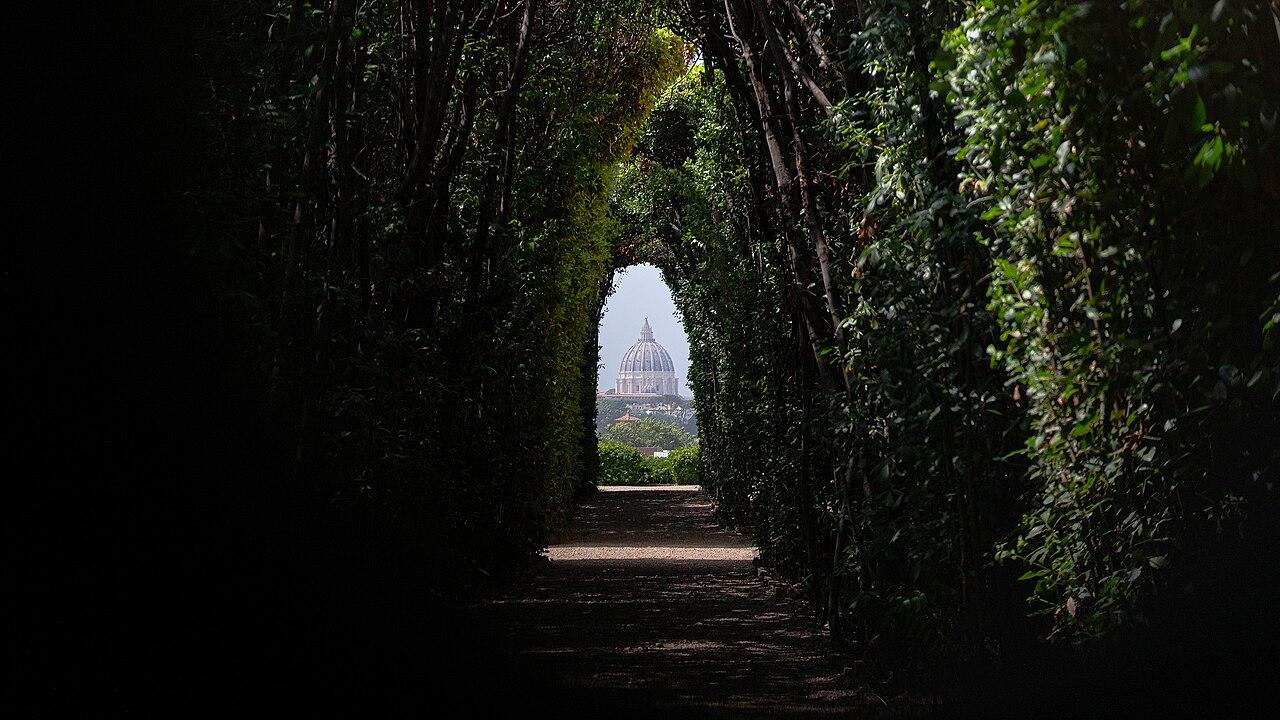
The keyhole
Through the hole you look down a tunnel of cypresses straight at Saint Peter's, across three sovereign territories at once.
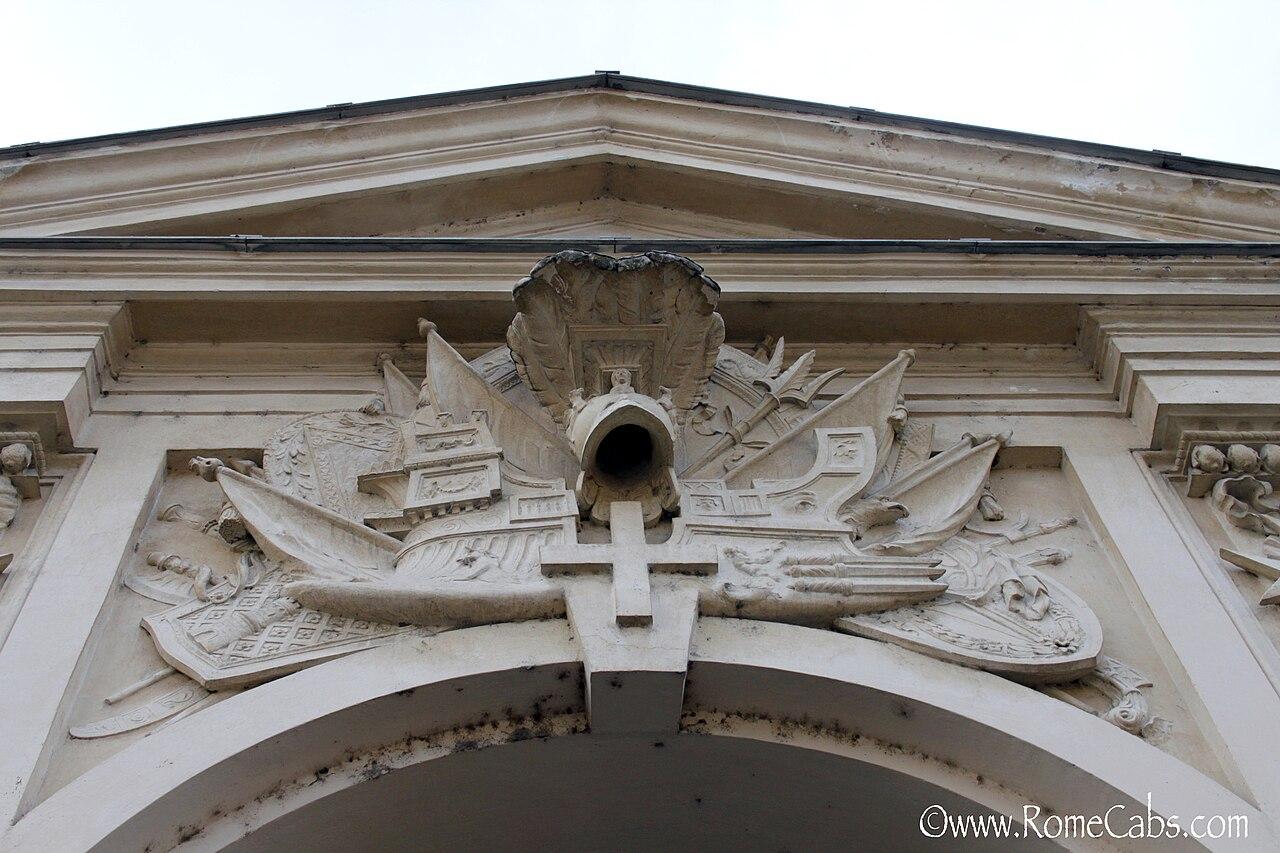
The Knights' Square
The only square that printmaker Piranesi ever actually built, filled with obelisks and carved weaponry.
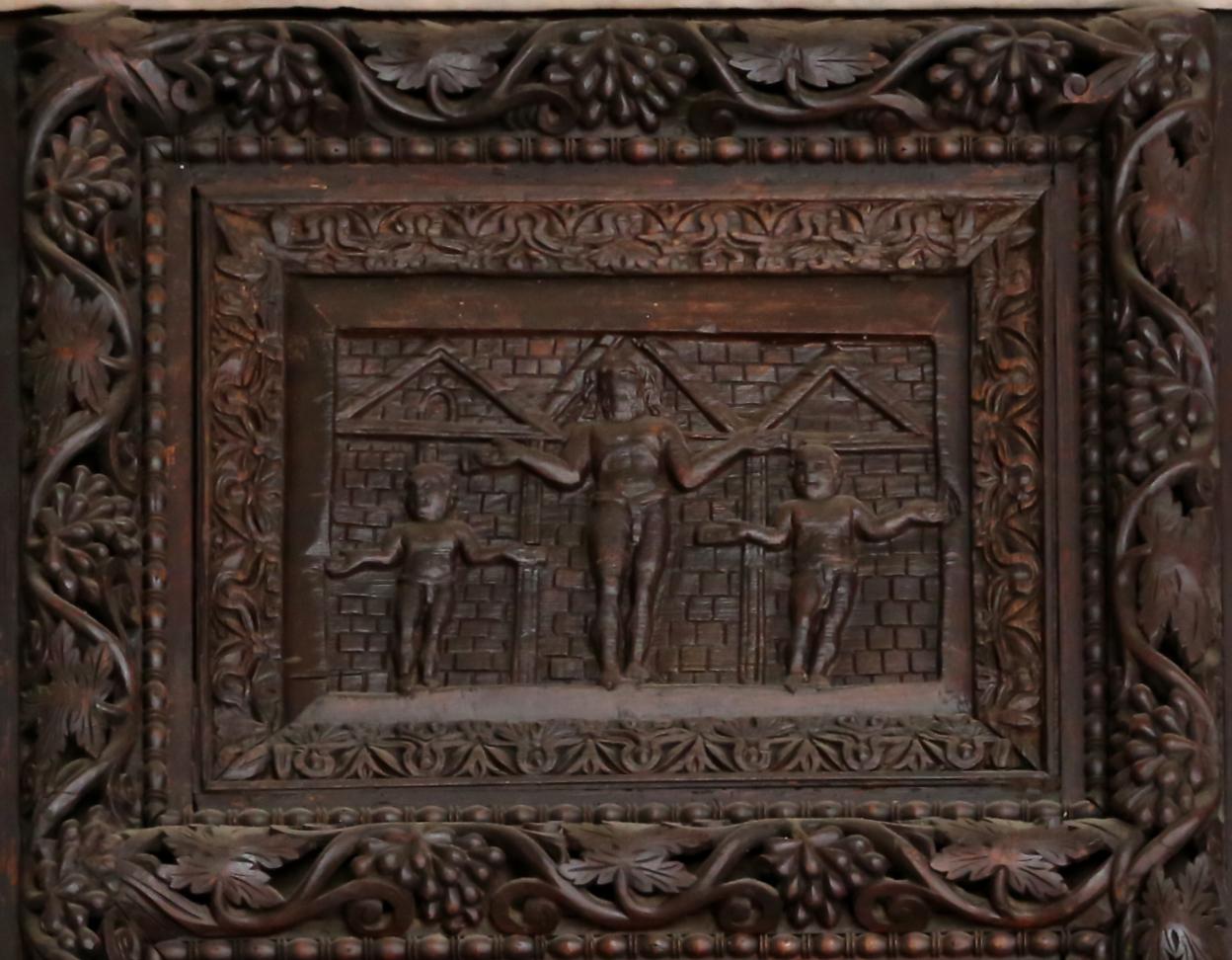
The cypress wood door
A fifth-century church with a wooden door carved with one of the oldest crucifixion scenes in the world.
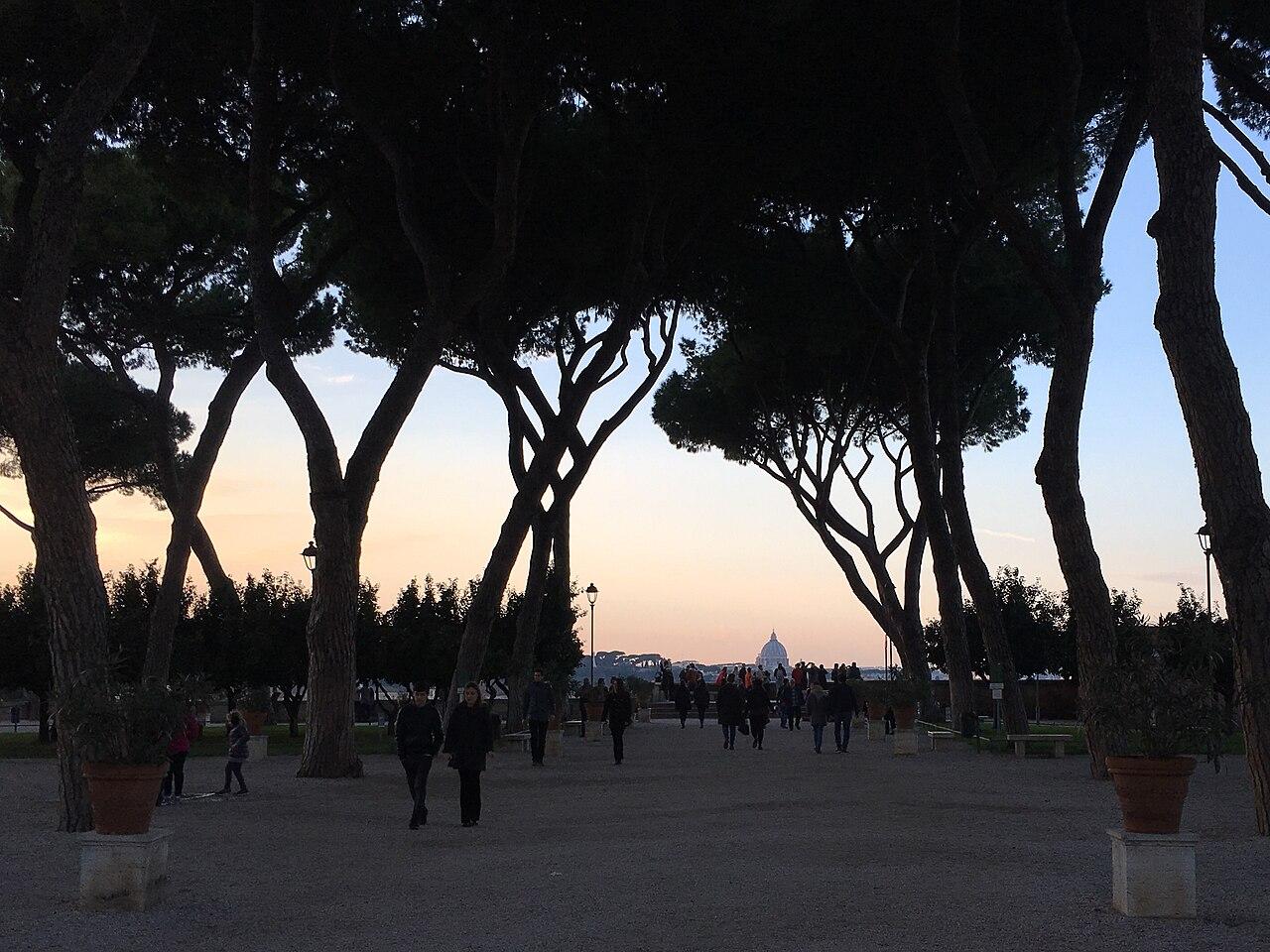
The Orange Garden
A walled garden of bitter orange trees on the ruins of a medieval fortress, looking out over half the city.
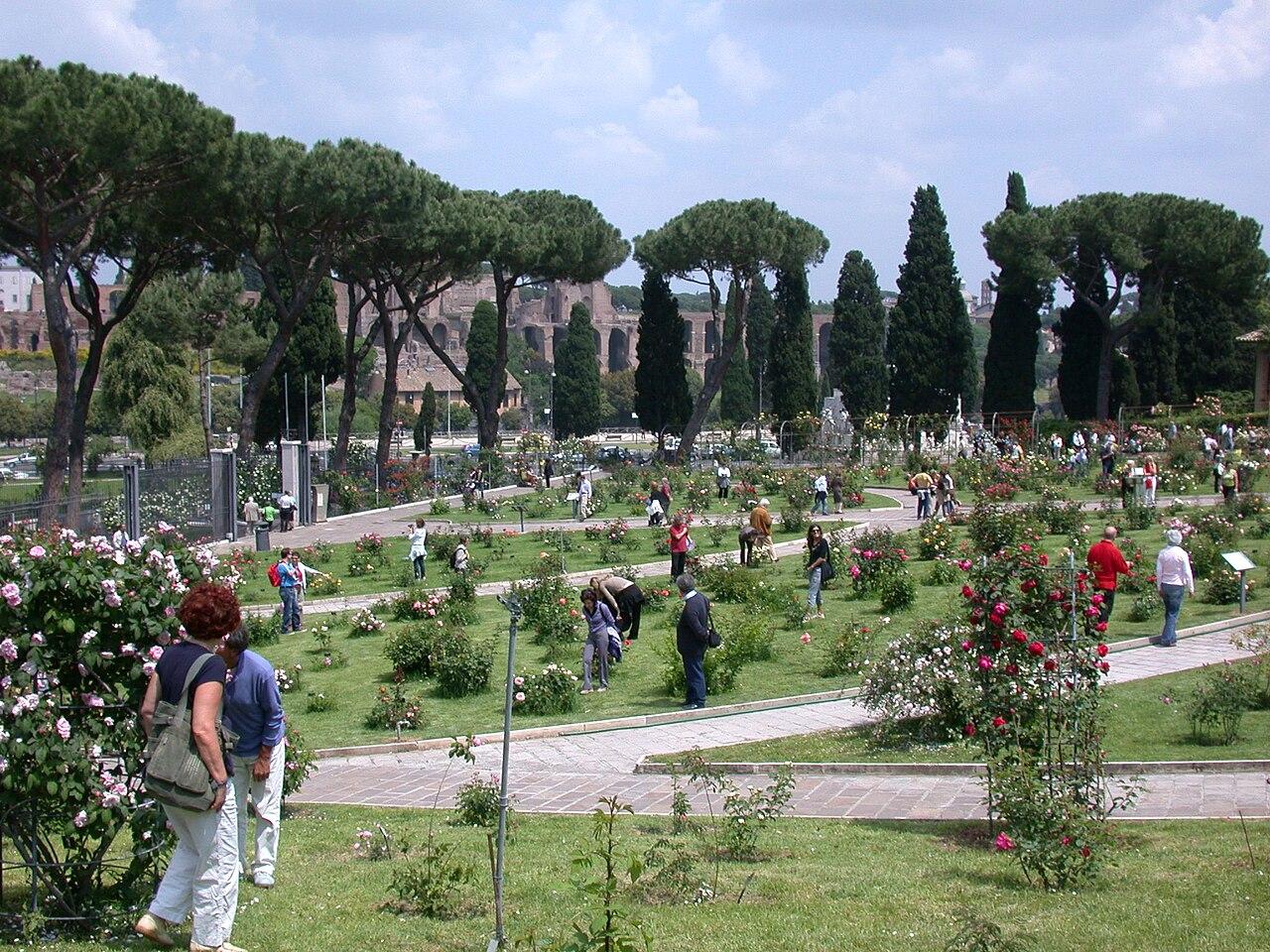
The Rose Garden
Eleven hundred varieties of roses on the site of the old Jewish cemetery, with paths laid out in the shape of a menorah.
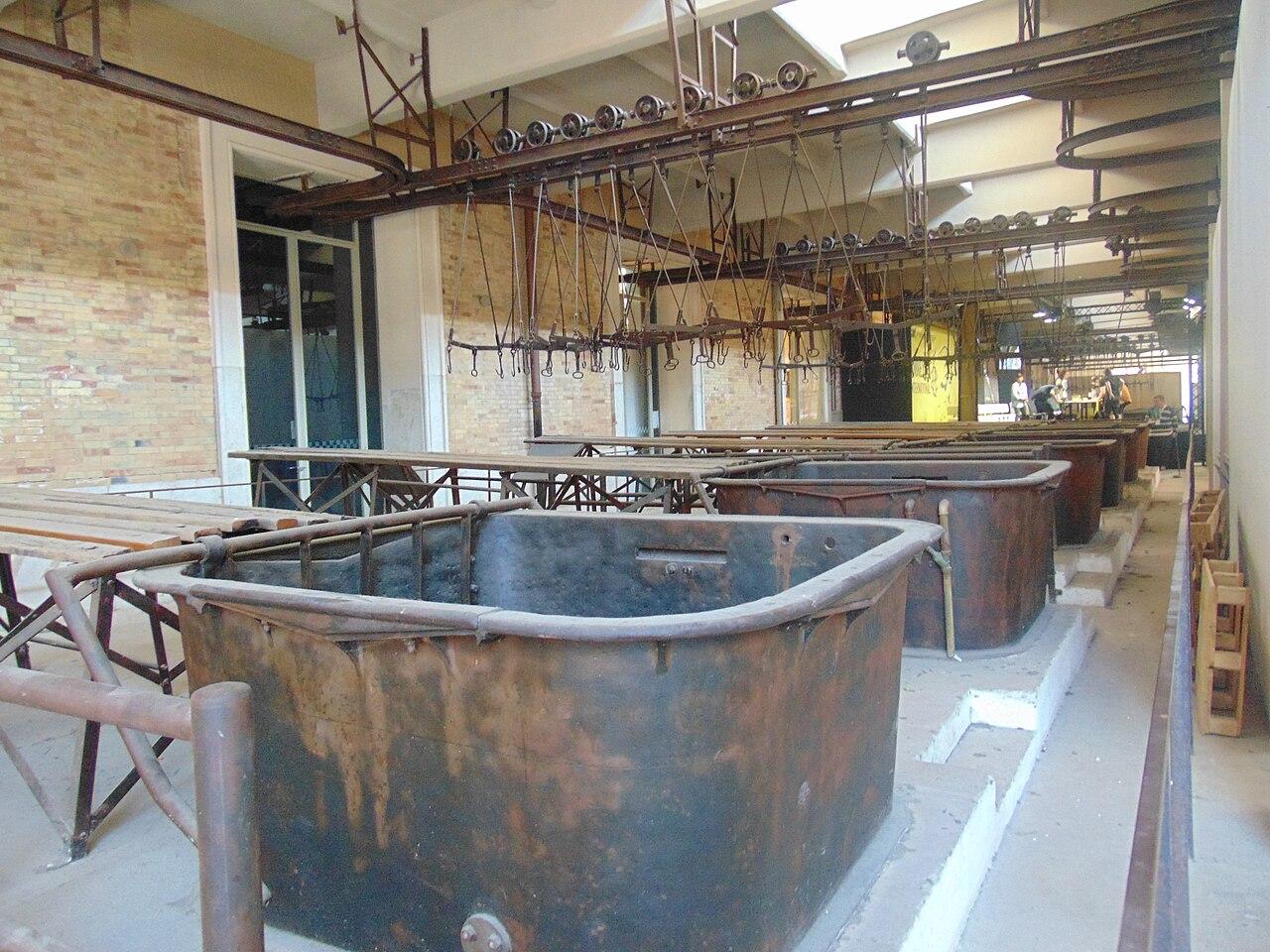
The Slaughterhouse
The slaughterhouse that gave the neighbourhood its kitchen: the fifth quarter, the cuts nobody else would pay for.
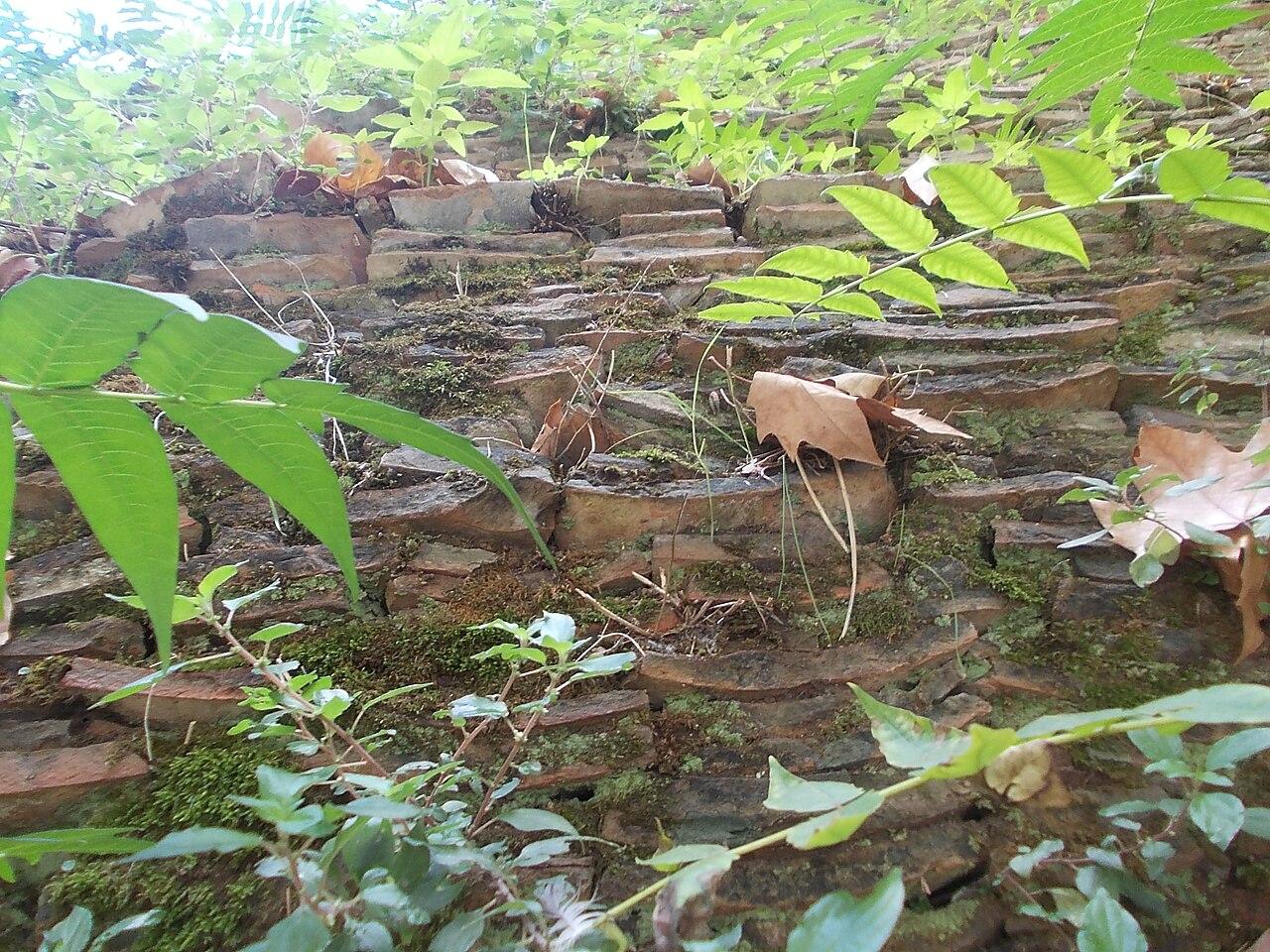
The hill of broken shards
Thirty-five metres high and built from more than fifty million broken olive oil amphorae.
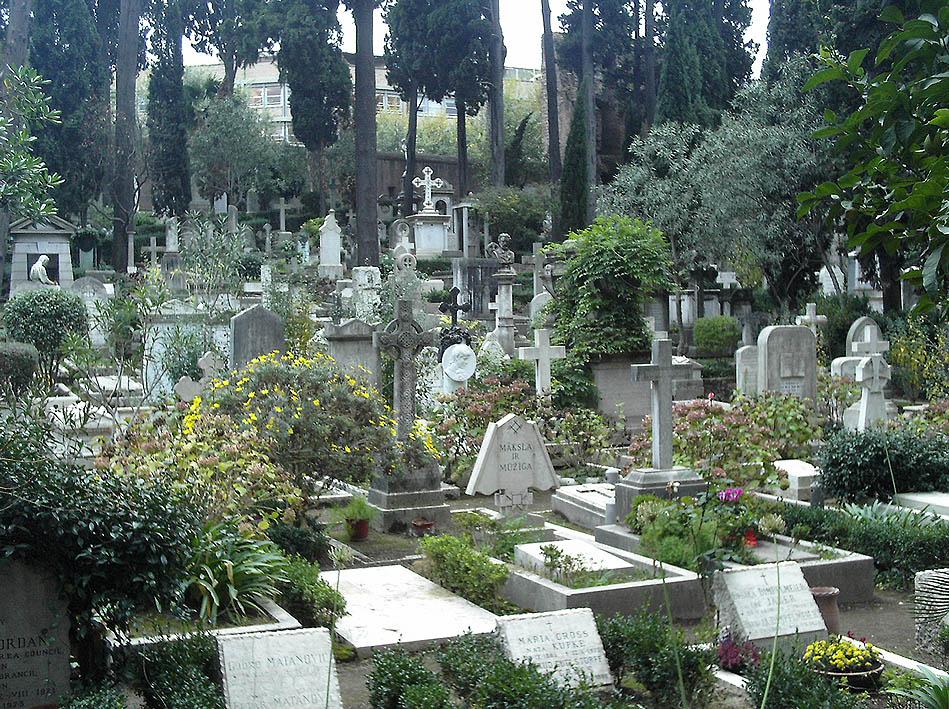
The Cemetery of the Foreigners
The place where papal Rome buried everyone who wasn't Catholic, with Keats and Shelley lying beneath the cypresses.
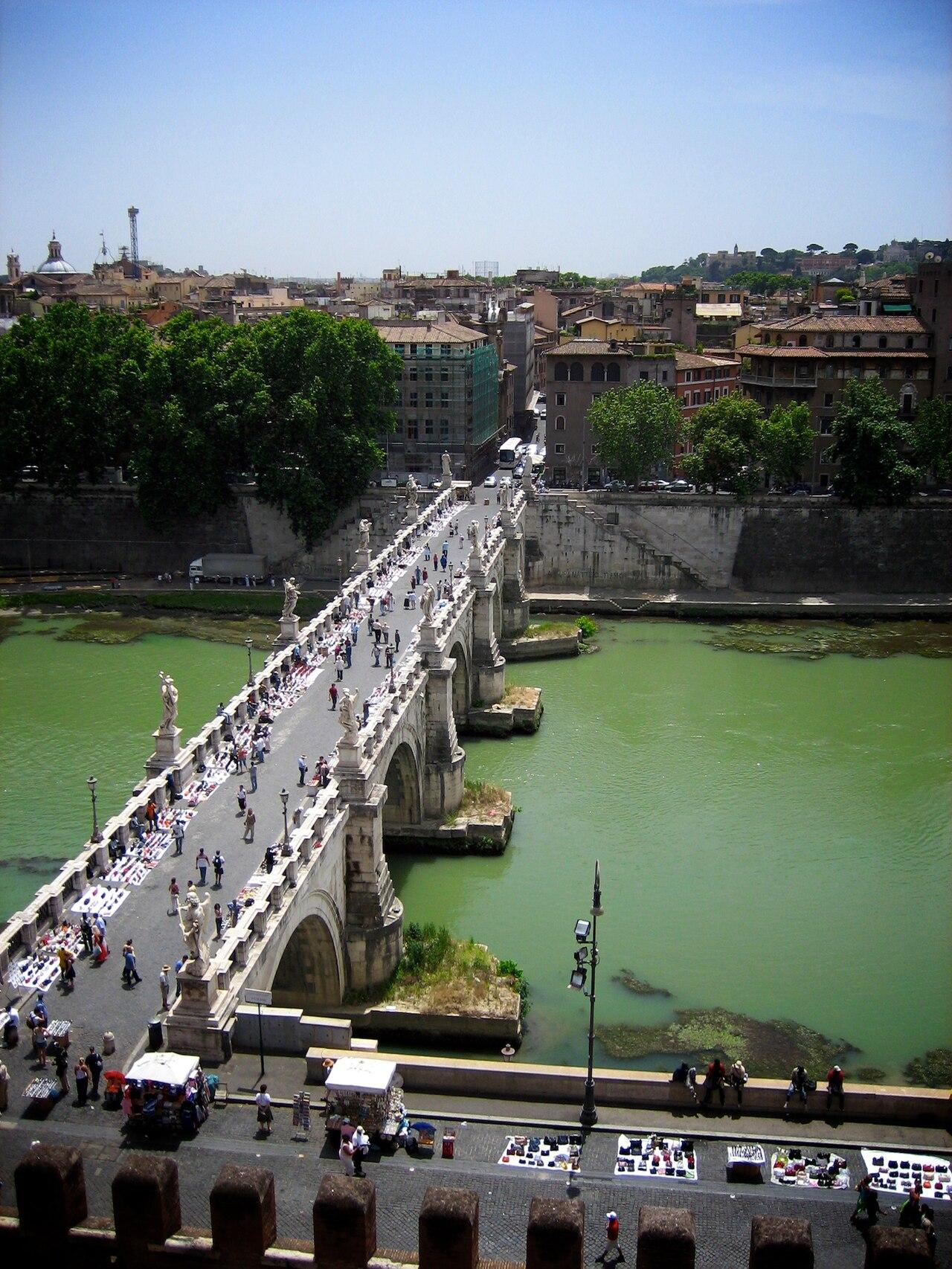
The Bridge of the Angels
Ten angels holding the instruments of the crucifixion, two of which are real and stand elsewhere in the city.
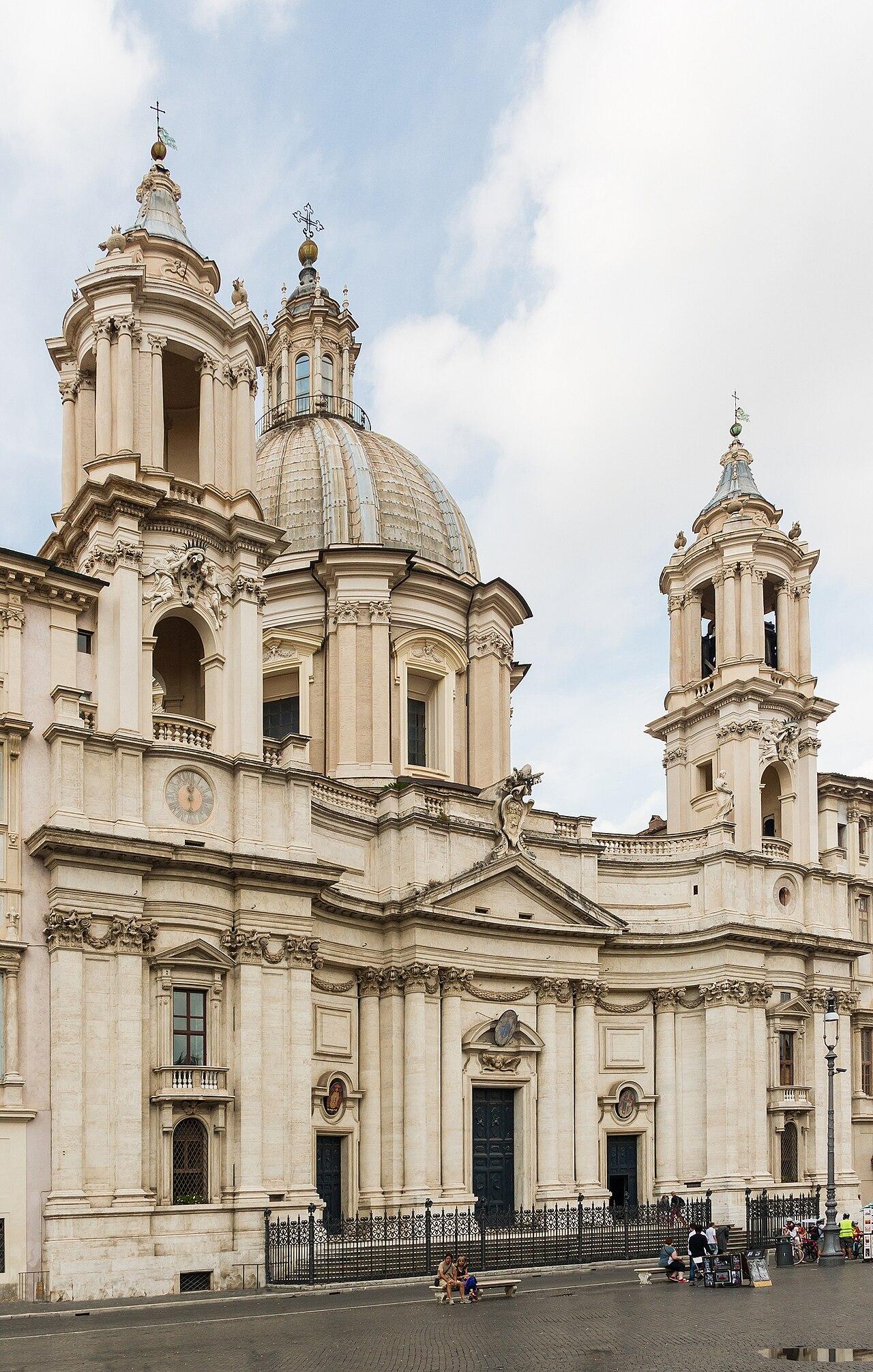
The fountain and the facade
Their work stands twenty metres apart here, and that gave the city its finest untrue story.
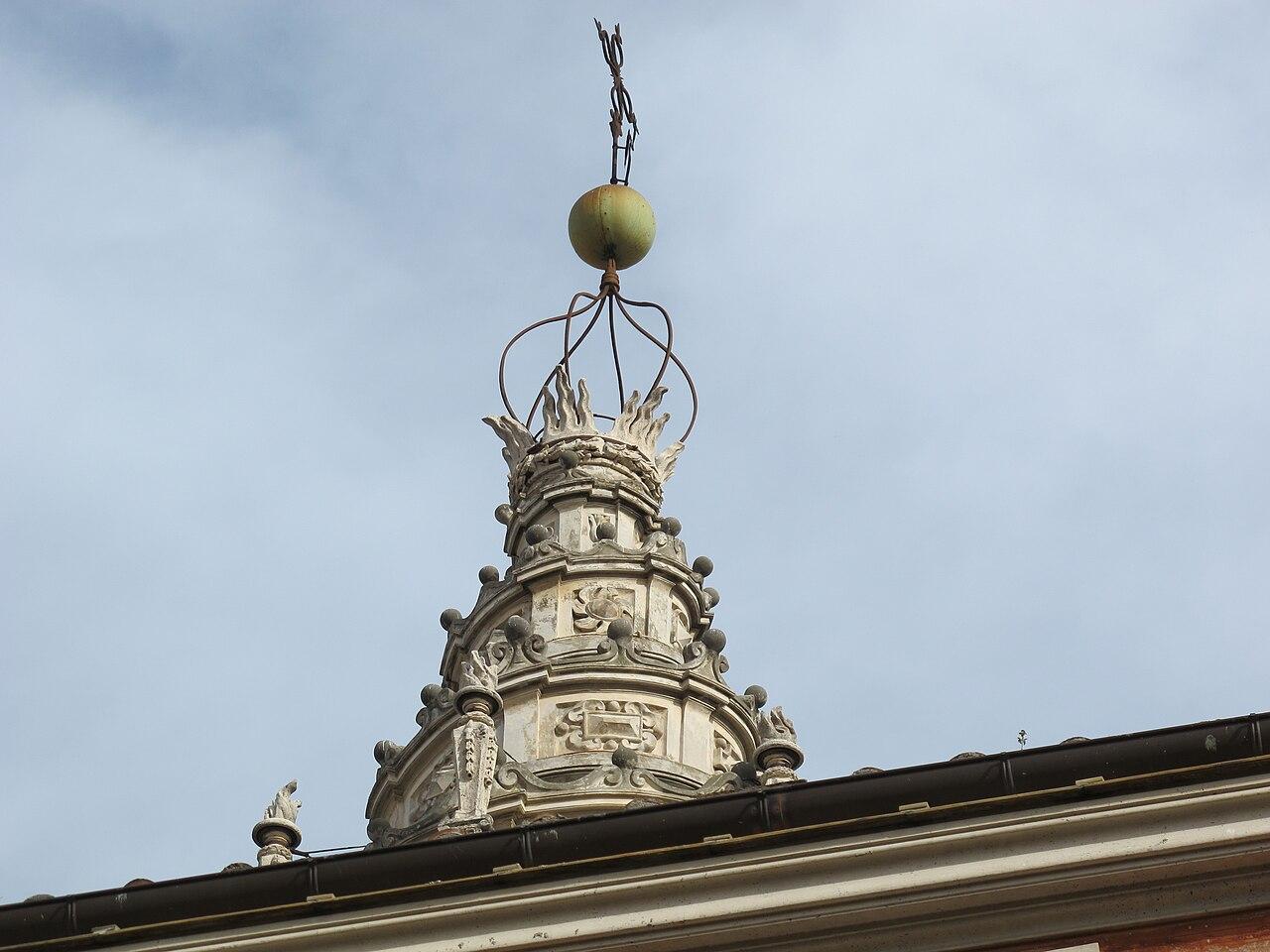
The spiral
A dome on a six-pointed star, crowned with a stone screw that appears nowhere else in the city.
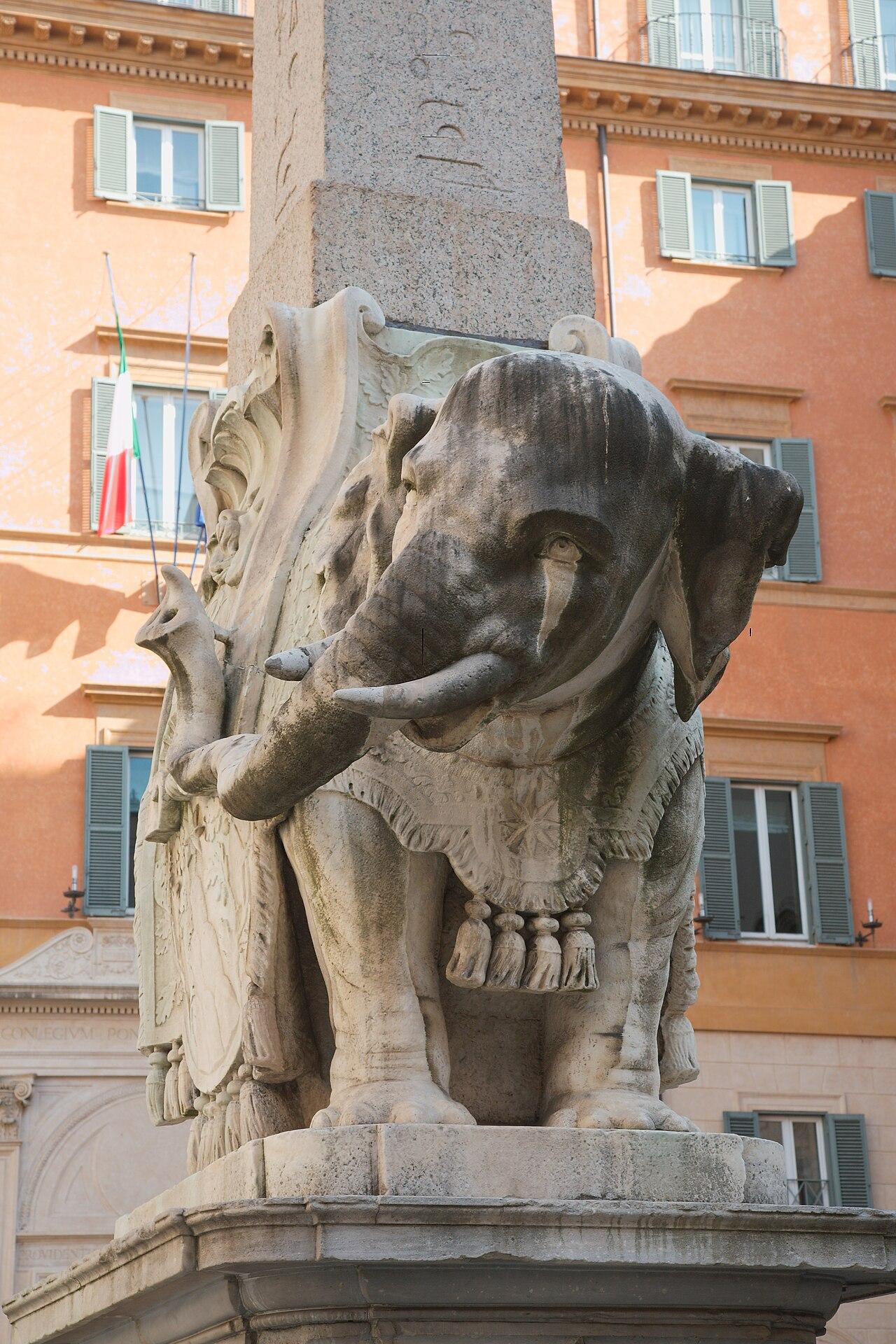
The Elephant and the Obelisk
A marble elephant carrying an Egyptian obelisk on its back, with a tail that seems to be delivering a message.
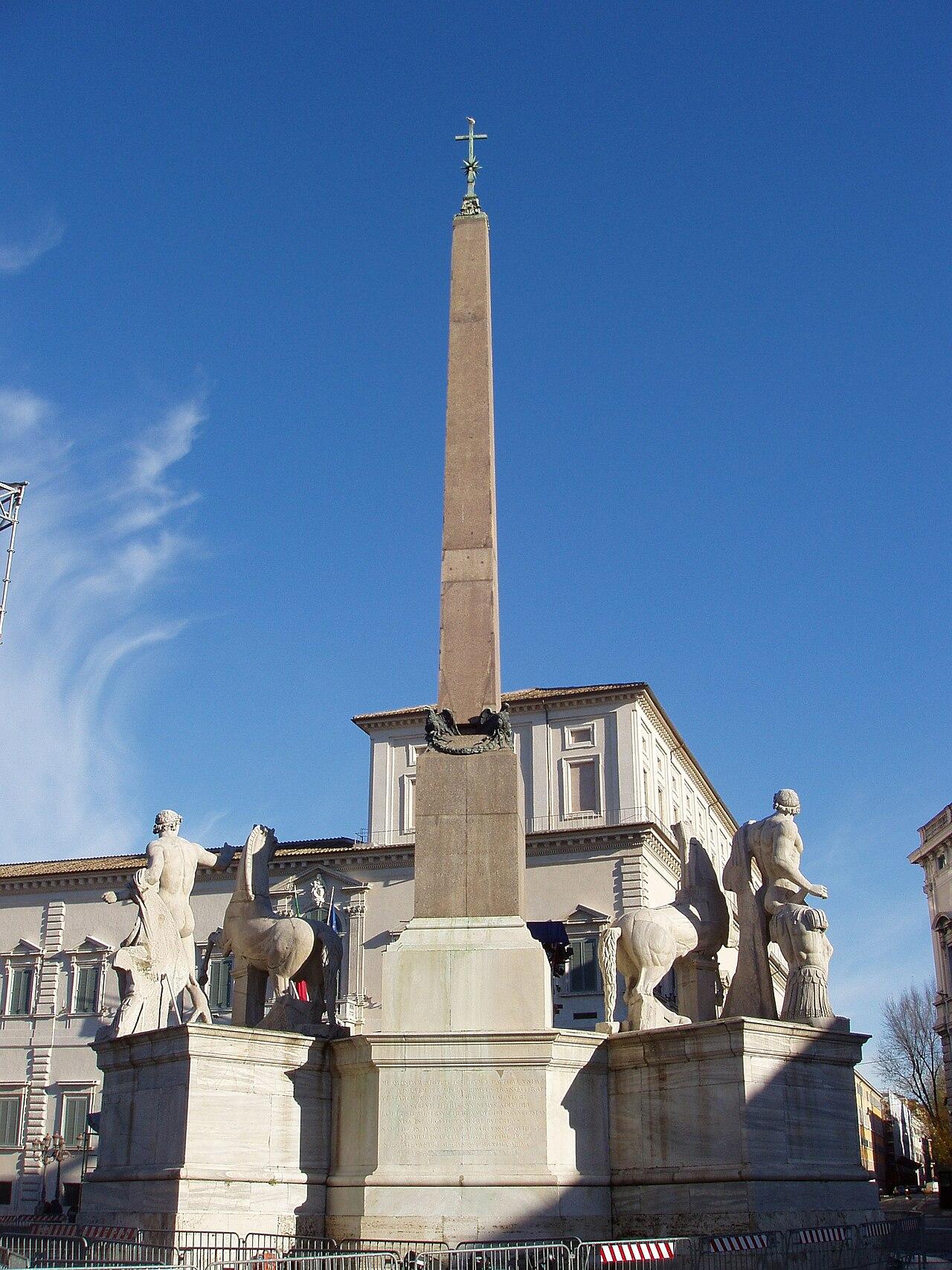
Two riders and an obelisk
Two ancient horsemen, an obelisk from the mausoleum of Augustus, and the finest view of St Peter's dome.
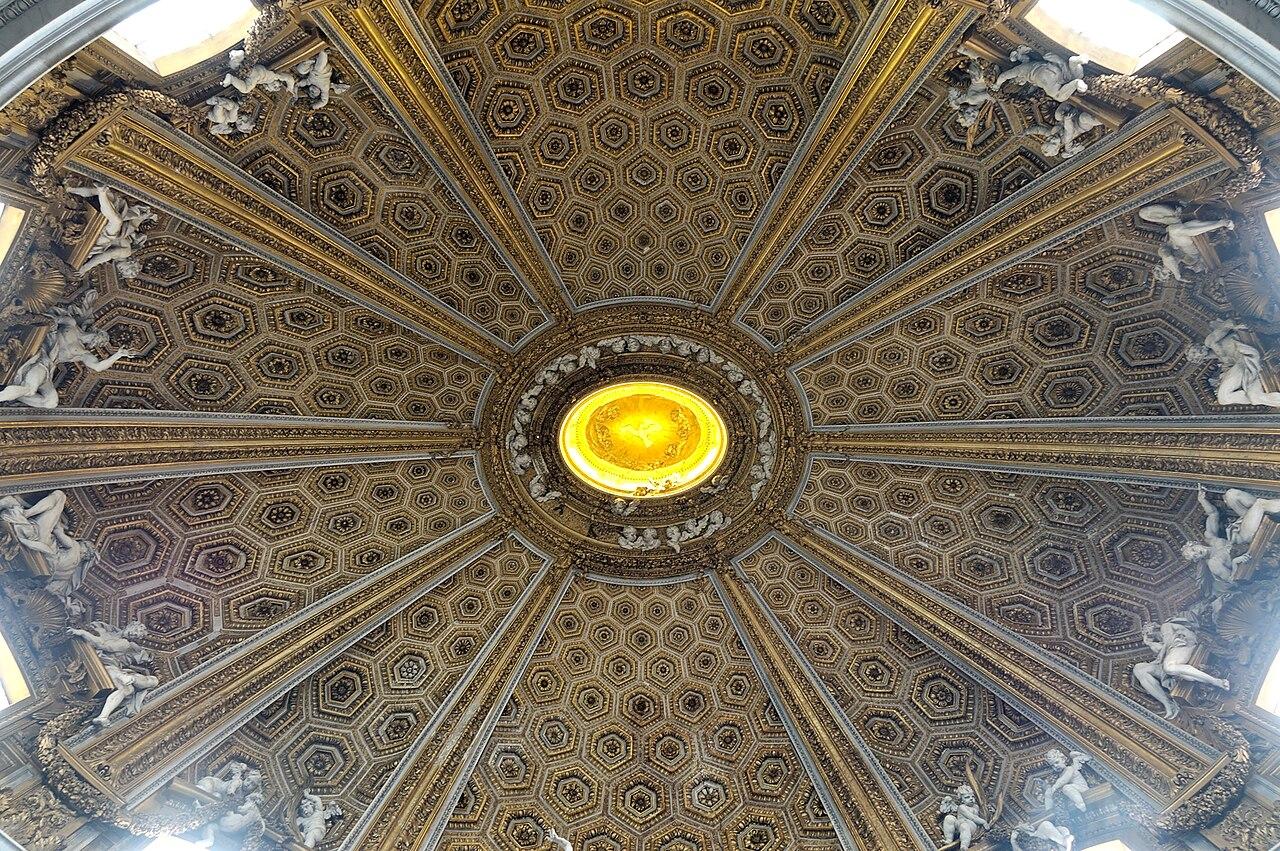
Bernini's Answer
The church Bernini himself considered his finest work, with an oval that lies exactly the opposite way to his rival's.
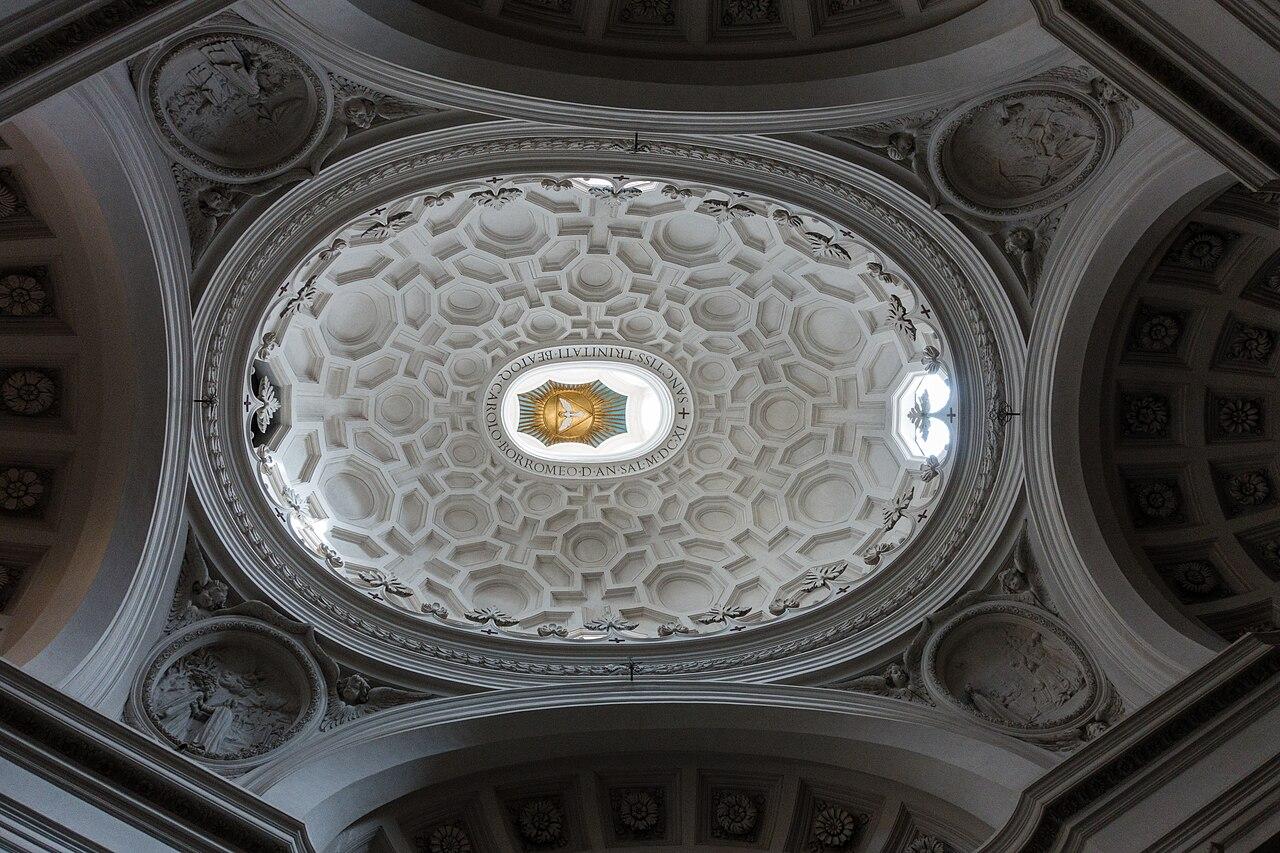
The smallest masterpiece
Borromini's first commission of his own, smaller than one of St Peter's piers, with a dome that looks taller than it really is.
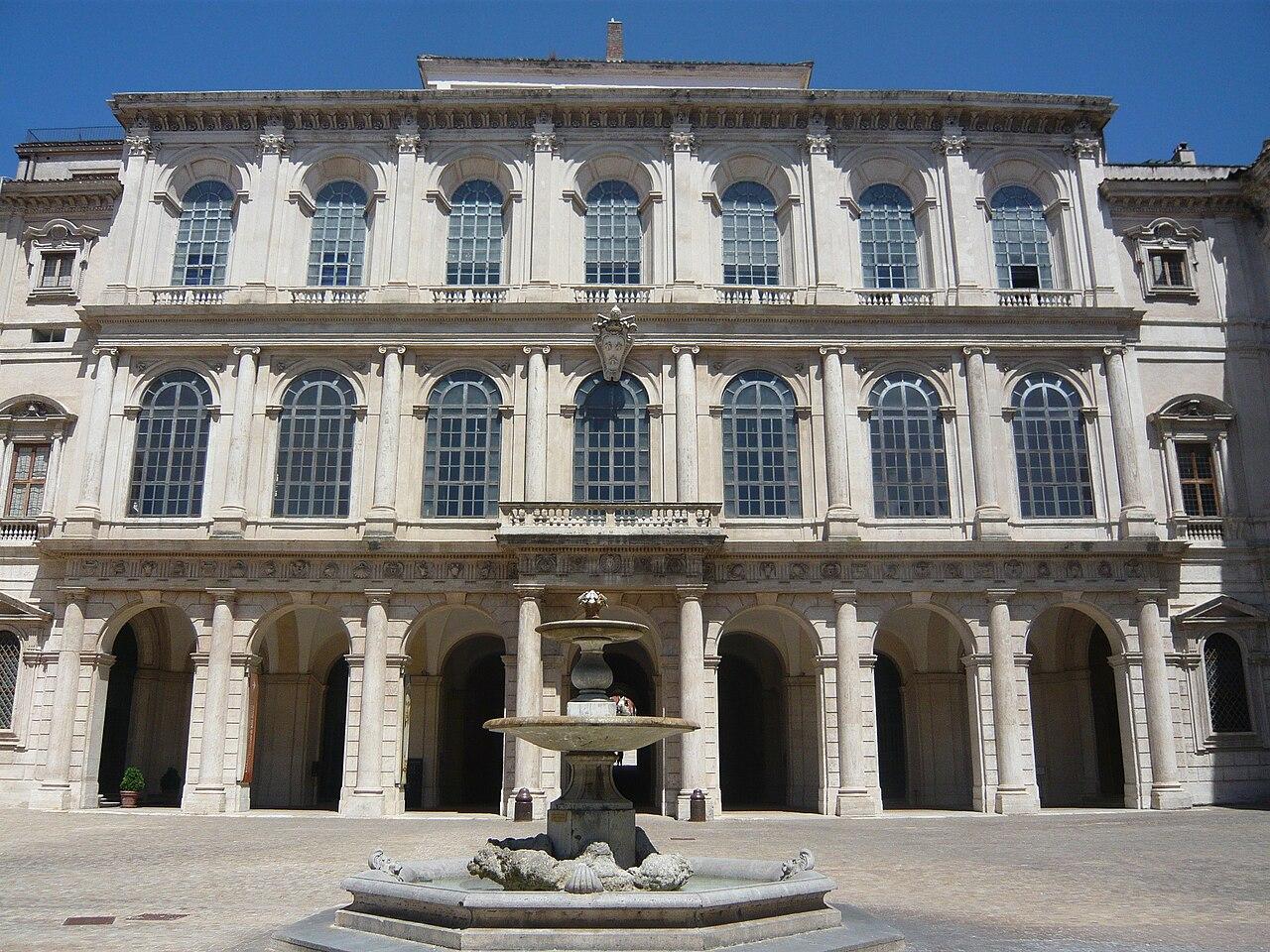
The palace with two staircases
The only building both men worked on at the same time, with Bernini's staircase on the left and Borromini's on the right.
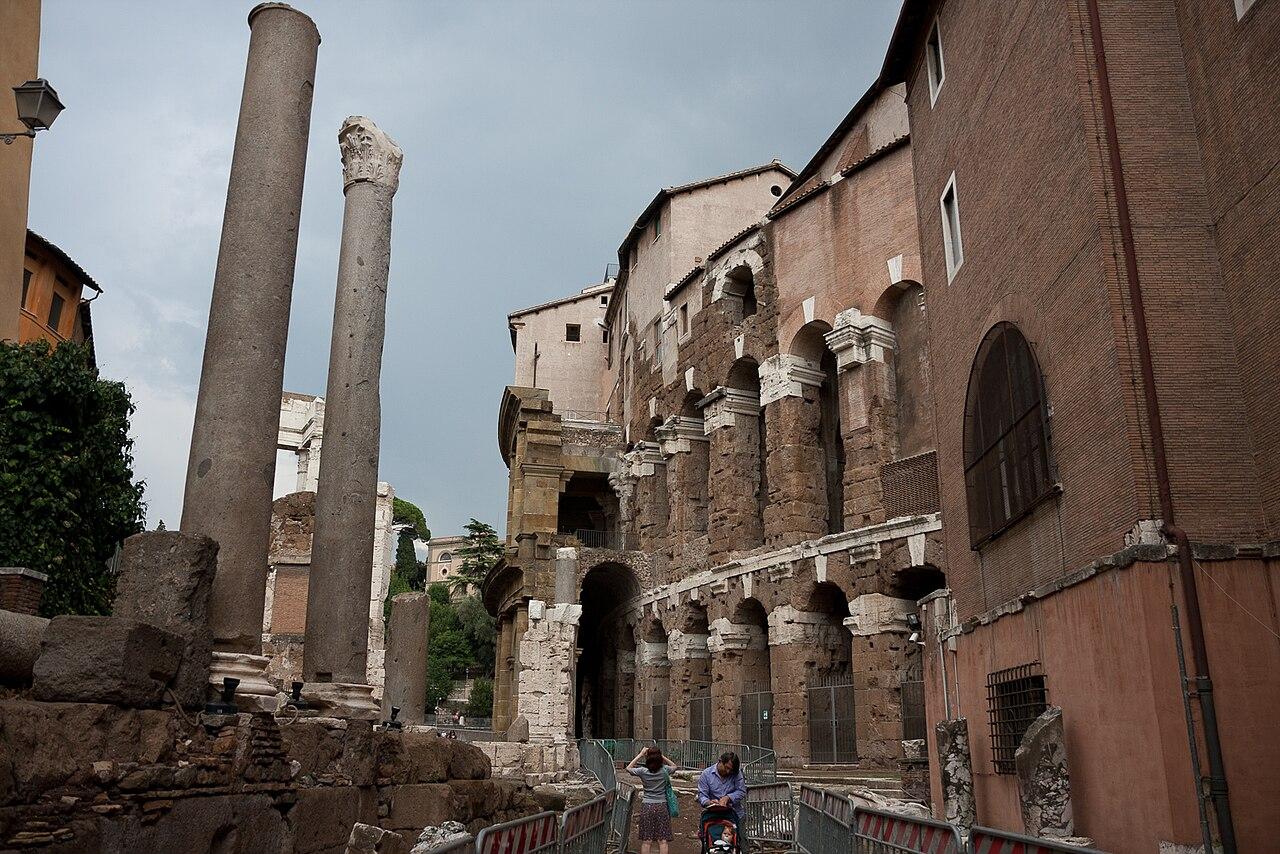
The theatre that became a palace
A theatre built by the emperor Augustus that turned into a fortress, then a palace, and today holds apartments.
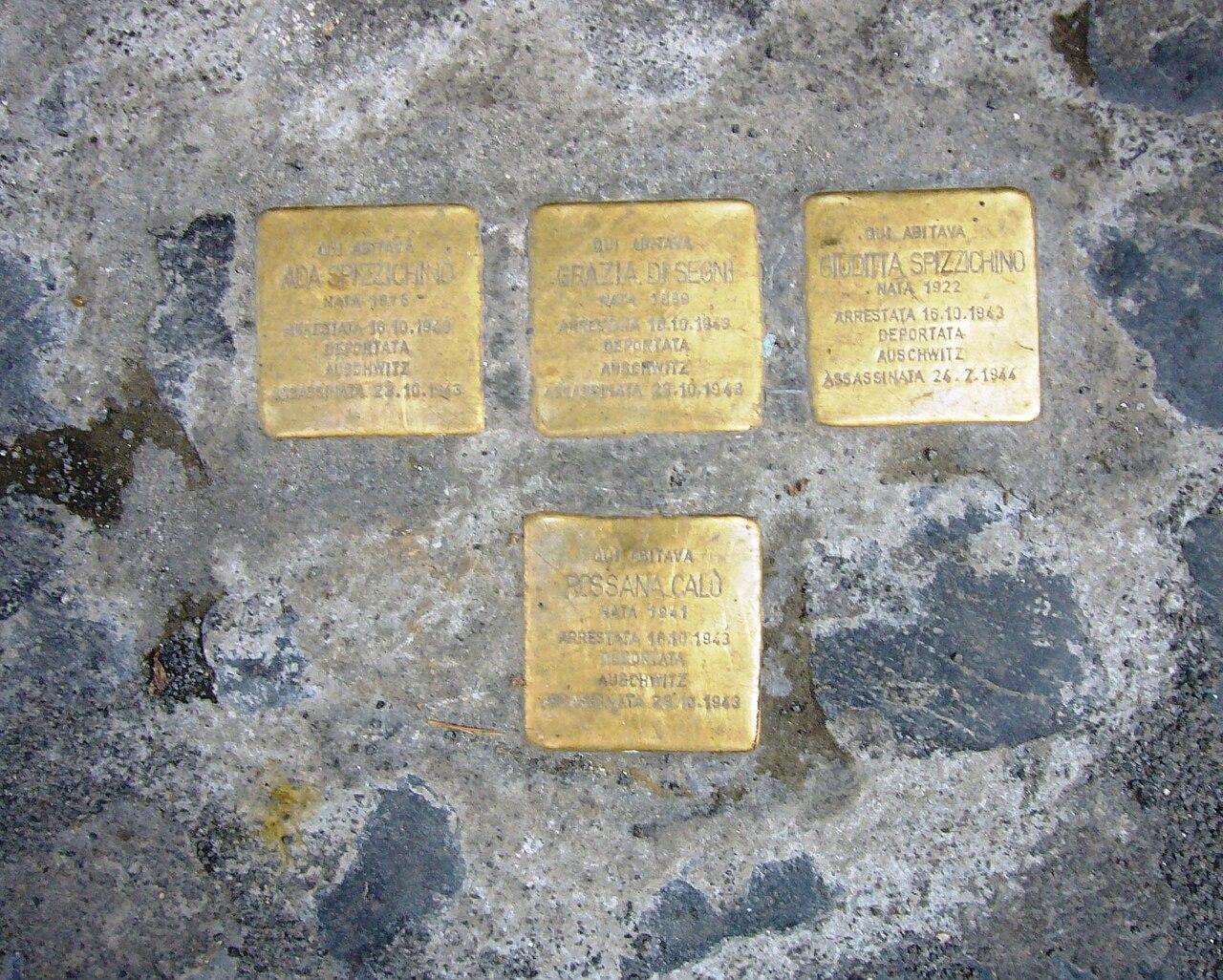
16 October 1943
The morning the neighbourhood was surrounded, and the brass stones that have lain in the pavement ever since.
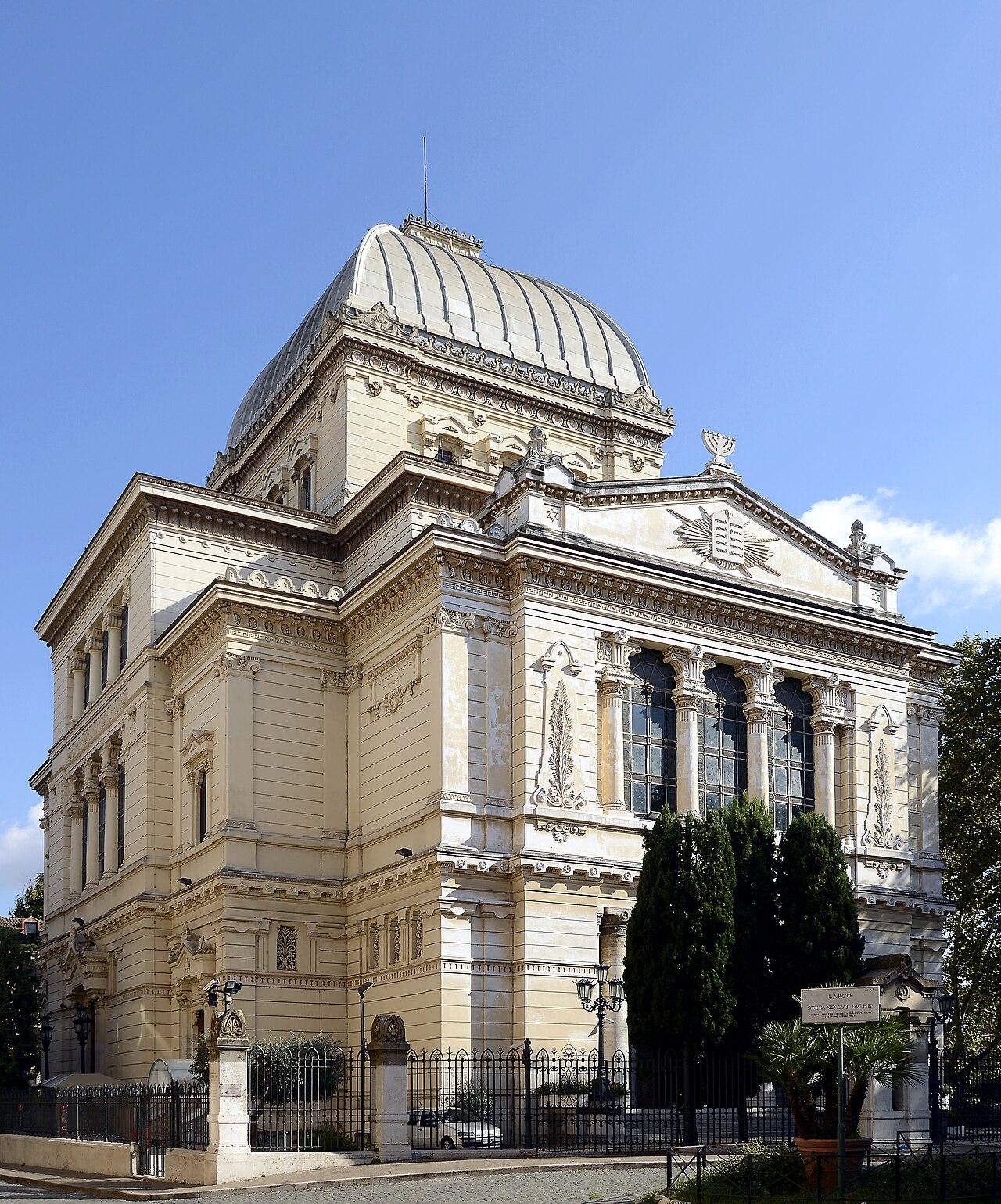
The dome that's square
A synagogue that deliberately stands out, with a square dome and the Jewish Museum inside.
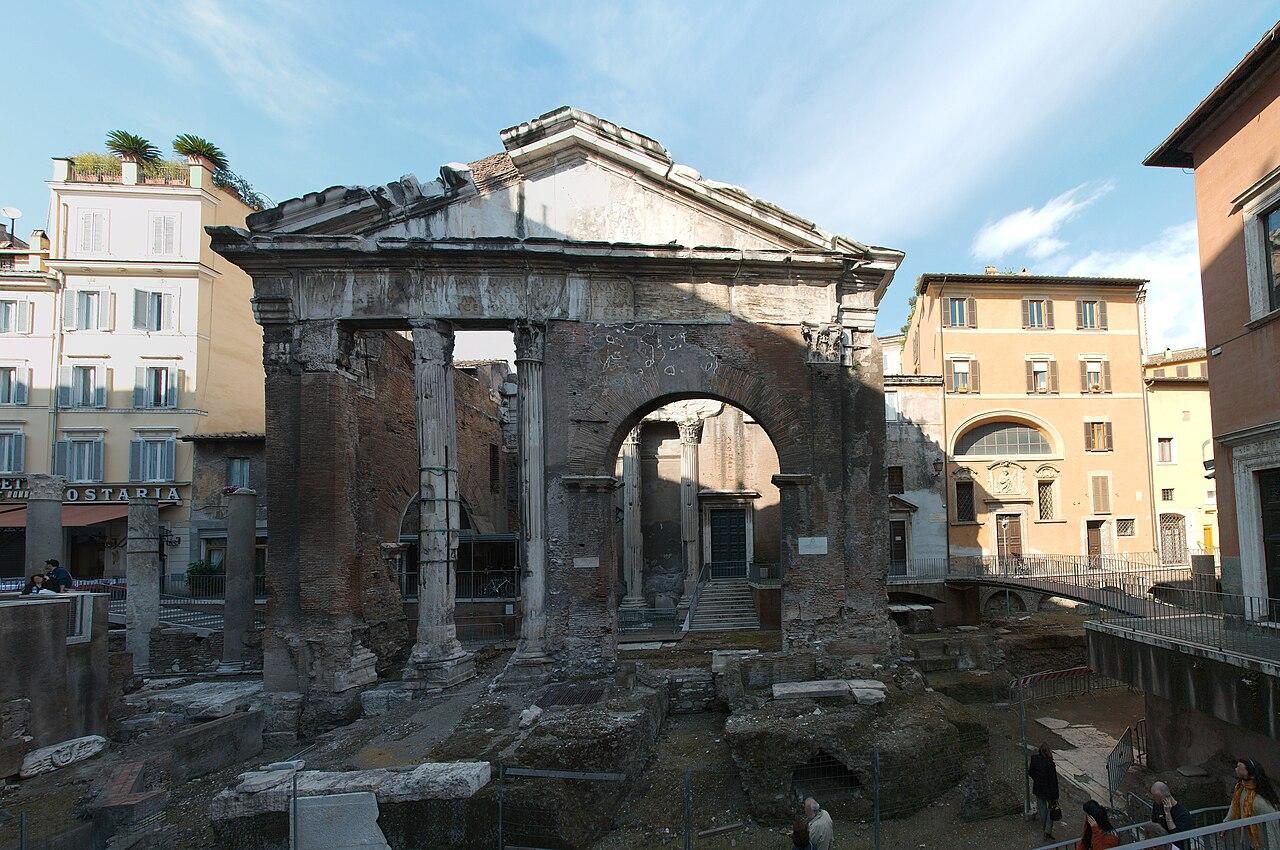
The fish market under the gate
For centuries the fish market stood under this imperial gate, and a rule about fish heads is still carved into the stone.
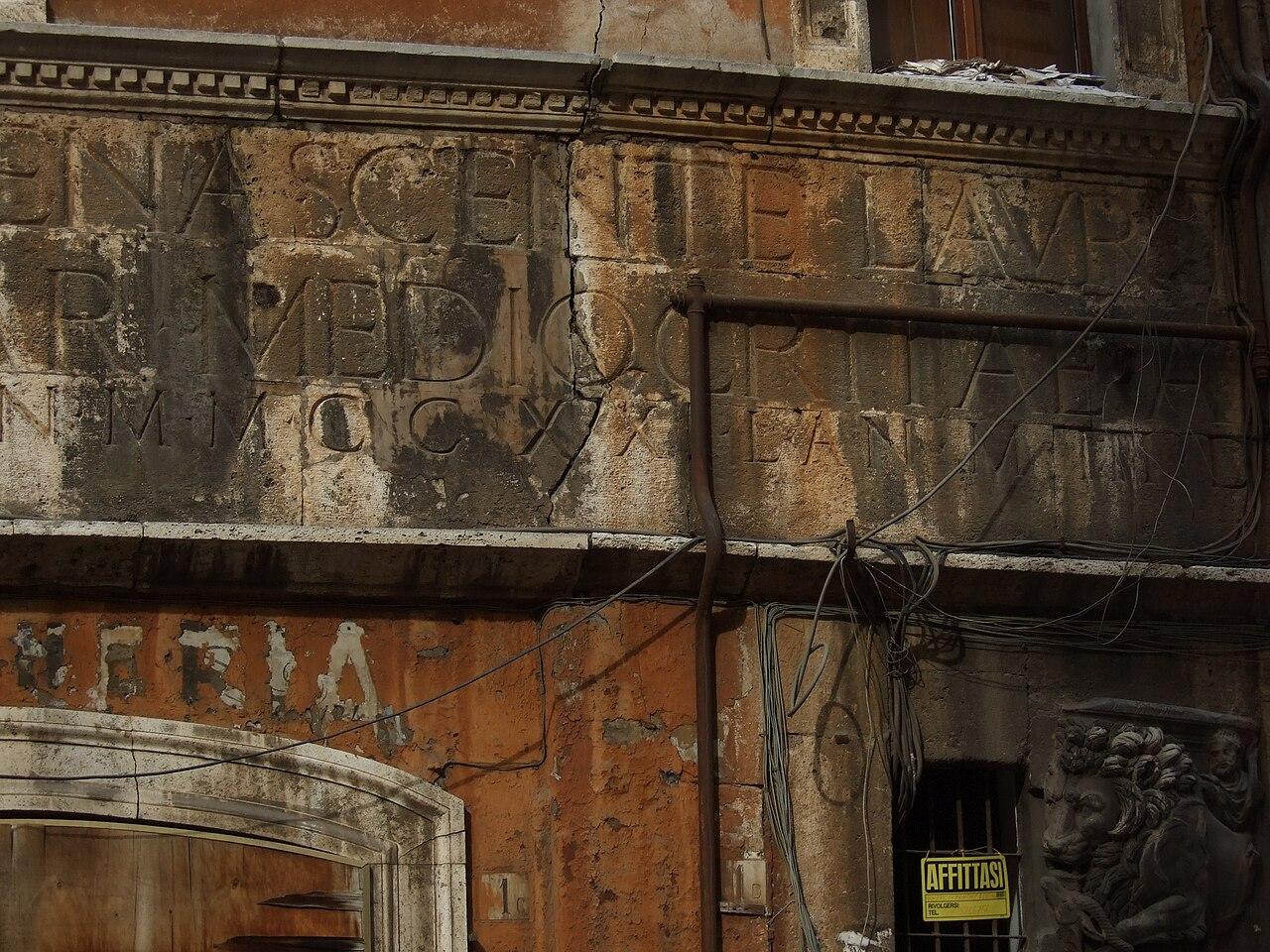
The house that dated itself
A house from 1468 that dates itself from the founding of Rome: the year 2221.
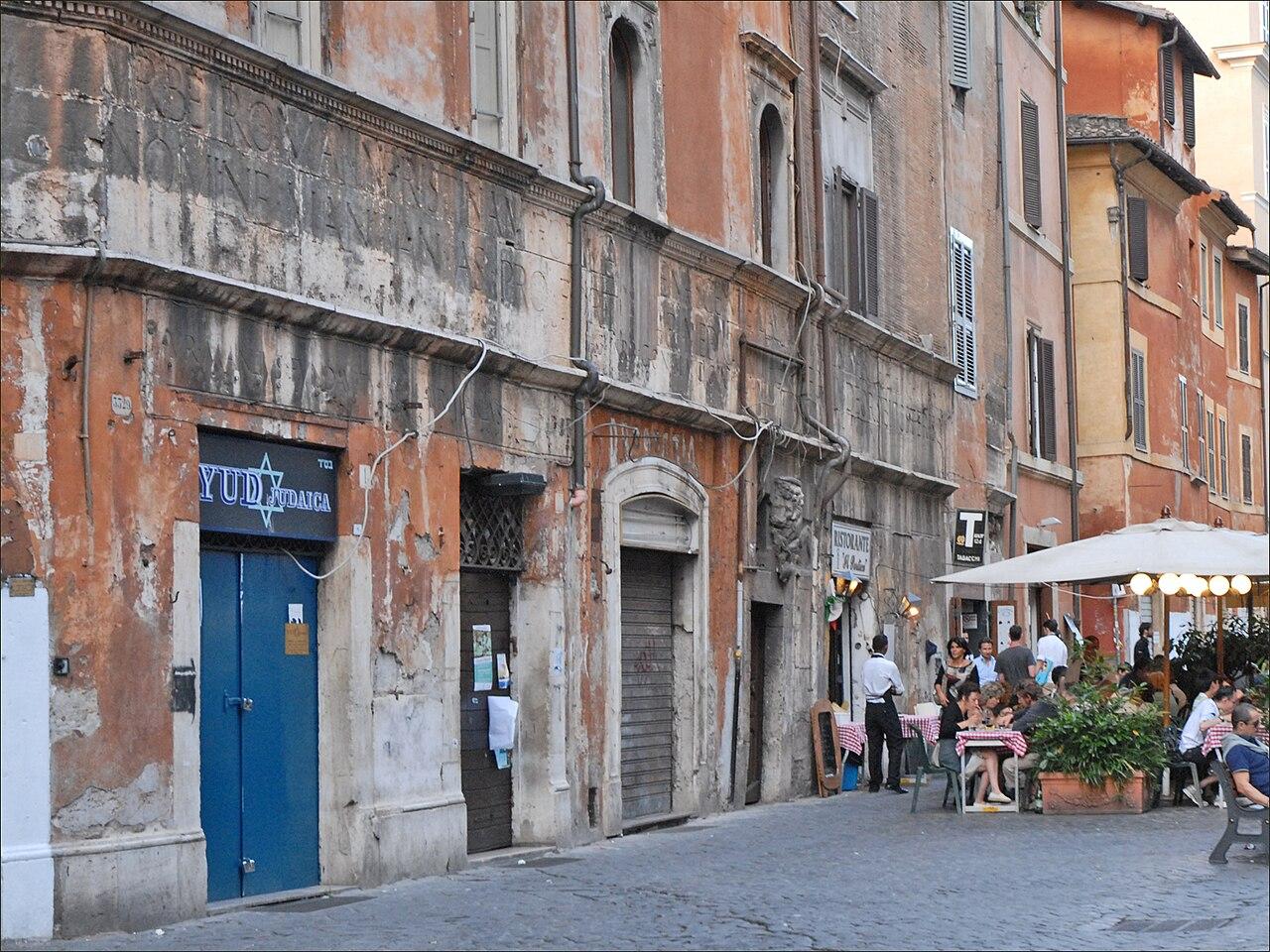
Five gates, three centuries
In 1555 the Jews of Rome were shut behind gates that only came down in 1870.
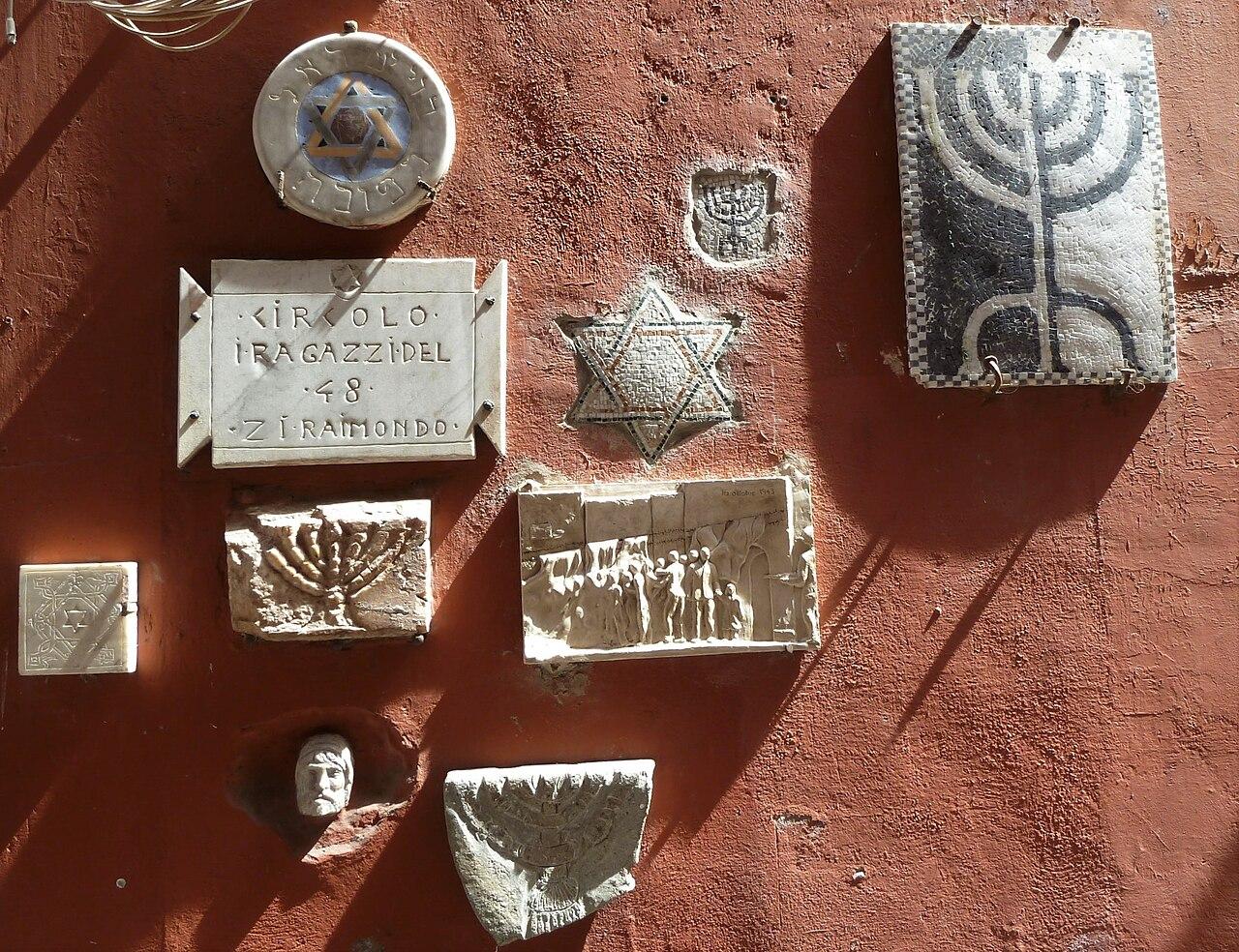
The street that stayed
The only street of the old ghetto that survived the demolitions of the 1880s.
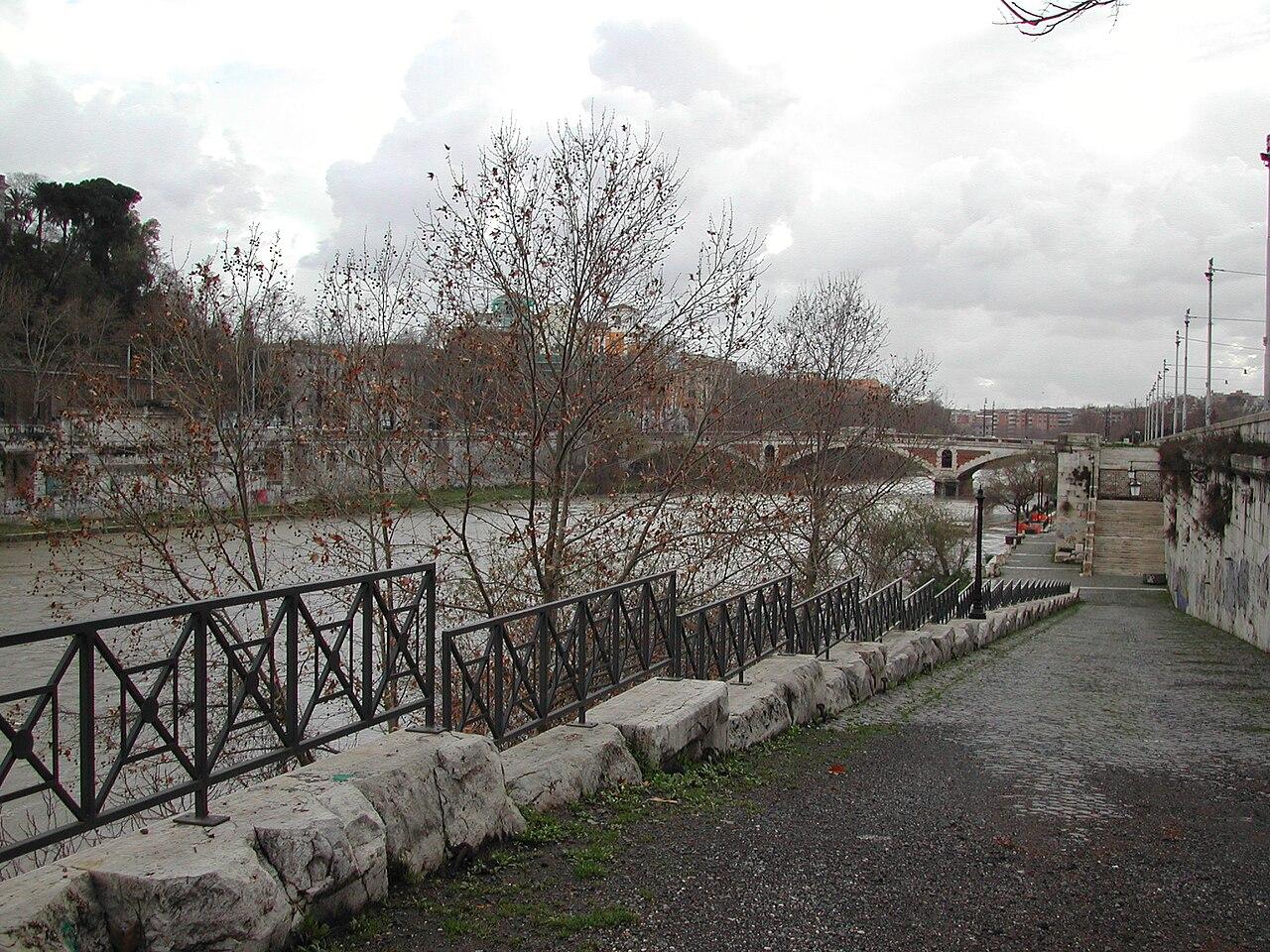
The walls that took the river away
After the flood of 1870, the Tiber was given walls twenty metres high, and Trastevere lost its riverbank.
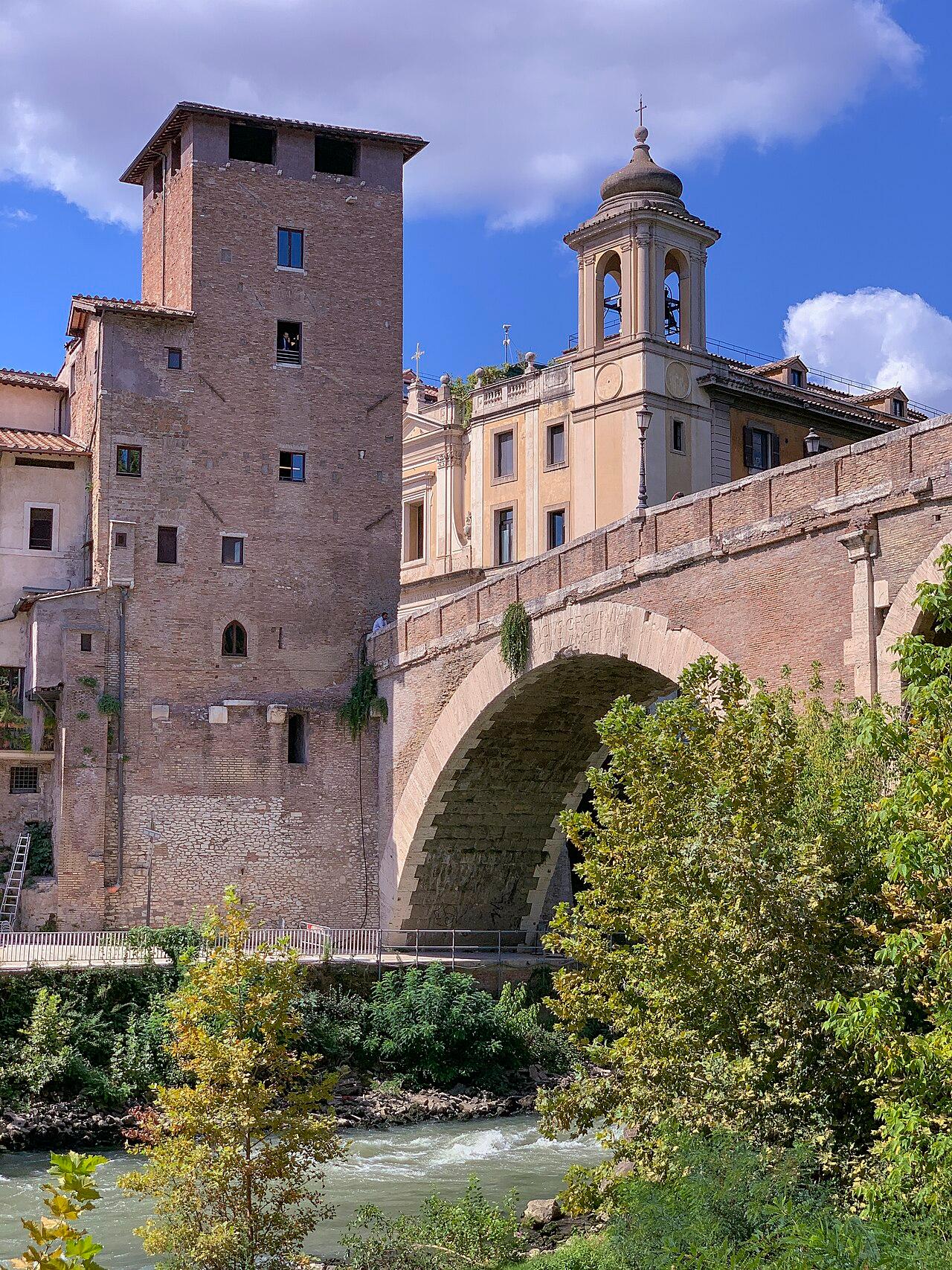
The Bridge of the Four Heads
Rome's oldest bridge that was never rebuilt, with the builder's name carved into the stone four times.
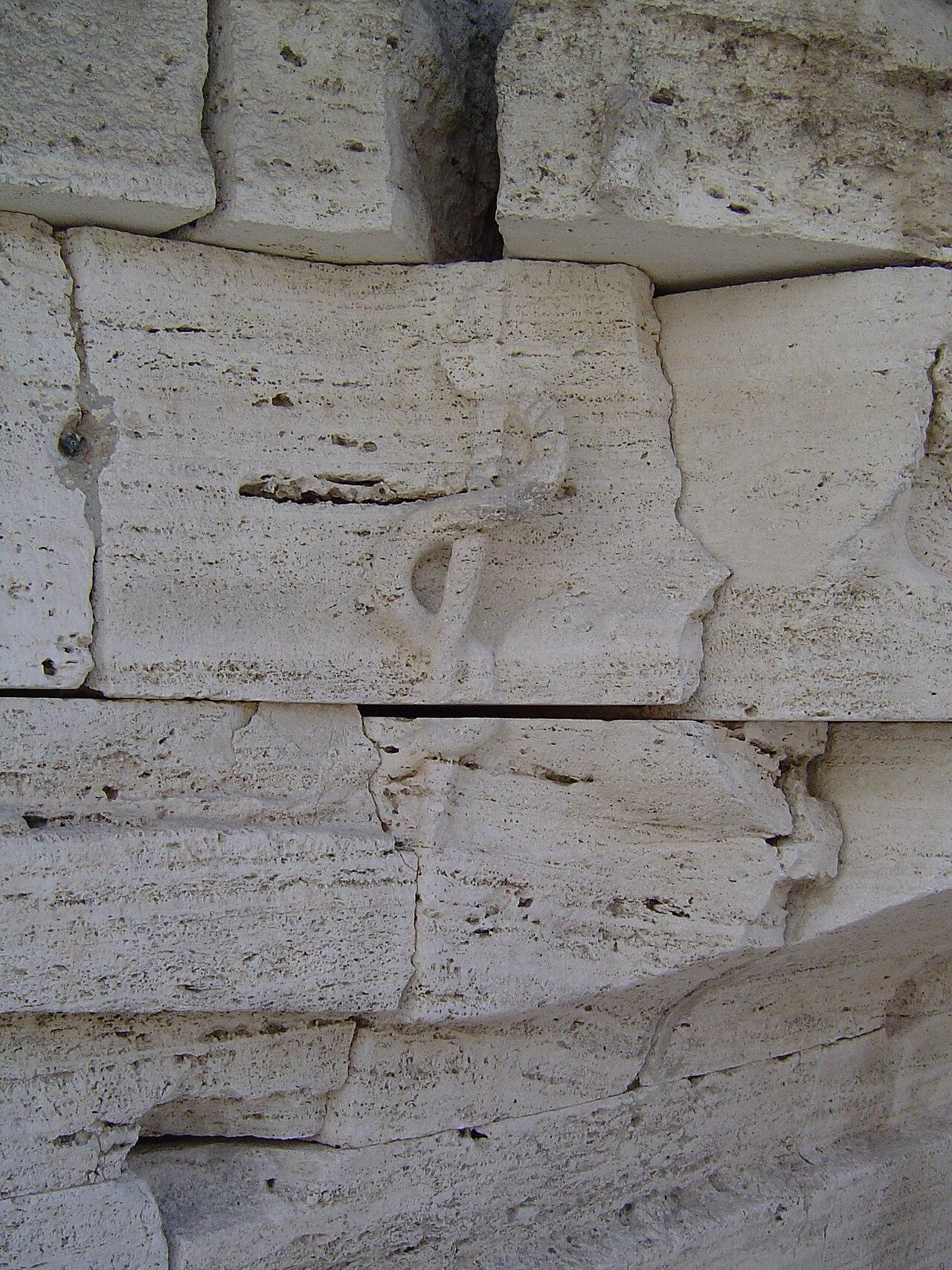
The island that became a ship
Twenty-two centuries of medicine, an island disguised as a ship, and a disease invented in 1943.
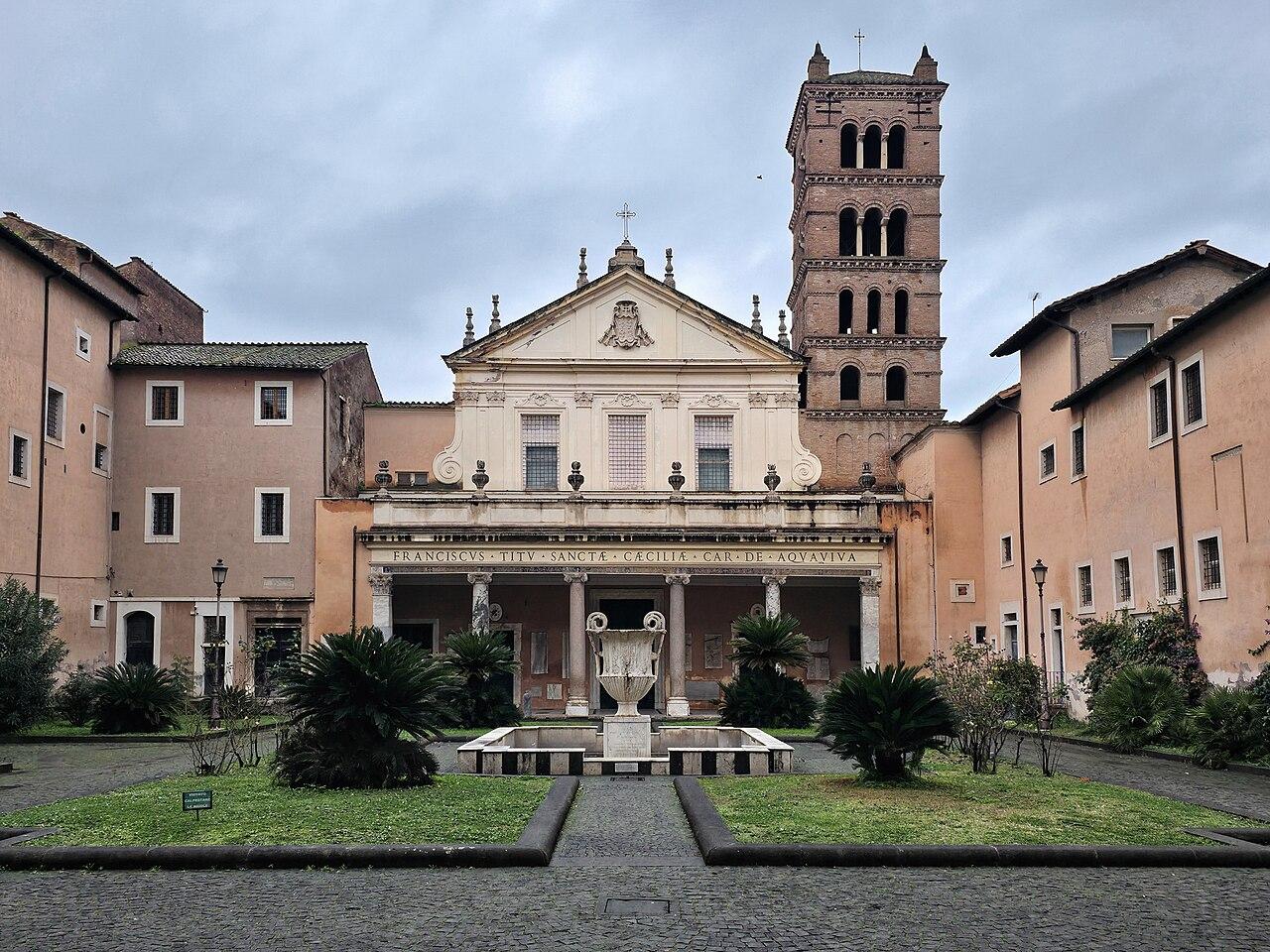
The body that hadn't decayed
A sculptor saw the body when the sarcophagus was opened, and carved exactly that from marble.
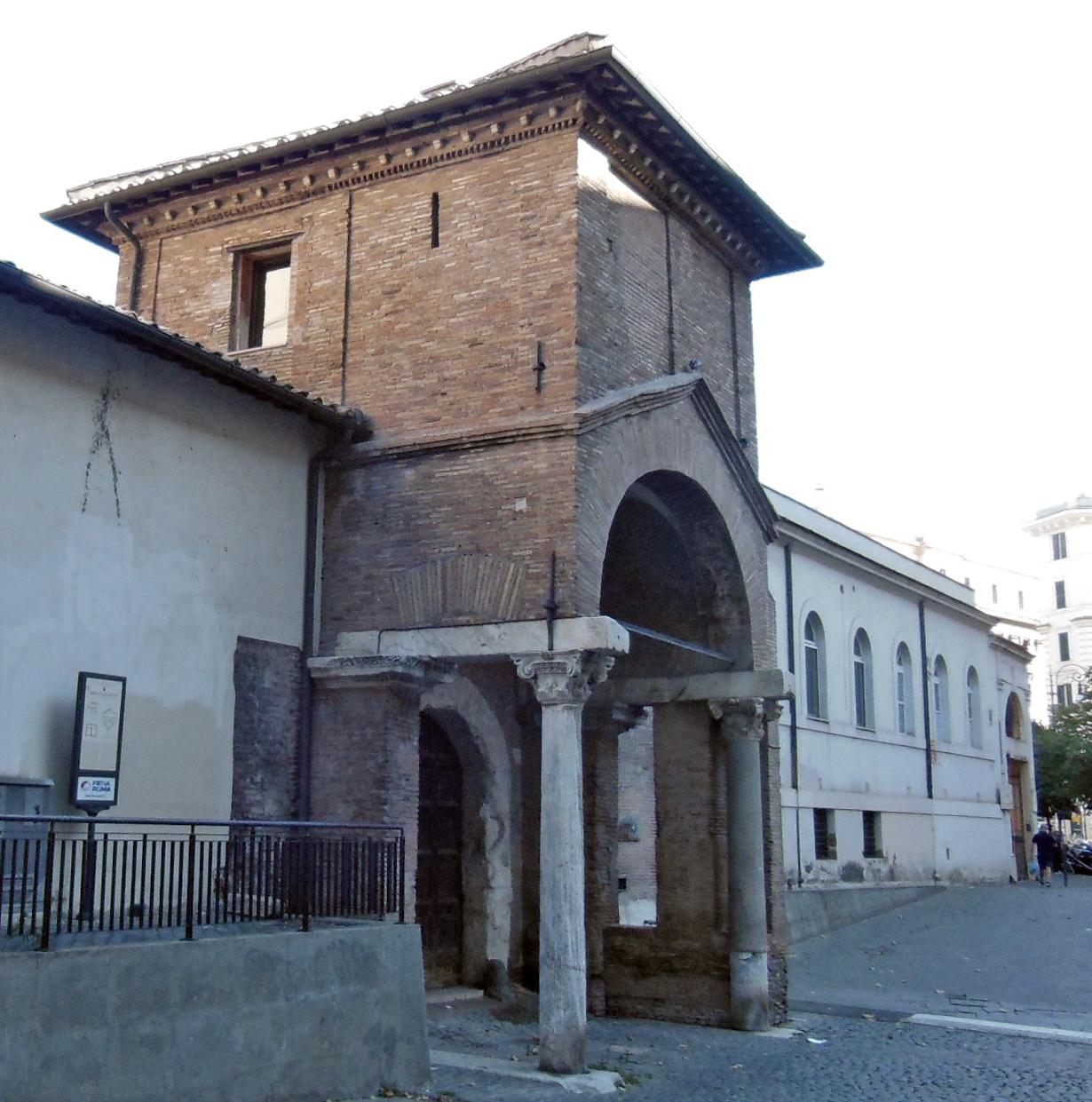
The market square
A market, a playing field and benches, sitting on top of a monastery that has cared for the sick since the Middle Ages.
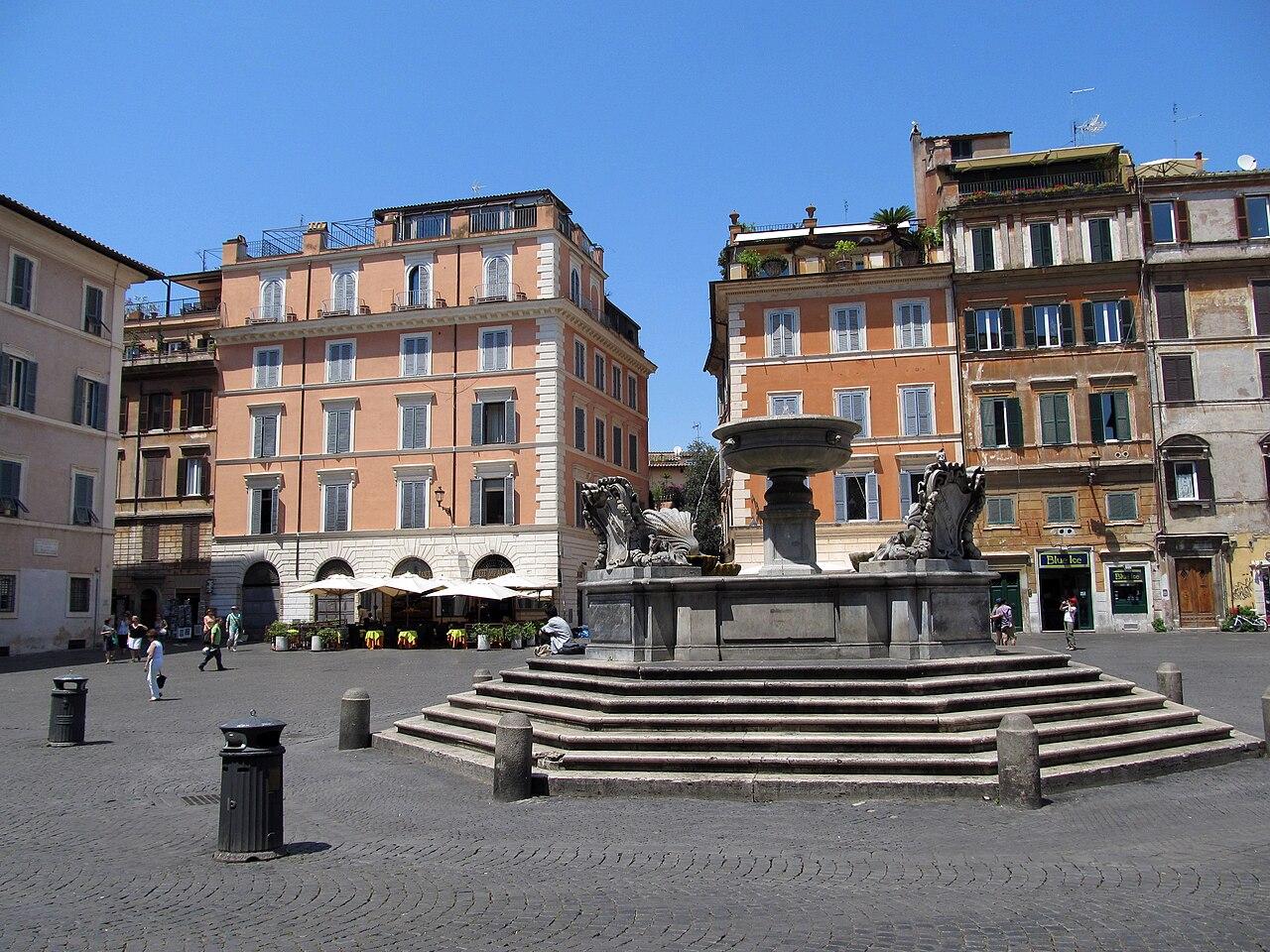
The oldest fountain
One of the oldest working fountains in the city, fed from the hill you can see rising above the rooftops.
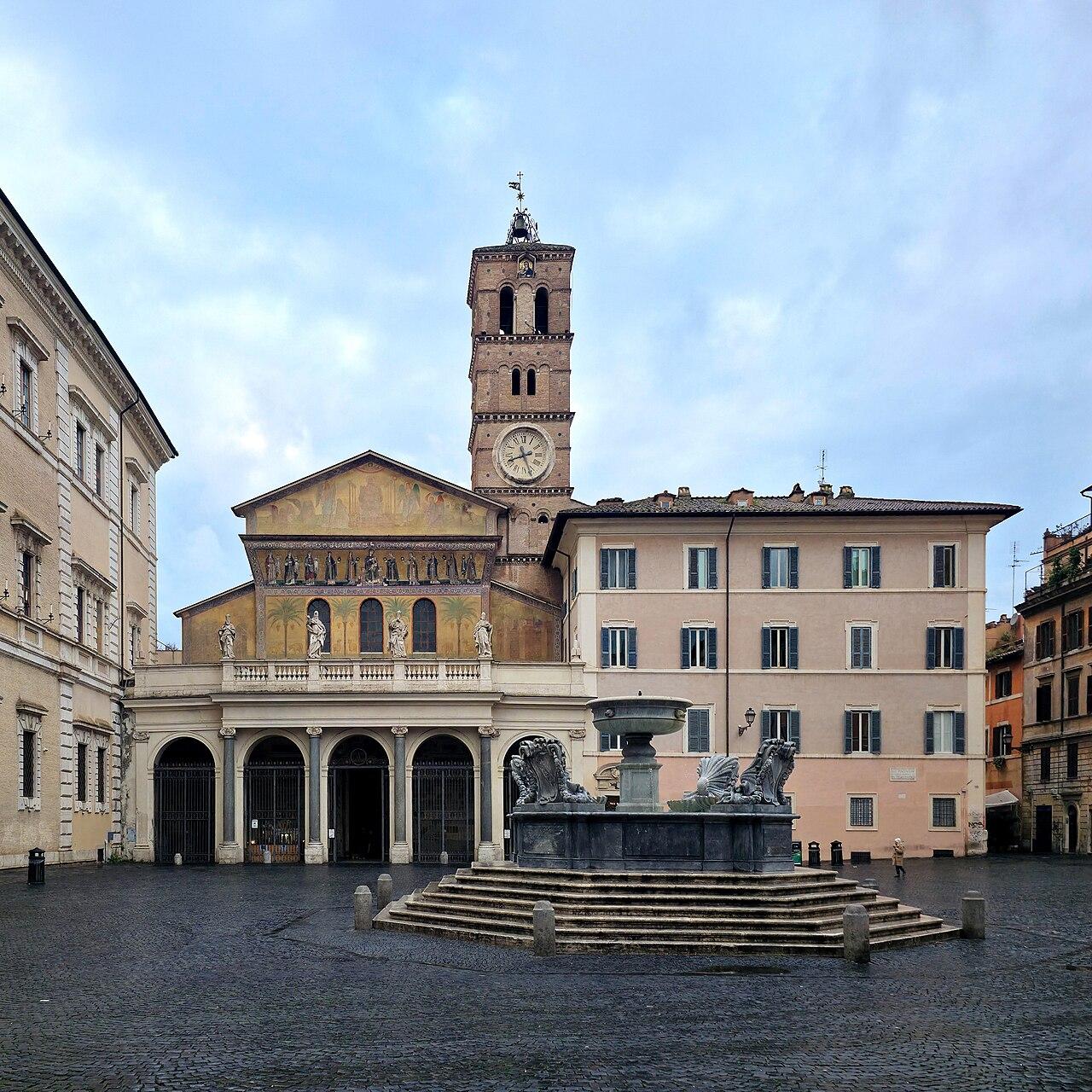
The Spring of Oil
A mosaic that has hung outdoors for eight hundred years, and Egyptian gods on the columns inside.
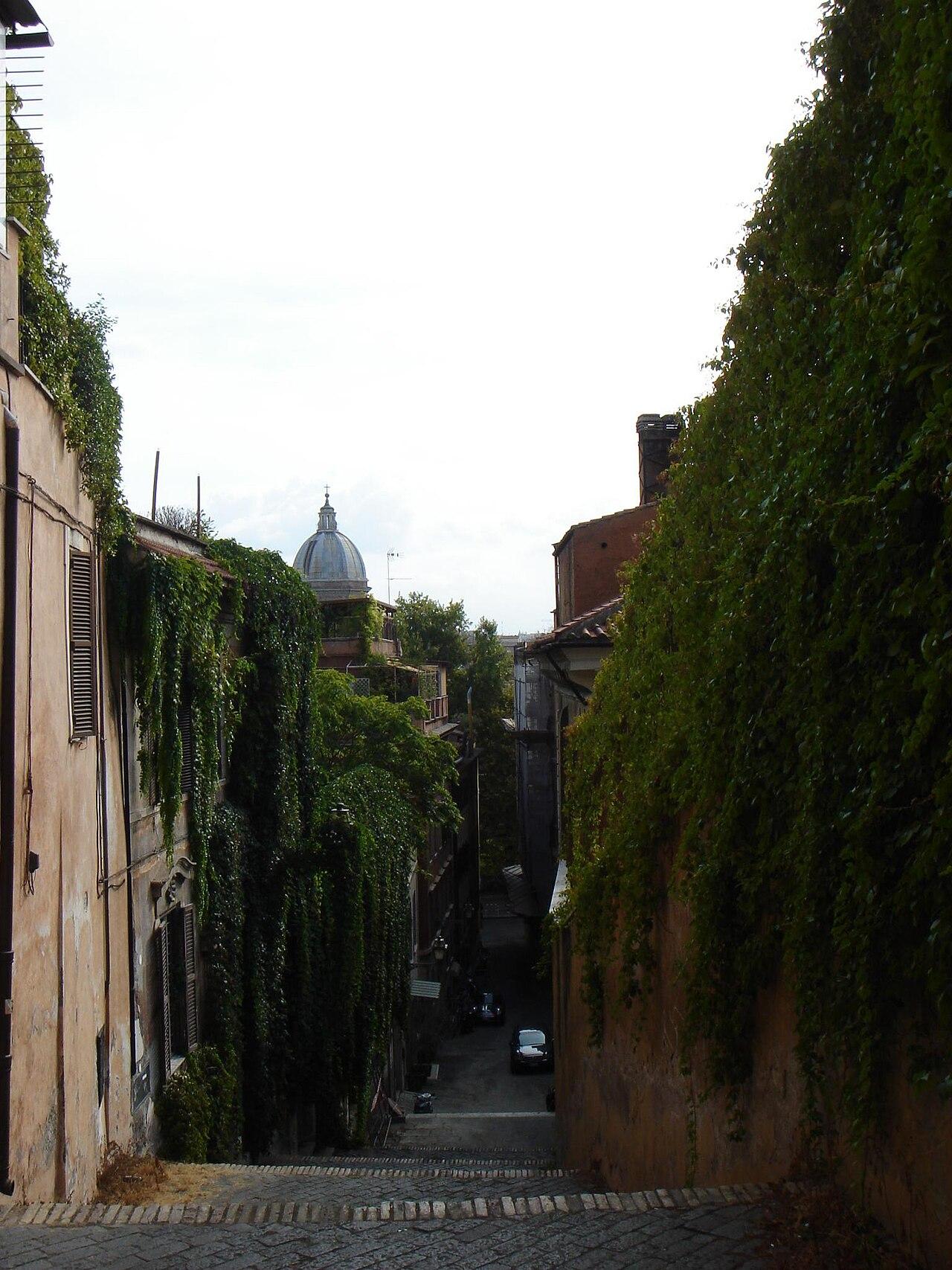
The district without a plan
District fourteen, last on Augustus's list, where nobody ever drew a map.
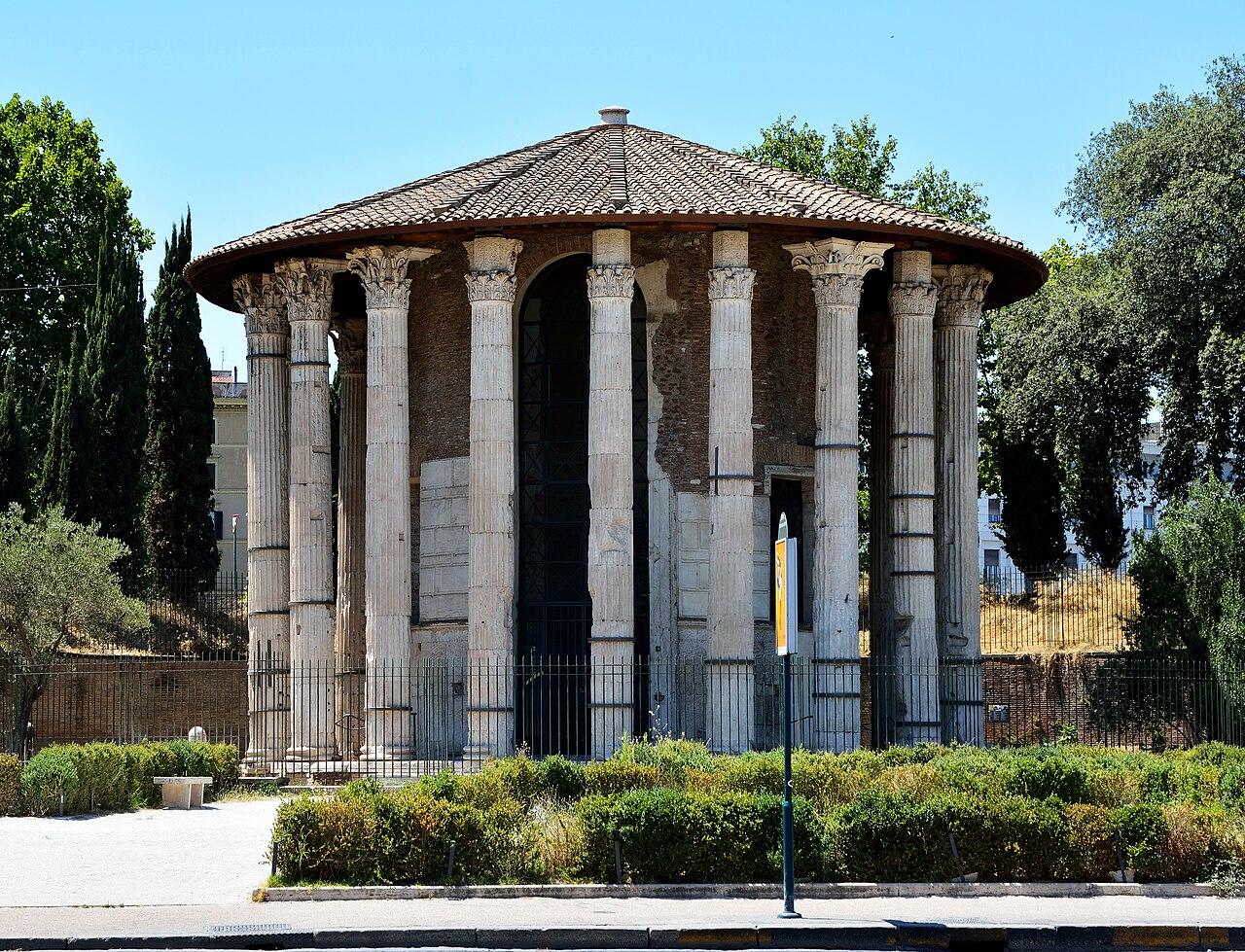
The cattle market and the mouth
Rome's oldest harbour, the city's oldest marble building, and a drain cover with a world-famous reputation.
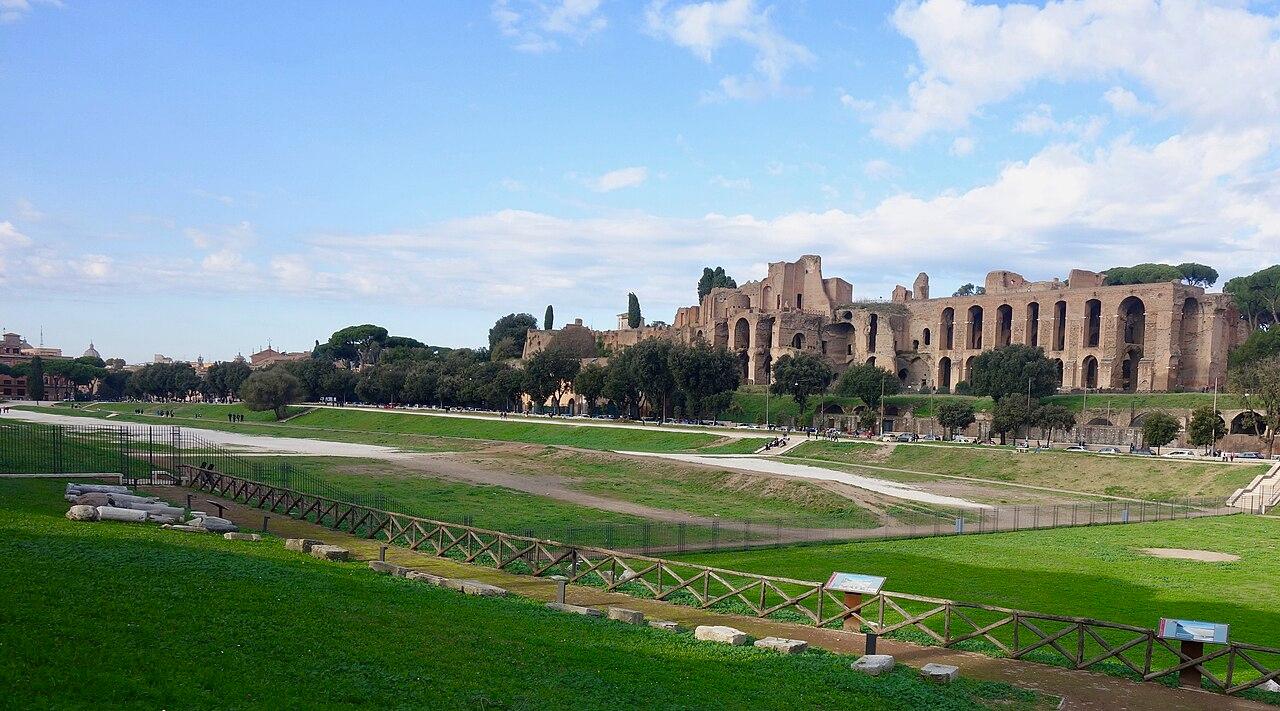
The field that held an entire city
A quarter of a million spectators, four stables each with their own colour, and charioteers who earned more than senators.
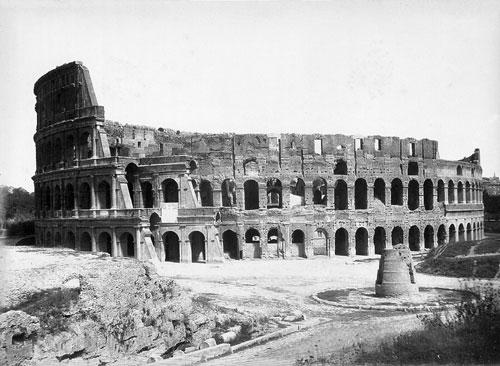
How the Colossus got its name
Two outlines in the paving: a sweating fountain and the statue that gave the Colosseum its name.
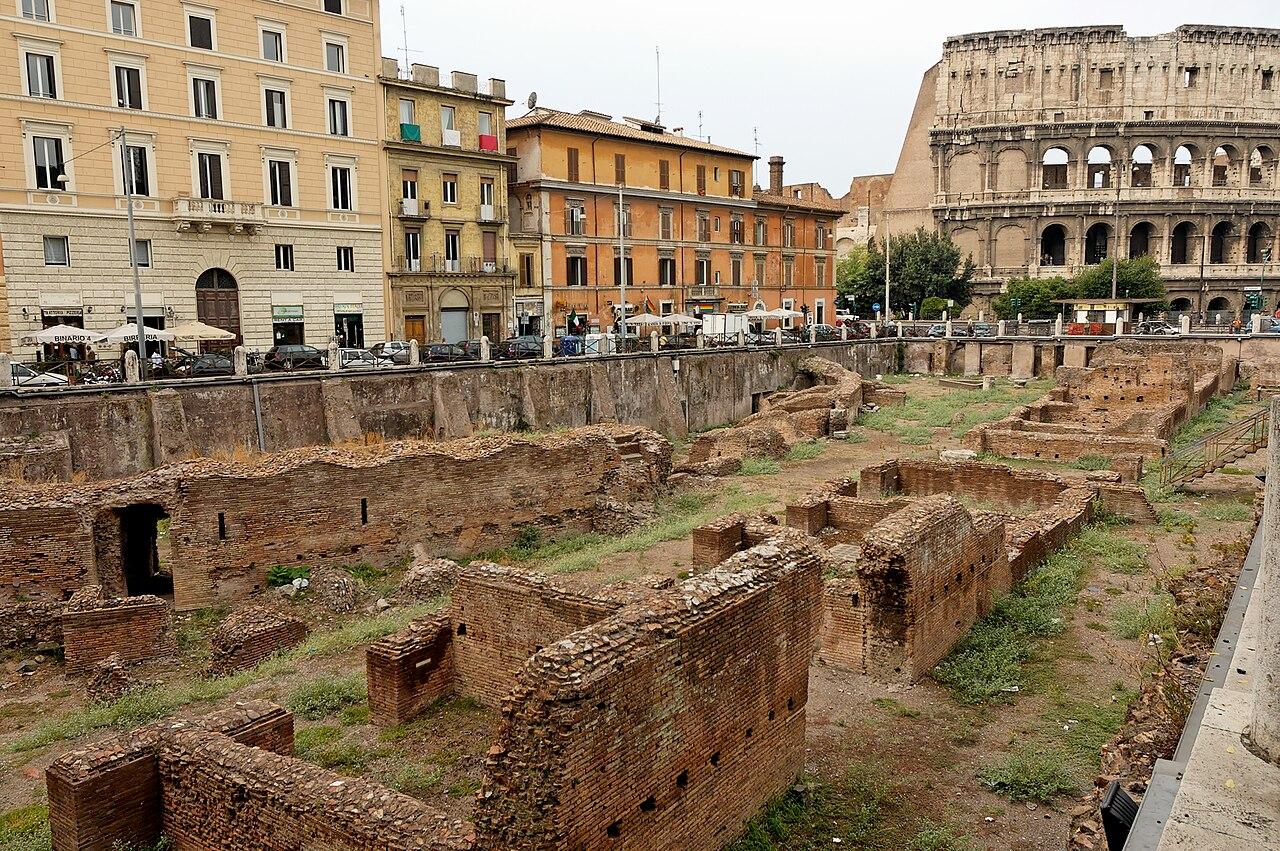
The school
The gladiator school with its own practice arena, stands for spectators and a tunnel leading to the Colosseum.
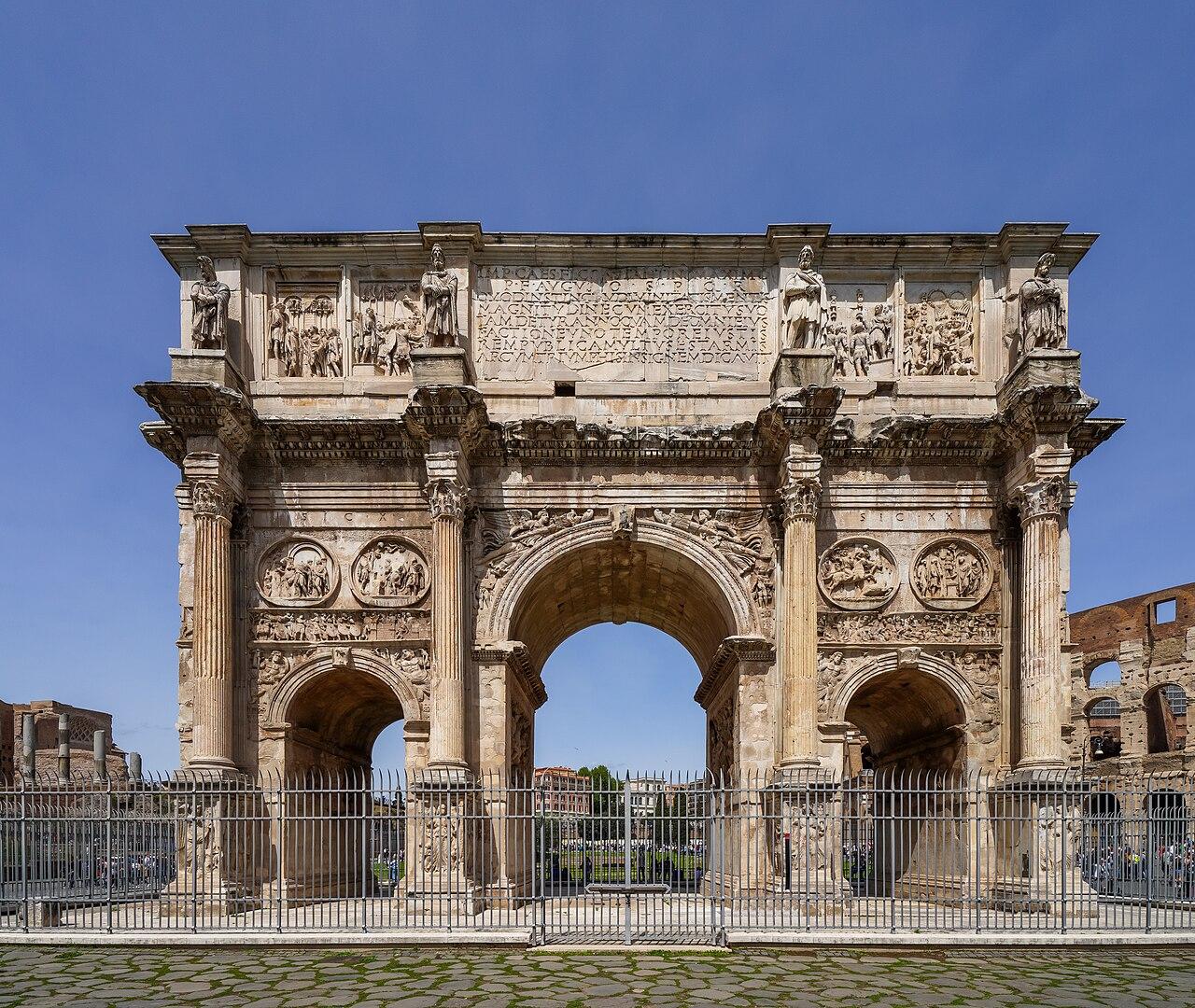
Emperors with someone else's body
The arch is covered in reliefs of earlier emperors, their heads hacked off and recarved.
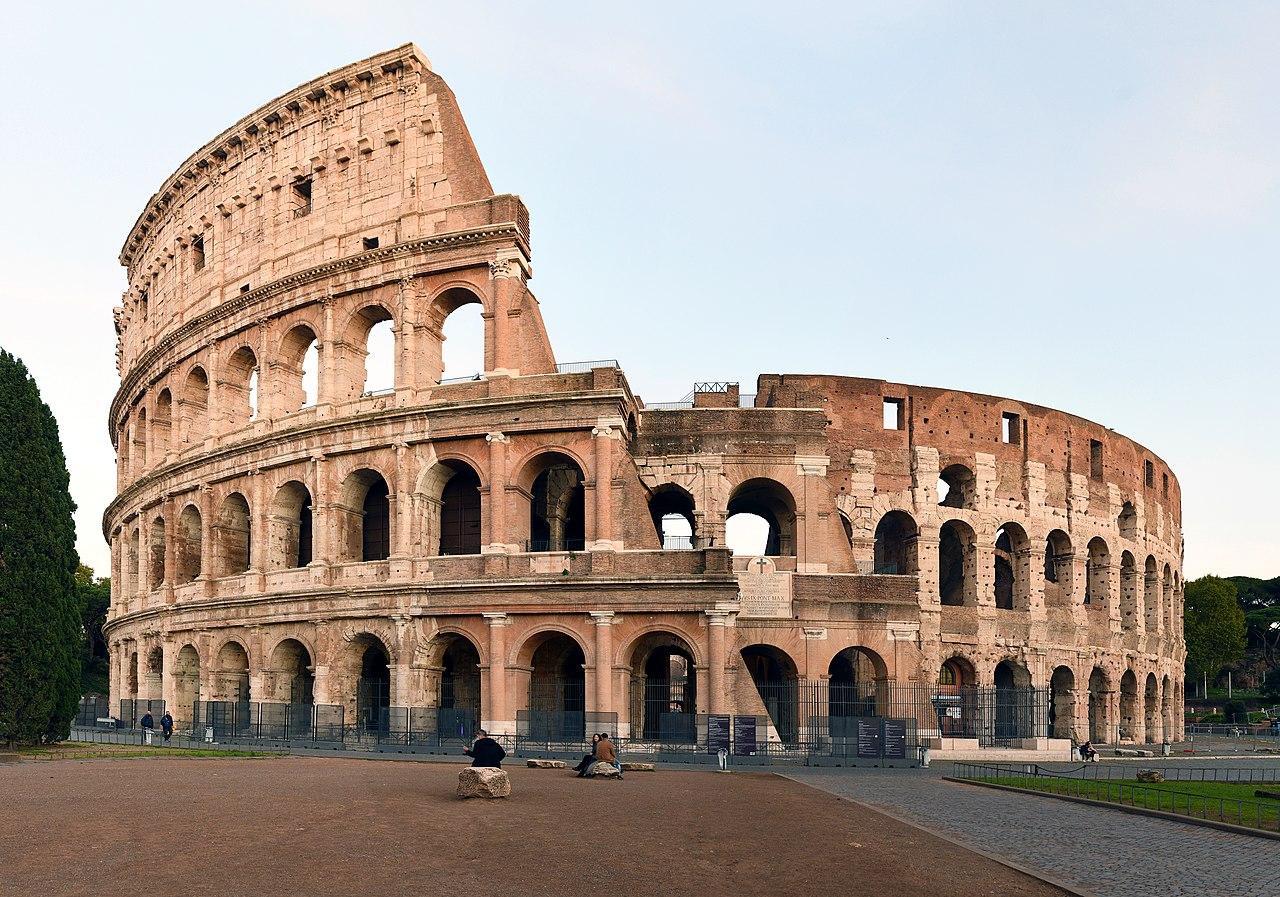
The amphitheatre on a lake
Built on Nero's lake, paid for with the spoils of Jerusalem, and half brought down by an earthquake.
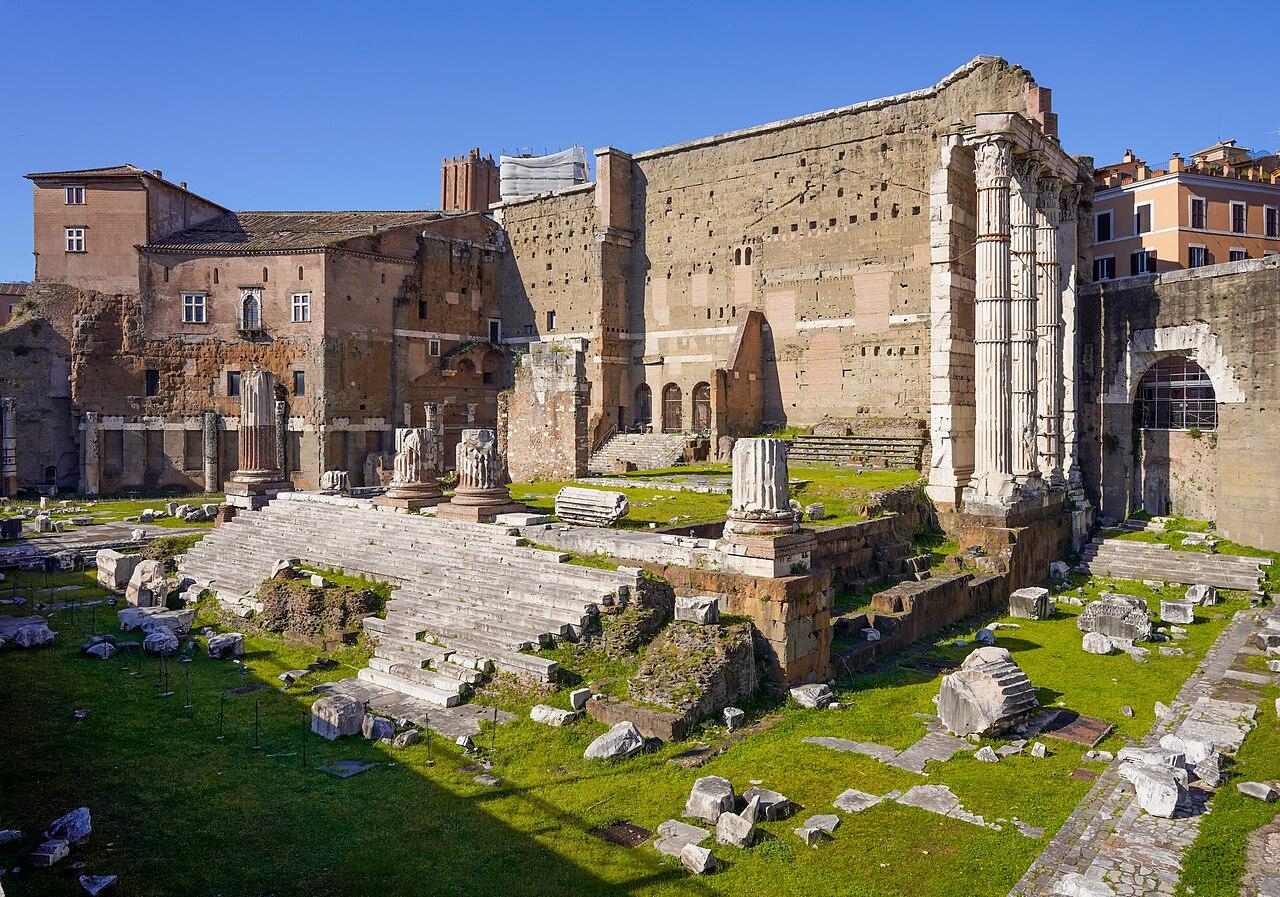
The firewall
Thirty metres tall, built to hold back fire from the most densely packed district in the city.
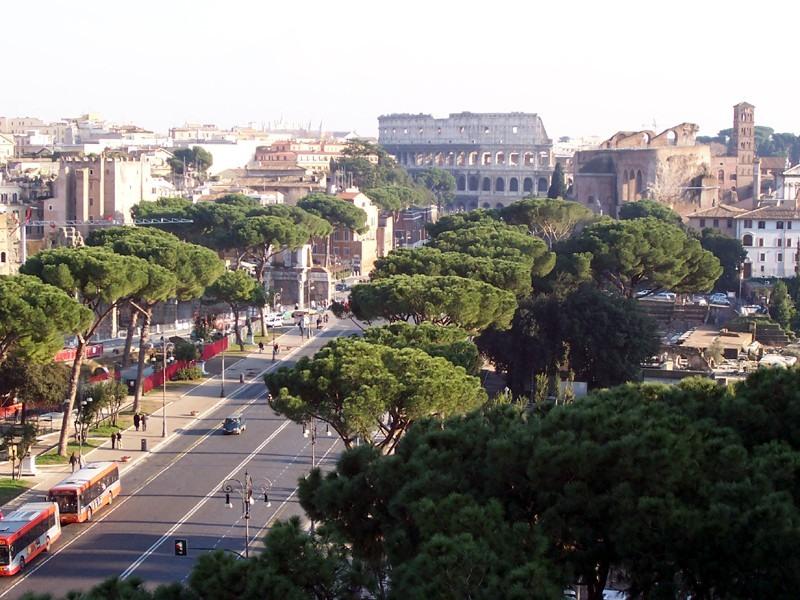
The breakthrough of 1932
A parade avenue from 1932 that cost a hill, five hundred houses, and part of the imperial forums.
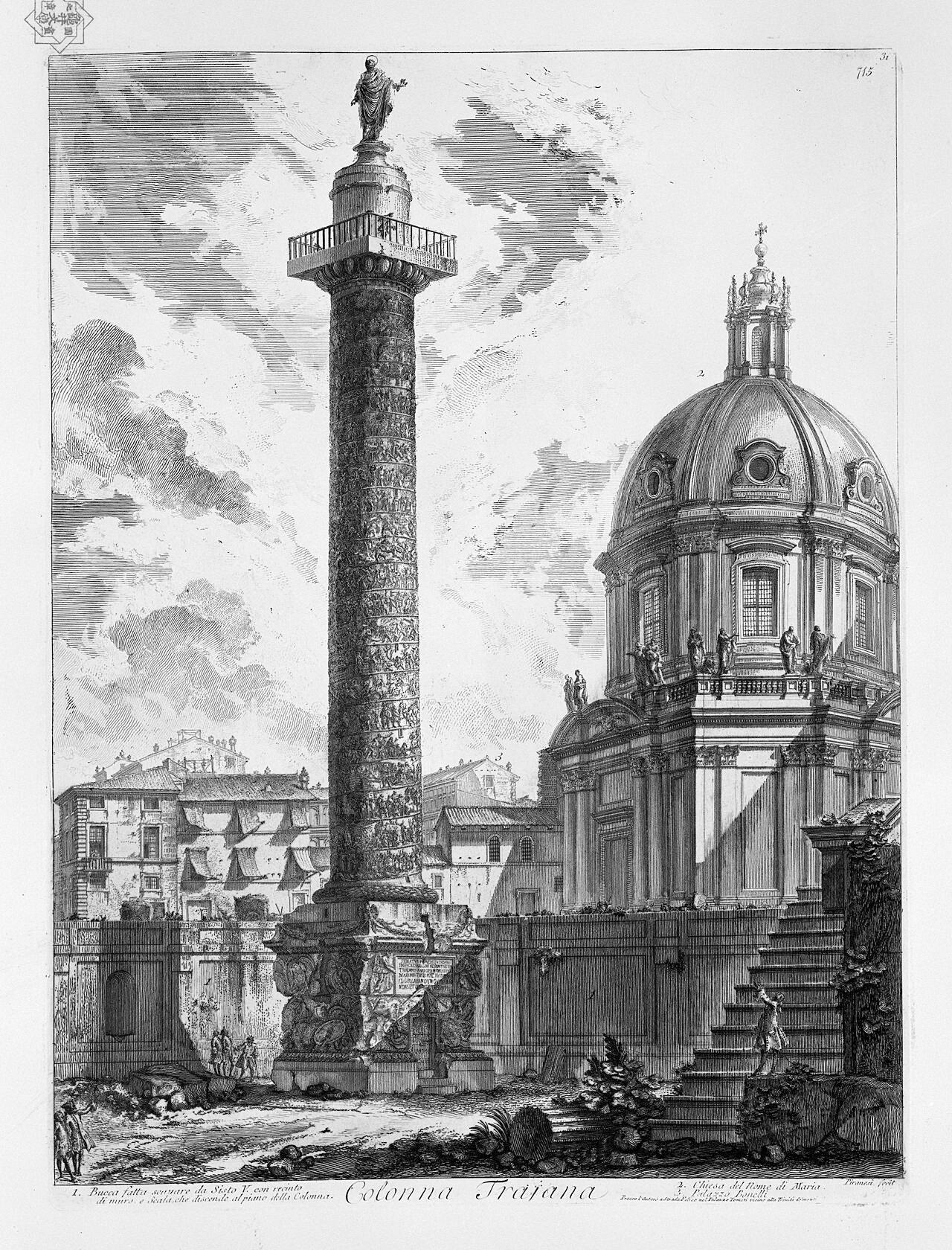
The comic strip nobody could read
A relief two hundred metres long, wound around a column, whose top no one could ever read.
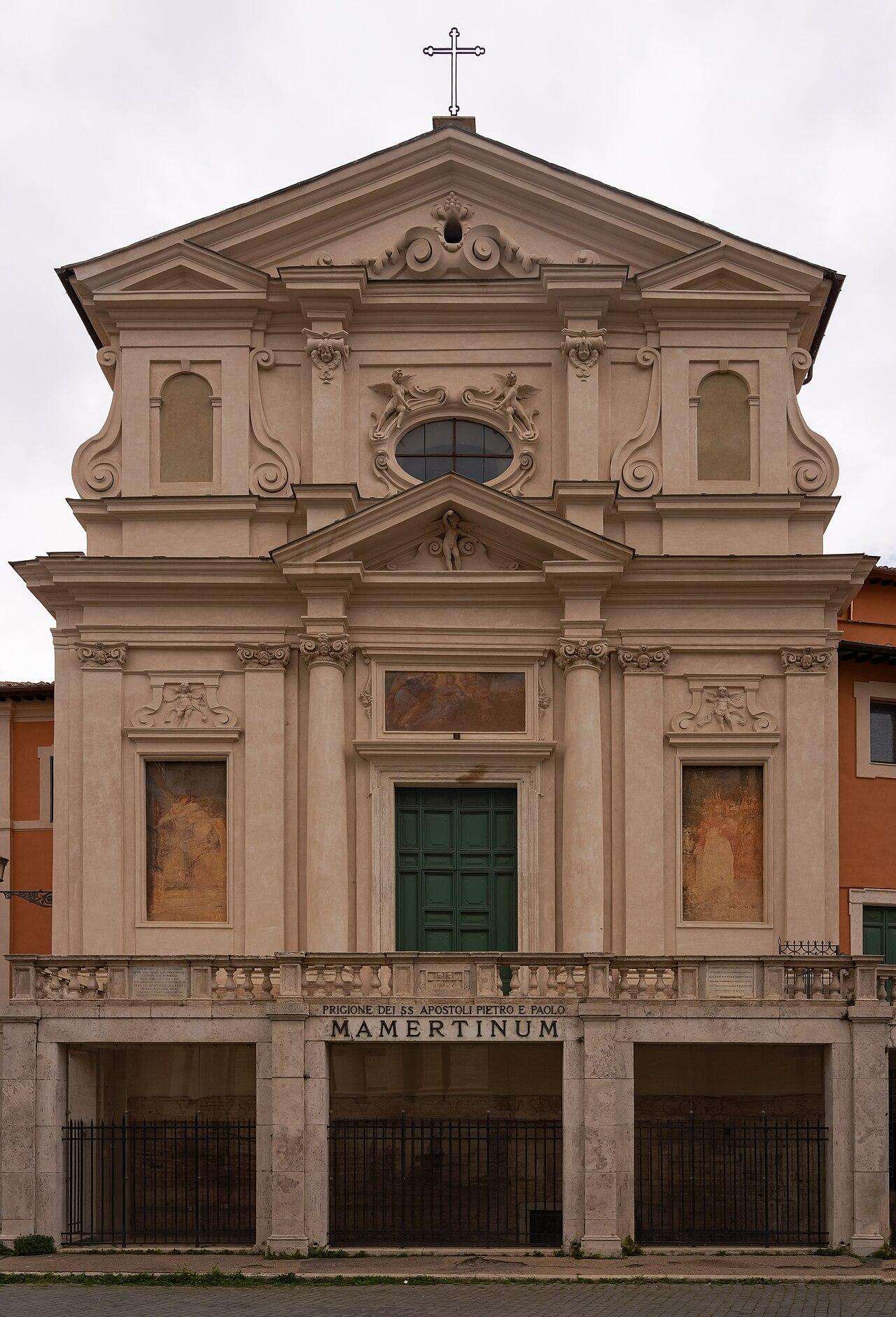
The pit
Prisoners were lowered through a hole in the floor into this space, and they never came back out.
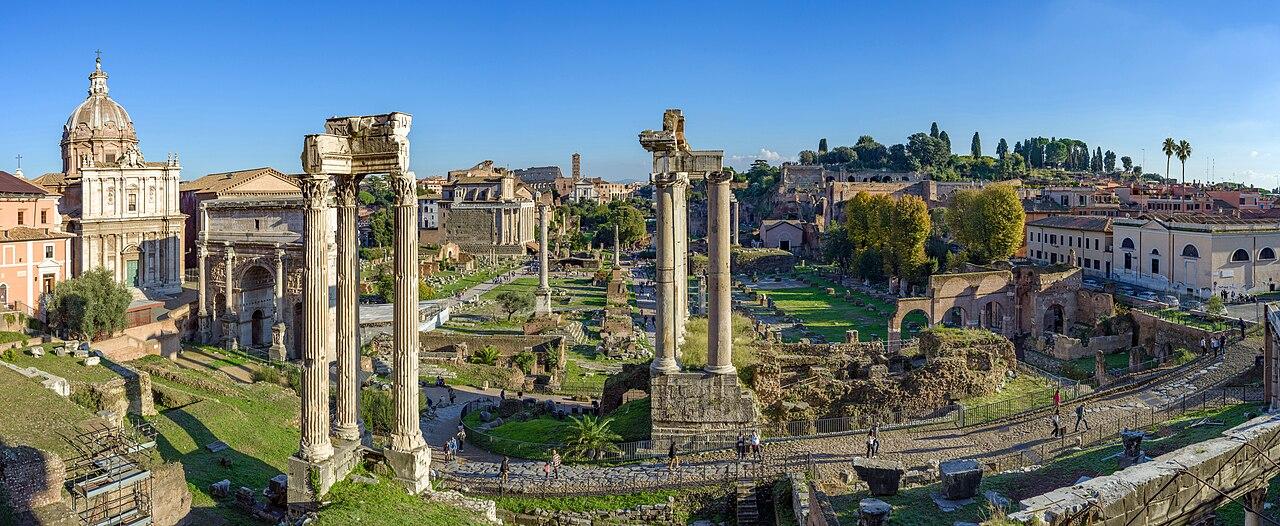
The field of the cows
Right up until the nineteenth century, cows grazed here on top of the Forum, which lies eight metres below the city.
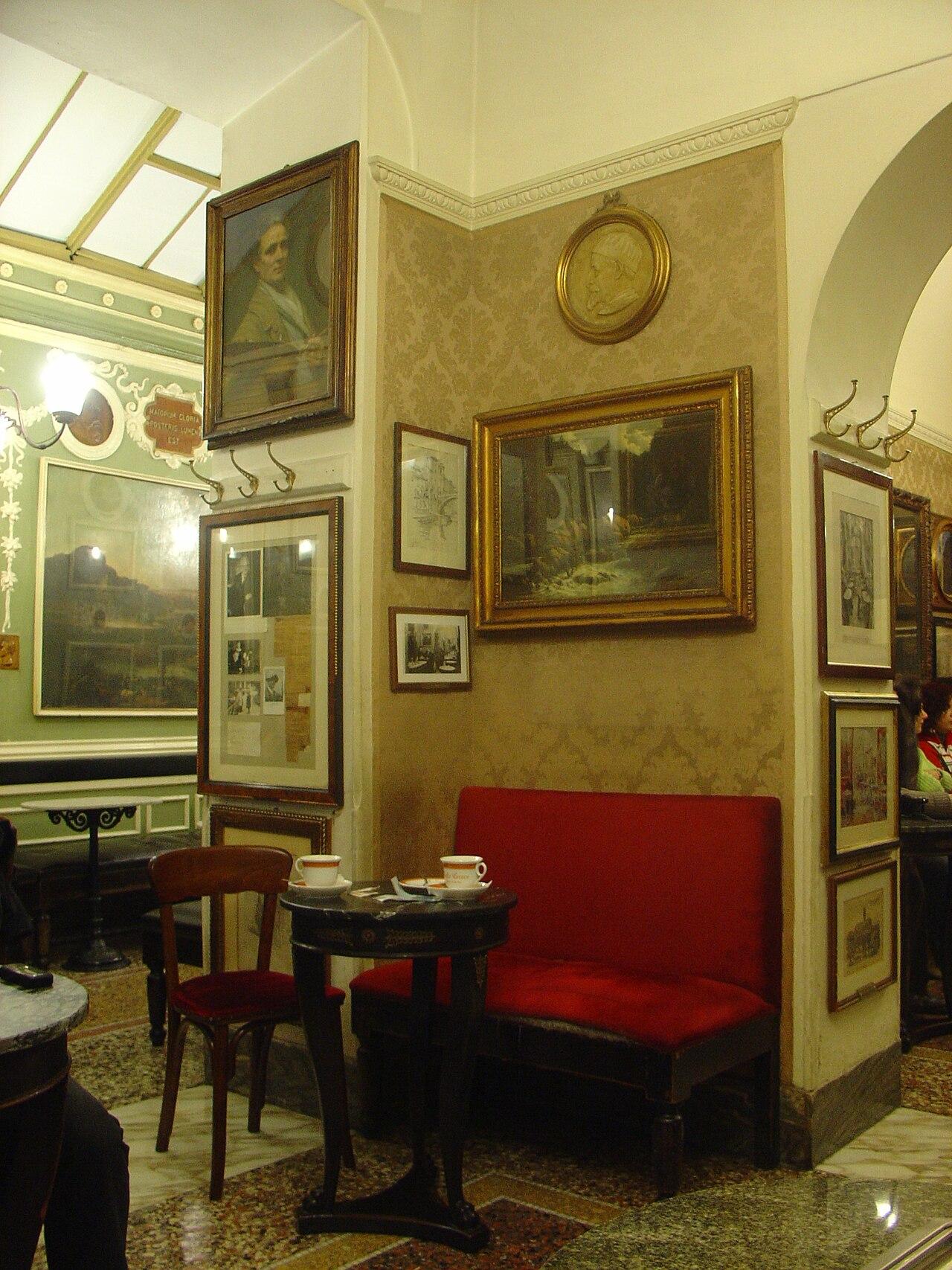
The Street of the Pipes
This fashion street is named after the water main beneath it, and at number 86 you'll find the oldest café in the city.
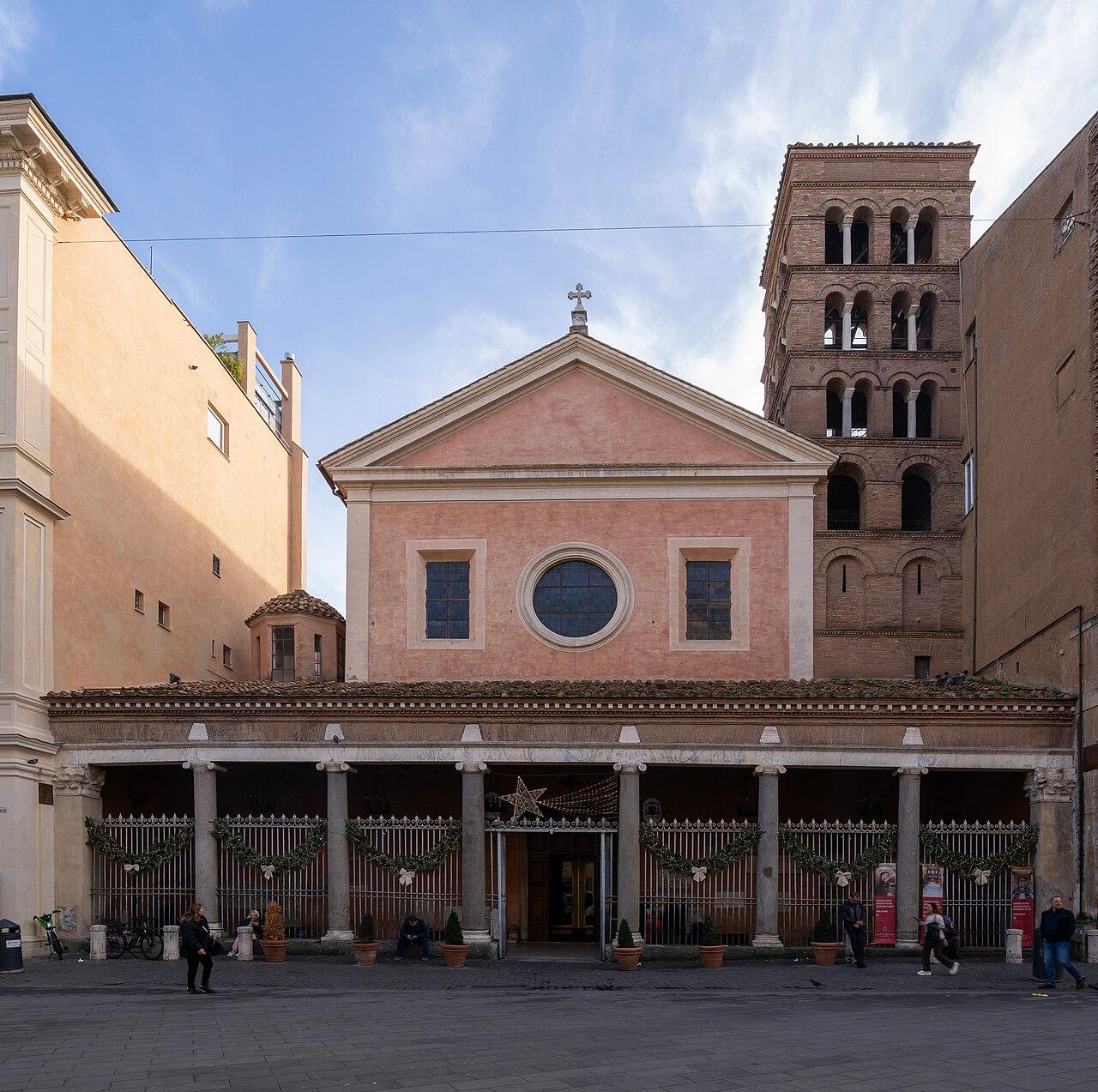
The gridiron
Behind a quiet facade lies the iron gridiron on which, according to tradition, Laurence was roasted alive.
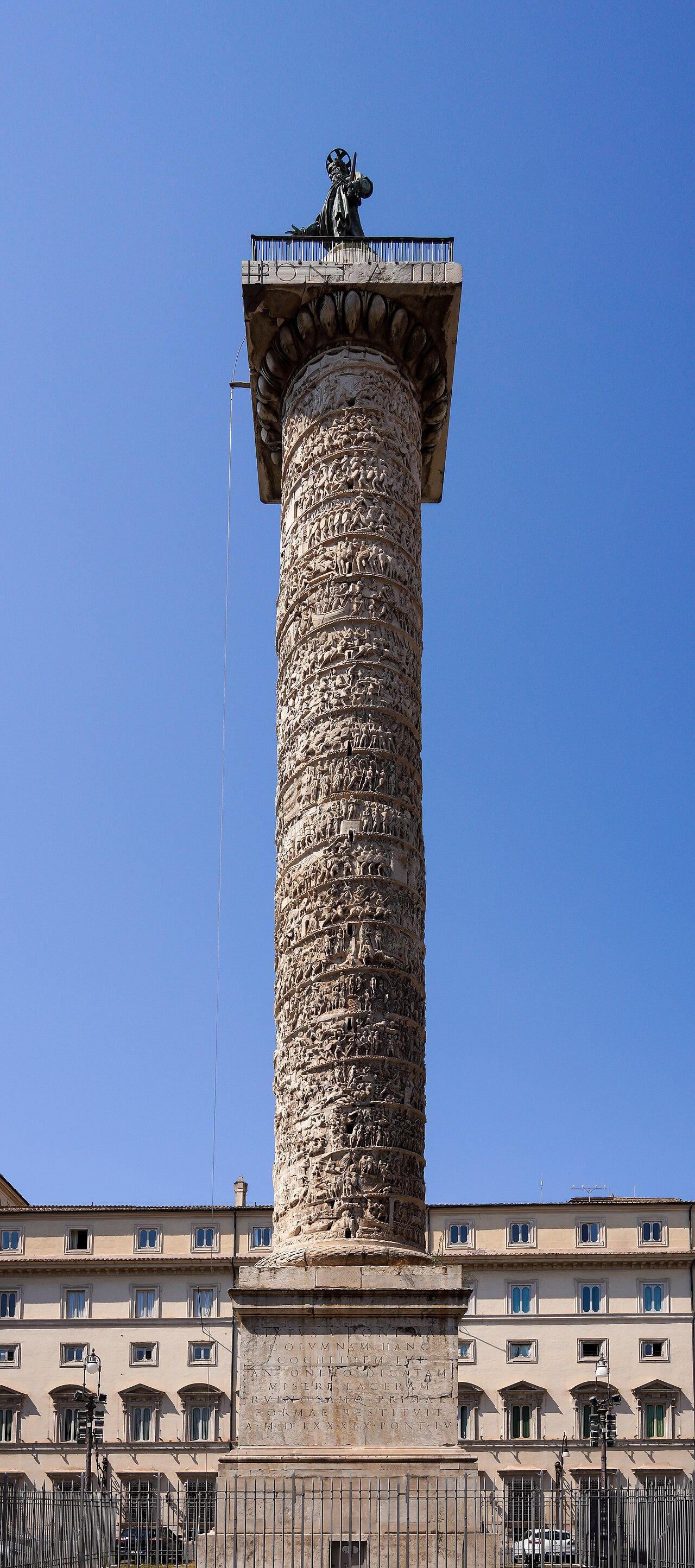
The racecourse and the column
A column thirty metres high raised for a philosopher-emperor, and a dead-straight street that spent centuries as a racecourse.
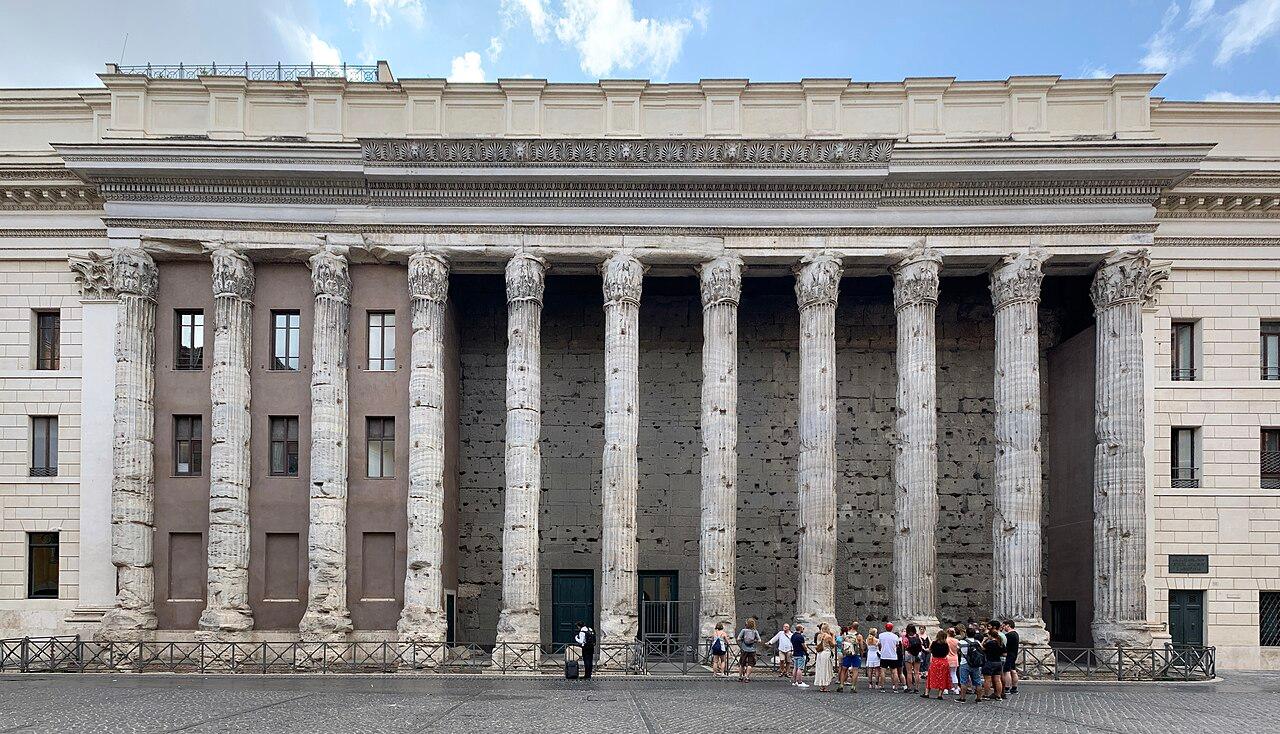
Eleven Columns in a Wall
Eleven columns from an imperial temple, built into a customs house that now holds the Chamber of Commerce.
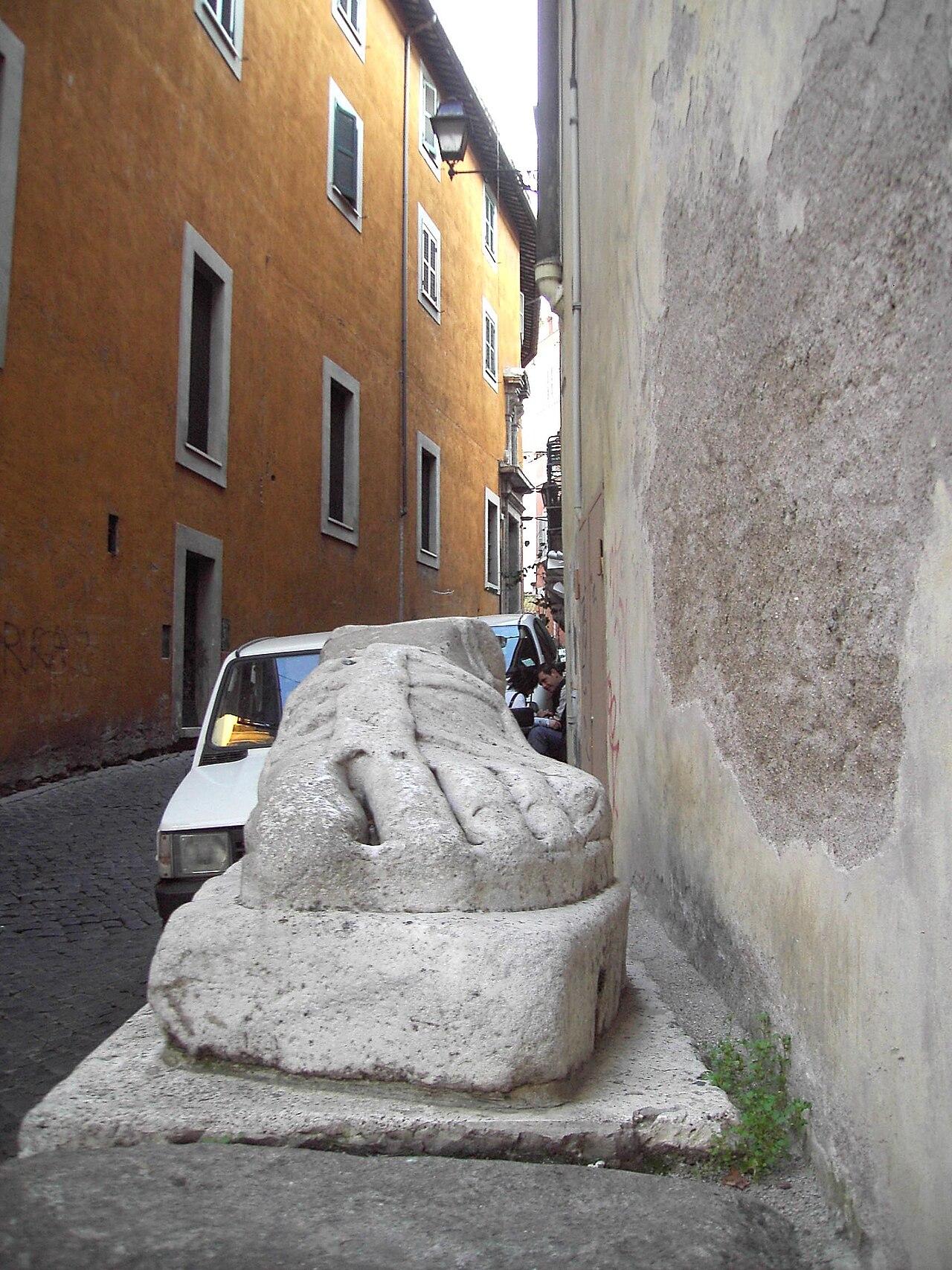
The marble foot
A marble foot a metre and a half long, the last trace of an Egyptian sanctuary that once stood beneath this block.
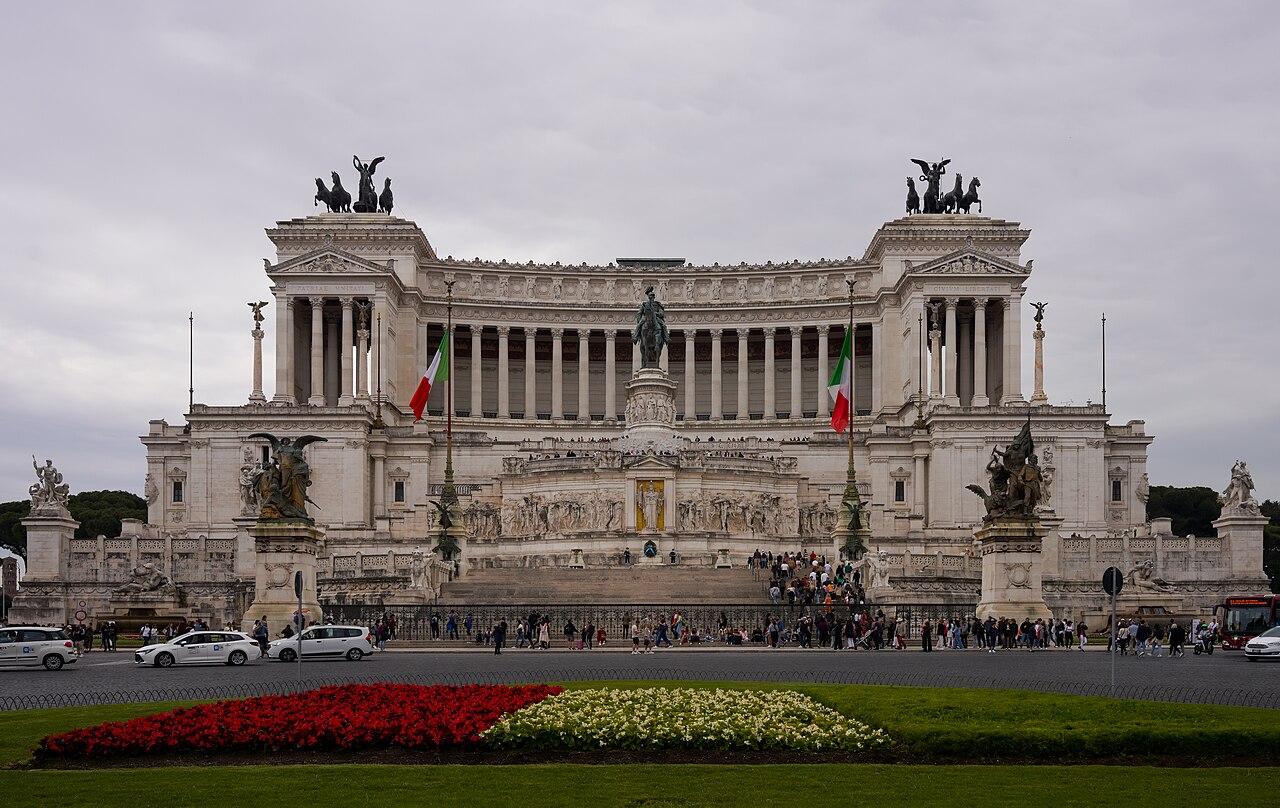
The typewriter
Romans call it the typewriter. It cost a medieval neighbourhood, and on the left is the balcony where Mussolini spoke.
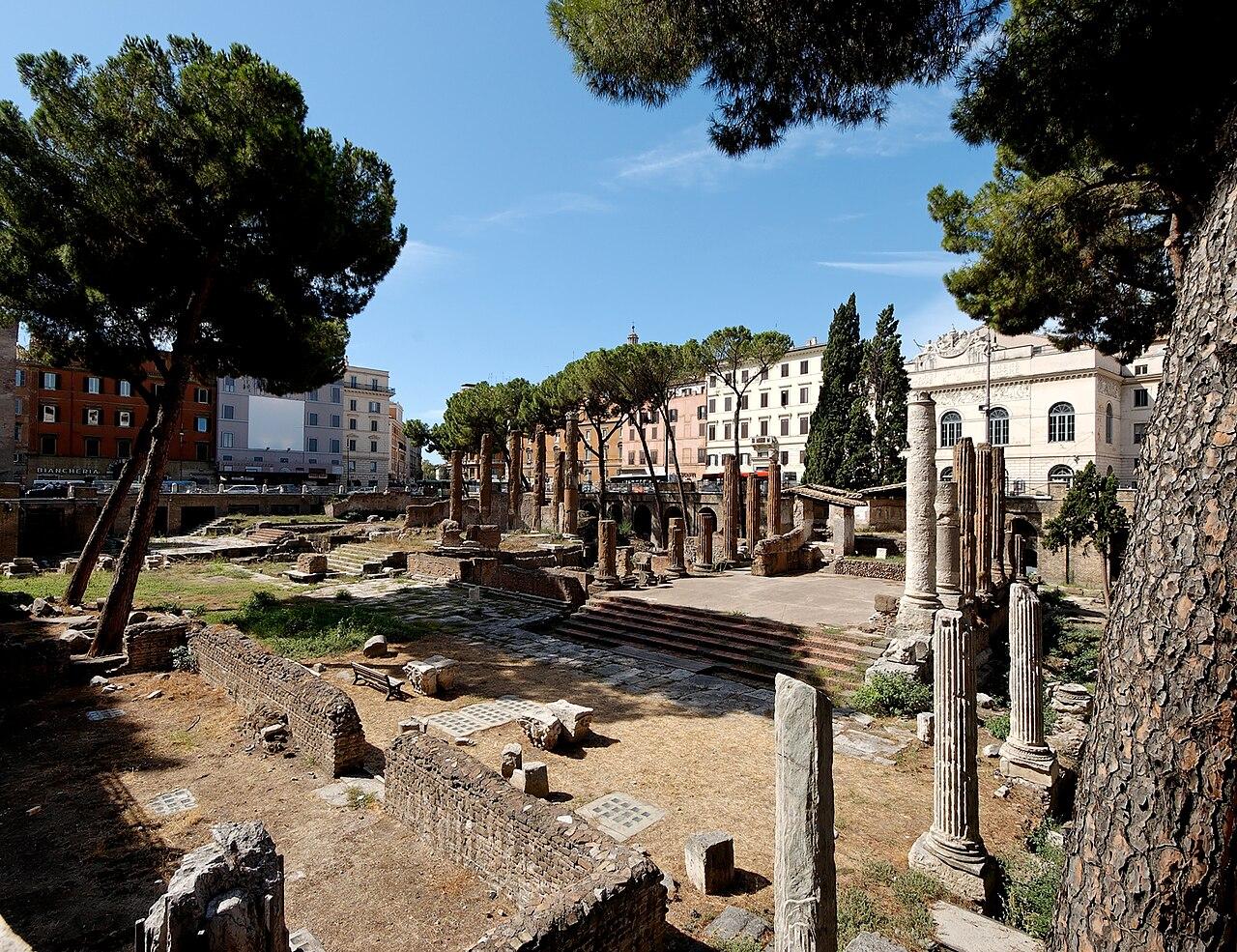
The Colony of Torre Argentina
Four temples from the republic, uncovered by a demolition that went wrong, and a cat colony that gets to stay by law.
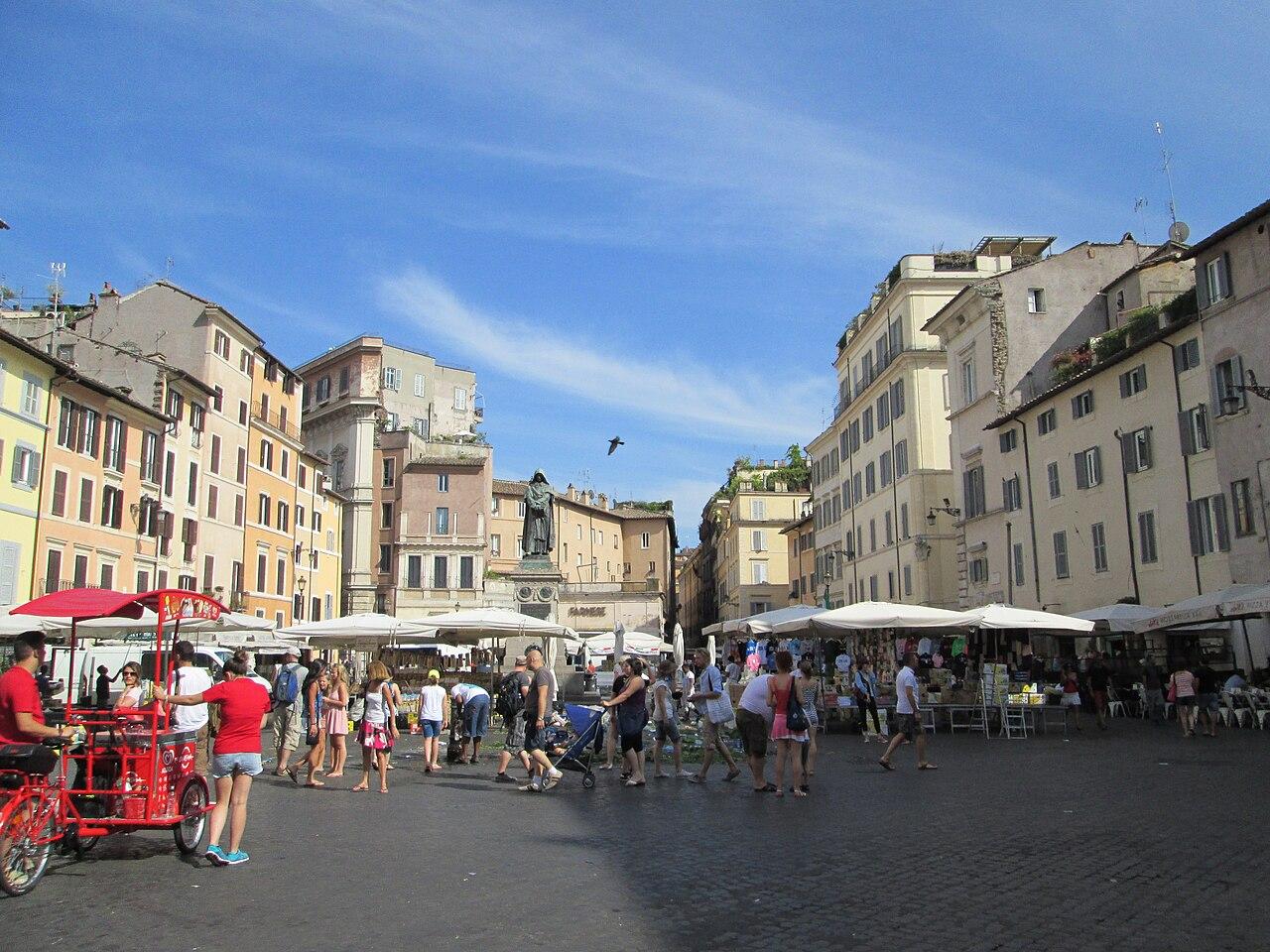
The field of flowers
The one large square in the old centre without a church, with the half circle of a vanished theatre tucked around the corner.
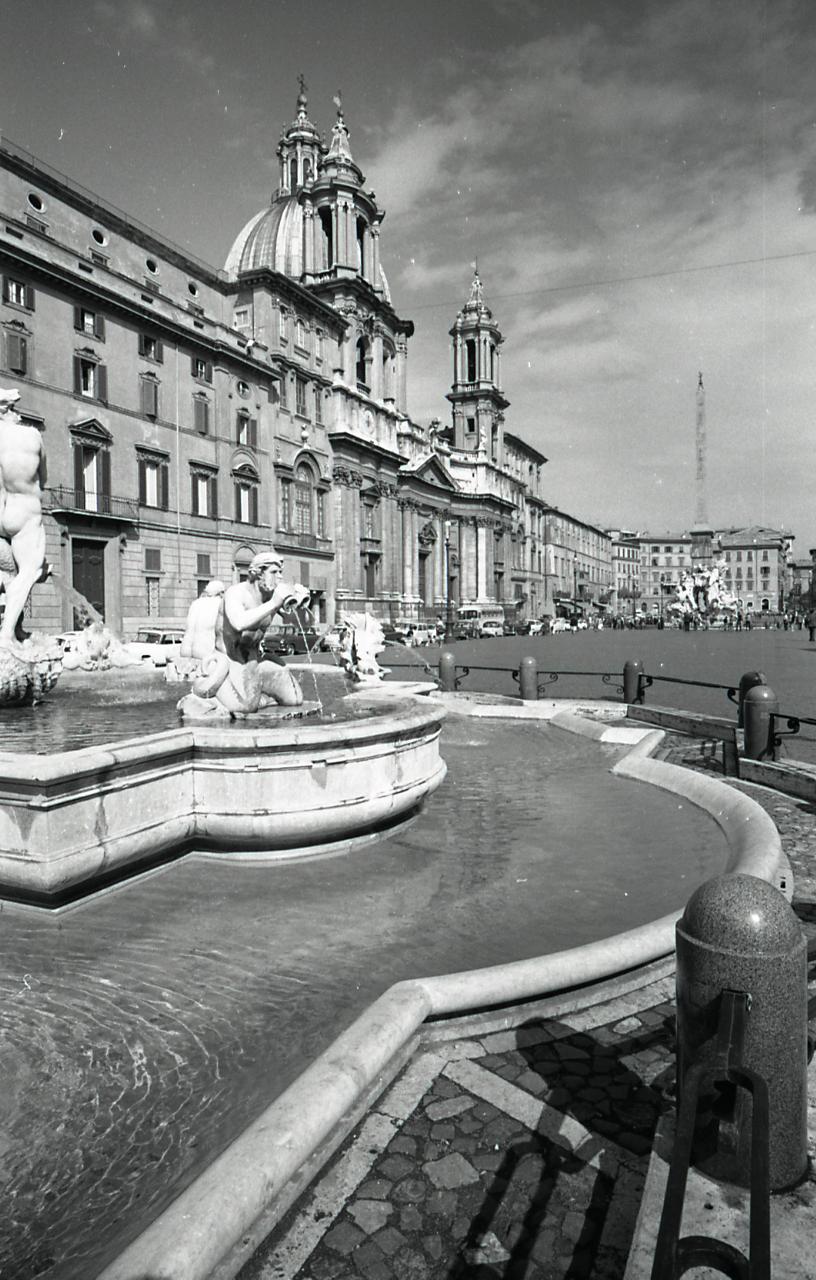
The square that's really a stadium
The shape of the square traces the floor plan of a stadium, and the city's loveliest false story is about the figure with the covered head.
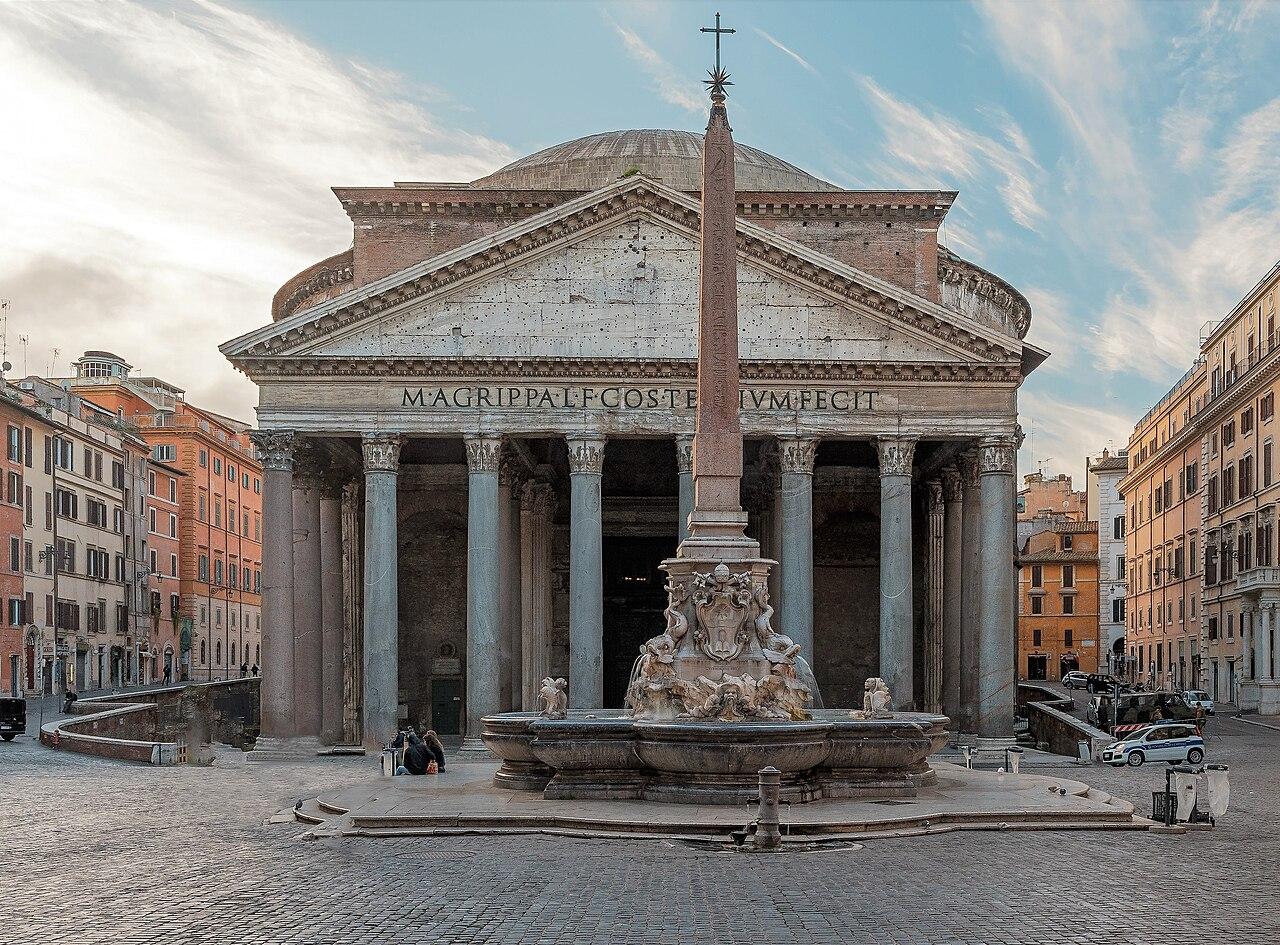
The Hole in the Roof
The largest unreinforced dome in the world, with a nine-metre opening that rain has been falling through for eighteen centuries.
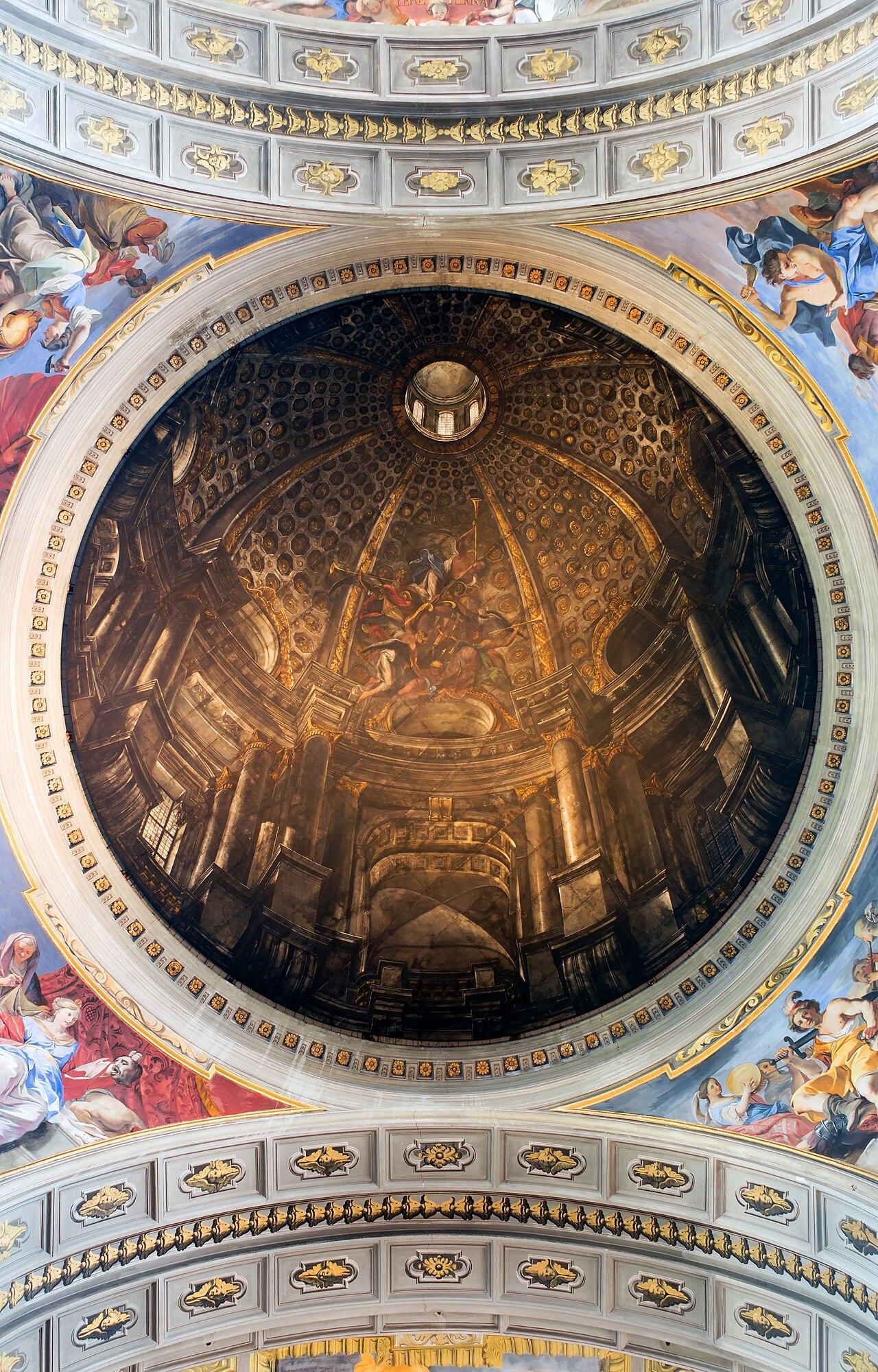
The dome that isn't
The dome above the nave is made of paint, and it only lines up from exactly one spot on the floor.
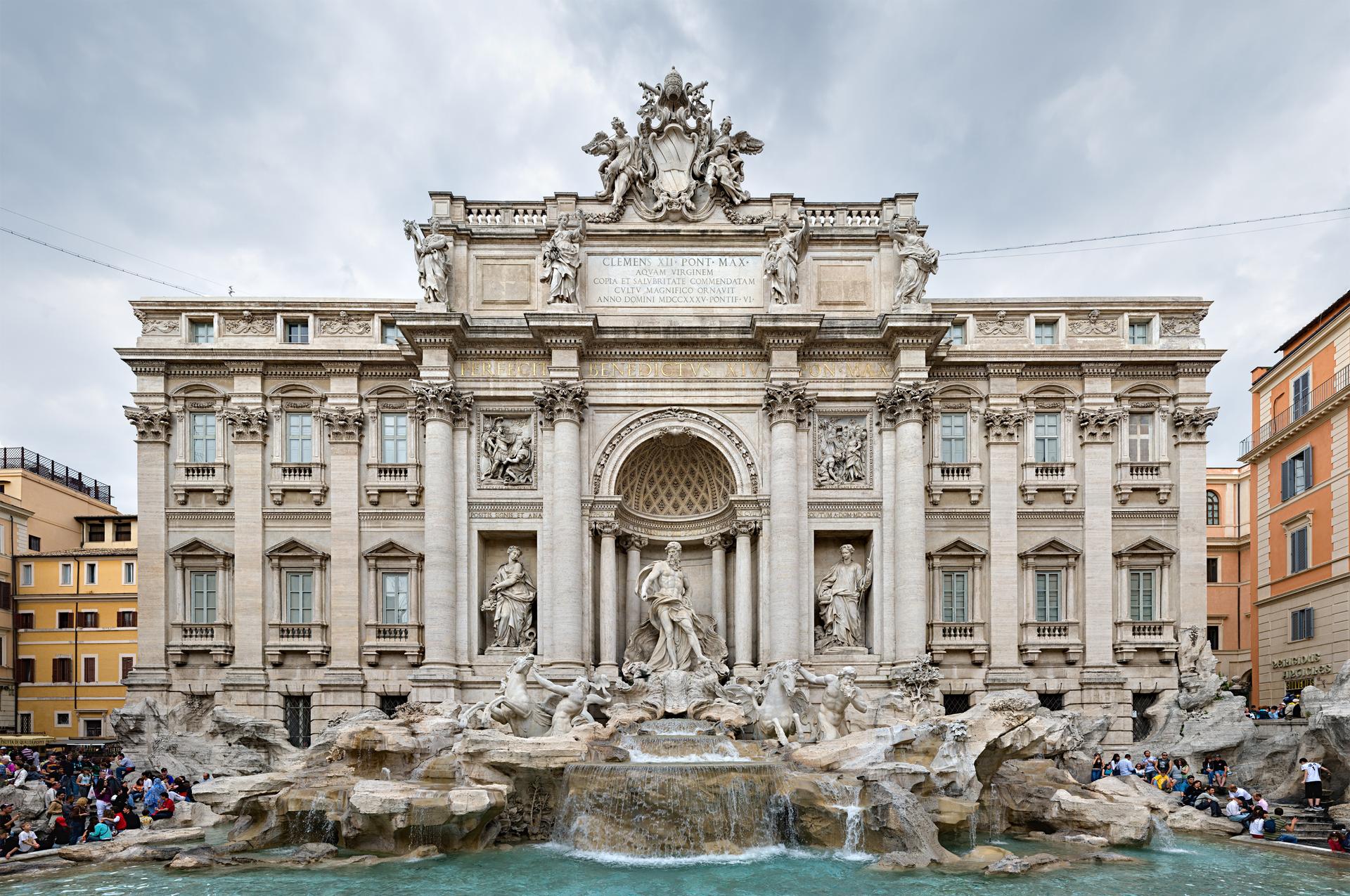
The fountain at the end of a Roman pipe
The water is two thousand years old, the fountain eighteen centuries younger, and off to the right stands a vase that holds nothing up at all.
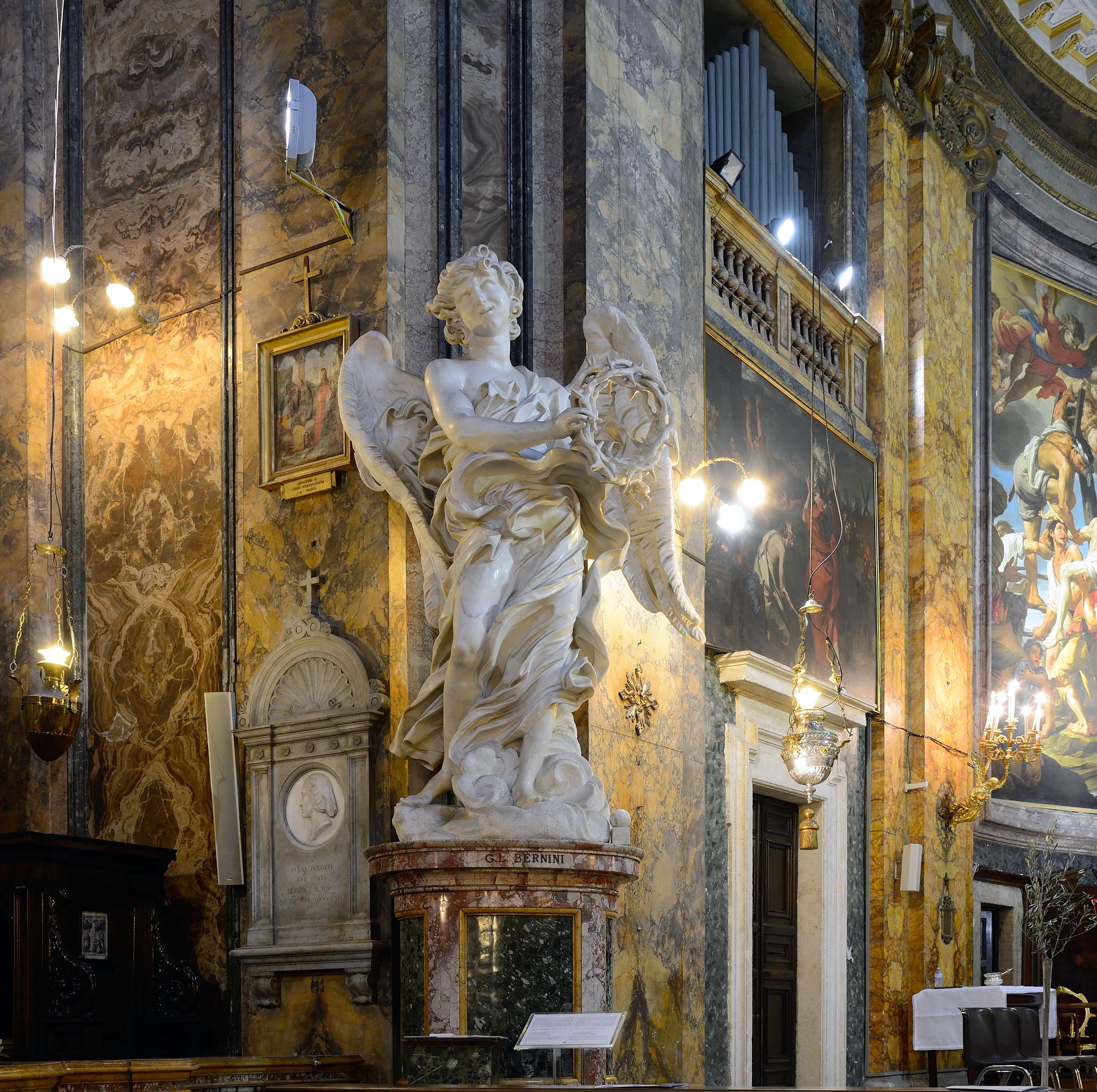
The angels that stayed behind
Not one of the ten angels on the Angel Bridge is by Bernini himself. The two he carved with his own hands stand right here.
The door up close
Inside: the cypress-wood door with one of the oldest crucifixions, and the light coming through alabaster.
Bernini's oval
Inside: an oval set crosswise to the entrance, coloured marble, and a saint rising through the vault.
Borromini's Dome
Inside, an oval floor plan that never settles, and a dome that looks taller than it really is.
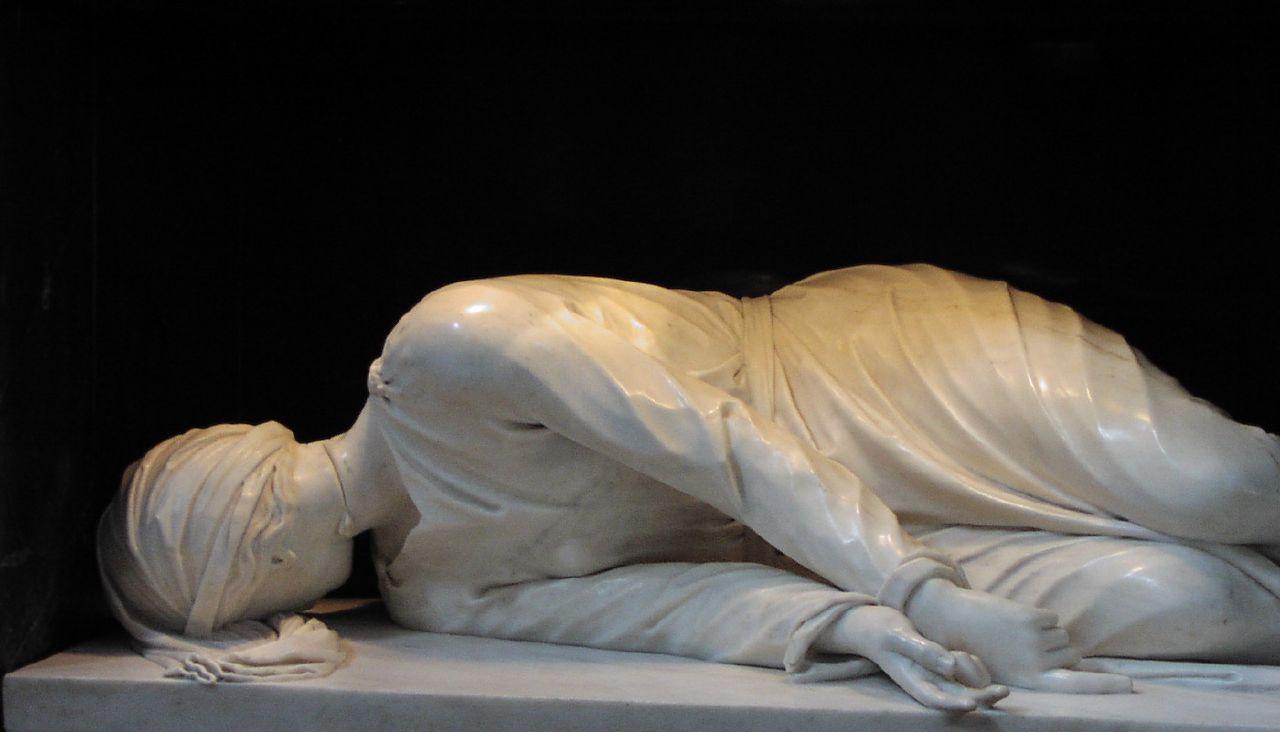
Maderno's statue
Inside: Maderno's marble statue beneath the high altar, carved after what he saw in 1599.
The gold and the Egyptian heads
Inside: gold in the apse, scenes by Cavallini, and Egyptian gods on the ancient columns.
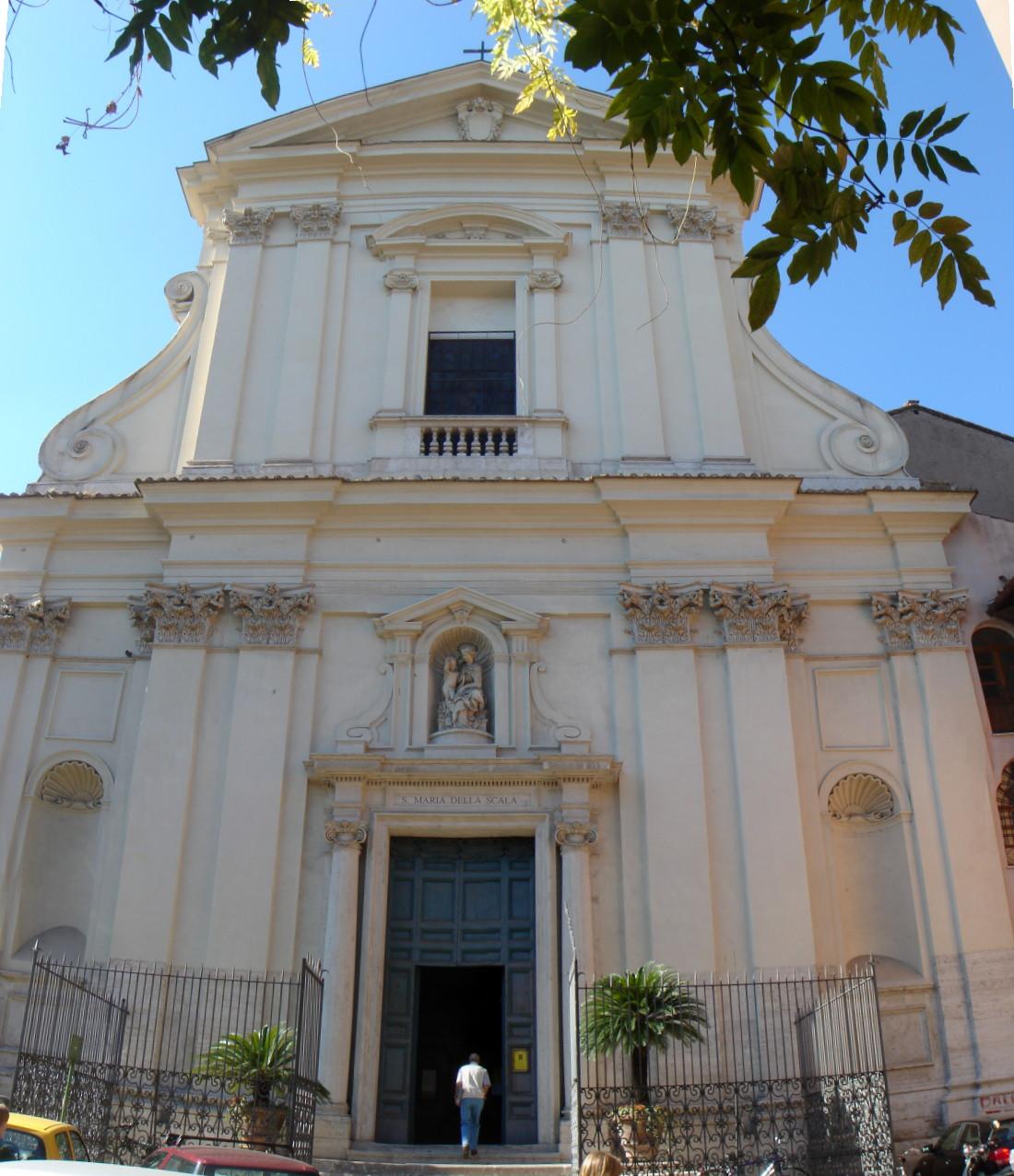
The Rejected Caravaggio
Inside: the empty spot where the rejected Caravaggio once hung, and the pharmacy that served the popes.

The gridiron of Saint Lawrence
Inside: the iron gridiron in the first chapel on the right, and the tomb of Nicolas Poussin.
The disc in the floor
Inside: the small marble disc where the painted dome snaps into place, and what happens when you step aside.
The angels up close
Inside: the two angels Bernini carved with his own hands, and why they never made it to the bridge.
The pharmacy above the church
A rejected Caravaggio that now hangs in the Louvre, and a seventeenth-century pharmacy above the church.
You've read about Rome.
Now walk it.
These stories are pins on our map. Open ROODS, walk to one, and hear it where it happened.