AUDIO TOURS IN ROME
In Rome twenty centuries stand on top of one another, and a temple, a church and an apartment block are often the same building. These walks follow the places you came for and add at every stop the thing most visitors pass without noticing.
Start ExploringA Short History of Rome
Period 1:
A village on the hills
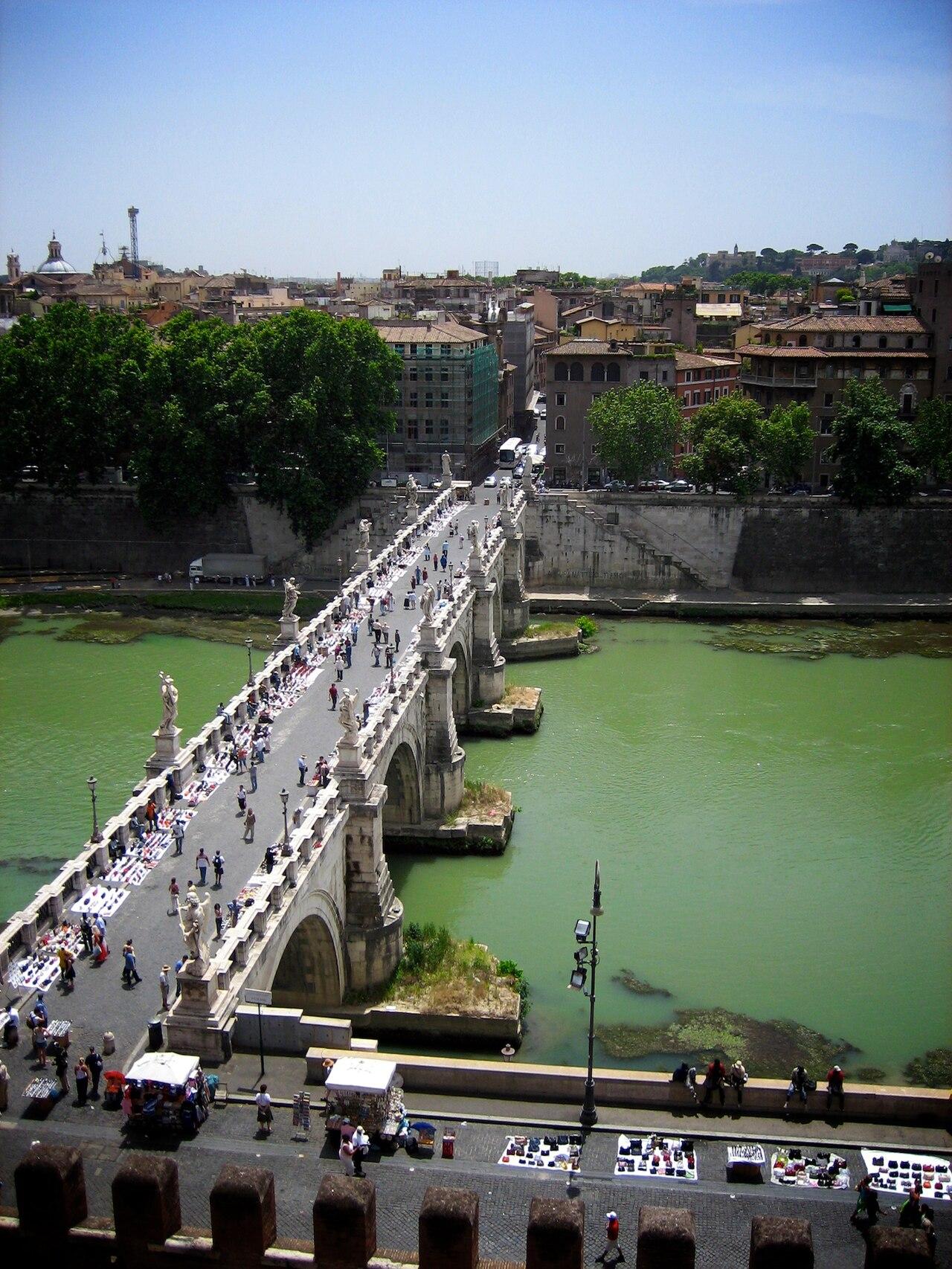
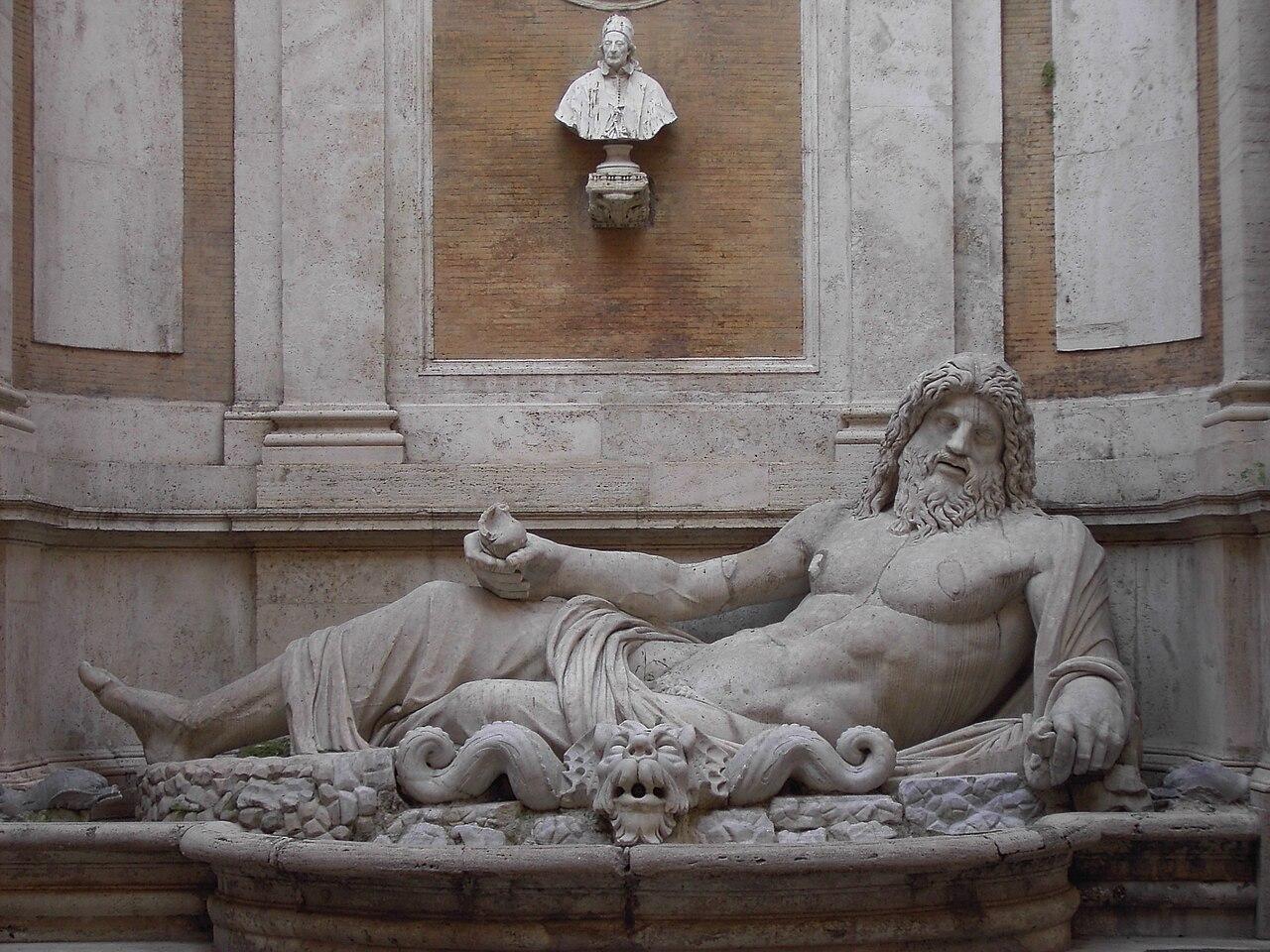
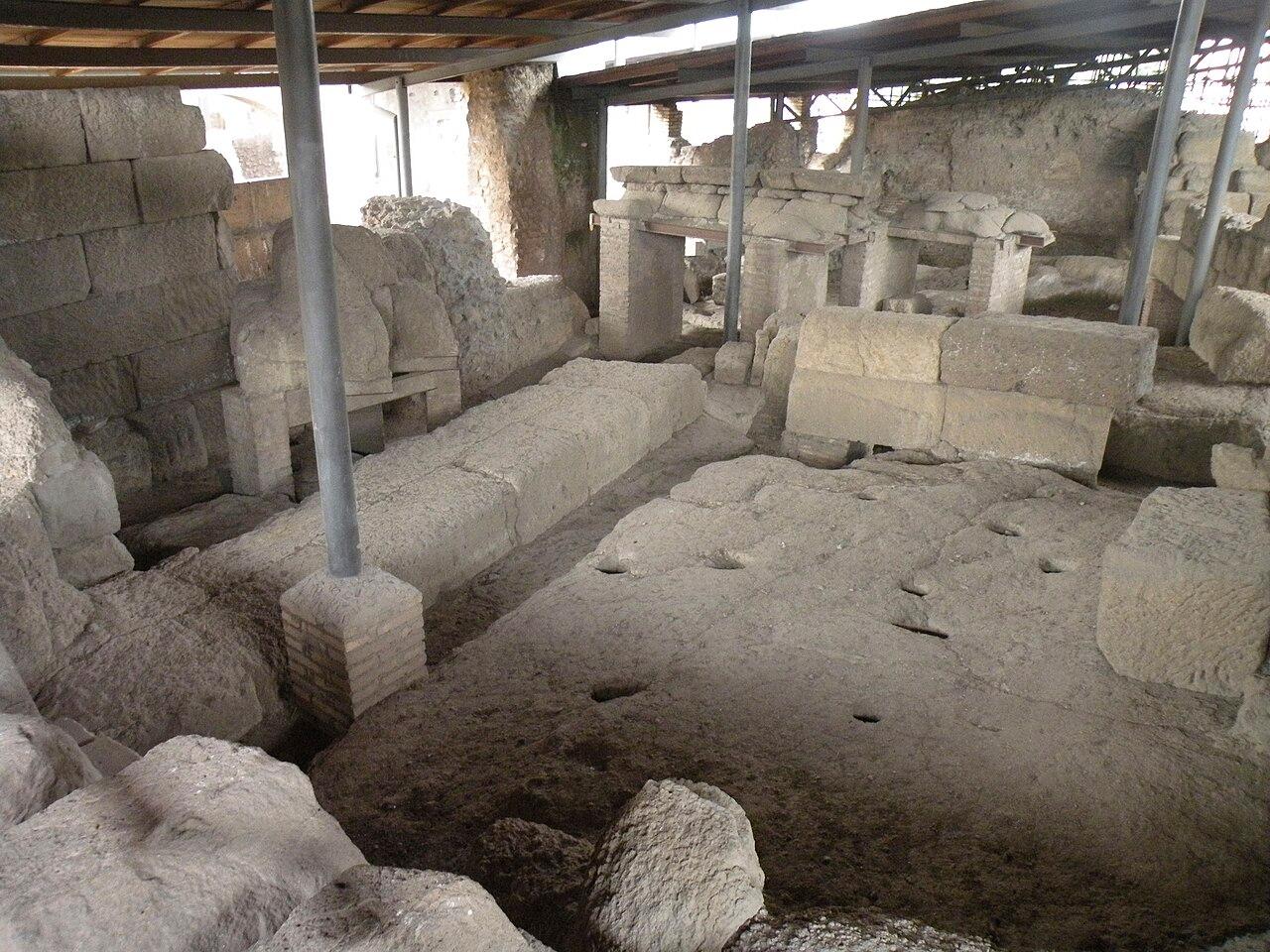
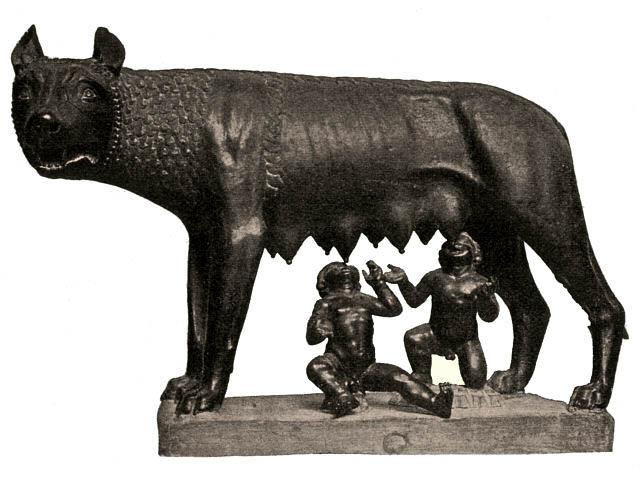
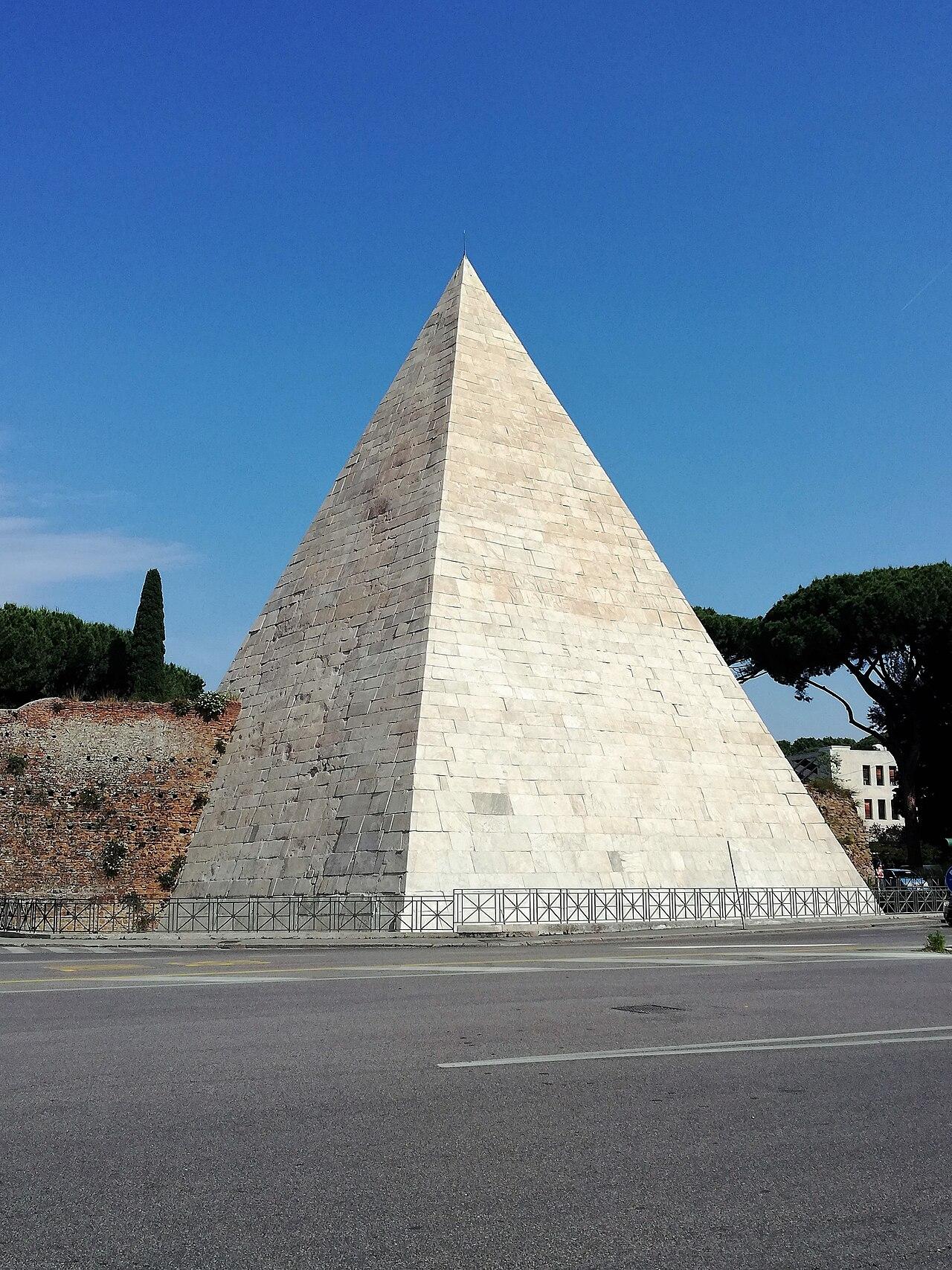
Rome began as a handful of settlements on hills above a bend in the Tiber, at the first point upstream where the river could be crossed. The crossing made the place worth having, and by the sixth century before Christ the villages had grown together into a city with a forum in the marshy valley between them.
Vitold Muratov, CC BY-SA 3.0, via Wikimedia Commons
Period 2:
Capital of an empire
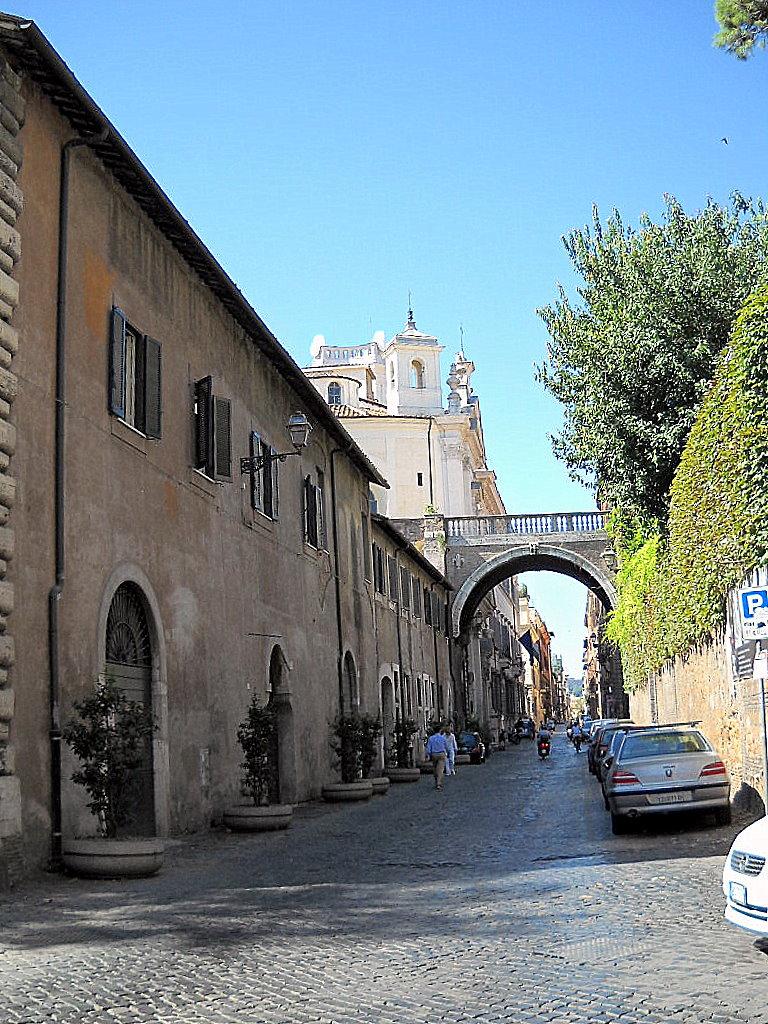
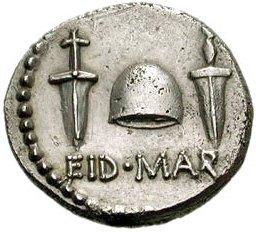
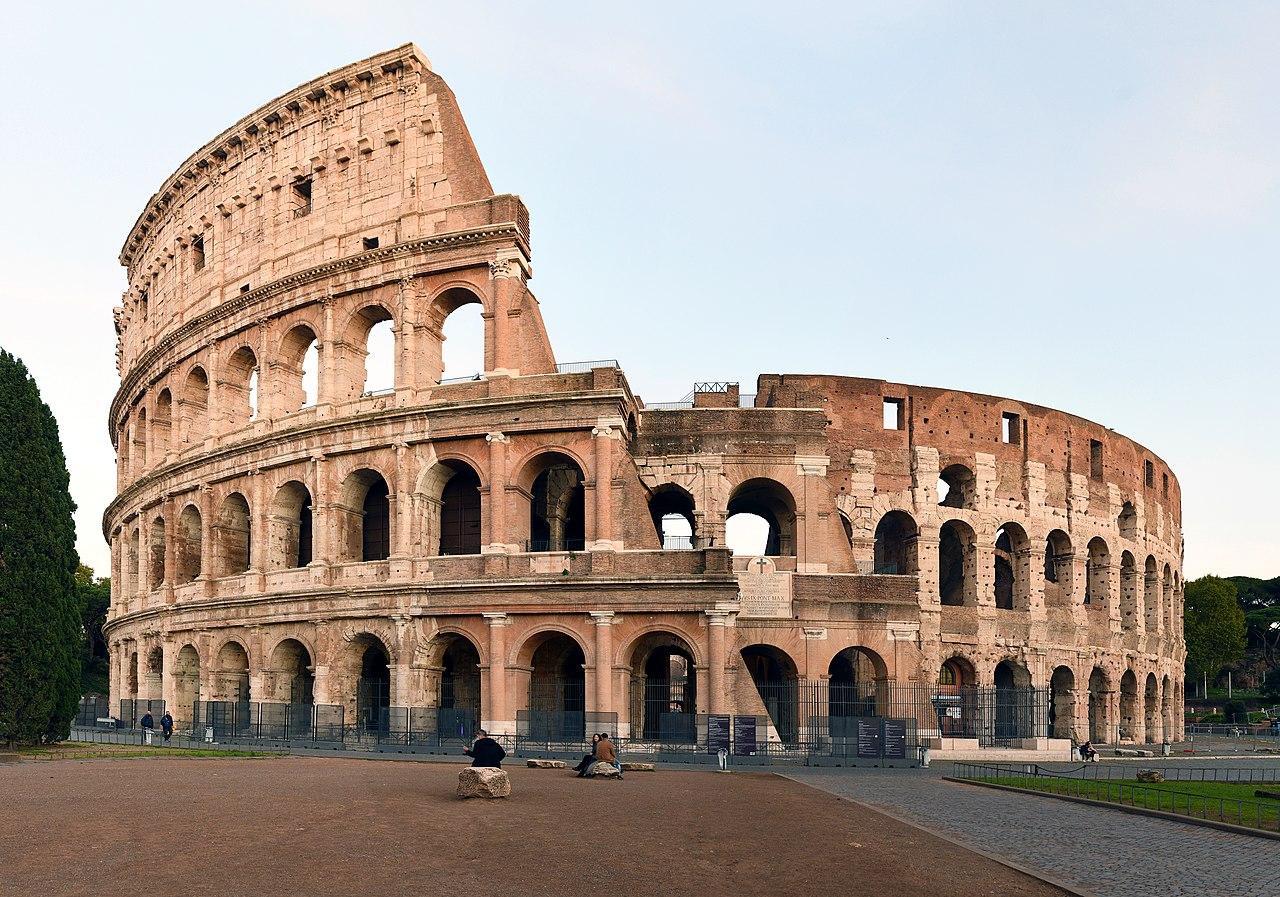
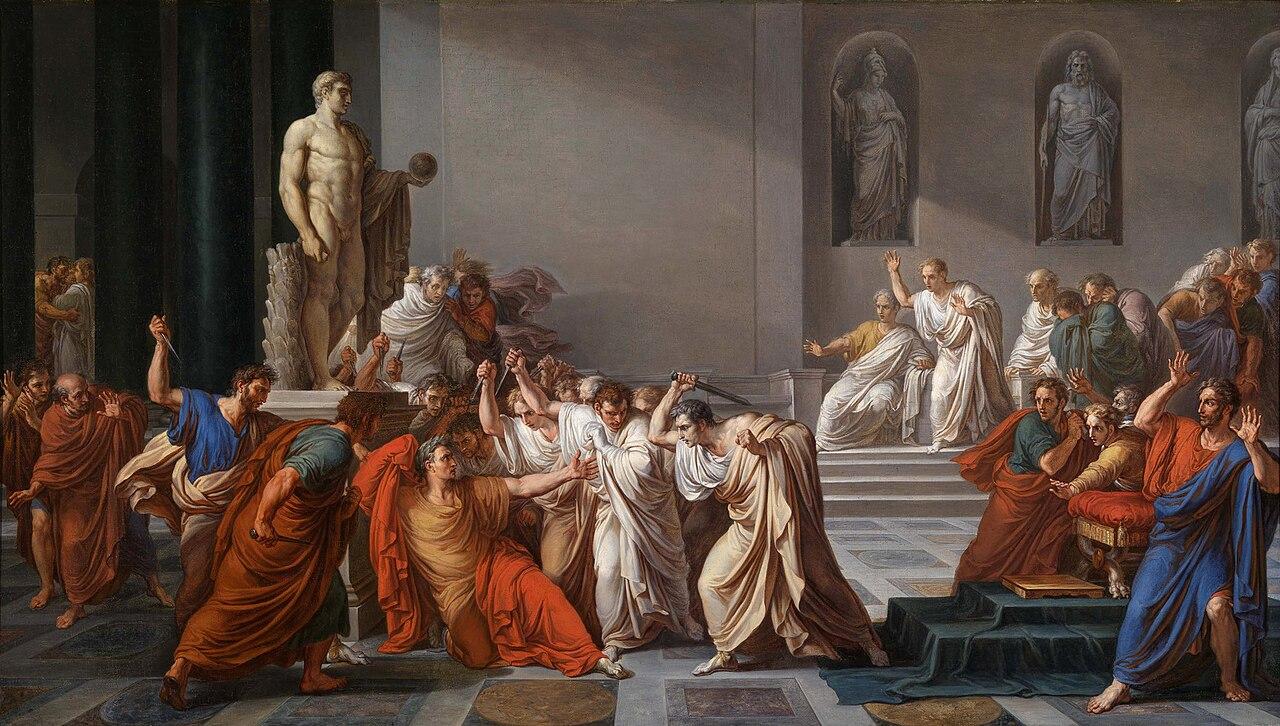
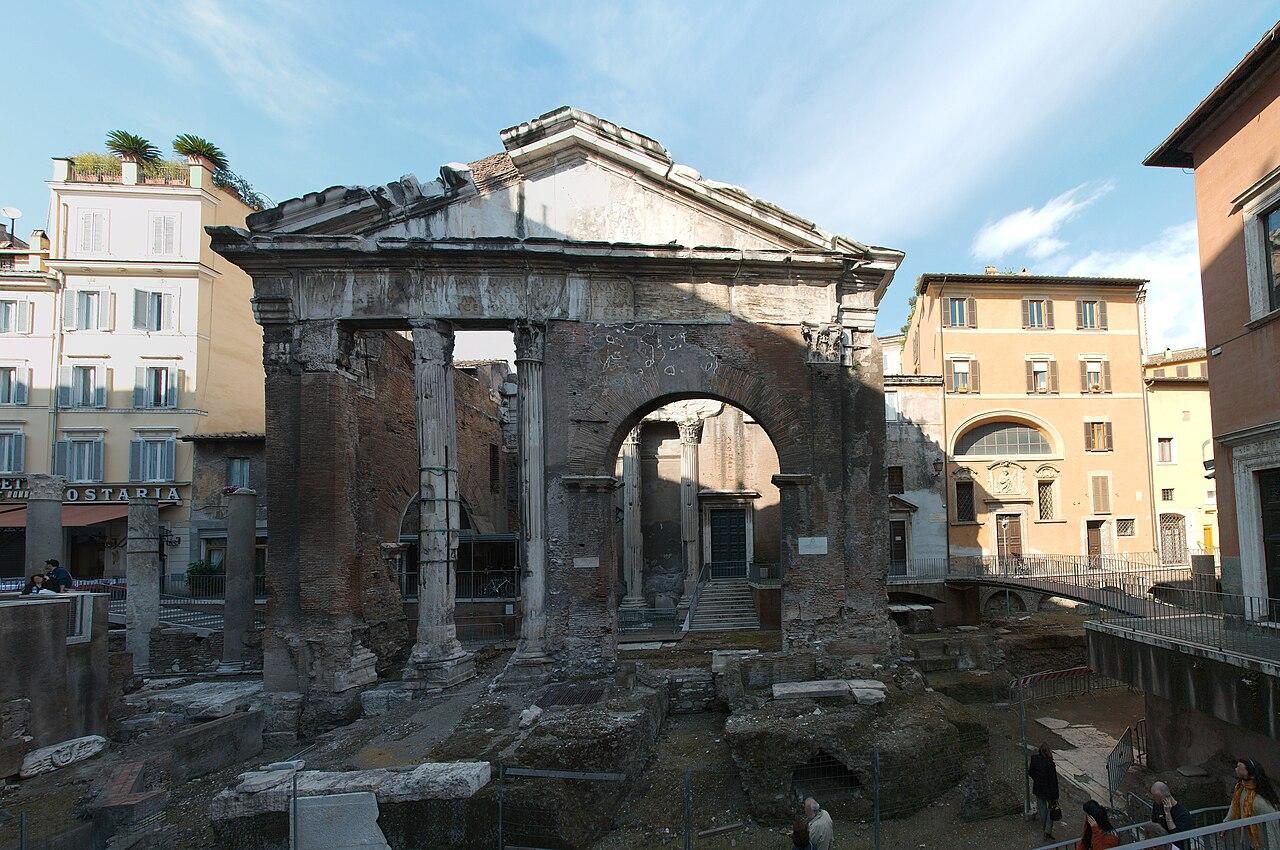
For roughly five centuries Rome ran the Mediterranean, and a million people lived inside its walls. Emperors paid for the city in marble, with baths, temples, arenas and aqueducts, and much of what you walk past in the centre is either a piece of that building programme or something later built straight on top of it.
FeaturedPics, CC BY-SA 4.0, via Wikimedia Commons
Period 3:
The city of the popes
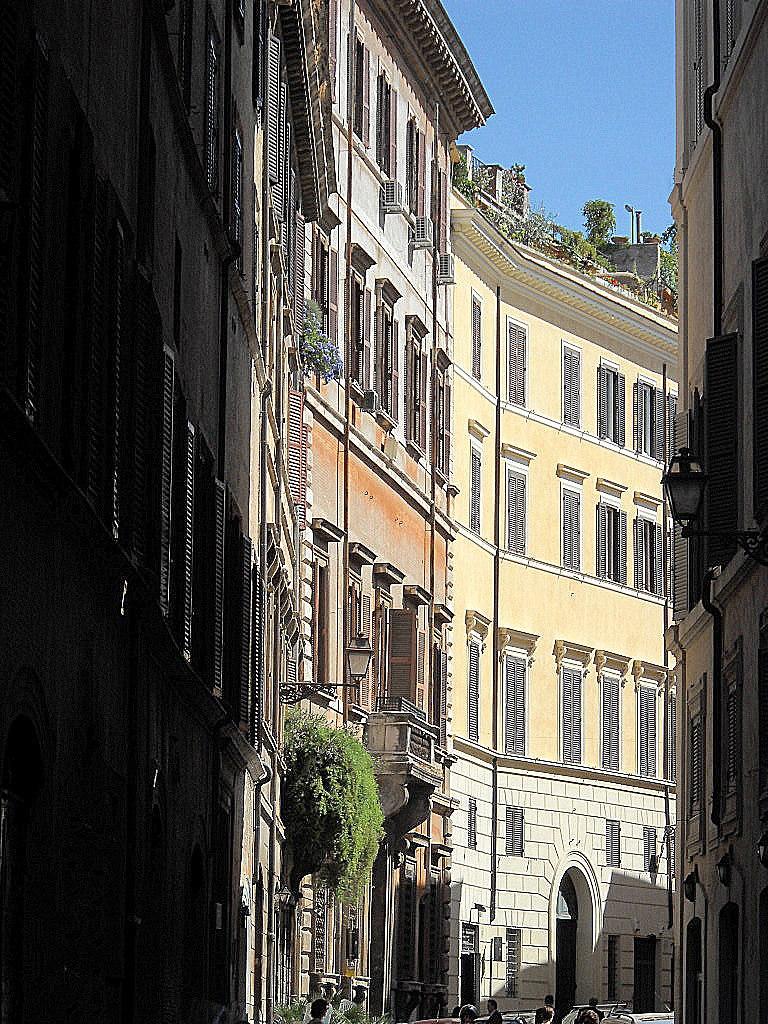
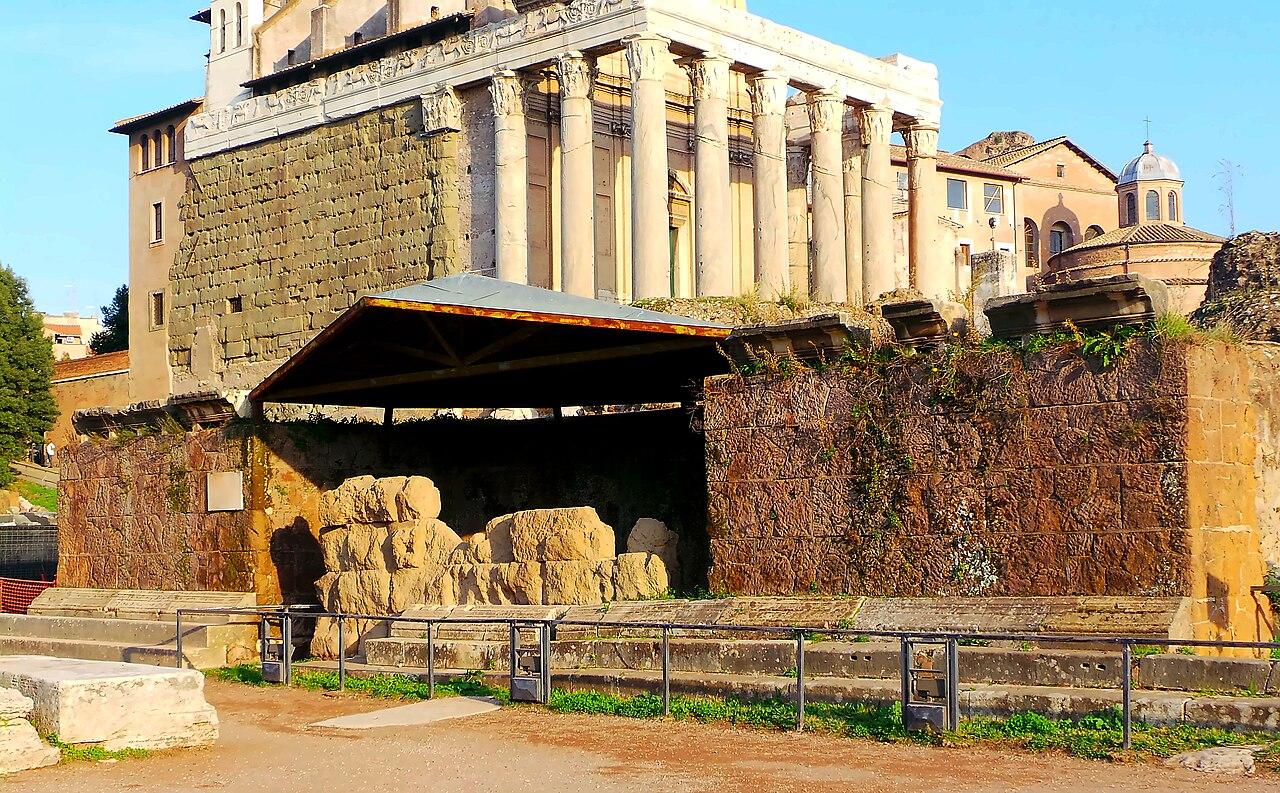
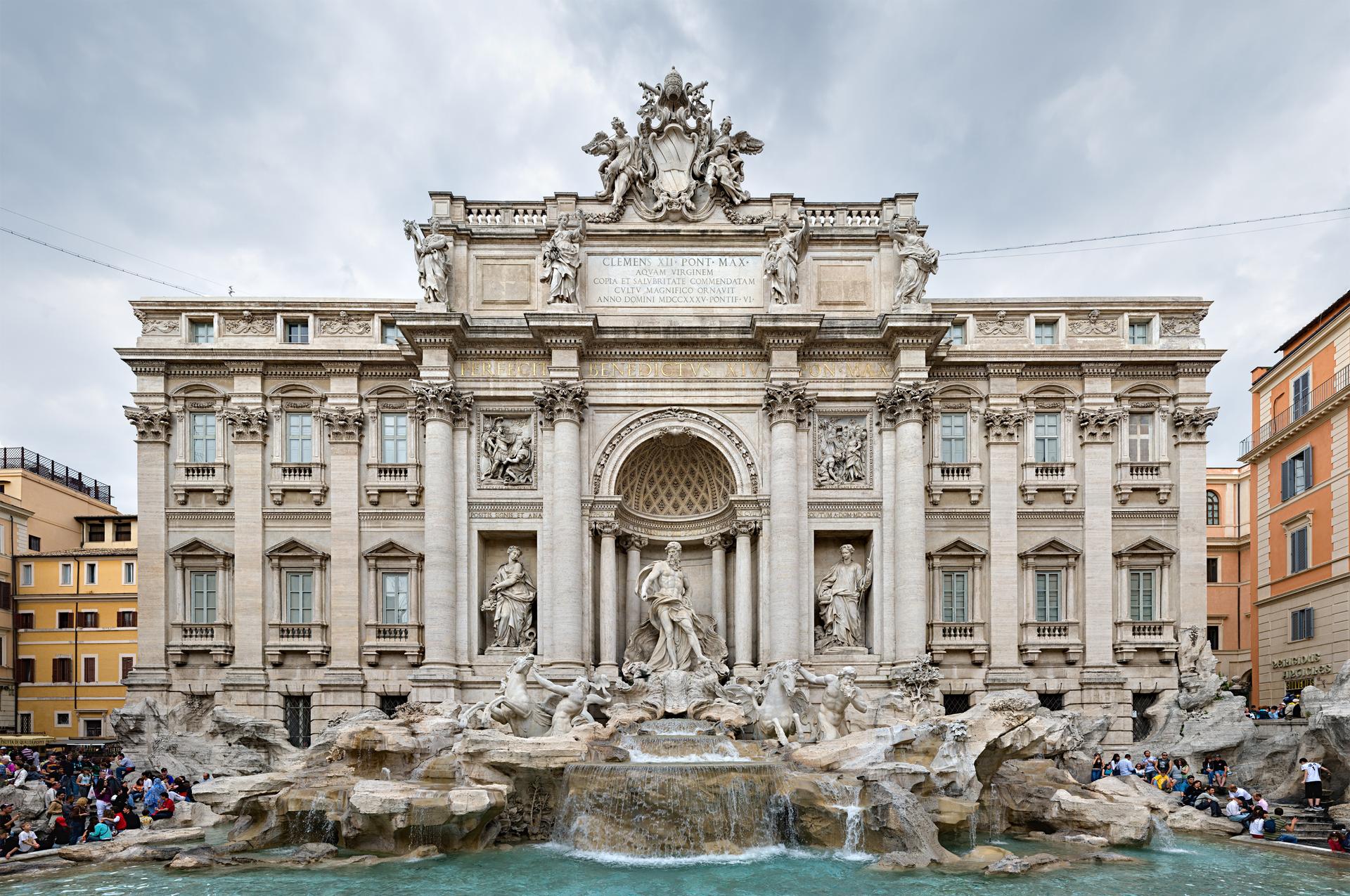
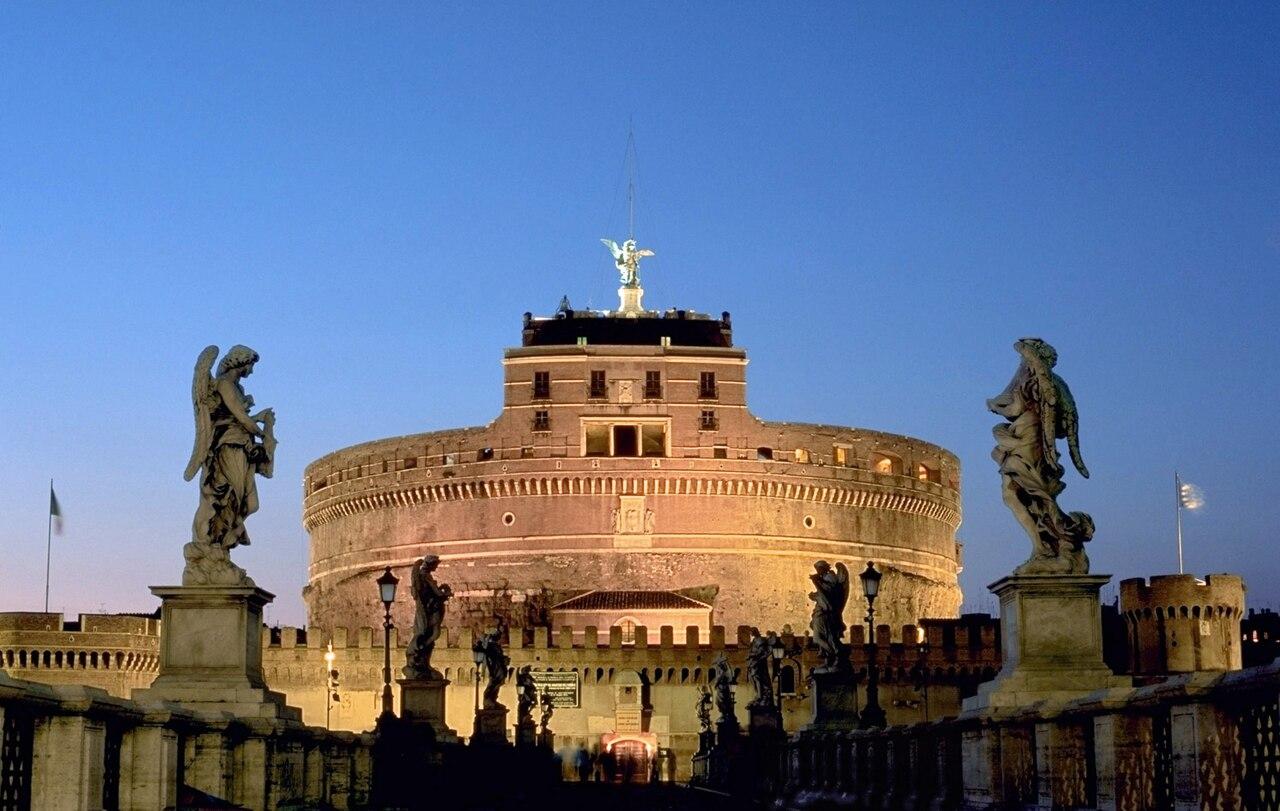
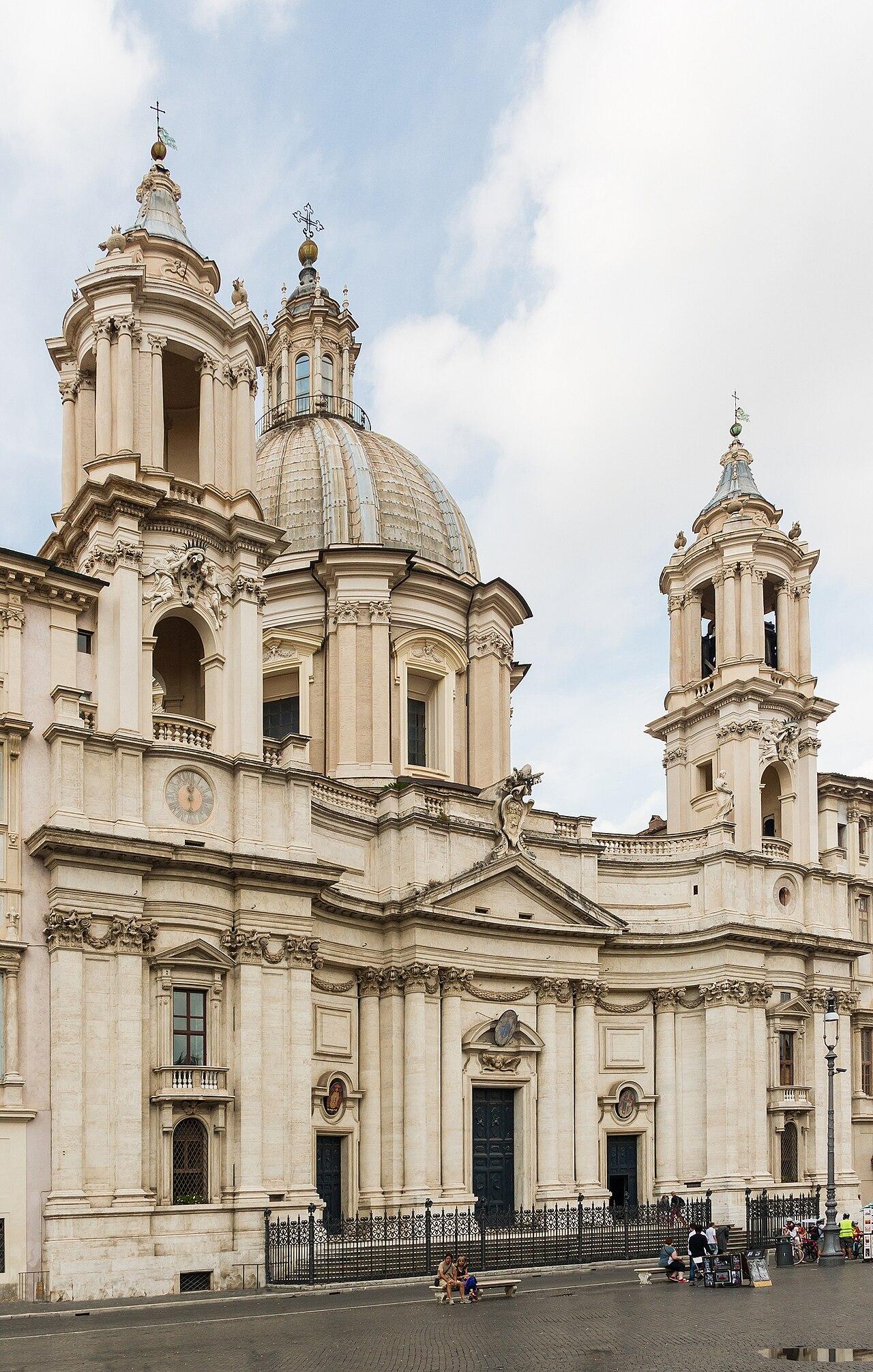
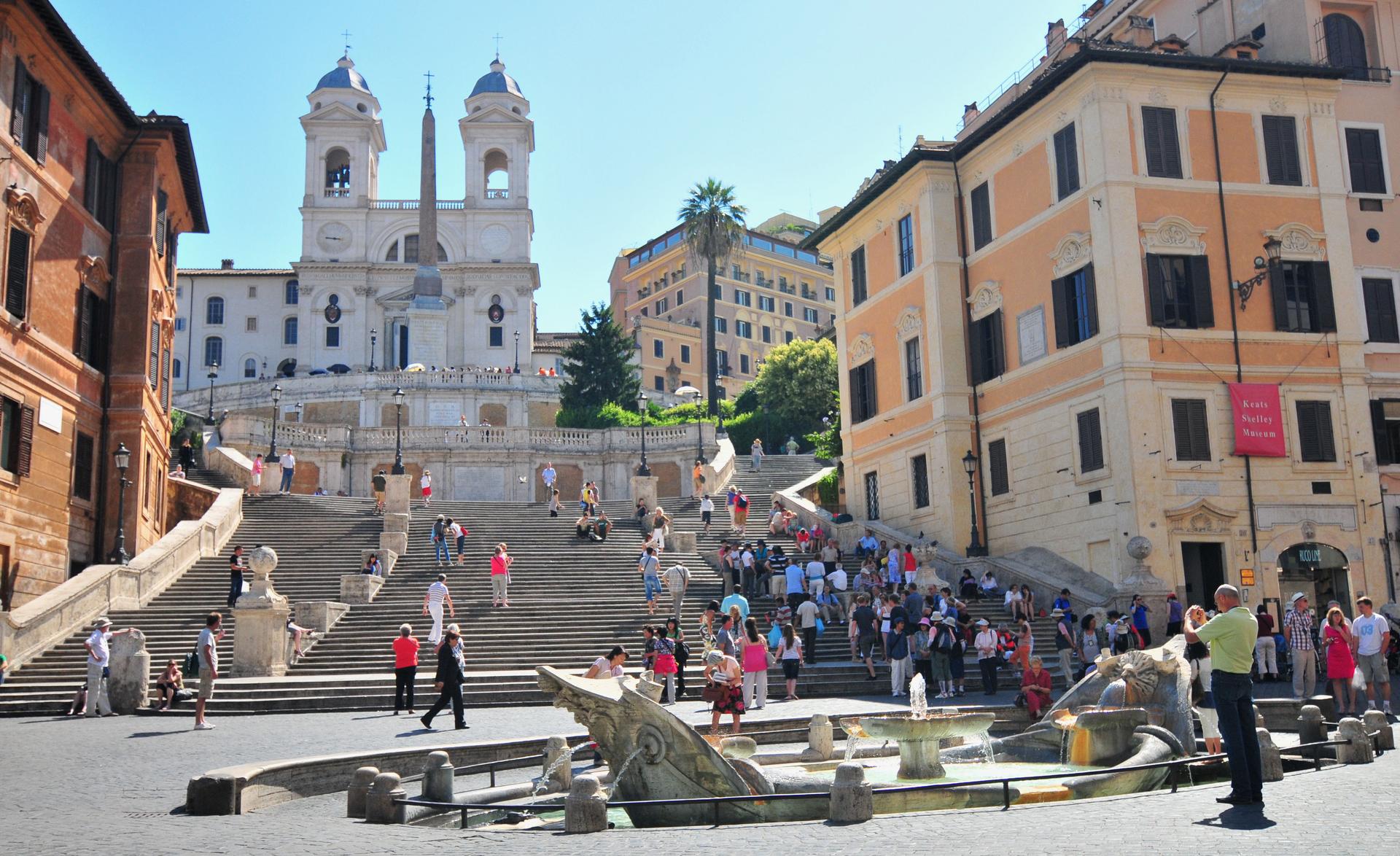
After the empire fell apart the population dropped to a few tens of thousands, who lived in the bend of the river and used the ruins as a quarry. From the fifteenth century the popes rebuilt the city as a stage for pilgrims, with straight streets, fountains at the end of repaired aqueducts and churches on almost every square.
Diliff, CC BY 3.0, via Wikimedia Commons
Period 4:
Capital of Italy
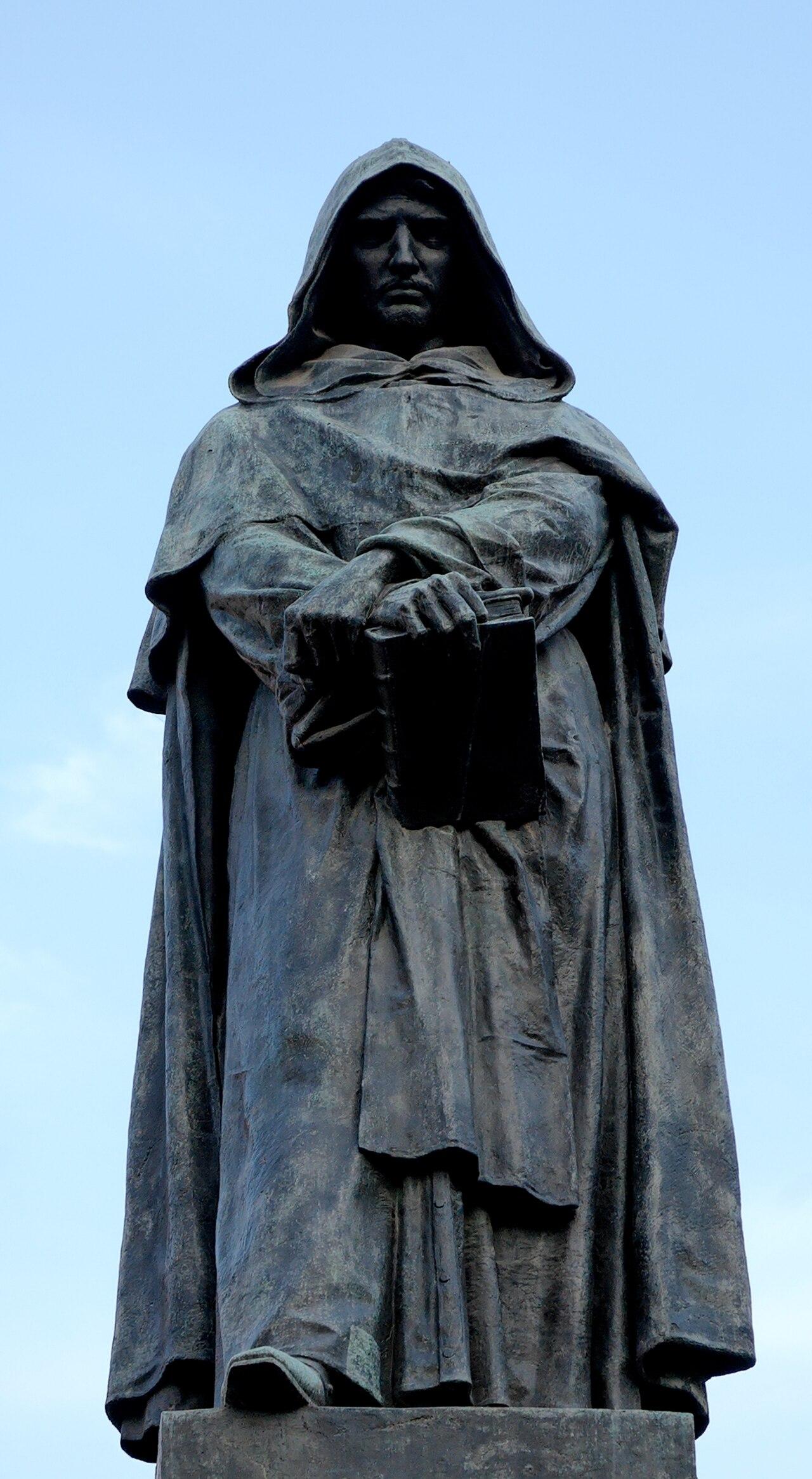
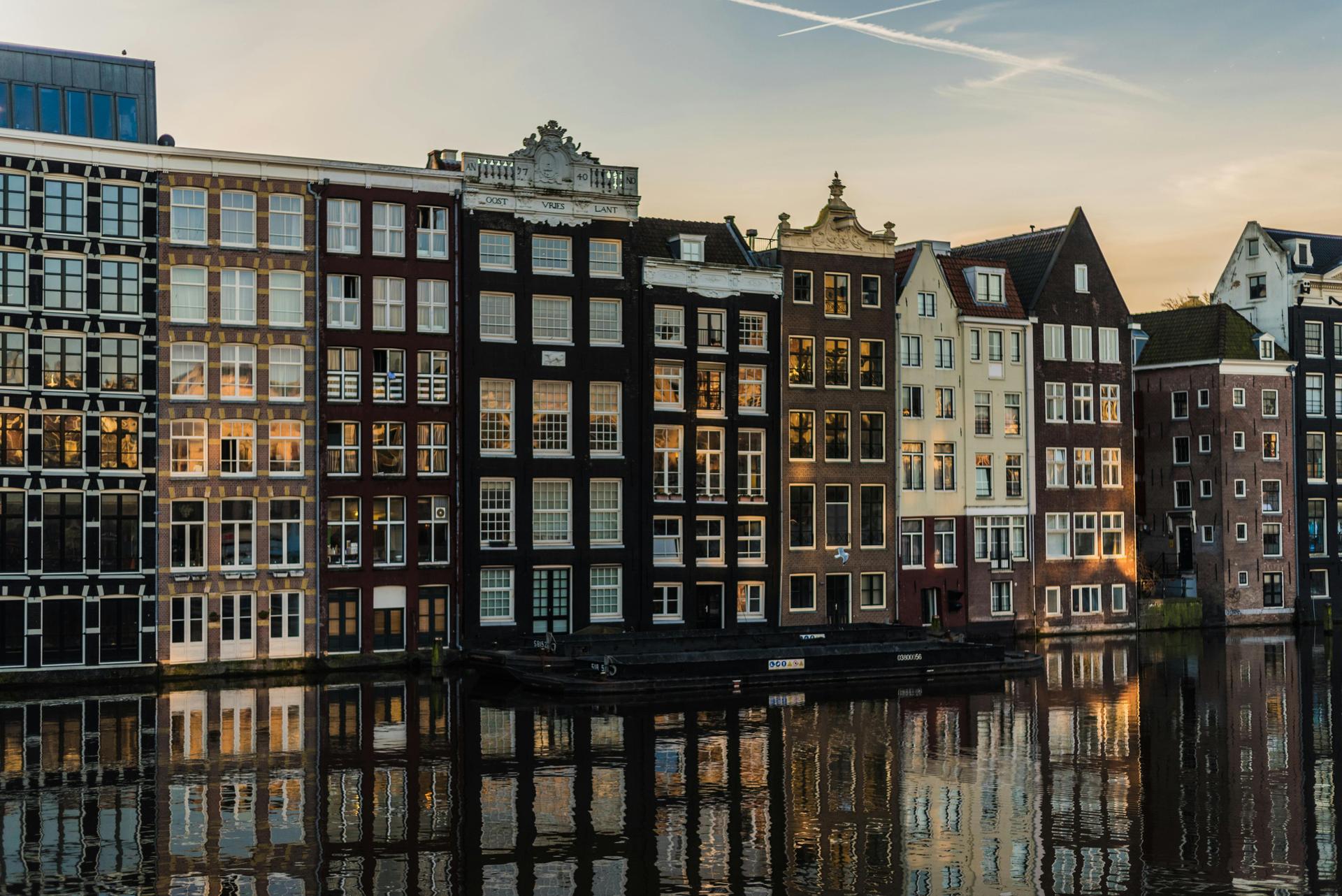
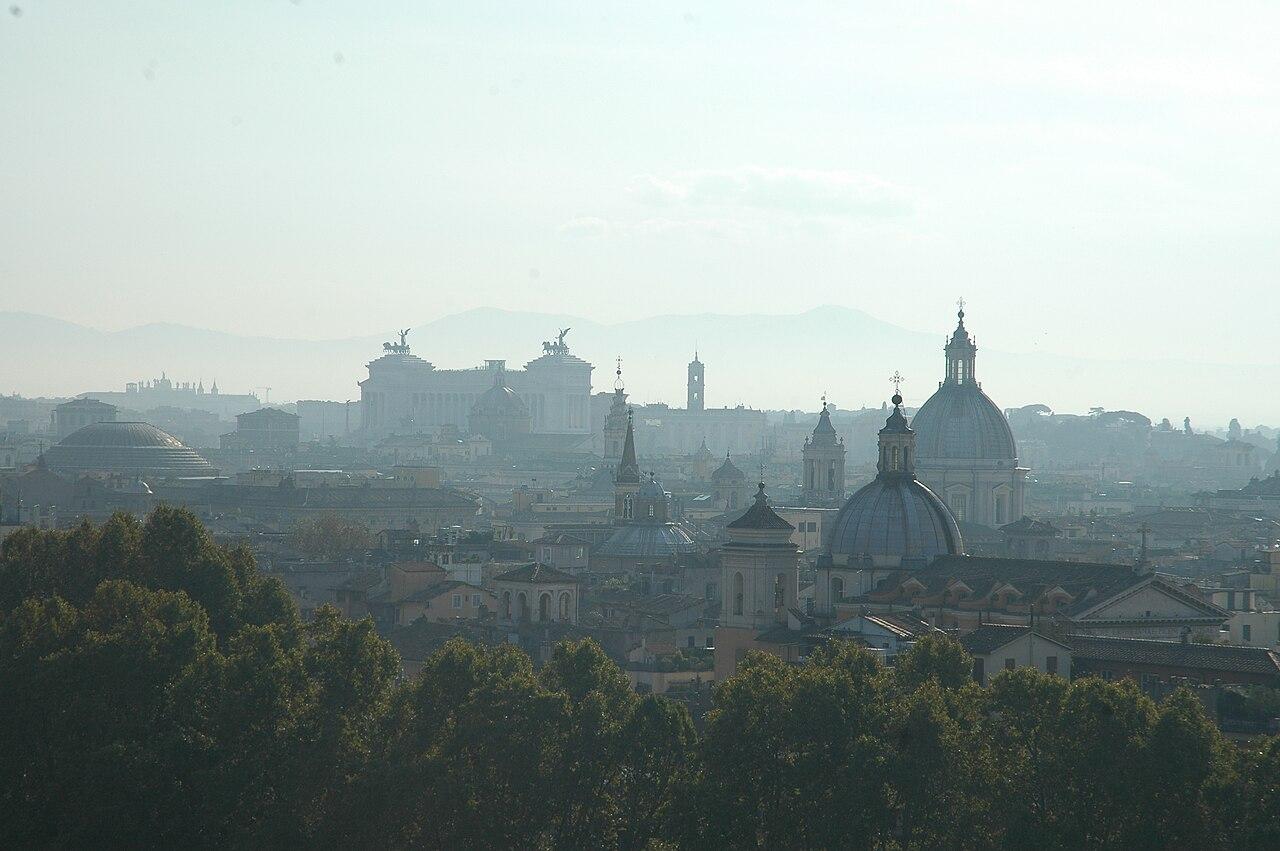
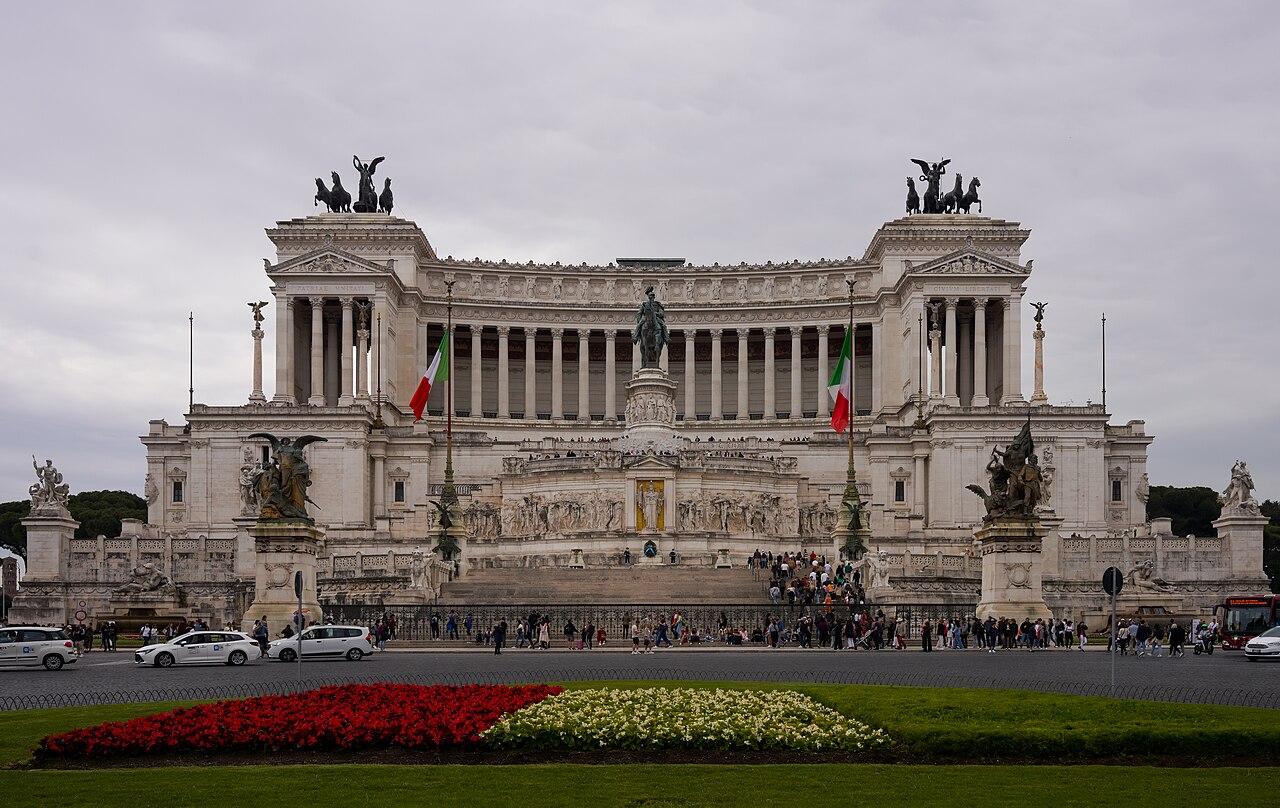
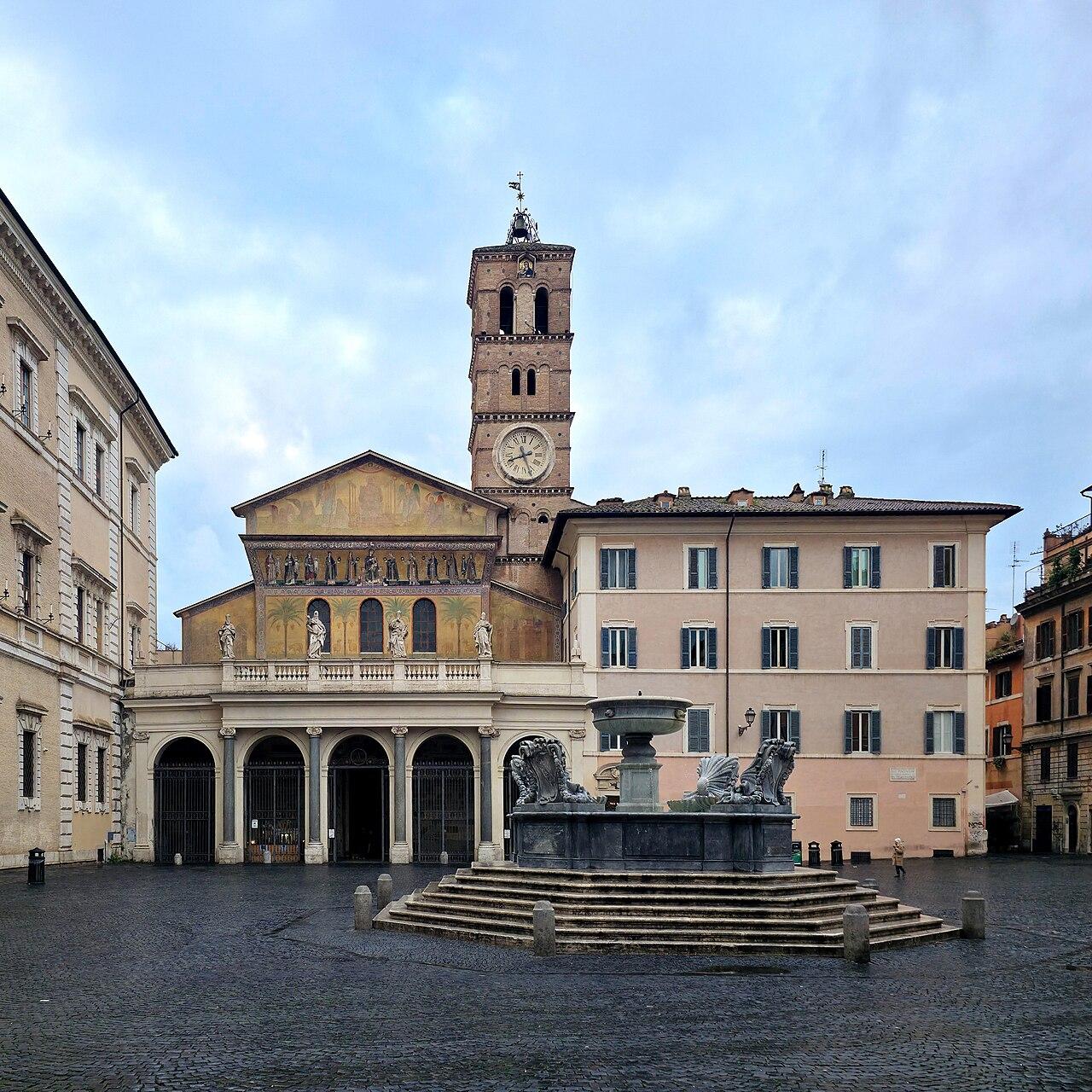
In 1870 Italian troops breached the city wall at Porta Pia and Rome became the capital of a young country. Ministries, boulevards and the white monument on Piazza Venezia were cut through the old centre, and under Mussolini whole medieval neighbourhoods disappeared for new avenues towards the ancient ruins.
ThePhotografer, CC BY-SA 4.0, via Wikimedia Commons
Walking routes in Rome
Loops of a few kilometres through the city, told stop by stop.
The places behind the stories
Every stop on our map of Rome has its own story — 86 of them. Read them here, or hear them where they happened.